Guy's Po-Boys
Our verdict
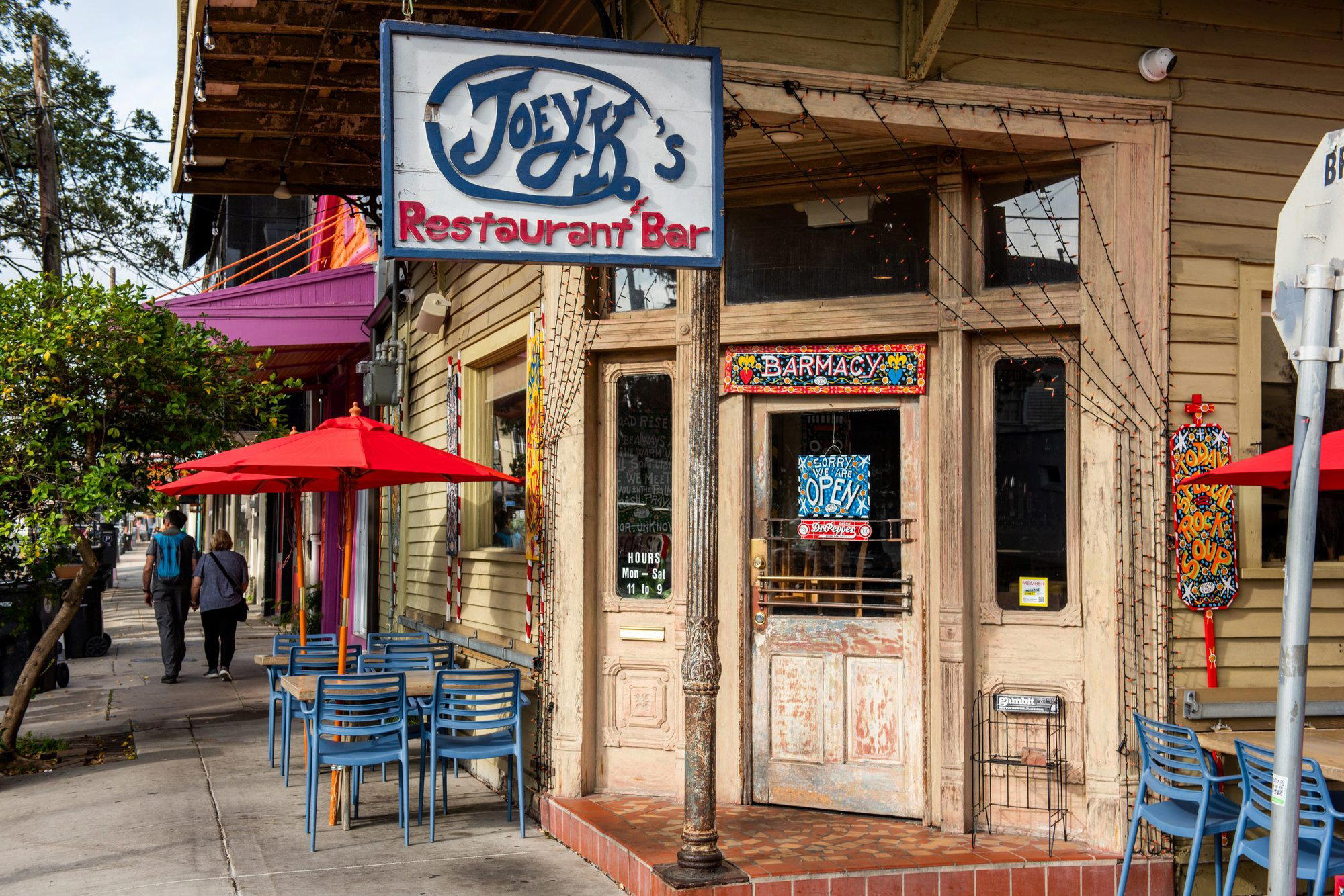
Guy's Po-Boys on Magazine Street is a neighbourhood fixture in New Orleans' Uptown corridor, operating in the tradition of the working sandwich lunch that has defined Louisiana counter culture for generations. The format is straightforward: order at the counter, take your sandwich, and eat. No reservations, no dress code, and no ceremony beyond the ritual of the po-boy itself.

Pearl is the En Primeur Club membership app — saves, bookings, and concierge access live there. Same editors, same standards.
- Address
- 5259 Magazine St, New Orleans, LA 70115
- Phone
- (504) 891-5025
- Hours
- Mon–Sat 11 AM–4 PMSun Closed
- Website
- facebook.com
- Directions
- Get directions
The menu
What to order
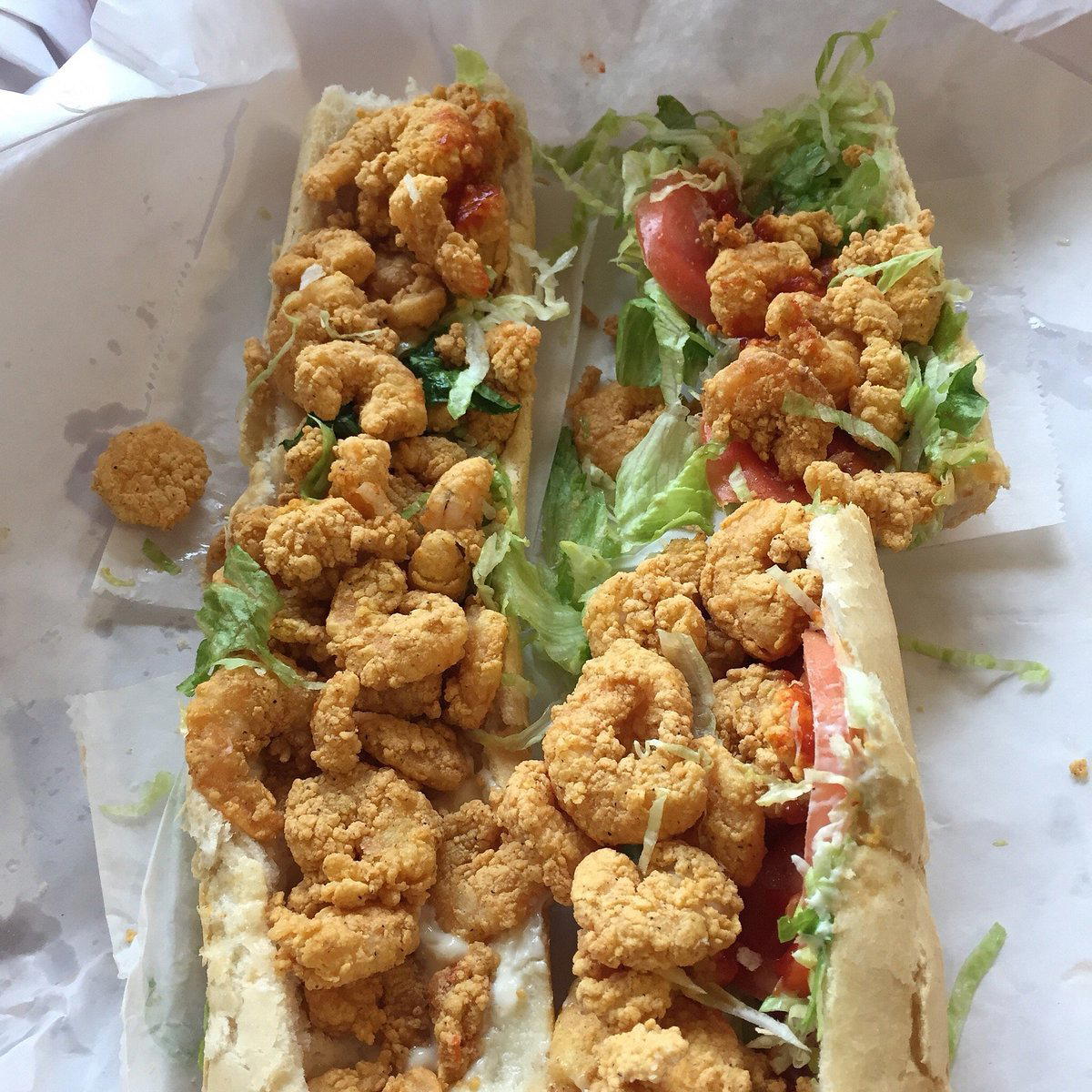
- Fried Shrimp Po-Boy
- Roast Beef Po-Boy
- The Bomb
- Grilled Catfish Po-Boy
The Po-Boy as Ritual: What Magazine Street Still Gets Right
Magazine Street runs for roughly six miles through some of New Orleans' most characterful residential corridors, and the dining along it reflects the city's preference for neighbourhood institutions over polished concepts. In the Uptown stretch, the lunch format is almost ceremonial in its consistency: you walk in, you state your order, and you eat. Guy's Po-Boys at 5259 Magazine Street sits inside that tradition with the kind of presence that comes not from publicity but from repetition. The counter-service po-boy shop is one of the formats that defines New Orleans' working food culture as clearly as the white-tablecloth Creole dining room or the late-night oyster bar, and Guy's operates inside that format without qualification.
This matters because the po-boy, as a civic object, carries considerable weight in New Orleans. Its origins trace to the 1929 streetcar strike, when the Martin brothers offered free sandwiches to striking workers, reportedly greeting each one with "here comes another poor boy." The bread is the starting point of any serious discussion: proper New Orleans po-boy bread has a specific crust-to-crumb ratio, a slight chew and a yield that differs from a French baguette or a hoagie roll. What gets stuffed inside it, and how the sandwich is dressed, is where neighbourhood loyalties form. In a city where the same broad category of food can be executed at wildly different registers, from the counter at a gas station to a seated restaurant lunch, the ritual of ordering and eating a po-boy carries its own conventions that serious visitors should understand before they arrive.
How the Ordering Works
The po-boy counter operates on a rhythm that rewards clarity. You approach, you name your protein, you specify whether you want it "dressed" (which in New Orleans means lettuce, tomato, pickles, and mayonnaise as a standard package), and you indicate your bread size. There is no tasting menu pacing here, no amuse-bouche, no sommelier consultation. The meal begins when the bread hits the counter and ends when you finish what's in your hand. For visitors accustomed to the structured progression of a tasting menu at somewhere like Saint-Germain or the composed contemporary plates at Re Santi e Leoni, the shift in register is total and deliberate.
The counter format is not a lesser version of dining. It is a different set of conventions entirely. In New Orleans, the distinction between fine dining and counter culture is not a hierarchy so much as a map of the city's different ceremonial modes. Commander's Palace has its jacket-at-lunch tradition; the po-boy counter has its own code, which is speed, specificity, and the expectation that you know what you want. Hesitation at the counter is not a capital offence, but regulars have their orders ready. That's the etiquette.
Uptown Magazine Street in the Broader New Orleans Dining Picture
Uptown's dining corridor on Magazine Street operates at a different register from the French Quarter and the Central Business District. The foot traffic here is more local, the concepts tend toward the neighbourhood rather than the tourist circuit, and the price points reflect a community that eats out regularly rather than as an occasion. This stretch of the city is also where you find the kind of casual American cooking that sits between the Creole formalism of white-tablecloth institutions and the more contemporary American direction of places like Zasu or the New American positioning of Bayona.
The po-boy shop occupies a category that none of those places touch. It is a lunch format, a working-day ritual, and a point of civic pride in a city that treats its food culture with genuine seriousness. The gap between a neighbourhood po-boy counter and a full-service Cajun room like Emeril's is not measured in quality but in occasion. They answer different questions about what you need from a meal at a given moment.
For visitors building a broader picture of New Orleans eating, the po-boy counter is not an afterthought. It is one of the load-bearing elements of how the city feeds itself. The same attentiveness to sourcing and tradition that shapes the dining at the white-tablecloth level runs, in a different key, through the serious po-boy shops. Bread quality, fry temperature, and the balance of the dress are debated with the same intensity that diners elsewhere apply to tasting menus.
Where This Fits on a Longer Itinerary
If your New Orleans trip includes a reservation at one of the city's more ambitious rooms, the po-boy lunch sits naturally as its counterpoint. The city's dining culture is leading understood across registers, not just within one. Spending an evening with the composed progression of a contemporary tasting menu and then anchoring a midday meal at a counter like Guy's gives you a more complete read of how New Orleans actually eats than either experience alone. For reference on the broader American fine-dining scene outside New Orleans, EP Club covers the full range from Le Bernardin in New York City to The French Laundry in Napa, Lazy Bear in San Francisco, Smyth in Chicago, Providence in Los Angeles, Single Thread Farm in Healdsburg, Blue Hill at Stone Barns in Tarrytown, Addison in San Diego, The Inn at Little Washington, Frasca Food & Wine in Boulder, Atomix in New York City, and Atelier Moessmer Norbert Niederkofler in Brunico. The po-boy counter belongs to a different conversation, but that conversation is no less substantive.
Our full New Orleans restaurants guide maps the city's dining by neighbourhood, price tier, and occasion, which is the most useful frame for a city where the range from counter lunch to tasting menu dinner is as wide as anywhere in the country.
Planning Your Visit
Guy's Po-Boys is located at 5259 Magazine Street in Uptown New Orleans, accessible by the Magazine Street bus route and within walking distance of the Audubon Park area. The format is walk-in counter service; no reservation infrastructure exists and none is needed. Lunch hours are the primary window for po-boy shops in New Orleans, and arriving outside of the midday peak generally means shorter waits and bread at its freshest from the morning's delivery. No dress code applies. The price point sits firmly in the casual lunch bracket that characterises the counter format citywide.
Frequently asked questions
What should I expect atmosphere-wise at Guy's Po-Boys?
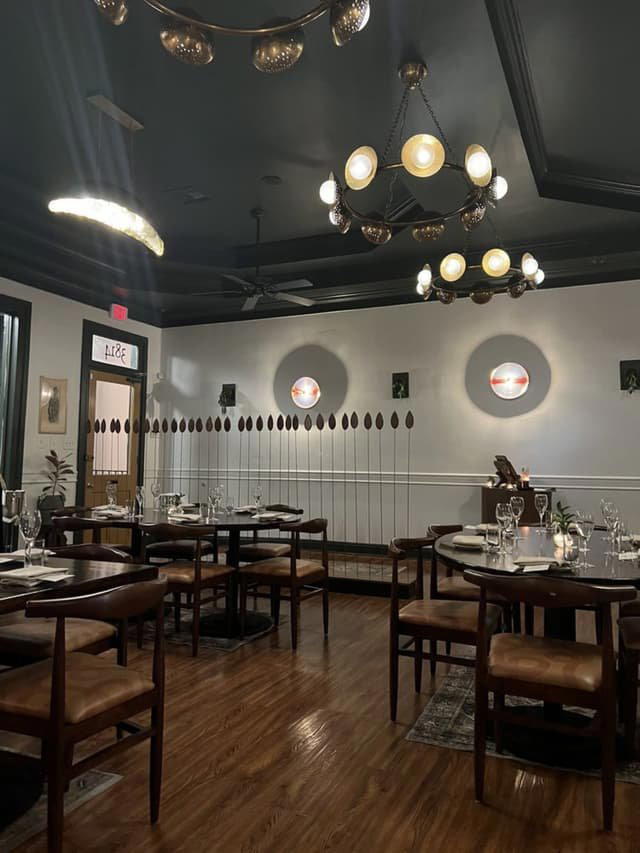
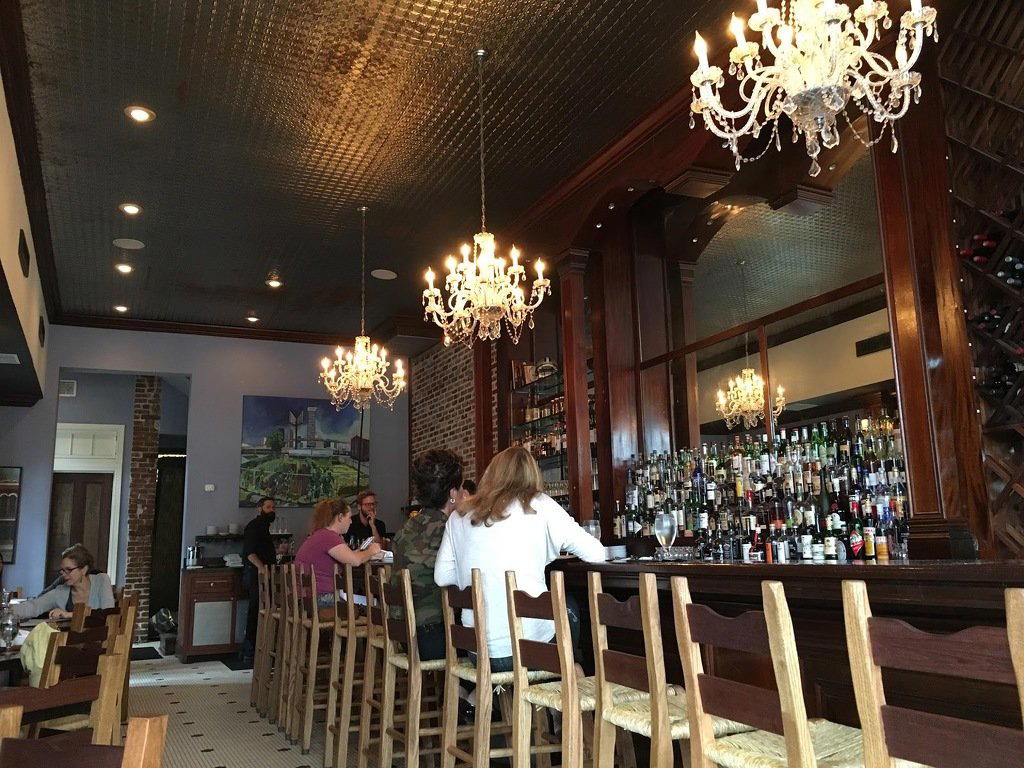
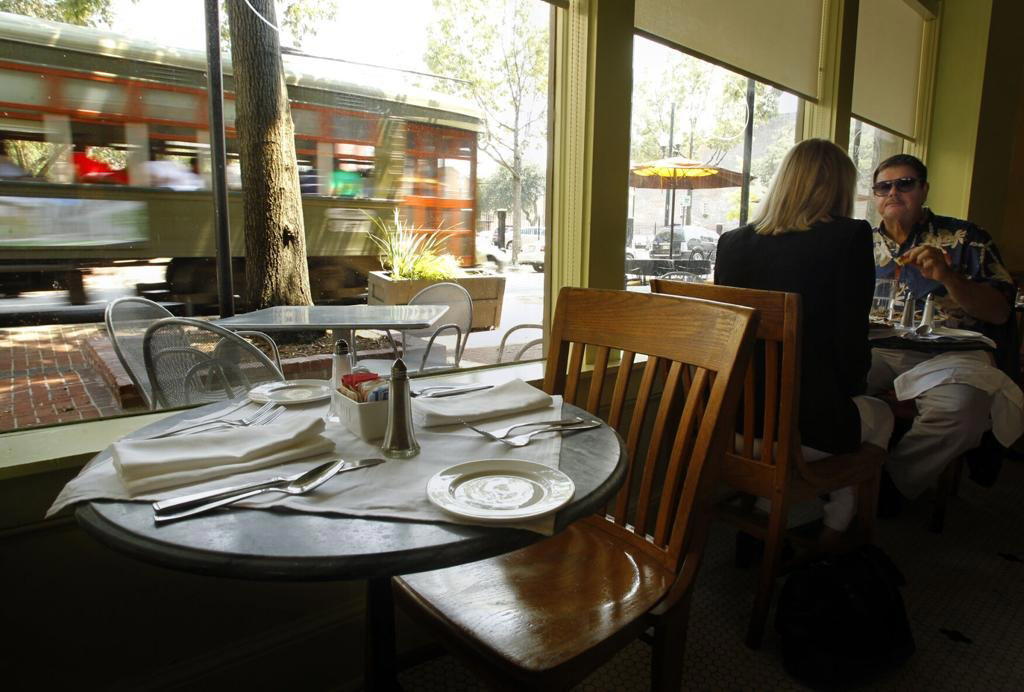
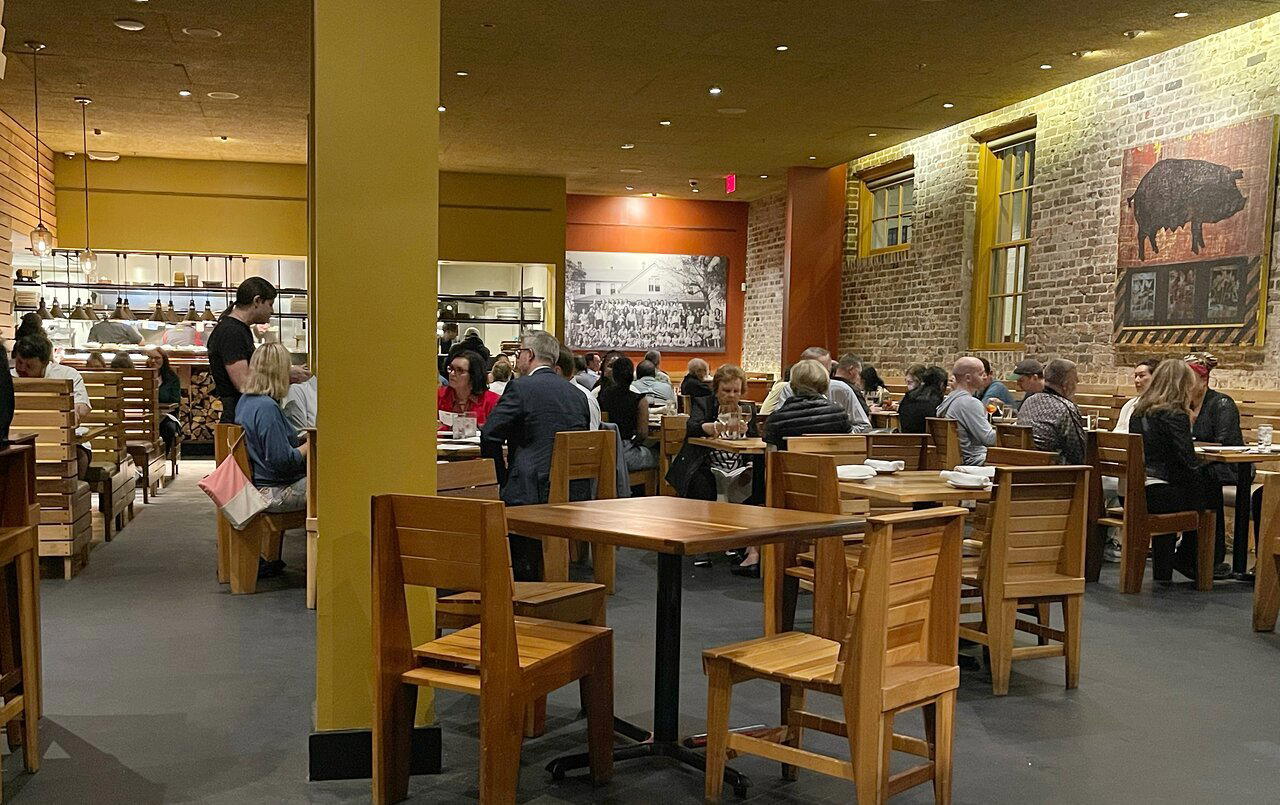
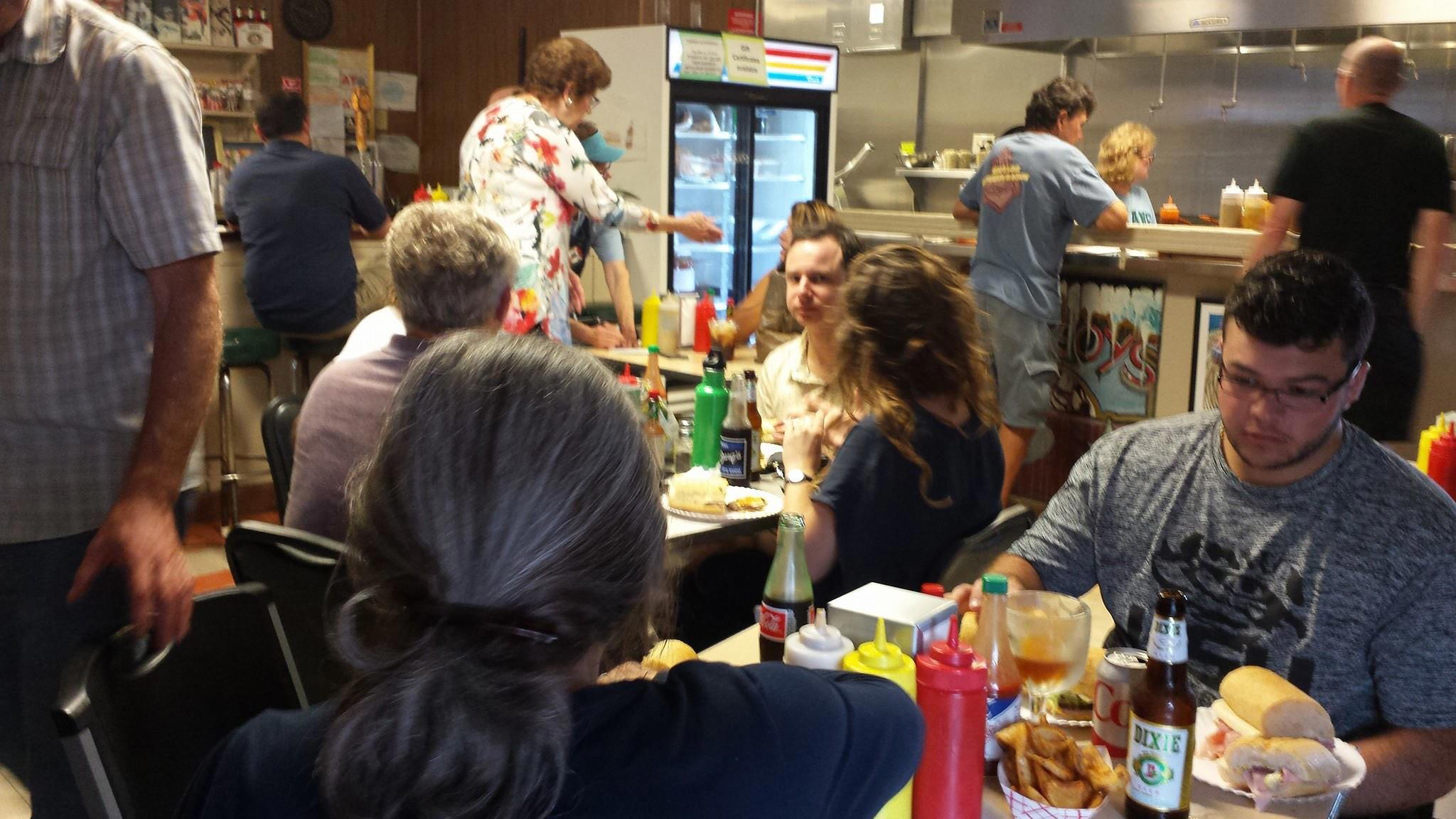
Guy's occupies a working counter format on Magazine Street in Uptown New Orleans, a residential corridor that runs well outside the tourist circuits of the French Quarter. Expect a no-frills room where the focus is on the sandwich, not the setting. The foot traffic here is predominantly local, which shapes the pace and tone of the place.
What's Guy's Po-Boys's location?
Guy's Po-Boys is located at 5259 Magazine St, New Orleans, LA 70115, New Orleans.
Is Guy's Po-Boys on Magazine Street worth visiting if I'm staying in the French Quarter?
Guy's is located at 5259 Magazine Street in Uptown, roughly the length of the city away from the French Quarter, so it requires a deliberate trip rather than a casual detour. That distance is part of the point: the po-boy counter here functions within a genuinely local New Orleans neighbourhood rather than a visitor-facing strip, and the experience reflects that. If your New Orleans itinerary has room for one lunch outside the central corridors, this is a credible use of it.
What should I order at Guy's Po-Boys?
The po-boy is the only logical starting point. In New Orleans convention, ordering it 'dressed' means lettuce, tomato, pickles, and mayonnaise on French bread — and Guy's operates squarely within that tradition. Choose your protein, state your preference on dressed or plain, and the counter does the rest.
What's the best way to book Guy's Po-Boys?
Guy's Po-Boys operates as a walk-in counter at 5259 Magazine Street in Uptown New Orleans — reservations are not part of the format. The Magazine Street bus route serves the address directly, making it accessible without a car.
Price and Recognition
Comparable venues nearby, for context on price, style, and recognition.
| Venue | Cuisine | Price | Notes |
|---|---|---|---|
| Guy's Po-BoysThis venue — the venue you are viewing | Classic New Orleans Po-Boys | $10–20 | Not listed |
| Dat Dog | Gourmet Hot Dogs & Sausages | $10–20 | East Riverside, Gourmet Hot Dogs & Sausages |
| NOLA Brewing & Pizza Co. | New York-Style Pizza & Craft Beer | $20–30 | Irish Channel, New York-Style Pizza & Craft Beer |
| Camelia Grill | Classic American Diner | $10–20 | Riverbend, Classic American Diner |
| The Bower | Modern American Small Plates | $50–100 | Central City, Modern American Small Plates |
| Jeri Nims Soda Shop | Classic American Diner | $10–20 | Arts District, Classic American Diner |