


1 Michelin Star · La Liste Top Restaurants
Our verdict
Long-established classics sit alongside newer preparations, all anchored in the cold, nutrient-rich waters just offshore.

Pearl is the En Primeur Club membership app — saves, bookings, and concierge access live there. Same editors, same standards.
- Address
- Lungomare Guido Spadazzi, 12, 47924 Miramare RN, Italy
- Phone
- +39 0541 374612
- Hours
- Mon–Tue ClosedWed–Thu 12:30–2 PM, 7:30–10 PMFri 12:30–2:30 PM, 7:30–10 PMSat–Sun 12:30–2 PM, 7:30–10 PM
- Website
- ristoranteguido.it
- Directions
- Get directions
- Booking
- Book on TheFork
The menu
What to order
- Cuttlefish cappuccino
- Canocchia gratin
- Seafood pizza
A Beach Club That Plays a Different Game
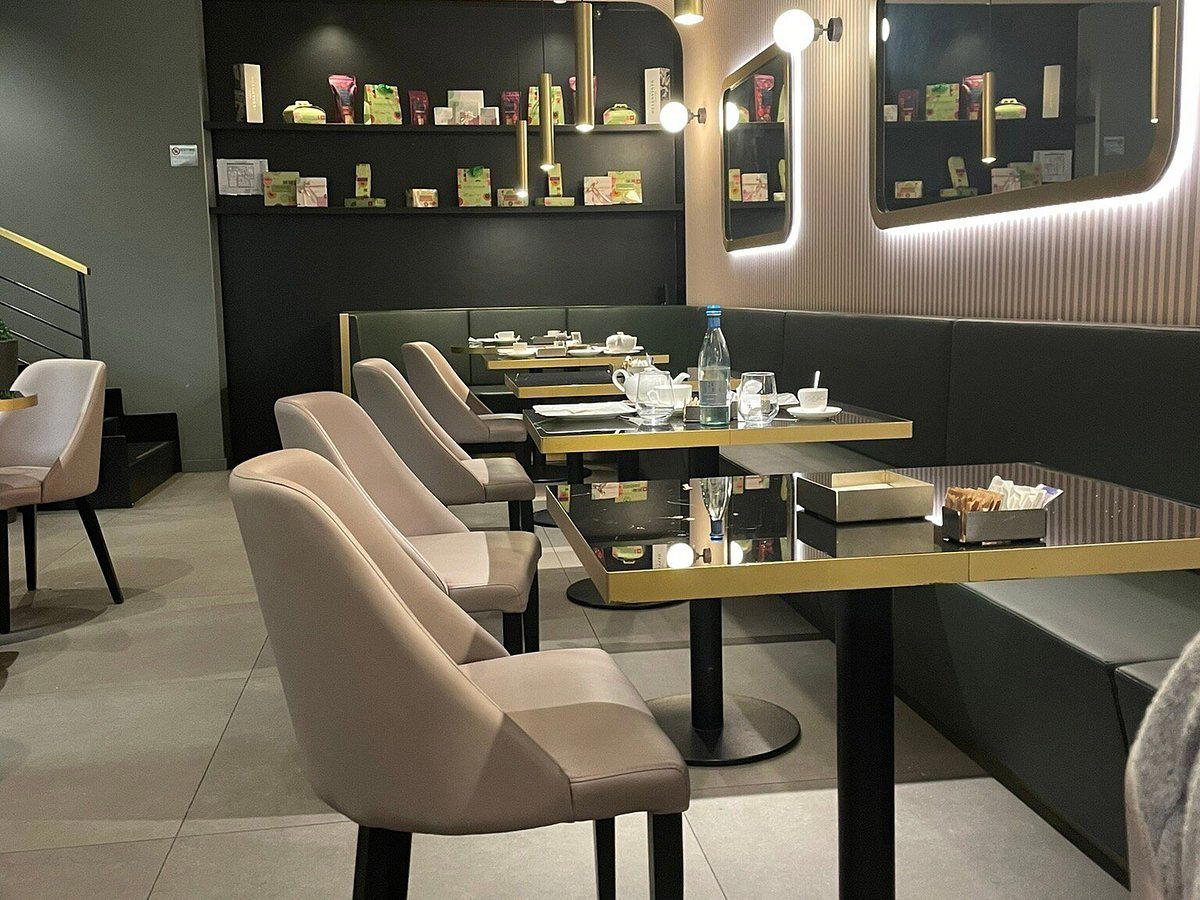
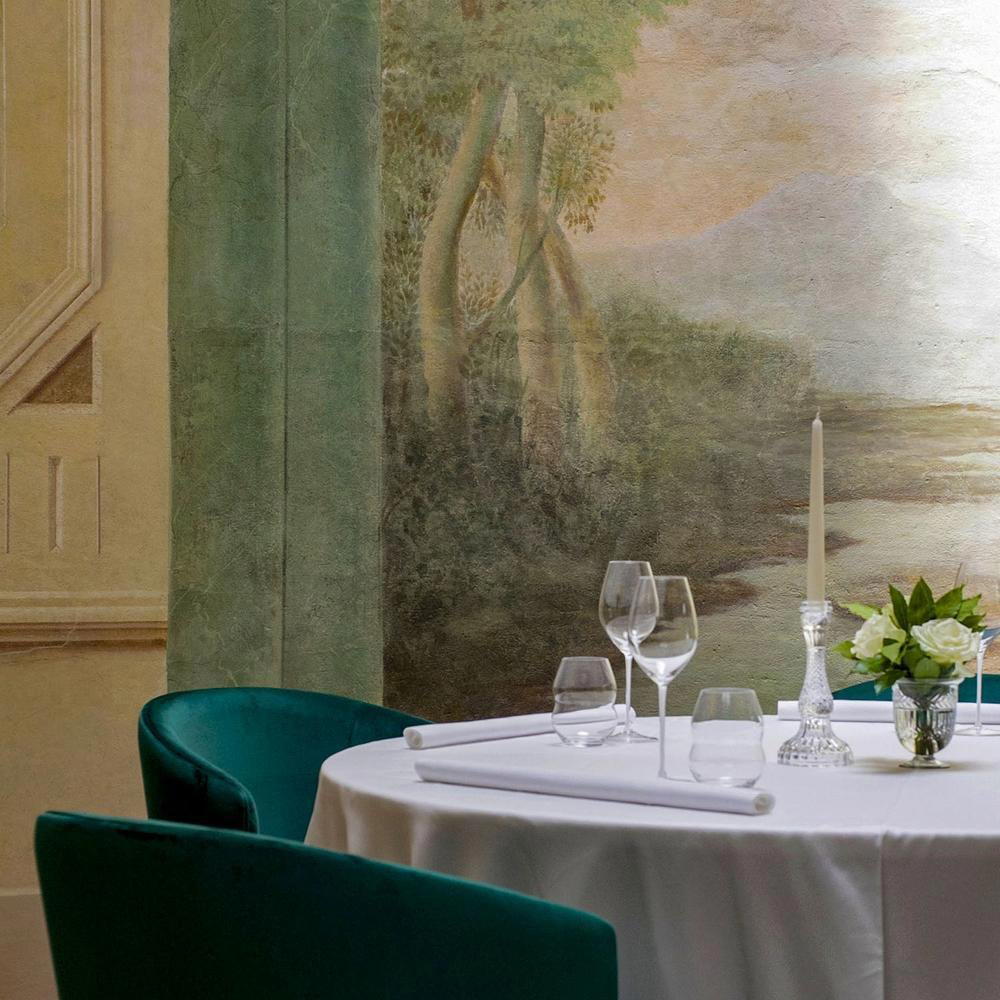
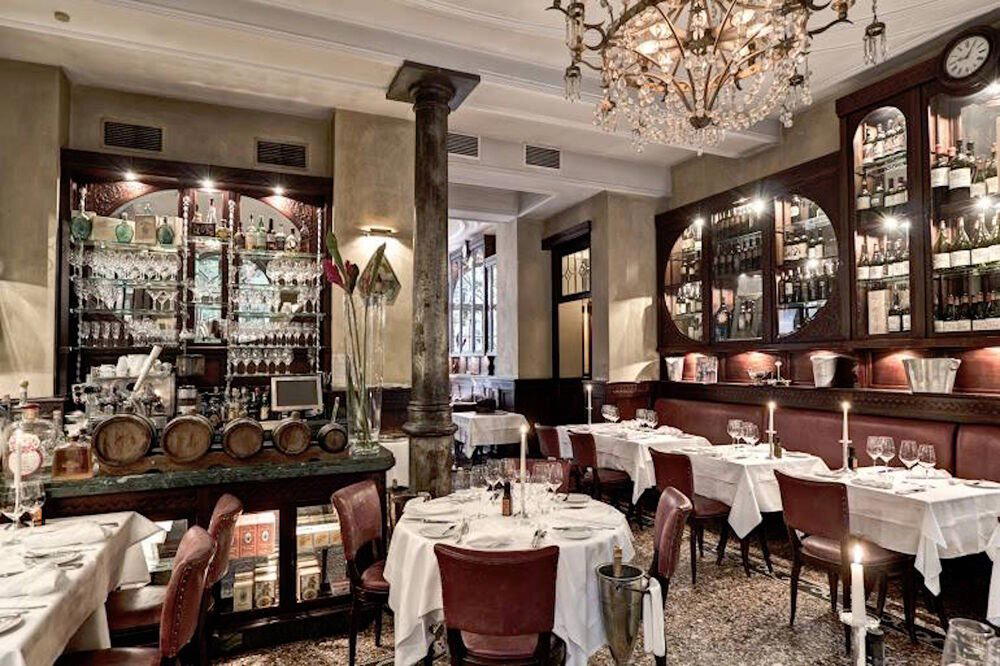
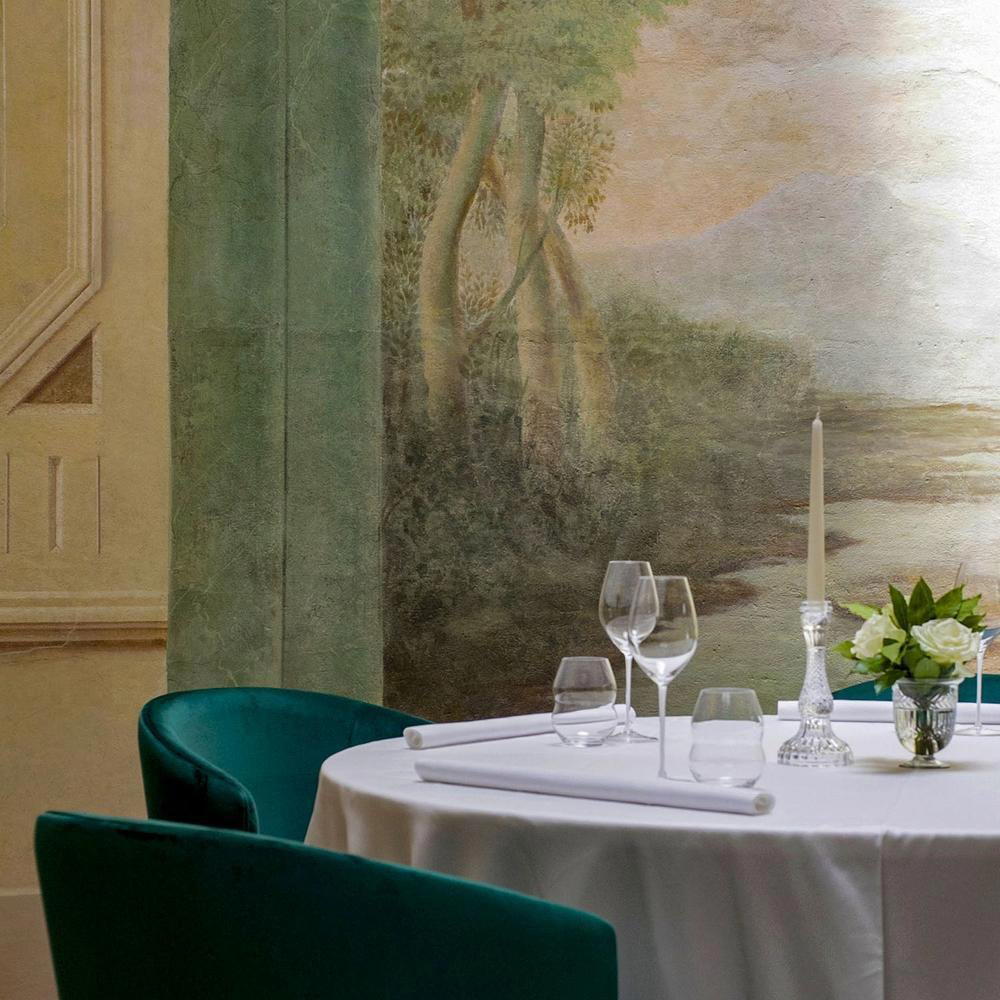
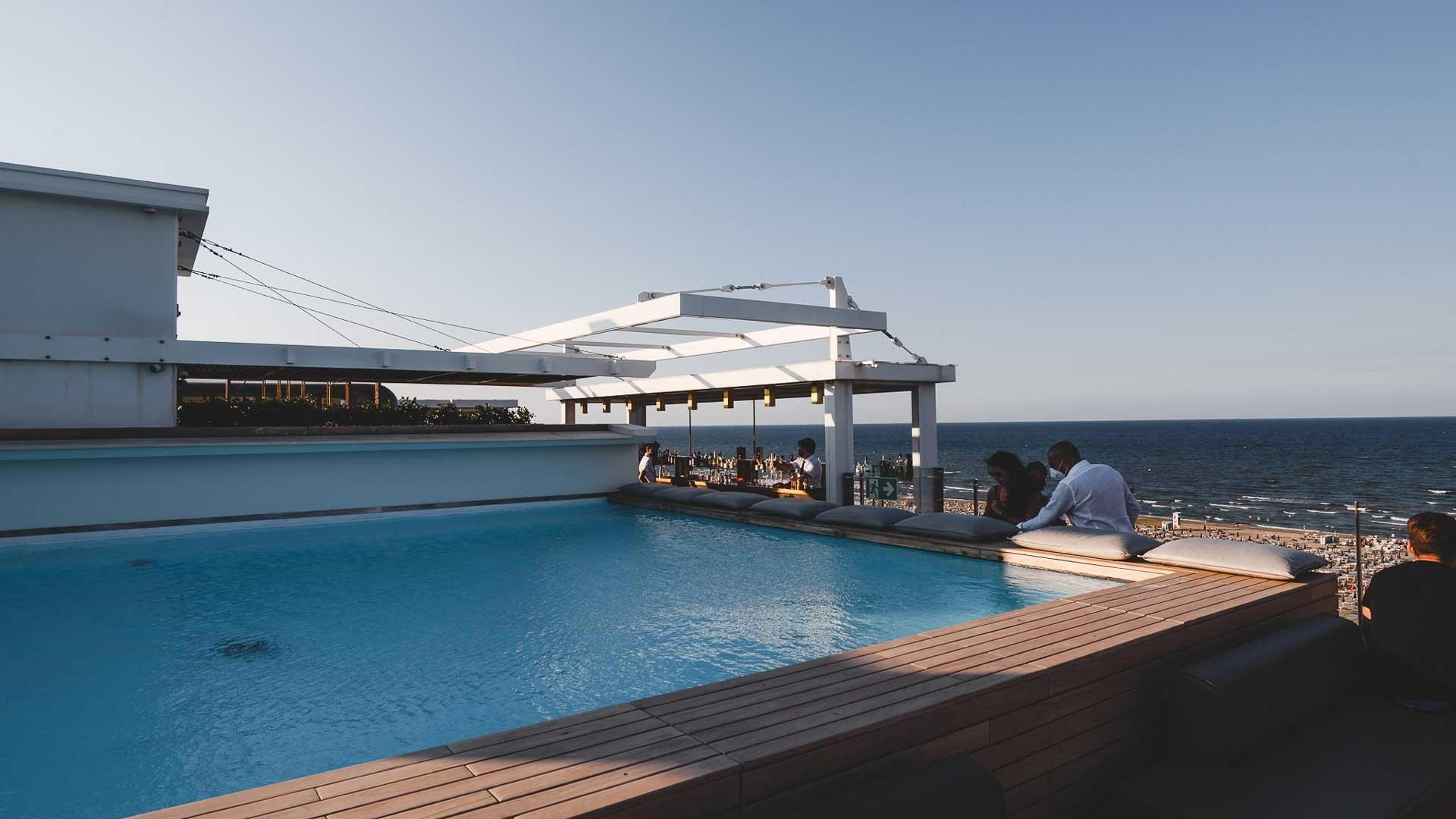
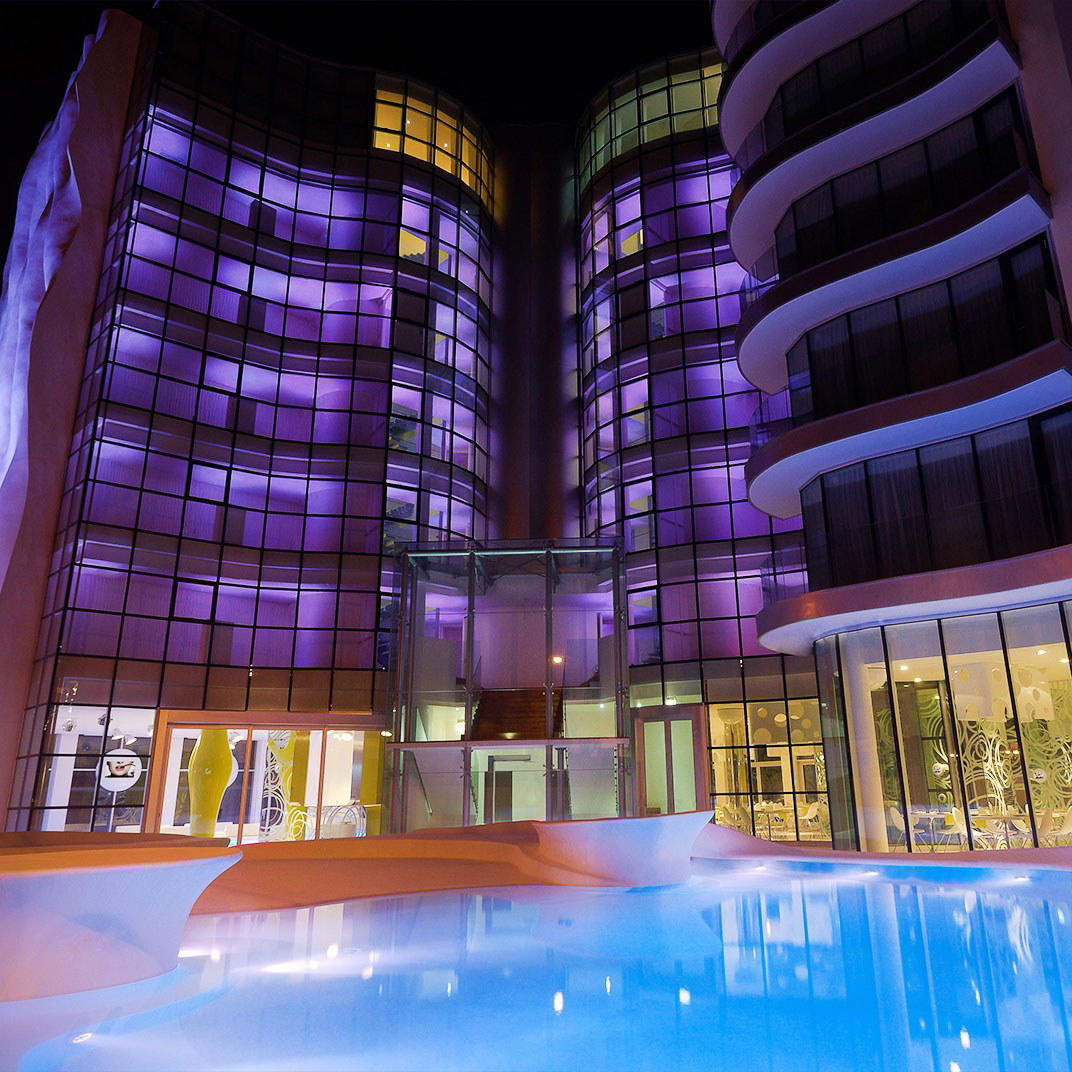
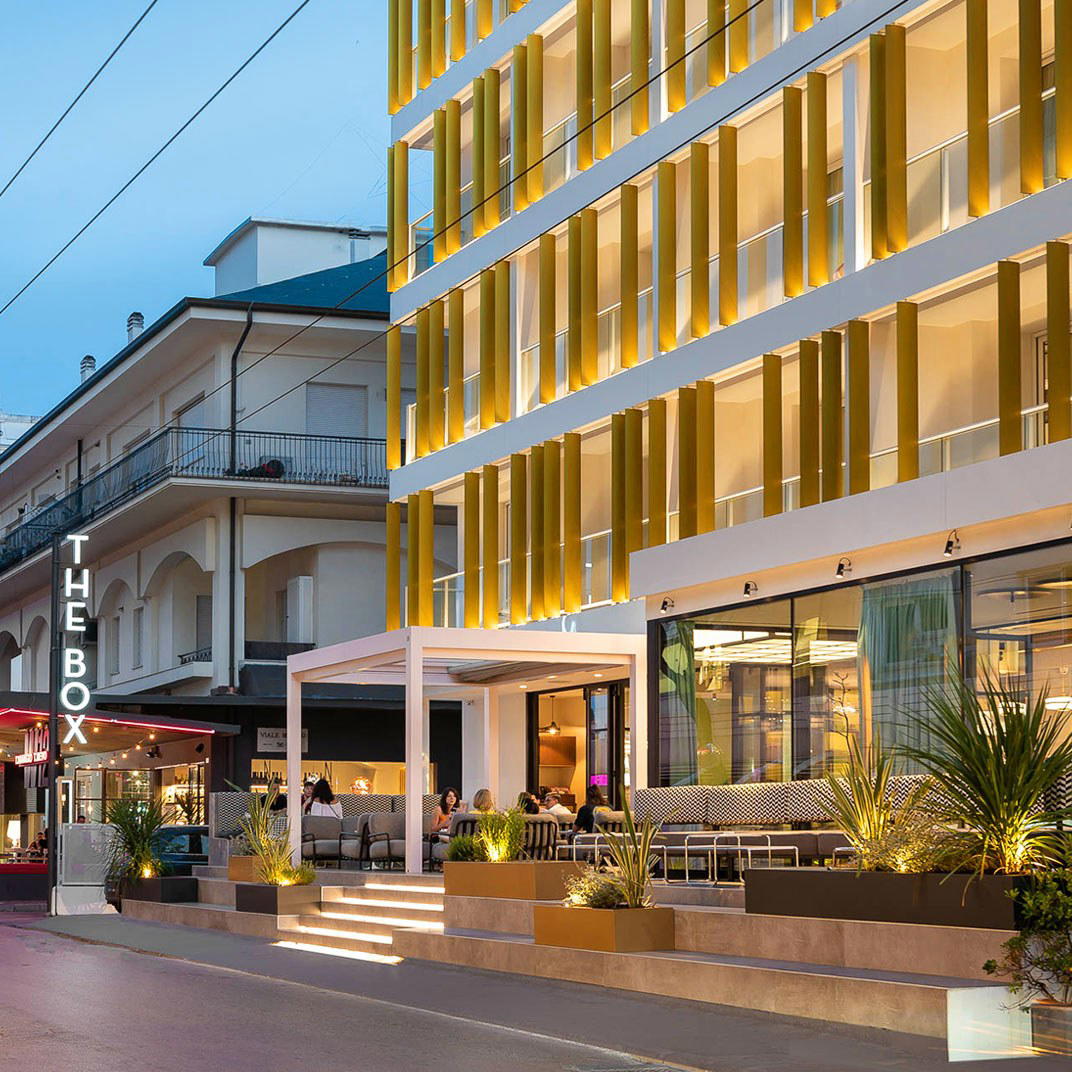
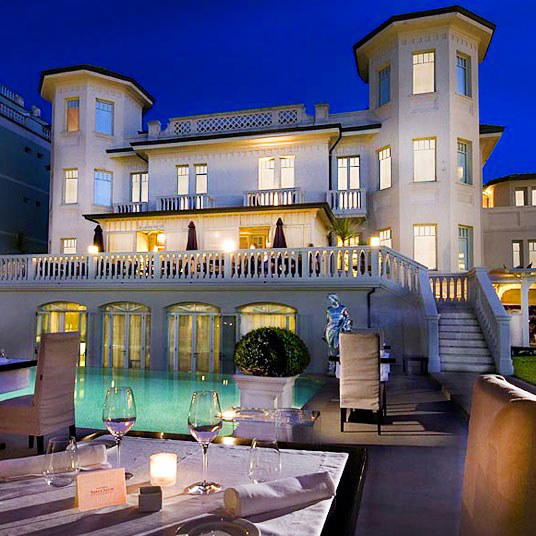
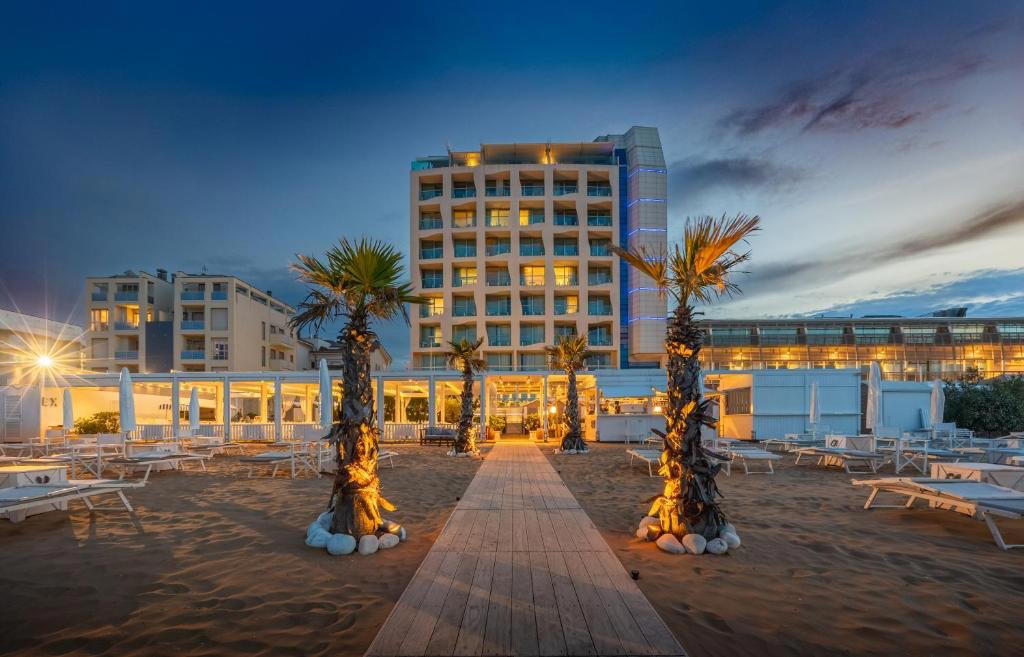
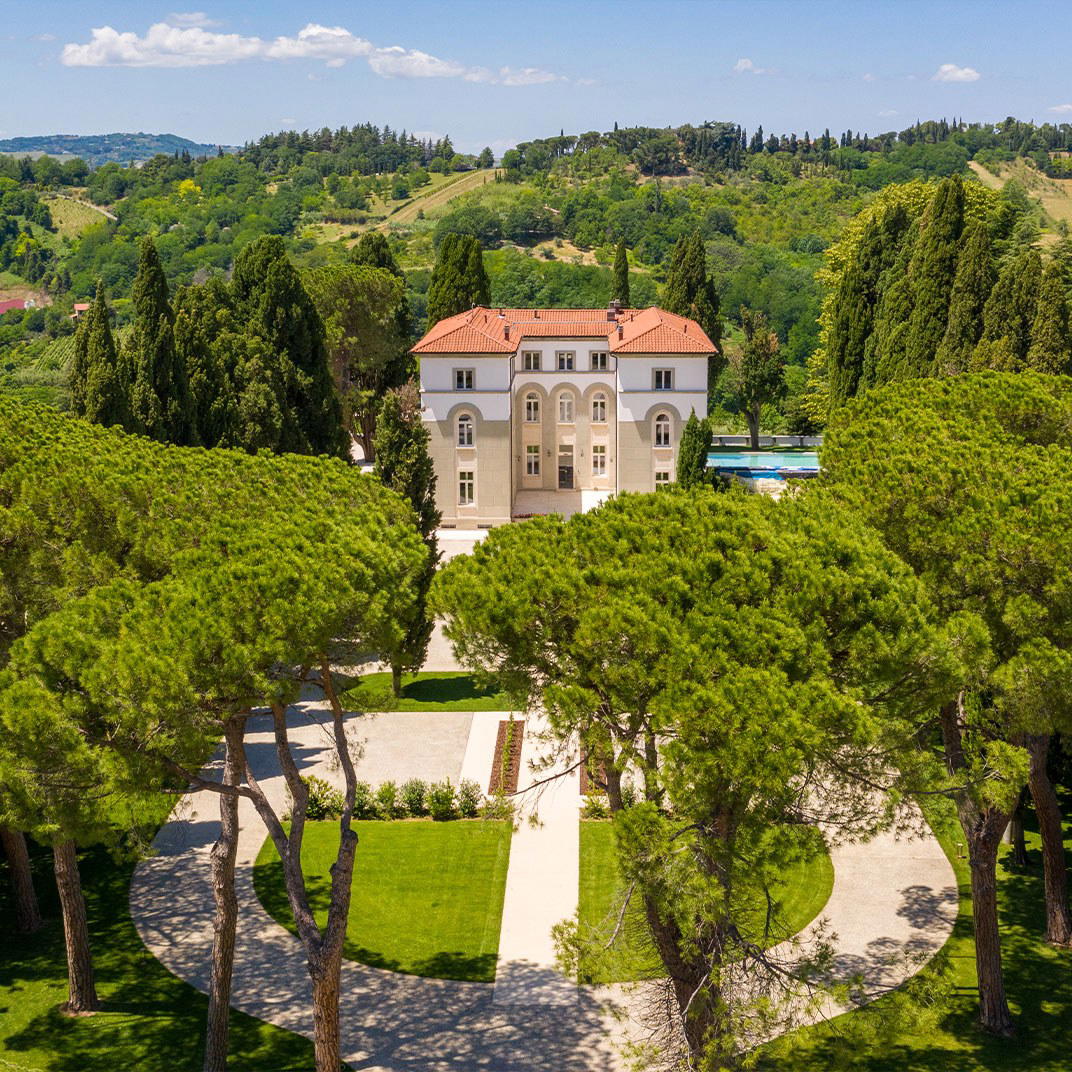
The Adriatic Riviera has spent decades building an identity around volume: sunbeds stretching to the horizon, beach bars pouring Aperol from noon, and seafood restaurants that treat a grilled branzino as an interchangeable commodity. Step past the facade and the interior shifts register entirely: hushed, considered, with the kind of low-key elegance that signals confidence rather than effort. The setting belongs to a pattern seen at certain Italian coastal addresses where the leading cooking deliberately underplays its surroundings, letting the room recede and the plate advance.
The Adriatic as a Specific Provenance
The editorial angle that makes Guido legible is not Italian seafood in the abstract but the Adriatic in particular. The northern and central Adriatic is a semi-enclosed basin, shallower and colder than the Tyrrhenian or Ionian, with distinct tidal patterns and a fishing tradition rooted in small-boat, near-shore operations. The canocchia, or mantis shrimp, thrives in these sandy bottoms and appears on the menu as "canocchia si ricorda il gratin," a long-established house preparation that has outlasted many trends precisely because the raw material itself is so localised. Mantis shrimp are not a globally traded commodity; they deteriorate quickly out of water and rarely appear at the same quality more than a few hundred kilometres from where they are caught. A dish built around them is, almost by definition, a document of place.
This specificity runs through the kitchen's broader philosophy under Chef Ugo Alciati, who brings a Piemontese culinary background to an Adriatic seafood program. That cross-regional tension is more productive than it might sound: Piemontese technique prizes precision, restraint, and the integrity of primary ingredients, qualities that translate directly to a fish-forward menu where the temptation to over-sauce or over-garnish is the main danger to avoid. The result, as La Liste observed in its 2025 and 2026 editions, is that dishes that read simply on the menu arrive with a refinement that the descriptions do not telegraph. Eighty-eight points in 2025 and 86 in 2026 from La Liste place Guido in the recognised upper tier of Italian coastal restaurants, comparable in critical framing to addresses that attract considerably more attention in larger cities.
Menu Architecture: Classics and Emerging Staples
Italian fine-dining menus tend to sort into two camps: those that rotate aggressively with seasons and market availability, and those that maintain a backbone of signature preparations around which newer dishes orbit. Guido operates closer to the second model. The canocchia gratin is the clearest example of a dish that has become institutional, the kind of preparation that regulars request specifically and that functions as a reference point for the kitchen's identity. Alongside it, newer dishes like the pizza ai frutti di mare represent an attempt to build a second generation of house classics, seafood preparations reimagined through formats that carry their own nostalgic weight in Italian coastal culture.
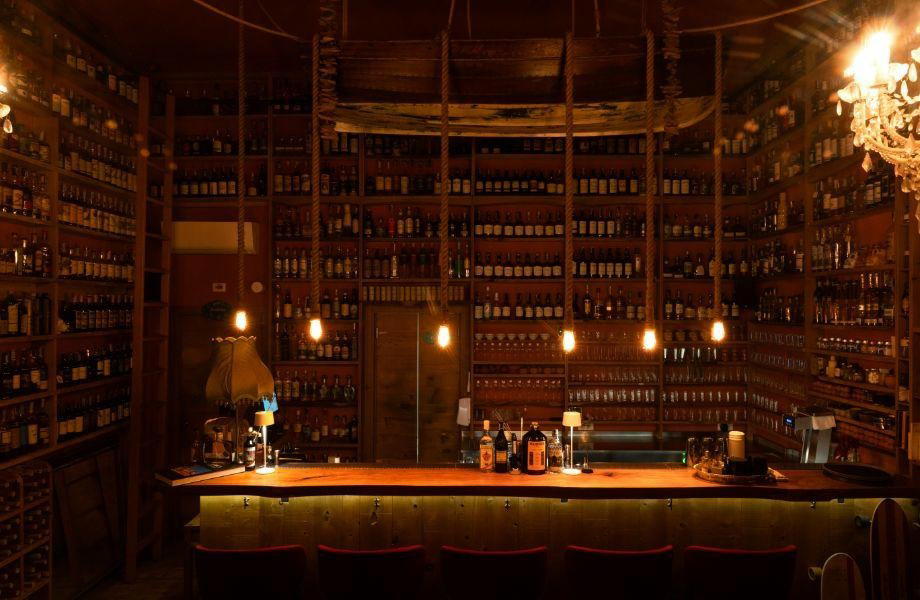
The wine program supports the seafood focus through a deliberate emphasis on sparkling wines alongside white-heavy selections. On the Adriatic coast, this is natural alignment: the fizz of a good Franciacorta or a Ribolla Gialla from Friuli cuts through the iodine notes of crustaceans in ways that heavier reds rarely manage. The list also includes serious reds for those who come to the table with different preferences, but the architecture of the program signals that the kitchen expects most guests to drink through the whites and bubbles.
Where Guido Sits in Rimini's Dining Tier
Rimini's serious restaurant scene is smaller than its beach-resort profile might suggest, but it contains genuine range. At the premium end, Abocar Due Cucine holds a Michelin star and operates in a creative register at the same price tier as Guido. Da Lucio works modern seafood at comparable pricing. Further down the spending curve, Dallo Zio offers accessible seafood at €€, while i-Fame and Osteria de Börg provide creative and Romagnola cooking respectively at lower price points. Guido occupies the €€€ bracket and is the only address in this set with a Michelin star and consecutive La Liste recognition, which positions it as the reference point for the city's fine-dining seafood category.
In the broader Italian context, the Michelin one-star tier for seafood-focused coastal restaurants is competitive. Houses like Dal Pescatore in Runate and Le Calandre in Rubano represent different expressions of northern Italian culinary seriousness. At the multi-star end, Osteria Francescana in Modena and Enoteca Pinchiorri in Florence define a different tier entirely. Guido's point of difference is not ambition measured in stars but specificity: it is doing something geographically rooted that neither a Modena nor a Milan address could replicate. For a frame of reference further afield, the logic resembles what Le Bernardin in New York does with Atlantic seafood provenance, or what Atelier Moessmer Norbert Niederkofler in Brunico does with Alpine ingredients: the geography is the argument, not just the backdrop.
Opinionated About Dining and the Classical Register
Opinionated About Dining's inclusion of Guido in its Classical in Europe list for 2023 and its ranked position at number 254 in 2024 carries a specific meaning in the critical taxonomy. The OAD Classical designation does not describe a restaurant frozen in amber; it describes kitchens whose execution of established forms is considered reliable and distinguished at a level worth travelling for. At Guido, the two appear to converge.
Planning a Visit
Guido operates Tuesday through Sunday for dinner, with service running from 7 PM to 10:30 PM; the restaurant is closed on Mondays. At the €€€ price point with Michelin recognition, booking ahead is advisable, particularly during the summer season when the Adriatic coast runs at full capacity and restaurant reservations tighten across all tiers. For those building a broader Rimini itinerary, the full picture is available across our Rimini restaurants guide, Rimini hotels guide, Rimini bars guide, Rimini wineries guide, and Rimini experiences guide.
Frequently asked questions
Is Guido good for families?
Guido operates as a Michelin-starred dinner venue with service from 7 PM to 10:30 PM Tuesday through Sunday, which suits adult dining more naturally than family groups with younger children. The setting and price point (€€€) suggest an occasion-focused atmosphere rather than a casual family meal. Families with older children who appreciate refined seafood would be better placed here than those expecting a flexible, informal environment.
What kind of setting is Guido?
Guido occupies a private beach club on Lungomare Guido Spadazzi in Miramare, on the Adriatic Riviera just south of Rimini. The exterior reads as understated beach-club architecture, but the interior delivers hushed, considered elegance — a contrast that La Liste, which awarded 86 points in 2026, specifically notes. It is a dinner-only room with sea views, open Tuesday through Sunday from 7 PM.
Is Guido Michelin-listed?
Guido has received recognition including: La Liste Top Restaurants (2026): 86pts; Although from the outside this looks like a simple private beach club with views of the sea in the distance, the interior reveals an unexpected and hushed elegance. Guests flock to Guido’s for its exc….
What do regulars order at Guido?
The canocchia si ricorda il gratin — a langoustine-adjacent Adriatic crustacean prepared gratin-style — is among the long-established classics that have defined the menu for years. La Liste cites it by name as a signature, alongside the pizza ai frutti di mare, a more recent addition that has already earned standing as a house staple. Both dishes reflect the kitchen's approach: straightforward descriptions on the menu, refined execution on the plate.
The Minimal Set
| Venue | Cuisine | Price | Awards | Notes |
|---|---|---|---|---|
| GuidoThis venue — the venue you are viewing | Modern Italian Seafood | $50–100 | 1 Michelin Star · La Liste Top Restaurants | Not listed |
| Abocar Due Cucine | Modern Italian-Argentinian Fine Dining | $50–100 | 1 Michelin Star | Creative |
| Da Lucio | Modern Italian Seafood | $100–150 | 1 Michelin Star · The Best Chef Two Knives | Modern Seafood, Seafood |
| Osteria de Börg | Traditional Romagnola Trattoria | $20–30 | Michelin Bib Gourmand | Cuisine from Romagna |
| Dallo Zio | Traditional Italian Seafood | $50–100 | Michelin Plate | Seafood |
| i-Fame | Modern Italian Fine Dining | $50–100 | Michelin Plate | Creative |
Recognition history
Dated appearances from independent guides and award organizations, with the underlying list record or original source where available.
Michelin 1 Star
Michelin
La Liste Top Restaurants
La Liste
Opinionated About Dining Classical in Europe Ranked #254
Opinionated About Dining
Full recognition history (7 entries)
La Liste Top Restaurants
La Liste
Michelin 1 Star
Michelin
Michelin 1 Star
Michelin
Opinionated About Dining Classical in Europe Recommended
Opinionated About Dining

Details
- Elegant
- Intimate
- Sophisticated
- Date Night
- Special Occasion
- Beachfront
- Extensive Wine List
- Local Sourcing
- Waterfront
- Tasting Menu
- A La Carte
- Gluten Free Options
Current opening hours
- Monday
- Closed
- Tuesday
- Closed
- Wednesday
- 12:30–2 PM, 7:30–10 PM
- Thursday
- 12:30–2 PM, 7:30–10 PM
- Friday
- 12:30–2:30 PM, 7:30–10 PM
- Saturday
- 12:30–2 PM, 7:30–10 PM
- Sunday
- 12:30–2 PM, 7:30–10 PM
Hours can change for holidays and private events. Last verified .
Hushed elegance with refined, sophisticated atmosphere contrasting the beach club exterior.