



A two-Michelin-star restaurant inside an 18th-century villa in the Romagna hills, Magnolia places Alberto Faccani's produce-led contemporary Italian cooking against sweeping views toward San Marino. La Liste scores it at 87 points for 2026, and the kitchen's commitment to local product and seasonal vegetables makes it the reference address in Longiano's compact but serious dining scene.
Pearl is the En Primeur Club membership app — saves, bookings, and concierge access live there. Same editors, same standards.
- Address
- Via Pelliciano, 35, 47020 Longiano FC, Italy
- Phone
- +39 0547 81598
- Website
- magnoliaristorante.it
- Directions
- Get directions
 Saves & bookings on Pearl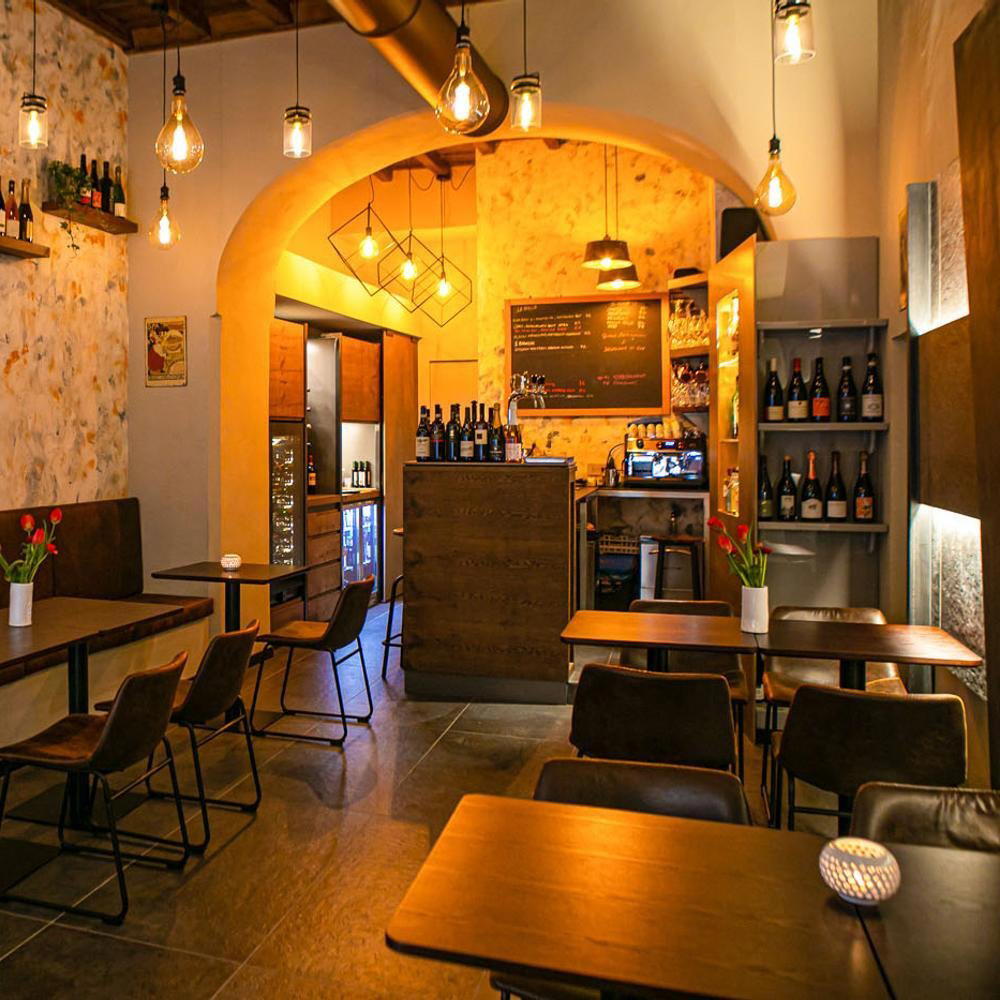
Hills, Glass, and the Romagna Countryside
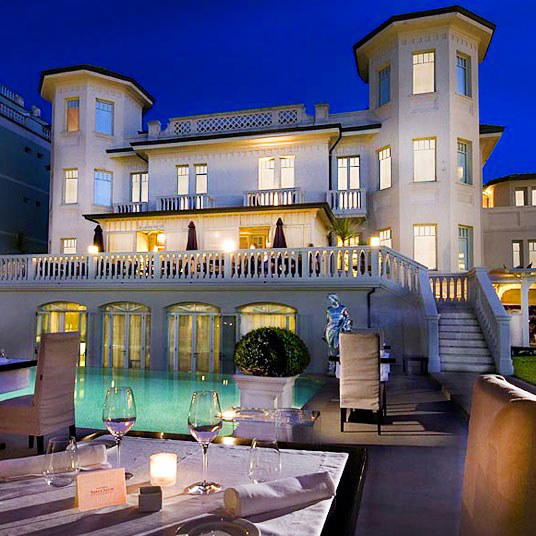
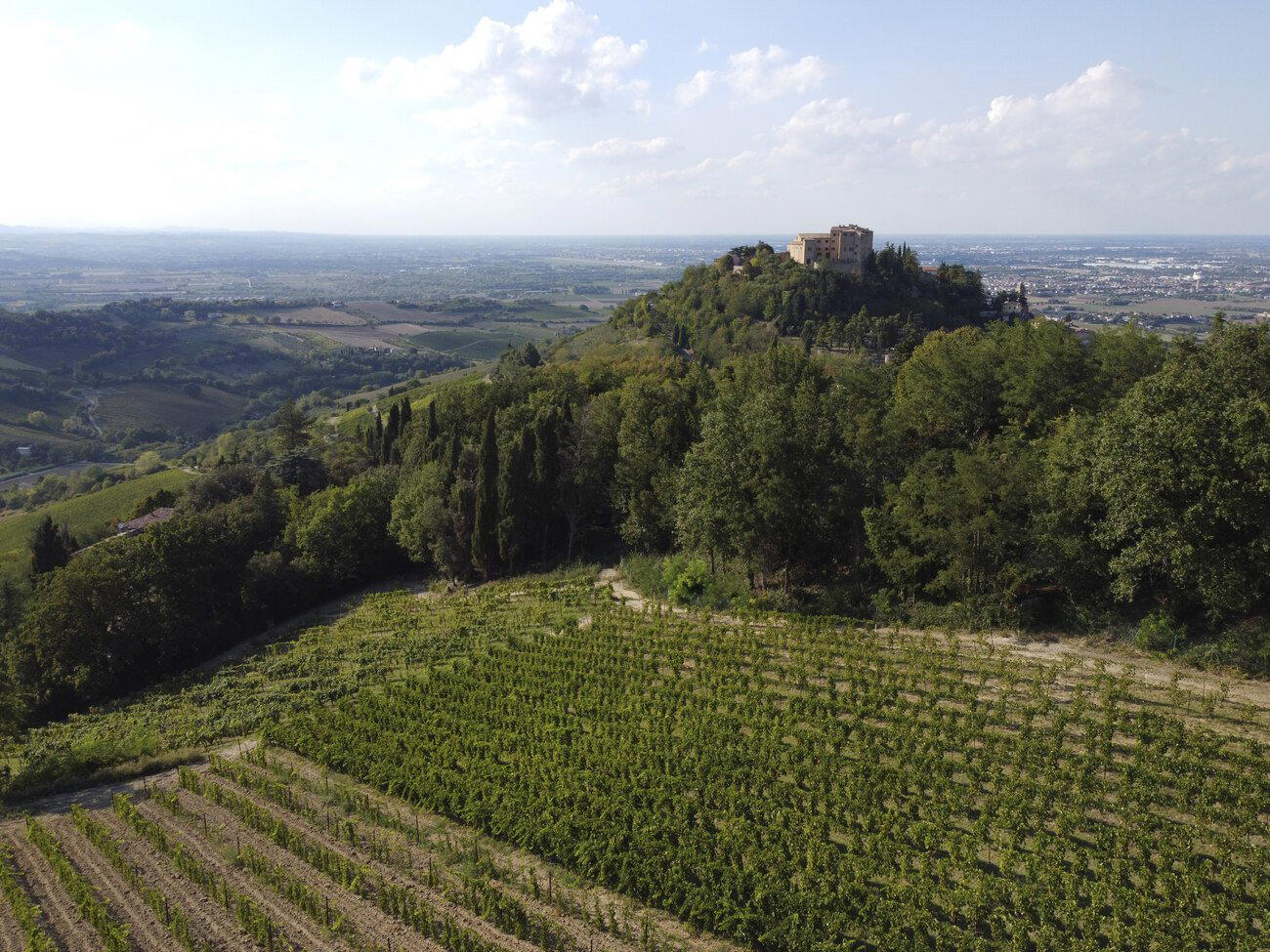
Magnolia is a two-Michelin-star restaurant in Longiano, Italy, serving Modern Italian Fine Dining at Relais Villa Margherita. The medieval borgo sits above the Adriatic plain on a ridge of the Apennine foothills, roughly equidistant between Cesena and Rimini, and the drive up deposits you in a village so compressed it takes ten minutes to walk end to end. Relais Villa Margherita occupies a converted 18th-century villa on the edge of that village, and Magnolia sits inside it in a veranda-style dining room whose large picture windows frame the Romagna hills rolling southwest toward the unmistakable silhouette of San Marino. The view functions as a kind of menu preamble: you are being asked to pay attention to the territory before the first course arrives.
The Italian Principle Behind the Cooking
Contemporary Italian fine dining at the summit of the Michelin tier has split into two loose camps: kitchens that build complexity through accumulation, layering technique on technique until the ingredient becomes a vehicle for the chef's virtuosity, and kitchens that treat restraint as the more demanding discipline. Magnolia falls emphatically into the second group. Alberto Faccani's cooking is rooted in the Italian conviction that a short list of well-chosen, locally sourced ingredients, treated with precision rather than embellishment, will produce more on the plate than any amount of supplementary intervention.
That principle is most visible in his vegetable work. Romagna's agricultural hinterland supplies producers whose seasonality is specific and short, and Faccani's kitchen treats those windows seriously. Vegetables in his menus do not play a supporting role to protein; they carry dishes as primary subjects. A kitchen that has built a reputation over multiple Michelin cycles on produce-led cooking is making an argument about flavour economy, and Longiano's agricultural setting makes that argument geographically coherent rather than merely fashionable. To understand how this approach compares with ingredient-first philosophies in northern Italy's fine dining rooms, Atelier Moessmer Norbert Niederkofler in Brunico and Le Calandre in Rubano offer instructive contrasts in how Michelin-level kitchens handle the same restraint-first logic in different regional registers.
The coastal dimension matters here too. Longiano sits close enough to the Adriatic that seafood forms a recurring thread through the menu: cuttlefish, lobster, eel, and caviar appear as documented components in Faccani's cooking. The kitchen uses them the same way it uses vegetables, as occasions for precision rather than for luxury signalling. A cuttlefish preparation finished with coconut milk sauce alongside caviar and peas is the kind of dish that looks simple on paper and reveals its complexity only in the eating, which is precisely the intended effect. For more on Adriatic seafood cooking in the area, Terre Alte covers that register in Longiano's broader dining scene.
Where Magnolia Sits in Italy's Two-Star Tier
Italy's two-Michelin-star tier is not a homogeneous bracket. It contains everything from long-established family restaurants operating across generations to urban contemporary kitchens chasing the third star. Magnolia's two stars, held consecutively through 2024 and 2025, place it in a tier that includes some of the country's most discussed addresses: Osteria Francescana in Modena operates three stars and a different ambition entirely, while Enoteca Pinchiorri in Florence and Enrico Bartolini in Milan each represent the urban, cellar-heavy end of the Italian fine dining spectrum. Magnolia's positioning is different from all of them. It is a six-guestroom villa-hotel restaurant in a hill town of a few hundred residents, and its competitive set is better understood through comparisons with destination restaurants that draw guests to non-urban settings: Dal Pescatore in Runate or Quattro Passi in Marina del Cantone occupy a similar logic of the off-the-beaten-track destination that justifies a journey.
La Liste, which aggregates critical assessments globally to produce a single composite score, rated Magnolia at 89.5 points in 2025 and 87 points in 2026. The small downward movement in that composite does not indicate a decline in cooking quality so much as the statistical volatility inherent in La Liste's methodology, which draws on a large and varied pool of sources. A score in the upper 80s across two consecutive years, alongside sustained two-star Michelin recognition, establishes the kitchen as a consistent performer in the upper tier of Italian contemporary cooking rather than a single-cycle anomaly. Google's review aggregate sits at 4.8 across 598 reviews.
For a broader sense of how Italy's creative contemporary kitchens cluster, Il Pagliaccio in Rome, Piazza Duomo in Alba, and Terra The Magic Place in Sarentino each represent how the contemporary Italian, creative category operates in different regional and physical contexts. Uliassi in Senigallia, further down the Adriatic coast, provides one direct coastal-Italian point of comparison in terms of seafood emphasis at the two-to-three-star level.
The Romagna Table: Local Cuisine Context
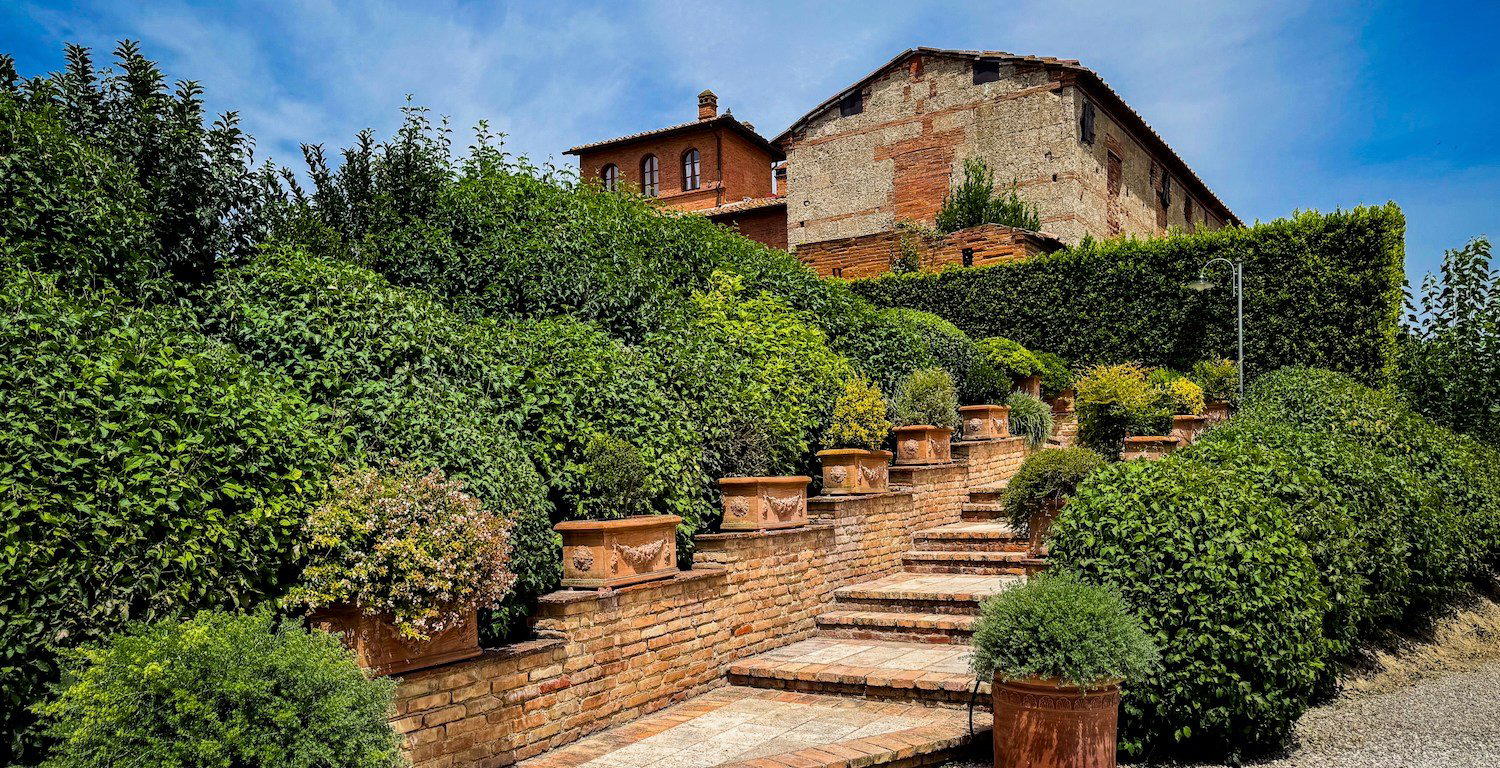
Romagna has a distinct culinary identity that sits apart from Emilia, even within the hyphenated regional label. The tradition leans heavily on handmade pasta, piadina flatbread, grilled meats, and Adriatic fish, with a directness that prioritises flavour over ceremony. Faccani's kitchen draws on that local identity without reproducing it: this is not cucina romagnola in a traditional sense, but it uses the same local supply networks and seasonal rhythms that define the region's eating. The relationship between local tradition and Michelin-calibre contemporary cooking is always a tension, and in Romagna's case the raw material is strong enough that a kitchen anchored in restraint can build at the leading level without importing ingredients or references from elsewhere. Dei Cantoni in Longiano covers the more traditional Romagna register for those who want the regional cuisine in a less formal key.
Planning Your Visit
Magnolia operates Tuesday through Friday for dinner only, with service running from 7:30 to 9 pm. Saturday and Sunday add a lunch service from 12:30 to 1:30 pm alongside the same evening hours. Monday is closed. Given the villa's limited room count, guests planning a night's stay should book accommodation well in advance of the dining reservation. The price bracket is €€€€, and reservations are essential. For more on what the town and surrounding area offer beyond the restaurant, the Longiano hotels guide, bars guide, wineries guide, and experiences guide map the wider territory.
Cost and Credentials
Comparable venues nearby, for context on price, style, and recognition.
| Venue | Cuisine | Price | Awards | Notes |
|---|---|---|---|---|
| MagnoliaThis venue — the venue you are viewing | Longiano, Modern Italian Fine Dining | $$$$ | Michelin 2 Star | Not listed |
| Terre Alte | Longiano, Elegant Italian Seafood | $$$ | Michelin Plate | Not listed |
| Dei Cantoni | Longiano, Romagna Trattoria | $$ | Bib Gourmand | Not listed |
| Glam Restaurant by Enrico Bartolini | Santa Croce, Modern Venetian Fine Dining | $$$$ | Michelin 2 Star | Not listed |
| Miramonti l'Altro | Not listed | $$$$ | Michelin 2 Star | Costorio, Italian Contemporary with French Influences |
| Il Canto | Maggiano, Modern Italian Fine Dining | $$$$ | World's 50 Best #39 | Not listed |
Recognition history
Dated appearances from independent guides and award organizations, with the underlying list record or original source where available.
Falstaff Restaurant - 95 Falstaff Points
Falstaff
La Liste Top Restaurants
La Liste
Michelin 2 Stars
Michelin
La Liste Top Restaurants
La Liste
Michelin 2 Stars
Michelin
We're Smart World 3 Radishes
We're Smart World
Michelin 2 Stars
Michelin
Continue exploring
More in Longiano
Restaurants in Longiano
Browse all →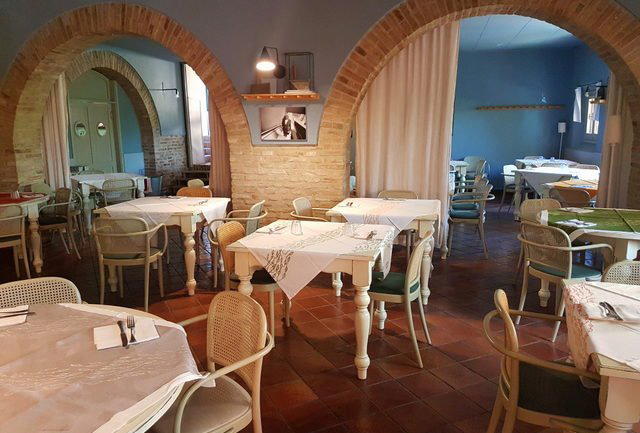
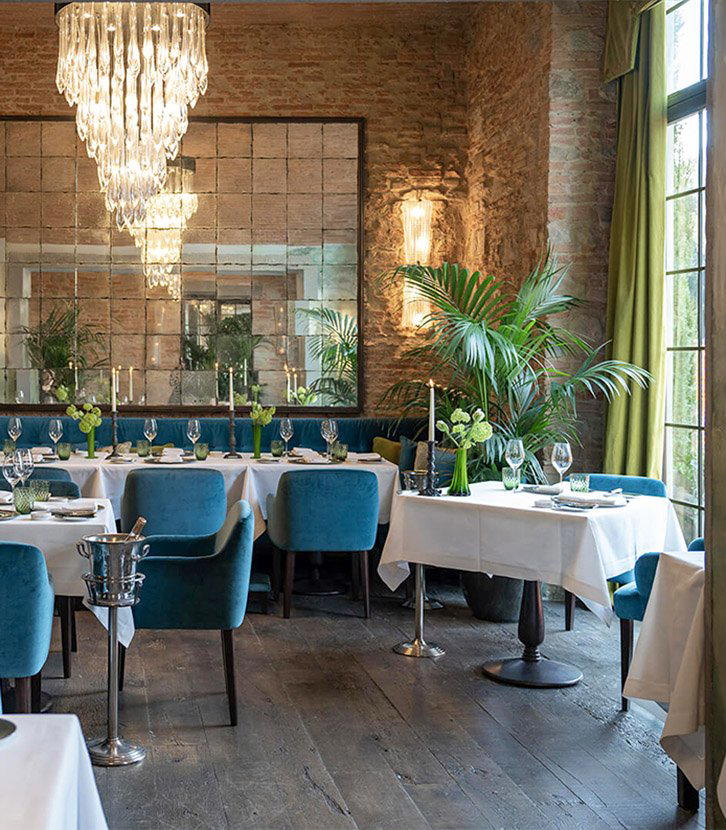
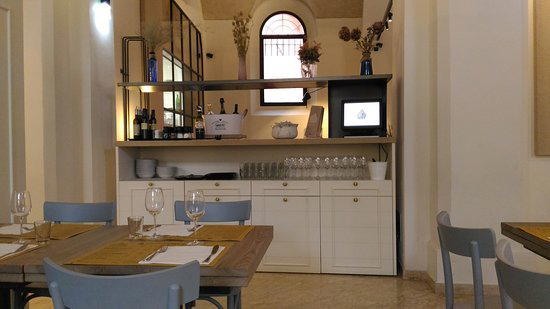
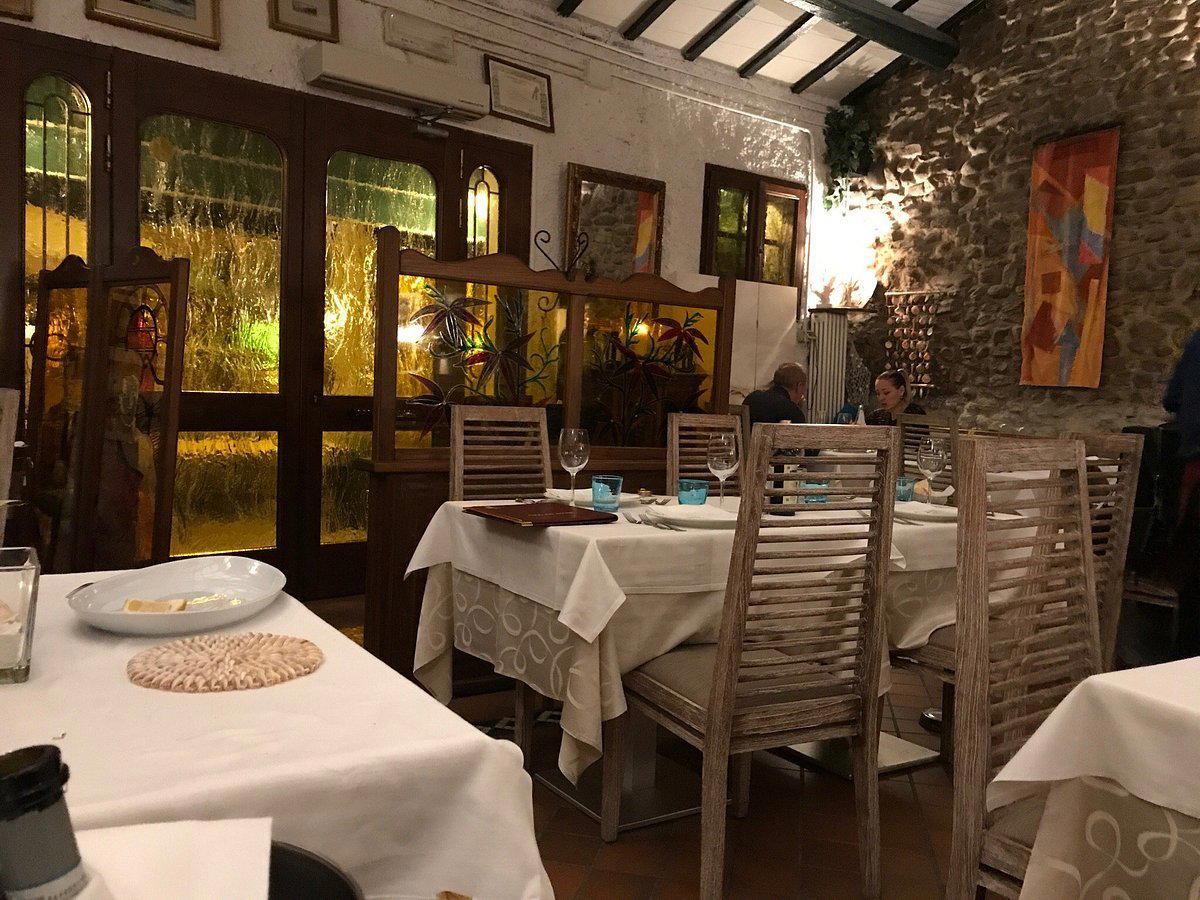
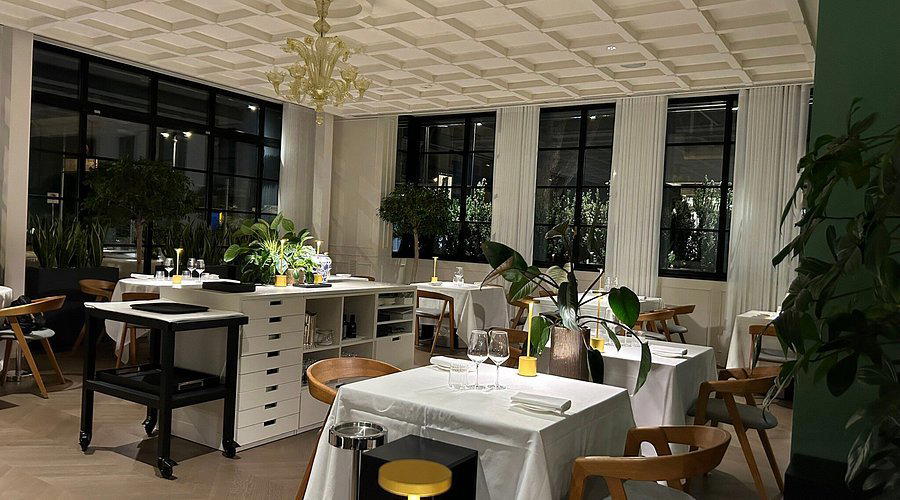
Bars in Longiano
Browse all →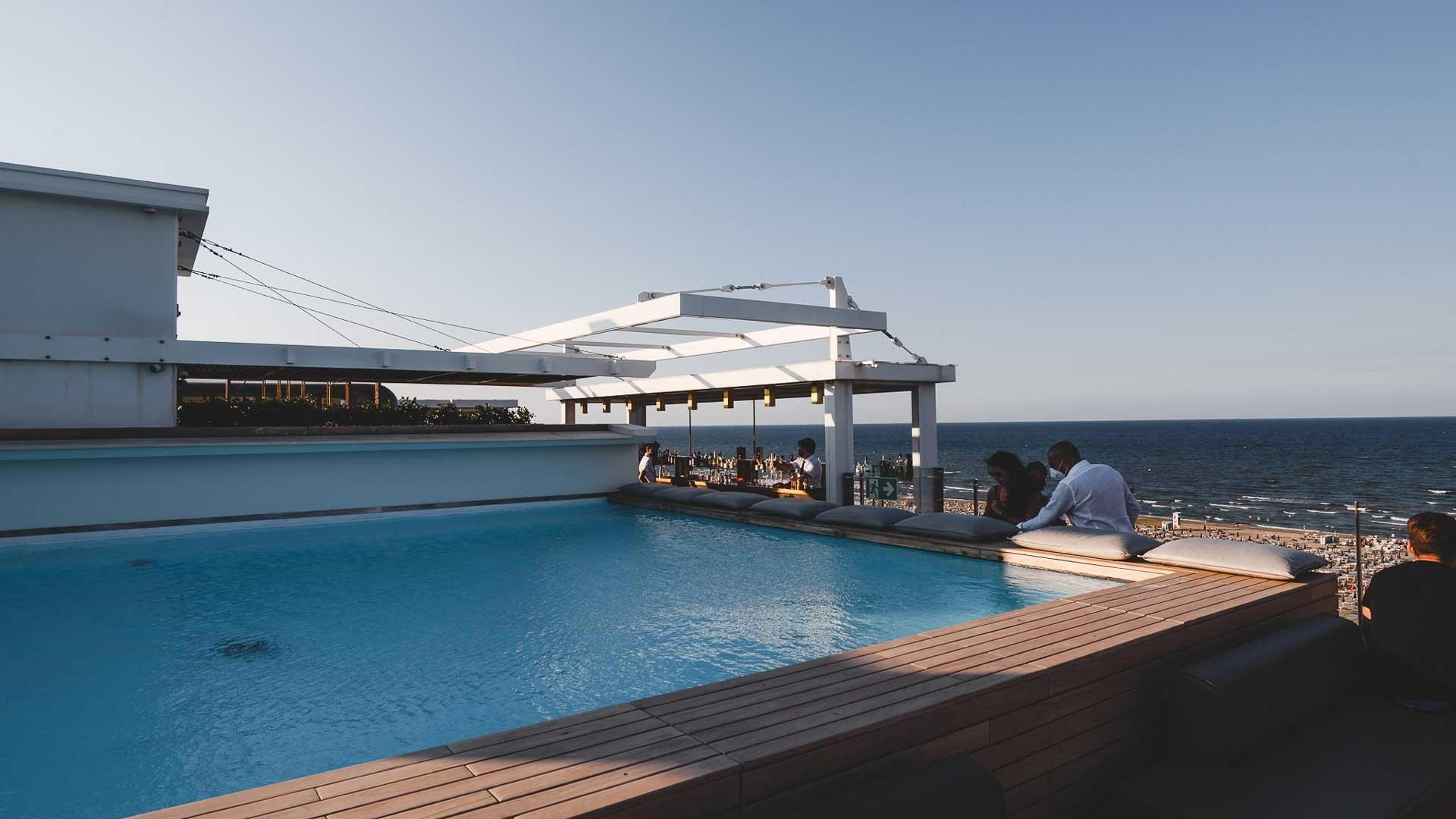
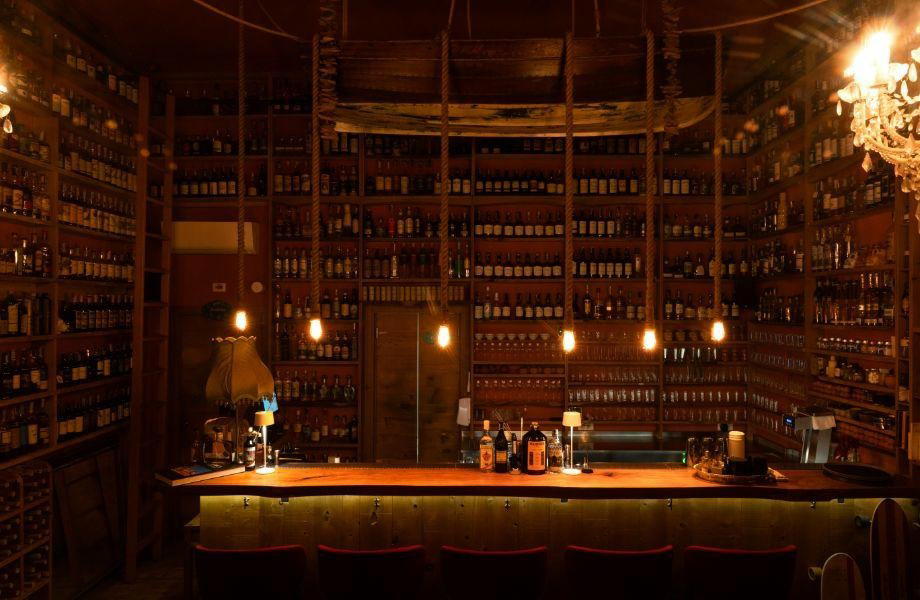
Hotels in Longiano
Browse all →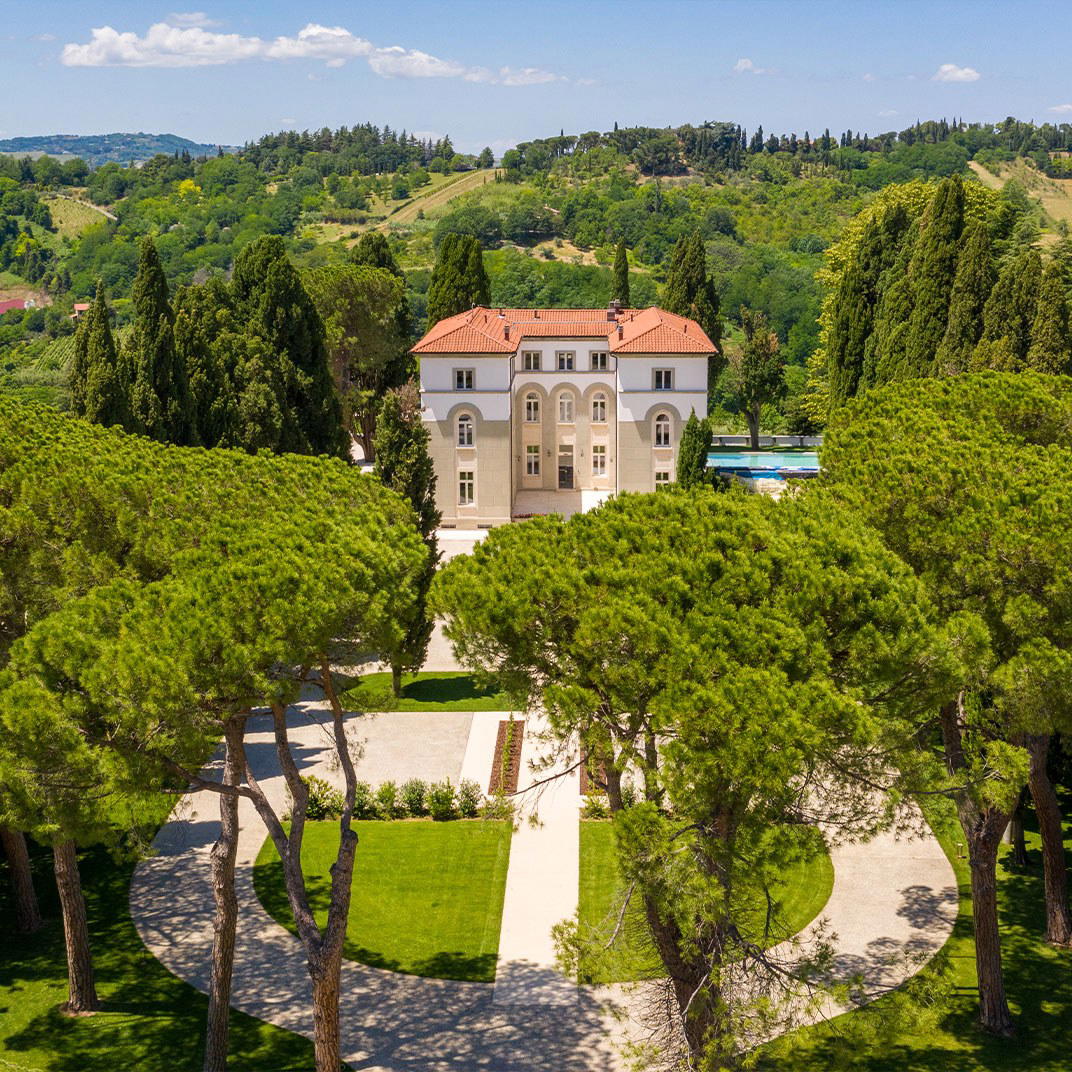

At a Glance
- Elegant
- Sophisticated
- Scenic
- Cozy
- Date Night
- Special Occasion
- Celebration
- Historic Building
- Open Kitchen
- Extensive Wine List
- Mountain
- Garden
Current opening hours
- Monday
- Closed
- Tuesday
- 7:30–9 PM
- Wednesday
- 7:30–9 PM
- Thursday
- 7:30–9 PM
- Friday
- 7:30–9 PM
- Saturday
- 12:30–1:30 PM, 7:30–9 PM
- Sunday
- 12:30–1:30 PM
Hours can change for holidays and private events. Last verified .
Elegant veranda-style dining room with large picture windows offering views of Romagna hills, bright, spacious, and serene atmosphere.