

Michelin-recognized Abocar Due Cucine brings Argentine creativity to Rimini's historic quarter, where a young chef's European training meets South American soul in an intimate setting that redefines accessible fine dining along Italy's Adriatic coast.
Pearl is the En Primeur Club membership app — saves, bookings, and concierge access live there. Same editors, same standards.
- Address
- Via Carlo Farini, 13/15, 47921 Rimini RN, Italy
- Phone
- +39 0541 22279
- Website
- abocarduecucine.it
 Saves & bookings on Pearl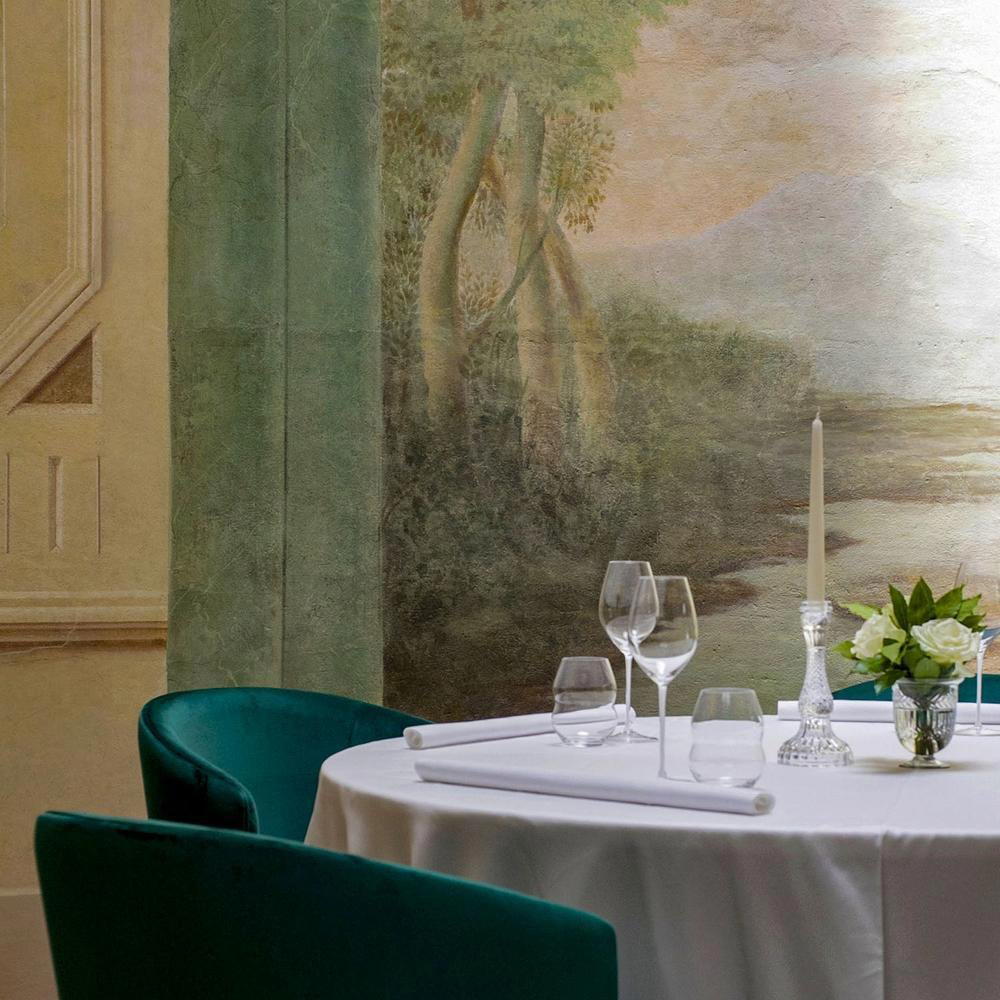
Where the Adriatic Coast Meets the Southern Cone
Via Carlo Farini runs through the older, quieter quarter of Rimini, away from the beachfront hotels and the summer crowds that define the city in most visitors' minds. Along this street, the signage for Abocar Due Cucine is modest enough that you could pass it without a second glance. That restraint is not accidental. The dining room inside operates on a register quite different from the seafood trattorias and beachside grills that dominate the city's restaurant culture, and it has earned a Michelin star (2024) and a place on the Opinionated About Dining classical Europe ranking at position 404 (2025) for doing so.
Rimini's fine dining tier is narrower than its reputation as a summer resort destination might suggest. At the €€€ price point, the city's ambitious kitchens include Guido, which works Piemontese and seafood traditions with its own Michelin recognition, and Da Lucio, where modern seafood technique takes precedence. Abocar occupies a distinct position in that comparable set: its competitive reference points are not regional Italian cooking or Adriatic catch cuisine, but the creative kitchens of France, Spain, and Italy where chef Mariano Guardianelli trained, filtered through an Argentine sensibility that shapes how South American ingredients and ideas enter the menu.
Training Lines and What They Produce
The trajectory of a chef through Michelin-starred kitchens across three countries leaves recognisable marks on a cooking style. Classical French technique, Spanish avant-garde discipline, and Italian product reverence are not a contradictory combination when absorbed at the stage where foundational instincts are formed, but they do produce a particular kind of cook: one who works from rigorous technical grounding outward toward creative expression, rather than in the opposite direction. That progression is visible in the way Guardianelli's menu at Abocar operates around a deliberately small number of recipes, each pushed to a high degree of elaboration, rather than the wider-ranging format common in similarly priced Italian restaurants.
The Argentine background adds a layer that European training alone does not supply. South American culinary culture treats certain ingredients, cooking methods, and flavour combinations as natural rather than exotic, and that ease of incorporation distinguishes Abocar's creative identity from kitchens that bolt on international influence as a gesture. Seasonal produce forms the structural base, and the South American elements function as tonal shifts within that seasonal framework, not as headline acts.
This calibration of influence against technique is the terrain on which Europe's more interesting creative kitchens compete. At the higher end of the reference set, places like Alléno Paris au Pavillon Ledoyen and Arpège in Paris, or Osteria Francescana in Modena, have built reputations over decades on a similar idea: that a coherent personal vocabulary, developed through serious external training, is more durable than trendline cooking. Abocar is earlier in that arc, but the structural approach places it in the same category of ambition.
The Format and What It Signals
Operating Tuesday closed and dinner-only Wednesday through Monday, from 7 PM to 10 PM, Abocar's schedule is lean by the standards of Italian hospitality, where long hours and flexible seating are common expectations. That restraint in trading hours is a signal about the kitchen's capacity and the format's precision requirements. A menu built around a small selection of highly developed recipes, sourced seasonally and executed at this level, does not scale the way a broader trattoria menu does. The compressed week and fixed evening window reflect that reality.
The effect at tables tends to be a tighter coherence between what the kitchen intends and how it is communicated, as the person explaining the food has first-hand proximity to its preparation. In Rimini's context, where the dominant hospitality register runs toward high-volume, high-turnover summer service, that intimacy reads as a deliberate structural choice rather than a staffing constraint.
Google reviews sit at 4.7 across 665 ratings, a count substantial enough to carry statistical weight rather than reflecting a narrow base of enthusiast opinion. At this price tier and format, 634 reviews suggest a sustained and varied audience beyond the destination-dining crowd that typically drives starred restaurant traffic in smaller Italian cities.
Rimini's Creative Tier in Context
The Adriatic coast has a well-mapped seafood identity, and most of Rimini's dining attention flows through that lens. Dallo Zio at the €€ level and Da Lucio at €€€ both operate within that tradition, as does the Piemontese-influenced seafood focus at Guido. The city also supports creative cooking at lower price points, with i-Fame working a creative €€ format, and Quartopiano offering a different angle on the category. Against that background, Abocar's position as the city's sole Michelin-starred kitchen at its price point gives it a specific gravity in the local conversation that extends beyond comparative reviews.
That positioning matters for the reader deciding where to spend a single serious dinner in Rimini. The Michelin star and the OAD Europe ranking at 404 are not equivalent signals: Michelin weights execution, consistency, and a particular standard of craft; OAD aggregates the opinions of frequent fine-dining travellers who tend to favour personality and distinctive point of view over technical conformity. Holding both simultaneously suggests a kitchen that reads well across evaluative frameworks, which is a more reliable indicator of dining quality than either credential in isolation.
For context on what starred creative cooking looks like at higher levels of resources and longer-established reputations elsewhere in Italy, Le Calandre in Rubano, Enrico Bartolini in Milan, Dal Pescatore in Runate, Atelier Moessmer Norbert Niederkofler in Brunico, and Enoteca Pinchiorri in Florence each represent a different model of what institutional ambition and sustained recognition looks like in Italian fine dining. Abocar is at an earlier stage in that trajectory, but the structural ingredients are comparable.
Planning a Visit
Abocar Due Cucine is at Via Carlo Farini, 13/15, in the old centre of Rimini. The kitchen operates Tuesday closed, dinner service Wednesday through Monday, 7 PM to 10 PM. At a €€€ price point with Michelin recognition, reservations are advisable, particularly on weekends and during the summer months when Rimini's overall visitor volume is at its peak. Given the small number of recipes the kitchen works with at any one time, the menu's composition will shift seasonally, so the experience changes meaningfully across the year.
Comparable Spots, Quickly
Comparable venues nearby, for context on price, style, and recognition.
| Venue | Cuisine | Price | Awards | Notes |
|---|---|---|---|---|
| Abocar Due CucineThis venue — the venue you are viewing | Modern Italian-Argentinian Fine Dining | $$$ | Michelin 1 Star | |
| Da Lucio | Modern Italian Seafood | $$$ | Michelin 1 Star | Rimini docks |
| Guido | Modern Italian Seafood | $$$ | Michelin 1 Star | Miramare |
| Quartopiano | Modern Italian Fine Dining | $$$ | Michelin Plate | business district |
| Dallo Zio | Traditional Italian Seafood | $$$ | Michelin Plate | Rimini center |
| Osteria de Börg | Traditional Romagnola Trattoria | $$ | Bib Gourmand | Borgo San Giuliano |
Continue exploring
More in Rimini
Restaurants in Rimini
Browse all →
At a Glance
- Trendy
- Elegant
- Intimate
- Sophisticated
- Date Night
- Special Occasion
- Business Dinner
- Open Kitchen
- Terrace
- Extensive Wine List
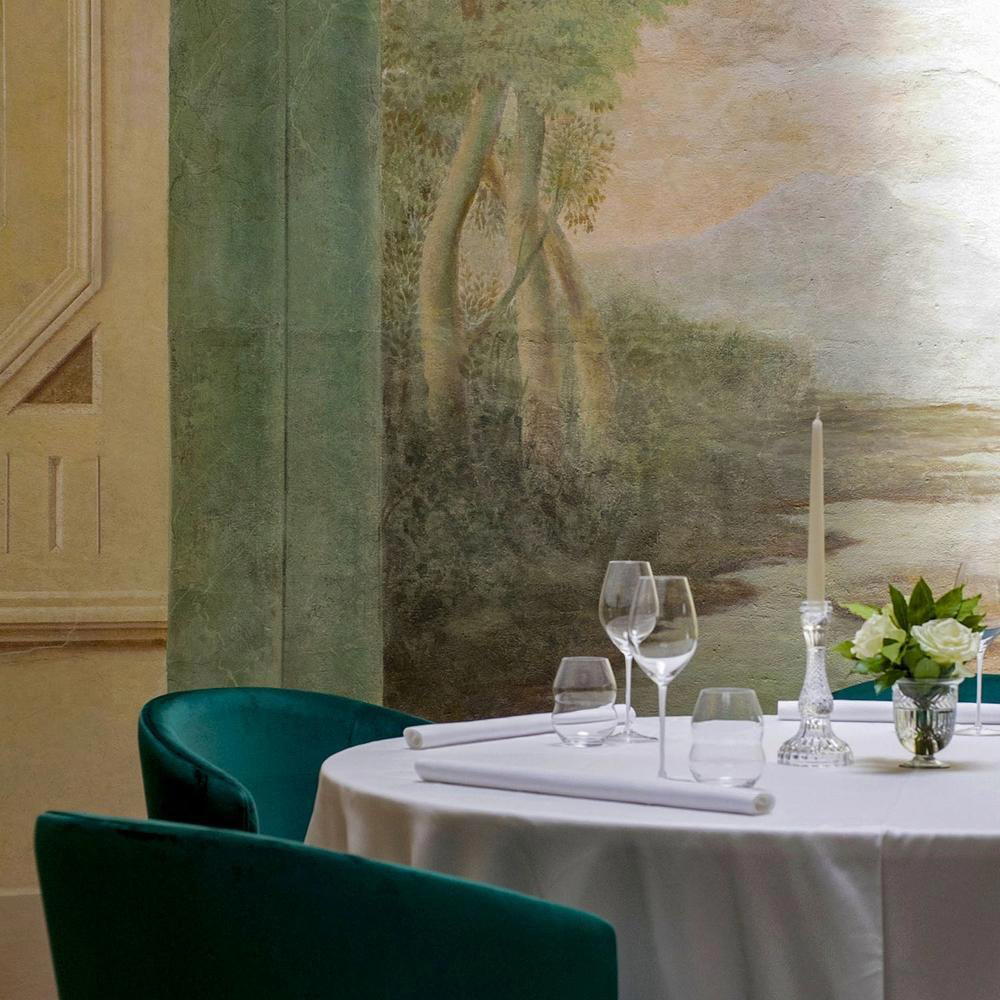
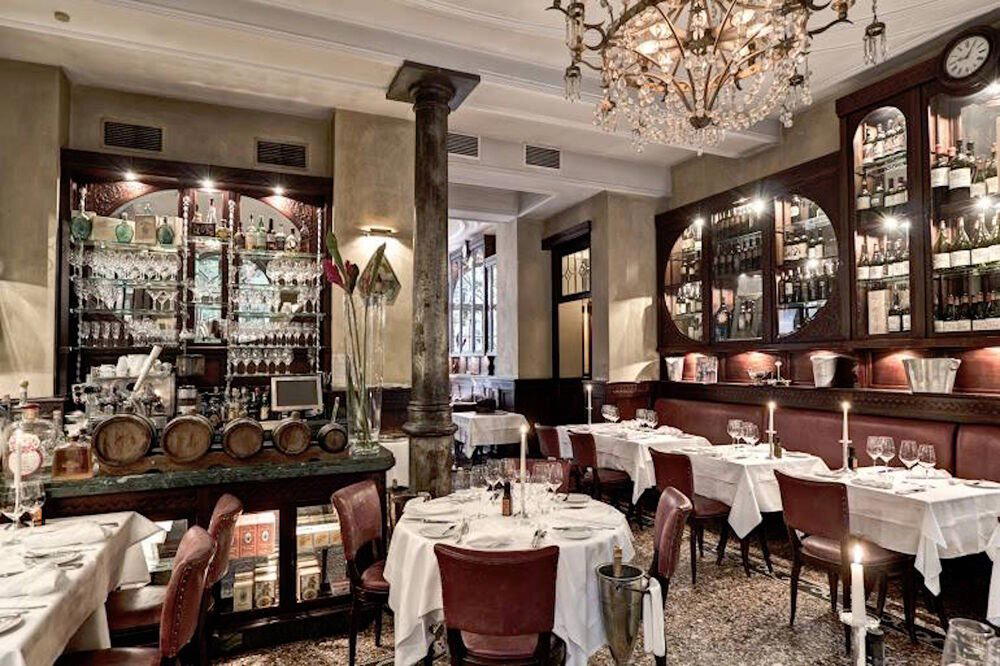
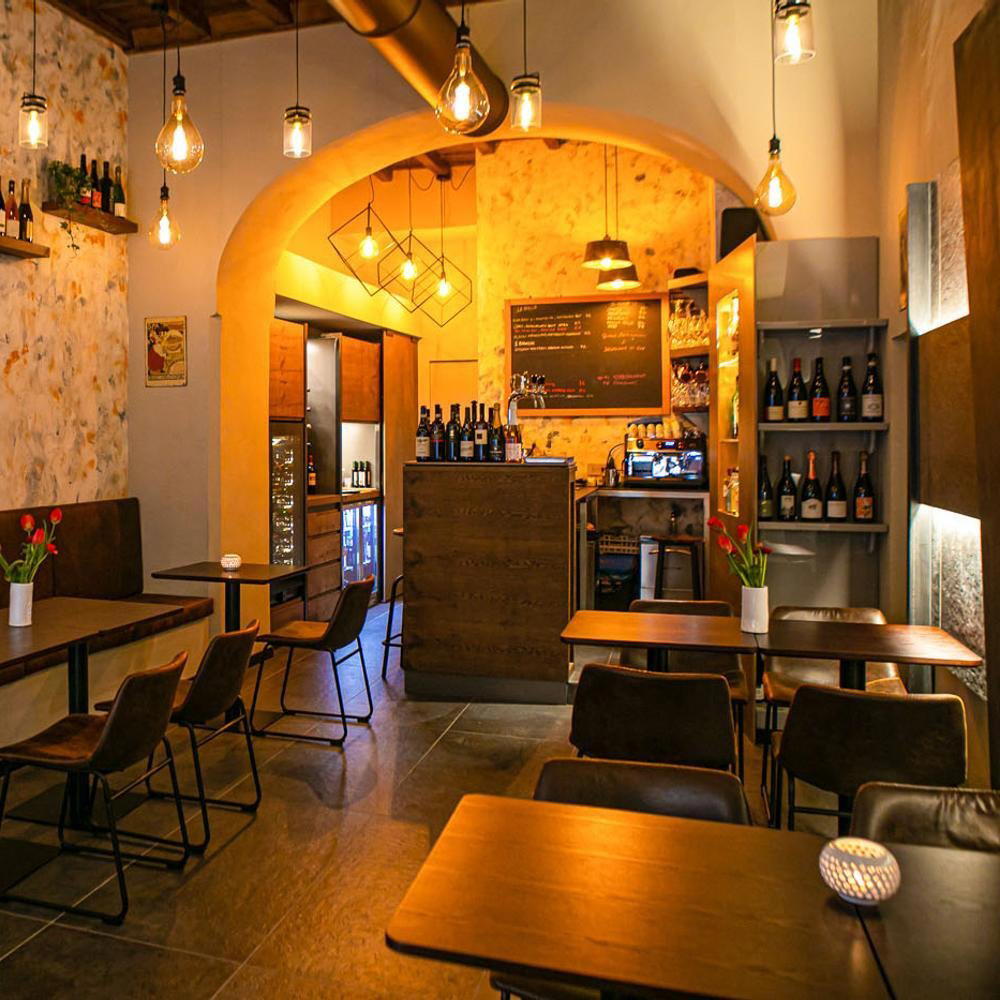
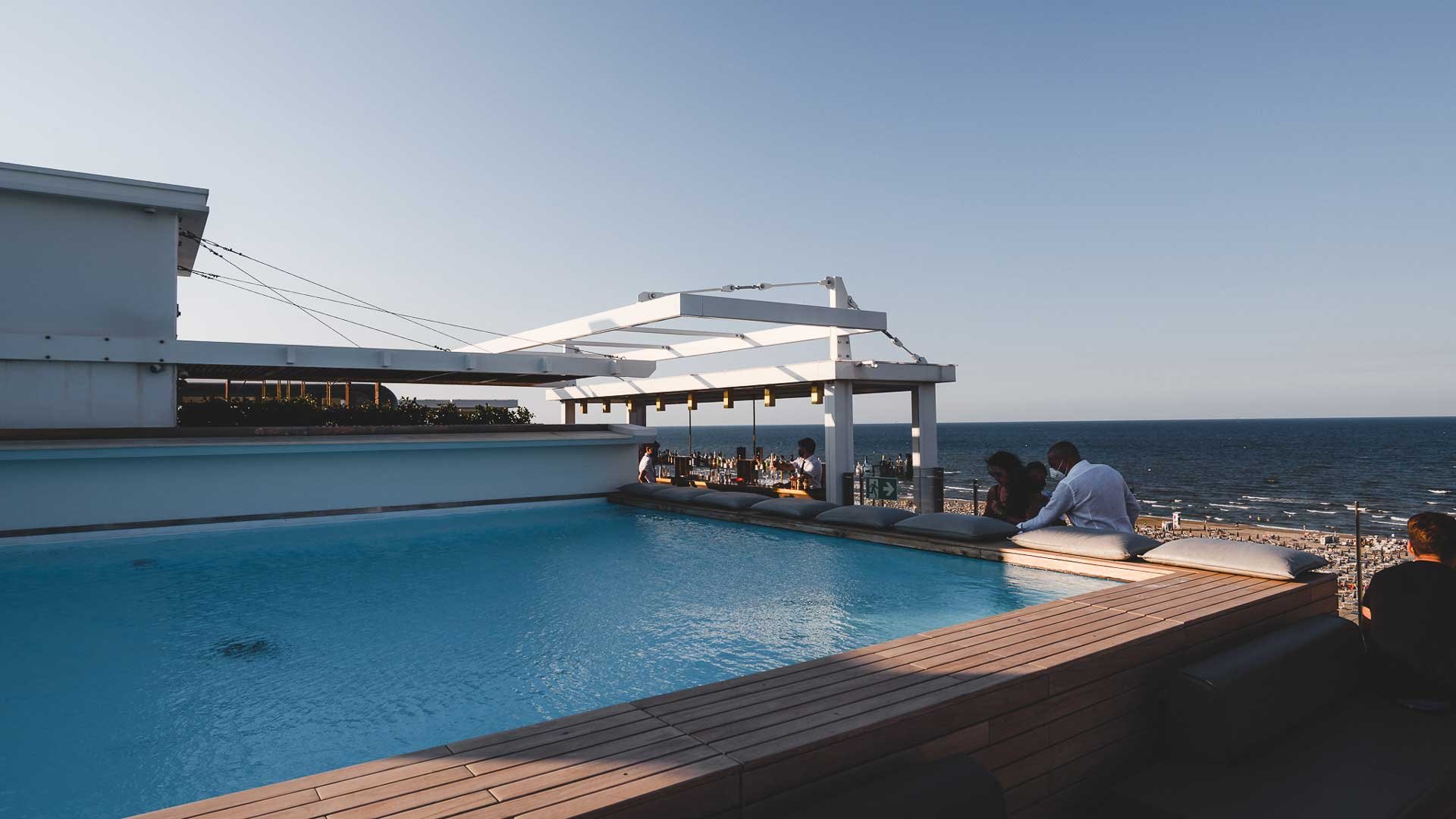
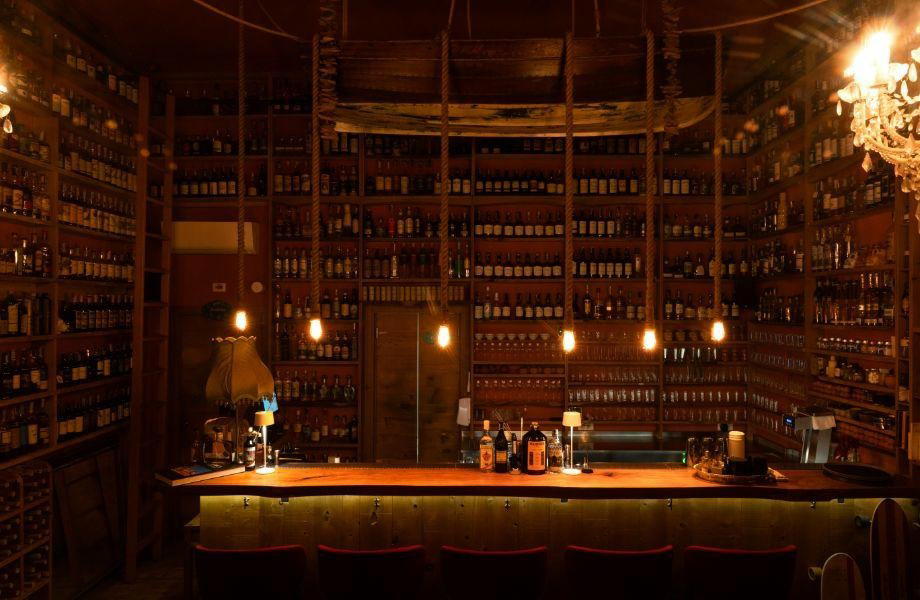
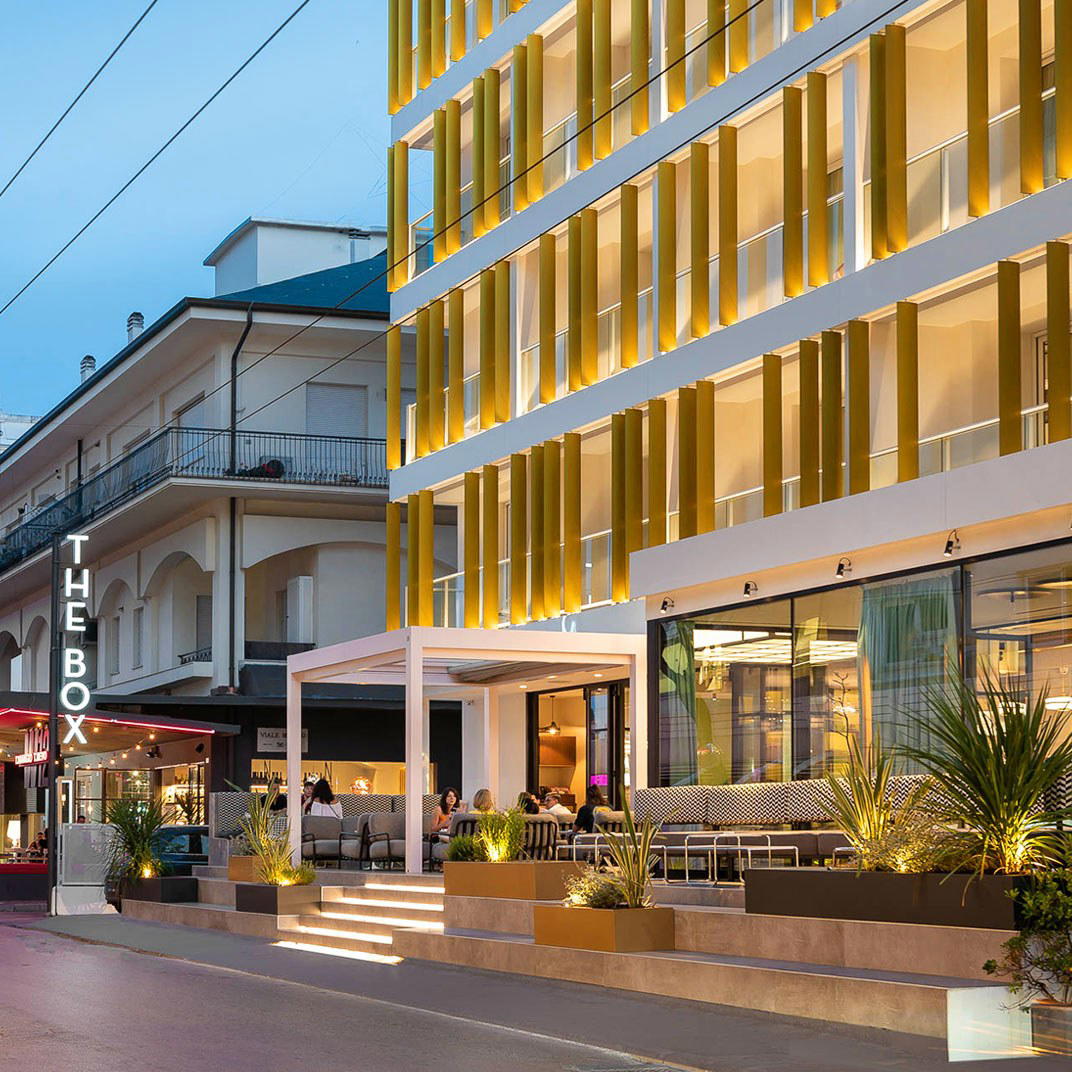
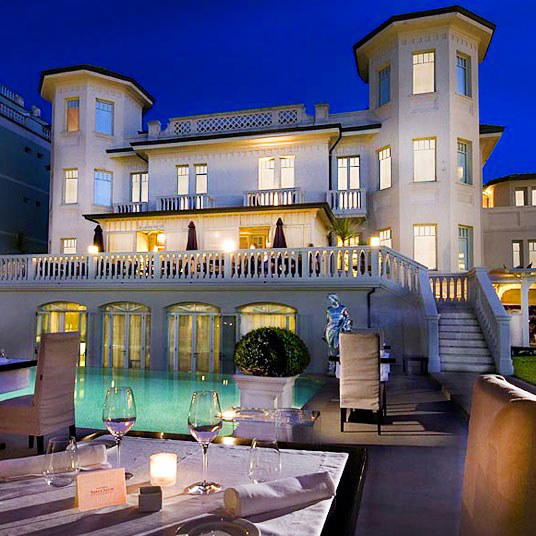
Charming, youthful atmosphere with earthy tones, pleasant lighting, well-spaced tables for privacy, and a welcoming courtyard.