
A Michelin Bib Gourmand-recognised Sichuan restaurant in Wuhou, Guan Jin draws a loyal local following for its braised fish in spicy bean sauce and sautéed pork belly with green chillies. Set across traditionally furnished rooms with a street-level terrace and private dining with tea master service, it sits at the accessible end of Chengdu's serious Sichuan dining spectrum, where heat and precision coexist at ¥¥ pricing.
Pearl is the En Primeur Club membership app — saves, bookings, and concierge access live there. Same editors, same standards.
- Address
- 19 Chenghan S Rd, Wuhou District, Chengdu, Sichuan, China, 610094
- Phone
- +86 28 8431 3737
- Directions
- Get directions
 Saves & bookings on Pearl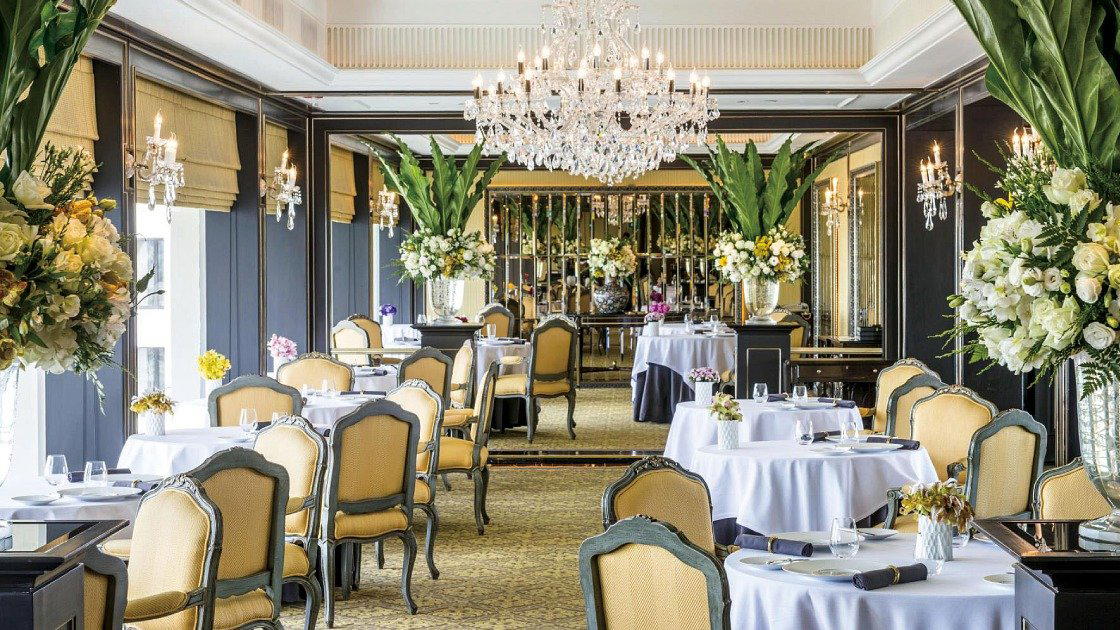
Where Wuhou's Regulars Eat Sichuan
In Chengdu's Wuhou District, the restaurants that sustain long-term followings tend to share a particular quality: they don't perform Sichuan cooking so much as execute it. The theatrics are reserved for the food itself, not the room or the branding. Guan Jin sits squarely in this tradition. The building on Chenghan South Road announces itself without ceremony, a lift from street level delivers you into a traditionally furnished space where the décor reads as considered rather than constructed, and the crowd on any given evening skews heavily toward people who have been before.
This is what the Michelin Bib Gourmand designation, awarded in 2025, confirms rather than creates. The guide uses the Bib to flag restaurants with a strong quality-to-price ratio, and in Chengdu's competitive mid-tier Sichuan market, that credential carries weight. It places Guan Jin in a different conversation from the city's ¥¥¥¥ fine-dining houses, Yu Zhi Lan, which holds two Michelin stars, operates in a category where tasting menus and ceremony are part of the proposition. Guan Jin's register is closer to the neighbourhood institution: food that would embarrass a more expensive address, served without the formality.
The Dishes That Bring People Back
The regulars' logic at a restaurant like this is legible in the ordering patterns. When a kitchen has earned consistent trust, diners stop exploring the outer edges of the menu and return to the two or three dishes that justified the habit in the first place. At Guan Jin, those anchors are well documented.
The braised fish in spicy bean sauce is the dish most associated with the kitchen's identity. What distinguishes it from the dozens of versions available across Chengdu is the starting point: the river fish is chosen by the diner, with longsnout catfish, marble goby, and topmouth culter among the options. Each species has a different texture and fat content, which changes how the spicy bean sauce (doubanjiang-based, as is standard in Sichuan tradition) penetrates and coats the flesh. This level of ingredient specificity at a ¥¥ price point is the kind of detail that builds regulars rather than tourists.
Sautéed pork belly with green chillies is the second reliable anchor. This is a dish where the chillies are not a garnish or a tonal note, they carry genuine heat, the kind that justifies the bowl of steamed rice that experienced diners order alongside it without being told to. In the grammar of Sichuan home cooking, this pairing is elemental: the fat of the pork tempers the capsaicin enough to make the heat sustainable, but not so much that it disappears. The kitchen at Guan Jin apparently understands that equation and doesn't soften it for unfamiliar palates.
These two dishes represent a broader pattern in how mid-tier Sichuan restaurants in Chengdu differentiate themselves. Unlike the interpretive Sichuan cooking at places like Fang Xiang Jing or the refined register of Fu Rong Huang, Guan Jin's authority comes from classical fidelity rather than reinterpretation. For context on how Sichuan cuisine travels beyond Chengdu, Five Foot Road in Macau and Song in Guangzhou both export the tradition to different audiences, but the reference point is always a kitchen like this one.
The Room and Its Rhythms
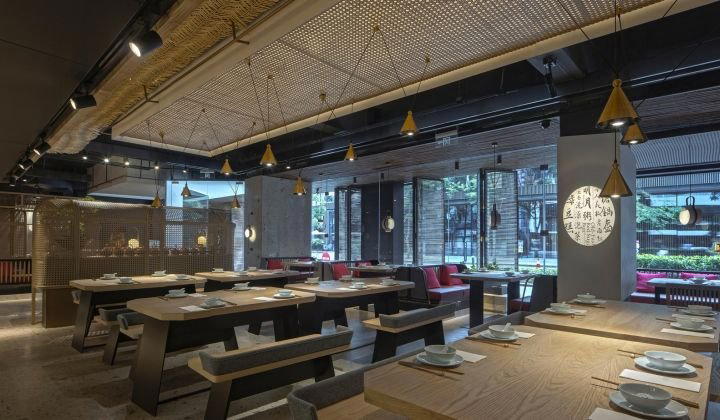
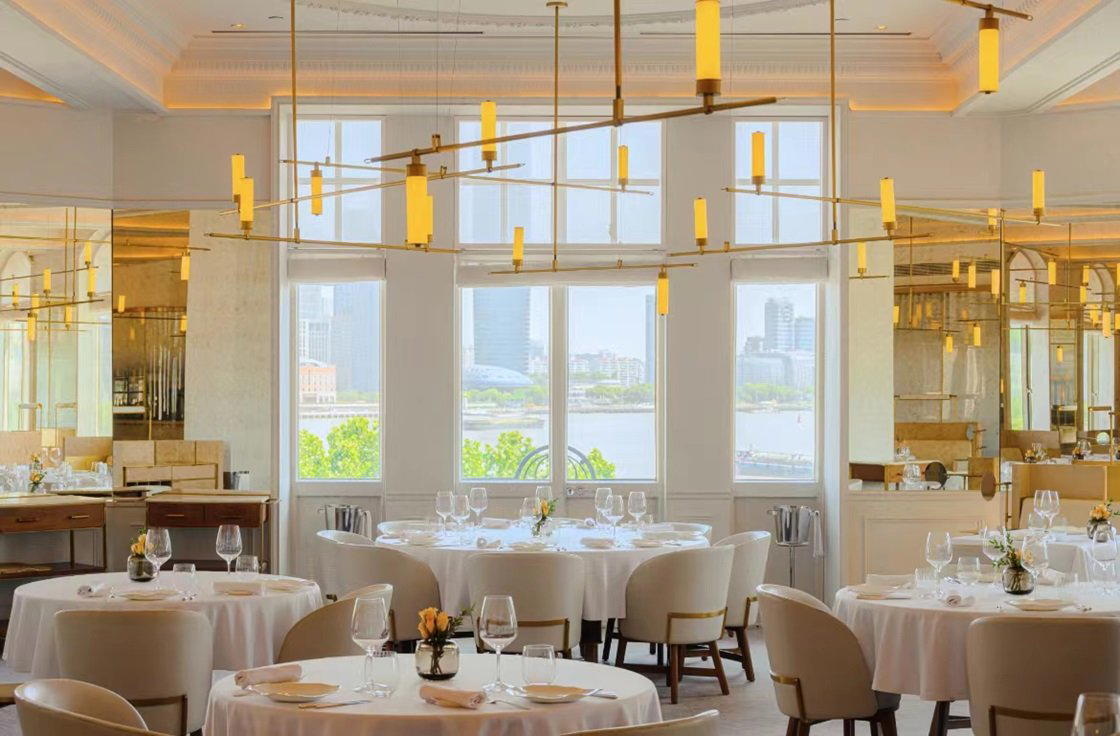
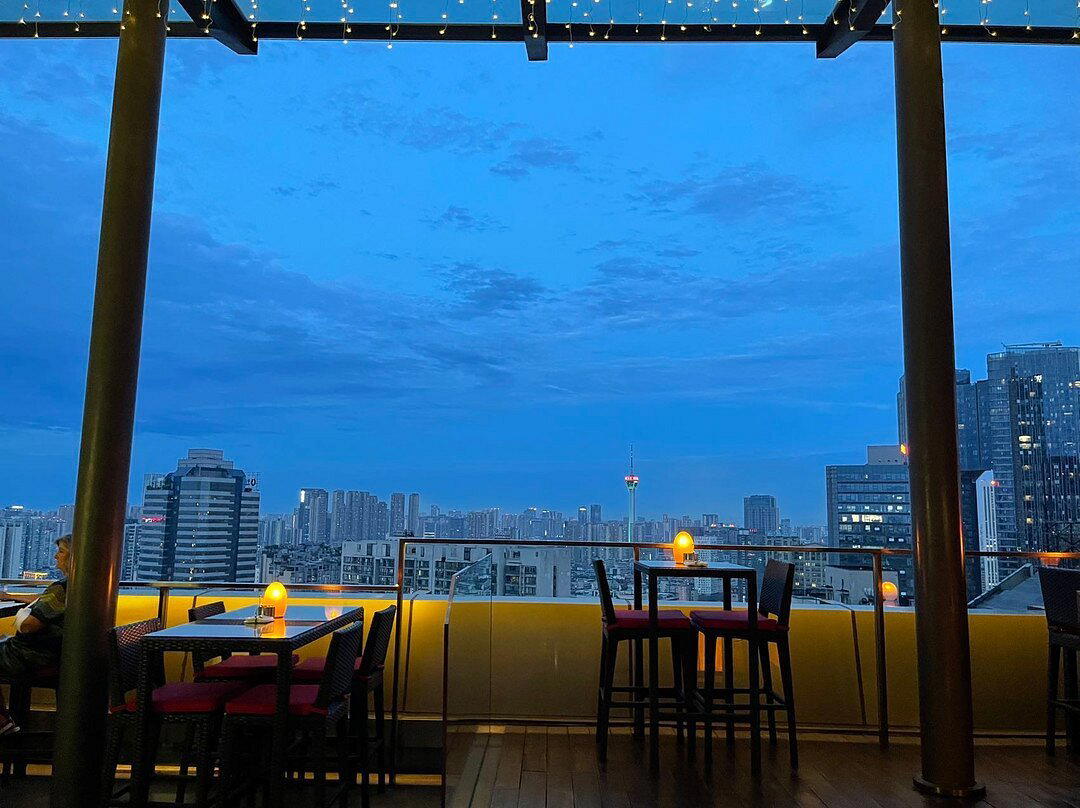
Guan Jin accommodates different modes of eating. The terrace offers al fresco dining, which in Chengdu's climate makes a meaningful difference for a significant part of the year, the city's mild springs and warm evenings are well suited to outdoor Sichuan meals, where the sensory intensity of the food is better experienced with some air around it. The traditionally furnished interior carries through a Chinese aesthetic that feels applied with care rather than as a heritage costume.
The private rooms represent a distinct tier within the same restaurant. The tea master service in those spaces suits business meals or group gatherings. This dual register, terrace informality on one end, private room ceremony on the other, is characteristic of Chengdu restaurants that have built broad, multi-demographic followings. It's a model also visible at Ma's Kitchen and Silver Pot, both of which move through the same tension between accessibility and occasion.
Where It Sits in Chengdu's Dining Picture
Chengdu's Michelin ecosystem now spans a wide price spectrum. At the leading, Yu Zhi Lan has set a benchmark for what contemporary Sichuan fine dining looks like at international standard. The Bib Gourmand tier, where Guan Jin now operates, represents something equally important: the restaurants where the city's own population eats regularly and where the cooking doesn't need the scaffolding of tasting menus or imported wine lists to justify itself.
This tier is also where Chengdu's culinary reputation was built before the international guides arrived. The city's standing as a UNESCO Creative City of Gastronomy rests in large part on the density and consistency of precisely this kind of restaurant, technically accomplished, ingredient-specific, priced to allow frequency. Across the rest of China, comparable credential signals appear in different formats: Xin Rong Ji in Beijing operates at the ¥¥¥¥ end of regional Chinese cuisine, while 102 House in Shanghai and Ru Yuan in Hangzhou each occupy distinct positions in their cities' hierarchies. Guan Jin's position in Chengdu is defined by what it offers at ¥¥: a Michelin-recognised kitchen executing classical Sichuan at a price point that sustains the kind of loyalty that fill rooms on weekday evenings.
Planning a Visit
Guan Jin is at 19 Chenghan South Road in Wuhou District, accessible from street level via lifts, which makes entry practical for larger groups or those arriving during busy service. As a Michelin Bib Gourmand recipient, the restaurant draws both local regulars and visiting diners, so booking ahead is sensible, particularly for weekend evenings or if a private room with tea master service is the objective. The ¥¥ pricing means a full meal with the signature fish dish is accessible well within the range typical for casual dining in this tier.
Cuisine-First Comparison
Comparable venues nearby, for context on price, style, and recognition.
| Venue | Cuisine | Price | Awards | Notes |
|---|---|---|---|---|
| Guan Jin (Wuhou)This venue — the venue you are viewing | Sichuan Braised Fish & Regional Classics | $$ | Bib Gourmand | Not listed |
| Organization South | Modern Sichuan | $$ | Bib Gourmand | Chengdushi |
| The Woo's | Modern Sichuan Fine Dining | $$$ | Bib Gourmand | Chengdushi |
| Mosnack | Handmade Noodles and Dumplings | $ | Bib Gourmand | Chengdushi |
| Hu Er Ge Yao Shan Ti Hua | Sichuan | $$ | Bib Gourmand | Chengdushi |
| Chengdu Restaurant | Sichuan Cuisine | $$ | Michelin Plate | Chengdushi |
Recognition history
Dated appearances from independent guides and award organizations, with the underlying list record or original source where available.
Michelin Bib Gourmand
Michelin
Michelin Bib Gourmand
Michelin
Continue exploring
More in Chengdu
Restaurants in Chengdu
Browse all →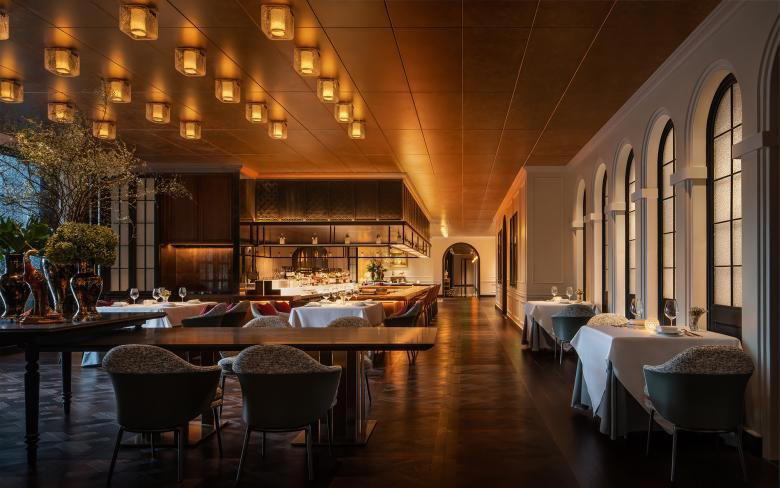






At a Glance
- Classic
- Elegant
- Intimate
- Group Dining
- Special Occasion
- Business Dinner
- Private Dining
- Terrace
- Open Kitchen
- Local Sourcing
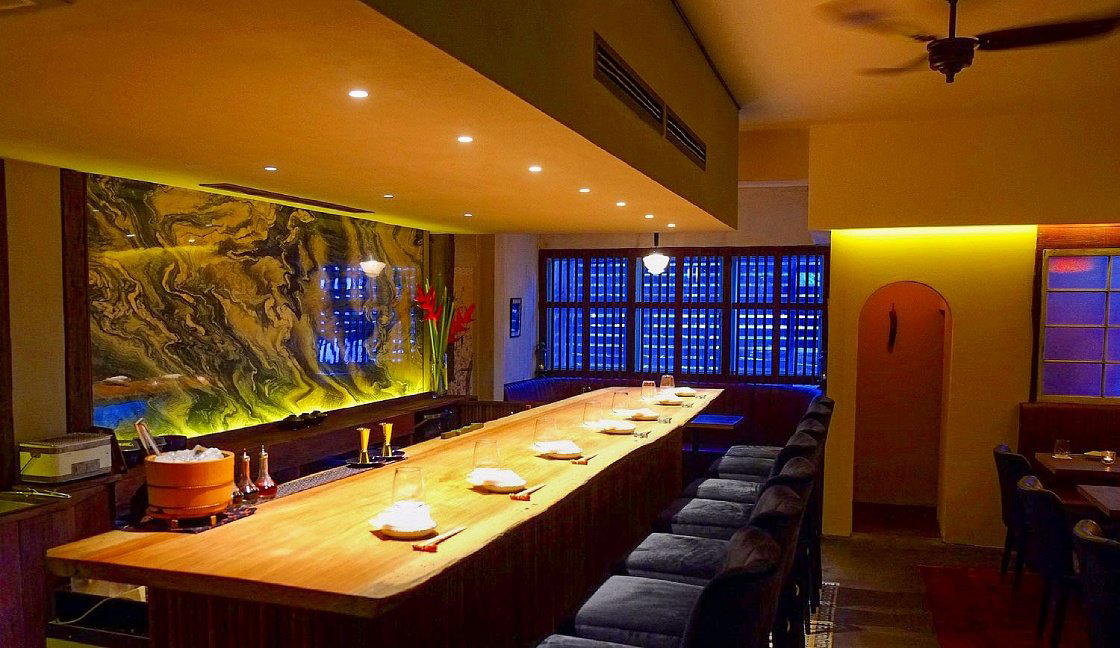
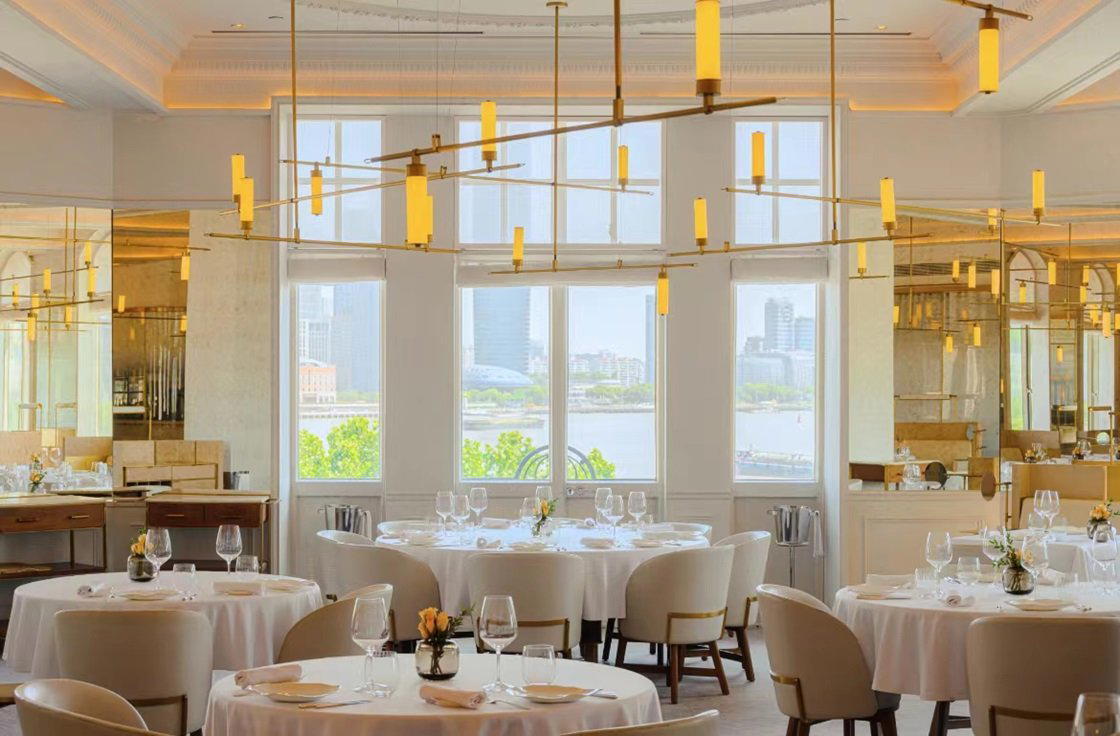
Bright, airy dining room with traditional Chinese furnishings and clean lines following recent renovation; terrace available for al fresco dining; private rooms offer controlled, ritual atmosphere.