

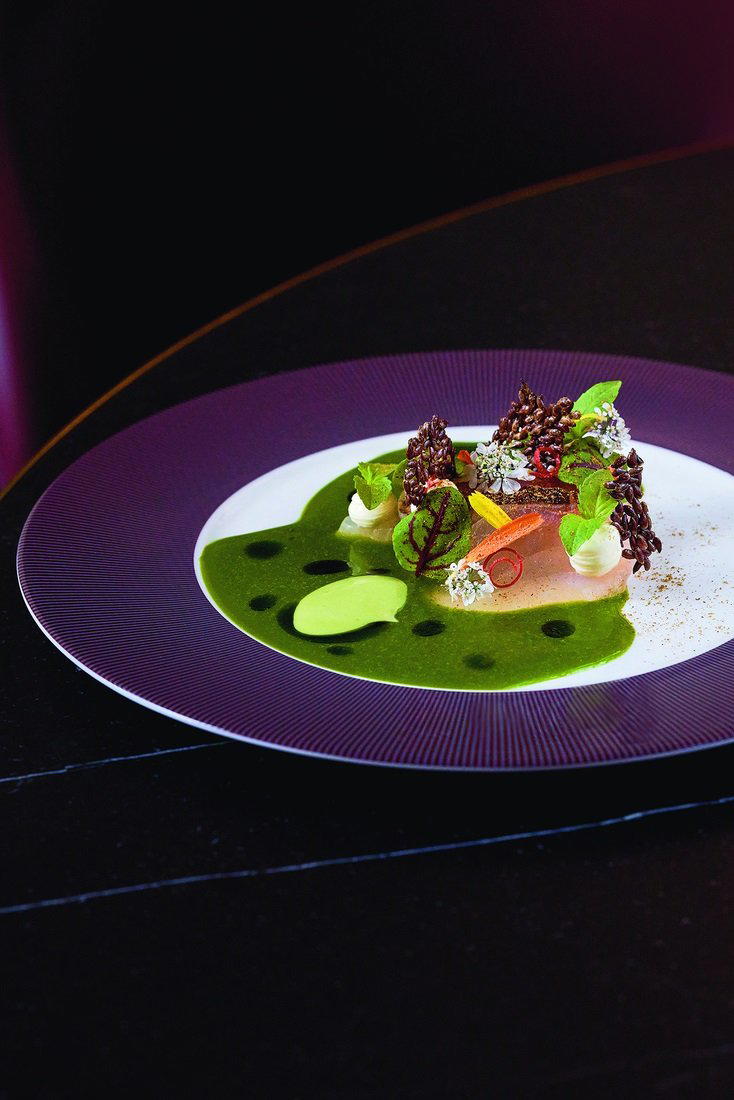
GRETA OTO brings Latin American cooking to Karlsplatz with the focus and seriousness that earned consecutive Michelin Plate recognition in 2024 and 2025. In a Munich dining scene dominated by French and German fine dining, it occupies an identifiable niche: agave-forward spirits, regional Latin American ingredients, and a price point that sits a tier below the city's starred houses.
Pearl is the En Primeur Club membership app — saves, bookings, and concierge access live there. Same editors, same standards.
- Address
- Karlsplatz 25, 80335 München, Germany
- Phone
- +49 89 85840704216
- Website
- gretaoto-restaurants.com
- Directions
- Get directions
 Saves & bookings on Pearl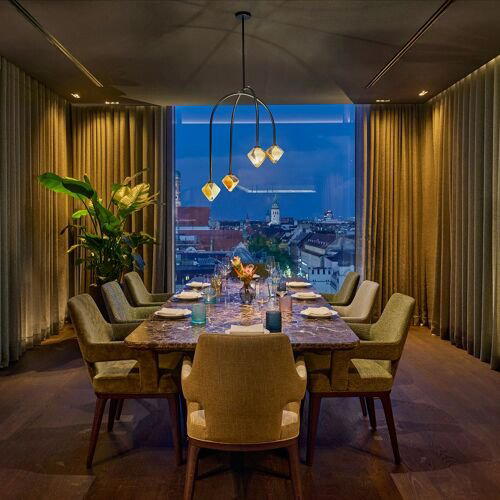
Latin American at Karlsplatz: Where GRETA OTO Fits in Munich's Dining Order
Munich's premium restaurant scene has long been organised around a handful of culinary traditions, Modern French at places like Tantris, Creative French at Atelier, and the kind of rigorous German-Japanese synthesis that defines Tohru in der Schreiberei. GRETA OTO Munich is a restaurant in Munich serving Modern Amazonian Latin American cuisine, with a €€€ price tier and Michelin Plate recognition in 2024 and 2025. Latin American cooking, by contrast, has occupied far less formal territory in the city, caught between casual cantina formats and the occasional fusion experiment that never quite committed to either direction. GRETA OTO, positioned at Karlsplatz 25 in the commercial heart of the city, sits outside that pattern. Two consecutive Michelin Plate recognitions, 2024 and 2025, signal that the guide's inspectors found cooking here worth noting, placing it in a documented tier above undistinguished neighbourhood dining without the starred category occupied by the city's Alois - Dallmayr Fine Dining or JAN.
The price tier sits at €€€, which in Munich's reference frame means a meaningful spend per head without crossing into the full tasting-menu economics of the €€€€ houses. That positioning is deliberate and coherent: serious enough in ambition to carry Michelin attention, accessible enough in format to serve a broader Karlsplatz crowd rather than operating as a destination solely for special occasions.
Agave Culture in a Beer City
Latin American restaurants in northern Europe frequently undersell their spirits programmes, defaulting to wine lists that replicate what any neighbouring European restaurant might carry. The more committed operations treat the spirits selection as an editorial statement about the cuisine itself, mezcal and tequila function in Mexican culinary culture the way wine functions in French or Italian kitchens, not as afterthoughts but as structural companions to the food.
Agave spirits have undergone significant reappraisal across European fine dining over the past decade. Where tequila once signalled shots and salt rims, artisanal mezcal, particularly expressions from small Oaxacan producers working with espadín, tobalá, or tepeztate agave, now appears on lists at serious restaurants in London, Paris, and Copenhagen alongside natural wine and craft vermouth programmes. The distinction matters at the glass: a joven mezcal from a palenque working with traditional clay pot distillation carries a smoky, mineral character that amplifies charred, acidic, or fermented elements in Latin American cooking in ways that a generic cocktail selection cannot replicate. For comparison, Mono in Hong Kong has built its entire identity around this integration, pairing Latin American tasting menus with one of Asia's more serious agave lists. Imperfecto in Washington, D.C. takes a similar approach in an American context.
In Munich, a city whose drinking culture is defined by beer halls and wine taverns, a restaurant with genuine agave literacy fills a gap that most visitors and locals haven't thought to look for. The Michelin Plate recognition suggests the overall programme has coherence, and the editorial angle the restaurant takes toward Latin American cuisine implies a more considered approach to its spirits than the cocktail bar at a generic international hotel.
Karlsplatz and What the Location Demands
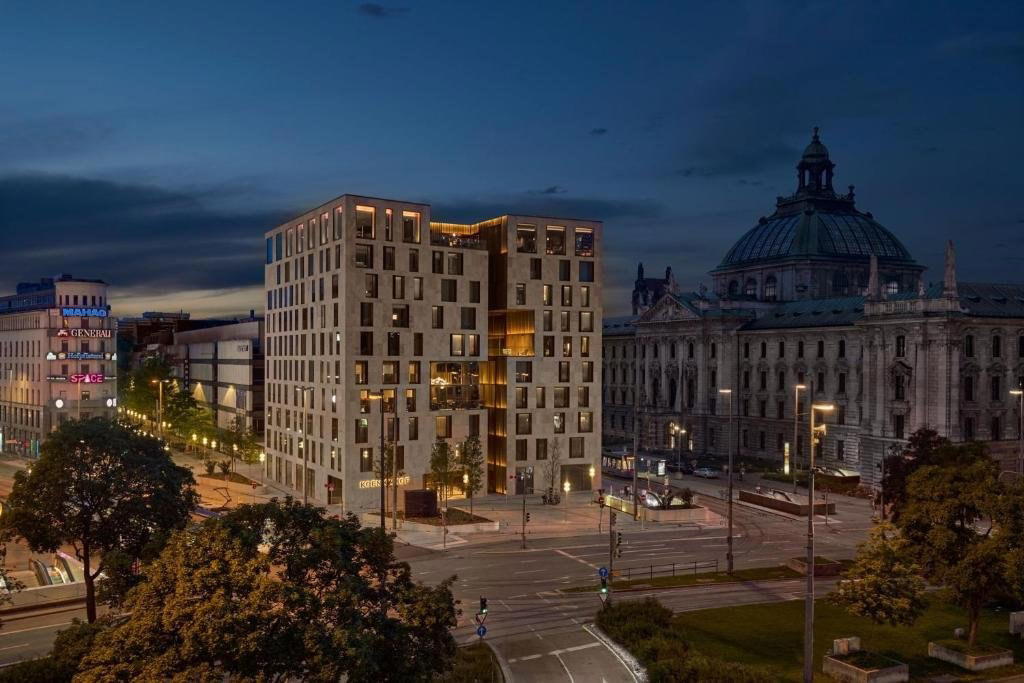
Karlsplatz is one of Munich's central pedestrian hubs, the point where the Stachus tram interchange, the old city gate, and the retail spine of Neuhauser Strasse converge. It draws high foot traffic throughout the day and serves a mixed crowd: shoppers, commuters, tourists moving between the Altstadt and the Hauptbahnhof, and office workers from the surrounding blocks. A restaurant at Karlsplatz 25 doesn't have the same insulation as, say, a reservation-only counter tucked into a Schwabing courtyard. It operates in plain sight, which means the kitchen has to hold its position against casual walk-ins alongside destination diners.
The Michelin Plate in this context functions as a useful signal for the informed visitor: the guide has noted that cooking here operates above the mass-market Karlsplatz baseline. High-traffic central locations that sustain Michelin attention over multiple years have generally solved the operational consistency problem that defeats many ambitious city-centre restaurants.
Germany's broader fine dining context extends from Aqua in Wolfsburg and Schwarzwaldstube in Baiersbronn to CODA in Berlin, Vendôme in Bergisch Gladbach, ES:SENZ in Grassau, and Restaurant Haerlin in Hamburg.
Planning a Visit
GRETA OTO is located at Karlsplatz 25, 80335 Munich, within walking distance of the Stachus U- and S-Bahn interchange, making it among the more accessible fine-dining-adjacent addresses in the city. The €€€ price tier positions it as a considered dinner spend rather than a casual drop-in, though the Karlsplatz location means walk-in availability may be more realistic here than at comparably recognised restaurants in residential neighbourhoods. Booking ahead is advisable for weekend evenings given the Michelin recognition. For accommodation options across the city, the Munich hotels guide covers the range from central business hotels to design-led properties. The Munich wineries guide and Munich experiences guide round out the city picture for visitors structuring a longer stay.
Cuisine Lens
Comparable venues nearby, for context on price, style, and recognition.
| Venue | Cuisine | Price | Awards | Notes |
|---|---|---|---|---|
| GRETA OTO MunichThis venue — the venue you are viewing | Modern Amazonian Latin American | $$$ | Michelin Plate | Not listed |
| Cevicheria Pez | Peruvian Cevicheria | $$$ | Not listed | Schwabing |
| VINOTHEK by Geisel | Mediterranean & Regional Wine Bistro | $$$ | Michelin Plate | Isarvorstadt |
| Bogenhauser Hof | Modern Alpine with Asian Influences | $$$ | Michelin Plate | Lehel |
| Acetaia | Modern Italian Fine Dining | $$$ | Michelin Plate | Gern |
| Beetle | Modern German Organic Bistro | $$$ | Michelin Plate | Haidhausen |
Recognition history
Dated appearances from independent guides and award organizations, with the underlying list record or original source where available.
Michelin Plate
Michelin · 2026 Michelin Plate
Opinionated About Dining Casual in Europe Recommended
Opinionated About Dining
Opinionated About Dining Newly Added European Restaurants
Opinionated About Dining
Michelin Plate
Michelin
Michelin Plate
Michelin
At a Glance
- Lively
- Modern
- Elegant
- Sophisticated
- Date Night
- Celebration
- Special Occasion
- Group Dining
- Rooftop
- Panoramic View
- Hotel Restaurant
- Terrace
- Open Kitchen
- Extensive Wine List
- Craft Cocktails
- Sommelier Led
- Local Sourcing
- Skyline
Current opening hours
- Monday
- 12–2 PM, 6–11 PM
- Tuesday
- 12–2 PM, 6–11 PM
- Wednesday
- 12–2 PM, 6–11 PM
- Thursday
- 12–2 PM, 6–11 PM
- Friday
- 12–2 PM, 6–11 PM
- Saturday
- 6–11 PM
- Sunday
- 6–11 PM
Hours can change for holidays and private events. Last verified .
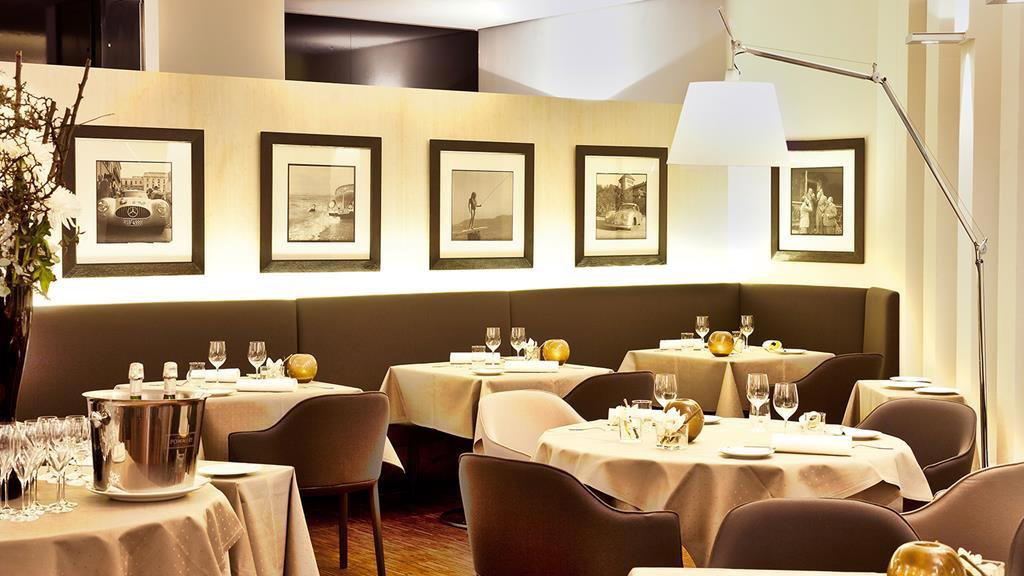
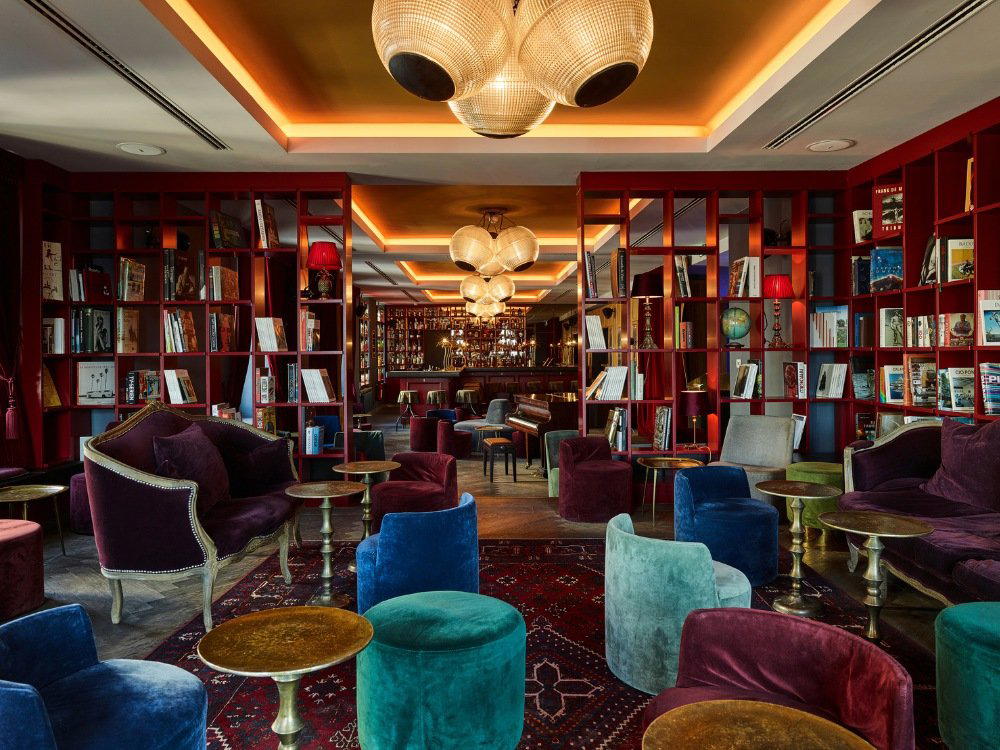
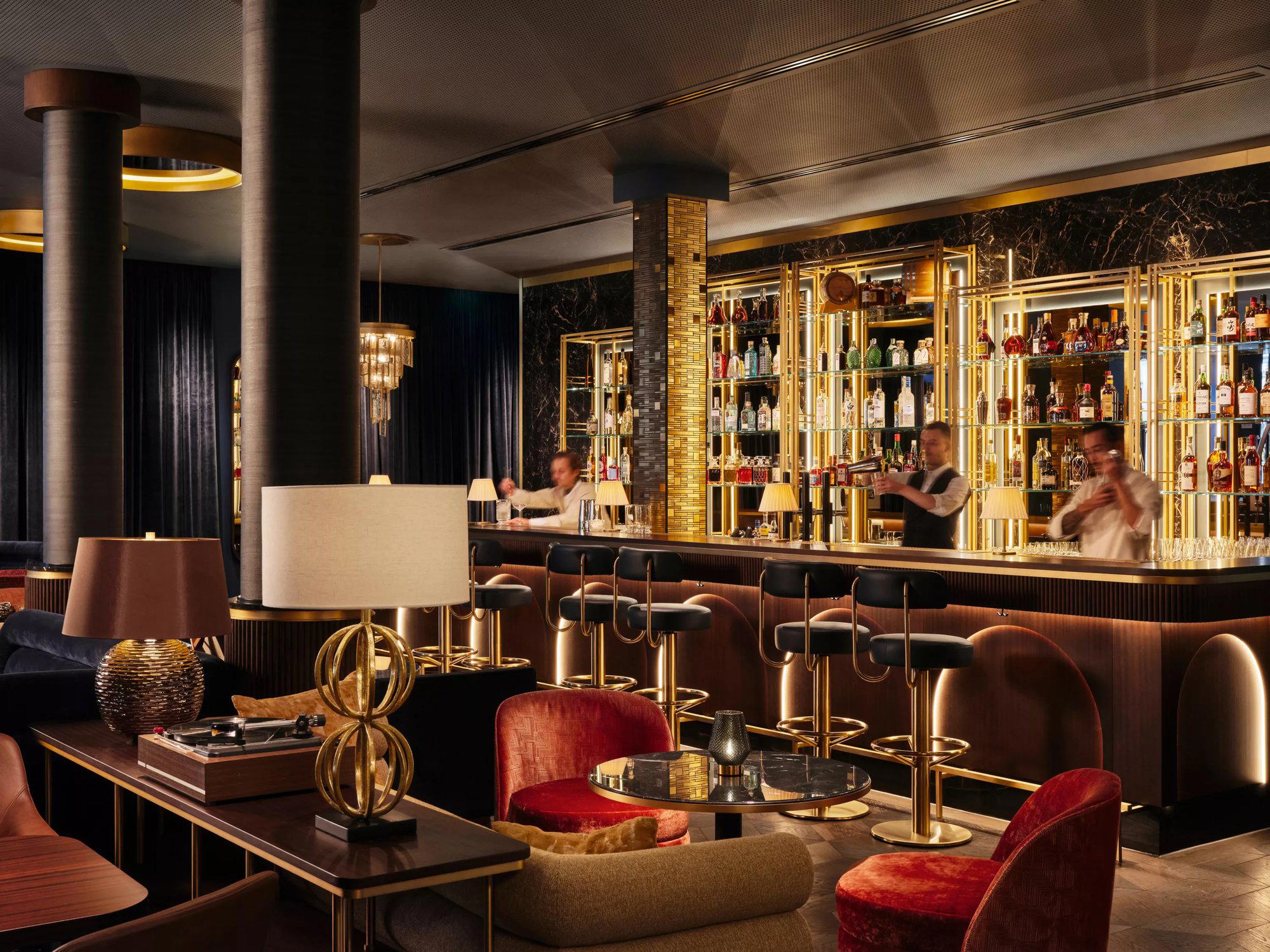
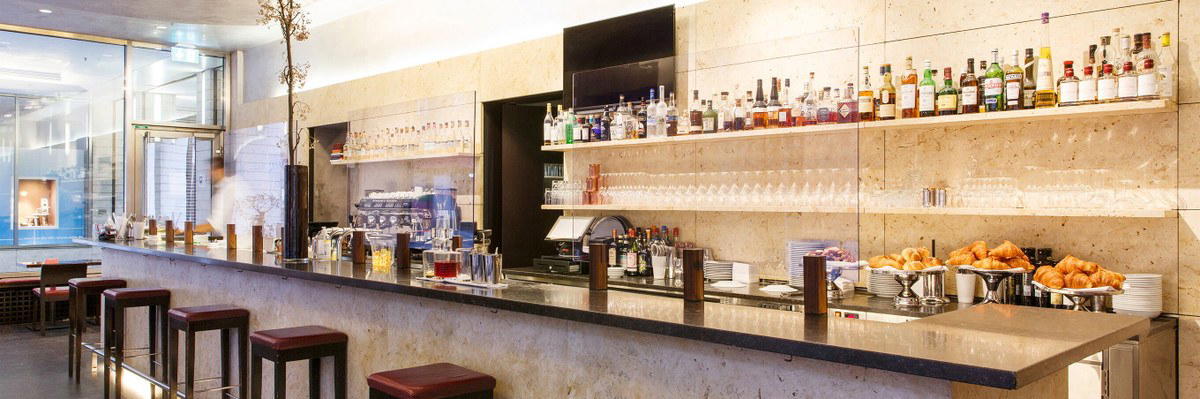
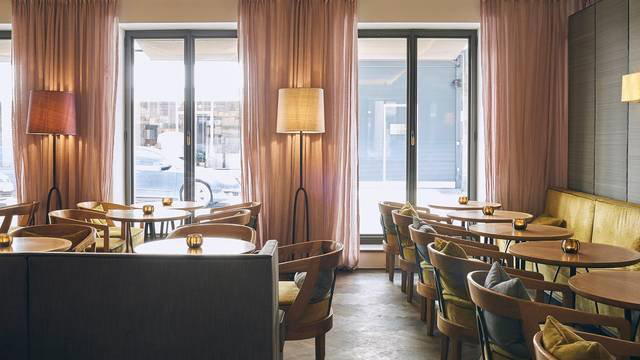
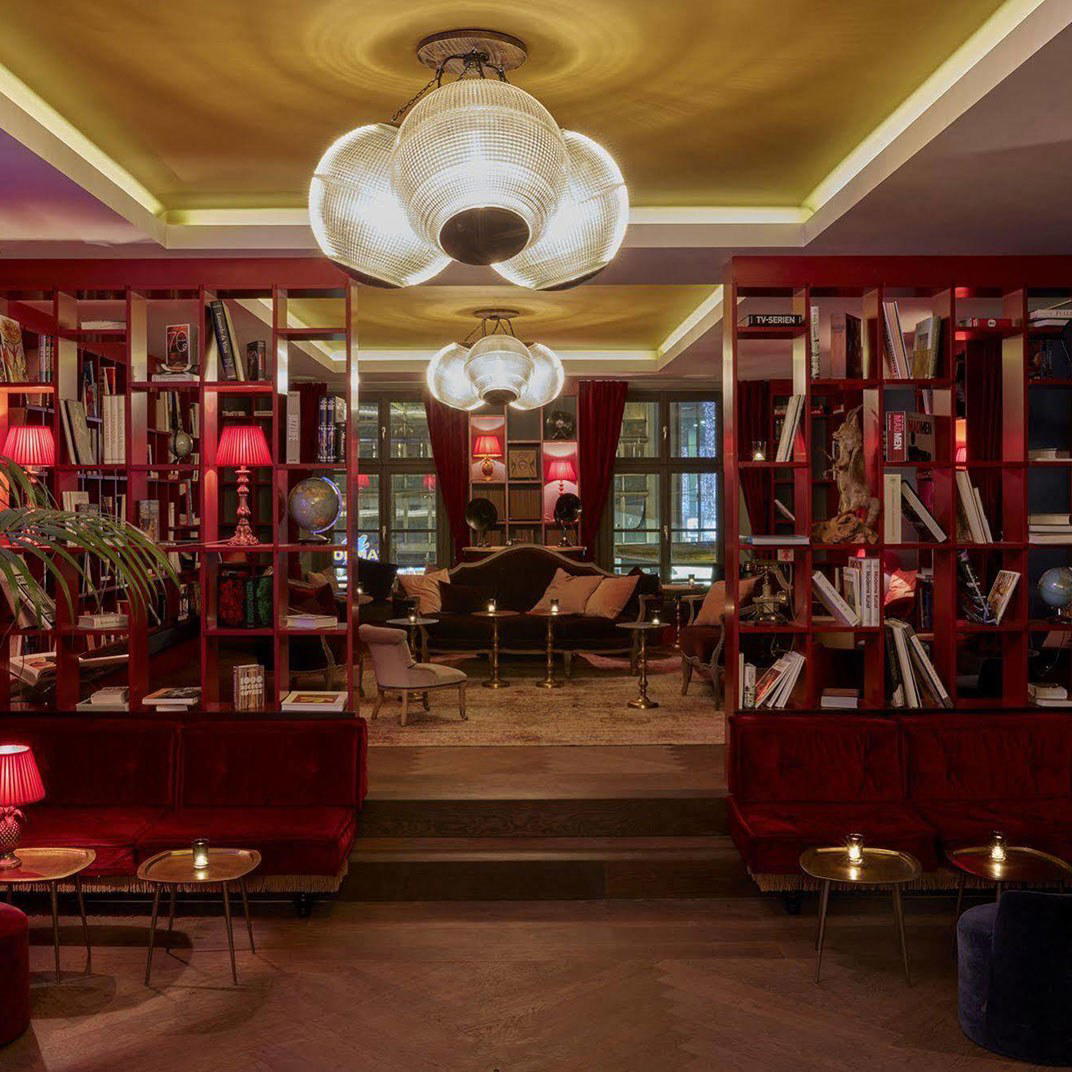
Warm, dimmed lighting with calm hues creates an intimate yet lively atmosphere; becomes increasingly lively and club-like as the evening progresses, particularly on weekends.