
Acetaia sits on Nymphenburger Strasse in Munich's western reaches, serving Italian cuisine inside an Art Nouveau building that frames the meal before the food arrives. The kitchen takes its name from aged balsamic vinegar, a detail that signals where priorities lie.
Pearl is the En Primeur Club membership app — saves, bookings, and concierge access live there. Same editors, same standards.
- Address
- Nymphenburger Str. 215, 80639 München, Germany
- Phone
- +49 89 13929077
- Website
- restaurant-acetaia.de
- Directions
- Get directions
 Saves & bookings on Pearl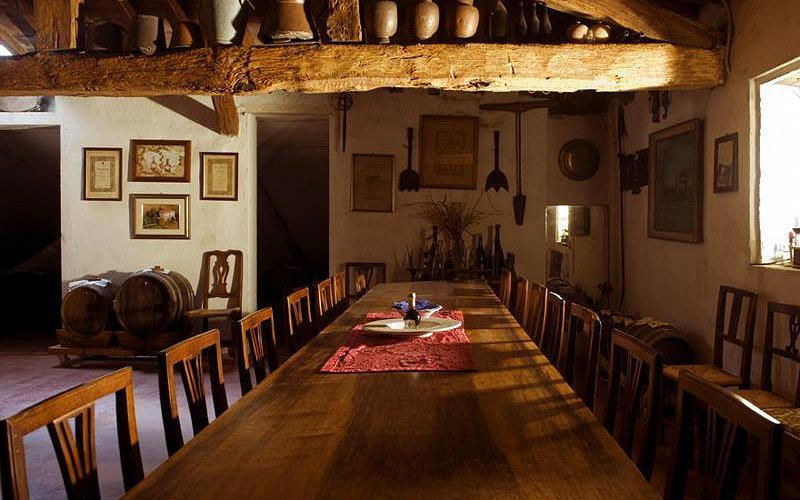
Italian Simplicity on the Western Edge of Munich
Munich's Italian restaurant scene covers a wider range than the city's reputation for Bavarian cooking might suggest. At the leading end, places like Acquarello hold Michelin stars and price accordingly. Below that tier, a cluster of neighbourhood-rooted trattorias and osterie operates at the €€ level, where the question isn't how elaborate the kitchen can be, but how honestly it can cook. Acetaia occupies that second bracket, on Nymphenburger Strasse 215 in the Neuhausen-Nymphenburg district, a residential stretch west of the city centre that connects daily Munich life to the formal gardens of Nymphenburg Palace.
The Italian principle that good cooking requires fewer, better decisions rather than more complex ones is both the quoted and the consistently violated idea in European restaurants. When a kitchen commits to it seriously, the signals appear in the sourcing choices, the menu length, and the things that do not appear on the plate. Acetaia's name is the first of those signals: an acetaia is the loft or cellar where traditional balsamic vinegar ages in successive barrels over years or decades, a process that cannot be accelerated and cannot be faked. A restaurant that names itself after that process is making a statement about patience and quality over shortcuts.
The Setting: Art Nouveau as Prelude
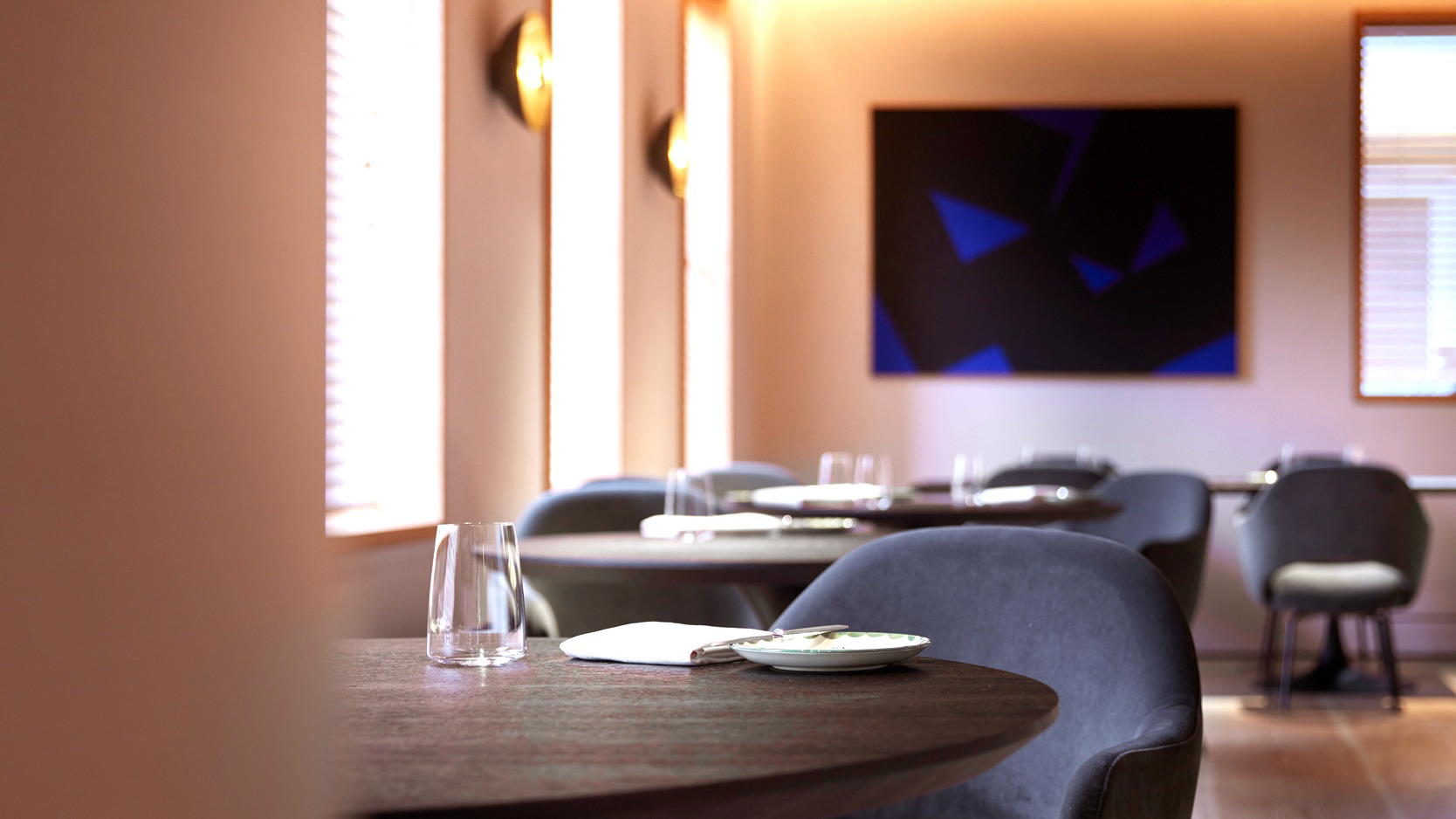
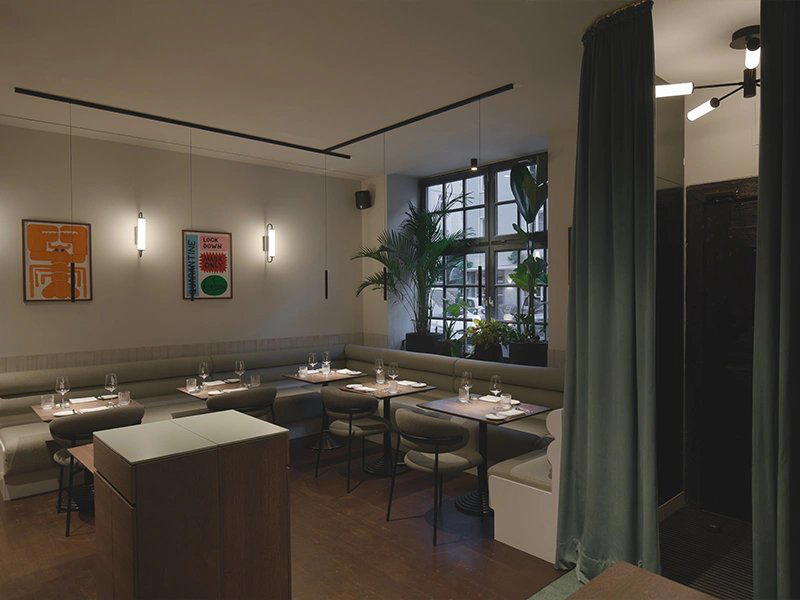
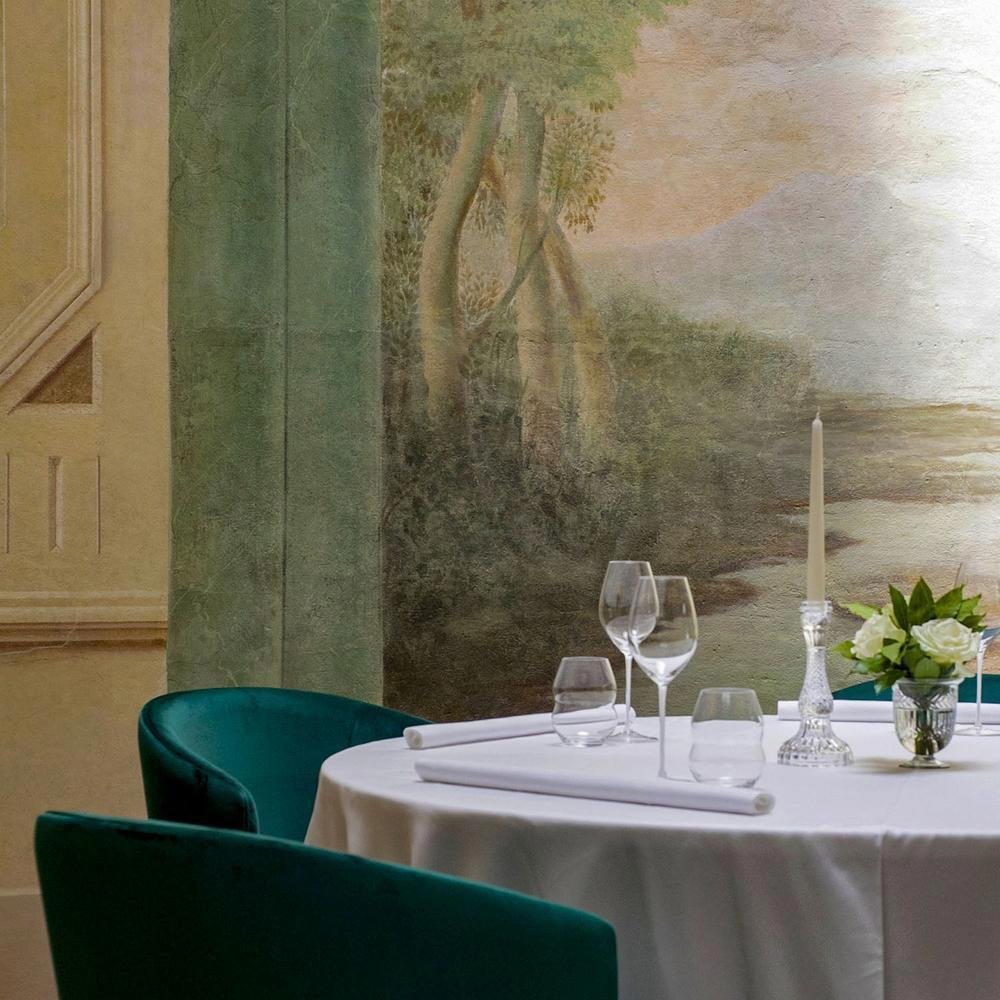
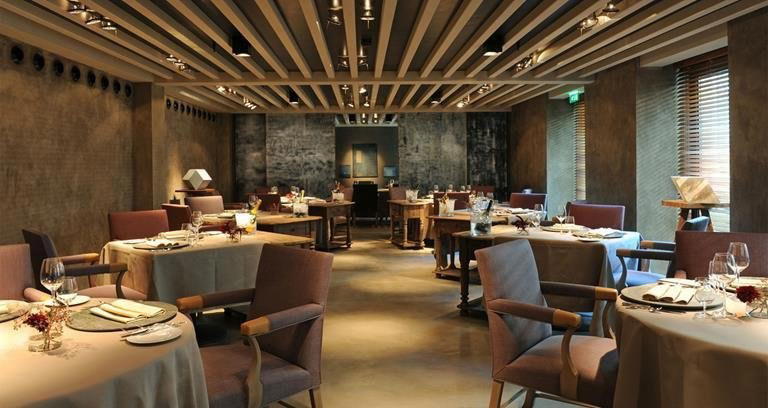
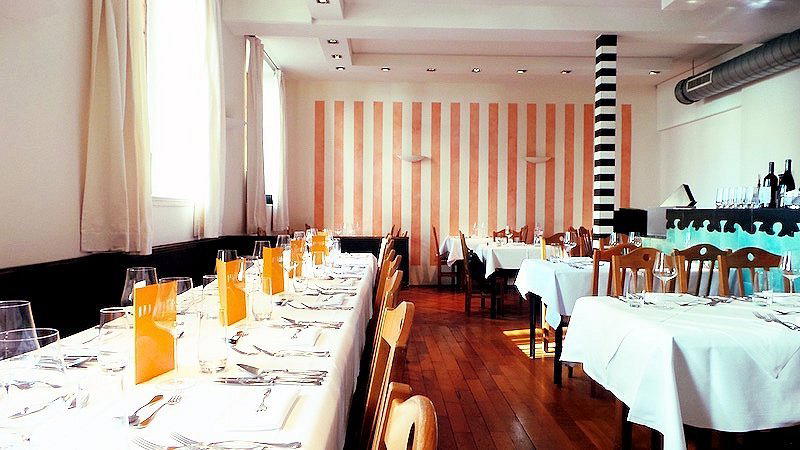
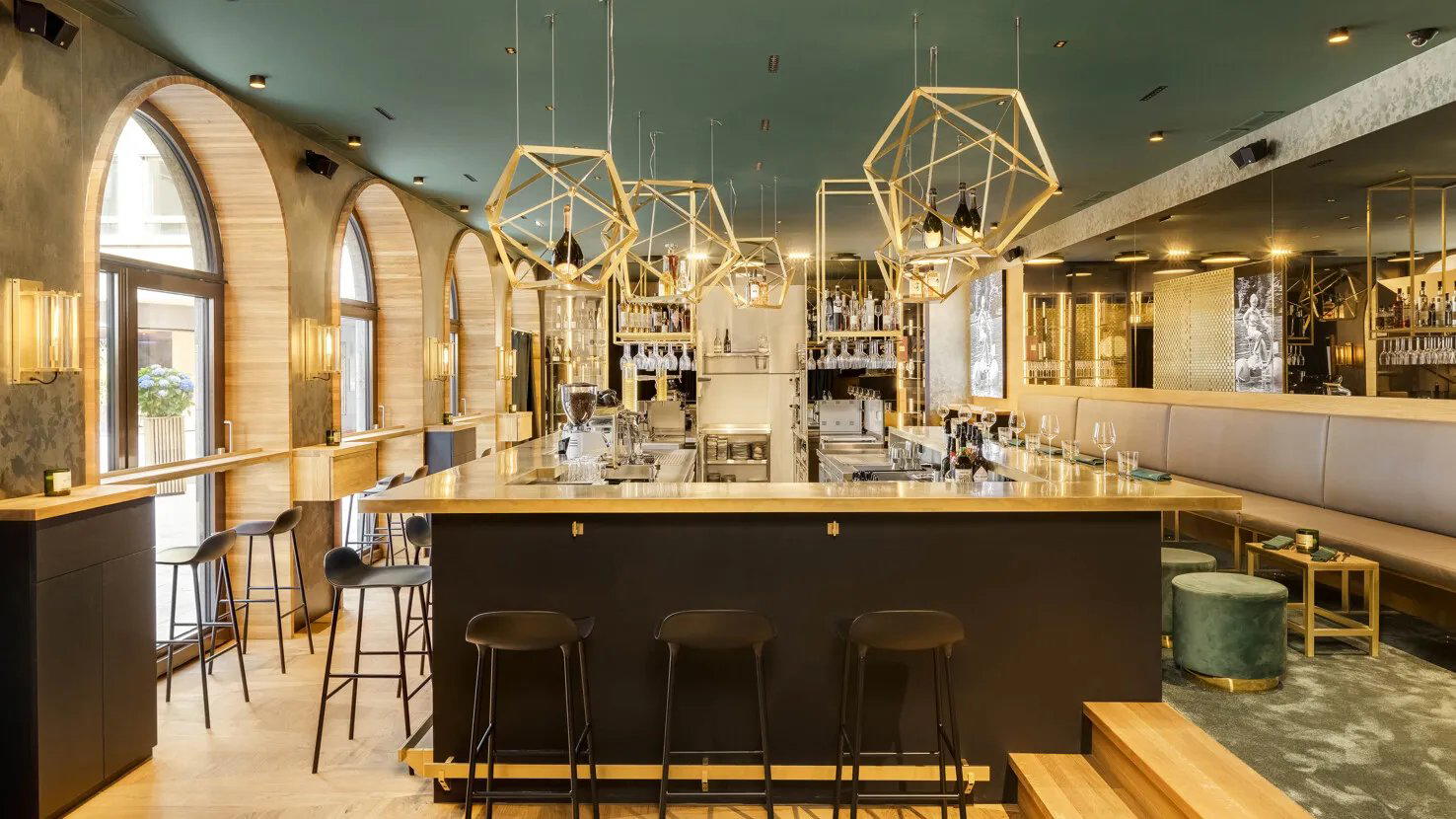
The building on Nymphenburger Strasse is an Art Nouveau structure, a style that in Munich's western neighbourhoods tends toward ornamental facades and high ceilings rather than the stripped-back modernism of newer construction. Walking into a room shaped by that architecture sets a particular register for a meal: unhurried, slightly formal without being stiff, with a physical environment that has earned its character through age rather than interior design spend. It is a setting that suits a kitchen oriented toward classical Italian cooking, the room and the food share a sensibility about how things accumulate meaning over time.
Nymphenburger Canal runs nearby, and the walk from the restaurant toward the palace grounds is one of the more pleasant urban detours in Munich's western districts. The palace complex itself is large enough to absorb visitors without feeling crowded outside peak summer weekends. For those building an afternoon or evening around the meal, the geography works in either direction: lunch before the gardens, or dinner after.
The Acetaia Approach: When the Ingredient Is the Argument
Traditional aged balsamic vinegar, the real article from Modena or Reggio Emilia, not the supermarket reduction, is one of the few ingredients in Italian cooking that requires decades to reach its peak. The difference between a two-year commercial balsamic and a twenty-five-year tradizionale is not a matter of degree; they are functionally different products. Restaurants that keep serious aged balsamic on the table or in the kitchen are making a practical commitment that shows up in the bill and in the sourcing calendar. The fact that Acetaia sells aged balsamic vinegar directly signals that the kitchen treats it as a central ingredient rather than a condiment afterthought.
This is the editorial angle worth understanding before you book: Acetaia is not presenting Italian food as spectacle or as innovation. The argument here is that the ingredient, handled correctly and served without distraction, carries the meal. That philosophy places it in a tradition that runs from the northern Italian home kitchen through the better neighbourhood osterie of Bologna and Modena, and connects to the broader Italian conviction that cooking is primarily a question of selection rather than transformation. You see this approach taken to its logical extreme at places like cenci in Kyoto, where Italian technique meets Japanese ingredient philosophy, or in a different register at 8½ Otto e Mezzo Bombana in Hong Kong, where the Italian canon is applied with formal precision. Acetaia operates at a more grounded register, but the underlying logic is the same.
Where It Sits in Munich's Italian Tier
Munich has a concentration of Italian restaurants serious enough to sustain a meaningful comparison set. The starred tier includes Acquarello at one star. Below that, the €€ bracket includes places like Il Borgo, IL Sommelier, Martinelli, and Galleria, each with a distinct neighbourhood anchor and a specific angle on what Italian cooking means in a German city. Acetaia's recognition places it in the tier that Michelin considers worth the detour without awarding a star: kitchens that cook with consistency and care, priced accessibly, without the elaborate production values of the upper bracket.
6 across 357 reviews is a meaningful data point at the €€ level, where volume tends to dilute scores. It suggests a kitchen that delivers reliably across the full range of the menu rather than one or two showcase dishes. For a neighbourhood restaurant without a tasting menu format, that breadth of consistency matters more than any single high point.
For broader context on the Munich dining scene, including the starred end of the spectrum with venues like Hippocampus and Germany-wide reference points such as Aqua in Wolfsburg, Schwarzwaldstube in Baiersbronn, Vendôme in Bergisch Gladbach, ES:SENZ in Grassau, Restaurant Haerlin in Hamburg, and CODA Dessert Dining in Berlin, the EP Club's full Munich restaurants guide maps the full range.
Planning Your Visit
Acetaia is on Nymphenburger Strasse 215, in the Neuhausen-Nymphenburg district. The address puts it a short tram or cycling distance from the city centre, with Nymphenburg Palace and its canal walk within easy reach before or after the meal. The price bracket at €€ means a full dinner for two with wine sits comfortably below the cost of a comparable evening at Munich's starred Italian options. Booking in advance is advisable, particularly for weekend evenings in the warmer months when the palace area draws visitors as well as locals. Reservations are recommended.
Price Lens
Comparable venues nearby, for context on price, style, and recognition.
| Venue | Cuisine | Price | Awards | Notes |
|---|---|---|---|---|
| AcetaiaThis venue — the venue you are viewing | Gern, Modern Italian Fine Dining | $$$ | Michelin Plate | Not listed |
| GRETA OTO Munich | Not listed | $$$ | Michelin Plate | Isarvorstadt, Modern Amazonian Latin American |
| Huber | Not listed | $$$ | Michelin Plate | Denning, Contemporary International Fine Dining |
| Canal Grande | Not listed | $$$ | Not listed | Nymphenburg, Classic Italian Canal-Side Ristorante |
| Opera Pizza Gourmet | Not listed | $$$ | Not listed | Schwabing, Gourmet Italian Pizza & Contemporary Cuisine |
| Pure Wine & Food | Schwabing, Modern Mediterranean | $$$ | Michelin Plate | Not listed |
Recognition history
Dated appearances from independent guides and award organizations, with the underlying list record or original source where available.
Michelin Plate
Michelin · 2026 Michelin Plate
Michelin Plate
Michelin
Michelin Plate
Michelin
At a Glance
- Elegant
- Romantic
- Classic
- Intimate
- Sophisticated
- Date Night
- Special Occasion
- Business Dinner
- Celebration
- Courtyard
- Garden
- Historic Building
- Standalone
- Extensive Wine List
- Sommelier Led
- Local Sourcing
- Garden
Current opening hours
- Monday
- 12–2:30 PM, 6:30–10 PM
- Tuesday
- 12–2:30 PM, 6:30–10 PM
- Wednesday
- Closed
- Thursday
- 12–2:30 PM, 6:30–10 PM
- Friday
- 12–2:30 PM, 6:30–10 PM
- Saturday
- 6:30–10 PM
- Sunday
- 12–2:30 PM, 6:30–10 PM
Hours can change for holidays and private events. Last verified .
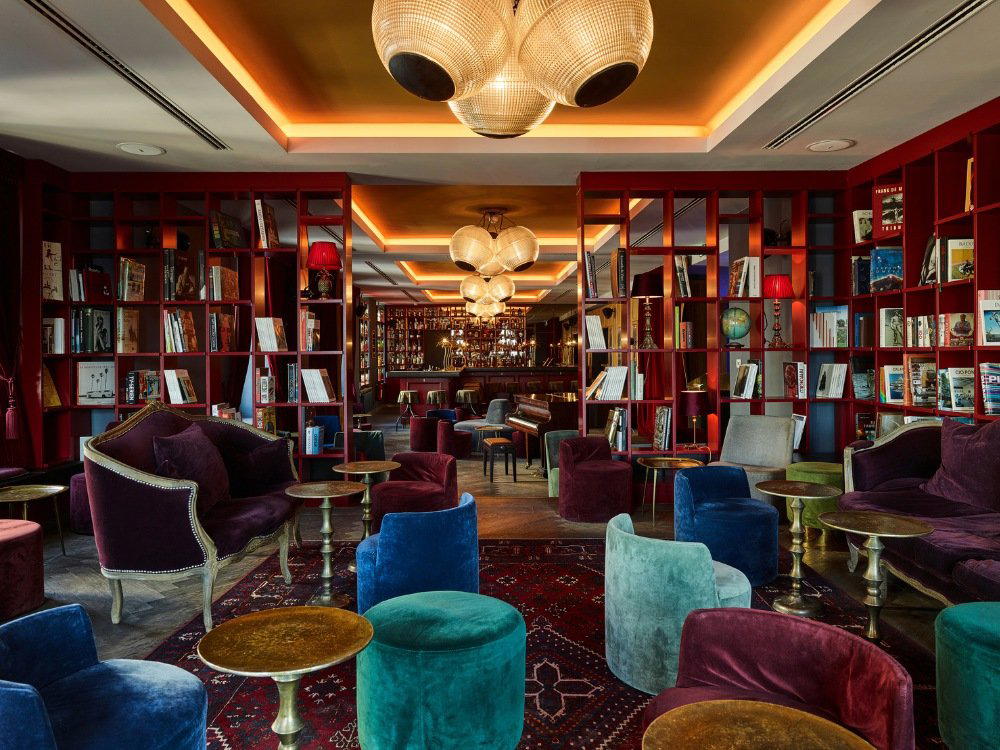
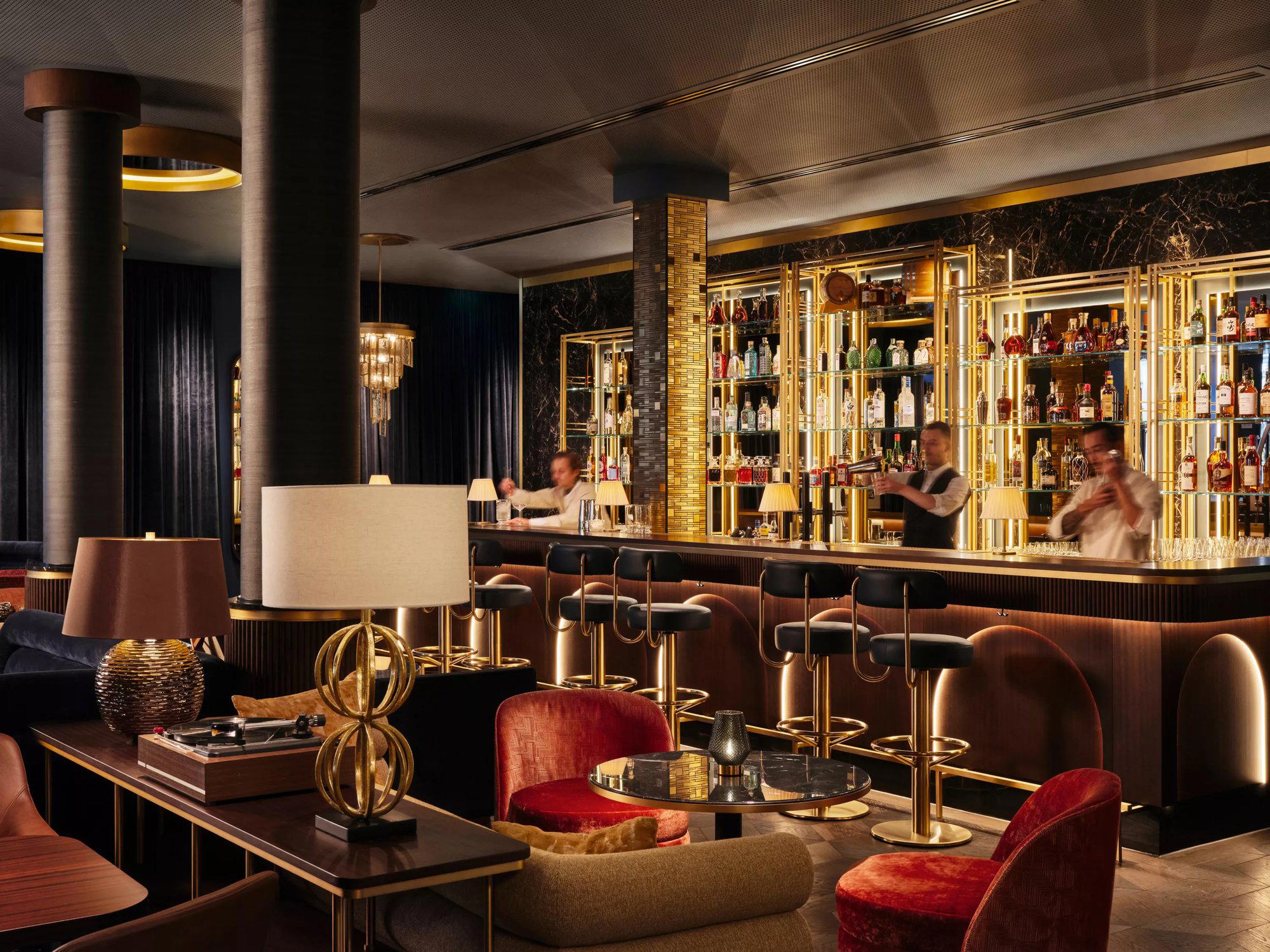
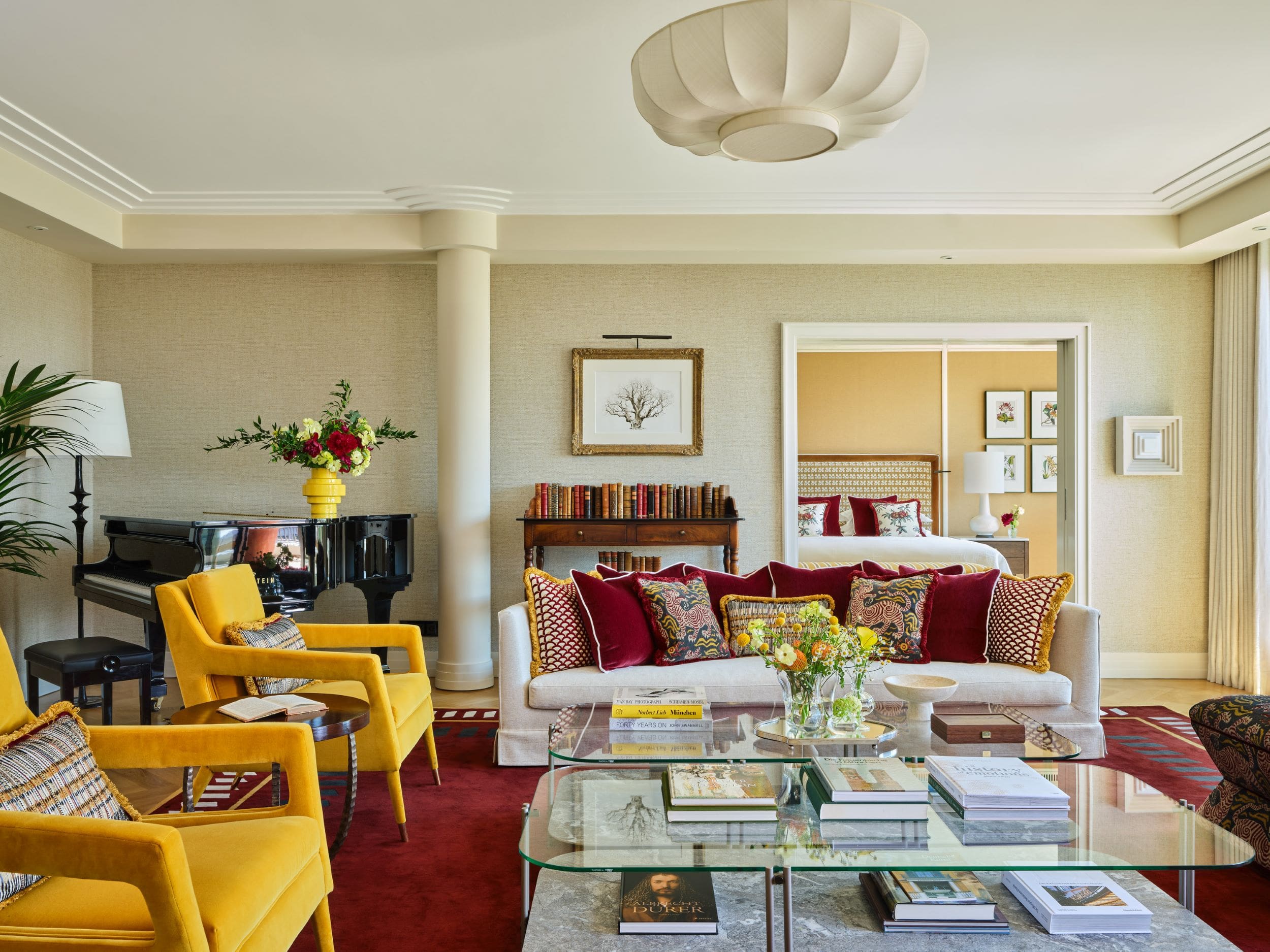
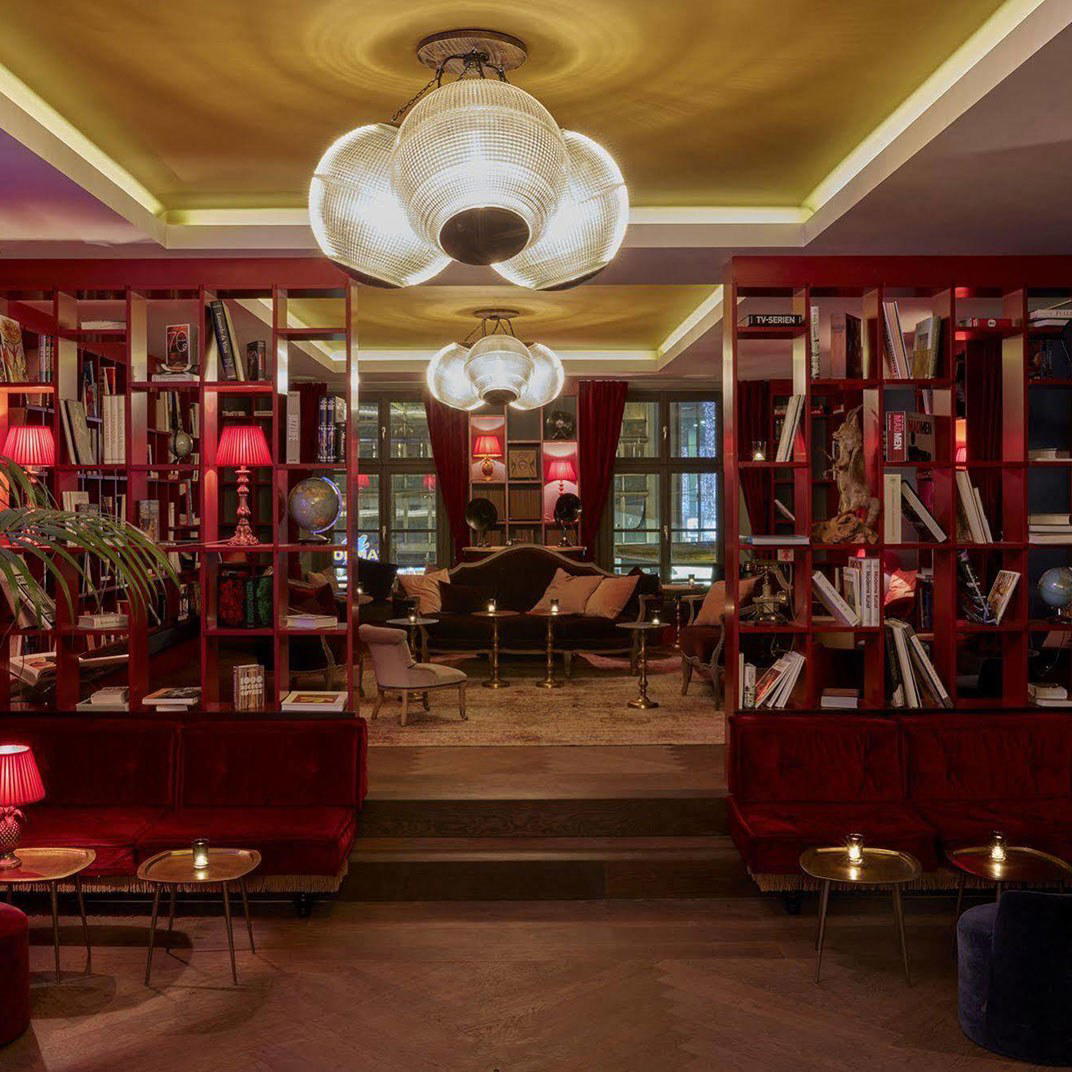
Cosy Art Nouveau interior with mosaic floor, massive chandelier, dark wooden walls, candlelit ambiance, and charming leafy courtyard overlooking the Nymphenburger Canal.