

Michelin Plate · We're Smart World 3 Radishes
Our verdict
On Begijnenstraat in central Mechelen, Graspoort represents the city's growing confidence as a serious dining destination. Chef Thibault Van Stratum works within a creative French framework that places locality and seasonality at its centre, with full vegetarian and plant-based menus alongside the main programme. A Michelin Plate holder in both 2024 and 2025, and recognised by the We're Smart Green Guide for its vegetable-forward approach, it occupies the €€€ tier with clear intent.

Pearl is the En Primeur Club membership app, where members save venues, book tables and use the concierge.
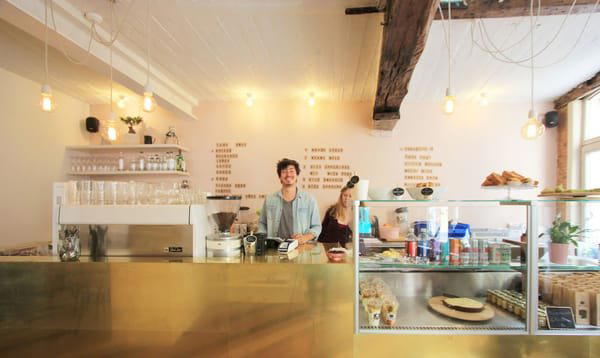
Mechelen's Quiet Culinary Momentum
Between Antwerp and Brussels, Mechelen has spent the better part of a decade building a dining identity that sits apart from both cities. It lacks the concentrated fine-dining density of Antwerp, where Zilte anchors a well-established top tier, and it operates without the institutional weight of Brussels, where places like Bozar Restaurant carry a different kind of cultural gravity. What Mechelen has instead is a cluster of mid-to-upper-tier restaurants that take local produce and seasonal cooking seriously, operating in a city small enough that word travels fast. Graspoort, on Begijnenstraat 28, sits at the more considered end of that cluster.
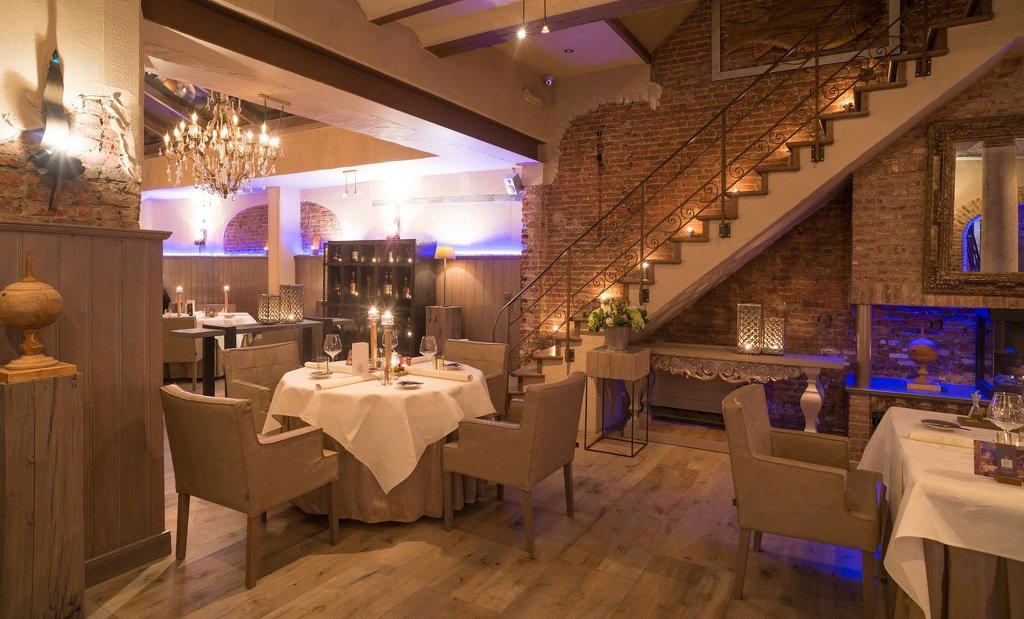
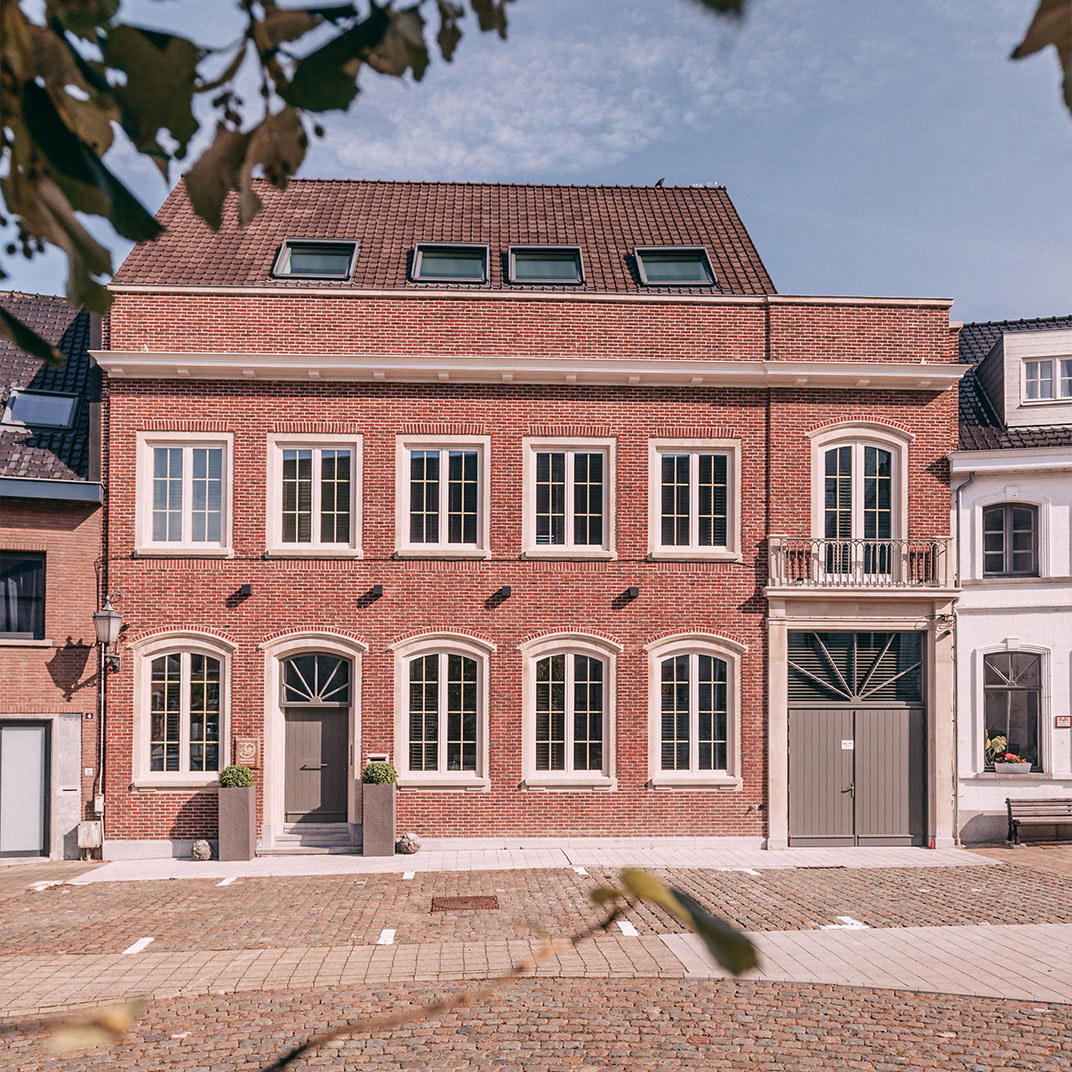
The street itself is in the older part of the city centre, close enough to the Dijle to feel embedded in Mechelen's historic fabric. Arriving at Begijnenstraat, the scale is domestic rather than monumental: the kind of address where a restaurant occupies a former townhouse and the transition from street to dining room involves a degree of architectural intimacy that larger city venues rarely offer. That physical framing matters, because the cooking that comes out of Graspoort's kitchen operates on a similar register: attentive, grounded, without theatrical excess.
Creative French, Reframed Around the Garden
Creative French is a broad category in Belgium's restaurant scene. At the higher end of the national tier, kitchens like Hof van Cleve in Kruishoutem and Boury in Roeselare demonstrate what the format looks like with deep resources and full Michelin recognition behind it. Willem Hiele in Oudenburg and Bartholomeus in Heist take the same foundational discipline in more coastal, terrain-specific directions. Further afield, Restaurant Haerlin in Hamburg and Gourmetrestaurant Dichter in Rottach-Egern represent how the creative French format operates when transplanted into German dining culture. Graspoort operates at a different scale and with a different emphasis: its creative French framework is specifically oriented around vegetables, seasonality, and locality in a way that earns it recognition in the We're Smart Green Guide alongside its Michelin Plate designations for 2024 and 2025.
That double positioning is worth paying attention to. The Michelin Plate signals cooking that meets Michelin's quality threshold without yet carrying star recognition. The We're Smart Green Guide inclusion signals something more specific: a genuine commitment to vegetable-led cooking that goes beyond token accommodation of plant-based diners. At Graspoort, both a vegetarian menu and a fully plant-based menu are available alongside the standard programme. That structure places it in a distinct sub-tier of Belgian creative French: not merely a restaurant that can accommodate dietary requirements, but one whose identity is substantially built around them.
Chef Thibault Van Stratum's approach, as characterised by the We're Smart Green Guide's own language, takes locality and seasonality as the foundation for all creations, with nature as the overarching reference point. Within Mechelen's broader restaurant scene, that positions Graspoort differently from the sharing-format informality of Cosma, the farm-to-table elevation of 't Gasthuis by InstroomArt, or the seasonal cuisine focus of Ember. It sits closer to Tinèlle and The Chick in price tier (all three at €€€), but the vegetable orientation gives Graspoort a more defined identity within that group.
The Wine Programme: Pairing Across Menu Structures
The wine question at a kitchen like Graspoort is more complex than it first appears. A programme that runs parallel omnivore, vegetarian, and plant-based menus requires either a single cellar flexible enough to work across all three, or a pairing philosophy that matches each format on its own terms. Belgian sommeliers working in creative French contexts have increasingly adopted the latter approach: treating vegetable-forward dishes as a distinct pairing challenge rather than a simplified version of meat-led matching.
Vegetable-driven dishes demand different wine logic. High-acid whites from Alsace or the Loire work against the bitterness of leafy brassicas; skin-contact wines and light-structured reds handle the earthiness of root vegetables more gracefully; umami-rich preparations from fermented or aged vegetables can sustain pairings that would otherwise read as too bold for plant-based contexts.
At the €€€ price point, wine pairing supplements are standard across this tier. The broader pattern in Belgian creative French restaurants is towards curation-led lists that prioritise natural and low-intervention producers alongside conventional fine-wine representation, reflecting the same local-and-seasonal ethos that drives the kitchen. That alignment between cellar philosophy and kitchen philosophy is increasingly a marker of coherent restaurant identity rather than incidental overlap.
Mechelen at the €€€ Tier: Where Graspoort Fits
Mechelen's restaurant density at the €€€ tier has grown noticeably in recent years. The city's position as a commuter satellite between two major Belgian cities has drawn a dining public with the income and appetite for serious cooking, but without the metropolitan self-consciousness that sometimes inflates prices in Antwerp and Brussels. The result is a mid-sized city where €€€ restaurants need to perform but where the competitive pressure remains less concentrated than in larger centres.
Within that context, Graspoort's dual award presence, Michelin Plate plus We're Smart Green Guide, represents a clear credential position. That breadth of appeal at a fixed price tier is part of what distinguishes the stronger performers in Mechelen from more niche propositions.
Planning a Visit
Graspoort is at Begijnenstraat 28, 2800 Mechelen, in the city's historic centre. The €€€ pricing sits at the same level as Tinèlle, Ember, and The Chick in Mechelen's mid-upper tier, making it a natural point of comparison when selecting between the city's more considered options. Booking in advance is advisable given the recognition the restaurant has built; specific availability, hours, and booking method are best confirmed directly with the restaurant. For a fuller picture of what Mechelen offers across categories, see our full Mechelen restaurants guide, our Mechelen hotels guide, our Mechelen bars guide, our Mechelen wineries guide, and our Mechelen experiences guide.
What Regulars Order at Graspoort
The question of what regulars favour at Graspoort connects directly to the restaurant's two defining credentials: its Michelin Plate recognition and its We're Smart Green Guide listing. Those awards anchor the answer around cuisine, chef, and format. Returning diners tend to gravitate towards the seasonal vegetable-led courses that form the backbone of the plant-based and vegetarian menus, where Thibault Van Stratum's nature-inspired approach is most fully expressed. The creative French structure means the omnivore menu also carries the same produce logic, so regulars across all menu formats are in practice engaging with the same seasonal and local sourcing. The Green Guide recognition signals that the kitchen's vegetable work is considered serious by specialists in that field, which is the most reliable external indicator of where the kitchen's consistent strengths lie.
The Essentials
| Venue | Cuisine | Price | Awards | Notes |
|---|---|---|---|---|
| GraspoortThis venue (the venue you are viewing) | Creative Fusion with Asian Influences | $50–100 | Michelin Plate · We're Smart World 3 Radishes | Not listed |
| Tinèlle | Modern Franco-Belgian | Not listed | 1 Michelin Star · We're Smart World 1 Radish | French Contemporary |
| Ember | Modern Belgian Fire-Grilled Fine Dining | $100–150 | Michelin Plate · We're Smart World 4 Radishes | Seasonal Cuisine |
| 't Gasthuis by InstroomArt | Farm-to-Table International Fusion | Not listed | Michelin Plate | Farm to table |
| The Chick | Modern Belgian-European Tasting Menu | $50–100 | Michelin Plate | Modern Cuisine |
| Cosma | Modern European Tapas | $50–100 | Michelin Plate · We're Smart World 1 Radish | Sharing |
Recognition history
Dated appearances from independent guides and award organizations, with the underlying list record or original source where available.
Michelin Plate
Michelin
We're Smart World 3 Radishes
We're Smart World
Full recognition history (4 entries)
Michelin Plate
Michelin
Michelin Plate
Michelin
Continue exploring
More in Mechelen
Restaurants in Mechelen
All restaurants in Mechelen →
Details
- Cozy
- Modern
- Trendy
- Date Night
- Special Occasion
- Natural Wine
- Local Sourcing
- Tasting Menu
- Vegetarian Friendly
- Vegan Options
- Gluten Free Options
Current opening hours
- Monday
- Closed
- Tuesday
- 7–9 PM
- Wednesday
- 7–9 PM
- Thursday
- 7–9 PM
- Friday
- 7–9 PM
- Saturday
- 7–9 PM
- Sunday
- Closed
Hours can change for holidays and private events. Hours as of .
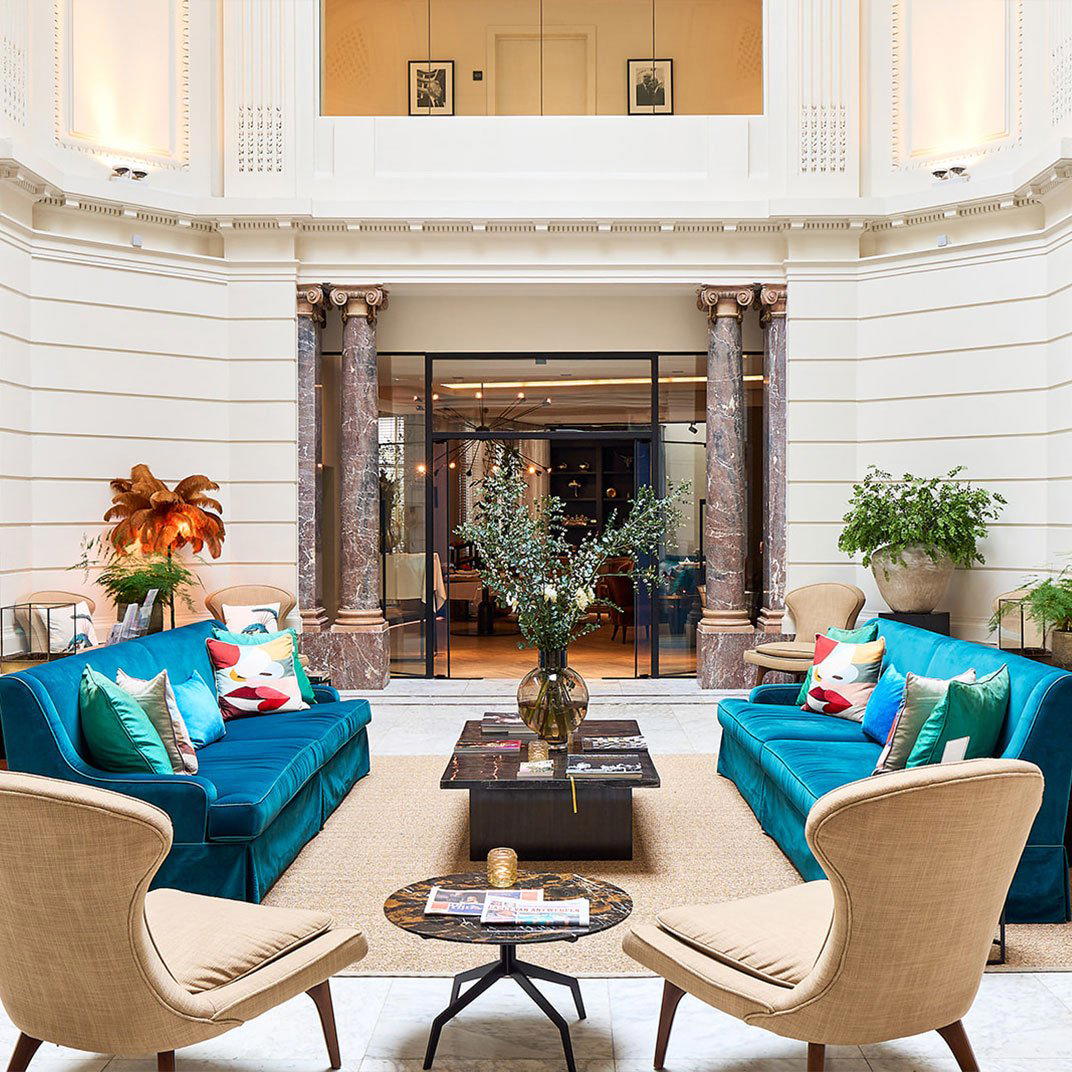
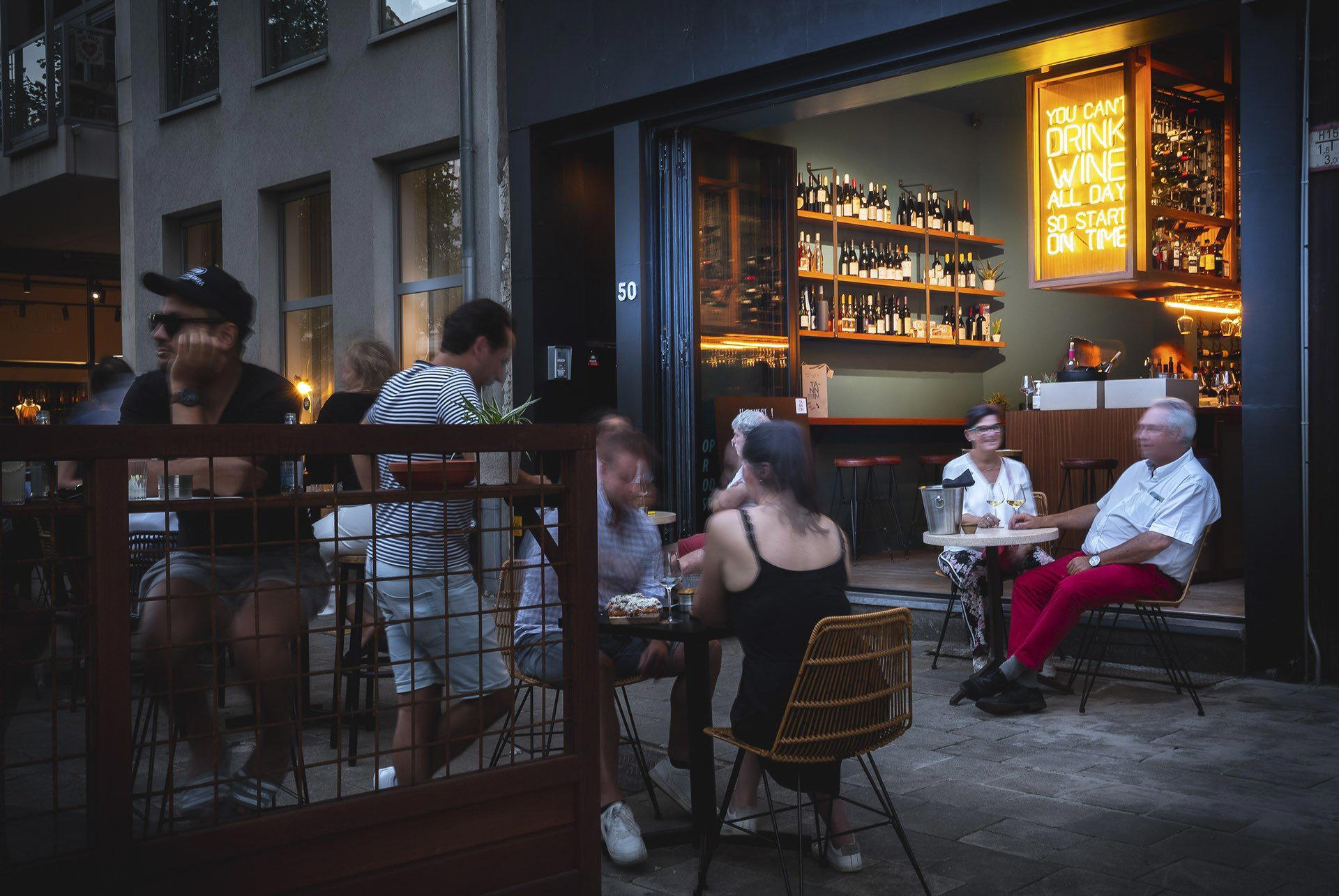
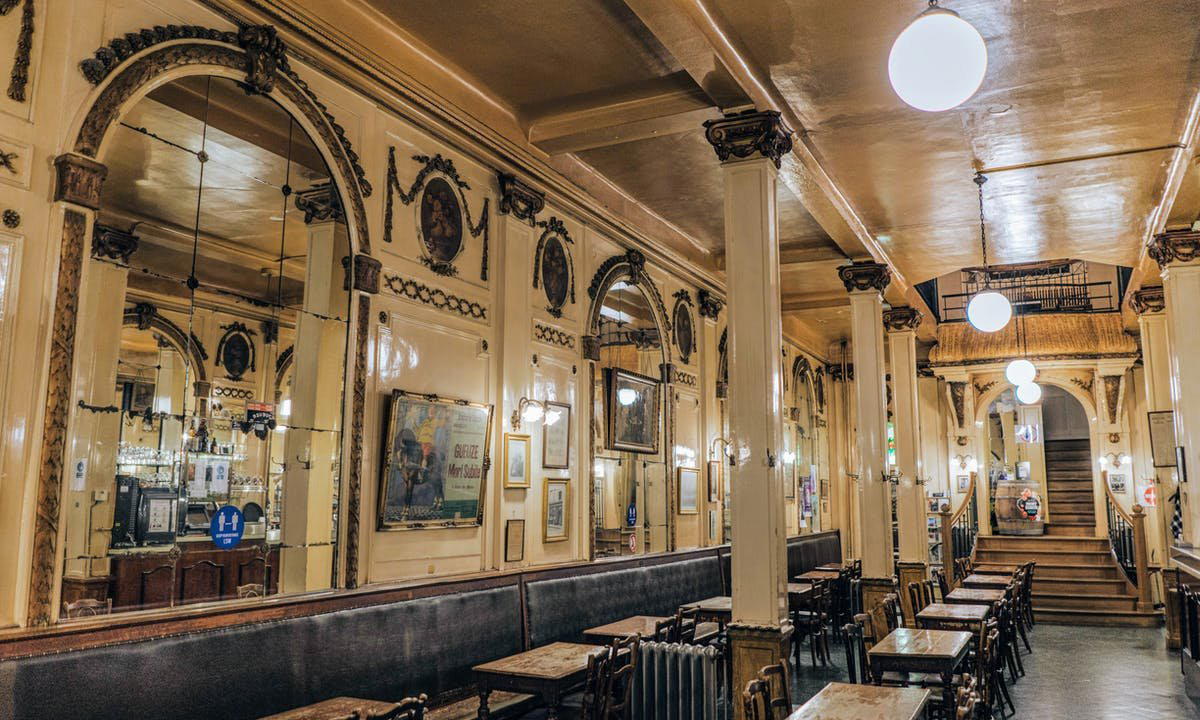
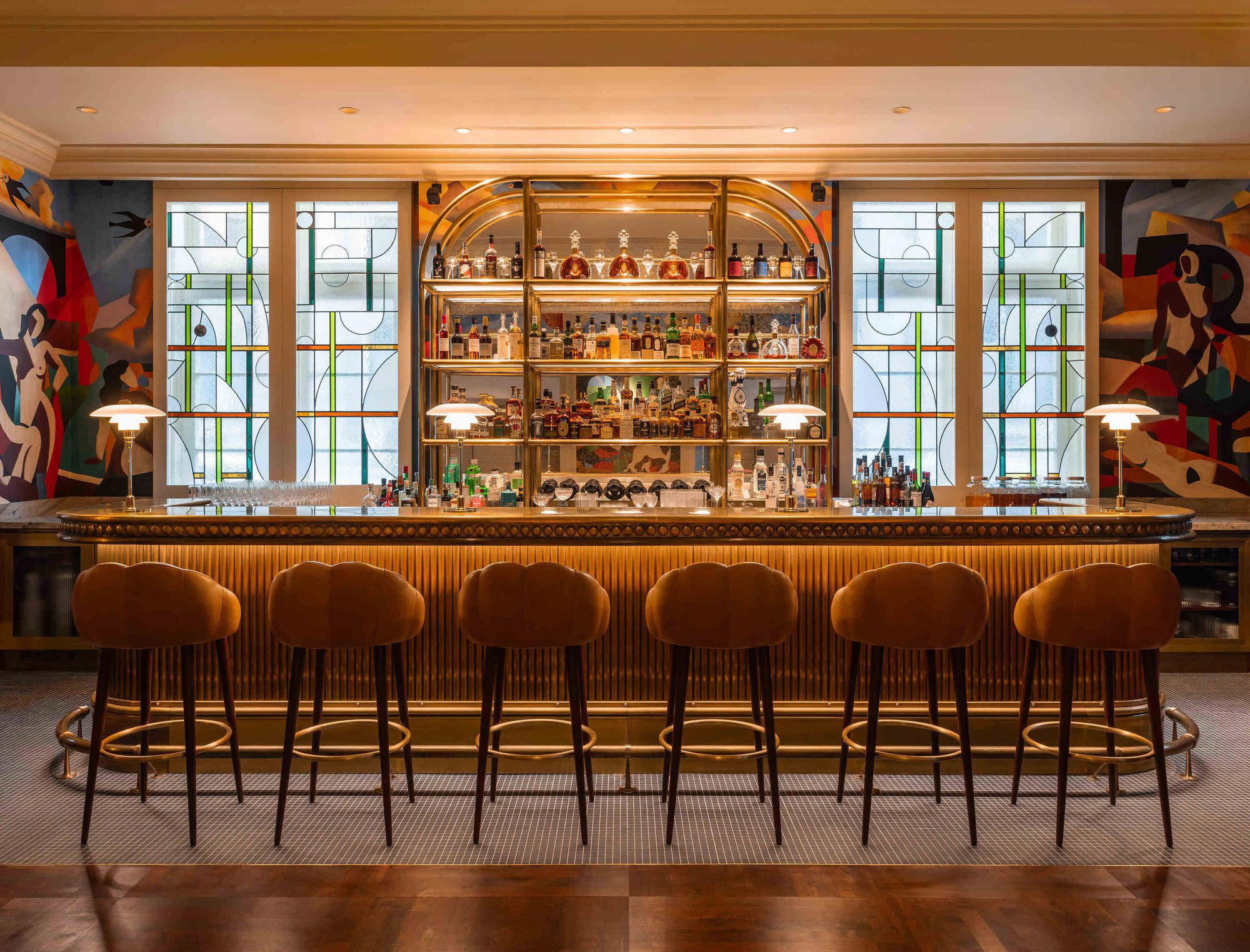
Hip and relaxed with botanical elements, intriguing decorated walls, graffiti, and a homemade tropical tree with colorful leaves.