
Michelin Selected
A Michelin Selected property in the village of Bazel, Hofke van Bazel sits on Kon. Astridplein in the quiet municipality of Kruibeke, east of Ghent along the Scheldt. The designation places it among a small tier of Belgian accommodations that Michelin's hotel editors consider worth flagging for quality and character. For travellers moving between Antwerp and Ghent, it offers an alternative to city-centre options without sacrificing recognised standards.

Pearl is the En Primeur Club membership app — saves, bookings, and concierge access live there. Same editors, same standards.
- Address
- Kon. Astridplein 10, 9150 Beveren-Kruibeke-Zwijndrecht, Belgium
- Phone
- +32 3 744 11 40
- Website
- suite-and-b.be
- Directions
- Get directions
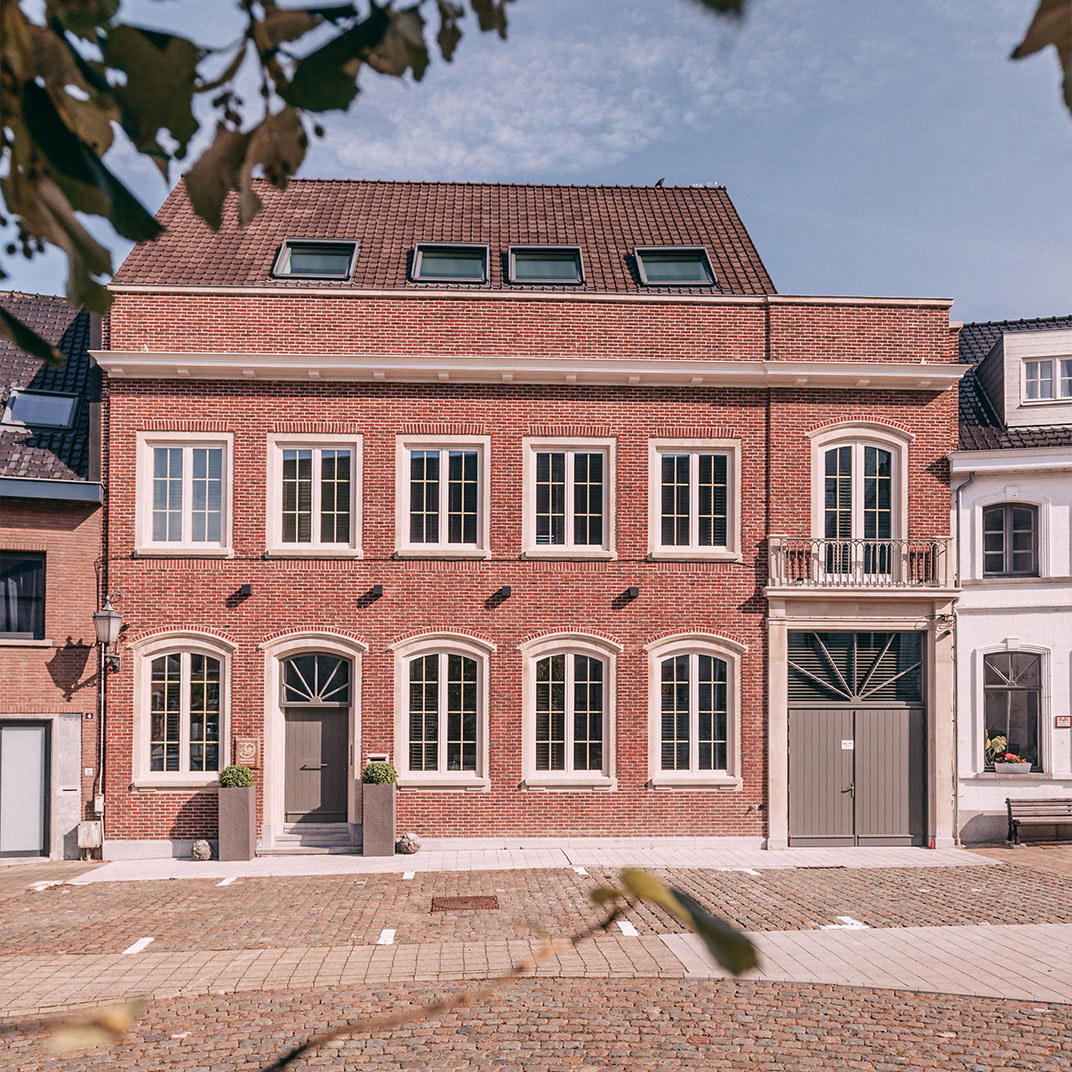
Where the Waasland Slows Down
The Waasland, that flat agricultural corridor between Antwerp and the Scheldt's western bank, is not where most travellers think to stop. The region moves at a pace the cities to its north and south have long since abandoned: village squares framed by lime trees, farmsteads that double as weekend retreats, and a hospitality culture that leans toward intimacy over spectacle. Bazel, a sub-village of the Kruibeke municipality, sits inside this rhythm. Approaching Kon. Astridplein, the address of Hofke van Bazel, the scale is immediately domestic rather than institutional. This is not an accident of geography; it is the operating premise of a certain category of Belgian accommodation that the Michelin hotel guide has increasingly paid attention to in recent editions.
A Michelin Selection in a Small-Village Frame
The 2025 Michelin Selected Hotels list is not a ranking of size or brand affiliation. It is, in the guide's own framing, a quality signal applied to properties whose character and standard the editors consider worth directing travellers toward. Hofke van Bazel carries that designation for 2025, placing it alongside a tier of Belgian properties that includes design-led urban addresses and rural estates with significantly more infrastructure. The fact that a Bazel address makes this list is itself an editorial statement about what the guide considers credible hospitality outside the obvious city circuits.
Belgium's small-property accommodation sector has split in two directions over the past decade. One group has pursued spa infrastructure, multi-room dining, and the trappings of resort complexity. The other has held to a more contained model: fewer rooms, stronger local character, and a guest experience that does not require scale to justify itself. Michelin's hotel selection tends to favour the latter when the execution is coherent, which is why properties in municipalities like Kruibeke appear alongside more conventionally prestigious addresses. For points of comparison across Belgium's Michelin Selected tier, the contrast is instructive: Botanic Sanctuary Antwerp operates within a historic city-centre complex, while Villa Copis in Borgloon and Kasteelhoeve de Kerckhem in Wijer anchor themselves in the Flemish and Limburg countryside respectively. Hofke van Bazel belongs to that rural-character cohort.
The Physical Register: Flemish Village Architecture
Belgian village hospitality at this level tends to work within inherited building stock rather than purpose-built structures. The hofke typology, literally a small courtyard or enclosed yard, is a recurring architectural form in Flemish settlements: a grouping of buildings organised around a central space that provides both orientation and enclosure. The form predates modern hospitality entirely; it was originally a configuration for farm or artisan complexes, and its adaptation into accommodation preserves the proportional logic of the original, even when the interiors have been significantly updated.
What this means physically is that the guest experience begins before any interior threshold. The approach to a hofke-type property in a village like Bazel involves a spatial compression and release that larger hotels cannot replicate: a narrowing through a gate or passage, then an opening into a courtyard or garden that reads as private despite being reached from a public square. This sequence is an architectural argument in itself, one that positions the property as a retreat without requiring rural isolation. The village square remains accessible; the interior world simply operates at a different register.
The design sensibility common to Michelin Selected properties in this Flemish rural tier tends toward material restraint rather than decorative elaboration. Stone, timber, and aged plaster carry more weight than imported finishes, and the standard of execution matters more than the expense of the palette.
Situating Kruibeke on the Traveller's Map
Kruibeke sits roughly fifteen kilometres south of Antwerp's city centre, accessible via the N70 or by regional rail to nearby Beveren, from which local connections continue. The municipality is leading known among Belgians for the Kruibeke-Bazel-Rupelmonde polder reserve, one of the larger controlled flood plain areas in the Low Countries and a genuine draw for visitors interested in wetland ecology and cycling routes along the Scheldt. This context matters for understanding who stays at a property like Hofke van Bazel: it is not primarily a destination for city overflow, but for travellers who have a specific reason to be in the Waasland, whether that is the polders, the broader Scheldt valley, or the cluster of historic villages between Antwerp and Ghent.
For travellers whose itinerary centres on Antwerp, Botanic Sanctuary Antwerp represents the urban-end option within the same Michelin Selected tier. For those routing through Ghent, Ganda Rooms and Suites occupies a comparable position in that city's smaller-property market. Hofke van Bazel is neither a satellite of those cities nor a competitor to them; it serves a different travel logic, one organised around the Scheldt corridor rather than the urban centres it connects.
Further afield, Belgium's Michelin Selected rural tier extends into the Ardennes, where properties like Le Château de Mirwart, Château Beausaint, and Le Sanglier des Ardennes in Durbuy operate in a landscape with more established tourism infrastructure. The Waasland is a quieter proposition, which is part of what makes a Michelin selection here carry a different signal. You can also explore Manoir de Lébioles near Liège, Hof Te Spieringen in Vollezele, and NE5T Hotel and Spa in Namur as part of any broader Belgian itinerary.
Planning a Stay
Specific booking details for Hofke van Bazel, including direct contact and current room rates, are best confirmed through the property directly at its Kon. Astridplein 11 address in Bazel, or via the Michelin hotel guide listing at guide.michelin.com where the property is indexed under the 2025 selection. Given the small-property format common to this category, advance booking is the more reliable approach, particularly for weekend stays and during the warmer months when the Scheldt polders draw visitors to the Kruibeke area. For a broader view of what the region offers in dining and local character, our full Kruibeke guide covers the municipality in more detail. Those building a wider Belgian itinerary may also want to consider Hotel De Orangerie in Bruges, Juliana Hotel Brussels, Louis1924 in Dilbeek, Ariane in Ypres, and La Réserve in Knokke-Heist, each representing a different register of Belgian accommodation within the recognised quality tier.
Comparable Spots, Quickly
Comparable venues nearby, for context on price, style, and recognition.
| Venue | Cuisine | Price | Awards | Notes |
|---|---|---|---|---|
| Hofke van BazelThis venue — the venue you are viewing | Chef-driven luxury boutique in historic village setting | Not listed | Michelin Selected | Not listed |
| Indrani Lodge | Renovated medieval farmhouse with modern luxury | $100–200 | Michelin Selected | Loupoigne |
| Hotel Julien | Minimalist boutique townhouse retreat blending historic architecture with modern design | Not listed | Michelin Selected · Mr & Mrs Smith Seal of Approval | Old Town |
| Le Château de Mirwart | Renovated medieval castle with boutique luxury accommodations. | Not listed | Michelin Selected | Mirwart |
| Hotel Britannia | Anglo-Norman coastal architecture with recent total renovation | Not listed | Michelin Selected | Zoute |
| B&B The Verhaegen | Historic 18th-century mansion with maximalist interiors fusing antiques and contemporary elements | $200–300 | Michelin Selected | Elisabethbegijnhof - Prinsenhof - Papegaai - Sint-Michiels |
Recognition history
Dated appearances from independent guides and award organizations, with the underlying list record or original source where available.
Michelin Selected
Michelin
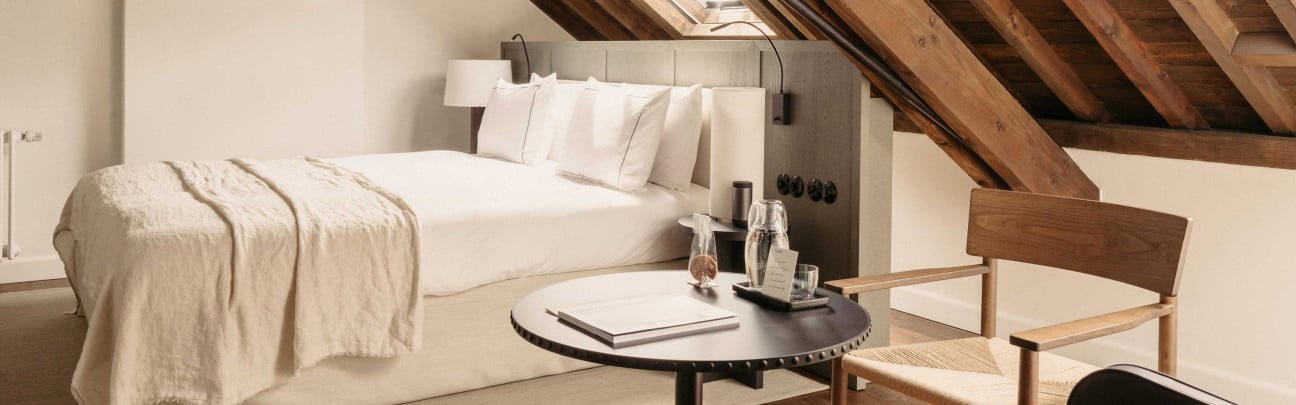
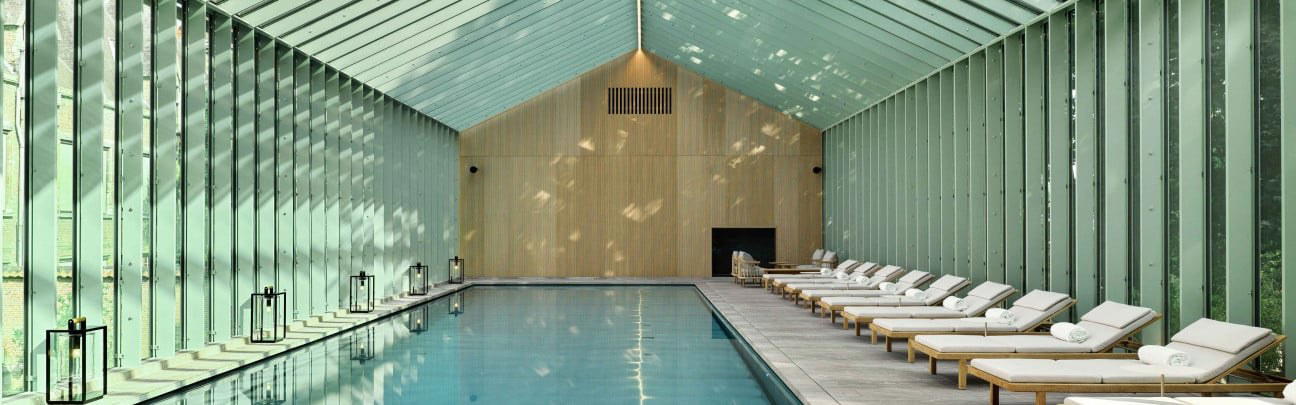
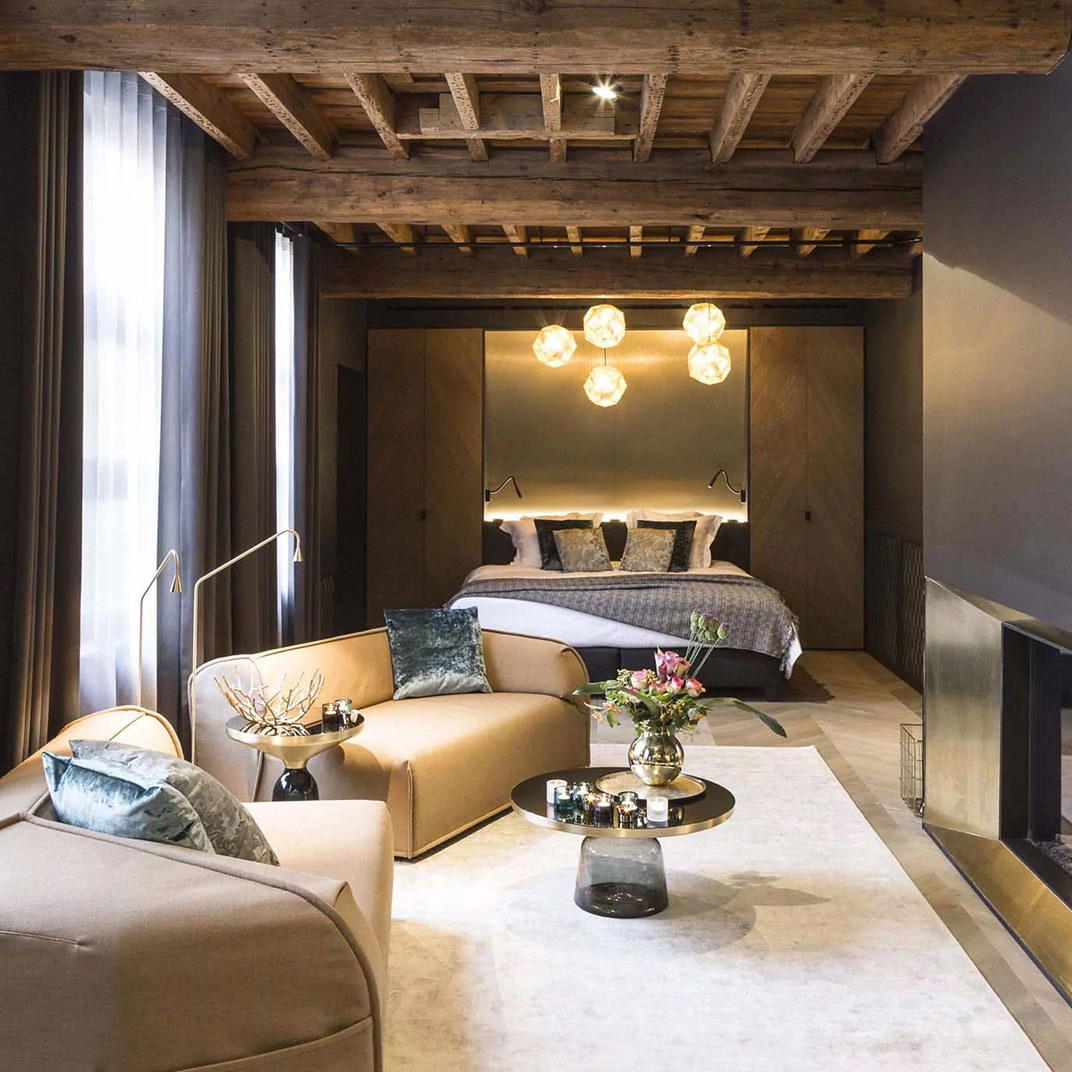
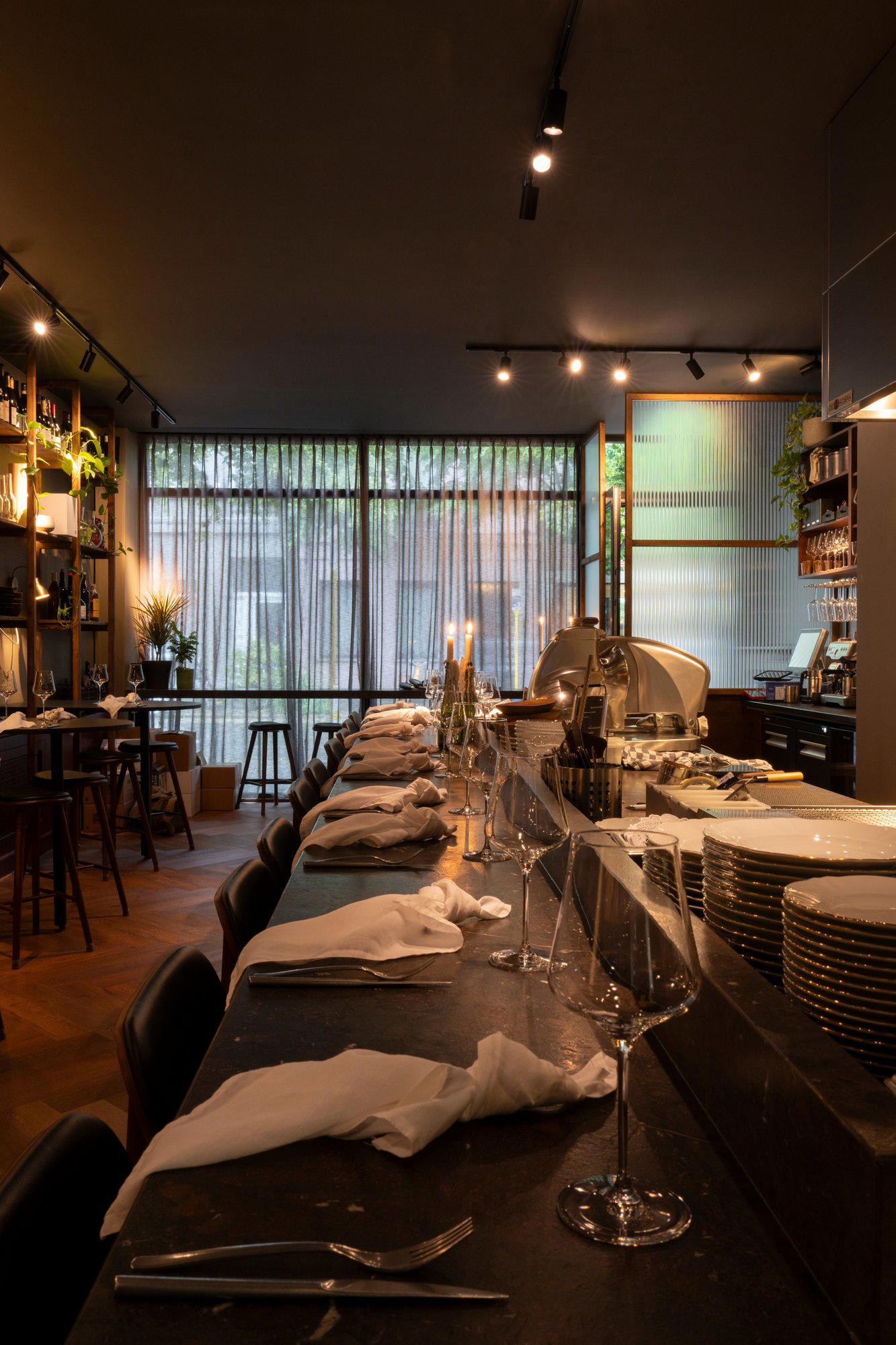
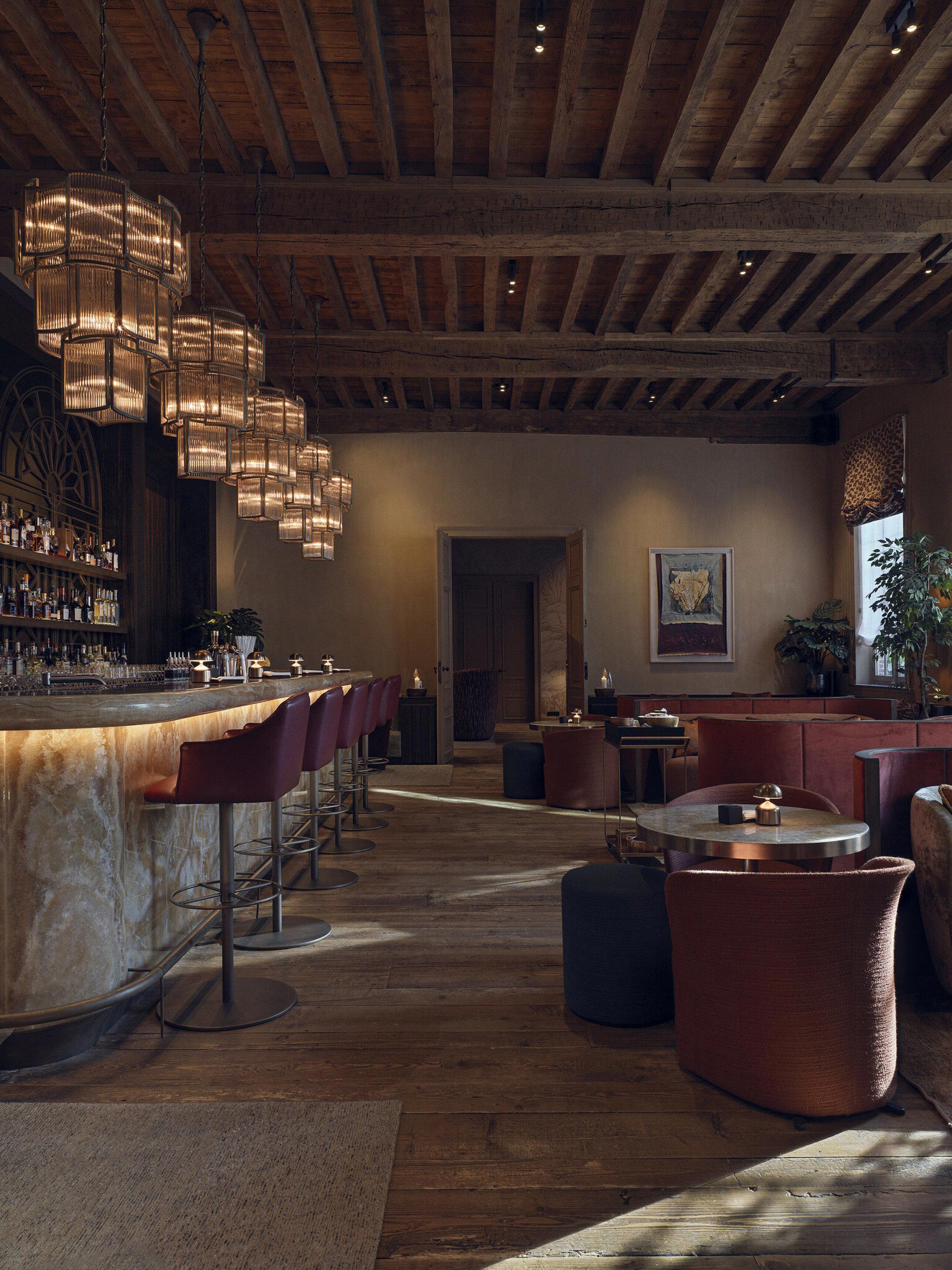
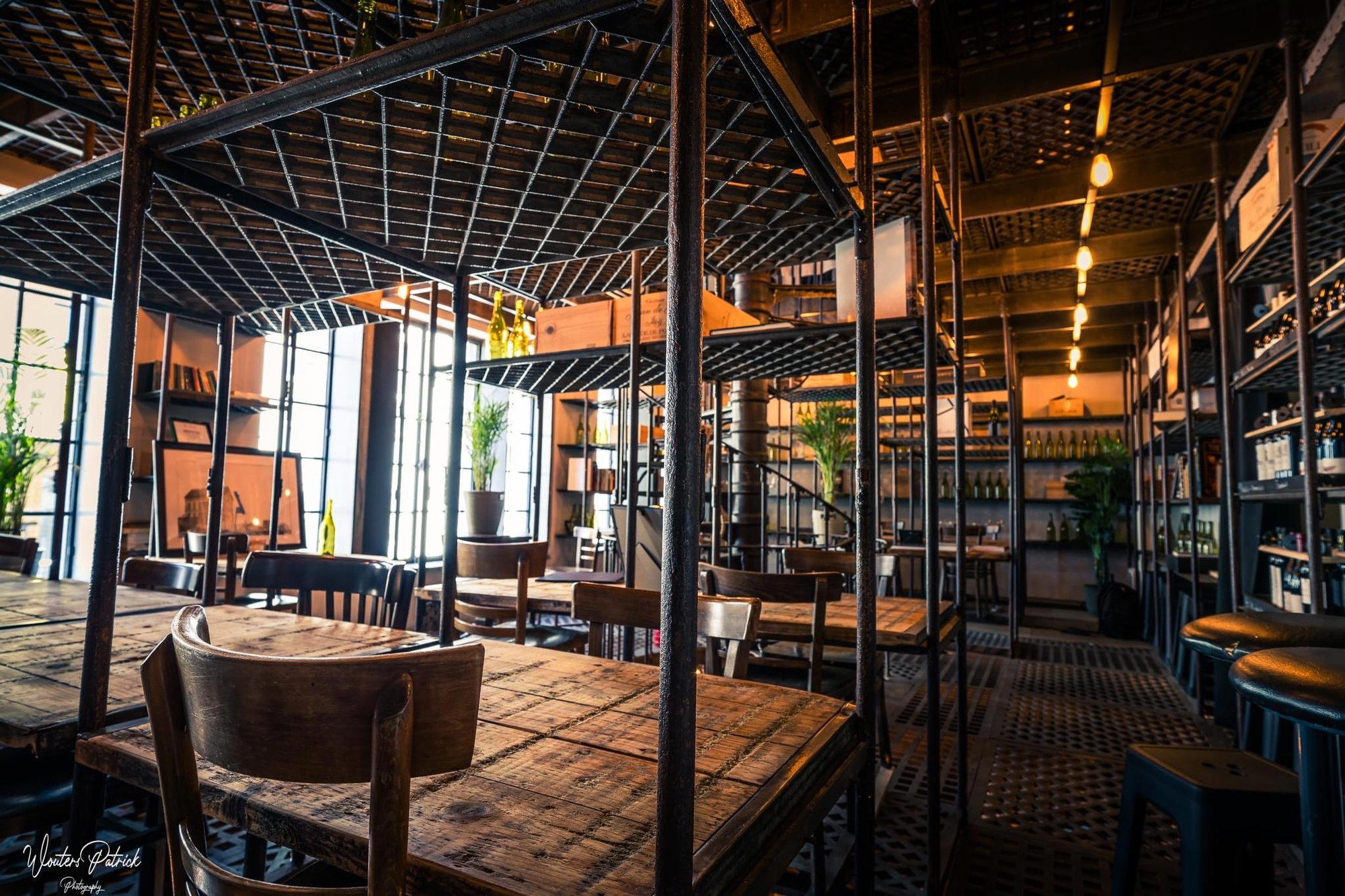
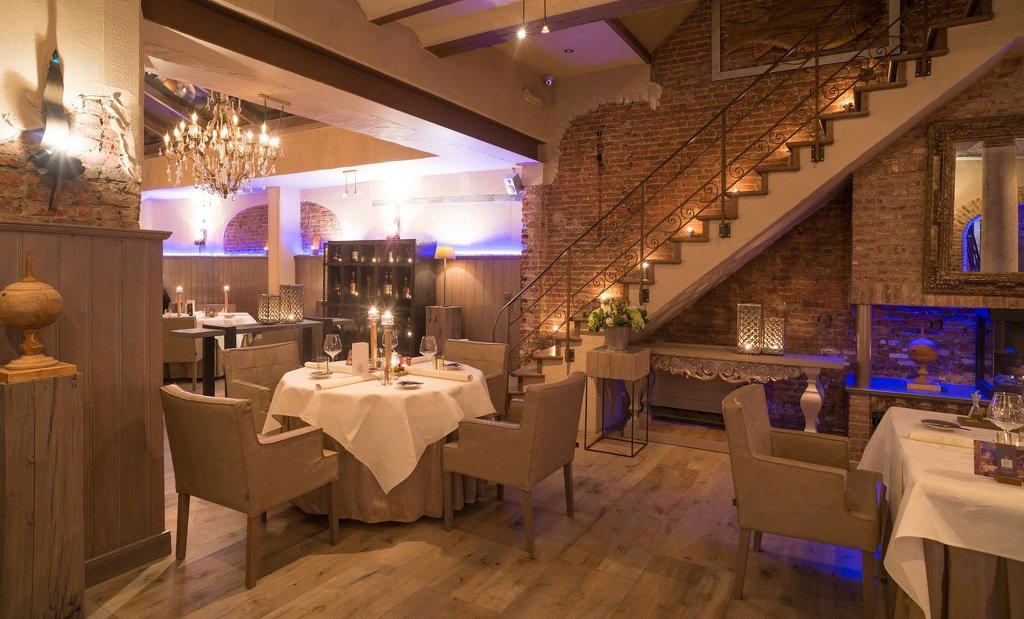
Details
- Romantic
- Cozy
- Elegant
- Quiet
- Intimate
- Romantic Getaway
- Anniversary
- Honeymoon
- Historic Building
- Private Dining
- Wi Fi
- Restaurant
- Room Service
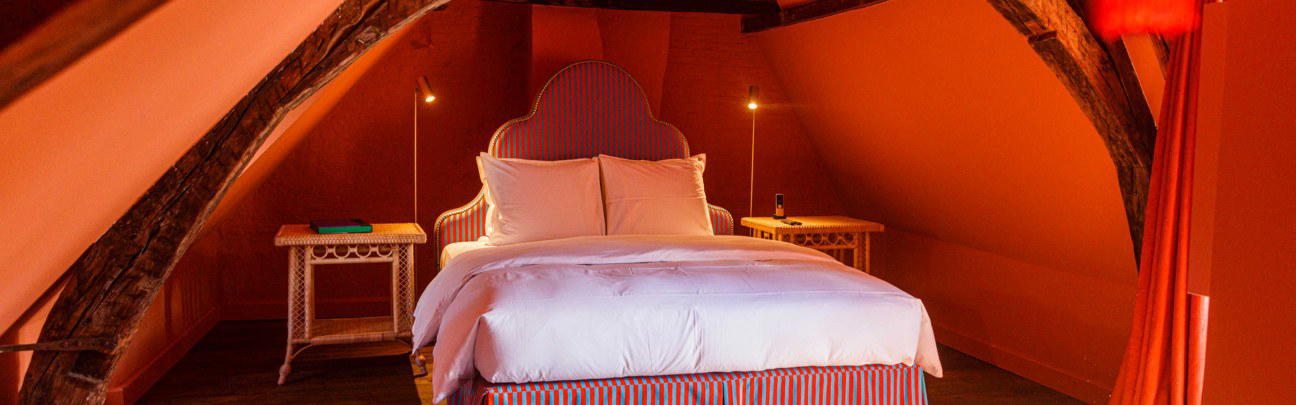
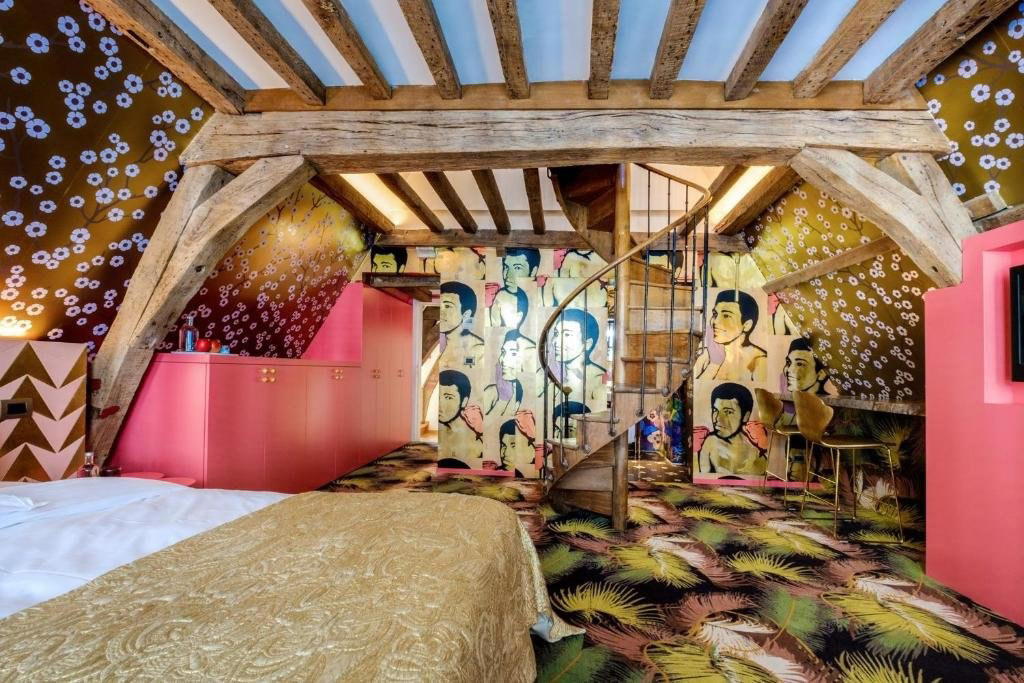
Contemporary classic with romantic interiors, quiet atmosphere, and cozy Swiss Alpine influences.