.png)
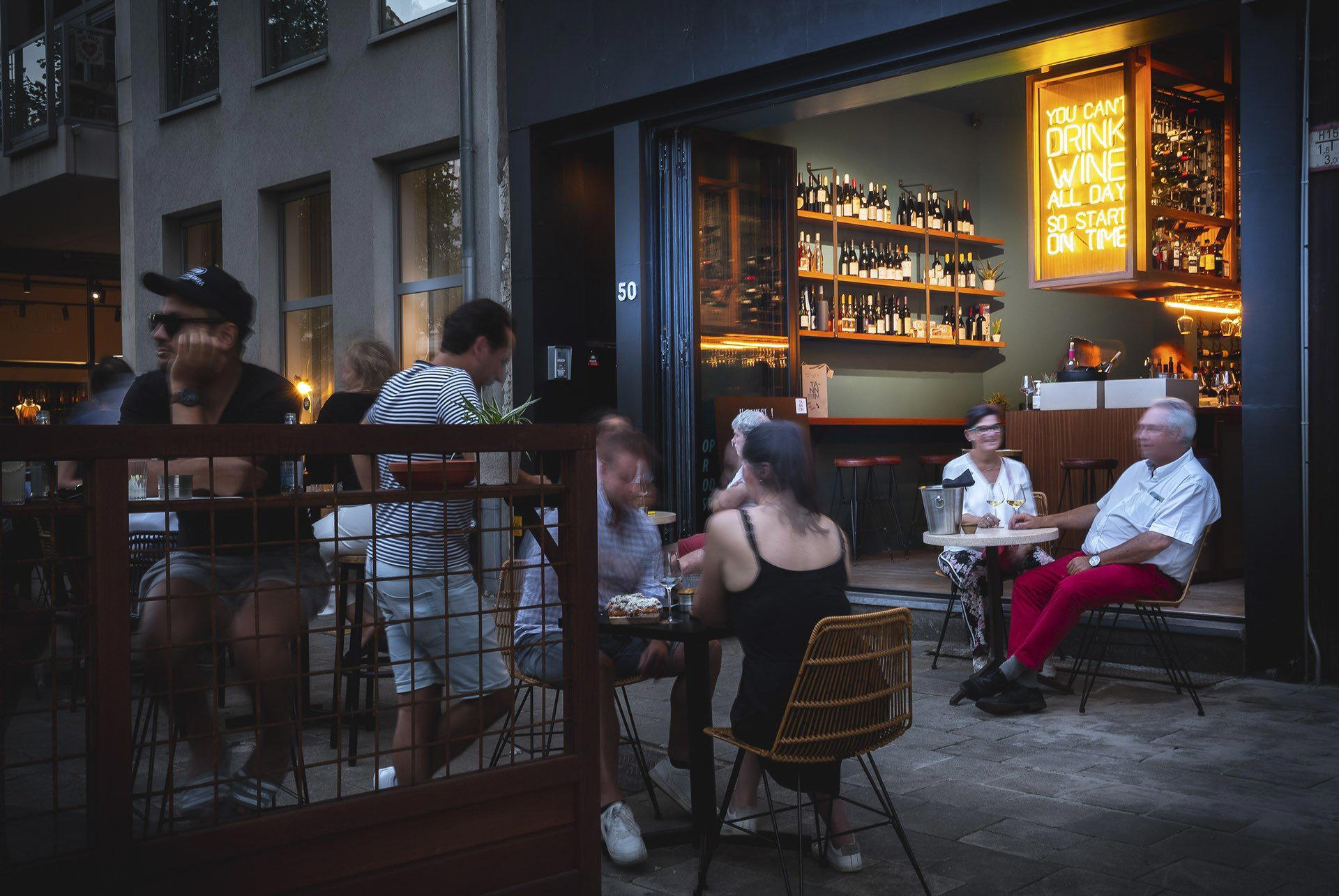
Set in a former inn on Keizerstraat, 't Gasthuis by InstroomArt holds a Michelin Plate (2024) for farm-to-table cooking that draws its produce from sustainable farms across the Mechelen region. The menu moves across European traditions, with dishes rooted in specific agricultural relationships and accompanied by rotating artwork that makes the dining room itself part of the editorial. Priced at €€€€, it occupies the upper tier of Mechelen's independent restaurant scene.

A Former Inn, a Living Menu
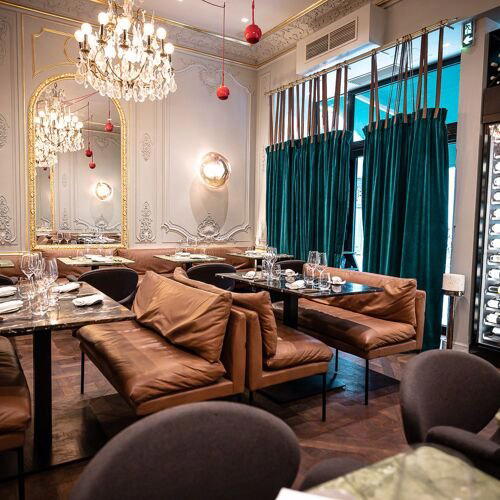
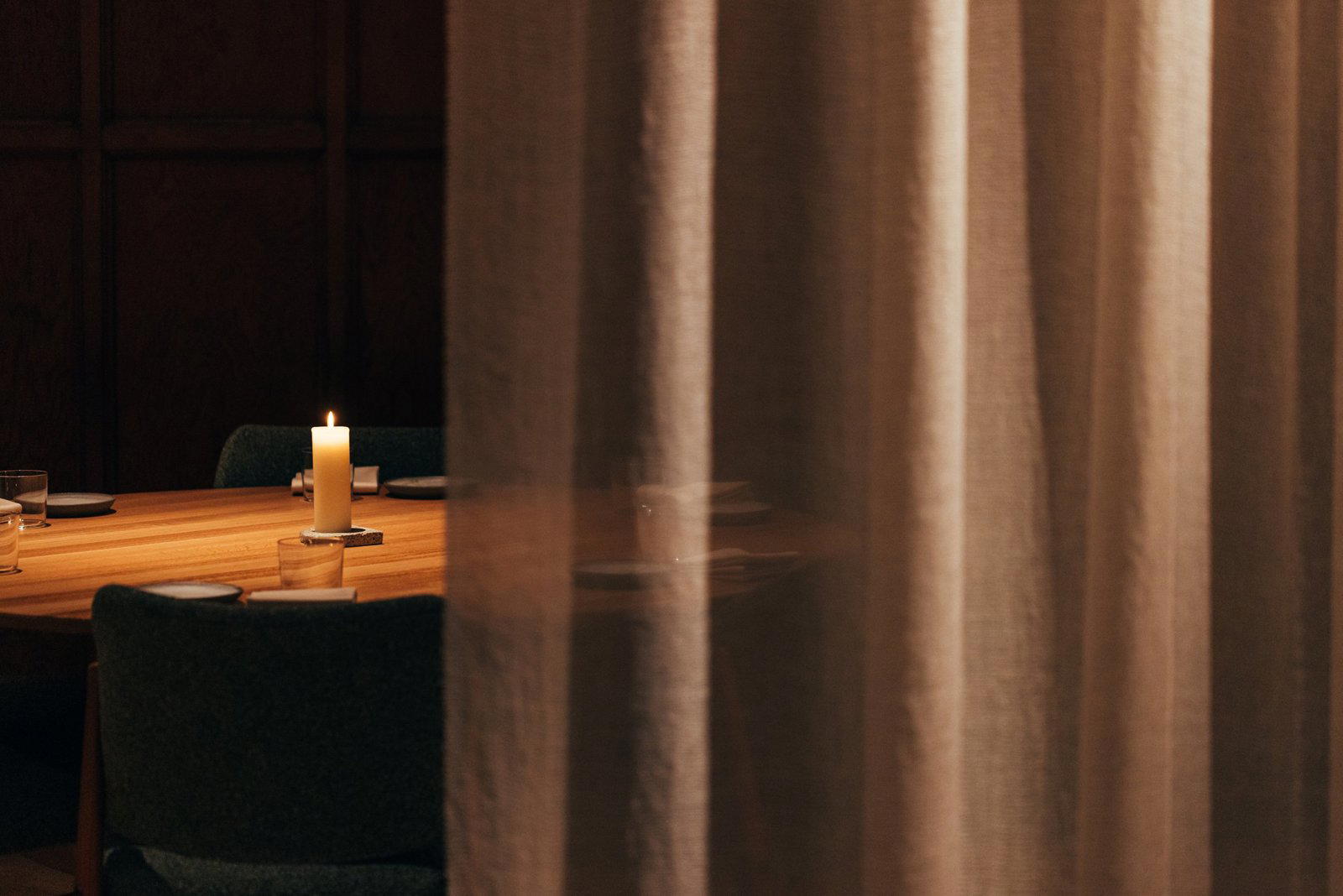
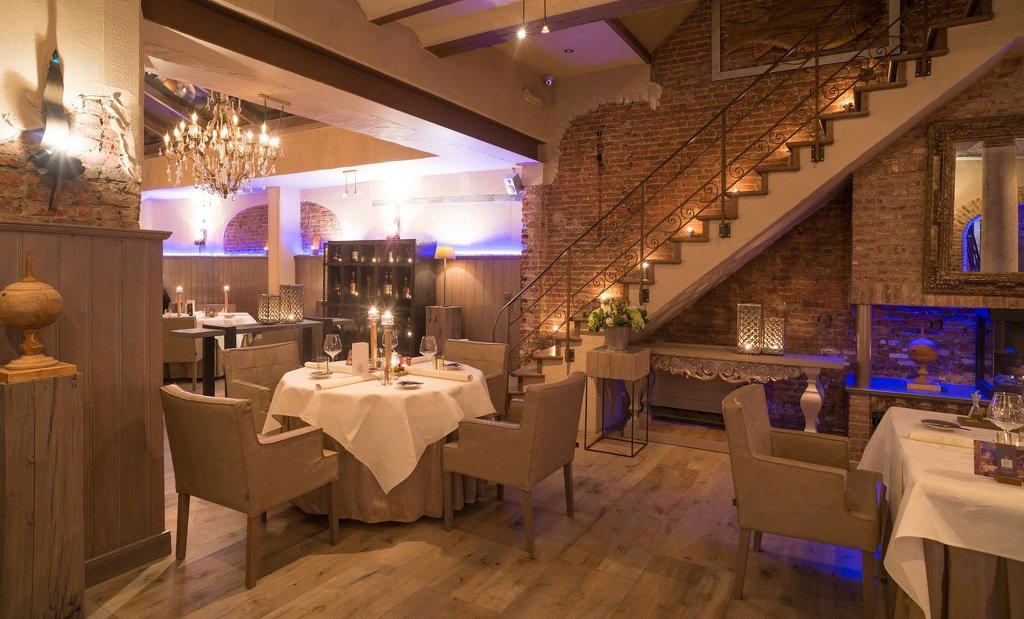
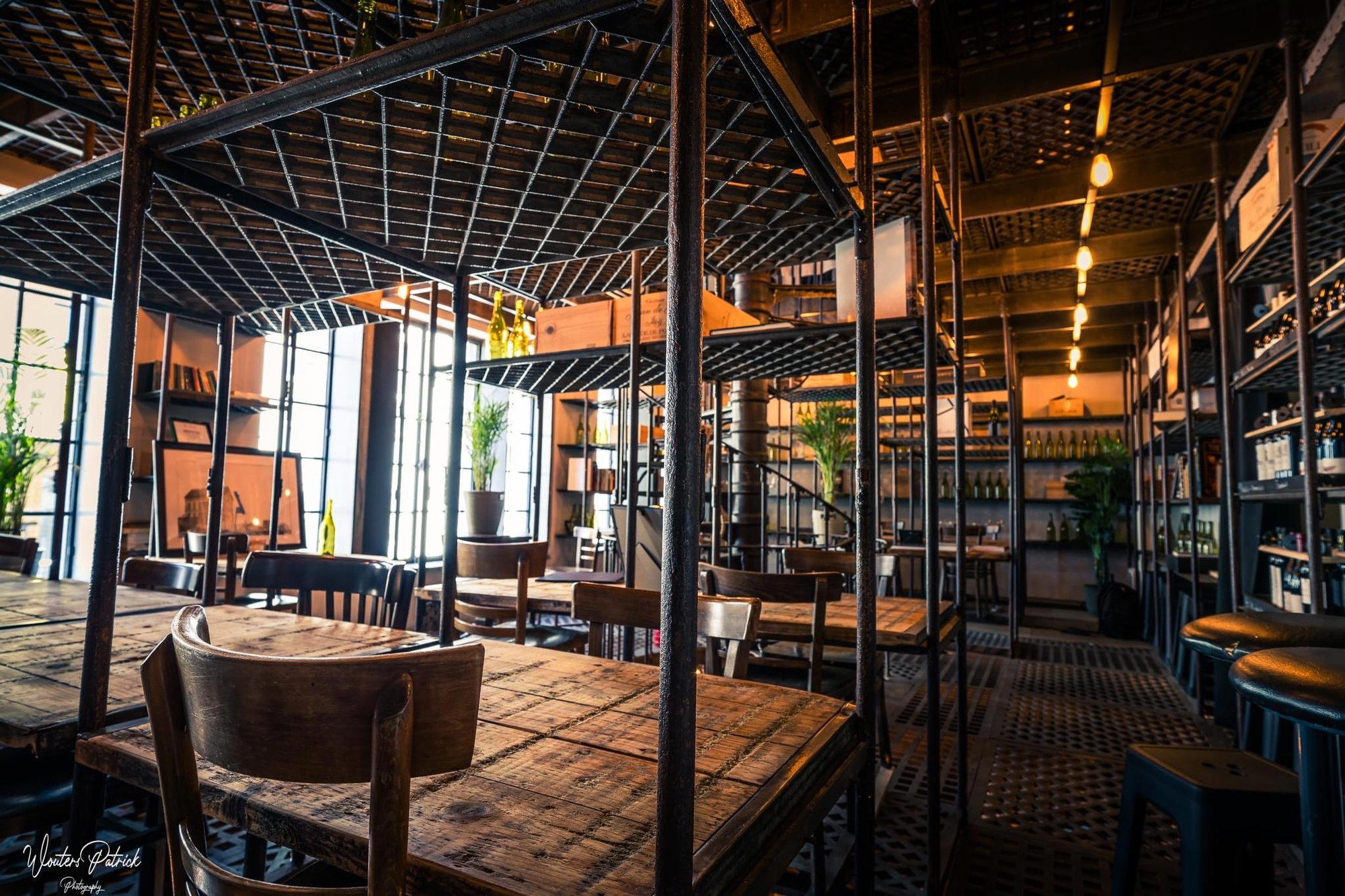
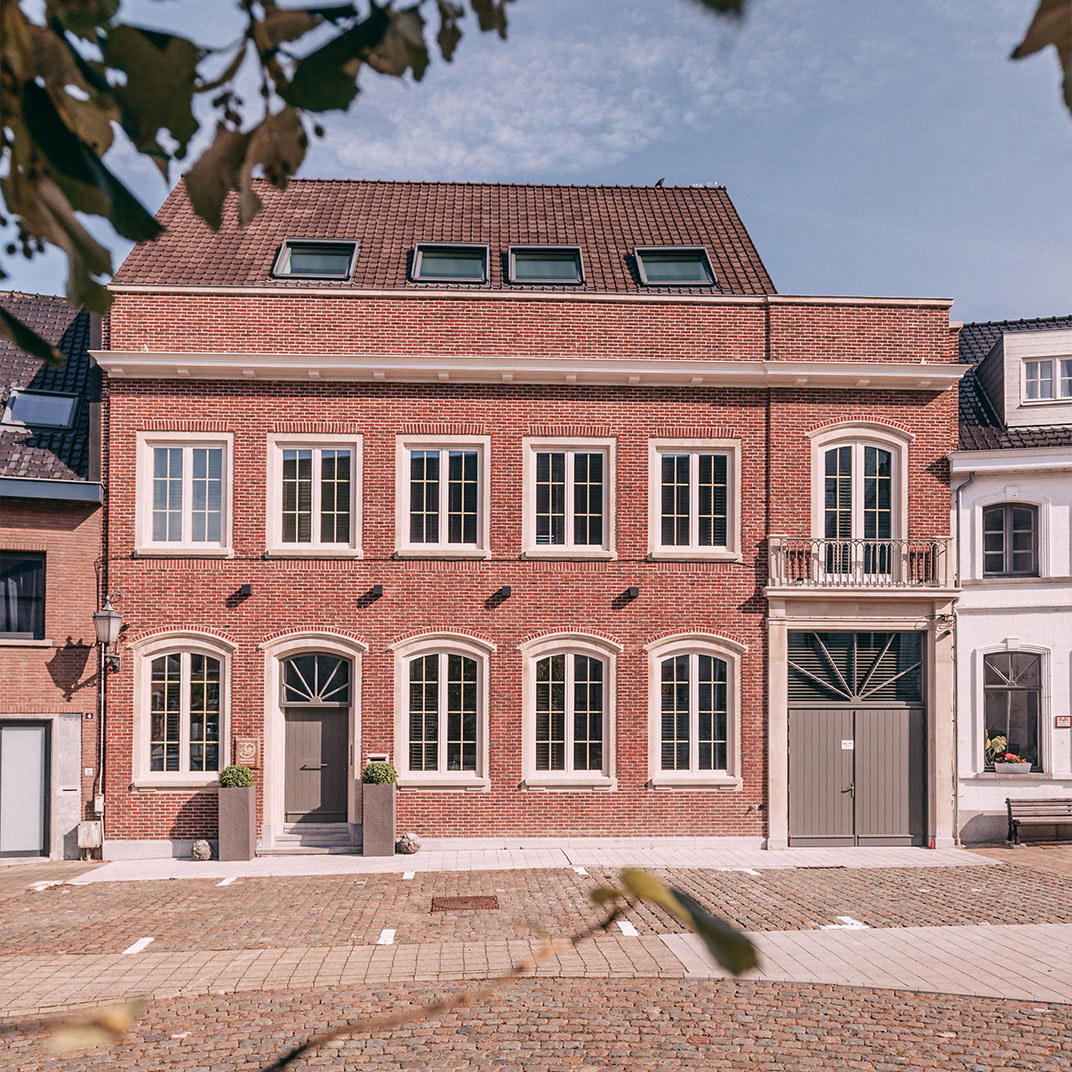
Keizerstraat is one of Mechelen's quieter historic streets, and the building at number 7 carries that quality through the door. The space was once a functioning inn, and the architecture holds the evidence: thick walls, divided rooms, the kind of low-key permanence that newer restaurant fitouts rarely achieve. What has changed is what hangs on those walls. InstroomArt, the creative collective behind the project alongside chefs Seppe Nobels and Charuwan Pauwels and artist Nico Dockx, treats the interior as a rotating gallery, so the visual context shifts alongside the seasons and the collaborators in play. It is a deliberate choice that places 't Gasthuis at the intersection of hospitality and cultural programming, a model more common in major European capitals than in mid-sized Flemish cities.
Where the Food Actually Comes From
Belgium's farm-to-table movement has matured considerably over the past decade, but many operations that claim the label stop at sourcing local produce without interrogating the supply chain further. 't Gasthuis takes a more specific position: the majority of ingredients come from sustainable farms concentrated in the Mechelen region, a decision that shapes the menu's seasonal rhythm and limits its range in ways the kitchen treats as creative constraints rather than compromises. The Mechelen area has a genuine horticultural tradition, particularly for vegetables and soft produce, which gives the sourcing commitment a practical foundation rather than a marketing posture.
This matters because it draws a clear line between what appears on the plate and the agricultural relationships that made it possible. Dishes like a Ukrainian borscht of red beetroot or al dente asparagus served alongside a Palestinian moussaka built from mushrooms and sumac, finished with lemon thyme mousse and parsley root fries, are not fusion experiments assembled from a global pantry. They are the result of working with what the regional land produces and then applying a range of cultural cooking traditions to those ingredients. The effect is a menu that carries geographic specificity without being locked into Belgian classical cooking. Within Mechelen's restaurant scene, that positions 't Gasthuis differently from peers such as Tinèlle, which operates within a French Contemporary framework, or Graspoort and its Creative French orientation. The farm-to-table model here serves a broader, more fluid set of culinary references.
The Stories Behind the Dishes
Across Belgium, the farm-to-table category has split between venues that use sourcing as a backdrop and those that treat it as a narrative delivered at the table. 't Gasthuis belongs to the second group. The team makes no attempt to obscure where their approach comes from or what informs the combinations on a given evening. Diners are told the stories behind the produce, the farms, and the cultural traditions that gave shape to specific dishes. That transparency is consistent with an HR philosophy the venue is equally open about, one that applies the same sustainability thinking to its workforce as to its ingredient sourcing.
This makes 't Gasthuis something of an outlier even within the farm-to-table category. Belgian examples in the same register, such as Au Gré du Vent in Seneffe, pursue similar sourcing commitments, but the explicit linking of workplace ethics to supply chain ethics is less common as an articulated program. The Michelin Plate recognition in 2024 signals that the kitchen's technical output supports these ambitions rather than being compromised by them. A Michelin Plate is not a star, but it represents inclusion in the guide's recommended tier, a meaningful reference point in a city where only Tinèlle holds a full Michelin star among the current independent operators.
Reading the Menu as a Cultural Document
The specific dishes in evidence at 't Gasthuis tell a story about a generation of European cooks who grew up in a more mobile, more multicultural continent than their predecessors. The borscht on the menu is not an exercise in novelty: beetroot grows well in the Mechelen region, and the dish connects local agricultural output to a Central and Eastern European tradition carried westward by communities now living across Belgium. The Palestinian moussaka variant operates on a similar logic, taking the sumac, mushrooms, and parsley root that the regional farms and foragers can supply and assembling them through a culinary tradition brought by people who cook it from memory. This is European cooking in a post-migration sense, informed by displacement and exchange rather than by classical hierarchy.
Comparable ambition in the broader Belgian fine dining conversation tends to surface at more urban addresses. Bozar Restaurant in Brussels operates at a similar intersection of art institution and restaurant, while producers-first kitchens like Willem Hiele in Oudenburg have built reputations on strict sourcing philosophies. Within Flanders' wider fine dining tier, names like Hof van Cleve, Boury in Roeselare, Zilte in Antwerp, and Bartholomeus in Heist occupy a more traditional luxury register. 't Gasthuis sits apart from that cohort in format, price positioning relative to ambition, and the cultural lens through which the kitchen operates.
Mechelen as Context
Mechelen sits between Antwerp and Brussels on the rail corridor, roughly 25 minutes from both city centres by train, which makes it accessible as a standalone dining destination rather than a compromise. The city's independent restaurant scene has developed considerably, with venues like Ember (Seasonal Cuisine), Cosma (Sharing), and The Chick (Modern Cuisine) covering different price points and formats across the center. 't Gasthuis, at €€€€, occupies the upper end of that local tier. For visitors building a longer itinerary, our full Mechelen hotels guide, bars guide, and experiences guide map the broader options, while our full Mechelen restaurants guide covers the complete dining picture. Those interested in the regional wine dimension can consult our Mechelen wineries guide. For a direct international farm-to-table comparison, BOK Restaurant in Münster operates on a related sourcing philosophy in a comparable mid-sized European city context.
Planning a Visit
The restaurant is located at Keizerstraat 7, 2800 Mechelen. Given the Google rating of 4.8 from 25 reviews and the Michelin Plate recognition, demand is consistent for a room of this type in a mid-sized city. Booking ahead is advisable, particularly for weekend evenings. The €€€€ price range places this at the upper end of Mechelen's independent dining options, appropriate for an occasion dinner or for visitors specifically seeking the farm-sourcing and cultural narrative format. Contact and reservation details are available directly through the venue.
What to Order at 't Gasthuis by InstroomArt
The menu reflects seasonal availability from Mechelen-area farms, so specific dishes rotate. The examples in the public record point toward vegetable-forward plates with international cultural references: the red beetroot borscht and the asparagus with Palestinian-style mushroom moussaka, sumac, lemon thyme mousse, and parsley root fries illustrate the kitchen's direction. Both dishes show a preference for building depth through technique and cultural tradition rather than through luxury ingredients. The 2024 Michelin Plate recognition confirms the kitchen's consistency across the menu rather than singling out individual dishes. Visitors should expect the menu to shift with the agricultural calendar rather than remaining fixed, which is the practical consequence of the sourcing commitment the team holds to.
Need a table?
Our members enjoy priority alerts and concierge-led booking support for the world's most difficult tables.
Access the Concierge