State and Lake Chicago Tavern
Our verdict
State and Lake Chicago Tavern sits at 201 N State St in the heart of the Loop, positioning it as a neighborhood anchor for the downtown corridor where Chicago's theatre district meets its financial core. Compared to the tasting-menu formats that define much of the city's high-end dining conversation, the tavern format here signals a different kind of ambition: accessible, place-rooted, and calibrated to the rhythm of the city around it.

Pearl is the En Primeur Club membership app, where members save venues, book tables and use the concierge.
The menu
What to order
- Classic Burger
- Lobster Bisque
- Hummus Platter
Where the Loop Earns Its Living
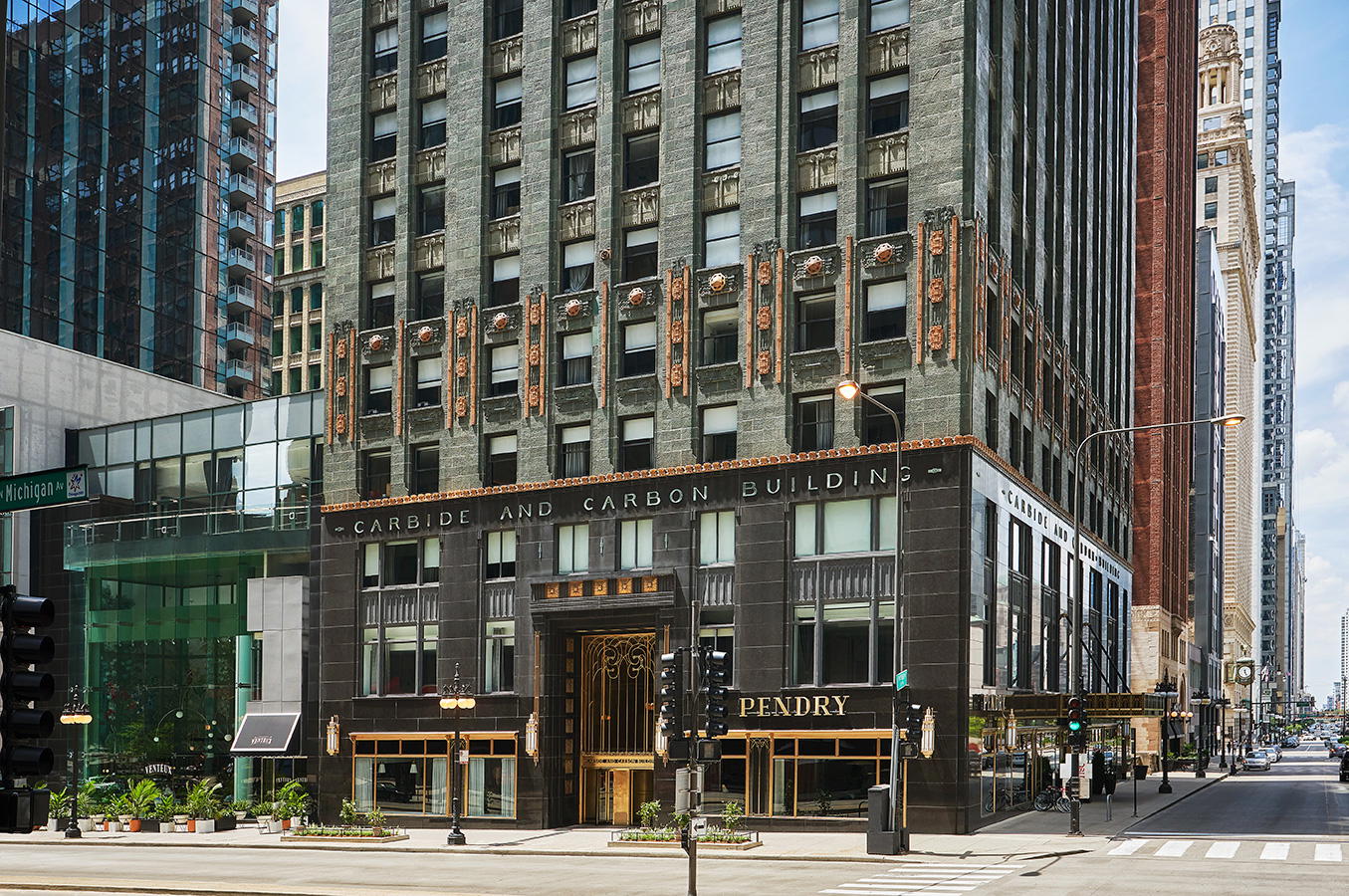
The corner of State and Lake is one of Chicago's most legible intersections. The refined CTA tracks run directly overhead, the Chicago Theatre marquee sits a block south, and the foot traffic at any hour skews toward a mix of commuters, theatre-goers, and hotel guests moving between the Loop's glass towers. Restaurants that occupy this territory face a particular challenge: the location does the work of drawing people in, which means the room itself has to answer the question of why they should stay. State and Lake Chicago Tavern, at 201 N State St, plants itself inside that equation.
The tavern format is a deliberate choice in a city that has, over the past decade, pushed its dining identity sharply upward. Chicago's most-discussed tables now sit at the far end of the price and formality spectrum. Alinea redefined what American fine dining could look like. Smyth and Oriole operate within a tight, highly formal framework, and Kasama has demonstrated that a single restaurant can hold both a Michelin star and a morning pastry counter without contradiction. Against that backdrop, a tavern in the Loop is not a default, it is a position.
The Loop as Dining Context
Chicago's Loop has never been the city's most celebrated dining neighbourhood. River North and the West Loop absorb most of the serious restaurant conversation, and Fulton Market has reshaped expectations for what a formerly industrial zone can host. The Loop, by contrast, is defined by transit, office density, and pre-theatre traffic patterns. These are not easy conditions for a restaurant trying to build a consistent identity, because the audience changes depending on the time of day and the day of the week. Lunch skews corporate; evenings tilt toward theatre and hotel guests; weekends shift again.
What the tavern format does well in this context is offer a readable proposition. There is no ambiguity about register or intent. A tavern communicates something specific about how the evening will feel, how long you should expect to stay, and what kind of spending the experience implies. In a neighbourhood where many visitors are making quick decisions, that legibility has real value. It sits in a different tier from the tasting-menu houses that define Chicago's international reputation, but it also serves a different purpose in the city's overall dining ecosystem.
For comparison: the high-formality end of American dining, whether at Le Bernardin in New York City, The French Laundry in Napa, or Providence in Los Angeles, requires a specific kind of commitment from the diner: time, advance planning, and a significant per-head spend. Blue Hill at Stone Barns in Tarrytown, Addison in San Diego, and The Inn at Little Washington represent the same logic applied to destination formats outside major urban cores. The tavern model asks none of that from a diner. It is transactional in the most honest sense of the word, and there is nothing wrong with that, provided the execution holds.
American Tavern Dining and What It Signals
The tavern as a restaurant category has a long American lineage. It predates the fine-dining template entirely, rooted in public houses and roadside stops where the expectation was sustenance, community, and a measure of comfort rather than any particular technical achievement. Contemporary interpretations of the format vary widely. In some cities, the word functions as shorthand for a craft-beer list and a gastropub menu. In others, it signals something closer to an American brasserie, where the kitchen reaches higher while the room stays approachable.
Chicago's tavern tradition has its own texture. The city's neighbourhood bar culture is one of the most developed in the country, and the line between a serious tavern and a casual restaurant has always been porous here. What distinguishes the stronger examples in this category is consistency and a sense of place: a menu that knows where it is, a room that reflects the neighbourhood, and a staff that operates with the same fluency on a Tuesday lunch as on a Friday evening.
Across American cities, casual full-service dining has seen renewed investment in the post-pandemic period, partly as a correction to the glut of tasting-menu concepts and partly because the economics of the mid-range are more forgiving for operators than either the very leading or the very bottom of the market. Emeril's in New Orleans, Lazy Bear in San Francisco, Bacchanalia in Atlanta, and Atomix in New York City each occupy different tiers and formats, but they all share one quality: a clear point of view about what kind of experience they are delivering. The tavern format at State and Lake works well when it holds that same clarity.
Getting There and Planning Your Visit
The 201 N State St address places the venue at one of downtown Chicago's most accessible points. The State/Lake CTA station for the Red, Blue, Orange, Green, Pink, and Purple lines sits directly above the block, making it one of the most transit-connected restaurant addresses in the city. For visitors staying in the Loop or near Millennium Park, the walk is short enough to be practical in most weather. Theatre-goers heading to the Chicago or Oriental (Nederlander) theatres will find it within a few minutes on foot.
Because the Loop empties considerably on weekend afternoons and fills again for dinner and evening shows, timing matters. Weekday lunch can run faster than a relaxed midday meal might allow, driven by the office-worker rhythm of the surrounding blocks. Pre-theatre windows tend to be compressed. Anyone without a firm curtain time will find the room operates differently in those gaps, less pressured, more settled.
For the full range of what Chicago's dining scene offers across all price points and neighbourhoods, see our full Chicago restaurants guide. Those looking to plan a multi-stop itinerary around the Loop and River North will also find relevant comparisons in the guide, including the city's current tasting-menu leaders such as Next Restaurant and the broader progressive American category that international reference points like 8½ Otto e Mezzo Bombana in Hong Kong help contextualise from a global perspective.
Quick reference: State and Lake Chicago Tavern, 201 N State St Floor 1, Chicago, IL 60601. CTA State/Lake station overhead; walking distance from Millennium Park and the theatre district.
Frequently asked questions
Can I bring kids to State and Lake Chicago Tavern?
The tavern format at 201 N State St is broadly accessible, and the Loop location makes it a practical stop for families moving through the Chicago Theatre district or the downtown corridor. The CTA's State/Lake station sits directly above the block, which simplifies arrival with children in tow. For age-specific policies or high-chair availability, check the venue's official channels before visiting.
What's the vibe at State and Lake Chicago Tavern?
The tavern register at State and Lake reads as deliberately approachable. This is not the tasting-menu register of the West Loop or River North; it's positioned closer to the public-house tradition that predates formal American dining. The elevated CTA tracks and the Chicago Theatre marquee outside frame a setting that is urban and functional rather than destination-formal.
Is State and Lake Chicago Tavern a good option after arriving on the CTA?
Few Loop restaurants are as directly positioned relative to transit: the State/Lake station serves the Red, Blue, Orange, Green, Pink, and Purple lines, placing the venue at one of Chicago's most connected points. The address at 201 N State St means passengers can exit the platform and reach the door in under two minutes on foot. That transit access makes it one of the more practical downtown stops for visitors arriving without a car.
What do regulars order at State and Lake Chicago Tavern?
For current menu specifics, the most reliable approach is checking directly with the restaurant at 201 N State St, where staff can point to current house offerings.
A Minimal comparable set
Comparable venues nearby, for context on price, style, and recognition.
| Venue | Cuisine | Price | Notes |
|---|---|---|---|
| State and Lake Chicago TavernThis venue (the venue you are viewing) | Elevated American Gastropub | $30–50 | Not listed |
| Solette | Modern New American | $20–30 | Loop, Modern New American |
| Beatrix Loop | Modern American Comfort | $20–30 | Loop, Modern American Comfort |
| RealGood Stuff Co. | Organic Fast-Casual Healthy Eats | Not listed | North Center, Organic Fast-Casual Healthy Eats |
| GEMINI | Classic American Bistro | $30–50 | Lincoln Park, Classic American Bistro |
| Brix Catering and Events | Contemporary American Catering | $50–100 | Roscoe Village, Contemporary American Catering |
Continue exploring
More in Chicago
Restaurants in Chicago
All restaurants in Chicago →
Bars in Chicago
All bars in Chicago →
Details
- Lively
- Cozy
- Trendy
- Energetic
- Brunch
- Group Dining
- Casual Hangout
- After Work
- Live Music
- Open Kitchen
- Craft Cocktails
- Beer Program
- Local Sourcing
- Street Scene
- A La Carte
- Craft Beer
- Cocktails
- Vegetarian Friendly
- Vegan Options
- Gluten Free Options
Current opening hours
- Monday
- 6:30 AM–11 PM
- Tuesday
- 6:30 AM–11 PM
- Wednesday
- 6:30 AM–11 PM
- Thursday
- 6:30 AM–11 PM
- Friday
- 6:30 AM–12 AM
- Saturday
- 6:30 AM–12 AM
- Sunday
- 6:30 AM–11 PM
Hours can change for holidays and private events. Hours as of .
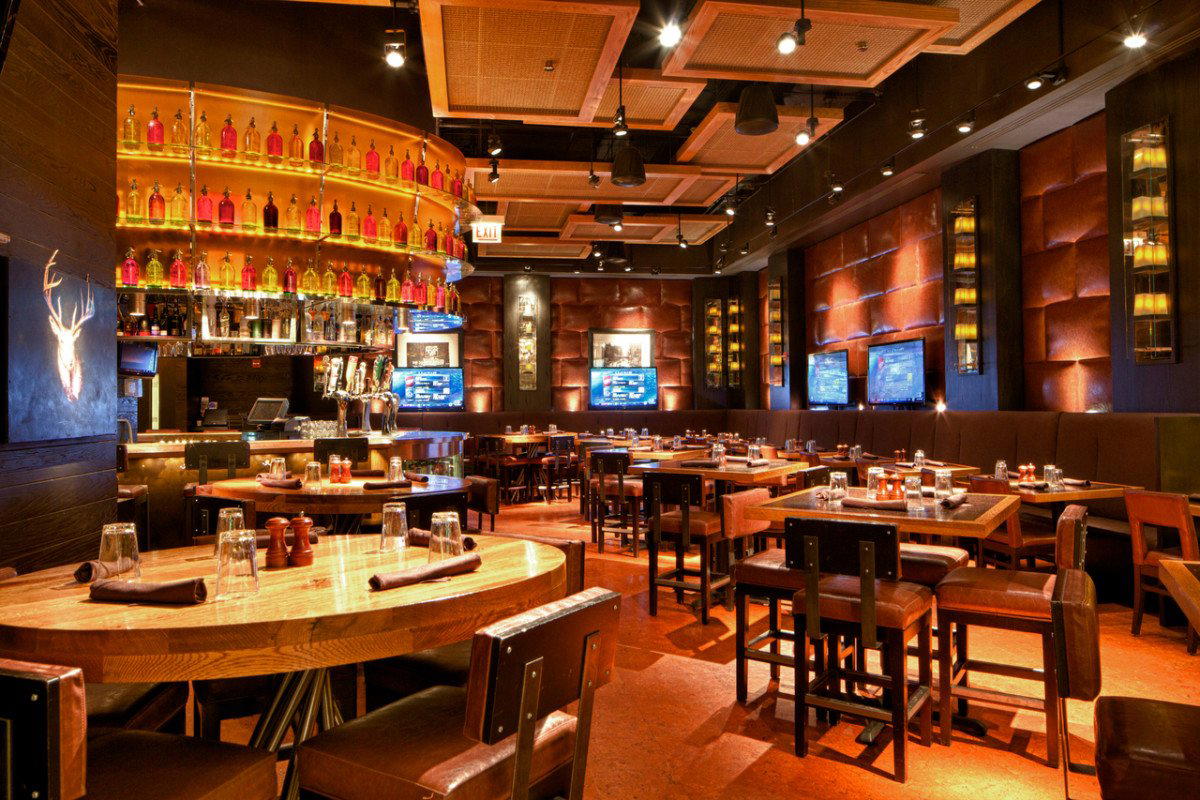
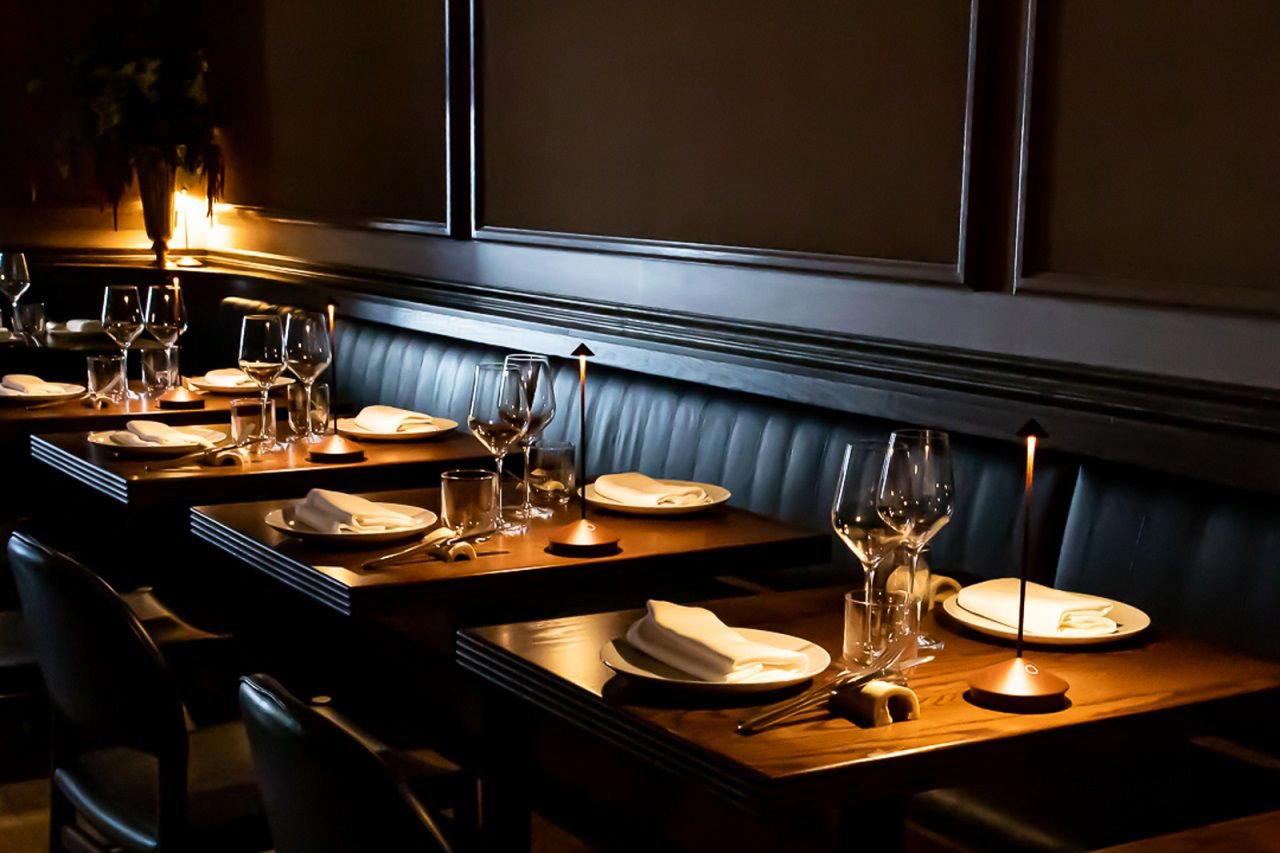
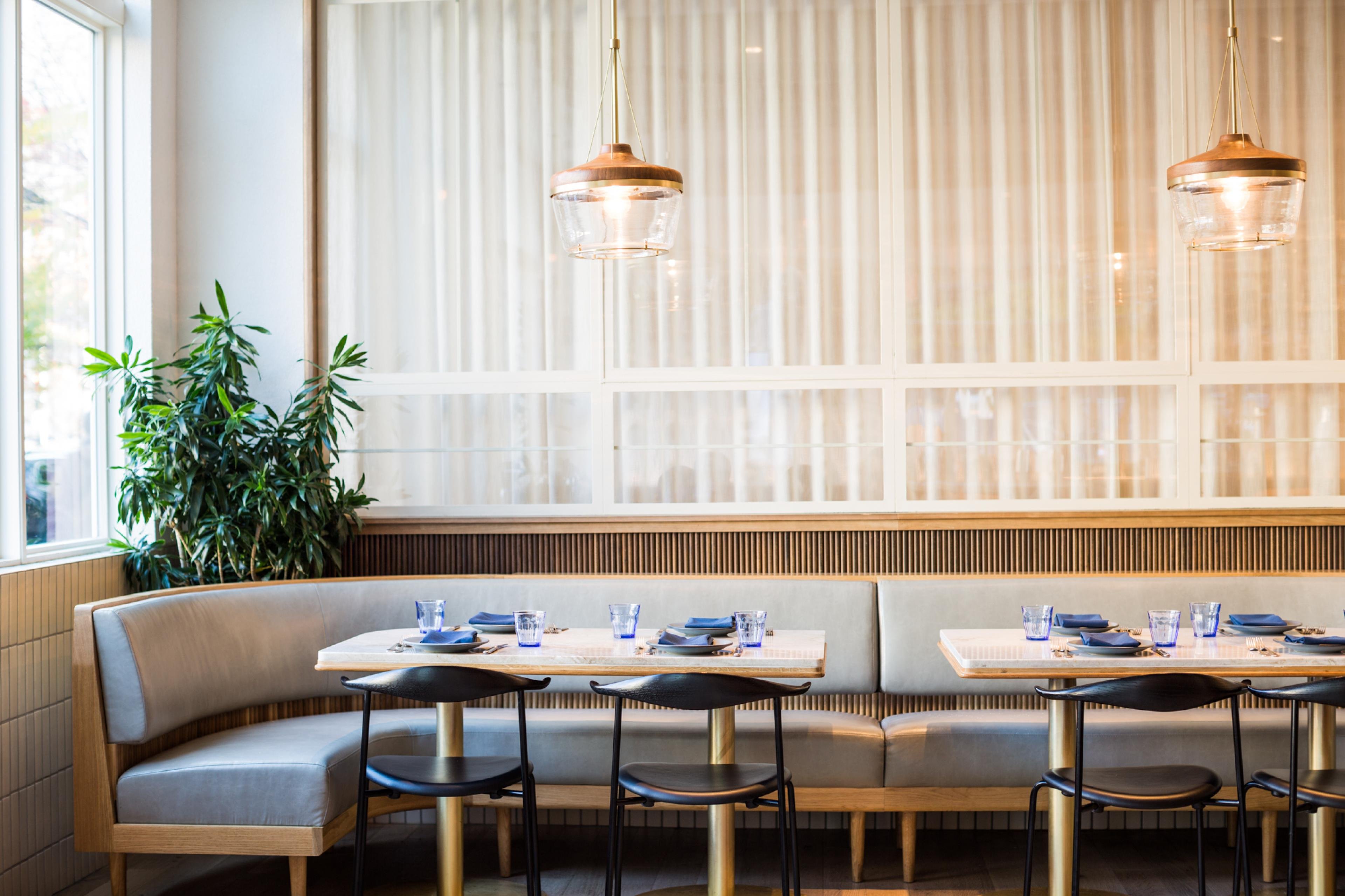
Warm leather banquettes, intimate lighting, cork floors, and plush seating creating an upscale pub atmosphere.