
Michelin Plate
Our verdict
The kitchen works in a contemporary register against the backdrop of one of Austria's highest-altitude ski resorts, where mountain-lodge dining has quietly grown into a credible fine-dining circuit.

Pearl is the En Primeur Club membership app, where members save venues, book tables and use the concierge.
The menu
What to order
- Gurgler Ramen with smoked trout and oxtail
- Saddle of fawn with coffee jus and black salsify
Dining at Altitude: Contemporary Austrian Cooking in the Ötztal Alps
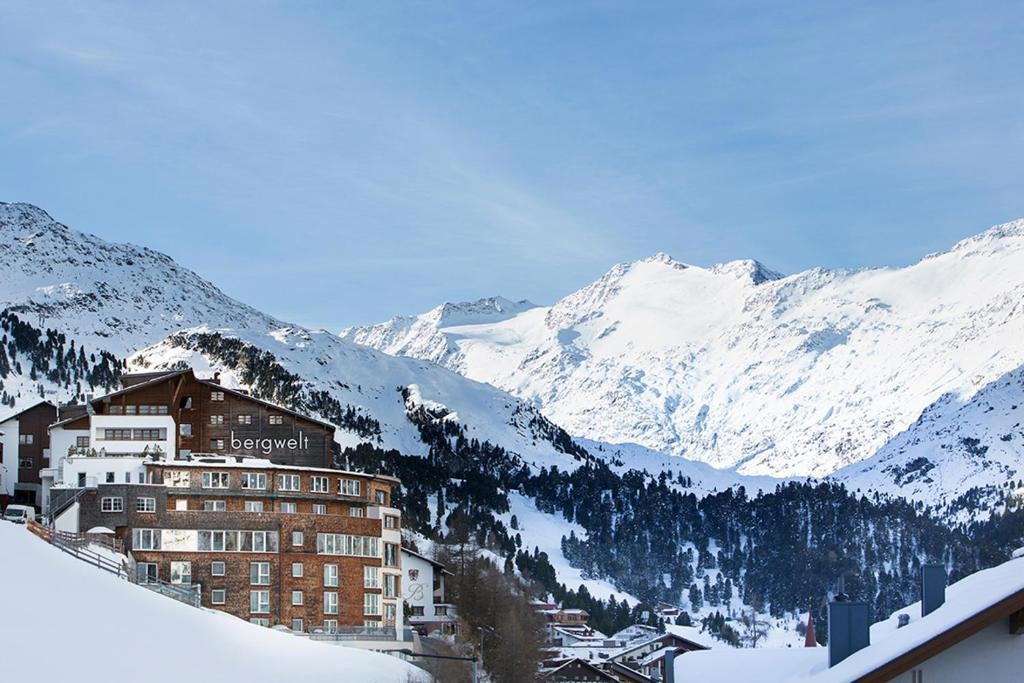
At roughly 1,930 metres above sea level, Obergurgl occupies an unusual position in Austria's dining map. The village sits near the head of the Ötztal valley, close enough to the Italian border that Tyrolean and transalpine influences have long overlapped on local menus. For most of its history, eating here meant hearty post-ski fuel: Wiener Schnitzel, Tiroler Gröstl, and Kaiserschmarrn served in pine-panelled dining rooms designed for appetite rather than deliberation. That picture has shifted. A cluster of hotels along Gurglerstraße now run kitchens that track the broader movement in Austrian alpine cooking, one that treats the mountain environment as a source of serious culinary material rather than merely a backdrop.
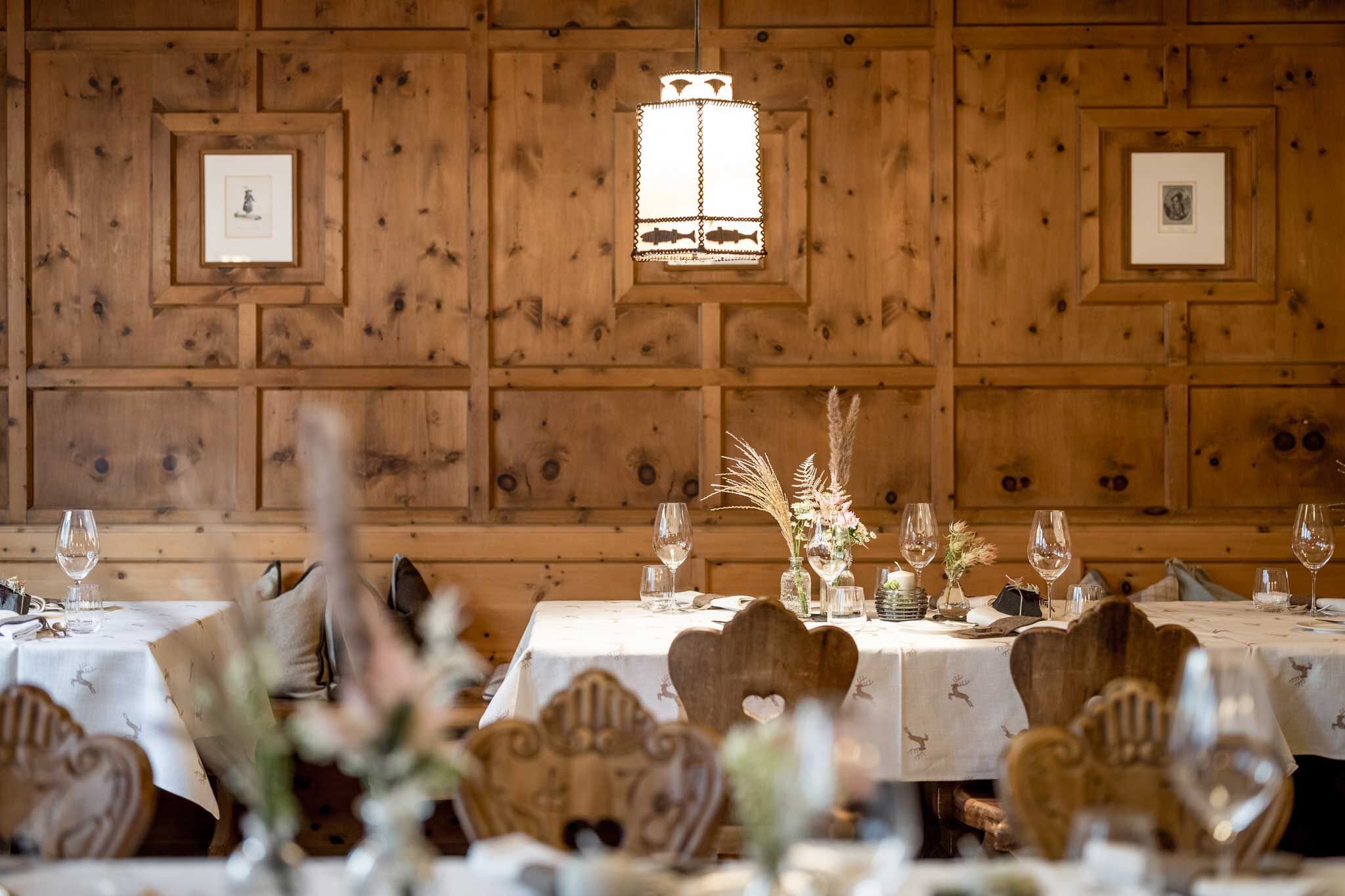
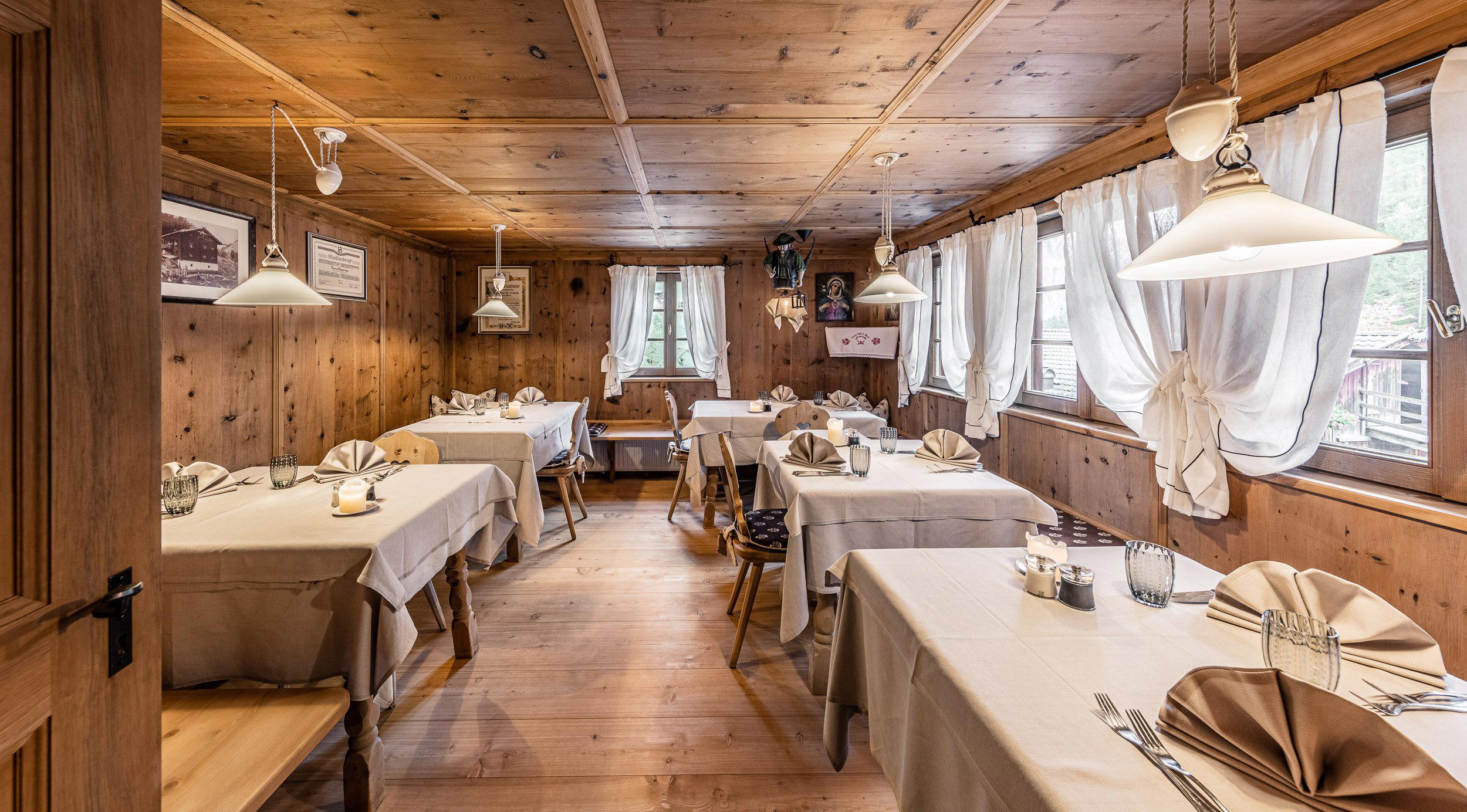
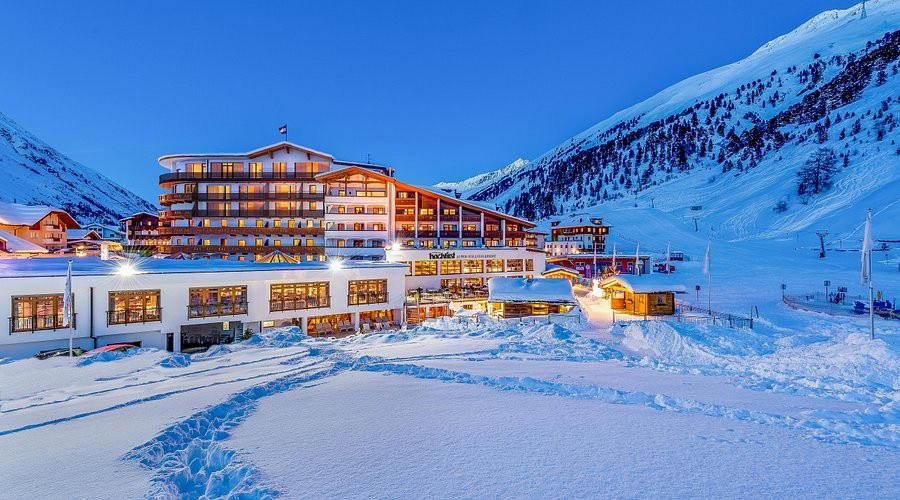
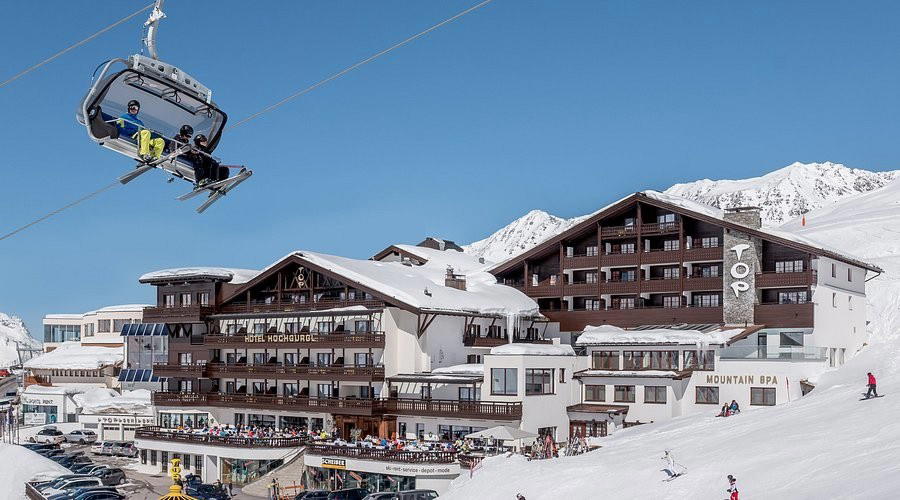
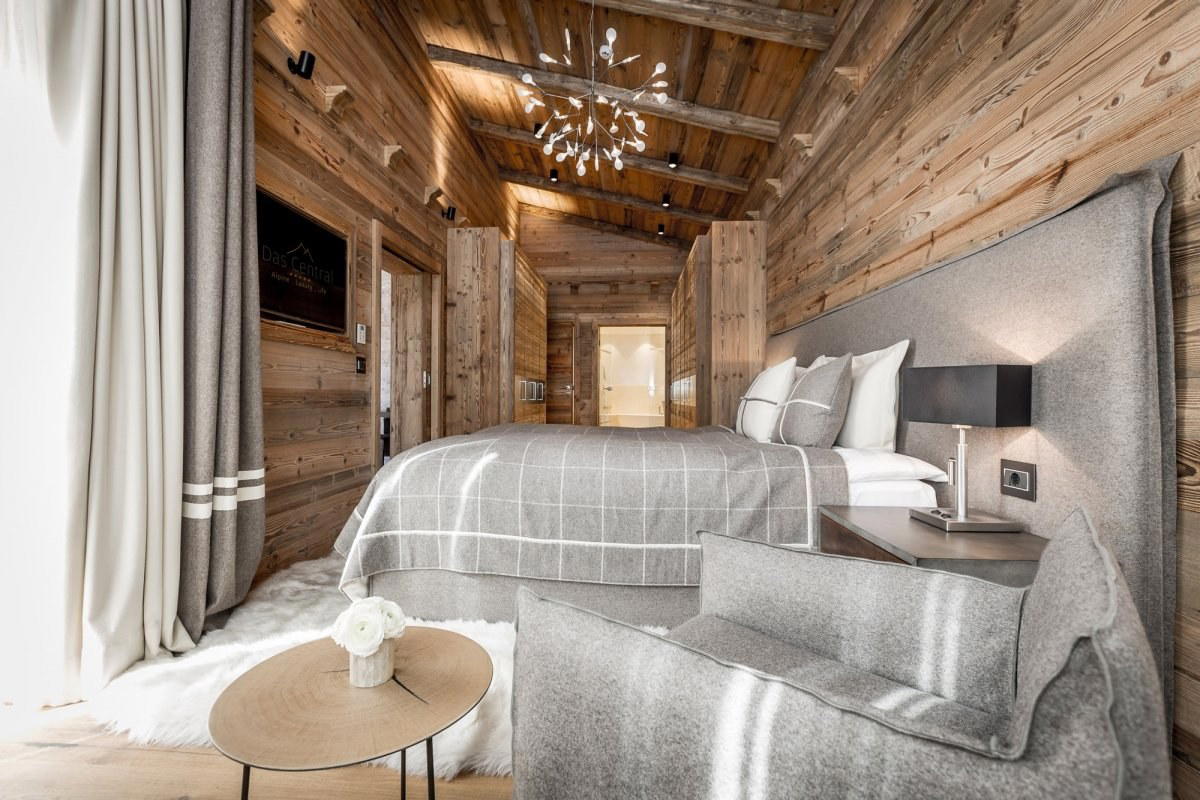
Gourmetstube Hochfirst, at Gurglerstraße 123, operates within that shift. The room's physical character follows the alpine lodge grammar common across the Tyrolean high valleys: low ceilings, warm timber, and the particular hush that high-altitude snowfall brings to an already quiet village. What changes the register from conventional hotel dining is the kitchen's orientation toward contemporary technique and the recognition that comes with it.
What the Michelin Plate Signals in This Context
Austria's Michelin coverage rewards a specific type of ambition. At the starred end, addresses like Steirereck im Stadtpark in Vienna or Döllerer in Golling an der Salzach have built reputations over decades, with kitchens that reference Austrian ingredients at a high technical level. The Michelin Plate, awarded to Gourmetstube Hochfirst in 2025, sits one tier below the star level but represents something meaningful in context: it signals that inspectors found cooking that met a quality threshold, even in a resort setting where altitude and seasonal access complicate sourcing.
In ski-resort dining more broadly, the Plate distinction separates kitchens making a genuine effort from those running hotel dining rooms by default. Compare the alpine fine-dining tier more widely: Griggeler Stuba in Lech and Gourmetrestaurant Tannenhof in Sankt Anton am Arlberg represent how serious ambition has taken hold across Austria's western ski corridor. Hochfirst belongs to that pattern, bringing recognition into a valley that sits further east and higher than either of those addresses.
The Contemporary Register in Austrian Alpine Cooking
The contemporary cuisine category in Austria covers significant ground. At its sharpest, it encompasses the ingredient-led precision of Ois in Neufelden, the herb-focused regionalism of Kräuterreich by Vitus Winkler in Sankt Veit im Pongau, and the guest-chef rotating format at Ikarus in Salzburg. What these kitchens share is a departure from the strictly classical Austrian repertoire in favour of seasonal responsiveness and technique that borrows from multiple European traditions.
In the alpine context specifically, that contemporary turn often means rethinking what proximity to the mountains actually provides: foraged mountain herbs, game from surrounding forests, dairy from valley farms operating in short summers. The Ötztal, with its combination of glacier snowpack and lower-valley agriculture, offers a particular version of this. Kitchens working at altitude here cannot rely on the same supply density as urban addresses like Landhaus Bacher in Mautern an der Donau, where the Wachau's agricultural richness sits at the kitchen's door. The constraint itself becomes part of the cooking's character.
For international context, the trajectory of contemporary cooking in alpine resort environments echoes patterns visible elsewhere: César in New York City and Jungsik in Seoul each demonstrate how the contemporary register disciplines itself around a clear culinary identity. In the alpine case, that identity is shaped as much by geography and season as by any single kitchen philosophy.
Obergurgl's Dining Scene in Brief
Obergurgl operates on a compressed seasonal rhythm: the village is accessible primarily during the ski season, with a shorter summer hiking window. This shapes the entire hospitality economy, and restaurant kitchens here must calibrate their ambition to a guest population that arrives primarily for skiing and expects warmth and substance before refinement. The fact that more than one address now registers with Michelin inspectors reflects a generational change in what visitors to high-altitude Austrian resorts expect when they sit down to dinner.
Within the village, Hochfirst competes for the same dinner reservation against addresses including Austria Stuben and Grünerhof, both of which occupy the traditional Tyrolean dining register. The distinction Hochfirst draws is its contemporary orientation, which makes it the more technically ambitious option among Obergurgl's dinner choices.
Planning Your Visit
Gourmetstube Hochfirst sits at Gurglerstraße 123, the main artery running through Obergurgl's central hotel zone. The €€€€ price tier puts it at the top of the village's cost range, and at that level a booking made well ahead of arrival is sensible, particularly during peak ski season weeks in January and February when the village operates at capacity. The Ötztal valley road that connects Obergurgl to Ötztal-Bahnhof station runs through Sölden; driving is the most flexible option, though valley buses operate on a schedule timed to ski traffic. For a broader view of what else the village offers, see our full Obergurgl restaurants guide, along with guides to hotels, bars, wineries, and experiences in Obergurgl.
Austrian fine dining at altitude rarely announces itself loudly. The Obauer in Werfen model, where serious cooking takes root in a small town far from urban dining circuits and builds a following through consistency, offers the closest parallel to what the better alpine resort kitchens are attempting. Hochfirst is making that argument in one of Austria's most remote ski villages, and the 2025 Michelin Plate is evidence that the argument has started to land.
Frequently asked questions
How much does it cost to eat at Gourmetstube Hochfirst?
Pricing at Gourmetstube Hochfirst is listed as €€€€.
Budget and Context
Comparable venues nearby, for context on price, style, and recognition.
| Venue | Cuisine | Price | Awards | Notes |
|---|---|---|---|---|
| Gourmetstube HochfirstThis venue (the venue you are viewing) | Contemporary French Alpine Fine Dining | $150–200 | Michelin Plate | Not listed |
| Grünerhof | Modern Tyrolean | $50–100 | Michelin Plate | Obergurgl, Modern Tyrolean |
| Austria Stuben | Modern Alpine Fine Dining | Not listed | 1 Michelin Star | Gurgl, Modern Alpine Fine Dining |
| BOU4 | Modern French Fine Dining | Not listed | Michelin Plate | Zams, Modern French Fine Dining |
| Silva | Modern Forest-Inspired French Fine Dining | $200–300 | Michelin Plate | Leogang, Modern Forest-Inspired French Fine Dining |
Recognition history
Dated appearances from independent guides and award organizations, with the underlying list record or original source where available.
Michelin Plate
Michelin
Full recognition history (2 entries)
Michelin Plate
Michelin
Continue exploring
More in Obergurgl
Restaurants in Obergurgl
All restaurants in Obergurgl →
Bars in Obergurgl
Browse all →

Gourmetstube Hochfirst
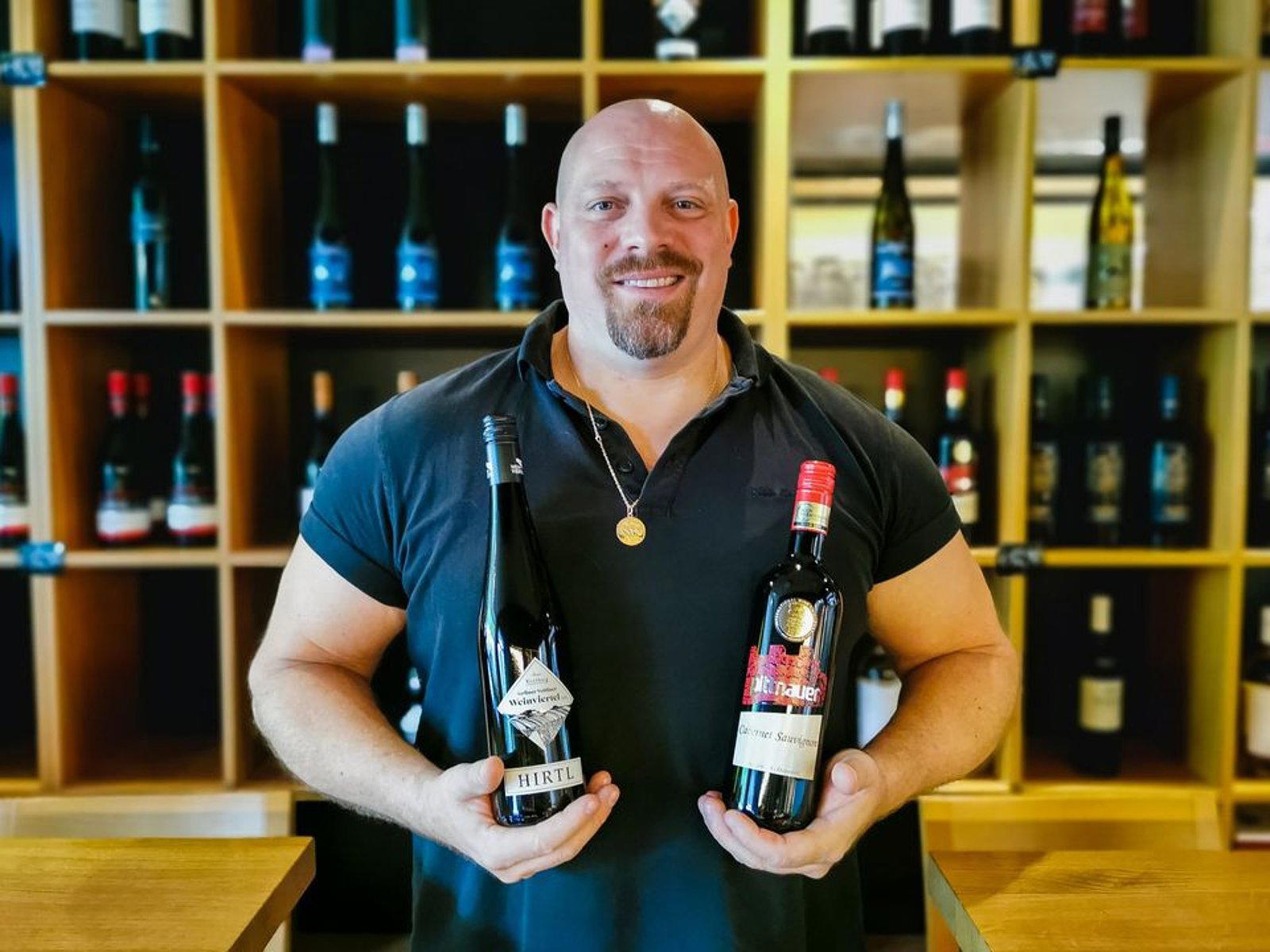
The wine
- Wine program
- Deep wine list
- Extensive wine list
- Sommelier-led
Details
- Intimate
- Elegant
- Sophisticated
- Scenic
- Special Occasion
- Date Night
- Celebration
- Wine Cellar
- Private Dining
- Panoramic View
- Hotel Restaurant
- Terrace
- Extensive Wine List
- Sommelier Led
- Local Sourcing
- Farm To Table
- Mountain
- Set Menu
- A La Carte
- Wine
- Austrian Wines
- French Wines
- Italian Wines
- Vegetarian Friendly
- Allergy Accommodating
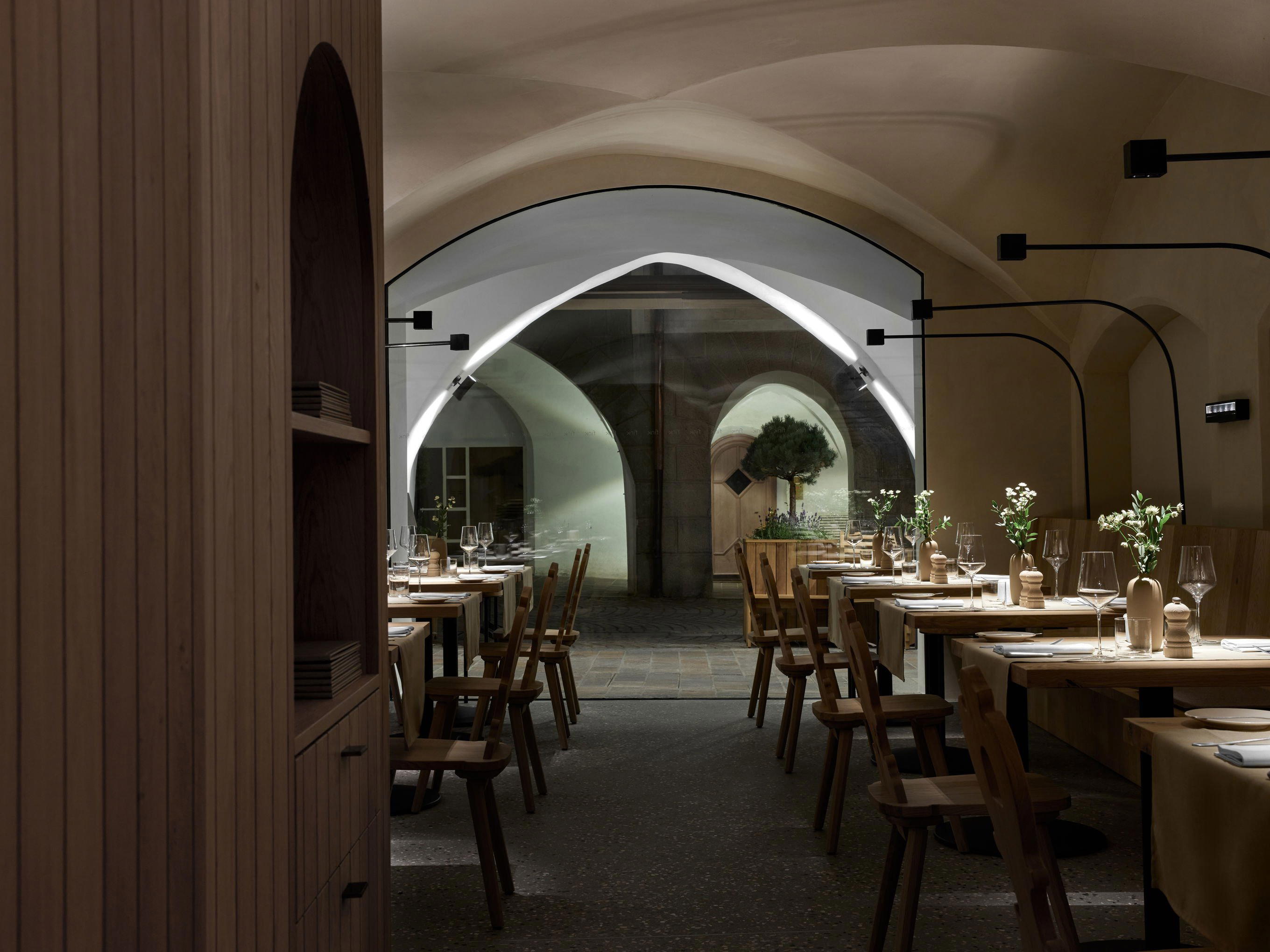
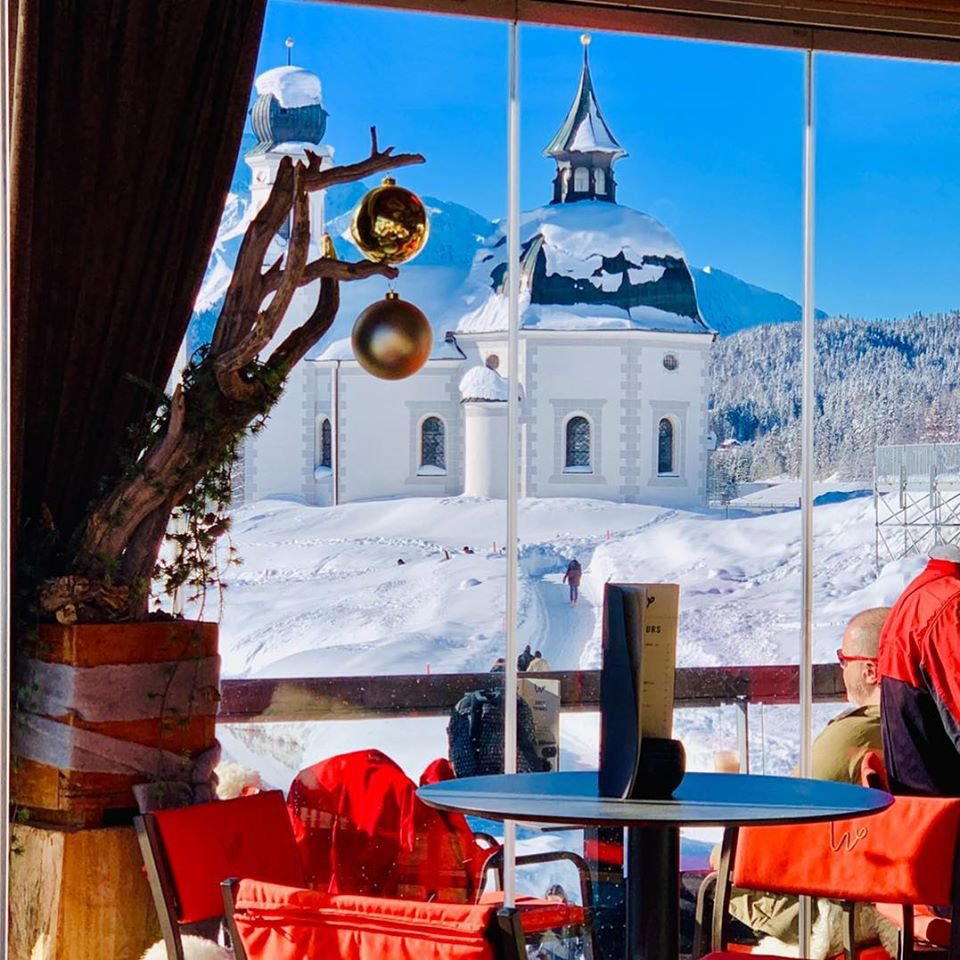
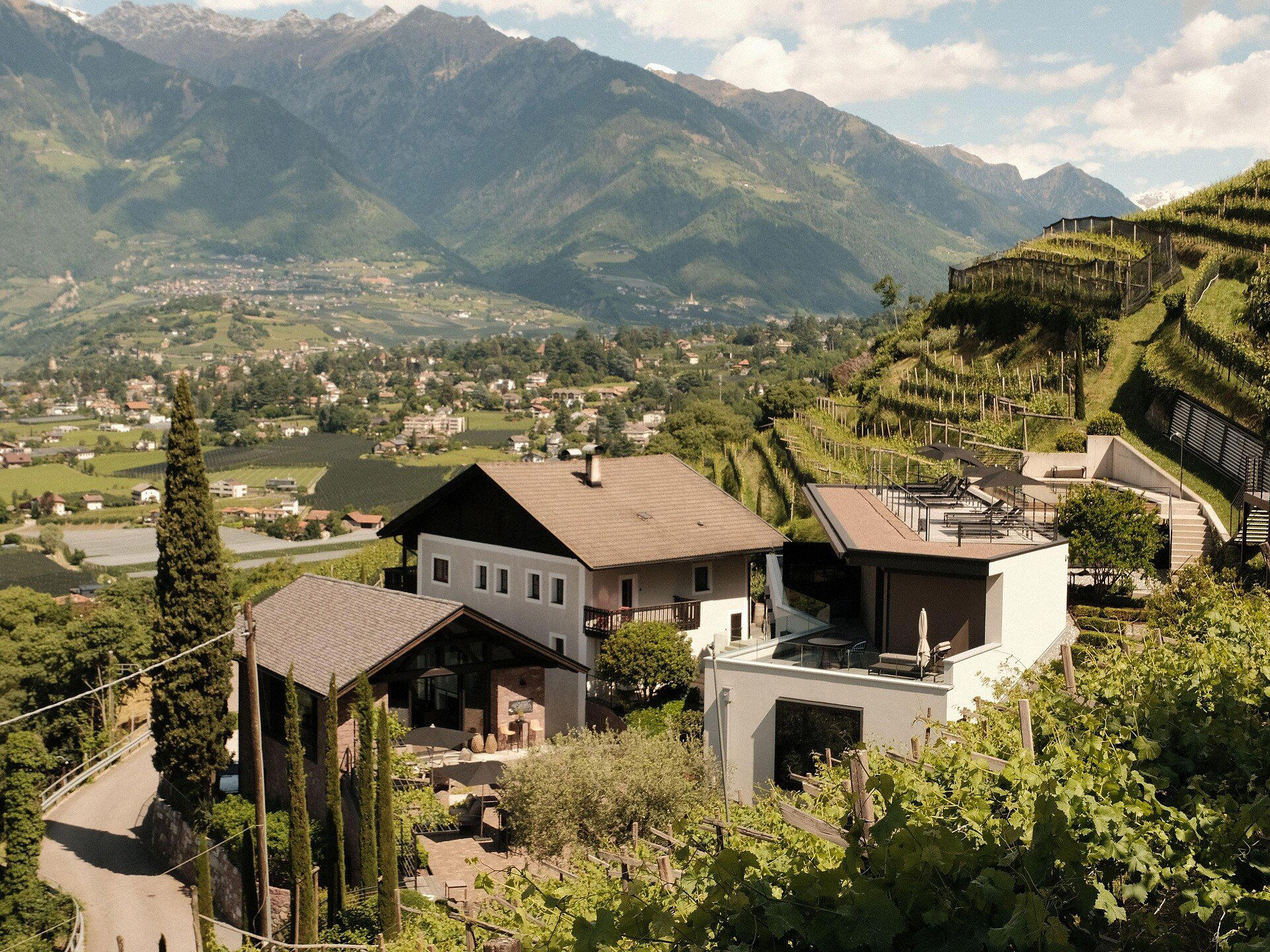
Compact, intentionally calm dining room with large windows overlooking ski slopes, warm woods, soft lighting, and refined yet relaxed Alpine-chic aesthetic.