

Tabelog Silver #27
Our verdict
A 10-seat Nishiazabu French bistro with serious local recognition, GOURMANDISE belongs to Tokyo’s small-format, wine-led dining tier rather than the hotel-restaurant circuit. Tabelog Award Silver in 2026, a Tabelog score of 4.50, and inclusion in OAD’s 2026 Japan recommendations place it among the city’s high-commitment French addresses.

Pearl is the En Primeur Club membership app, where members save venues, book tables and use the concierge.
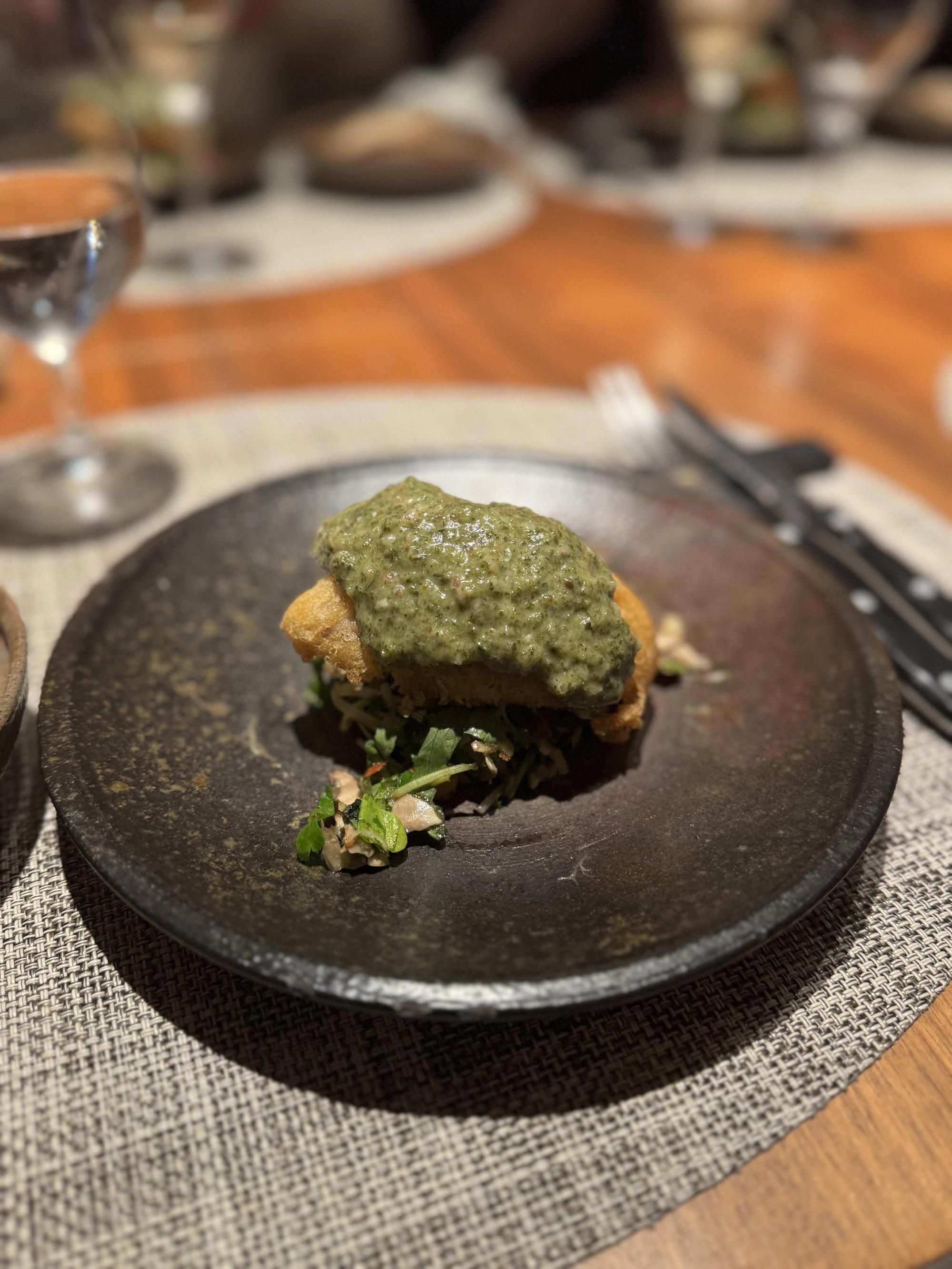
The menu
What to order
- Wagyu Steak
- Swordfish Beignets
- Basque Cheesecake
Nishiazabu changes after dark. Its narrow approaches, low-rise buildings, and second-floor dining rooms sit apart from Ginza’s polished counters and Marunouchi’s corporate rooms. French restaurants here feel less like grand Parisian dining rooms than neighbourhood addresses in the 11th or 14th arrondissement: compact, wine-aware, chef-driven, built for regulars rather than spectacle. GOURMANDISE fits that Tokyo-Paris overlap: a small bistro where scale matters as much as category.
Tokyo French divides into luxury dégustation rooms, technical modern-French kitchens, seafood-led hybrids, and bistros where wine, beef, and late dining share a grammar. This Nishiazabu address sits in the last camp. Its public bistro classification is useful but incomplete: awards history and price tier place it nearer serious small-format French dining than casual neighbourhood eating. For travellers, that matters, because “bistro” in Tokyo can mean everyday comfort or high-spend, reservation-only dining.
Nishiazabu French, read through a Paris neighbourhood lens
The arrondissement comparison is practical. In Paris, neighbourhood often explains posture before the menu: Saint-Germain signals one polish, Belleville another, and the 11th compact rooms, personal wine lists, and chefs outside palace-hotel formality. Nishiazabu plays a similar role in Tokyo. Close enough to Roppongi and Hiroo for international diners, its strongest restaurants often feel deliberately outside the main commercial current.
That setting shapes expectations. A 10-seat room, with 2 counter seats and 8 table seats, cannot operate like a large brasserie. Small capacity concentrates the experience and changes the economics: dinner is JPY 40,000 to JPY 49,999, plus a 15 percent service charge. In Tokyo, that is above easygoing bistro territory and in a bracket where wine choices, product quality, and pacing matter more than decorative luxury.
The cooking is French, and the restaurant is publicly described as a place for fresh Wagyu and wine under chef Hokuto Hasegawa. That combination says much about Tokyo bistro culture: French technique frames the meal, while Japanese beef and a wine-first habit anchor it in the city rather than imitation Paris. Compared with larger French rooms, the point is compression, not ceremony: fewer seats, fewer distractions, and a format that makes the room part of the meal’s discipline.
For readers mapping Tokyo French beyond one reservation, the field is broad. ABBESSES, abysse, Alchimiste, Alternative, and amarantos each show a different version of the city’s French conversation, from seafood precision to contemporary formats.
Recognition that points to consistency, not noise
The strongest signal is repeated recognition. The restaurant holds a Tabelog Award 2026 Silver distinction with a 4.50 score, after Tabelog Award Silver in 2025 and Gold in 2024. It also appears in the Tabelog French TOKYO 100 selection for 2025 and 2023, and in OAD’s 2026 Top Restaurants in Japan Recommended list. In a city where enthusiasm can flare around novelty, that sequence suggests sustained local confidence, not a short burst of attention.
Tabelog matters differently in Japan than many Western rating platforms. High upper-end scores are hard to achieve, and local diners read award group, category selection, and score together. A 4.50 score in French dining, attached to a small Nishiazabu bistro, places it in a demanding peer group: restaurants with enough repeat conviction to survive Tokyo’s exacting culture.
OAD’s 2026 Japan recommendation adds a second trust signal: less neighbourhood popularity measure than dining-world recognition, useful for international readers placing a Tokyo restaurant beyond domestic platforms. Together, Tabelog and OAD make the case clear: this compact French room has enough external validation for serious consideration, especially for diners who prefer intimate, wine-led formats to formal tasting-menu architecture.
It is not obvious for every traveller. Visitors with limited Tokyo nights often default to sushi, tempura, kaiseki, or high-profile contemporary Japanese counters. Choosing French here is a statement about the city’s depth: some of Tokyo’s sharpest dining is defined not by Japanese categories, but by how fluently the city absorbs outside traditions and tightens them through Japanese sourcing, service, and scale.
How to place it in a Tokyo itinerary
The practical appeal is narrow but strong. This reservation-only, non-smoking restaurant accepts credit cards, has no private rooms, and handles new reservations through Shokuoku. The format suits diners comfortable with small rooms and higher-spend dinners more than groups seeking looseness or à la carte spontaneity. Smart casual dress is the safer reading.
The late-night operating pattern gives it a particular Tokyo role. French dining at this level often belongs to an early-evening tasting-menu slot; here, service extends deep into the night, matching Nishiazabu’s after-hours identity. It suits diners wanting a serious dinner without a grand restaurant’s rigid tempo, though the small capacity still demands planning.
For trip design, keep category boundaries clear. Our full Tokyo restaurants guide is the natural starting point across sushi, French, Japanese, and counter formats. Pairing dinner here with Our full Tokyo bars guide suits Nishiazabu and Roppongi nights, while Our full Tokyo hotels guide helps choose between the west-side dining cluster and Ginza or Marunouchi. Travellers stretching the itinerary can use Our full Tokyo experiences guide and Our full Tokyo wineries guide to understand the city beyond restaurant reservations.
Context outside Tokyo sharpens the reading. Japan’s dining range runs from beef-focused regional rooms such as -Grilled beef Sukiyaki- KAMAKURA TANUKIAN 鎌倉 たぬき庵 in Kamakura to independent addresses like.cafe in Osaka.know in Kumamoto, (Shoku) Vietnam in Kawasaki, [Curry Senmon Ten] Maruyama Kyoju. in Sapporo, and [ki:] in Kyoto. For French outside Japan, 3 Fils Counter, French in Dubai and 3G Trois Gourmands, French in Ho Chi Minh City underline the larger point: French cooking travels well when the room has a specific local reason to exist. In Nishiazabu, that reason is compact scale, wine culture, and Tokyo precision without theatrical excess.
The verdict is practical. GOURMANDISE is for diners who want Tokyo French in small-room, neighbourhood-intelligent form, supported by repeated domestic awards and enough international recognition to justify priority. It is not for a first-time visitor chasing familiar Tokyo categories. It is sharper for someone who knows the city’s restaurant culture is strongest when imported traditions are made smaller, stricter, and more personal to their block.
Frequently asked questions
What should I expect cuisine-wise at GOURMANDISE?
GOURMANDISE serves French cuisine.
Is GOURMANDISE chef-led?
The chef associated with GOURMANDISE is Hokuto Hasegawa.
When can I go to GOURMANDISE?
Hours at GOURMANDISE: Mon, Tue, Wed, Thu, Fri, Sat 18:00 - 03:00 L.O. 02:00.
Where do I go for GOURMANDISE?
GOURMANDISE is located in Tokyo.
A Credentials Check
Side-by-side context: comparable cuisine and price.
| Venue | Cuisine | Price | Awards | Notes |
|---|---|---|---|---|
| GOURMANDISEThis venue (the venue you are viewing) | French-Japanese Fusion Bistro | $150–200 | Tabelog Silver #27 | Not listed |
| Kitajima-tei | Classic French Bistro | $150–200 | Tabelog Silver #59 | Shinjuku |
| Restaurant Ararat | French Bistro | $100–150 | Not listed | Minato |
| Ode | Modern French Omakase with Japanese Ingredients | $200–300 | Not listed | Shibuya |
| Chez Matsuo | Classic French Fine Dining | Not listed | Not listed | Shibuya |
| マチュリテ | Modern French Bistro | $50–100 | Not listed | Chūō |
Recognition history
Dated appearances from independent guides and award organizations, with the underlying list record or original source where available.
Opinionated About Dining Top Restaurants in Japan Recommended
Opinionated About Dining
Tabelog Silver #27
Tabelog
Full recognition history (5 entries)
Opinionated About Dining Top Restaurants in Japan Ranked #307
Opinionated About Dining
Tabelog 100 #10 · No. 10
Tabelog · Tabelog 100 - French - TOKYO - 2025
Tabelog Silver
Tabelog
Continue exploring
More in Tokyo
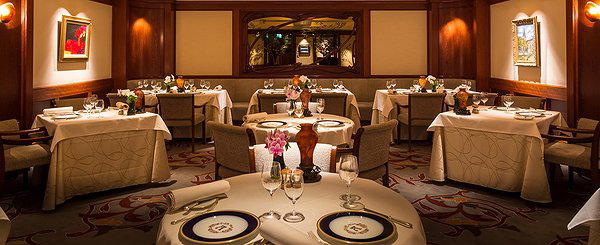
Restaurants in Tokyo
All restaurants in Tokyo →



Bars in Tokyo
All bars in Tokyo →






Details
- Cozy
- Intimate
- Elegant
- Date Night
- Special Occasion
- Chefs Counter
- Open Kitchen
- Sake Program
- Extensive Wine List
- Omakase
- Wine
Current opening hours
- Monday
- 6–9 PM
- Tuesday
- 6–9 PM
- Wednesday
- 6–9 PM
- Thursday
- 6–9 PM
- Friday
- 6–9 PM
- Saturday
- 6–9 PM
- Sunday
- Closed
Hours can change for holidays and private events. Last verified .
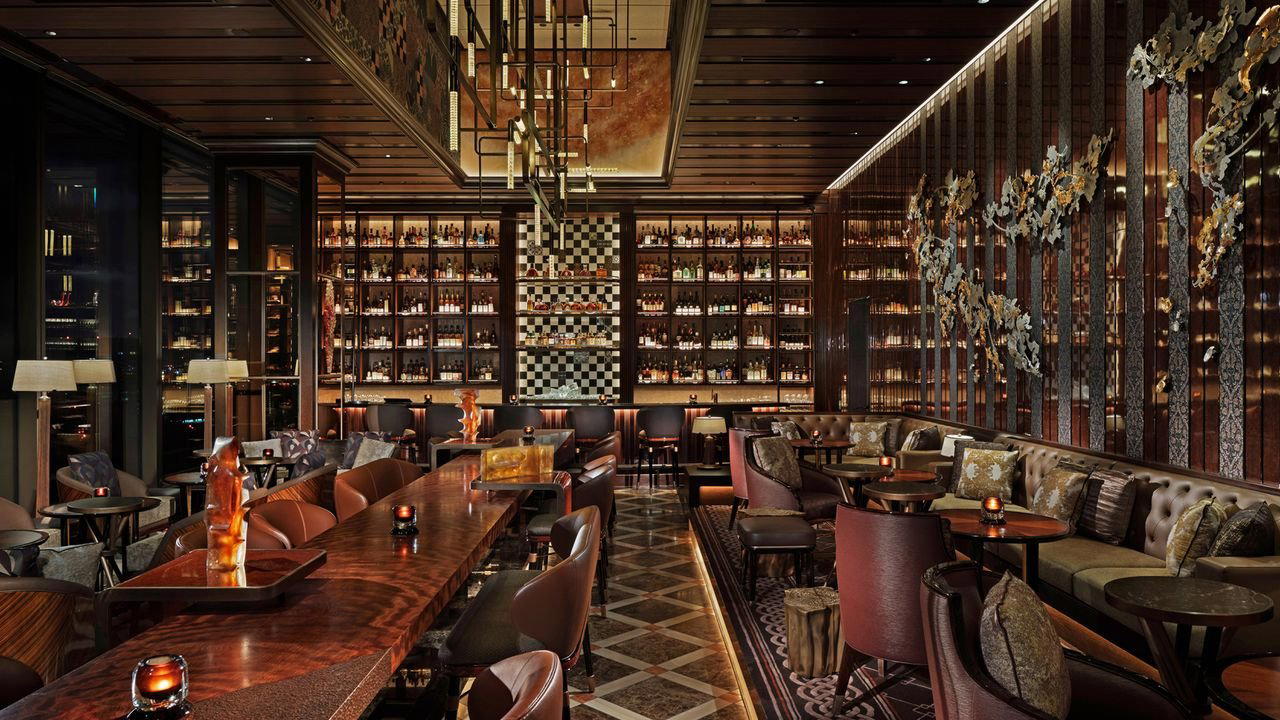
Cozy, private hideout atmosphere with warm lighting, fostering an intimate dining experience.