On Izola's sunlit harbour promenade, Gostilna Sidro represents the kind of Slovenian coastal dining that puts the Adriatic and the Karst hinterland in direct conversation on the plate. The kitchen draws on the short supply lines that define this stretch of the Istrian coast, where fishing boats unload a short walk from the dining room and local producers fill the gaps. For visitors working through Izola's dining options, Sidro belongs in any serious first-pass consideration.
Pearl is the En Primeur Club membership app — saves, bookings, and concierge access live there. Same editors, same standards.
- Address
- Sončno Nabrežje 24, 6310 Izola, Slovenia
- Phone
- +38656414711
- Website
- facebook.com
- Directions
- Get directions
 Saves & bookings on Pearl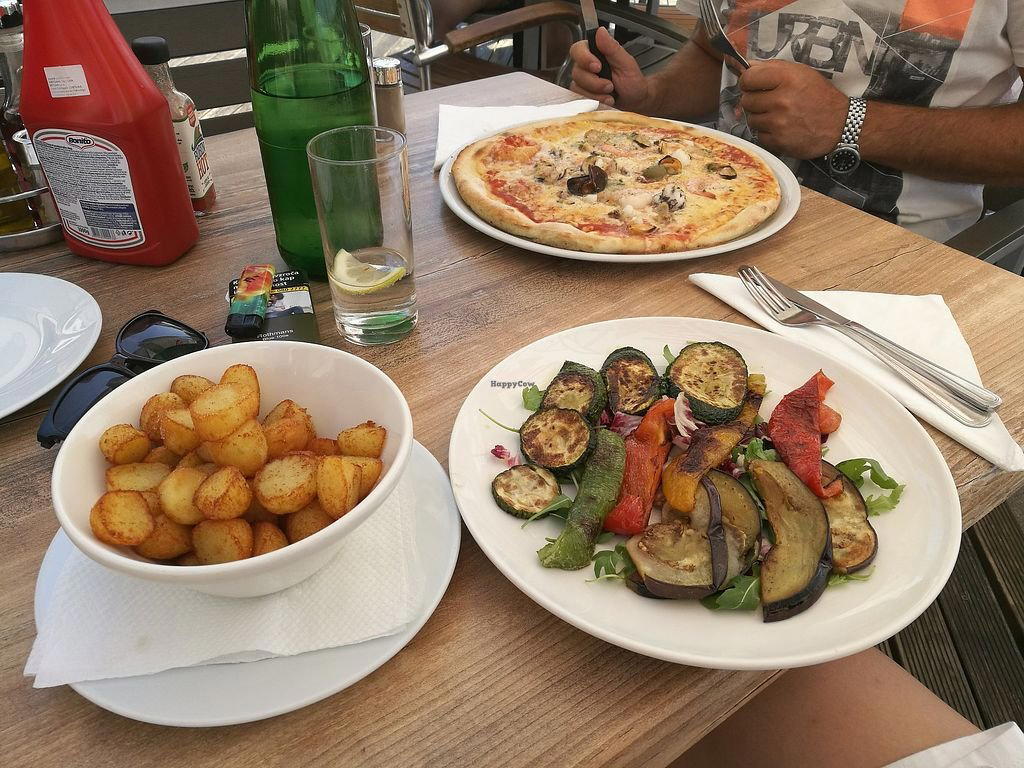
Where the Harbour Dictates the Menu
Sončno Nabrežje, Izola's sun-facing waterfront promenade, runs along the northern edge of a compact medieval port that has been trading fish and wine since Venetian rule. The address at number 24 puts Gostilna Sidro squarely on that strip, where the physical proximity to the water is not decorative, it is functional. In Slovenian coastal towns of this scale, the distance between the fishing boat and the kitchen table is genuinely short, and the leading restaurants here have always structured their menus around that fact rather than around a fixed repertoire flown in from further afield.
That logic is the dominant one along this stretch of the Istrian coast. Izola sits between Koper to the north and Piran to the south, and all three towns share a culinary grammar rooted in the Adriatic catch and the Karst plateau immediately inland. The result is a cuisine that moves between brine and stone: sea bass, bream, cuttlefish, and octopus alongside cured meats, aged cheeses, and the sharp, mineral-forward wines that come down from the limestone hills above Trieste. Hiša Torkla, also in Izola, anchors that regional cuisine tradition at the €€ tier; Restavracija Hotela Marina pulls toward a broader Mediterranean frame. Sidro operates within this same competitive set, on among the more direct addresses to the water in town.
The Sourcing Logic of the Istrian Coast
Understanding what makes a harbour-side gostilna like this one coherent requires understanding the supply infrastructure that underpins Slovenian coastal cooking. Slovenia has only 47 kilometres of coastline, which means fishing is local almost by definition, the fleet is small, the catch is landed quickly, and the daily variation in what is available is real. Restaurants that take this seriously do not maintain a static menu year-round. What appears on the plate in spring, when smaller species are running, differs from what arrives in autumn, when larger pelagic fish are more abundant.
The Karst contribution is equally structural. The plateau above the coast supplies the cured meats, pršut from the Karst is air-dried in conditions that the coastal humidity cannot replicate, and it is recognisably different from its Italian counterpart across the border. Olive oil from Istrian groves, including those that extend into the Slovenian side of the peninsula, carries a grassy, slightly peppery character that suits raw fish preparations well. These are not local-colour additions; they are the actual building blocks of what appears on tables at addresses like Sidro. For a useful counterpoint in how this sourcing philosophy scales to a more formally ambitious operation, Hiša Franko in Kobarid shows what hyper-regional ingredient sourcing looks like at the highest level of Slovenian fine dining.
Izola's Dining Tier and Where Sidro Sits
Izola does not have the concentration of formally recognised restaurants that Ljubljana or the Vipava Valley carry. Restavracija Strelec in Ljubljana and Gostilna Pri Lojzetu in Vipava operate at price points and with award recognition that positions them differently from what the Izola harbour strip offers. That is not a deficiency in Izola, it reflects a different set of priorities. The town's dining culture is built around the gostilna format: moderate price, substantial portions, wine lists anchored in the local Refošk and Malvazija, and a pace that suits long lunches rather than tasting-menu progression.
Within that format, the promenade addresses compete on freshness of catch and quality of preparation rather than on culinary ambition in the fine-dining sense. Gostilna Bujol, Gostilna Korte, and Gostilnica Gušt all operate in the same tier, and the distinction between them tends to come down to which kitchen is most consistent on a given day rather than to structural differences in concept or sourcing. Sidro's position on the sun-facing promenade gives it a specific physical advantage in warmer months, when outdoor seating on the waterfront is a genuine draw rather than an afterthought.
For readers comparing the Istrian coast against inland Slovenian dining, the reference points shift considerably. Grič in Šentjošt nad Horjulom, Hiša Denk in Zgornja Kungota, and Milka in Kranjska Gora each represent the forested, mountainous register of Slovenian cooking, game, mushrooms, alpine dairy, which has almost no overlap with what the coast produces. Hiša Linhart in Radovljica, Gostilna Mlinar in Idrija, Dam in Nova Gorica, and Pavus in Lasko each occupy distinct regional positions. The breadth of that national picture makes Sidro's coastal specificity more legible, not less: it is doing a particular thing in a particular place, which is what the gostilna format does at its most honest.
Internationally, the gap between what a promenade gostilna in Izola offers and what a high-end seafood destination like Le Bernardin in New York City or a tightly structured tasting counter like Atomix in New York City delivers is obvious and irrelevant. The comparison that matters is internal to the format: does the kitchen use what the harbour provides, does the wine list reflect the region, and is the setting honest about what it is. On a sunny promenade in a 47-kilometre coastal nation, those are the criteria that count.
Planning a Visit
Izola is accessible from Trieste airport in under 40 minutes by car, and from Ljubljana in roughly 90 minutes via the A1 motorway. The coastal season runs from late April through October, with July and August bringing the heaviest visitor traffic to the promenade. Arriving for lunch rather than dinner during peak summer gives better access to fresh catch prepared earlier in the day.
Side-by-Side Snapshot
Comparable venues nearby, for context on price, style, and recognition.
| Venue | Cuisine | Price | Awards | Notes |
|---|---|---|---|---|
| Gostilna SidroThis venue — the venue you are viewing | Traditional Slovenian Seafood | $$ | Not listed | Not listed |
| Gostilna Bujol | Traditional Slovenian Seafood | $$ | Not listed | Izola |
| Gostilnica Gušt | Italian Pizza & Seafood | $$ | Not listed | Izola center |
| Restavracija Kamin | Modern Istrian Seafood | $$$ | Not listed | Izola |
| Hiša Torkla | Slovenian Regional Grill | $$$ | Michelin Plate | Korte |
| Restavracija Hotela Marina | Mediterranean Seafood | $$$ | Michelin Plate | Izola |
Continue exploring
More in Izola
Restaurants in Izola
Browse all →
Bars in Izola
Browse all →
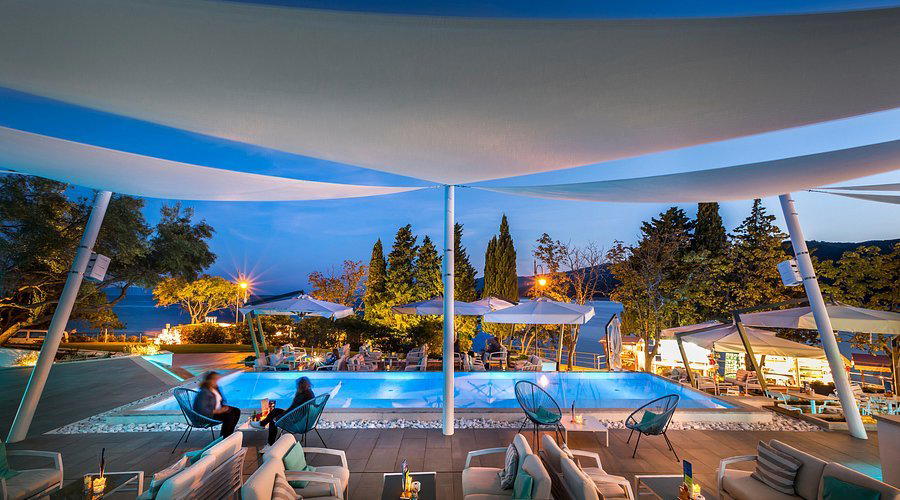
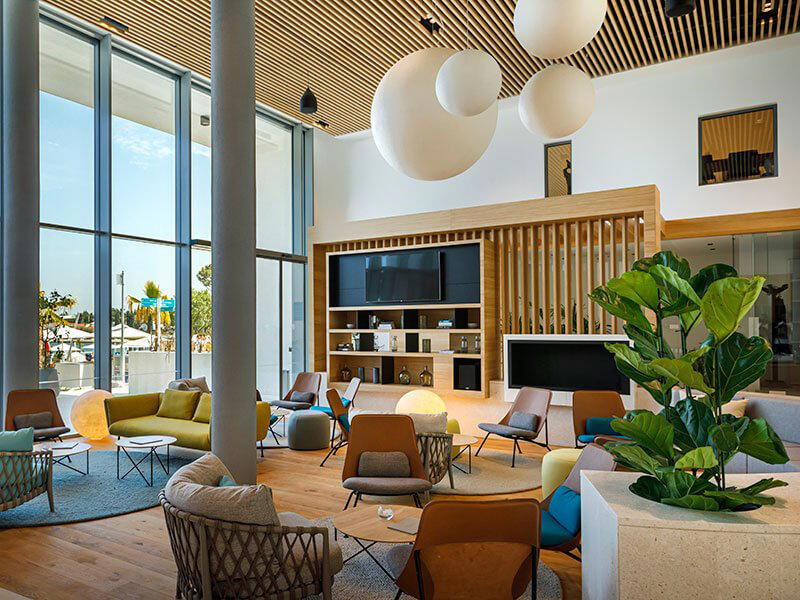
Hotels in Izola
Browse all →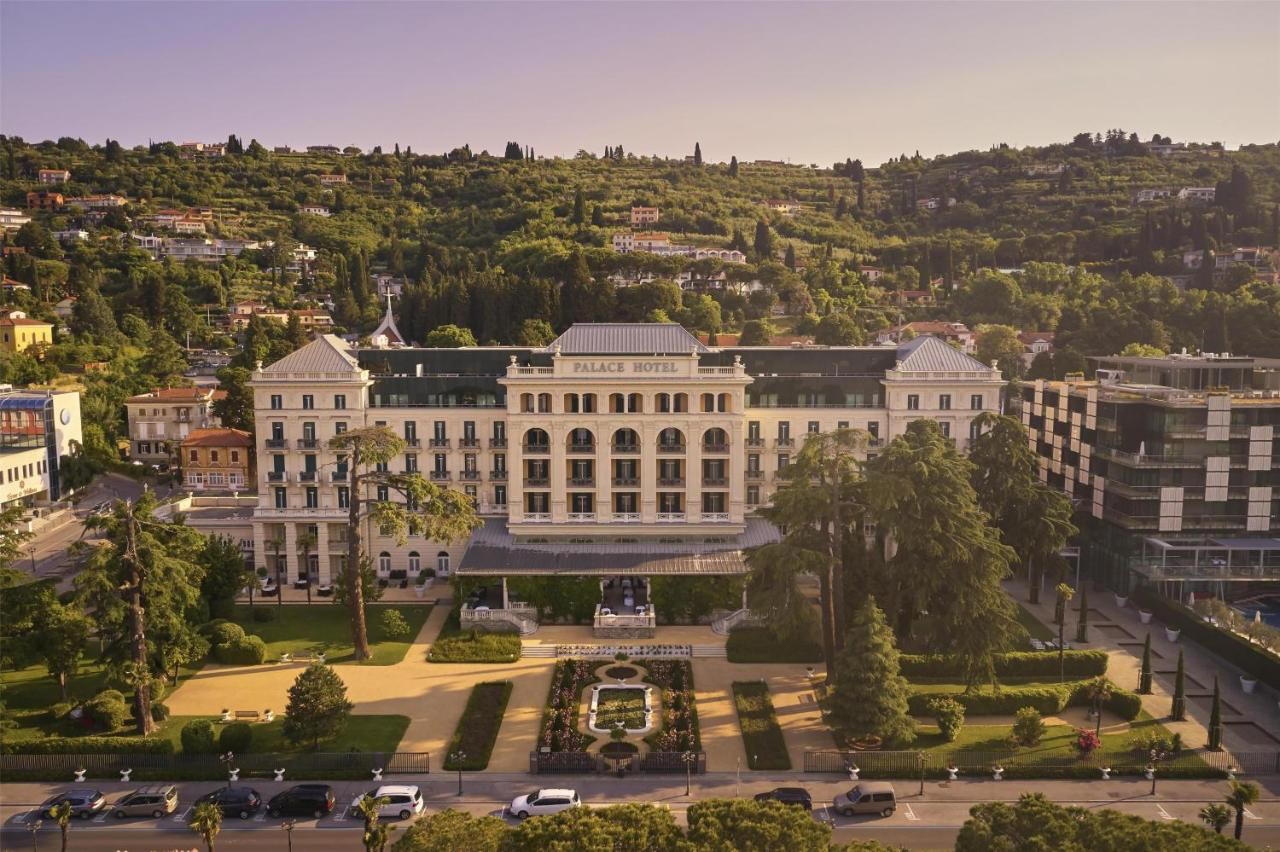
At a Glance
- Cozy
- Classic
- Scenic
- Intimate
- Casual Hangout
- Family
- Group Dining
- Waterfront
- Terrace
- Local Sourcing
- Sustainable Seafood
- Waterfront
Current opening hours
- Monday
- 11 AM–10 PM
- Tuesday
- 11 AM–10 PM
- Wednesday
- 11 AM–10 PM
- Thursday
- Closed
- Friday
- 11 AM–10 PM
- Saturday
- 11 AM–10 PM
- Sunday
- 11 AM–10 PM
Hours can change for holidays and private events. Last verified .
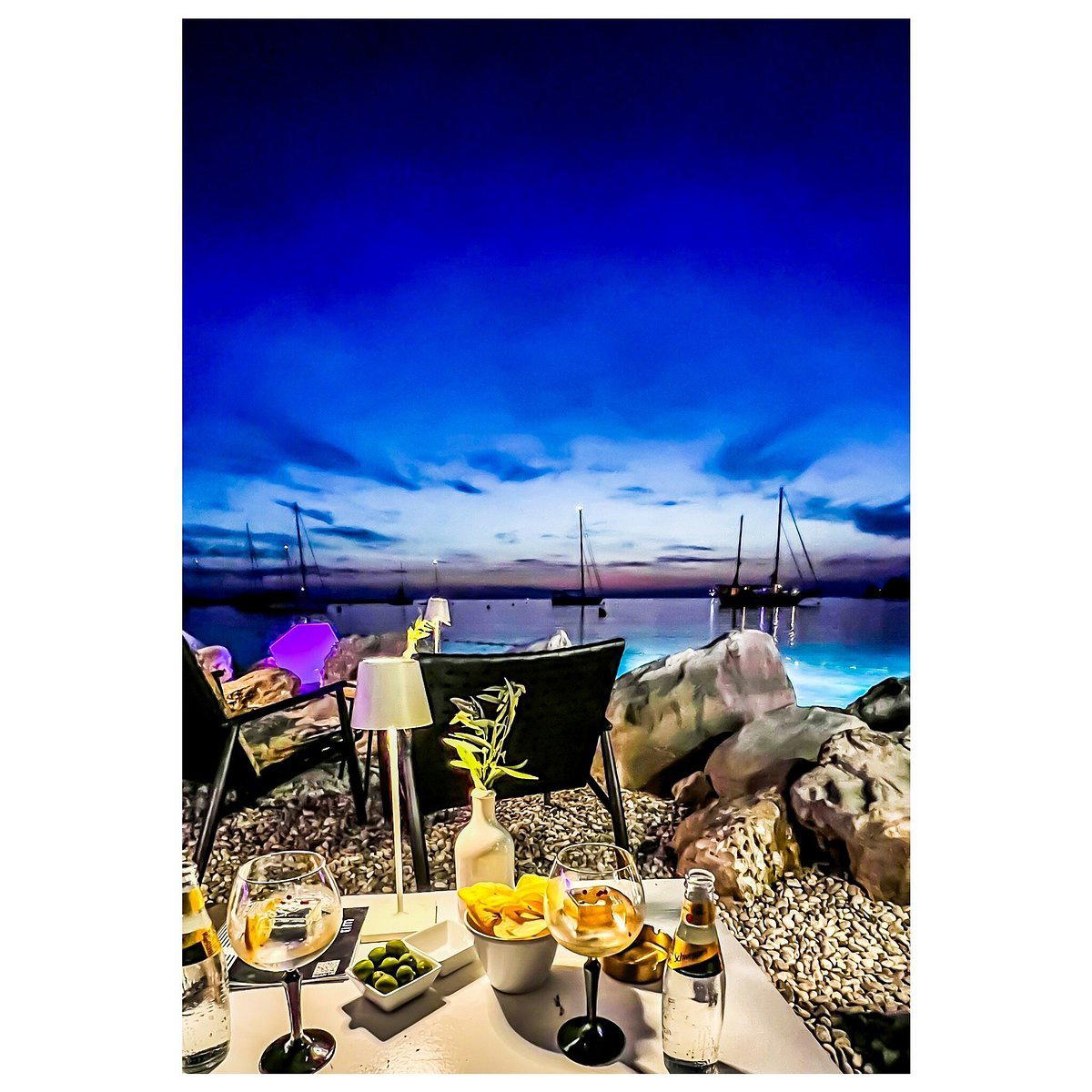
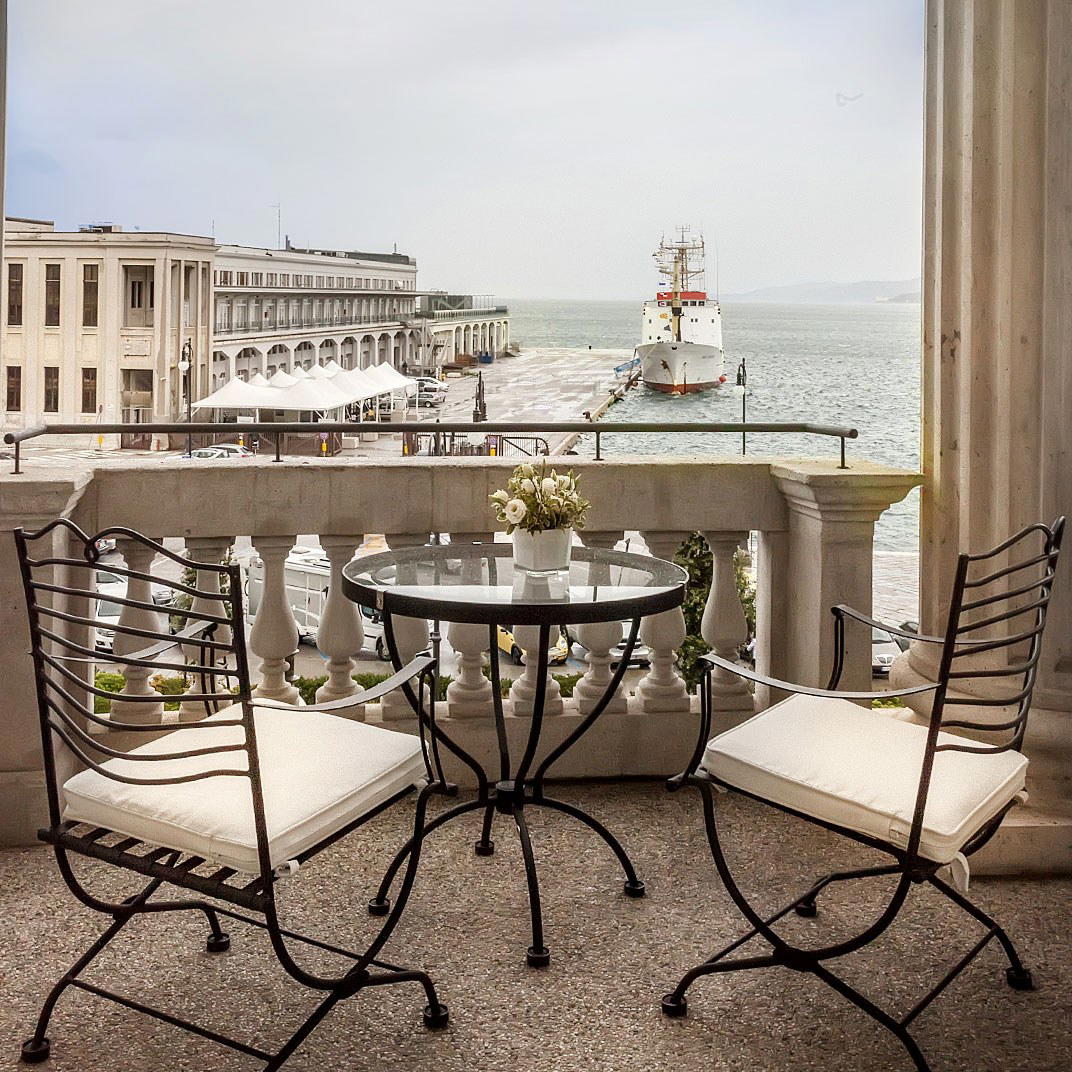
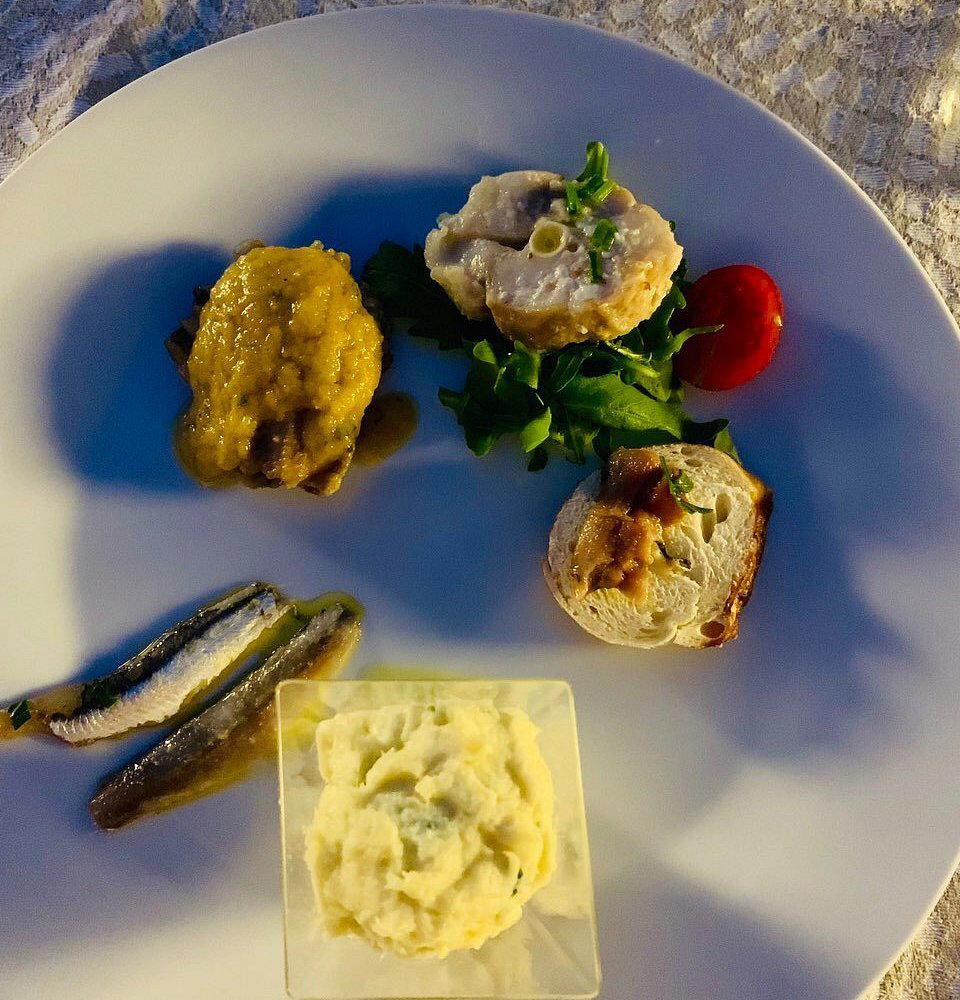
Cozy and intimate waterfront setting with natural lighting emphasizing fresh, uncomplicated preparation of seafood; warm, welcoming atmosphere reflecting its long-standing local heritage.