Gostilna Bujol sits on Verdijeva ulica in the old-town core of Izola, one of the Slovenian Adriatic coast's most compact and food-serious port towns. The restaurant operates in a dining tradition shaped by Italian proximity, Istrian produce, and a coastal Slovenian identity that rarely translates to the wider European dining conversation, which makes finding it a matter of knowing where to look.
Pearl is the En Primeur Club membership app — saves, bookings, and concierge access live there. Same editors, same standards.
- Address
- Verdijeva ulica 10, 6310 Izola, Slovenia
- Phone
- +38641799490
- Website
- bujol.si
- Directions
- Get directions
 Saves & bookings on Pearl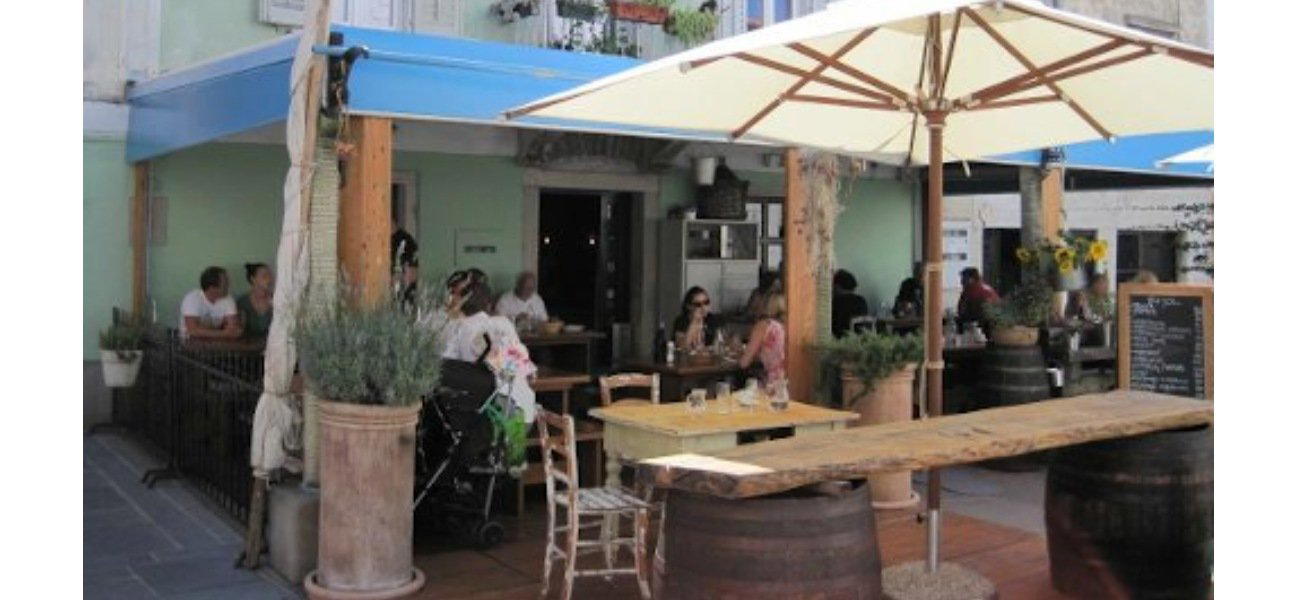
Where the Adriatic Meets the Karst: Dining in Izola's Old Town
Izola is a coastal town in Slovenia, less photographed than Piran and less infrastructure-heavy than Koper, and that relative anonymity has preserved something in its restaurant culture that busier destinations tend to lose. The old town sits on a peninsula, its streets narrow enough that a table outside places you in what amounts to a shared living room with the neighbourhood. Verdijeva ulica, where Gostilna Bujol is addressed, runs through that historic core. The physical approach matters here: stone underfoot, salt air, the particular low light of the northern Adriatic in the late afternoon. This is the material context that shapes what kitchens in Izola are expected to do.
The gostilna format, a word that sits between tavern and restaurant in Slovenian, implying home cooking, local sourcing, and a lack of ceremony, is the dominant dining institution along this coast. It predates the modern restaurant concept and operates by different rules: menus are seasonal by default, portions are generous by tradition, and the wine list draws from nearby Karst and Vipava Valley producers rather than from international appellations. Gostilna Bujol operates within this tradition at its Izola address, placing it alongside peers such as Gostilna Korte, Gostilna Sidro, and Gostilnica Gušt in a cluster of old-town options that share a commitment to the same coastal-Slovenian culinary grammar.
The Istrian Culinary Tradition and What It Demands of Kitchens Here
The cuisine that defines Izola's better restaurants is a product of layered history. The town was Venetian for centuries, became Austro-Hungarian, then Italian, then Yugoslav, before Slovenian independence in 1991. Each period deposited something into the local food culture: pasta and risotto from the Italian side, cured meats and inland vegetables from the Karst hinterland, seafood preparation rooted in Adriatic fishing tradition, and a wine culture connected to the Refošk and Malvazija grapes grown across the peninsula. The result is a cuisine that doesn't map neatly onto either Italian or Balkan categories, it is specifically Istrian, and specifically coastal Slovenian, and kitchens that do it well are drawing on a palimpsest of influences rather than a single tradition.
What distinguishes serious cooking in this context from the merely adequate is handling of local seafood, squid, sea bass, dentex, bogue, without the overcooking or excessive olive oil that can flatten it, and the treatment of truffle, asparagus, and wild herbs from the Istrian interior when they are in season. Spring and early summer are the high-confidence periods for Istrian produce; autumn brings porcini and game from the Karst. Visitors who time their arrival accordingly get a fundamentally different menu than those who arrive in the high-summer tourist season, when supply chains can strain under coastal demand. For context on how this regional cuisine tradition plays out at a destination-level benchmark, Hiša Franko in Kobarid, Slovenia's most internationally recognised table, demonstrates what Slovenian ingredients at their most rigorously sourced can achieve, though its alpine context is a different register entirely.
Izola's Dining Tier and Where Bujol Sits Within It
Izola's restaurant market stratifies fairly clearly. At the leading end, Hiša Torkla and Restavracija Hotela Marina operate at the €€ tier with regional and Mediterranean cuisine respectively, the latter tied to hotel infrastructure. Below that sits a broader gostilna tier where informality, value, and local regulars define the room. Gostilna Bujol occupies old-town Izola within this second tier, which in Slovenian coastal terms means a price point accessible to year-round locals, a format built around seasonal availability rather than a fixed prestige menu, and a relationship with the neighbourhood that a hotel restaurant or destination table rarely develops.
For comparison with how Slovenia's serious regional cooking is evolving beyond the coast, Gostilna Pri Lojzetu in Vipava, Dam in Nova Gorica, and Hiša Denk in Zgornja Kungota each represent the inland and northern expression of Slovenian fine dining, more elaborate in format, and placing greater emphasis on wine-pairing architecture. The coastal gostilna tradition that Bujol represents is a different proposition: less theatrical, more embedded in everyday Slovenian eating culture, and more revealing of what the country's food identity actually looks like when it is not performing for an international audience.
Planning a Visit: What to Know Before You Go
Izola is 130 kilometres southwest of Ljubljana along the A1 motorway, with the coastal stretch well-served by local bus connections from Koper. The town itself is compact enough that Verdijeva ulica is reachable on foot from any central accommodation point within minutes. As with most gostilna-format restaurants along this coast, arriving without a reservation on summer evenings, particularly July and August, when the Slovenian coast draws its heaviest domestic and regional tourism, carries real risk of a full house. Shoulder season visits in May, June, or September offer a more manageable dynamic, both for availability and for the quality of seasonal produce on offer.
Those building a broader Slovenian food itinerary around a coastal base can extend north to Hiša Linhart in Radovljica or east to Restavracija Strelec in Ljubljana for a contrast in register and setting. Milka in Kranjska Gora, Grič in Šentjošt nad Horjulom, Gostilna Mlinar in Idrija, and Pavus in Lasko fill out a circuit of Slovenian regional cooking that demonstrates the range of what this small country produces at table.
Budget and Context
Comparable venues nearby, for context on price, style, and recognition.
| Venue | Cuisine | Price | Awards | Notes |
|---|---|---|---|---|
| Gostilna BujolThis venue — the venue you are viewing | Izola, Traditional Slovenian Seafood | $$ | Not listed | Not listed |
| Gostilna Sidro | Not listed | $$ | Not listed | Izola Marina, Traditional Slovenian Seafood |
| Restavracija Kamin | Izola, Modern Istrian Seafood | $$$ | Not listed | Not listed |
| Gostilnica Gušt | Izola center, Italian Pizza & Seafood | $$ | Not listed | Not listed |
| Gostilna Korte | Korte, Traditional Istrian Mediterranean | $$ | Not listed | Not listed |
| Hiša Torkla | Korte, Slovenian Regional Grill | $$$ | Michelin Plate | Not listed |
Continue exploring
More in Izola
Restaurants in Izola
Browse all →
Bars in Izola
Browse all →
Hotels in Izola
Browse all →
At a Glance
- Cozy
- Rustic
- Intimate
- Family
- Casual Hangout
- Date Night
- Standalone
- Extensive Wine List
- Local Sourcing
- Street Scene
Current opening hours
- Monday
- Closed
- Tuesday
- Closed
- Wednesday
- 11 AM–10 PM
- Thursday
- 11 AM–10 PM
- Friday
- 11 AM–10 PM
- Saturday
- 11 AM–10 PM
- Sunday
- 11 AM–10 PM
Hours can change for holidays and private events. Last verified .