On a quiet street in Slovenia's oldest city, Gostilna Rozika represents the kind of neighbourhood table that Ptuj has built its civic dining culture around: unhurried, locally anchored, and shaped by the rhythms of Central European gostilna tradition. The address on Slomškova ulica places it within easy reach of the Roman-era old town, making it a practical base for exploring a city whose food culture rewards patience over spectacle.
Pearl is the En Primeur Club membership app — saves, bookings, and concierge access live there. Same editors, same standards.
- Address
- Slomškova ulica 7, 2250 Ptuj, Slovenia
- Phone
- +38670668487
- Website
- gostilna-rozika.si
- Directions
- Get directions
 Saves & bookings on Pearl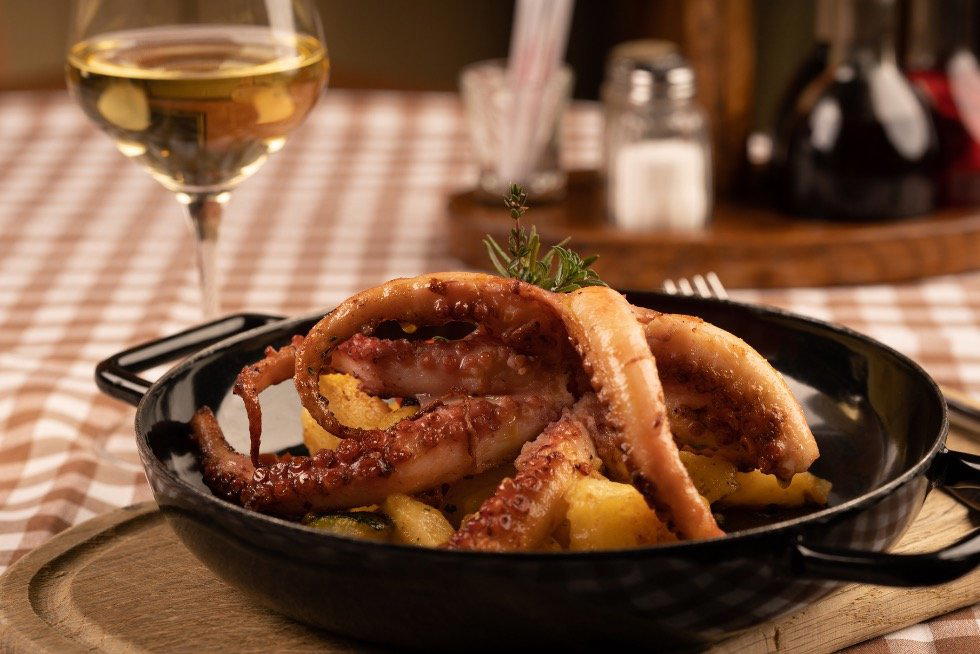
Ptuj's Gostilna Tradition and Where Rozika Fits
Slovenia's oldest city carries its age well. Ptuj's compact old town, crowned by a medieval castle and threaded with Roman-era street lines, has a dining culture that reflects its provincial confidence: gostilne rather than restaurants, unhurried service rather than choreographed theatre, and a kitchen vocabulary shaped more by Štajerska farmland than by Ljubljana's increasingly cosmopolitan dining scene. Gostilna Rozika, a traditional Slovenian restaurant at Slomškova ulica 7 in Ptuj, offers a regional table in the old town.
The gostilna format is worth understanding before you sit down. Across Central Europe, the word describes something more specific than a casual restaurant: a house where hospitality is the primary obligation, where the meal moves at the pace of conversation, and where the menu is anchored in regional produce and inherited technique rather than seasonal reinvention. In Ptuj, several addresses hold to this model, and Gostilna Rozika is among them. For comparison, Gostilna Grabar and Gostilna Ribič represent the same civic dining category, each with slightly different neighbourhood positioning within the city.
The Dining Ritual at a Štajerska Table
Eating at a gostilna in northeastern Slovenia follows a pace that visitors accustomed to tasting-menu formats or fast-casual turnover often find disorienting at first. The meal does not begin with an amuse-bouche or end with a petit four. It begins with bread and a house soup, moves through a main course built around pork, game, river fish, or seasonal vegetables from the Drava valley, and concludes with something sweet that has been on the menu for decades. The pacing is deliberate. Courses arrive when they are ready, not when a timer prompts a server.
This rhythm is part of the format. In Ptuj, where the tourist infrastructure is lighter than in Ljubljana or Bled, gostilne like Rozika operate primarily for a local clientele that expects a full hour or more at the table. That dynamic shapes everything: the portion calibration, the wine list, which skews toward Štajerska and Podravje producers rather than imported labels, and the way conversation is treated as part of the occasion rather than an interruption to it.
Štajerska cuisine, for context, sits within the broader Central European tradition that runs from Austria through Slovenia's northeastern corner and into Croatia's Zagorje. Roasted meats, buckwheat preparations, mushroom-based sauces, and cured pork products are structural rather than decorative. The cooking is not restrained so much as purposeful: flavour comes from technique applied to quality produce rather than from layered garnishes. For readers who have engaged with Slovenia's higher-profile dining addresses, such as Hiša Franko in Kobarid or Milka in Kranjska Gora, the Ptuj gostilna format operates in a deliberately different register, one that prioritises continuity over innovation.
Ptuj as a Dining Destination
Ptuj has a quieter profile than its cultural weight suggests. As Slovenia's oldest documented city, with Roman-era archaeological layers beneath its streets and a castle museum that holds one of the country's more coherent collections of historical objects, it draws a fraction of the international attention that Ljubljana commands. That asymmetry has a direct effect on its dining scene: prices remain significantly lower than in the capital, restaurants are not calibrated for international preferences, and the cooking reflects what people in the city actually want to eat.
The comparison worth making is not between Ptuj and Ljubljana, but between Ptuj and other regional Slovenian towns where a serious food culture has developed around local produce and inherited tradition. Gostilna Pri Lojzetu in Vipava and Hiša Denk in Zgornja Kungota sit at the upper end of that regional spectrum, with a level of ambition and external recognition that Ptuj's gostilne generally do not claim. Grič in Šentjošt nad Horjulom represents the farm-to-table tier within that regional picture. Rozika occupies a different position: neighbourhood anchor rather than destination address, and that positioning is internally consistent.
For broader context on how Slovenia's dining culture distributes across the country, the range runs from coastal Mediterranean registers at Gostišče Neptun in Piran to the creative precision of Dam in Nova Gorica, with regional gostilne like Rozika forming the backbone of the middle tier. Addresses such as Restavracija Strelec in Ljubljana and Pavus in Lasko occupy the space between local tradition and formal dining ambition. Hiša Linhart in Radovljica and Gostilna Mlinar in Idrija demonstrate how regional towns across Slovenia have developed their own serious dining identities. Gostišče Karavla 297 in Trzic and Turistična Kmetija Breg in Brda add further texture to the country's distributed food geography. For international reference points that sit at the opposite end of the formality spectrum, Le Bernardin in New York City and Atomix in New York City illustrate how differently a dining ritual can be structured when scale, investment, and audience shift substantially.
Planning a Visit
Gostilna Rozika is at Slomškova ulica 7 in Ptuj's central district, within walking distance of the old town's main sights. Ptuj is accessible by train from Maribor in under an hour, and by car from Ljubljana in approximately ninety minutes via the A1 and A4 motorways. Reservations are recommended.
Where It Fits
Comparable venues nearby, for context on price, style, and recognition.
| Venue | Cuisine | Price | Notes |
|---|---|---|---|
| Gostilna RozikaThis venue — the venue you are viewing | Traditional Slovenian | $$ | Not listed |
| Gostilna Ribič | Modern Slovenian Seafood | $$ | Ptuj center |
| Gostilna Grabar | Modern Slovenian | $$ | Rabelčja vas |
| KUHLA, krčma na gradu | Slovenian Castle Tavern | $$ | Šmartno pri Litiji |
| Gostilna Oštirka | Modern Slovenian | $$ | Celje market |
| Gostišče Draga | Traditional Slovenian with Gorenjska Flavors | $$ | Begunje na Gorenjskem |
Continue exploring
More in Ptuj
Restaurants in Ptuj
Browse all →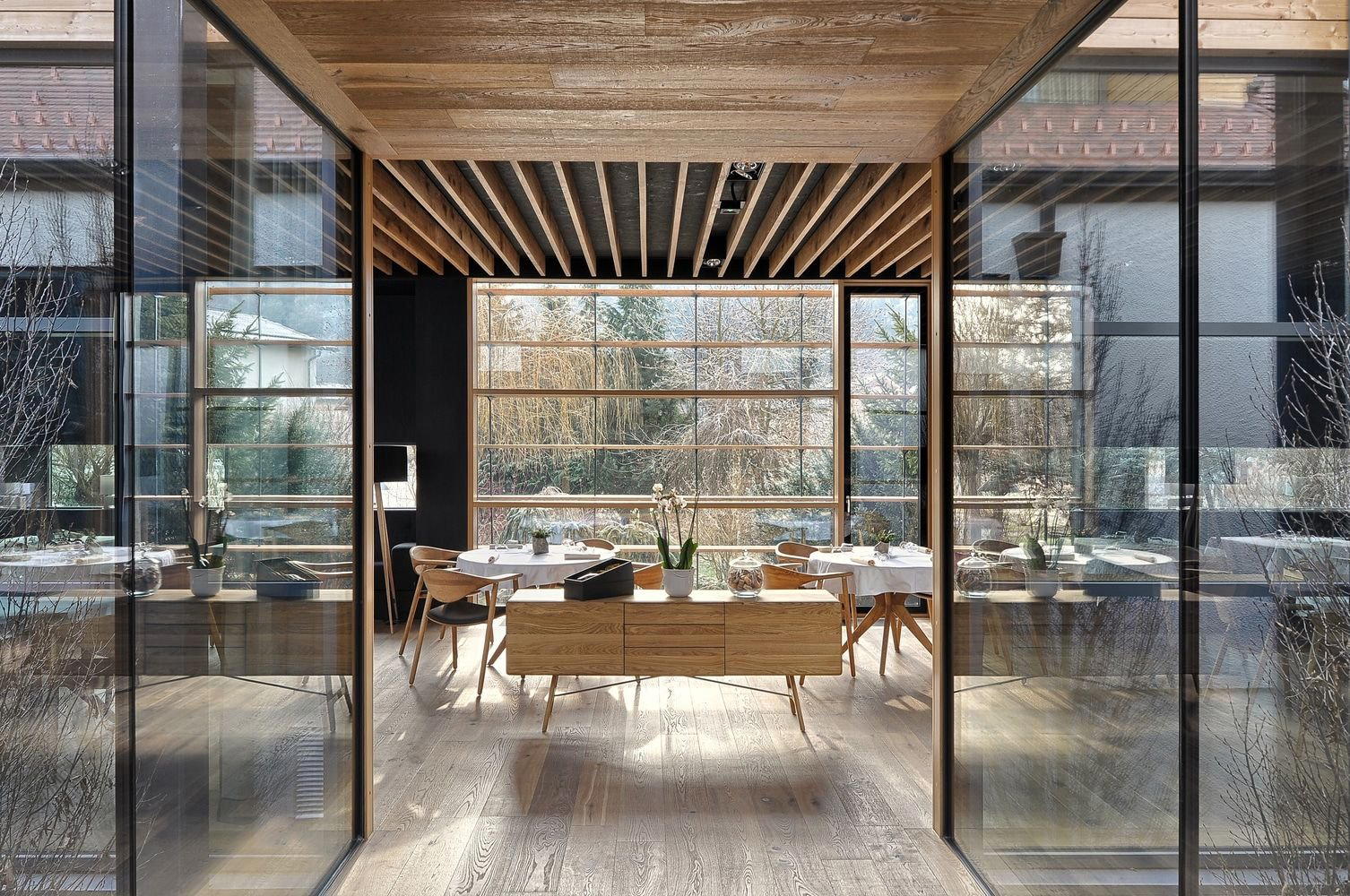
Bars in Ptuj
Browse all →
Hotels in Ptuj
Browse all →

At a Glance
- Cozy
- Rustic
- Classic
- Family
- Casual Hangout
- Historic Building
- Garden
- Extensive Wine List
- Local Sourcing
Current opening hours
- Monday
- 8 AM–10 PM
- Tuesday
- 8 AM–10 PM
- Wednesday
- 8 AM–10 PM
- Thursday
- 8 AM–10 PM
- Friday
- 8 AM–11 PM
- Saturday
- 8 AM–11 PM
- Sunday
- 10 AM–4 PM
Hours can change for holidays and private events. Last verified .
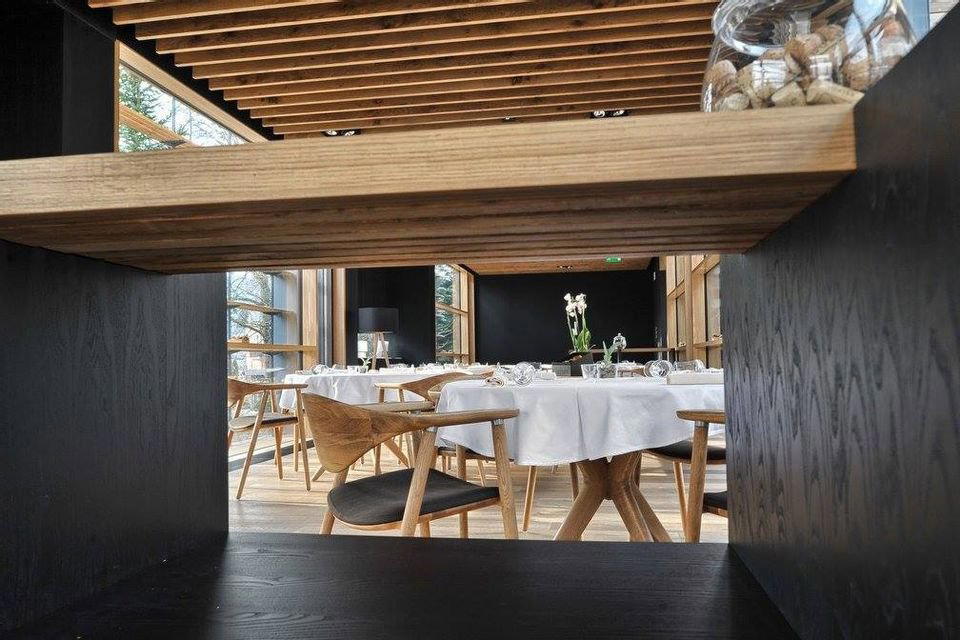
Cosy and welcoming with traditional Slovenian decor and comfortable seating.