Gostišče Draga
Gostišče Draga sits in the village of Begunje na Gorenjskem, a short drive from Radovljica's medieval old town, within a region where Gorenjska cooking traditions run deep. The kitchen draws on local producers and seasonal rhythms in the way that has defined rural Slovenian gostilna culture for generations. It belongs to a tier of neighbourhood restaurants that prioritise place over spectacle.
Pearl is the En Primeur Club membership app — saves, bookings, and concierge access live there. Same editors, same standards.
- Address
- Begunje na Gorenjskem 142, 4275 Begunje na Gorenjskem, Slovenia
- Phone
- +38645307310
- Website
- gostisce-draga.si
- Directions
- Get directions
 Saves & bookings on Pearl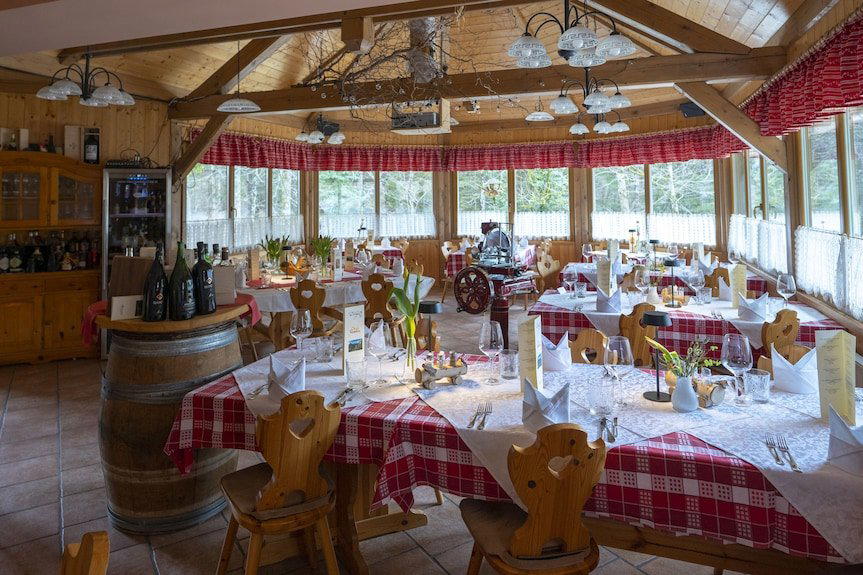
Where the Julian Alps Meet the Table
The road into Begunje na Gorenjskem drops through farmland with the Karavanke range visible on the northern horizon, a landscape that sets the terms for how food is grown and cooked in this corner of Gorenjska. Rural Slovenian dining has long operated according to a logic that larger cities often forget: proximity to the source is not a marketing posture but a structural condition. The farms are close, the seasons are visible, and the menu answers to both. Gostišče Draga, at address Begunje na Gorenjskem 142, operates inside that tradition rather than commenting on it from a safe aesthetic distance.
Radovljica itself sits about five kilometres away, its baroque old town drawing visitors to the Beekeeping Museum and the medieval townhouses along Linhartov trg. But the restaurants that often reward one are not on the square. They are in the surrounding villages, where the gostilna format, part inn, part dining room, part community anchor, has survived industrialisation and tourism with its core proposition intact. Begunje is one of those villages, and it is worth making the short detour from the town centre to reach it.
The Grammar of a Gorenjska Menu
To read a Gorenjska menu well, it helps to understand what the region produces rather than what it exports. The area between Lake Bled and the Sava Dolinka valley is dairy country: raw-milk cheeses, cultured butter, thick sour cream that appears as a condiment, a sauce base, and a dessert element in equal measure. Wild mushrooms come out of the forests above the valley floor from late summer through autumn. River trout from the cold, fast-moving tributaries of the Sava has been a staple protein here since before there were restaurants to serve it in.
Menu architecture in this tradition is not ambitious in the contemporary tasting-menu sense. It is disciplined in a different way: a clear sequence of soup, main course, and dessert, with starters that lean on preserved and cured products rather than composed plates. Buckwheat and polenta appear as structural carbohydrates rather than garnishes. Pork is worked nose-to-tail across several preparations. The restraint is not minimalism in the Nordic sense, portions are generous, flavours are direct, but there is no unnecessary elaboration. Every element on the plate is there because it belongs in this valley, at this time of year.
That orientation toward local seasonal rhythm places Gostišče Draga in a different peer group than the contemporary fine-dining venues that have brought international attention to Slovenian cooking. Hiša Franko in Kobarid and Gostilna Pri Lojzetu in Vipava have each built international reputations on creative interpretations of Slovenian ingredients, earning coverage in major international food press and drawing destination diners. Gostišče Draga operates in the tier below that visibility, where the cooking is less theatrical but the connection to local producers is often more unmediated. Hiša Linhart in Radovljica represents the contemporary end of the local spectrum, working in the €€€ bracket with a more formal contemporary format. Gostišče Draga and venues like Gostilna Kunstelj and Gostišče Tulipan occupy the more grounded middle of the Radovljica area dining range.
Setting and Atmosphere
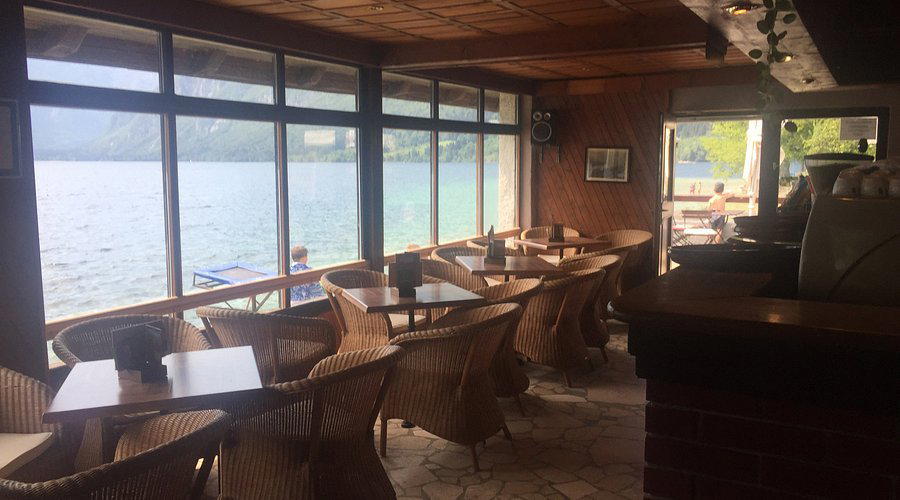
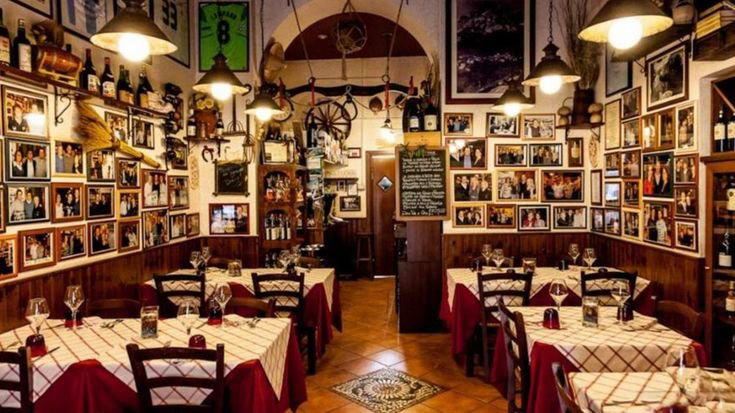
Slovenian gostišča of this type tend to be built around function before atmosphere: sturdy wooden furniture, tables spaced for large groups, walls that might carry local photographs or hunting trophies depending on the particular character of the house. The dining room is a room where people eat, not a stage set for a dining experience. That distinction matters. The absence of curated ambience is itself a signal about who the kitchen is cooking for and what it expects of its guests in return.
The atmosphere at venues in this category is calibrated to multigenerational use. A table might hold grandparents, parents, and children without any of them being underserved by the format. Sunday lunch is the high-volume session across most Gorenjska gostilna, when local families fill rooms that would be quieter midweek. Arriving at peak Sunday service without a reservation at venues of this type is rarely advisable, though weekday visits typically offer more flexibility. Reservations are recommended.
Radovljica and Its Surroundings in Context
The broader Radovljica dining map has diversified considerably over the past decade. Baffi House Of Pizza and Gostilna Avguštin represent different points on the town's range, from casual international formats to more traditional Slovenian cooking. Slovenia's wider fine-dining tier, Hiša Denk in Zgornja Kungota, Grič in Šentjošt nad Horjulom, Restavracija Strelec in Ljubljana, and Pavus in Lasko, has attracted growing international press attention, creating a recognisable upper bracket for Slovenian cuisine on the global stage. The contrast with the village gostilna format is instructive: where the fine-dining tier interprets Slovenian ingredients through a contemporary lens, venues like Gostišče Draga maintain the format that preceded that interpretation and that continues to feed most of the people who actually live here.
For visitors arriving via Ljubljana or coming from the Bled basin, the drive to Begunje adds minimal time to any itinerary built around the Gorenjska region. Milka in Kranjska Gora and Dam in Nova Gorica anchor other points along the Slovenian culinary map worth building a multi-day itinerary around. Gostišče Karavla 297 in Trzic and Gostilna Mlinar in Idrija offer useful comparators for understanding how the regional gostilna format plays out across different parts of the country. And for readers whose reference points are international, the community-rooted neighbourhood restaurant tradition here bears a structural resemblance to what venues like Le Bernardin in New York City and Atomix in New York City represent in their own contexts, a place where the cooking is shaped by a coherent set of values rather than by the expectations of passing trade.
Planning Your Visit
Begunje na Gorenjskem sits just off the main road between Radovljica and Kranj, making it accessible by car from most points in the Gorenjska region. Public transport connections exist but are limited, and a car remains the practical choice for reaching village restaurants in this part of Slovenia. Hours run Wednesday through Sunday, and reservations are recommended.
A Credentials Check
Comparable venues nearby, for context on price, style, and recognition.
| Venue | Cuisine | Price | Notes |
|---|---|---|---|
| Gostišče DragaThis venue — the venue you are viewing | Traditional Slovenian with Gorenjska Flavors | $$ | Not listed |
| Gostilna Kunstelj | Traditional Slovenian Gorenjska | $$ | Radovljica |
| Gostilna Avguštin | Traditional Slovenian | $$ | Linhartov trg |
| Baffi House Of Pizza | Neapolitan Pizza | $$ | Radovljica |
| Gostišče Tulipan | Traditional Slovenian | $$ | Lesce |
| Restaurant Šobec | Traditional Gorenjska with pizzas | $$ | Lesce |
Continue exploring
More in Radovljica
Restaurants in Radovljica
Browse all →
Bars in Radovljica
Browse all →

At a Glance
- Rustic
- Cozy
- Scenic
- Family
- Casual Hangout
- Special Occasion
- Terrace
- Historic Building
- Extensive Wine List
- Farm To Table
- Local Sourcing
- Mountain
- Garden
Current opening hours
- Monday
- Closed
- Tuesday
- Closed
- Wednesday
- 11 AM–9 PM
- Thursday
- 11 AM–9 PM
- Friday
- 11 AM–10 PM
- Saturday
- 10 AM–10 PM
- Sunday
- 10 AM–6 PM
Hours can change for holidays and private events. Last verified .
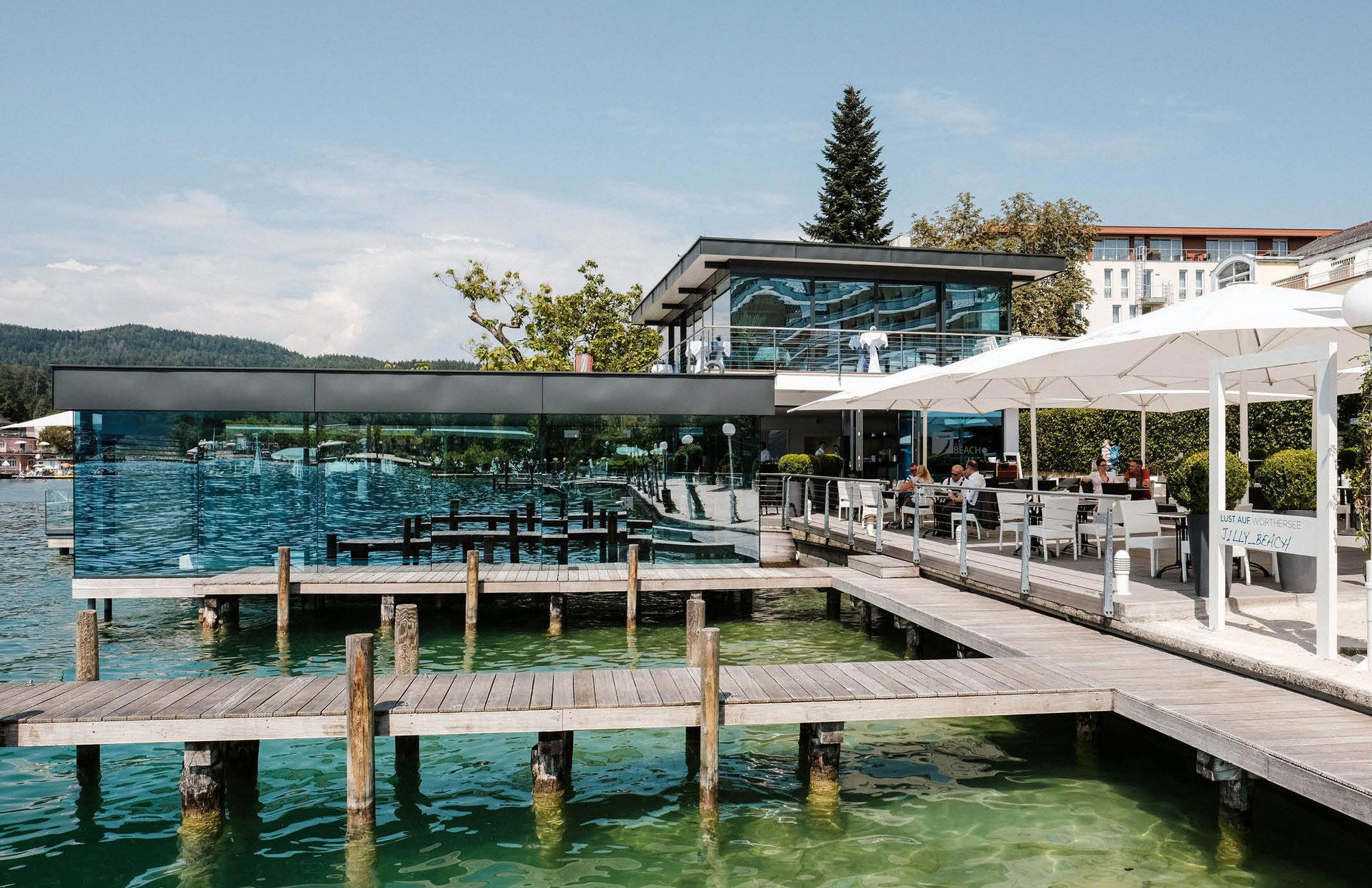
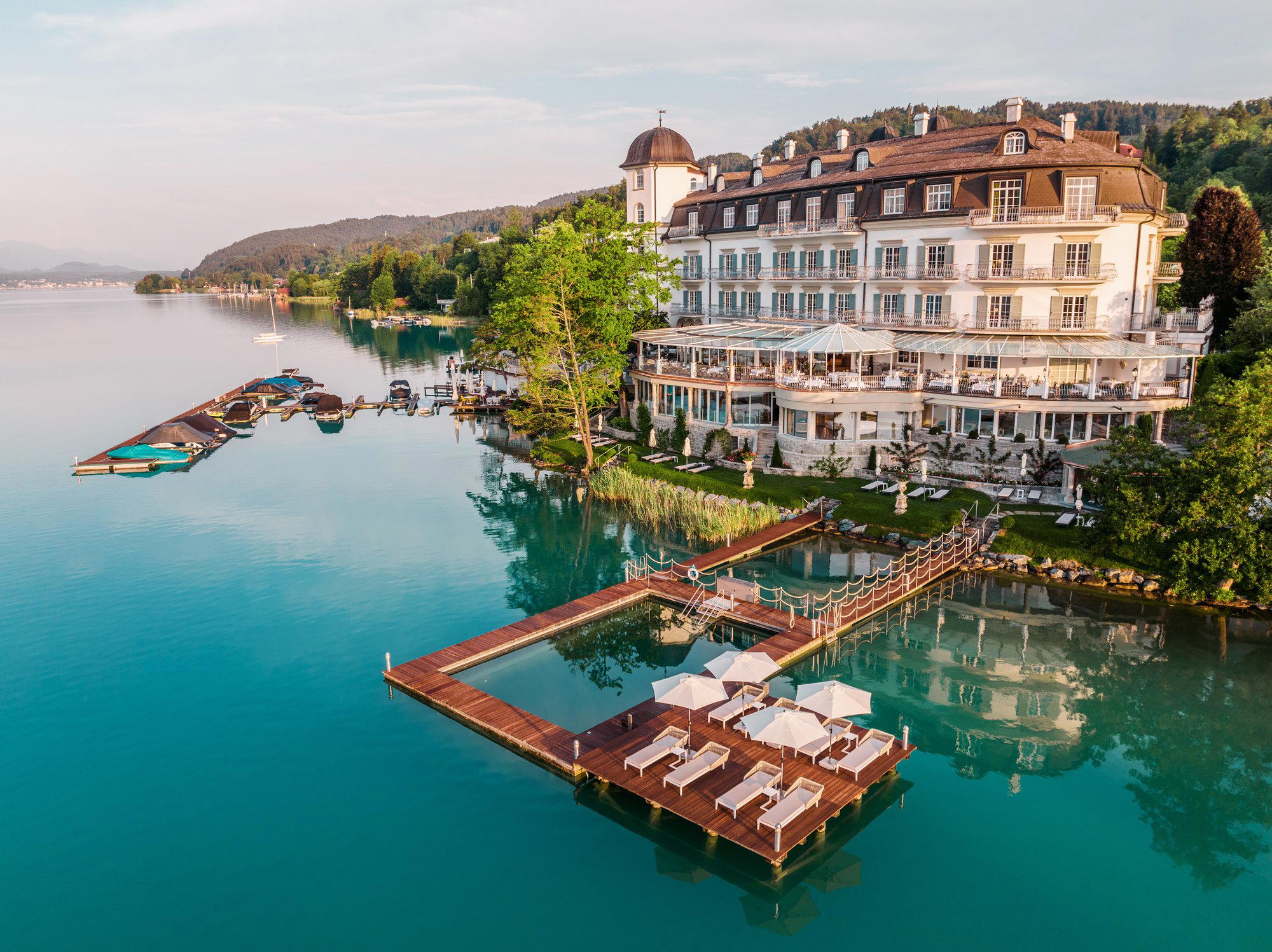
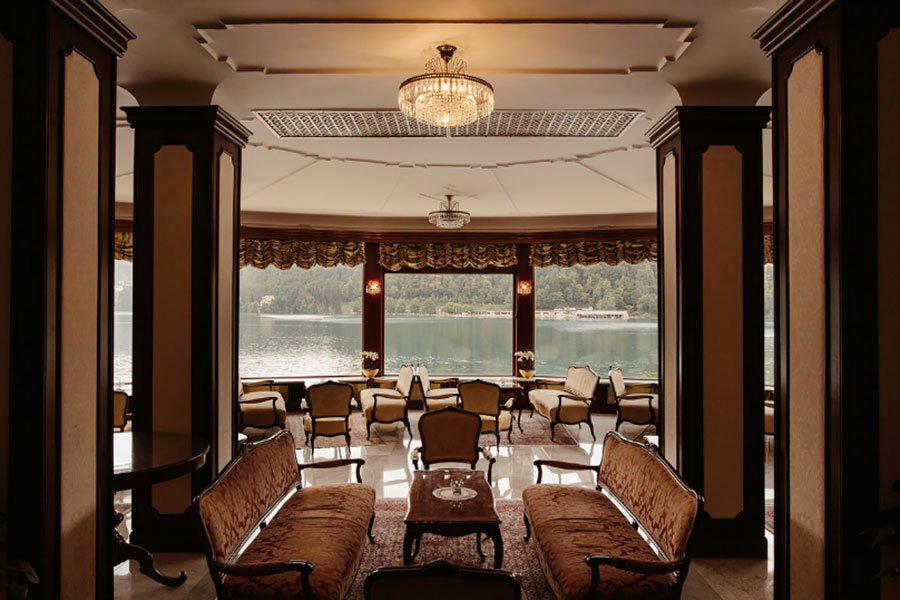
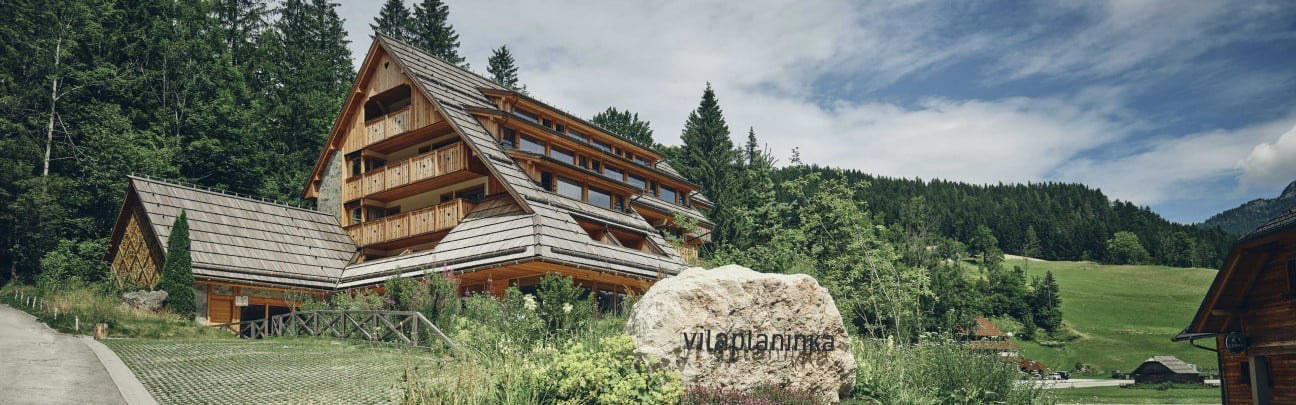
Bright, warm, homely dining pavilion with traditional Slovenian elegance and scenic valley views.