Gostilna Šempeter
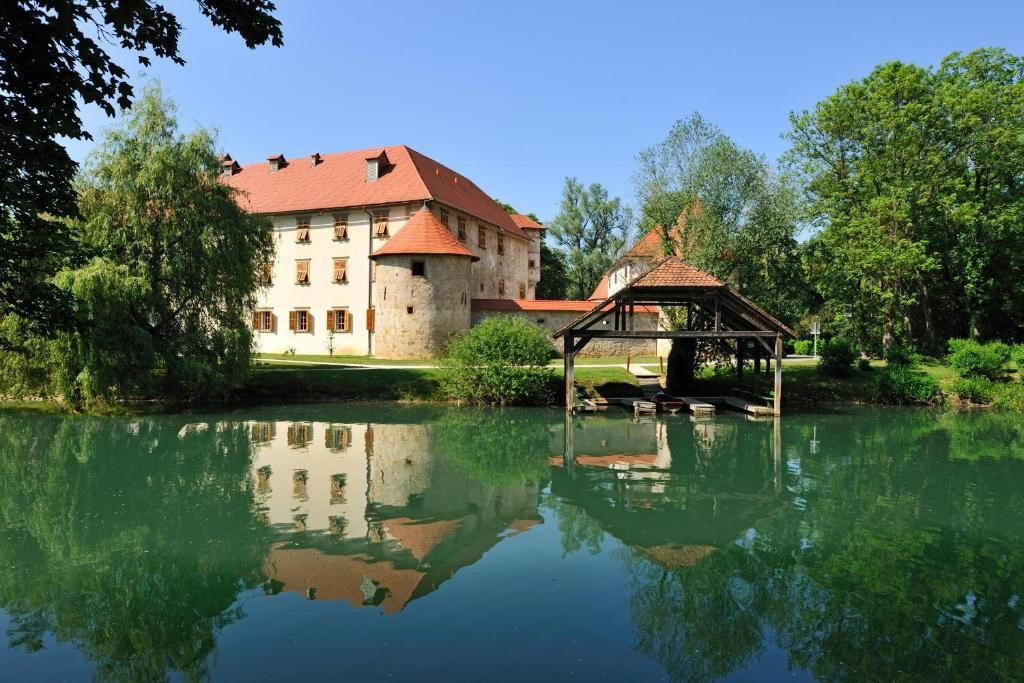
Gostilna Šempeter sits in the Bistrica ob Sotli valley, a corner of eastern Slovenia where the Kozjansko region's agricultural traditions shape what ends up on the plate. The gostilna format, Slovenia's answer to the neighbourhood tavern, anchors local eating here in a way that Ljubljana's restaurant scene rarely replicates. For travellers moving through the Kozjane hills, it functions as a grounding point in regional cooking.
Pearl is the En Primeur Club membership app — saves, bookings, and concierge access live there. Same editors, same standards.
- Address
- Bistrica ob Sotli 9, 3256 Bistrica ob Sotli, Slovenia
- Phone
- +38635804222
- Website
- sem5er.com
- Directions
- Get directions
 Saves & bookings on Pearl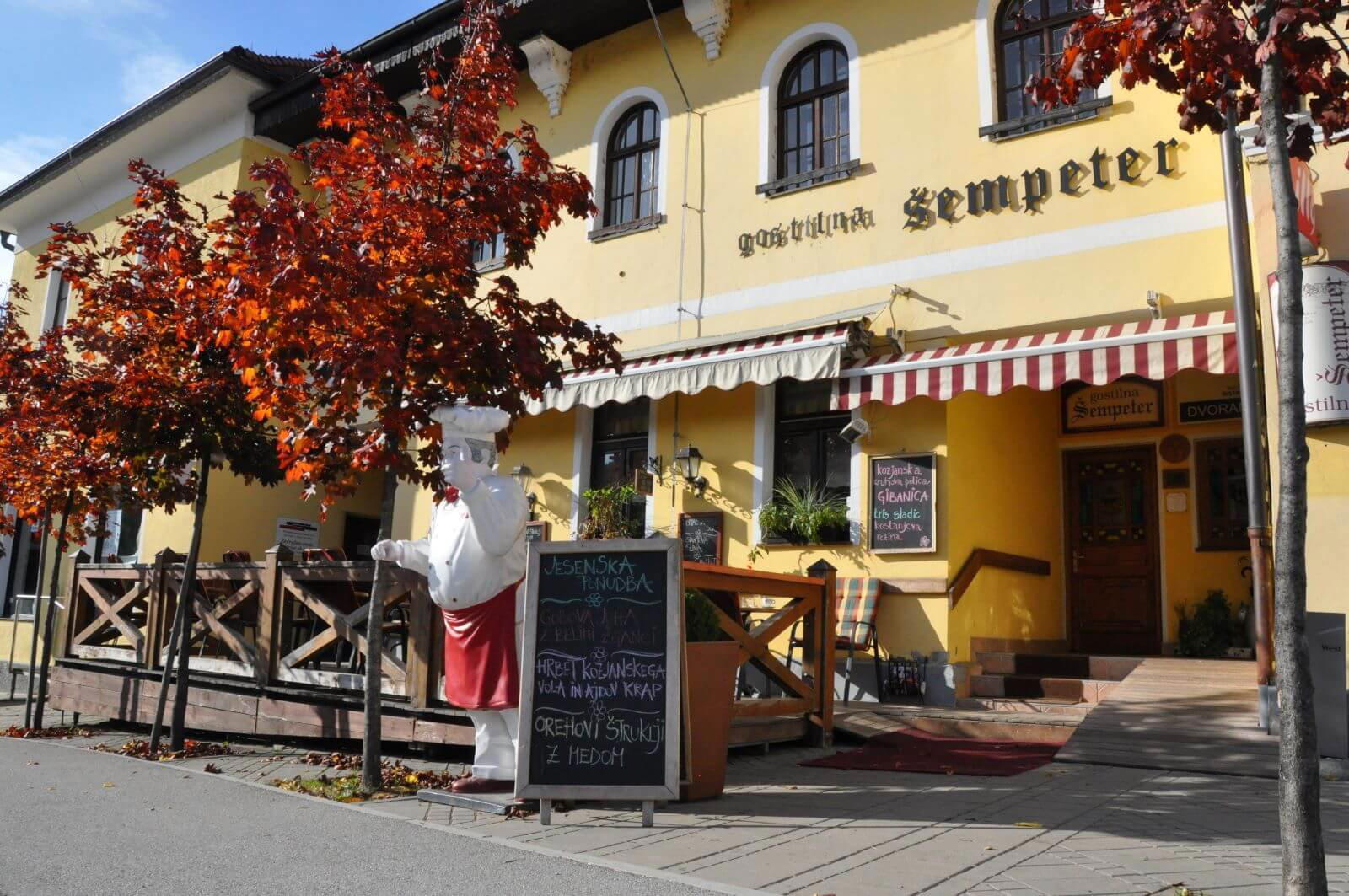
Where Eastern Slovenia's Agricultural Character Meets the Gostilna Tradition
The road into Bistrica ob Sotli follows the Sotla river, which marks the border between Slovenia and Croatia, and the landscape on both sides remains emphatically agricultural. This is Kozjansko country: apple orchards, small livestock farms, and vegetable plots that have supplied local kitchens for generations. The gostilna tradition in this part of Slovenia is inseparable from that agricultural fabric. Where Ljubljana's contemporary restaurants often frame local sourcing as a design choice, in towns like Bistrica ob Sotli it is simply how things have always worked. Gostilna Šempeter, situated at the address Bistrica ob Sotli 9, operates inside that tradition.
The Gostilna as a Format, and What It Tells You About the Food
Across Slovenia, the gostilna occupies a specific cultural position that sits somewhere between a family tavern, a community hall, and a restaurant. It is not a bistro in the French sense, nor a trattoria in the Italian sense, though it shares DNA with both. The format implies a certain contract with the local area: the kitchen draws from nearby farms and seasonal availability, the menu changes according to what is ready rather than what is fashionable, and the room serves multiple functions, weekday lunches for local workers, weekend meals for families, and occasional celebrations. In Kozjansko, this format has remained relatively intact compared to urban centres where gostilnas have either upgraded into fine dining territory or been absorbed into tourist-facing formats.
The sourcing logic matters here more than in many other regional formats. Kozjansko is designated a UNESCO Biosphere Reserve, a status that reflects the area's emphasis on sustainable land use and traditional agricultural practices. That designation has a practical effect on local food supply: producers in the region tend to operate at small scale, use lower-input farming methods, and supply outlets within a short geographic radius. For a gostilna in Bistrica ob Sotli, this means that the ingredient chain is short by default, not by marketing strategy. Compare this with how sourcing is framed at destination restaurants elsewhere in Slovenia: at Hiša Franko in Kobarid, the Soča Valley's foraging and farming culture underpins an internationally recognised tasting menu format. At Grič in Šentjošt nad Horjulom, the farm-to-table signal is explicit in how the venue positions itself. In a gostilna like Šempeter, the same sourcing logic operates without the editorial apparatus.
Kozjansko Produce and What It Means on the Plate
The Kozjansko region is particularly associated with old orchard varieties, including heritage apple cultivars that have been maintained by local producers over decades. These apples appear in regional cooking in both savoury and sweet applications, and local cider and apple-based spirits occupy a similar role here to wine in Slovenia's western wine regions. Pork, poultry, and freshwater fish from the Sotla and nearby streams form the backbone of traditional Kozjansko menus. Bean dishes, fermented cabbage preparations, and buckwheat, the grain that recurs across Slovenian alpine and sub-alpine cooking, also appear in the region's kitchens.
This places Bistrica ob Sotli's dining character in a different register from Slovenia's coastal or wine-country restaurants. At Gostišče Neptun in Piran, Adriatic seafood sets the agenda. At Turistična Kmetija Breg in Brda, the Goriška Brda wine region shapes both the food and the visitor's frame of reference. In Kozjansko, the culinary reference points are inland, seasonal, and rooted in land rather than sea or vine. For travellers who have spent time at Milka in Kranjska Gora or Hiša Linhart in Radovljica, the shift from alpine-adjacent cuisine to the flatter, orchard-dominated Kozjansko register is noticeable. It is a less dramatic food geography, but an equally specific one.
How Šempeter Sits Within Slovenia's Gostilna Tier
Slovenia's restaurant spectrum runs from internationally recognised fine dining operations, such as Restavracija Strelec in Ljubljana or Hiša Denk in Zgornja Kungota, through mid-tier regional restaurants like Dam in Nova Gorica and Pavus in Lasko, down to neighbourhood gostilnas that serve the towns they are physically embedded in. Gostilna Šempeter belongs to the last category, and that placement is not a limitation so much as a description of purpose. The venues that attract international attention, Gostilna Pri Lojzetu in Vipava is a clear example of a gostilna that has crossed into destination-restaurant territory, have typically added tasting menu formats, wine programs with national reach, and booking windows measured in weeks. A neighbourhood gostilna in Bistrica ob Sotli operates on a different logic, serving a local function that does not require or seek that kind of recognition. For similar registers in other Slovenian towns, Gostilna Mlinar in Idrija, Gostilna Oštirka in Celje, and Gostilna Pr'Bizjak in Preddvor offer useful comparison points. Gostišče Karavla 297 in Trzic shows how the format adapts in a different alpine-adjacent setting.
Planning a Visit
Bistrica ob Sotli is not a destination with significant tourist infrastructure, which means visiting Gostilna Šempeter requires planning your wider itinerary around the region rather than around the restaurant alone. The town sits close to the Croatian border in eastern Slovenia's Kozjansko area, accessible by road from Celje, which is the nearest city of meaningful size. The Kozjansko Regional Park, which encompasses the broader area, gives the visit a wider purpose: the park's landscape, castle ruins, and orchard heritage make the region worth a day or more of exploration regardless of a single meal stop.
Quick Comparison
Comparable venues nearby, for context on price, style, and recognition.
| Venue | Cuisine | Price | Notes |
|---|---|---|---|
| Gostilna ŠempeterThis venue — the venue you are viewing | Slovenian Kozjansko | $$$ | Not listed |
| Oštarija Herbelier | Traditional Slovenian with Modern Culinary Technique | $$$ | Dolenjske Toplice |
| VINO GAUBE | Slovenian Local Tasting Menus | $$$ | Zgornja Kungota |
| RG Bistro | Traditional Slovenian Bistro with Sparkling Wine Focus | $$$ | Gornja Radgona |
| Gostilna Rozika | Traditional Slovenian | $$ | Ptuj center |
| Turistična kmetija Puhan | Traditional Prekmurje Slovenian | $$ | Bogojina |
Continue exploring
More in Bistrica Ob Sotli
Restaurants in Bistrica Ob Sotli
Browse all →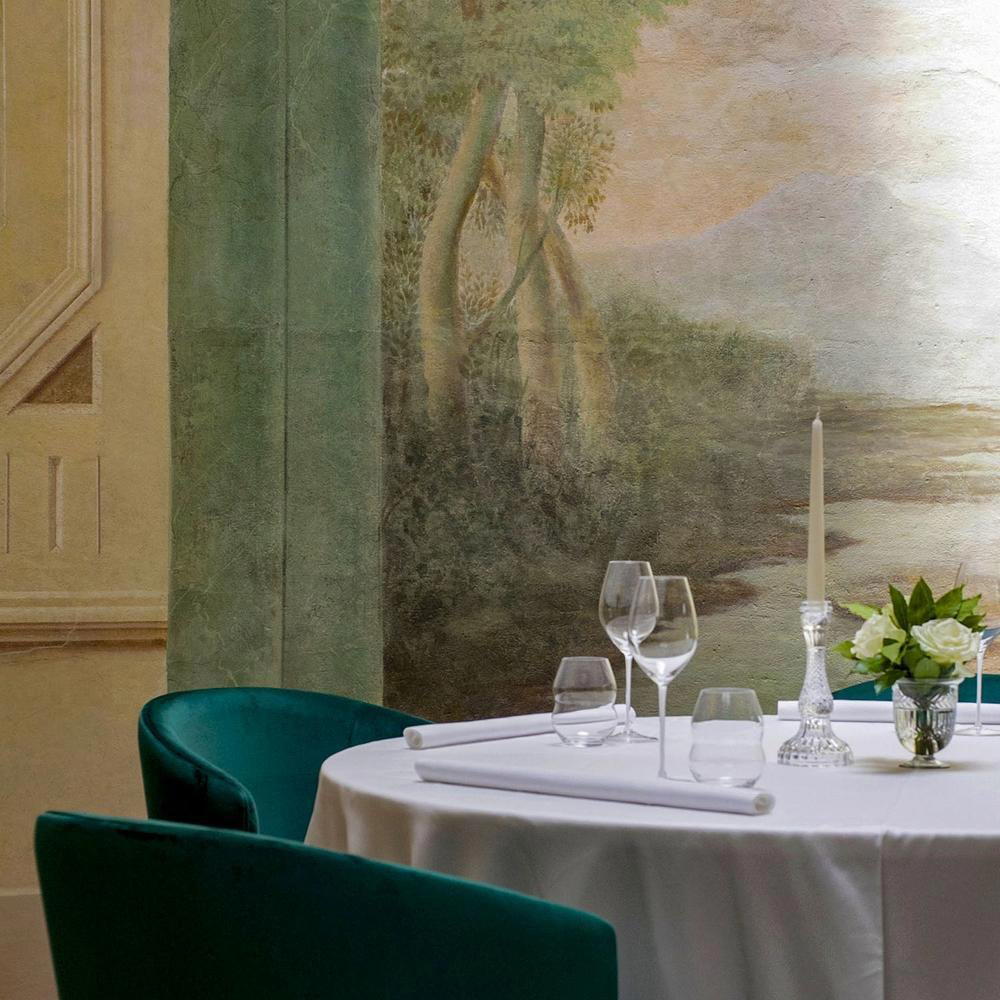
Bars in Bistrica Ob Sotli
Browse all →
Hotels in Bistrica Ob Sotli
Browse all →
At a Glance
- Rustic
- Cozy
- Special Occasion
- Standalone
- Local Sourcing
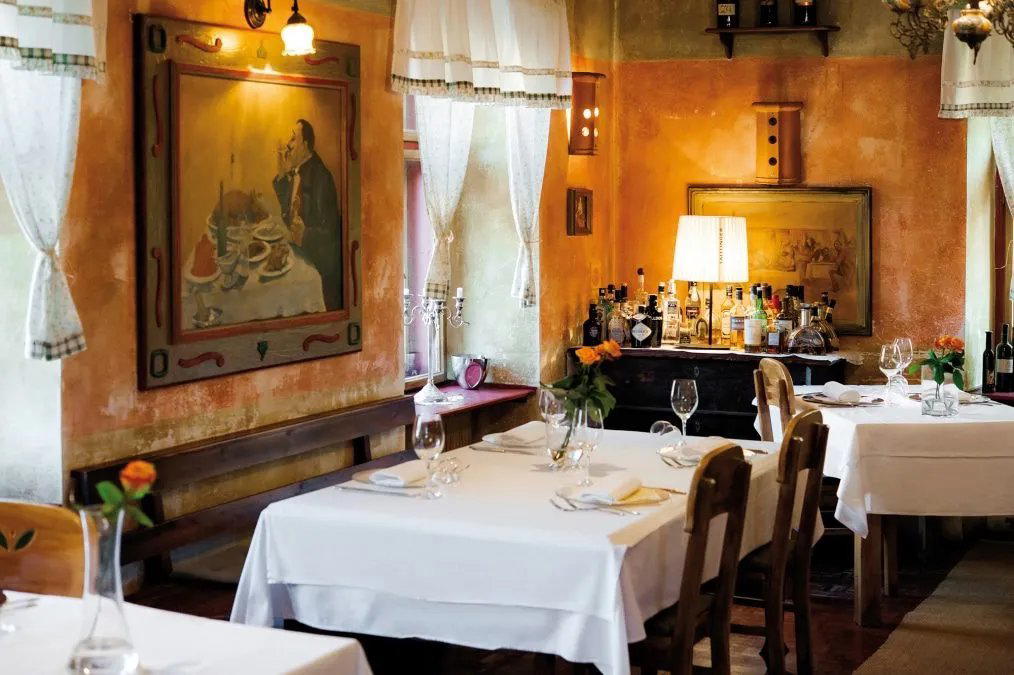
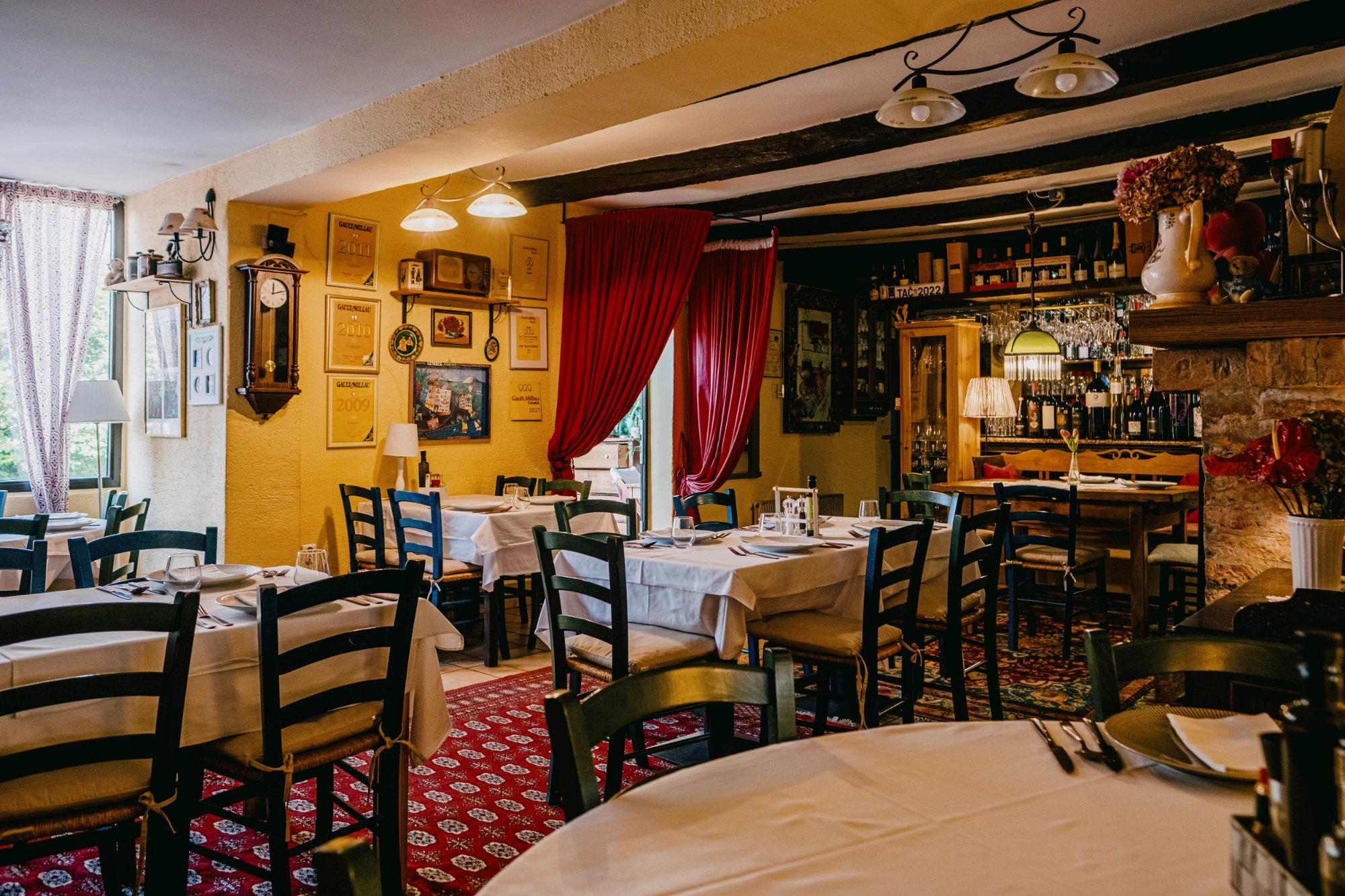
Warm and welcoming inn atmosphere focused on traditional Slovenian hospitality.