Oštarija Herbelier
In the thermal spa town of Dolenjske Toplice, Oštarija Herbelier operates at the intersection of Lower Carniolan foraging culture and the slow-food traditions that define southeastern Slovenia's gostilna circuit. The name itself signals intent: herbelier, the botanical archivist, points toward a kitchen anchored in wild and cultivated plant material drawn from the Krka River valley. It is a smaller, quieter entry point into Slovenia's increasingly serious regional dining conversation.
Pearl is the En Primeur Club membership app — saves, bookings, and concierge access live there. Same editors, same standards.
- Address
- Sokolski trg 2, 8350 Dolenjske Toplice, Slovenia
- Phone
- +38651262990
- Website
- ostarija-herbelier.com
- Directions
- Get directions
 Saves & bookings on Pearl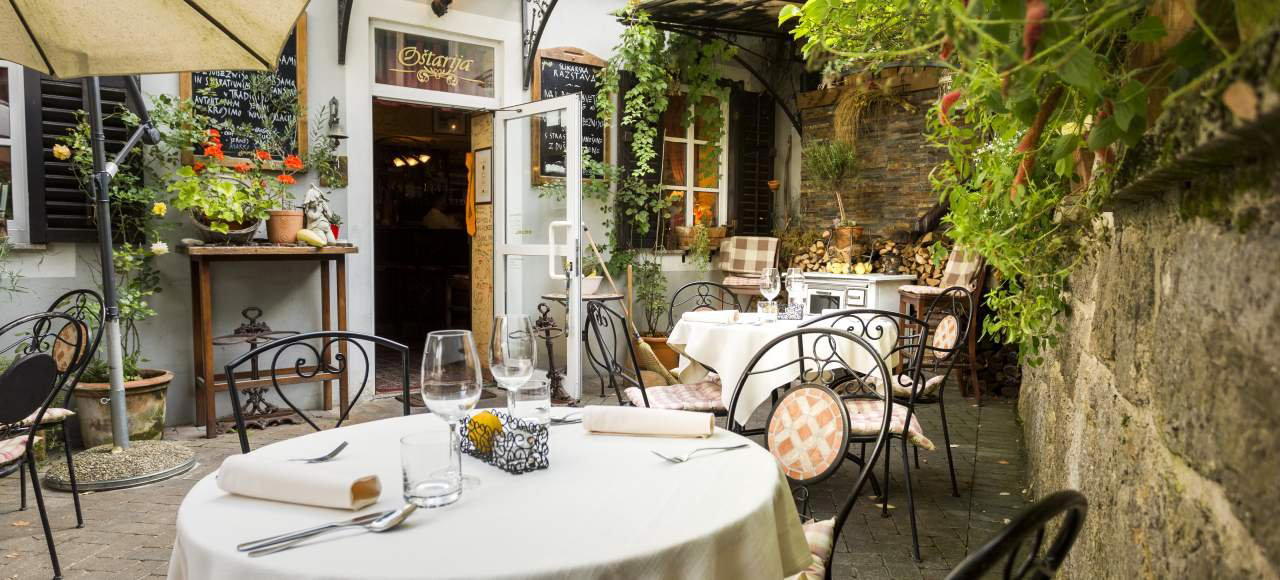
Where the Krka Valley Sets the Menu
Dolenjske Toplice sits in the Lower Carniola region of southeastern Slovenia, a part of the country that receives far less international dining attention than the Soča valley or Ljubljana's old town. The thermal town is known primarily for its spa infrastructure, but the surrounding Krka River valley carries the kind of agricultural and foraging density that has historically sustained serious gostilna cooking: oak and beech woodland, river meadows producing wild herbs, small family farms cultivating older vegetable varieties, and a winemaking tradition centred on the Dolenjska sub-region's indigenous Žametovka grape. Oštarija Herbelier, at Sokolski trg 2, occupies this context deliberately. The name references the herbelier, the botanical collector, and frames the kitchen's sourcing logic before you reach the door.
The broader pattern here is worth understanding. Oštarija Herbelier is a restaurant in Dolenjske Toplice, Slovenia, serving traditional Slovenian cuisine with modern technique; it is recommended for reservations and the average price is about $45 per person. Slovenia's most-discussed restaurants, among them Hiša Franko in Kobarid and Milka in Kranjska Gora, have built international reputations on precisely this premise: that Slovenian geography, with its compressed range of climatic zones from Alpine to sub-Mediterranean to Pannonian, produces ingredients of unusual specificity that reward a kitchen prepared to work with them rather than around them. Lower Carniola's contribution to this argument is the woodland floor, the river basin herbs, and the karst-adjacent terrain that gives foraged produce a mineral edge distinct from what you find further north or west.
The Sourcing Logic Behind Herbelier Cooking
The herbelier concept, as a culinary framework, positions the kitchen as a seasonal processor of whatever the surrounding land offers. In practical terms for this region, that means spring elder flowers and wild garlic from the valley's edge, summer meadow herbs, autumn mushrooms from the oak forests above Dolenjske Toplice, and winter roots and preserved goods. This is not a novel approach in Slovenia, the farm-to-table positioning of venues like Grič in Šentjošt nad Horjulom or the intensely local sourcing at Gostilna Pri Lojzetu in Vipava operate on similar logic, but the specific botanic emphasis here gives Herbelier a distinct identity within that tradition.
What matters about ingredient-led cooking in this region is that it shifts the competitive frame away from technique and toward terrain. A kitchen in Dolenjske Toplice is not competing with Dam in Nova Gorica on Mediterranean produce access, nor with Restavracija Strelec in Ljubljana on urban culinary infrastructure. It is competing on intimacy and specificity, on whether the plate in front of you could have been made anywhere else. In Lower Carniola's case, the answer is genuinely no: the combination of Dolenjska wine traditions, Krka valley foraging, and the spa-town dining culture that values unhurried meals creates a context that resists easy replication.
For comparison, the distance between Herbelier's regional positioning and the global fine-dining frame is considerable. Venues like Le Bernardin in New York City or Atomix in New York City operate at the apex of ingredient sourcing as a publicly documented, award-validated practice. Herbelier sits at a different register entirely: the gostilna scale, where sourcing philosophy is expressed through daily specials and direct supplier relationships rather than tasting menu narratives. This is not a deficit. It is a different kind of credibility.
Dolenjske Toplice as a Dining Destination
The thermal town format has historically produced a particular kind of restaurant: one serving hotel guests and day-trippers with reliable, conservative menus oriented around comfort rather than curiosity. What has changed in Slovenia over the past decade is that smaller regional venues have progressively repositioned against this model, drawing on the same New Slovenian Cuisine movement that refined Hiša Linhart in Radovljica and Hiša Denk in Zgornja Kungota into serious regional dining references. Herbelier's botanical naming signals alignment with that repositioning rather than with the traditional spa-town restaurant format.
The square address, Sokolski trg 2, places the venue in the modest civic centre of a small town whose population sits well below 5,000. Arriving here requires intention: Dolenjske Toplice is not a place visitors pass through on the way to somewhere else. The nearest significant city is Novo Mesto, roughly 15 kilometres to the northeast, which itself is not a primary international tourism destination. That geographical remove from the main Slovenian tourist circuit is part of what defines the dining culture. Guests who reach a table here have generally committed to the region, which tends to produce a different kind of meal than one eaten as part of a packed itinerary. For those building a wider Slovenian dining route, it sits logically alongside stops at Pavus in Laško and Gostilna Mlinar in Idrija, both of which occupy similarly specific regional contexts.
Planning Your Visit
Booking is recommended, and the restaurant’s regular hours are Tuesday through Thursday from 5 to 9 PM, Friday and Saturday from 12 to 9 PM, with Monday and Sunday closed. The address is Sokolski trg 2, 8350 Dolenjske Toplice, Slovenia, and advance booking is sensible. The town's accommodation is anchored in its thermal spa complex, and the combination of a spa stay with dinner at a venue operating on Herbelier's botanical sourcing model represents one coherent way to engage with what the area offers. Those arriving specifically to eat, rather than to take the waters, should plan around a longer stay in the Krka valley rather than treating Dolenjske Toplice as a single-stop excursion.
For those mapping a wider southeastern Slovenia dining circuit, the venues in Celje (Gostilna Oštirka), Preddvor (Gostilna Pr'Bizjak), and Trzic (Gostišče Karavla 297) provide useful calibration points across different regional gostilna traditions. The coastal register is represented separately by Gostišče Neptun in Piran and the viticultural Brda context by Turistična Kmetija Breg, both of which illustrate how differently Slovenia's micro-regions express themselves through their tables.
How It Stacks Up
Comparable venues nearby, for context on price, style, and recognition.
| Venue | Cuisine | Price | Notes |
|---|---|---|---|
| Oštarija HerbelierThis venue — the venue you are viewing | Traditional Slovenian with Modern Culinary Technique | $$$ | Not listed |
| RG Bistro | Traditional Slovenian Bistro with Sparkling Wine Focus | $$$ | Gornja Radgona |
| Gostilna Šempeter | Slovenian Kozjansko | $$$ | Bistrica ob Sotli |
| Gostilna Mihovec | Contemporary Slovenian | $$ | Zgornje Pirniče |
| Gostilna Pri Stričku | Traditional Slovenian | $$ | Ljubljana |
| Gostilna Repolusk | Modern Slovenian | $$ | Mislinja |
Continue exploring
More in Dolenjske Toplice
Restaurants in Dolenjske Toplice
Browse all →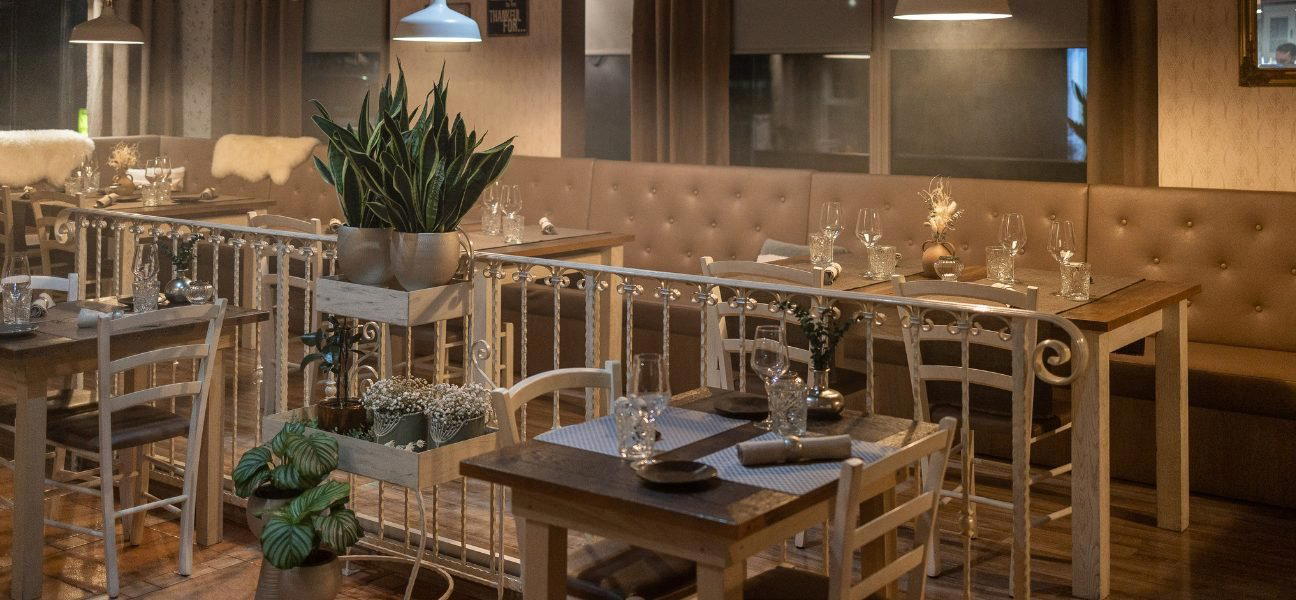
Hotels in Dolenjske Toplice
Browse all →
Wineries in Dolenjske Toplice
Browse all →
At a Glance
- Cozy
- Rustic
- Romantic
- Classic
- Date Night
- Special Occasion
- Celebration
- Family
- Hotel Restaurant
- Terrace
- Private Dining
- Beer Program
- Farm To Table
- Local Sourcing
Current opening hours
- Monday
- Closed
- Tuesday
- 5–9 PM
- Wednesday
- 5–9 PM
- Thursday
- 5–9 PM
- Friday
- 12–9 PM
- Saturday
- 12–9 PM
- Sunday
- Closed
Hours can change for holidays and private events. Last verified .
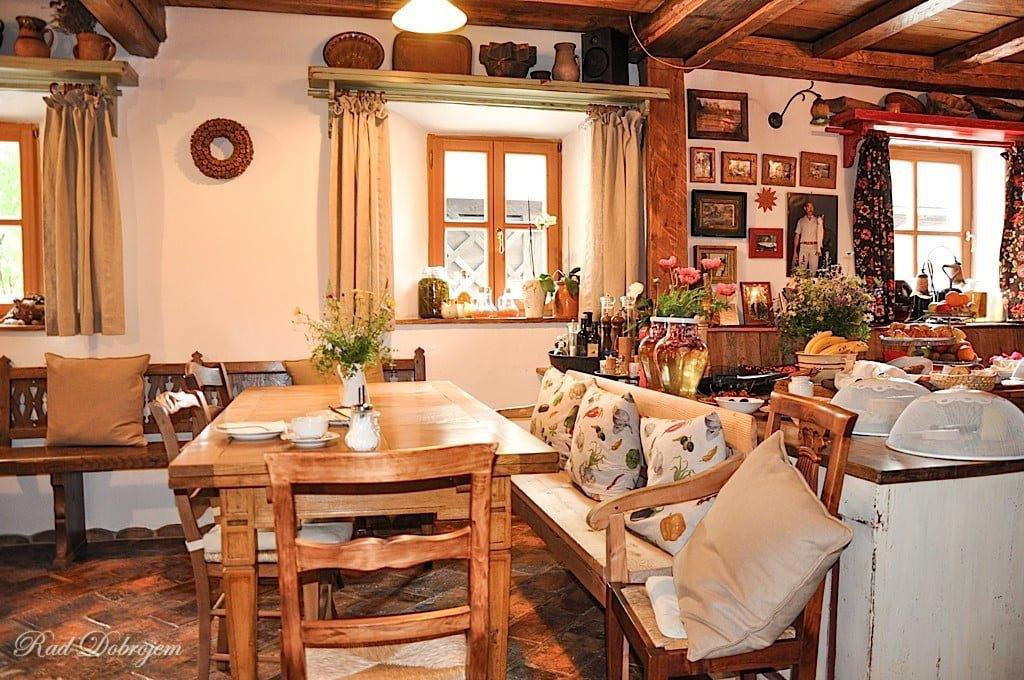
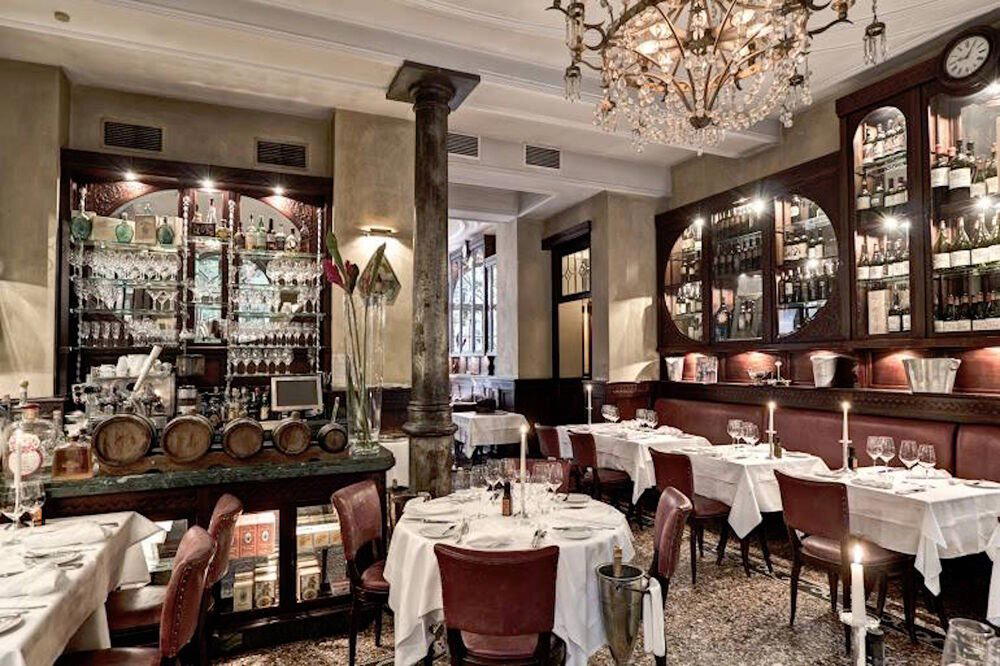
Warmly decorated in old traditional style with authentic charm; guests describe it as cozy, pleasant, and intimate with lovely ambiance.