
A wine-focused address in the Štajerska hills above Maribor, Vino Gaube sits within Kungota's compact cluster of destination dining rooms where local producers and kitchen ambition reinforce each other. The setting is the rolling vineyard country that produces some of Slovenia's most serious Riesling and Sauvignon Blanc, and the experience is calibrated to that agricultural rhythm rather than urban restaurant convention.
Pearl is the En Primeur Club membership app — saves, bookings, and concierge access live there. Same editors, same standards.
- Address
- Špičnik 17, 2201 Zgornja Kungota, Slovenia
- Phone
- +38641747151
- Website
- vino-gaube.si
- Directions
- Get directions
 Saves & bookings on Pearl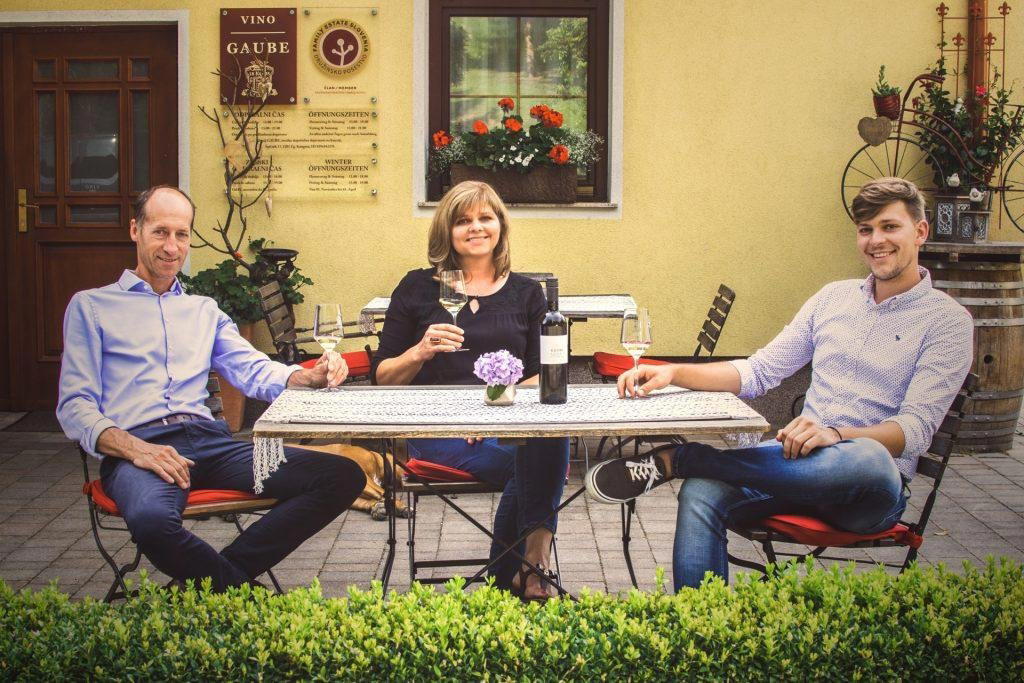
Where the Vineyard Sets the Pace
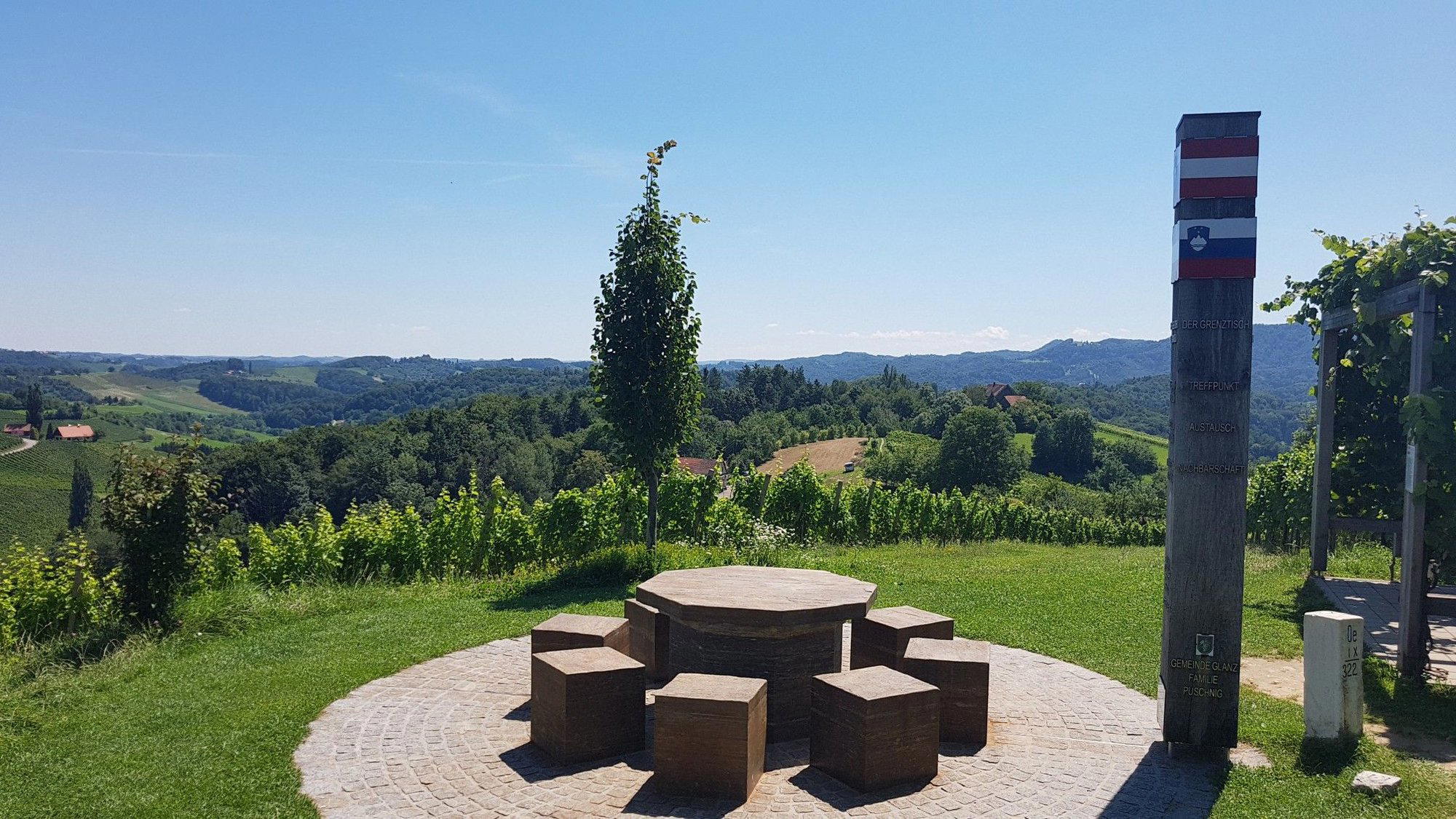
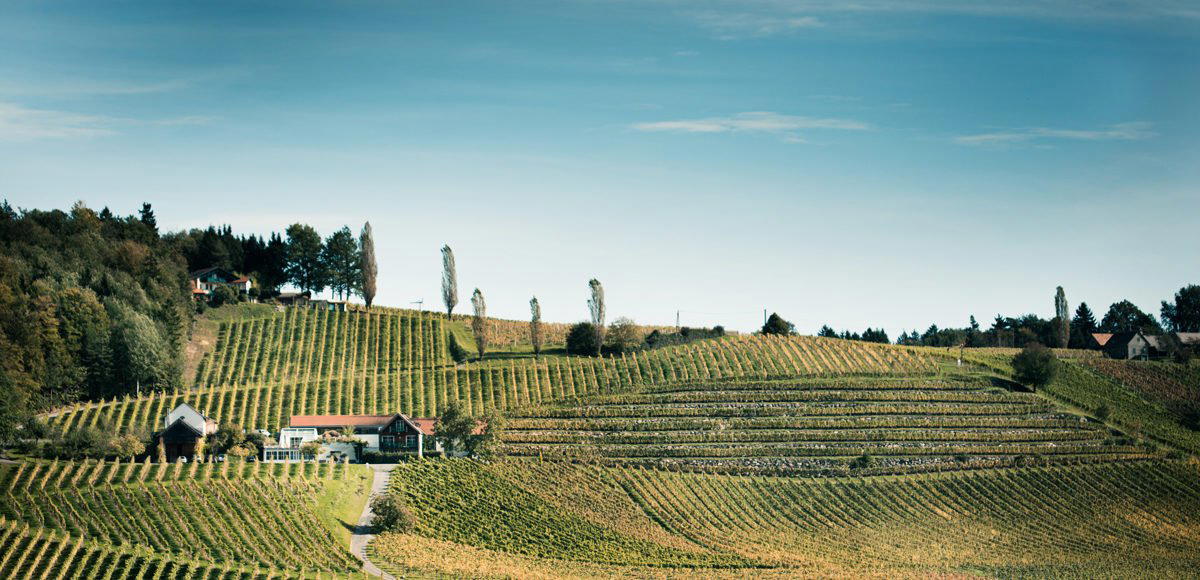
The road up to Špičnik 17 is the kind of approach that reframes your expectations before you arrive. Kungota sits in the Slovenske gorice hills northeast of Maribor, a sub-region where vine rows run in tight columns down south-facing slopes and the architecture tends toward working farmsteads rather than polished destination resorts. The physical environment here is not decorative countryside, it is the actual agricultural source of what ends up on the table and in the glass, and the meal is organized around that relationship in ways that urban restaurants rarely achieve.
This matters because the dining ritual in a place like Kungota operates on a different clock than city dining. There is no ambient pressure from adjacent tables turning, no sense that the evening must compress itself into two hours. The rhythm follows the hills: unhurried, sequential, attuned to what the season has produced. That unhurried quality is not accidental, it is the default format of the Styrian wine-country table, where the glass and the plate are understood to be in conversation rather than competition.
Kungota's Dining Moment
Slovenia's restaurant recognition has accelerated sharply since the mid-2010s, with Michelin arriving in 2020 and quickly distributing stars across a country that many European food travelers had overlooked. Kungota has benefited from that recognition disproportionately given its size. Hiša Denk holds a Michelin star and anchors the area's reputation for serious cooking, while Bistro Marco, Opok27, and Vino & turizem Valdhuber each represent distinct entry points into the same hill-country tradition. Vino Gaube fits into this cluster as a wine-led address, where the cellar shapes the conversation as much as the kitchen does.
That positioning places it alongside a broader Slovenian pattern. Across the country, compelling dining experiences tend to emerge from producers who treat the table as an extension of their agricultural practice rather than a separate commercial operation. Hiša Franko in Kobarid and Gostilna Pri Lojzetu in Vipava operate in this mode in their respective regions. In Kungota, the same logic applies: the wine is not supplementary to the meal, it is the organizing principle around which the meal is arranged.
The Ritual of the Wine-Country Table
Styrian wine hospitality carries specific customs that distinguish it from restaurant dining in the conventional sense. The sequence tends to move from lighter, higher-acid whites toward more structured expressions, with food arriving to support that progression rather than lead it. In a region producing Riesling, Sauvignon Blanc, and Welschriesling at serious quality levels, the glass functions as a navigation tool for the meal. Guests who arrive expecting to choose wine as an afterthought to food will find the logic here runs in the opposite direction.
This format rewards patience and a certain willingness to surrender the standard restaurant decision tree. You do not necessarily dictate the pace at a wine-country address in the Styrian hills. The meal unfolds according to what has been harvested, what has been opened, and what the host judges to be the appropriate moment for each. For travelers accustomed to Ljubljana's more conventionally structured restaurant experiences, or to the internationally calibrated format of Restavracija Strelec, the shift in register is notable.
The broader Slovenian dining tradition also places considerable emphasis on the communal dimension of the meal. Sharing plates, unhurried pacing between courses, and extended conversation are not affectations here, they are the baseline expectation. This is a pattern visible across the country's better rural addresses, from Hiša Linhart in Radovljica to Gostilna Mlinar in Idrija, and Vino Gaube operates within that same cultural framework.
The Styrian Wine Context
Štajerska (Slovenian Styria) is one of three major wine-producing regions in Slovenia and shares the broader Styrian wine corridor with Austrian Südsteiermark across the border. The shared topography, steep slopes, significant diurnal temperature variation, marl and clay soils, produces wines of pronounced aromatic intensity and structural tension. Sauvignon Blanc from this corridor has an international reference point that places it alongside the leading cool-climate expressions of the variety. Riesling and Welschriesling perform similarly, retaining acidity that makes them natural companions to the region's food.
For visitors who have tracked the Slovenian wine story through exports or urban wine bars, arriving at a producer address in Kungota closes a gap. The wines taste different in context, poured where they were made, alongside food that reflects the same agricultural calendar. That contextual shift is something that technically accomplished restaurant wine programs, even at the level of Le Bernardin in New York City or Atomix, cannot replicate.
Planning Your Visit
Kungota is accessible from Maribor, Slovenia's second city, in under thirty minutes by road. The village itself is small, and the cluster of dining addresses along the Špičnik ridge means that a day trip can reasonably include more than one stop. Given the wine-country format, an afternoon arrival rather than an evening slot suits the rhythm of a place like Vino Gaube better than a compressed dinner reservation would. Direct contact in advance is advisable for any address in this area, as capacity in rural Styrian wine houses is typically limited and hours are not always aligned with urban restaurant convention.
Travelers building a longer Slovenian itinerary can position Kungota as the northeastern anchor of a circuit that moves through Dam in Nova Gorica, Milka in Kranjska Gora, or Pavus in Lasko depending on the route. Each represents a different facet of Slovenian dining geography, and Kungota's wine-country register is distinct enough from any of them to justify the detour on its own terms. Alternatively, Grič in Šentjošt nad Horjulom and Gostišče Karavla 297 in Trzic offer comparable rural ambition in different corners of the country, for those mapping the wider pattern. And within Kungota itself, Hiša Denk in Zgornja Kungota remains the area's benchmark for kitchen ambition, worth pairing with a wine-focused stop for a complete picture of what the sub-region offers.
What It’s Closest To
Comparable venues nearby, for context on price, style, and recognition.
| Venue | Cuisine | Price | Notes |
|---|---|---|---|
| VINO GAUBEThis venue — the venue you are viewing | Slovenian Local Tasting Menus | $$$ | Not listed |
| Bistro Marco | Modern Bistro | $$ | Zgornja Kungota |
| Opok27 | Modern Styrian Seasonal | $$$ | Zgornja Kungota |
| Vino & turizem Valdhuber | Traditional Slovenian with Modern Touch | $$ | Zgornja Kungota |
| Hiša Denk | Modern Styrian Fine Dining | $$$$ | Zgornja Kungota |
| Gostilna PEC | Modern Slovenian | $$$ | Spodnja Selnica |
Recognition history
Dated appearances from independent guides and award organizations, with the underlying list record or original source where available.
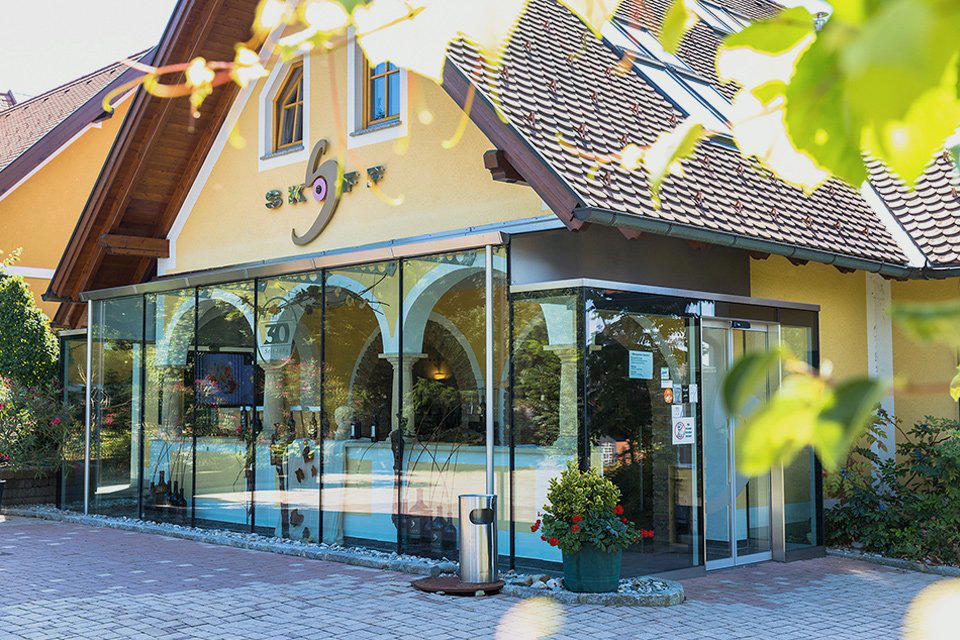
Falstaff Winery - 3 Stars
Falstaff
Continue exploring
More in Kungota
Restaurants in Kungota
Browse all →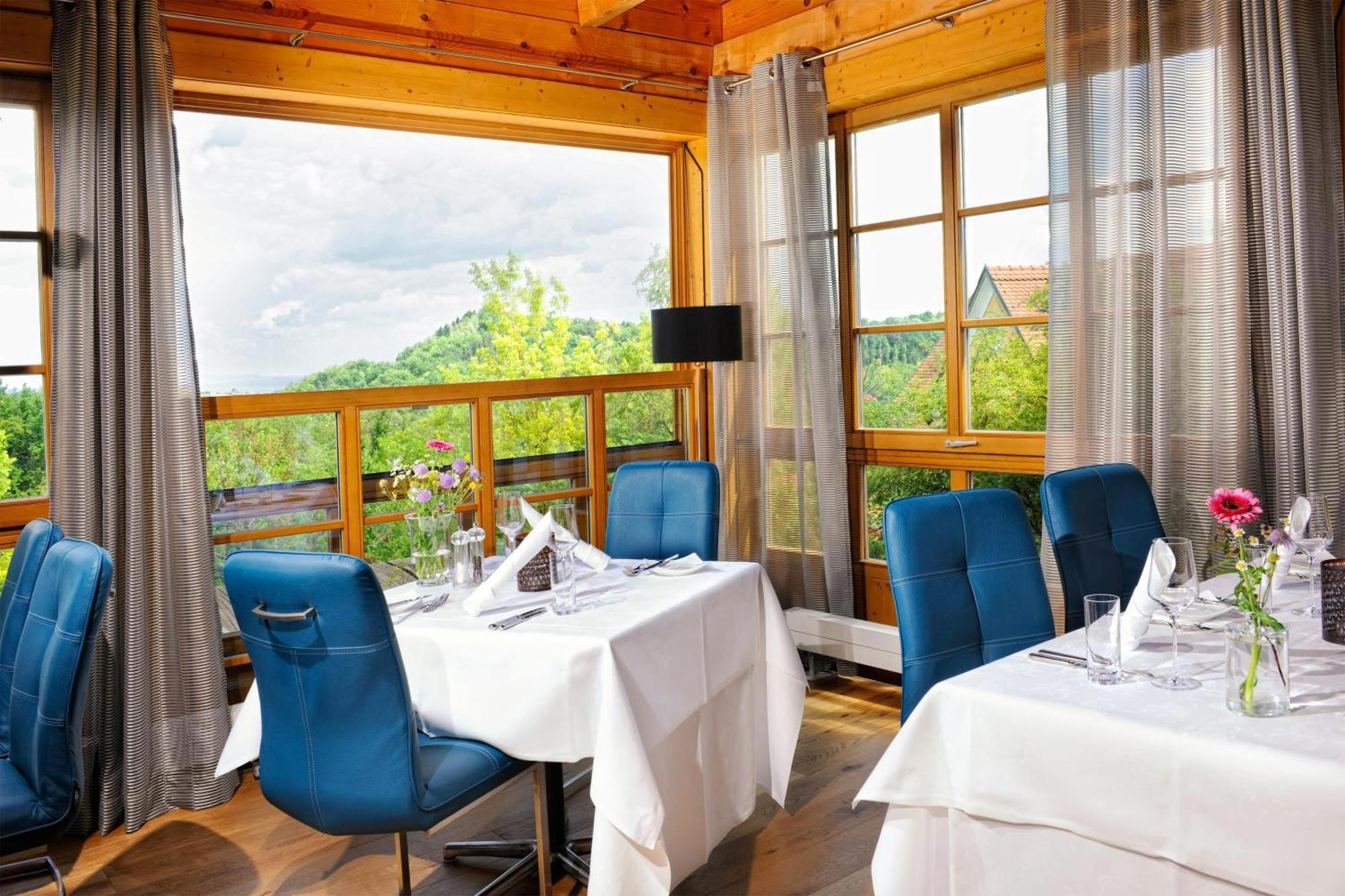
Bars in Kungota
Browse all →
Hotels in Kungota
Browse all →

At a Glance
- Cozy
- Scenic
- Intimate
- Rustic
- Special Occasion
- Date Night
- Wine Cellar
- Extensive Wine List
- Local Sourcing
- Vineyard
- Mountain
Current opening hours
- Monday
- Closed
- Tuesday
- Closed
- Wednesday
- Closed
- Thursday
- 1–6 PM
- Friday
- 1–7 PM
- Saturday
- 1–7 PM
- Sunday
- Closed
Hours can change for holidays and private events. Last verified .
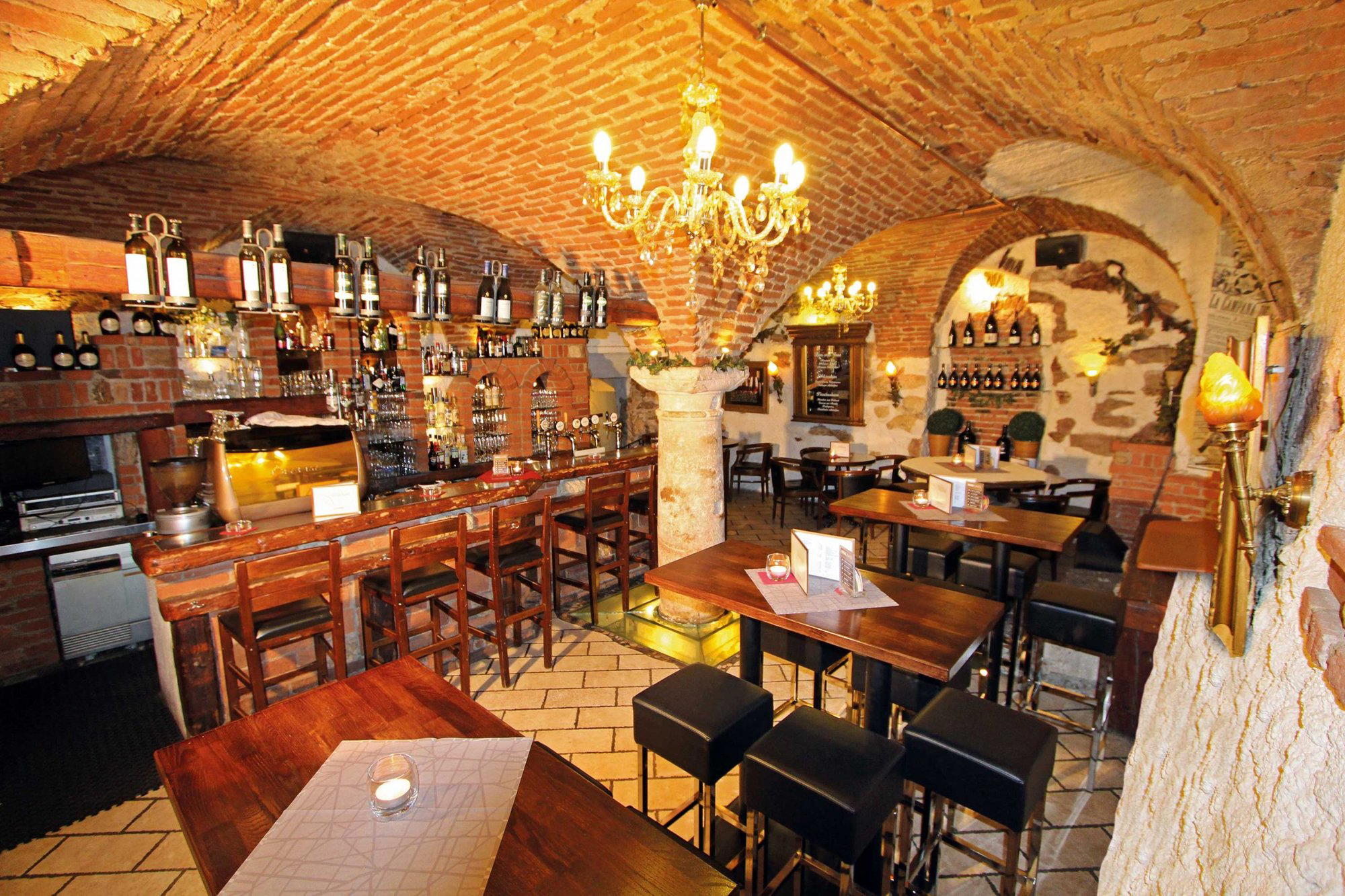
Relaxing atmosphere among awards, at high tables above the wine cellar with vineyard views.