Gostilna Kunstelj
Our verdict
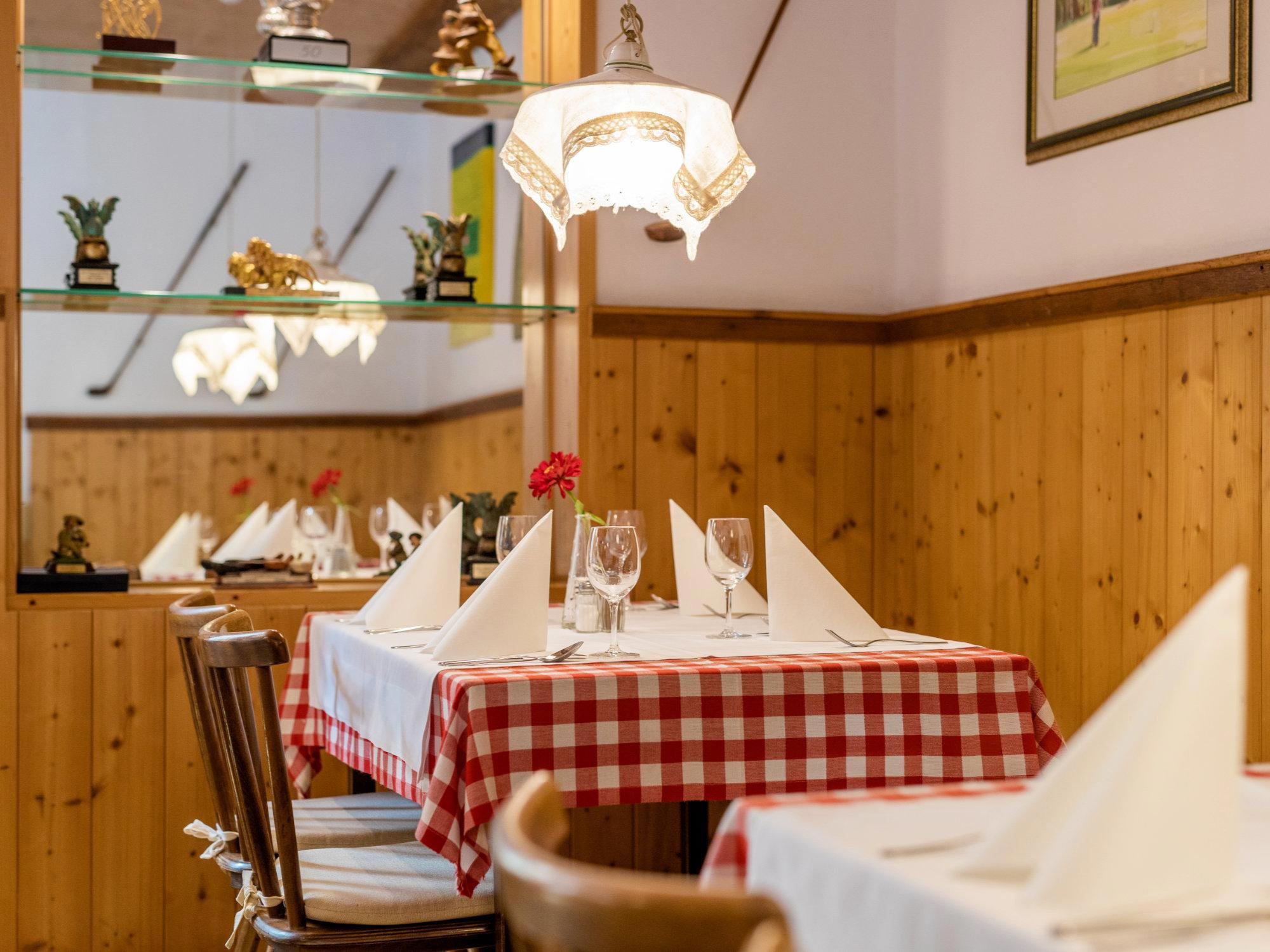
A traditional Slovenian gostilna on Gorenjska cesta in Radovljica's historic core, Gostilna Kunstelj represents the kind of unhurried, locally rooted dining that defines the Upper Carniola region. The format here follows the rhythm of a proper sit-down gostilna meal: courses arrive at their own pace, the room carries the weight of regular use, and the cooking draws from the Alpine larder that surrounds the town.

Pearl is the En Primeur Club membership app — saves, bookings, and concierge access live there. Same editors, same standards.
The menu
What to order
- Carniolan sausage in pastry
- Štruklji
- Kunstelj-style chicken
Where Gorenjska Tradition Sets the Pace
Radovljica sits on a plateau above the Sava Bohinjka, with the Karavanke range visible to the north and the Julian Alps framing the western horizon. The old town is compact and well-preserved, and Gorenjska cesta runs through a part of the settlement that has been feeding locals and travellers for generations. Gostilna Kunstelj occupies a position on that street that fits the broader pattern of Upper Carniola hospitality: a building with the weight of regular occupation, not a concept restaurant or a weekend pop-up, but a gostilna in the original sense of the word. In Slovenia, the gostilna format carries specific meaning. It is neither a fine-dining room nor a casual canteen. The expectation is a full sit-down meal, courses timed to conversation rather than kitchen efficiency, and a menu that reflects the agricultural calendar of the surrounding hills.
The Dining Ritual in Upper Carniola
Understanding how to eat at a Slovenian gostilna saves you from the kind of hurried confusion that comes with applying urban restaurant logic to a rural Alpine tradition. The meal moves in a clear sequence: something to start, often a soup or a cold plate, followed by a main course built around protein from the region — game, freshwater fish, or farmed meat — and finished with a dessert that leans toward the Germanic-influenced pastry tradition that runs through this part of Central Europe. Wine and local beer accompany at their own pace. The server is not rushing you toward a second sitting.
This rhythm is not incidental. In the Gorenjska region, the gostilna has historically served as a social anchor: the place where Sunday lunch extends into afternoon, where the table is not surrendered at two hours. Visitors who arrive expecting the tempo of a metropolitan tasting menu will find the experience clarifying. The pace is the point. Radovljica's dining scene, which includes contemporary formats like Hiša Linhart (Contemporary) on the higher end and neighbourhood staples like Baffi House Of Pizza and Gostišče Tulipan, spans a range of formats and price points. Gostilna Kunstelj belongs to the traditional tier, where the measure of quality is the faithfulness of the cooking to regional custom rather than innovation for its own sake.
The Broader Slovenian Gostilna in Context
Slovenia's dining culture has attracted increasing international attention over the past decade, much of it focused on the modern end of the spectrum. Hiša Franko in Kobarid and operations like Milka in Kranjska Gora represent the country's engagement with contemporary European fine dining, drawing guests who plan itineraries around the reservation. The gostilna tradition runs parallel to that conversation, largely unaffected by it. It is the category where Gostilna Avguštin and Gostišče Draga in Radovljica also operate, each serving the function of keeping Gorenjska cooking in circulation for residents and visitors alike.
Across Slovenia more broadly, the tension between preservation and modernisation plays out differently by region. The Vipava Valley produces restaurants like Gostilna Pri Lojzetu in Vipava that bridge traditional format with serious wine programs. The central hills generate places like Grič in Šentjošt nad Horjulom that operate in relative isolation from city dining trends. In Ljubljana, Restavracija Strelec frames Slovenian culinary heritage through a more theatrical lens. Gostilna Kunstelj's position in this geography is simply: a functioning gostilna in a small historic town, answering to local expectation rather than to a broader hospitality market.
What the Gorenjska Kitchen Draws On
The cooking tradition that defines the Upper Carniola region reflects centuries of Alpine agriculture and trade routes through the passes. Buckwheat, barley, freshwater fish from the Sava system, game from the surrounding forests, and dairy from the valley farms all appear in the regional repertoire. The sweet-savoury overlap that characterises much of Central European cooking is present here: dishes that pair fruit with meat, pastry traditions that blur the boundary between a main course accompaniment and a dessert component. This is not fusion in any modern sense; it is simply the historical outcome of a region that sat between Germanic, Italian, and Balkan culinary influences without fully belonging to any of them.
For visitors arriving from a Western European context, this cooking tradition offers a degree of genuine unfamiliarity. The reference points are closer to Austrian Landgasthof cooking or to the rural Hungarian table than to anything in the French or Italian canon that most travellers use as their default calibration. Venues like Hiša Denk in Zgornja Kungota and Pavus in Lasko interpret this heritage through a more polished format; the gostilna serves it in plainer register, without the interpretive layer.
Planning the Visit
Radovljica is accessible from Bled by a short drive or bus connection, and from Ljubljana in under an hour by car. The town's position on the plateau makes it a logical stopping point for visitors touring the Gorenjska region rather than a destination that requires dedicated travel alone. Arriving for a midday meal, when the gostilna format operates at its most natural pace, aligns better with the rhythm of the kitchen than an evening visit that competes with the later service. For anyone spending time in the area and wanting to understand the full range of what Radovljica offers, our full Radovljica restaurants guide maps the options by format and price tier.
As with most traditional gostilnas of this type, a phone call ahead of a weekend visit is advisable; walk-ins on weekdays during lunch service are generally manageable. The format is not the kind of operation that runs a waitlist system or a timed reservation slot. You arrive, you are seated, and the meal proceeds at its own pace.
For context on the wider regional and national dining picture, Gostilna Mlinar in Idrija and Gostišče Karavla 297 in Trzic represent comparable formats in neighbouring parts of the country. For those whose dining reference point is further afield, the discipline required to slow down and engage with a multi-course gostilna meal is not unlike what a long tasting menu demands at venues like Le Bernardin in New York City or Atomix in New York City, even if the format, price, and setting sit at opposite poles of the dining spectrum. Patience at the table, in any tradition, is the beginning of the meal.
Frequently asked questions
What's Gostilna Kunstelj's location?
Gostilna Kunstelj is located at Gorenjska cesta 9, 4240 Radovljica, Slovenia, Radovljica.
Is Gostilna Kunstelj a good stop when visiting Radovljica from Bled?
Radovljica is a short drive or bus ride from Bled, making Gostilna Kunstelj at Gorenjska cesta 9 a practical meal stop for visitors exploring the Gorenjska plateau beyond the lake. The town's historic centre concentrates several dining formats within walking distance, so a visit to Kunstelj fits naturally into a half-day or full-day itinerary in the area. Unlike Bled's tourist-facing restaurants, a functioning gostilna in Radovljica reflects how the region's residents actually eat.
What should I order at Gostilna Kunstelj?
In a Gorenjska gostilna like Kunstelj in Radovljica, the menu typically draws on Alpine staples: buckwheat-based dishes, freshwater fish from Sava-area rivers, game from the surrounding hills, and dairy-heavy sides rooted in Upper Carniolan farm tradition. Follow what the kitchen lists as its daily or seasonal offering rather than arriving with a fixed dish in mind. Regional gostilne of this type build menus around what is available locally, so the selection shifts accordingly.
How hard is it to get a table at Gostilna Kunstelj?
Gostilna Kunstelj sits at Gorenjska cesta 9 in Radovljica, a town that draws significant visitor traffic from nearby Bled and the broader Julian Alps corridor. Weekend demand and the summer tourist season put pressure on tables across Radovljica's dining options, and a traditional gostilna with local regulars alongside visitors can fill quickly. Calling ahead or arriving early in the service window is the practical approach, particularly from June through August.
What's the standout thing about Gostilna Kunstelj?
The format itself is the defining quality: a traditional Slovenian gostilna operating in Radovljica's historic centre, a town that has developed a broader dining reputation in recent years. While Slovenia's contemporary fine-dining scene draws most international press, gostilne like Kunstelj represent the deeper, older layer of how people in Gorenjska actually eat. That continuity is harder to find than a tasting menu.
Is Gostilna Kunstelj allergy-friendly?
Traditional Gorenjska cooking is built around Central European staples: dairy, wheat and buckwheat-based preparations, game, and pork, which means the menu is not structured around allergen-free alternatives. Guests with specific dietary requirements should check the venue's official channels before visiting, as the kitchen is unlikely to carry a documented allergen matrix in the way a large urban restaurant might. The address is Gorenjska cesta 9, 4240 Radovljica, Slovenia.
Is Gostilna Kunstelj overpriced or worth every penny?
The gostilna tier in Slovenian dining sits below the country's formal fine-dining operations and above the quick-service end of the market, generally representing mid-range pricing by Central European standards. Radovljica's position as a tourist-adjacent town near Bled means prices can shade slightly higher than equivalent gostilne in less-visited parts of Gorenjska, but the category itself remains accessible relative to comparable Alpine destinations in Austria or northern Italy.
Cuisine Lens
Comparable venues nearby, for context on price, style, and recognition.
| Venue | Cuisine | Price | Notes |
|---|---|---|---|
| Gostilna KunsteljThis venue — the venue you are viewing | Traditional Slovenian Gorenjska | $20–30 | Not listed |
| Gostišče Tulipan | Traditional Slovenian | $20–30 | Lesce |
| Vinoteka Sodček | Slovenian Wine Bar & Tasting | $20–30 | Radovljica Old Town |
| Restaurant Šobec | Traditional Gorenjska with pizzas | $20–30 | Lesce |
| Gostišče Draga | Traditional Slovenian with Gorenjska Flavors | $20–30 | Begunje na Gorenjskem |
| Gostilna Avguštin | Traditional Slovenian | $20–30 | Linhartov trg |
Continue exploring
More in Radovljica
Restaurants in Radovljica
All restaurants in Radovljica →
Bars in Radovljica
Browse all →
Hotels in Radovljica
Browse all →

Details
- Rustic
- Cozy
- Classic
- Family
- Casual Hangout
- Historic Building
- Local Sourcing
- A La Carte
- Vegetarian Friendly
Current opening hours
- Monday
- 10 AM–4 PM
- Tuesday
- 10 AM–4 PM
- Wednesday
- 10 AM–4 PM
- Thursday
- 10 AM–4 PM
- Friday
- 10 AM–8 PM
- Saturday
- 12–8 PM
- Sunday
- 12–6 PM
Hours can change for holidays and private events. Last verified .
Laid-back and relaxed atmosphere honoring genuine hospitality and family tradition in a charming setting.