
Ginza’s udon culture has a different rhythm from the district’s sushi counters and French rooms: quicker, more democratic, but still fiercely judged. Godaime Hanayama Udon Ginza ten belongs to that serious noodle tier, with Tabelog 100 Udon EAST selections in 2020, 2022, and 2024 anchoring its reputation near Higashi-Ginza and Kabukiza.
Pearl is the En Primeur Club membership app — saves, bookings, and concierge access live there. Same editors, same standards.
- Address
- 3 Chome-14-13 Ginza, Chuo City, Tokyo 104-0061, Japan
- Phone
- +81 3-6264-7336
- Website
- hanayamaudon.co.jp
 Saves & bookings on Pearl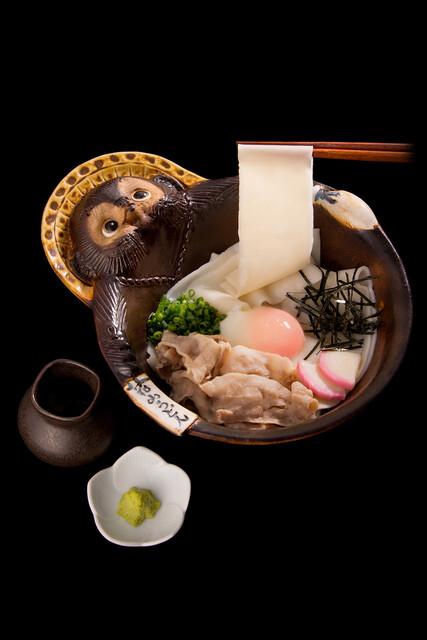
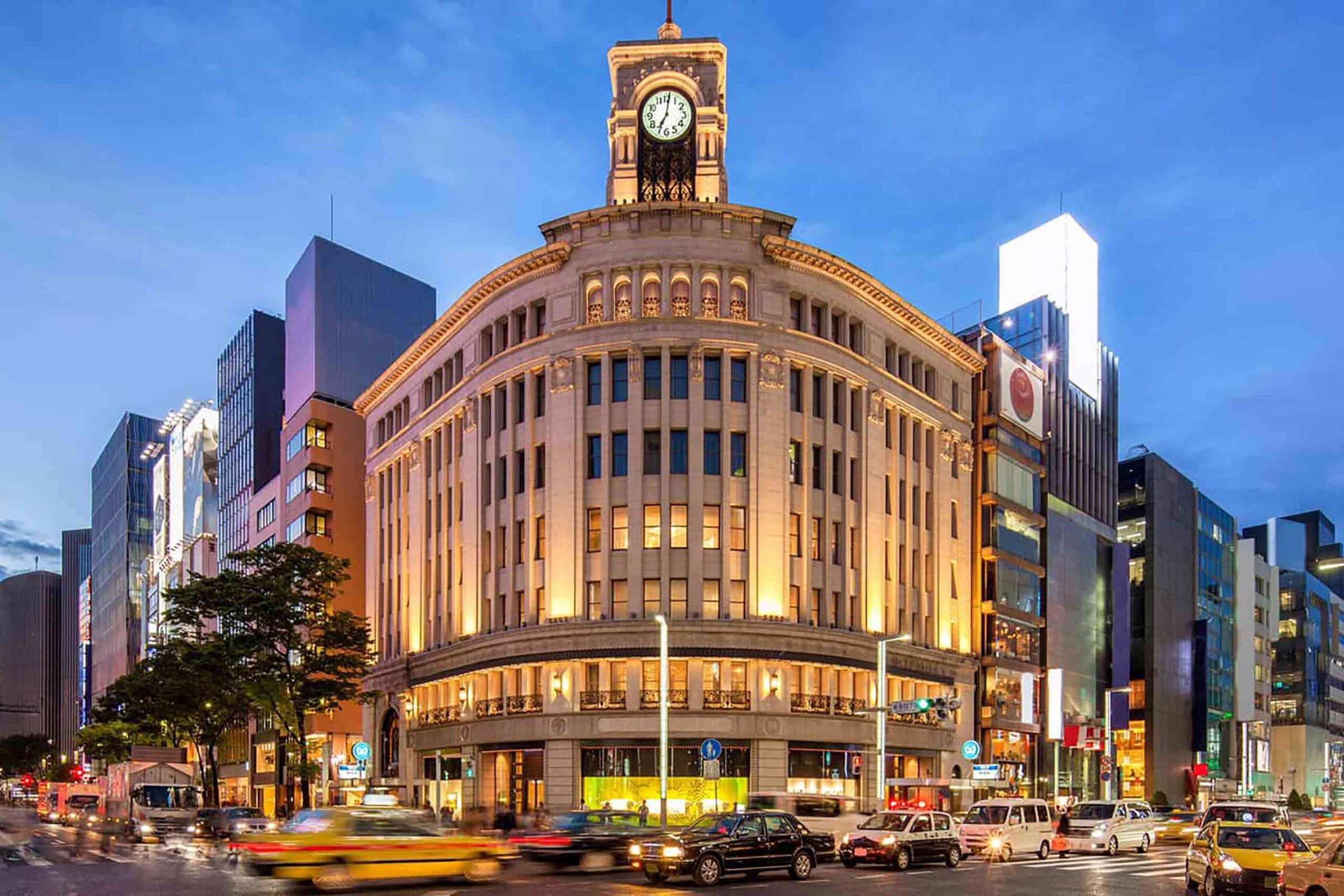
Behind Kabukiza, Ginza changes register. The theatre crowds, department-store shoppers, office workers, and noodle pilgrims compress into the same narrow lunch-and-early-evening rhythm, and udon has to perform without ceremony. This is where Godaime Hanayama Udon Ginza ten fits Tokyo: not as a hushed counter for a long tasting menu, but as a serious wheat-noodle address in a district better known internationally for sushi, tempura, and high-polish French dining.
Tokyo’s udon scene rewards a different kind of coordination from luxury dining. The kitchen has to manage noodle texture, broth or dipping sauce, frying, pacing, and turnover; the room has to keep the queue moving without making the meal feel rushed. The front-of-house role is less theatrical than at an omakase counter, but it matters more than visitors expect, especially in a no-reservation format where arrival order sets the tempo. At 29 seats, the margin for drift is small.
Ginza udon with Hyakumeiten credentials, not Ginza ceremony
Godaime Hanayama Udon Ginza ten is listed in Tabelog 100 Udon EAST 2024, with earlier selections in 2022 and 2020. That matters because udon in Tokyo is not a single style race. The city absorbs regional noodle traditions, standing-shop speed, izakaya adjacency, and destination specialist rooms, then lets diners sort them by texture, price, queue tolerance, and consistency. A Hyakumeiten listing places this room inside the specialist conversation rather than the casual fallback category.
The categories attached to the restaurant, udon, izakaya, and deep-fried foods, explain the appeal more clearly than a chef biography would. This is not the tasting-menu model in miniature. It is a noodle house where the kitchen’s work is judged on repetition and timing, supported by drinks that include sake, shochu, and cocktails. In Tokyo terms, that combination gives the meal a flexible shape: a focused udon lunch, a more leisurely early dinner, or a noodle-led stop around theatre and Ginza shopping.
The comparison in the neighbourhood is instructive. Nearby, Bistrot Vivienne speaks to Ginza’s appetite for French comfort at a mid-tier price point, Kabukizaura Masashi sits in a Japanese dining register closer to occasion dining, while YOU and American occupy the everyday Ginza lane where affordability and routine matter. Godaime Hanayama Udon Ginza ten cuts across those categories. It has the speed and access of a casual room, but the recognition profile of a specialist shop that diners actively seek out.
The team work is in the pacing: noodles, frying, drinks, and the queue
At many Tokyo noodle addresses, the guest sees the line before understanding the system. Here, the absence of reservations pushes responsibility onto the team: tickets, seating, food pacing, and table resets become part of the experience. That is not a minor operational detail. In a 29-seat room with table seating and a larger shared table, coordination decides whether a queue feels disciplined or chaotic.
The menu structure also asks for collaboration between stations. Udon is unforgiving because its appeal depends on temperature, elasticity, and timing; deep-fried items demand their own pace; drinks broaden the meal without turning the room into a bar. The front-of-house team has to translate all of that into a format that works for families, solo diners, and small groups. Tokyo has plenty of restaurants where service is about choreography around luxury; this is service as traffic control, product protection, and hospitality in tight space.
That makes the room useful for travellers who want a serious meal without committing an evening to formality. It is also a corrective to the idea that Ginza dining must mean a counter seat, a chef introduction, or a high-spend reservation. The district’s food culture has always had another layer: practical, craft-led, and close to transit. Udon belongs naturally in that layer, especially around Higashi-Ginza, where theatre schedules and office hours shape demand.
How to place it in a Tokyo itinerary
Use this address for a focused Ginza meal rather than a drawn-out occasion. The strongest argument is the combination of specialist recognition, centrality, and a format that does not require the planning burden of the city’s reservation-only counters. Weekday service includes lunch and dinner, while weekends and public holidays are lunch-only; noodles can run out before the posted close, so timing has consequences.
For a broader Tokyo eating map, pair this stop with different registers rather than another noodle queue. Akihabara’s charcoal-and-tuna lane at . 鮪と炭火焼き うお炭 秋葉原店, Shinjuku’s compact dining at 12/10 Shinjuku ten, yakitori at 124. KAGURAZAKA (Yakitori), graphic cafe culture at 2D Cafe, and curry specialist cooking at 3 Chome no Curry Ya San all show how Tokyo rewards category-specific eating. For the wider city edit, use Our full Tokyo restaurants guide, with parallel planning through Our full Tokyo hotels guide, Our full Tokyo bars guide, Our full Tokyo wineries guide, and Our full Tokyo experiences guide.
Travellers building a Japan-wide food itinerary can read this Ginza stop against other focused venues: -Grilled beef Sukiyaki- KAMAKURA TANUKIAN 鎌倉 たぬき庵 in Kamakura.cafe in Osaka.know in Kumamoto, (Shoku) Vietnam in Kawasaki, [Curry Senmon Ten] Maruyama Kyoju. in Sapporo, and [ki:] in Kyoto. For Japanese comfort food outside Japan, Jōdo Saké Bar in Los Angeles and Onigiri Time in Pasadena sit in a different cultural frame, but the same lesson applies: simple formats are only simple when the team is disciplined.
Same-City Peers
Comparable venues for orientation by cuisine and category.
| Venue | Cuisine | Price | Notes |
|---|---|---|---|
| Godaime Hanayama Udon Ginza tenThis venue — the venue you are viewing | Traditional Japanese Udon | $$ | Not listed |
| たんたん亭 本店 | Traditional Japanese Ramen | $$ | Hamadayama |
| Hana Goori Kakigori | Japanese Kakigori (Shaved Ice) | $$ | Roppongi |
| Ogura (おぐ羅) | Traditional Oden and Yakitori Izakaya | $$ | Nihonbashi |
| 花蝶 | Tonkatsu | Not listed | Chūō |
| Maruyama | Creative Japanese–French Izakaya | $$ | Ōta |
Recognition history
Dated appearances from independent guides and award organizations, with the underlying list record or original source where available.
Tabelog 100 #18 · No. 18
Tabelog · Tabelog 100 - Udon - EAST - 2024





At a Glance
- Classic
- Cozy
- Elegant
- Well Known
- Solo
- Group Dining
- Casual Hangout
- Standalone
- Design Destination
- Sake Program
- Local Sourcing
Current opening hours
- Monday
- 11 AM–3:30 PM, 5:30–9:30 PM
- Tuesday
- 11 AM–3:30 PM, 5:30–9:30 PM
- Wednesday
- 11 AM–3:30 PM, 5:30–9:30 PM
- Thursday
- 11 AM–3:30 PM, 5:30–9:30 PM
- Friday
- 11 AM–3:30 PM, 5:30–9:30 PM
- Saturday
- 11 AM–4 PM
- Sunday
- 11 AM–4 PM
Hours can change for holidays and private events. Last verified .
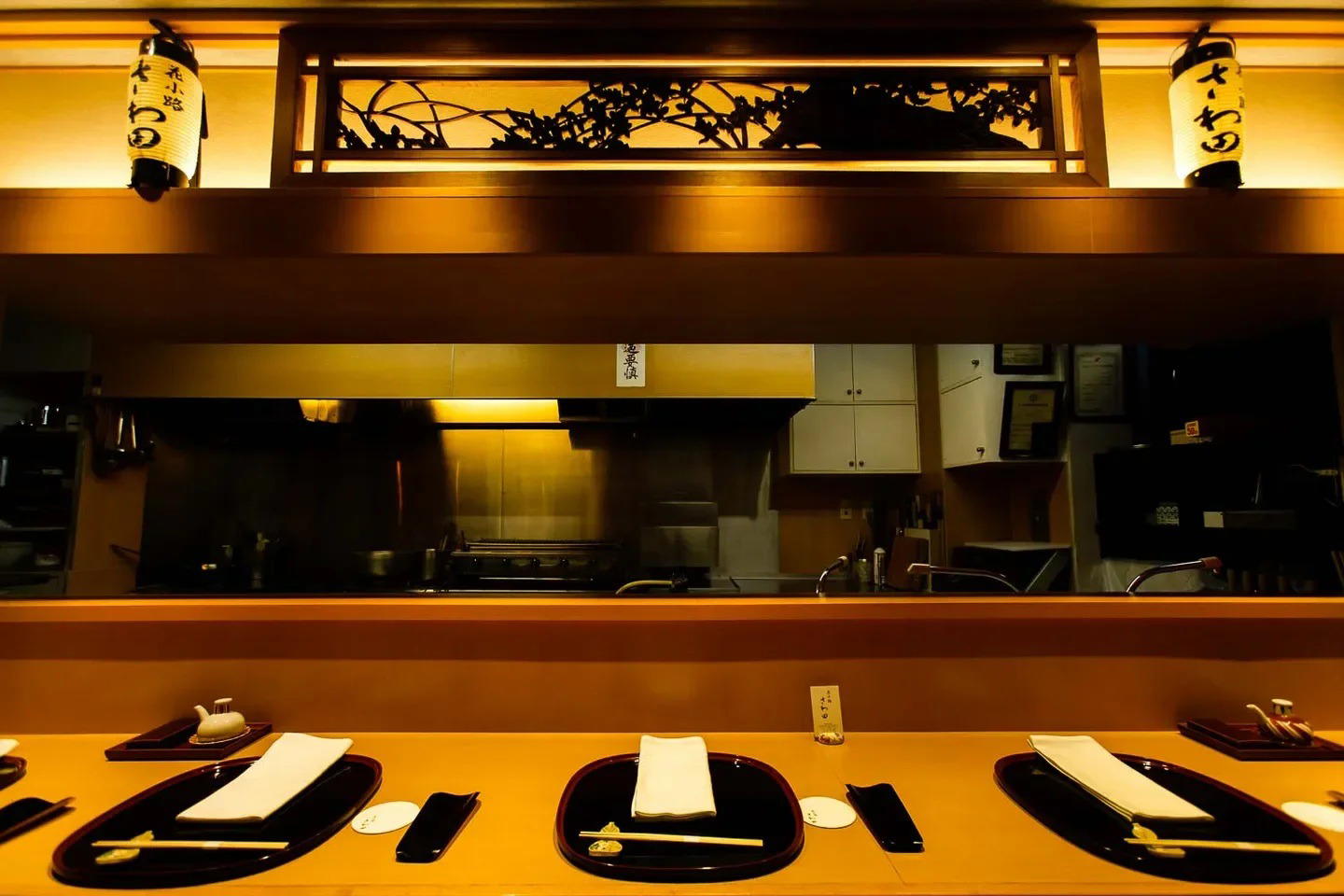
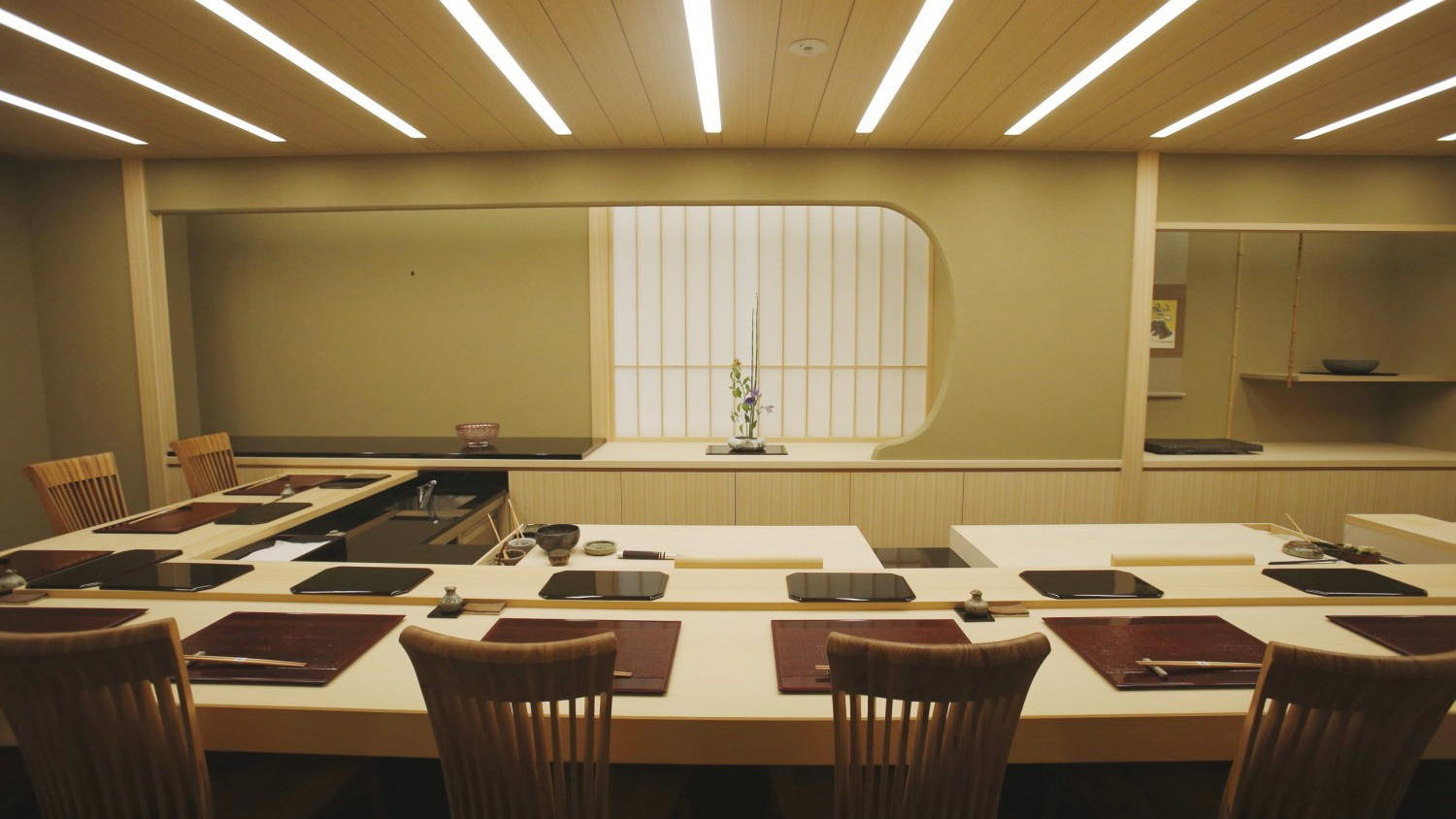
Calm and polished with a touch of floral visual flair, designed to feel approachable for solo diners while still memorable and stylish.