
Michelin Plate
Our verdict
A Michelin Plate recipient for 2024 and 2025, Go Ang Seafood on Phuket Road has grown from a zinc-roofed shophouse into one of the city's most consistent addresses for southern Thai seafood. Blue swimming crab, horseshoe crab, and mantis shrimp are sourced daily from five local markets, cooked across a menu that holds close to classic southern Thai technique.

Pearl is the En Primeur Club membership app, where members save venues, book tables and use the concierge.
The menu
What to order
- Blue swimming crab
- Mantis shrimp
- Horseshoe crab
Where Southern Thai Seafood Tradition Holds Its Ground
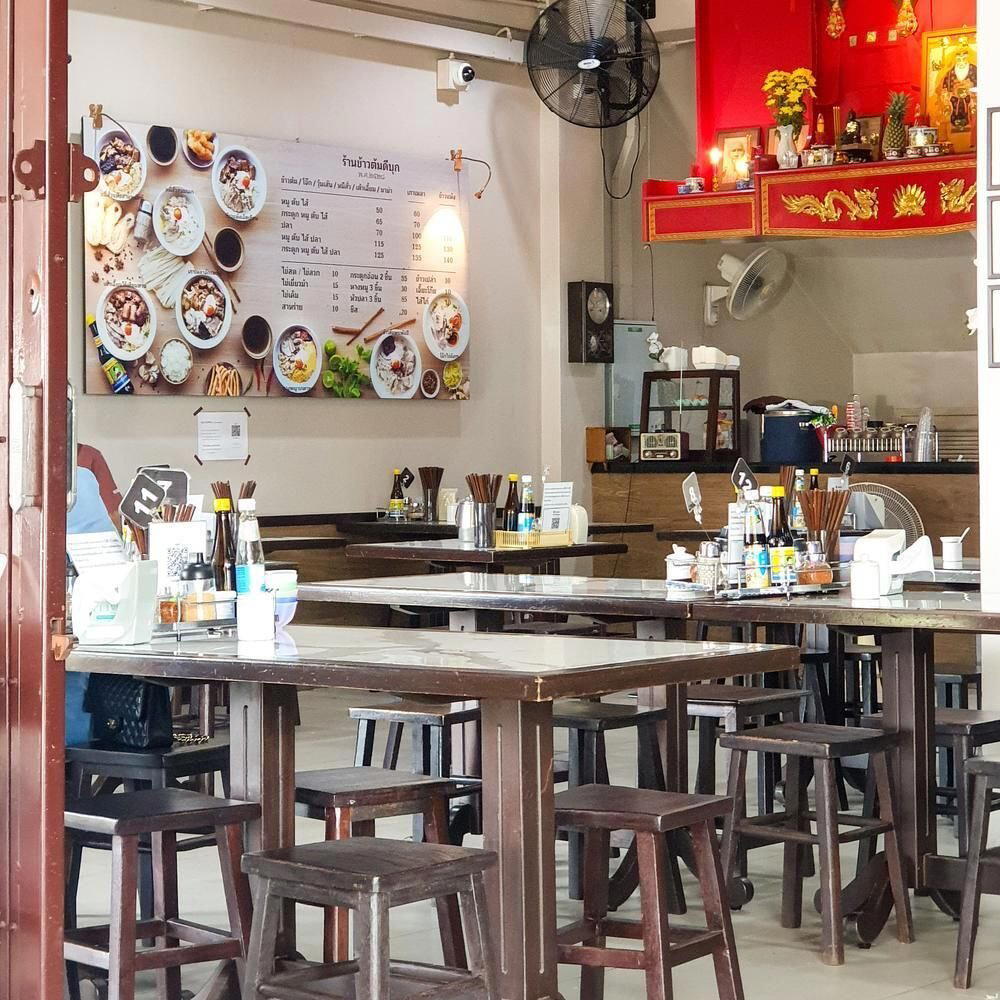
Along Phuket Road in Mueang Phuket, the city's older commercial spine, the Chinese shophouse aesthetic still sets the tone. Go Ang Seafood occupies that register physically and culinarily: a space that has graduated from its original zinc-roofed structure into a comfortable, Chinese-decorated interior without losing the character of the neighbourhood around it. This is not the Phuket of resort-strip restaurants or hotel dining rooms. It is the Phuket of Talat Yai, where the town's Hokkien-Chinese heritage shows up in the architecture, the food logic, and the pace of service.
The restaurant holds a Michelin Plate for both 2024 and 2025, a recognition that places it in a defined tier: technically sound, ingredient-focused, and consistent enough to meet the guide's threshold without the tasting-menu format or fine-dining price ceiling of, say, PRU, which carries a Michelin Star at the ฿฿฿฿ price point. Go Ang Seafood operates at ฿฿฿, which in Phuket's seafood context positions it clearly above the street-food tier while remaining accessible relative to the island's international and modern-Thai dining options.
Five Markets, One Menu: The Sourcing Logic Behind Southern Thai Seafood
Southern Thai cuisine's credibility rests on proximity to water and willingness to work with what arrives. The Andaman coast produces blue swimming crab, mantis shrimp, and horseshoe crab in quantities that make daily market sourcing viable in a way it isn't in landlocked regions. Go Ang Seafood draws from five markets each morning, a logistics choice that reflects both the volume the restaurant moves and the variability of daily catch. In southern Thai cooking, freshness isn't a marketing claim; it's structural. The sauces, the dipping condiments, and the soups are all calibrated to a live-and-fresh product standard. Working with yesterday's crab would compromise the entire flavour architecture.
This sourcing discipline connects Go Ang Seafood to a broader tradition of market-to-table practice that predates the contemporary farm-to-table framing common in international fine dining. Restaurants like Kruvit Raft and Mook Manee operate within the same coastal sourcing tradition in Phuket, each finding a slightly different point of emphasis within the regional seafood canon. At the more refined end of Thai cuisine nationally, restaurants like Sorn in Bangkok have refined southern Thai ingredients to tasting-menu format, while Go Ang Seafood holds to the full-table, family-style service that remains the dominant way this food is actually eaten.
Technique and Tradition: What the Menu Represents
The tension between classic preparation and evolved technique is visible across Thai seafood restaurants in the south. Some have moved toward contemporary plating and ingredient theatrics; others hold to the methods that built their reputation. Go Ang Seafood sits in the latter category. Chef-owner Go Ang cooks the entire southern Thai menu personally, a detail that speaks to kitchen consistency and the kind of institutional knowledge that doesn't transfer easily through a brigade structure.
The preparations cited in the Michelin record are instructive: steamed crab served with a tangy seafood dip, fried mantis shrimp with garlic, and a southern Thai spicy sour soup with seabass. These are not fusion constructions or deconstructed riffs on tradition. They are direct expressions of technique applied to exceptional primary ingredients. The spicy sour soup sits within the kaeng som family, a southern Thai preparation that is sharper and more assertive than the central Thai variant, built on tamarind and fresh chilli rather than the sweeter profiles found in Bangkok restaurant versions. For visitors more familiar with central Thai cuisine, the southern version can read as more confrontational in its acidity and heat. That directness is the point.
Garlic-fried mantis shrimp is a preparation that rewards the speed of wok work more than any other technique in the repertoire. The mantis shrimp's texture is unforgiving: overcooked, it goes rubbery; undercooked, it remains translucent and dense. The garlic-forward approach used here is common across southern Thai and Chinese-Thai cooking traditions, a reflection of the Hokkien influence that runs through Phuket's food culture. For a wider view of how Thai regional cuisine is being preserved and reinterpreted elsewhere in the country, Aeeen in Chiang Mai and AKKEE in Pak Kret offer useful comparison points from the north and central regions respectively.
Placing Go Ang in Phuket's Dining Map
Phuket's restaurant scene splits roughly along geographic and price lines. The resort areas, particularly Patong and the west coast, concentrate international formats, hotel fine dining, and tourist-facing Thai. The town centre, and specifically Mueang Phuket's older commercial districts, holds more of the island's historically rooted food. Go Ang Seafood's address on Phuket Road in Talat Yai places it firmly in the latter zone, where the clientele mixes local Thai residents, Thai visitors from other provinces, and the subset of international travellers who leave the resort corridor to eat where Phuket people actually eat.
In the ฿฿฿ tier alongside restaurants like Blue Elephant, the comparison clarifies quickly: Blue Elephant operates within a heritage mansion setting aimed squarely at the international visitor wanting a curated Thai experience, while Go Ang Seafood functions as a neighbourhood-rooted operation where the draw is product quality and cooking craft rather than setting or concept. For those making a broader Phuket itinerary, A Pong Mae Sunee covers the street-food end of the Phuket Town food tradition, and Acqua addresses the Italian fine-dining bracket at ฿฿฿฿ for those building a diverse week across the island.
For seafood-focused comparison outside Thailand, the direct market-to-kitchen model that defines places like Go Ang Seafood echoes in Mediterranean contexts: Gambero Rosso in Marina di Gioiosa Ionica and Alici Restaurant on the Amalfi Coast follow the same sourcing logic, where proximity to a specific body of water determines what's on the menu that day.
Planning Your Visit
Go Ang Seafood is located at 226 หมู่ 2, Phuket Road, Tambon Talat Yai, Mueang Phuket District, Phuket 83000. The address places it in the town-centre commercial district, reachable from most parts of the island by taxi or rideshare. The ฿฿฿ price range reflects mid-tier seafood restaurant pricing in Phuket, where the cost of the primary ingredient drives the bill more than any service premium. For a full picture of eating and drinking across the island, see our full Phuket restaurants guide, and for accommodation and activity planning, our Phuket hotels guide, bars guide, wineries guide, and experiences guide cover the broader island programme.
Frequently asked questions
Has Go Ang Seafood won any awards?
Go Ang Seafood has received recognition including: From humble origins as a small shop with a zinc roof, it’s now one of the most popular seafood restaurants with a comfortable interior and Chinese décor. Chef-owner Go Ang cooks the entire southern Thai menu. The blue swimming crab, horsesh….
What's the price range at Go Ang Seafood?
Pricing at Go Ang Seafood is listed as ฿฿฿.
What do regulars order at Go Ang Seafood?
The Michelin-recognised preparations give the clearest steer: steamed blue swimming crab with tangy seafood dip, fried mantis shrimp with garlic, and the southern Thai spicy sour soup with seabass. All three ingredients are sourced daily across five Phuket markets, which shows in the freshness. The horseshoe crab, less common on menus outside the south, is also worth ordering if available.
Where exactly is Go Ang Seafood?
Go Ang Seafood is located at 226 หมู่ 2 Phuket Rd, Tambon Talat Yai, Mueang Phuket District, Phuket 83000, Thailand, Phuket.
Do they take walk-ins at Go Ang Seafood?
No reservation system is listed for Go Ang, which is consistent with many ฿฿฿-tier Phuket Town seafood restaurants operating on a walk-in basis. Arriving early, particularly at the start of dinner service, reduces wait time at a restaurant that has held a Michelin Plate in both 2024 and 2025. The address is 226 หมู่ 2, Phuket Road, Tambon Talat Yai, Mueang Phuket.
Compact Comparison
| Venue | Cuisine | Price | Awards | Notes |
|---|---|---|---|---|
| Go Ang SeafoodThis venue (the venue you are viewing) | Southern Thai Seafood | Not listed | Michelin Plate | Not listed |
| PRU | Modern Thai Fine Dining | $200–300 | 1 Michelin Star · Wine Spectator Award of Excellence | Thai, Modern Cuisine, ฿฿฿฿ |
| Blue Elephant | Refined Southern Thai Fine Dining | $50–100 | Michelin Plate | Thai, ฿฿฿ |
| Acqua | Modern Italian Fine Dining | $50–100 | Michelin Plate · La Liste Top Restaurants | Italian, ฿฿฿฿ |
| Baan Rim Pa Patong | Royal Thai Cuisine | Not listed | Wine Spectator Award of Excellence | Thai |
| Chuan Chim | Thai-Chinese Seafood | $10–20 | Michelin Bib Gourmand | Thai, ฿฿ |
Recognition history
Dated appearances from independent guides and award organizations, with the underlying list record or original source where available.
Michelin Plate
Michelin
Full recognition history (3 entries)
Michelin Plate
Michelin
Michelin Plate
Michelin
Continue exploring
More in Phuket
Restaurants in Phuket
All restaurants in Phuket →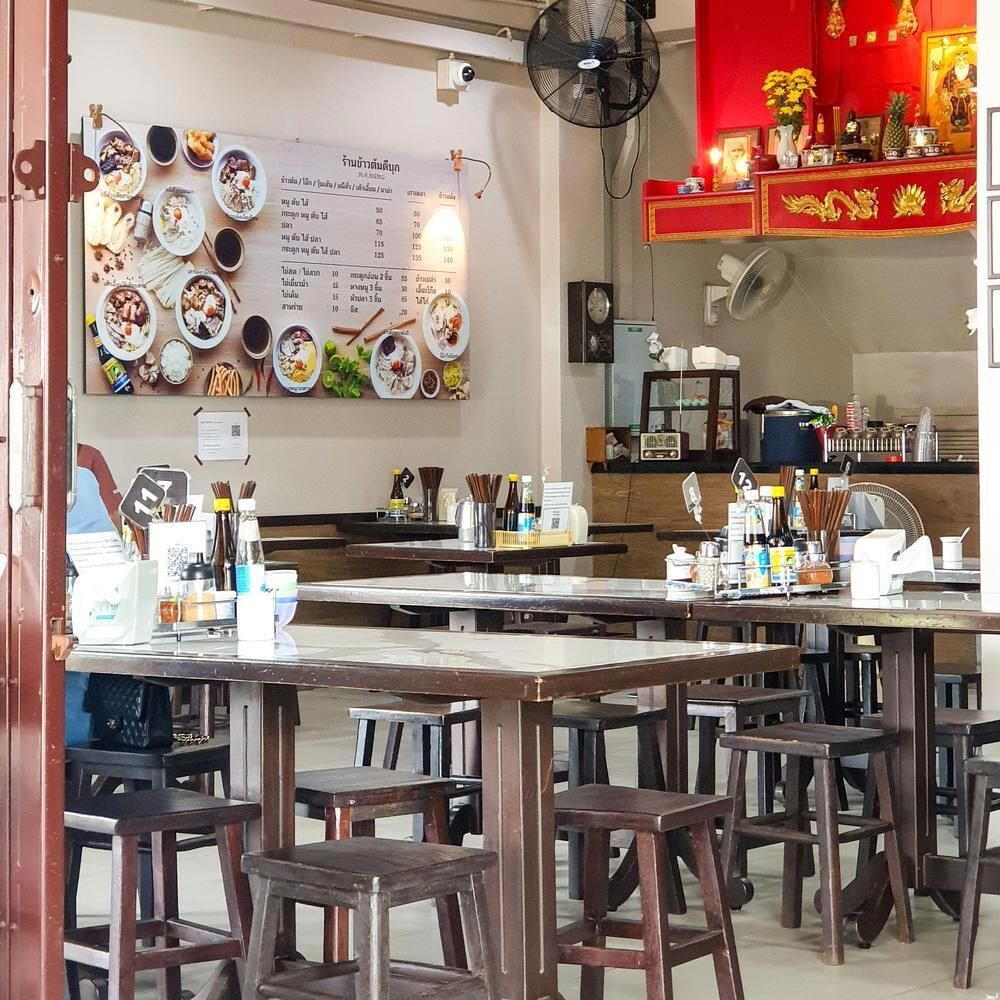
Bars in Phuket
All bars in Phuket →
Details
- Classic
- Lively
- Well Known
- Casual Hangout
- Family
- Group Dining
- Standalone
- Local Sourcing
- A La Carte
- Pescatarian Friendly
Current opening hours
- Monday
- 5–11:30 PM
- Tuesday
- 5–11:30 PM
- Wednesday
- 5–11:30 PM
- Thursday
- 5–11:30 PM
- Friday
- 5–11:30 PM
- Saturday
- 5–11:30 PM
- Sunday
- 5–11:30 PM
Hours can change for holidays and private events. Hours as of .
Comfortable, casual interior with Chinese décor, evolved from humble zinc-roof origins into a popular local seafood restaurant.