
Michelin Plate
Our verdict
A Michelin Plate-recognised floating restaurant off Ko Maphrao island, Kruvit Raft reaches the table via a five-minute boat crossing from Phuket's Maphro pier. The menu runs southern and central Thai seafood at mid-range prices, with grouper soup and stir-fried black tiger prawns among the most-ordered dishes.

Pearl is the En Primeur Club membership app, where members save venues, book tables and use the concierge.
The menu
What to order
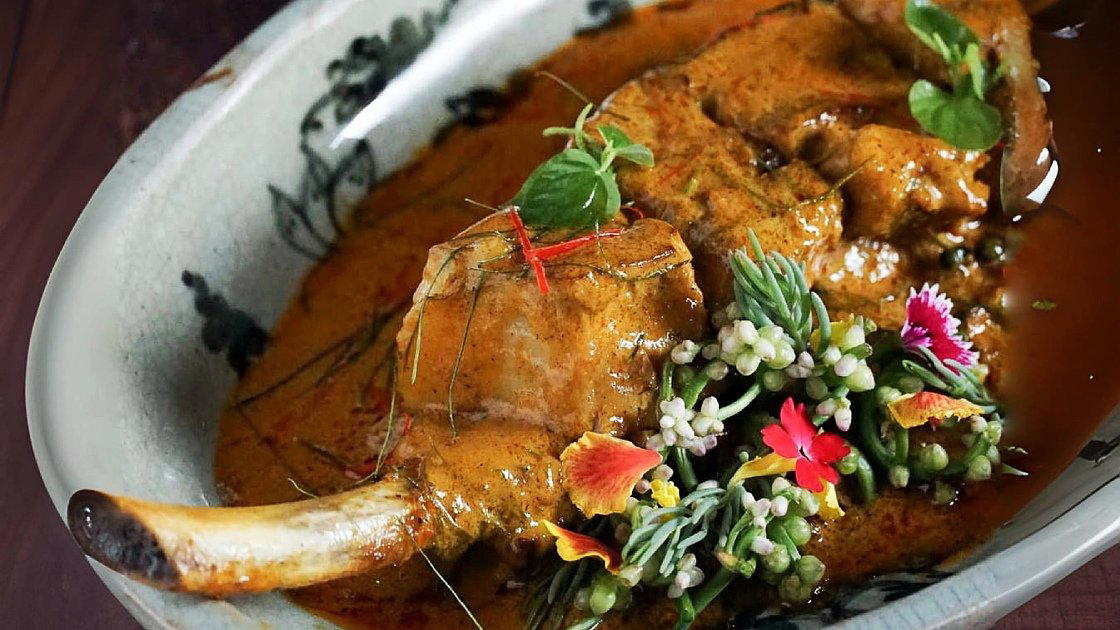
- Grouper soup with Chinese soybean paste
- Stir-fried black tiger prawns with salt and chilli
Eating on Water: Phuket's Floating Seafood Tradition
Among Southeast Asia's coastal dining formats, few are as direct in their logic as the floating seafood raft: the kitchen sits above the water, the catch arrives the same morning, and the gap between sea and plate narrows to almost nothing. Phuket has several of these operations, but the cluster around Ko Maphrao, a mangrove-fringed island in the bay east of the city, represents the format at its most focused. Our full Phuket restaurants guide tracks the wider scene, but Kruvit Raft (Ban Laem Hin) occupies a specific niche within it: Michelin Plate recognition two years running (2024 and 2025), mid-range pricing at the ฿฿ tier, and an approach to sourcing that the surrounding water makes literally visible.
The Approach and the Setting
Getting to Kruvit Raft requires a five-minute boat crossing from the Maphro Island pier, and that short transit does real editorial work. By the time you board the raft, the city has receded and the frame is entirely water, sky, and the low green silhouette of the island. Panoramic views and open-air positioning mean the breeze is constant, the light shifts across the meal, and the sense of remove from Phuket's inland traffic is genuine rather than manufactured. This is not the kind of dining environment you replicate in a rooftop bar or a glass-walled restaurant designed to suggest nature; it simply is nature, with tables on it.
The physical setting shapes the service logic, too. A floating platform has practical limits on kitchen complexity, which tends to push menus toward precision over elaboration, fewer preparations, better sourcing, direct cooking methods that let the seafood carry the weight. That constraint is, in practice, an editorial argument for why Michelin's inspectors awarded the Plate distinction: the restaurant's format is built around the very thing the Plate recognises, which is solid cooking of good ingredients without unnecessary complication.
Lunch on the Water: The Case for Daytime
Floating restaurants in the Gulf of Thailand and Andaman coast have a pronounced lunch bias, and Kruvit Raft fits that pattern. In daylight, the setting delivers its full return: sunlight on the water, the mangroves in sharp relief, and the practical advantage of cooler morning temperatures before the afternoon heat builds. Lunch here is also the meal most aligned with how the kitchen operates, produce sourced early, preparations timed to midday service, tables turning in the cadence of a working fishing community rather than a resort dinner schedule.
The editorial comparison worth making is between this format and Phuket's higher-end evening operations. PRU, the island's only Michelin-starred restaurant, operates at the ฿฿฿฿ tier with a tasting-menu format and a controlled indoor environment. Acqua sits in the same price bracket with Italian fine dining. Kruvit Raft at ฿฿ is categorically different, not a lesser version of those experiences, but a parallel one that trades ceremony for immediacy. The argument for lunch at a floating raft is precisely that it is not a special-occasion dinner format: it is a working meal in a working environment, and it is better for knowing that.
Evening on the Raft: A Different Register
That said, the dinner shift at floating restaurants along this coast carries its own appeal, particularly for visitors who find the midday heat prohibitive. As light falls and the water darkens, the raft takes on a quieter character, fewer day-trippers, longer tables, the sounds of the bay replacing the ambient noise of a busy lunch service. The tradeoff is losing the visual spectacle of sunlit water, which is the setting's strongest card. For the food, the difference is negligible: the kitchen's strengths are the same at either service, and the Michelin Plate applies across both.
Across Thailand's seafood-forward restaurant culture, the day-versus-evening question often resolves around price transparency. Lunch tends to run leaner on extras and more predictable on the bill; dinner services at floating restaurants occasionally shift toward larger-format orders and communal sharing plates. At the ฿฿ price point, neither direction creates significant budget exposure, which is part of what separates Kruvit Raft from peer floating operations that have drifted upmarket in recent years.
The Menu: Southern and Central Thai Seafood
The kitchen runs a menu that draws from both southern and central Thai traditions, a combination that reflects Phuket's position as a crossroads between the spice-forward cooking of the deep south and the more aromatics-led preparations of the central plains. Grouper soup with Chinese soybean paste is among the dishes specifically noted by Michelin, representing a style of Thai-Chinese coastal cooking that has deep roots in Phuket's Hokkien-influenced food culture. Stir-fried black tiger prawns with salt and chilli takes a different register, drier, more direct, built on the prawn's own sweetness against a clean heat.
Starting with a freshly picked coconut before the main courses is the kind of detail that only works in this geography: the coconut palms are part of the island's actual landscape, and the drink functions as both refreshment and orientation, a reminder of where you are before the cooking takes over. That sequencing is a consistent feature of meals at the raft, according to Michelin's own notes on the venue.
For readers building a broader picture of Thai seafood cooking in the Michelin tier, the comparison set extends well beyond Phuket. Go Ang Seafood and Mook Manee represent the island's other recognised seafood operations. At the national level, Sorn in Bangkok occupies the high end of southern Thai cooking with two Michelin stars, while AKKEE in Pak Kret shows how Thai seafood traditions translate into different regional registers. The floating raft format itself has global parallels: Gambero Rosso in Marina di Gioiosa Ionica and Alici Restaurant on the Amalfi Coast represent the Italian tradition of eating directly at the water's edge, built on the same logic of proximity.
Planning the Visit
Reaching Kruvit Raft means travelling to the Ban Laem Hin pier area on the east side of Phuket near Ko Maphrao, then taking the five-minute boat crossing to the raft. For visitors staying in central Phuket or the beach resort corridors, this is a dedicated half-day commitment rather than a detour, factor in travel time to the pier plus the crossing. Phuket's broader travel infrastructure, from hotels to bars to experiences, is mapped in our full Phuket hotels guide, bars guide, and experiences guide. For street food context that fills the gaps around a bigger seafood lunch, A Pong Mae Sunee represents Phuket's traditional snack culture at a different register entirely.
Frequently asked questions
Is Kruvit Raft (Ban Laem Hin) a family-friendly restaurant?
The format works well for families. The open-air raft setting is casual and relaxed, pricing sits at the mid-range ฿฿ level, and the five-minute boat crossing to reach it tends to be a draw rather than a barrier for children. Two consecutive Michelin Plate recognitions (2024 and 2025) confirm the kitchen's consistency without the formality that often comes with that credential.
How would you describe the vibe at Kruvit Raft (Ban Laem Hin)?
This is coastal working-lunch territory rather than resort dining. The raft sits above the water near Ko Maphrao, and the setting delivers panoramic views and a sea breeze without any theatrical staging. At ฿฿ pricing with a Michelin Plate for two consecutive years, it occupies the space where quality seafood and unpretentious surroundings overlap.
What kind of recognition has Kruvit Raft (Ban Laem Hin) received?
Kruvit Raft (Ban Laem Hin) has received recognition including: To reach this floating restaurant near Ko Maphrao, take a 5-min boat ride across sparkling waters reflecting the sunshine. Onboard, panoramic views, a gentle breeze and uber-fresh seafood await. The distance from sea to plate couldn’t be sh….
What dish is Kruvit Raft (Ban Laem Hin) famous for?
Michelin's own documentation of the venue singles out two preparations: grouper soup with Chinese soybean paste and stir-fried black tiger prawns with salt and chilli. Both reflect the kitchen's dual grounding in southern and central Thai seafood traditions, and the proximity of the catch to the kitchen is as short as it gets on this coast.
How much does it cost to eat at Kruvit Raft (Ban Laem Hin)?
Pricing at Kruvit Raft (Ban Laem Hin) is listed as ฿฿.
Where exactly is Kruvit Raft (Ban Laem Hin)?
Kruvit Raft (Ban Laem Hin) is located at TH ภูเก็ต เมือง เกาะแก้ว Front of Maphro Island M.6 Koh Khaow,Muang 83000, Thailand, Phuket.
Where It Fits
A short peer table to compare basics side-by-side.
| Venue | Cuisine | Price | Awards | Notes |
|---|---|---|---|---|
| Kruvit Raft (Ban Laem Hin)This venue (the venue you are viewing) | Fresh Thai Seafood Raft | $20–30 | Michelin Plate | Not listed |
| PRU | Modern Thai Fine Dining | $200–300 | 1 Michelin Star · Wine Spectator Award of Excellence | Thai, Modern Cuisine, ฿฿฿฿ |
| Blue Elephant | Refined Southern Thai Fine Dining | $50–100 | Michelin Plate | Thai, ฿฿฿ |
| Acqua | Modern Italian Fine Dining | $50–100 | Michelin Plate · La Liste Top Restaurants | Italian, ฿฿฿฿ |
| Baan Rim Pa Patong | Royal Thai Cuisine | Not listed | Wine Spectator Award of Excellence | Thai |
| Chuan Chim | Thai-Chinese Seafood | $10–20 | Michelin Bib Gourmand | Thai, ฿฿ |
Recognition history
Dated appearances from independent guides and award organizations, with the underlying list record or original source where available.
Michelin Plate
Michelin
Full recognition history (3 entries)
Michelin Plate
Michelin
Michelin Plate
Michelin
Continue exploring
More in Phuket
Restaurants in Phuket
All restaurants in Phuket →
Bars in Phuket
All bars in Phuket →
Details
- Scenic
- Rustic
- Casual Hangout
- Group Dining
- Waterfront
- Local Sourcing
- Waterfront
- A La Carte
Current opening hours
- Monday
- 10 a.m.–10 p.m.
- Tuesday
- 10 a.m.–10 p.m.
- Wednesday
- 10 a.m.–10 p.m.
- Thursday
- 10 a.m.–10 p.m.
- Friday
- 10 a.m.–10 p.m.
- Saturday
- 10 a.m.–10 p.m.
- Sunday
- 10 a.m.–10 p.m.
Hours can change for holidays and private events. Hours as of .
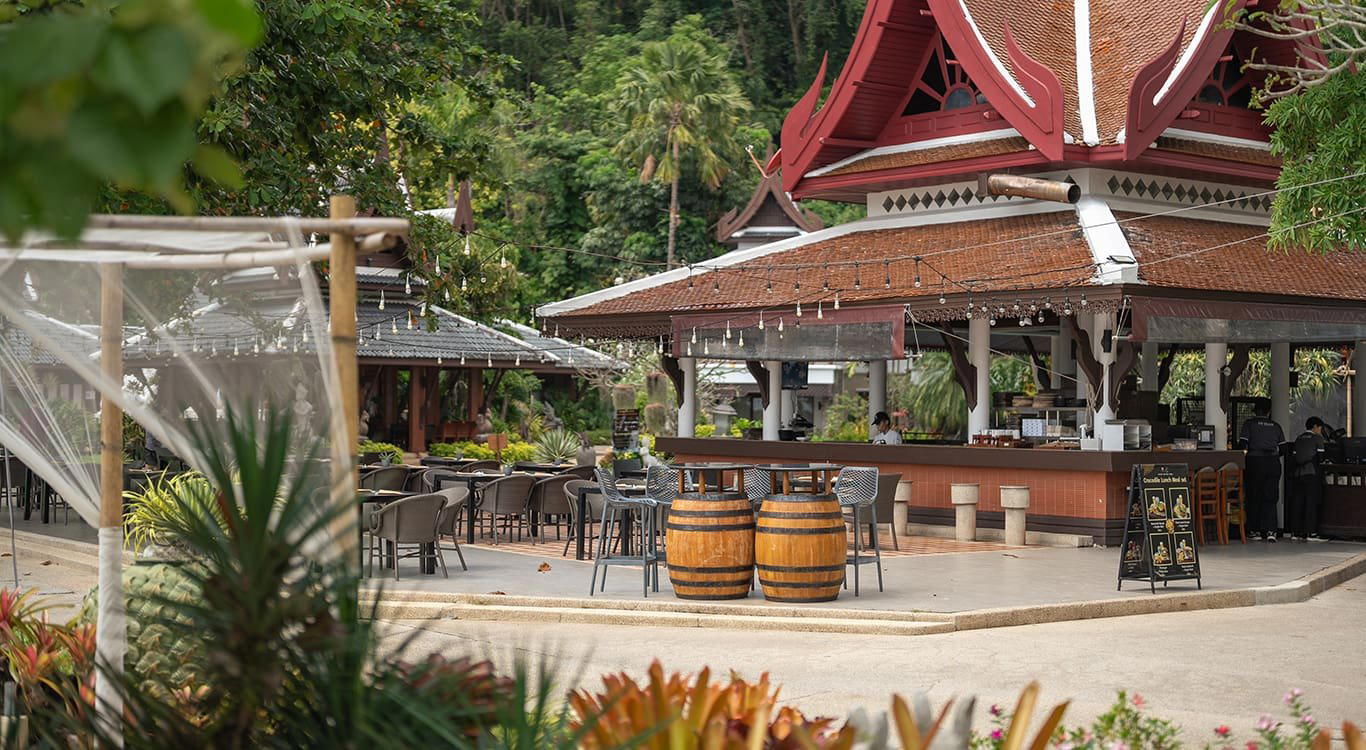
Rustic open-air picnic-style tables under a roof on a gently bobbing raft with panoramic sea views and cooling breezes.