



1 Michelin Key · Star Wine List · Leading Hotels of World Member
Unlike most of Phuket's luxury hotel concentration along the northwest coast, The Nai Harn sits at the island's southernmost tip, with 120 rooms cascading down a hillside above one of Phuket's better-preserved beaches. A Leading Hotels of the World member from 2025, it rates from around $260 per night and holds a Star Wine List 2026 recognition, an unusual credential for a beach resort in Southeast Asia.

Pearl is the En Primeur Club membership app — saves, bookings, and concierge access live there. Same editors, same standards.
- Address
- 23/3 Moo1, Vises Road, Rawai, Muang District, ตำบล ราไวย์ Muang, ภูเก็ต 83100
- Phone
- +66 76 380 200
- Website
- thenaiharn.com
- Directions
- Get directions
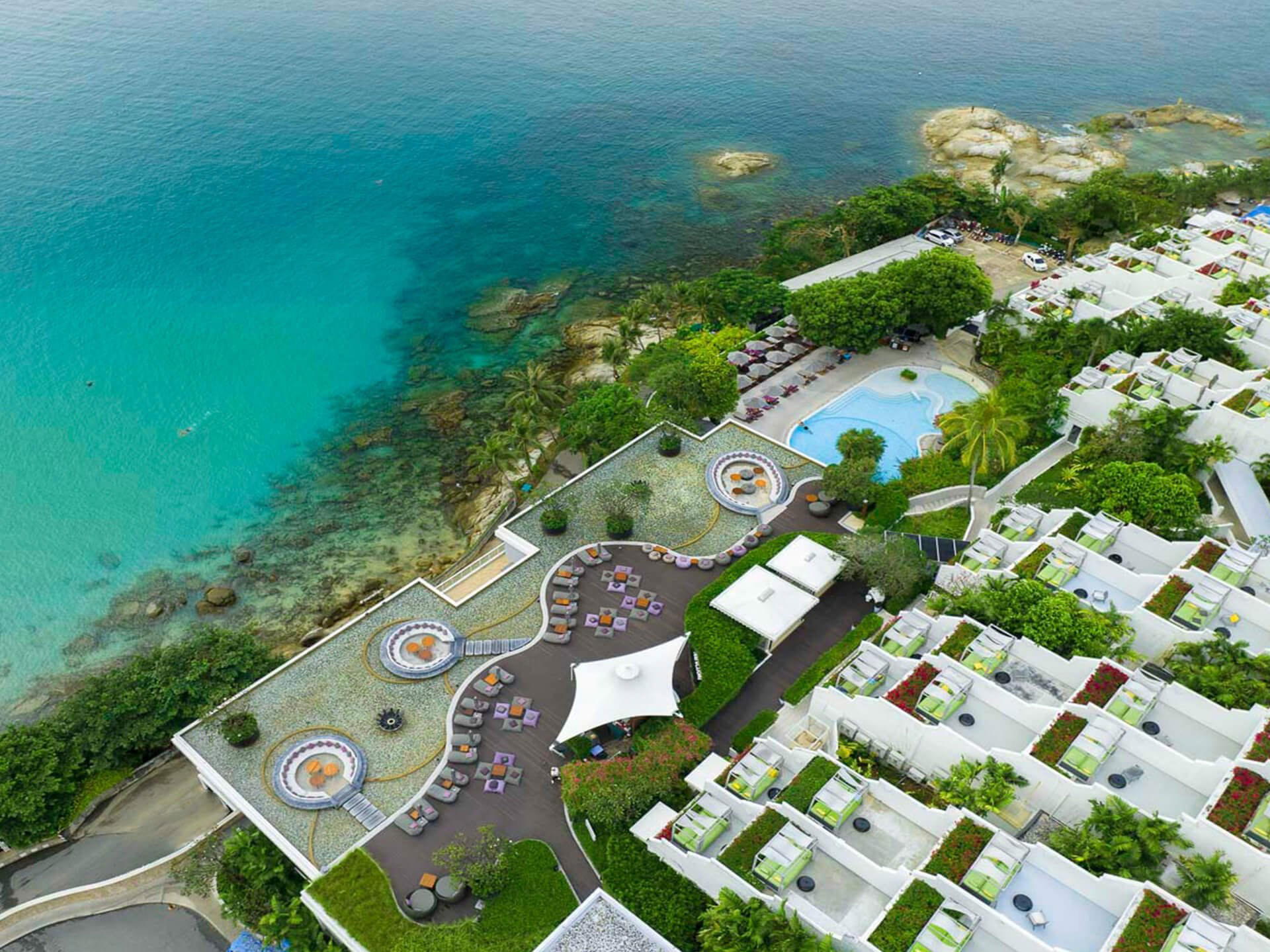
Where Phuket's South Turns Quiet
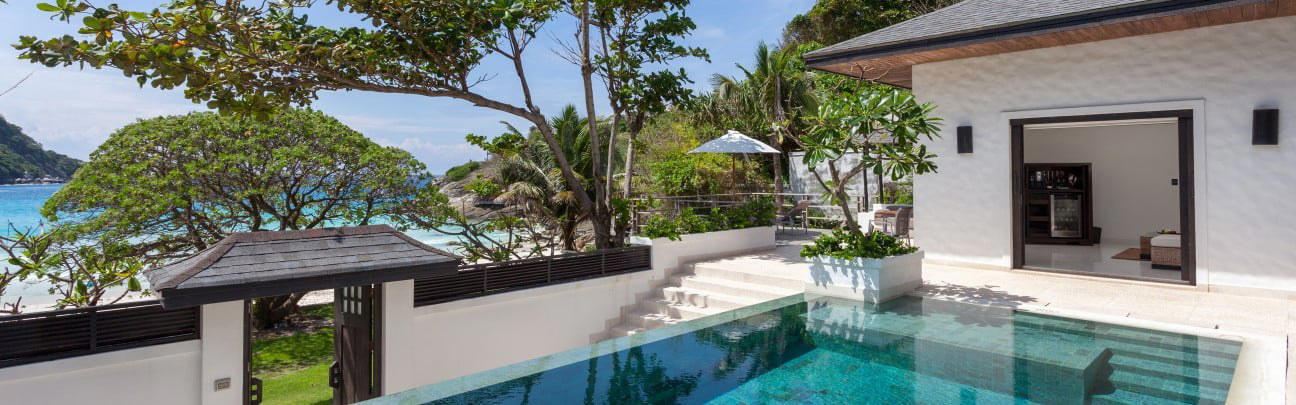
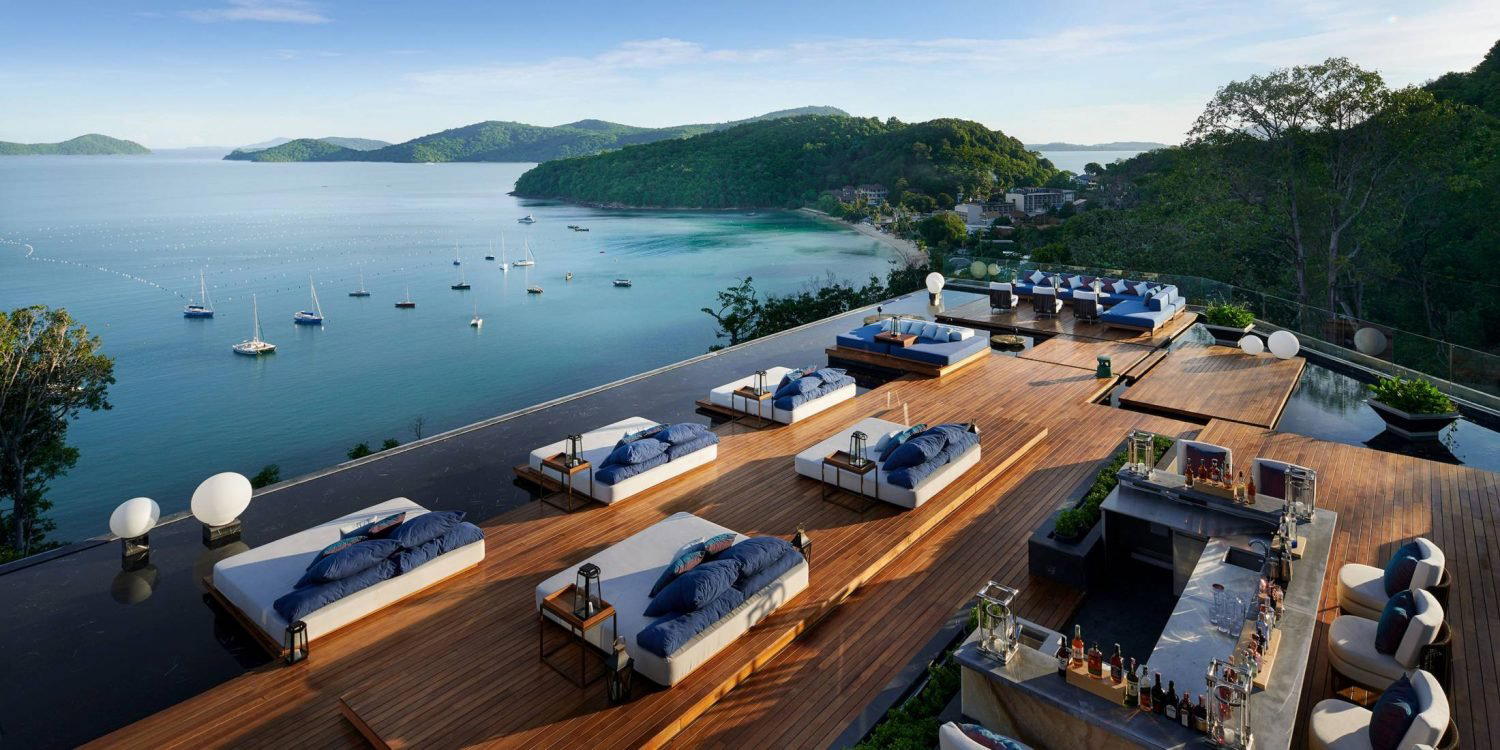
Most of Phuket's luxury hotel development has concentrated along the northwest and northeast coasts, where airport proximity and infrastructure made large-scale resort construction direct. The island's southernmost tip tells a different story. The beach at Nai Harn sits past the point where the main tourist circuits thin out, framed by a protected lagoon that keeps both the water and the surrounding hillsides in better shape than much of the island. The drive down from Phuket Town takes the better part of forty minutes, and that distance is not incidental — it is the point. Arriving at The Nai Harn, the property's late-modernist architecture cascades down a hillside in a configuration that feels less like a conventional resort and more like a series of vantage points arranged for maximum exposure to the panorama below.
Architecture, Rooms, and the Logic of the View
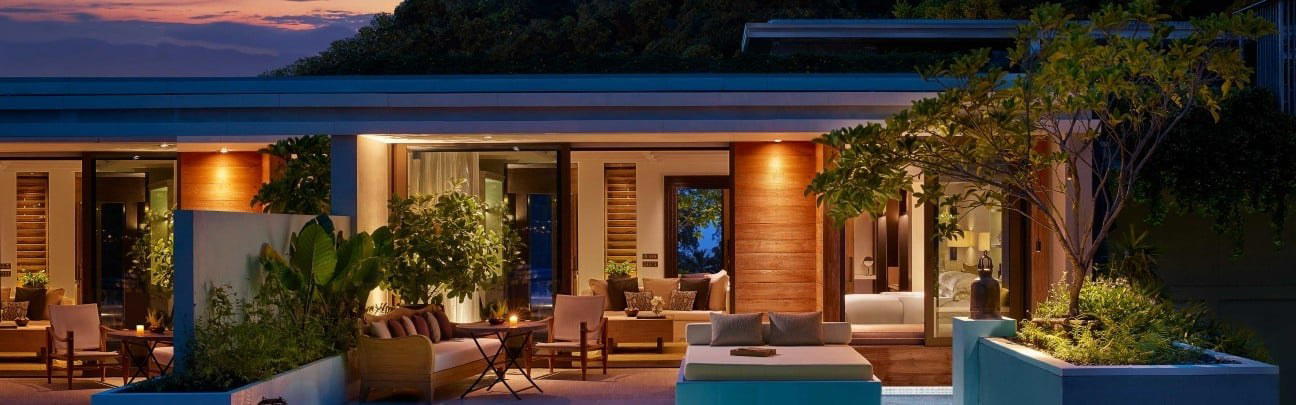
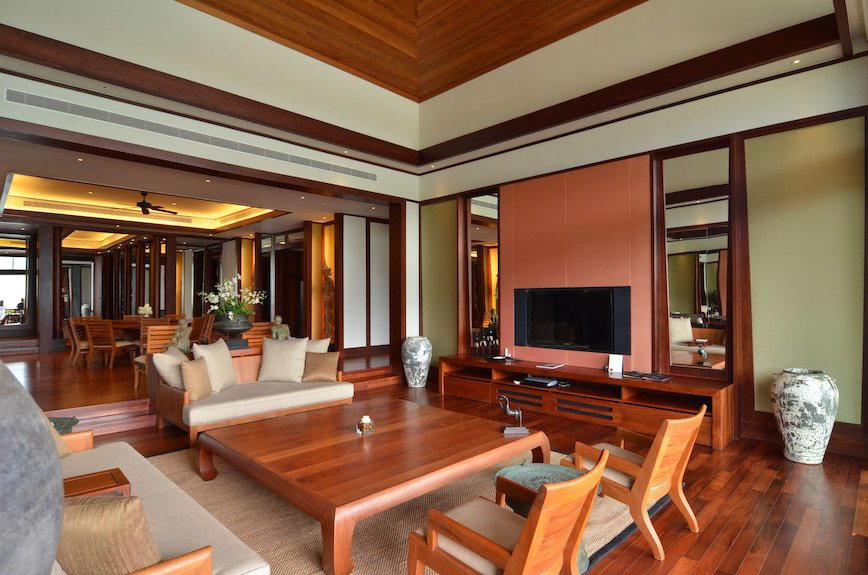
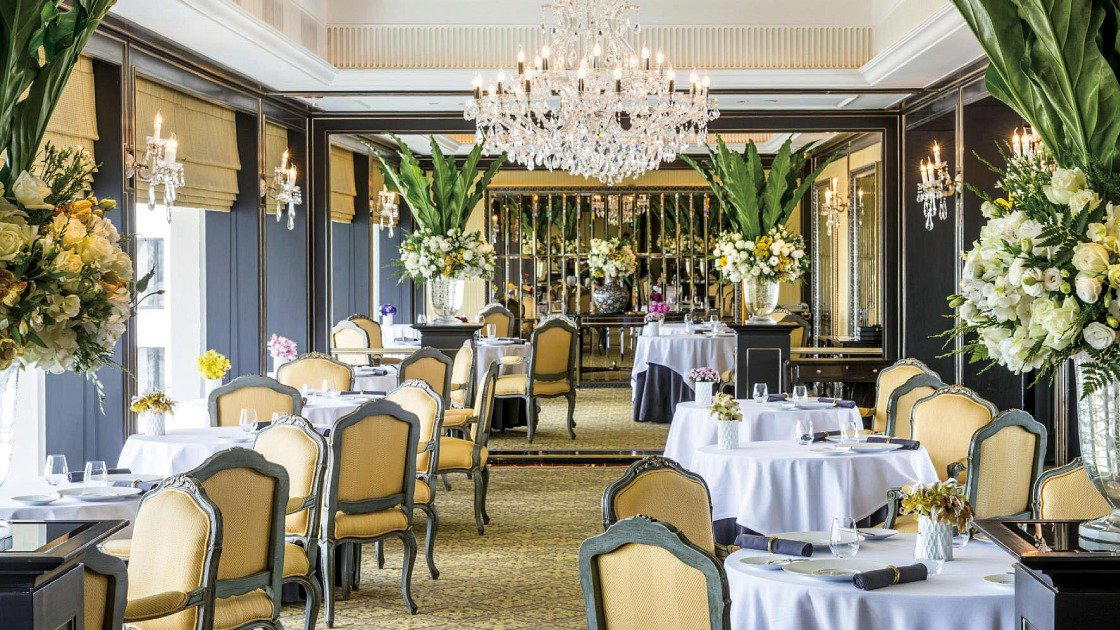
The building's bones are definitively 20th century, rooted in a clean modernist tradition that prioritised clean lines and the framing of natural scenery over decorative statement. What has changed in subsequent renovations is everything inside: the interiors now run contemporary-luxe, with a visual restraint calibrated specifically to avoid competing with the views. The property holds 120 rooms and suites distributed across the hillside, and the hierarchy is direct: the higher the floor on the ocean-facing side, the wider the panorama. Mountain View rooms at the rear face into dense tropical vegetation rather than sea, which is either a drawback or a feature depending on your preference for green enclosure over open water. Even those rooms benefit from the same interior standard, which extends to in-room electronics and spa-style bathrooms that match what The Nai Harn's Leading Hotels of the World membership (2025) would suggest. Rates from around $260 per night position it at a meaningful price point below Amanpuri or Keemala, while maintaining the physical and service standards expected of that membership category.
The Wine Program: What a Star Wine List Designation Actually Signals
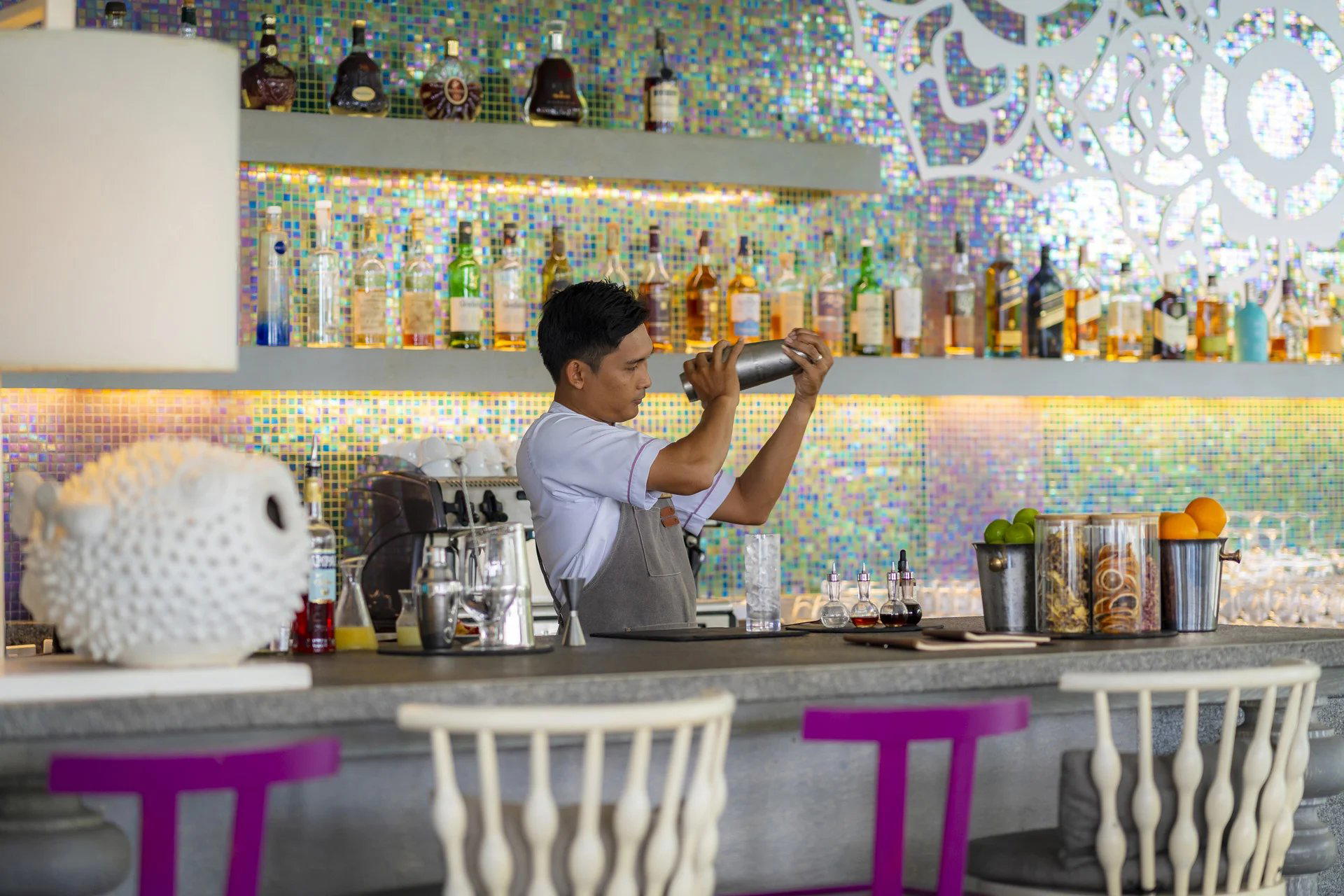
Phuket's resort wine culture has historically been an afterthought. Most beach hotels in the region operate wine lists assembled for breadth and category coverage rather than depth, and the tropical climate makes wine storage and handling a genuine operational challenge that many properties simply solve with a short, safe, predictable list. The Nai Harn's Star Wine List recognition for 2026 sits in a different category. The Star Wine List awards are judged by a panel of sommeliers and wine critics who assess lists on curation quality, depth across categories, and the intelligence of producer selection — not just length. A property of 120 rooms earning that designation in a beach resort context is worth noting, because the resort hotel format is not naturally wine-forward: the operational logic of poolside service, high guest turnover, and a predominantly cocktail-ordering clientele usually pushes wine investment down the priority list. The recognition here signals genuine curatorial ambition rather than box-ticking.
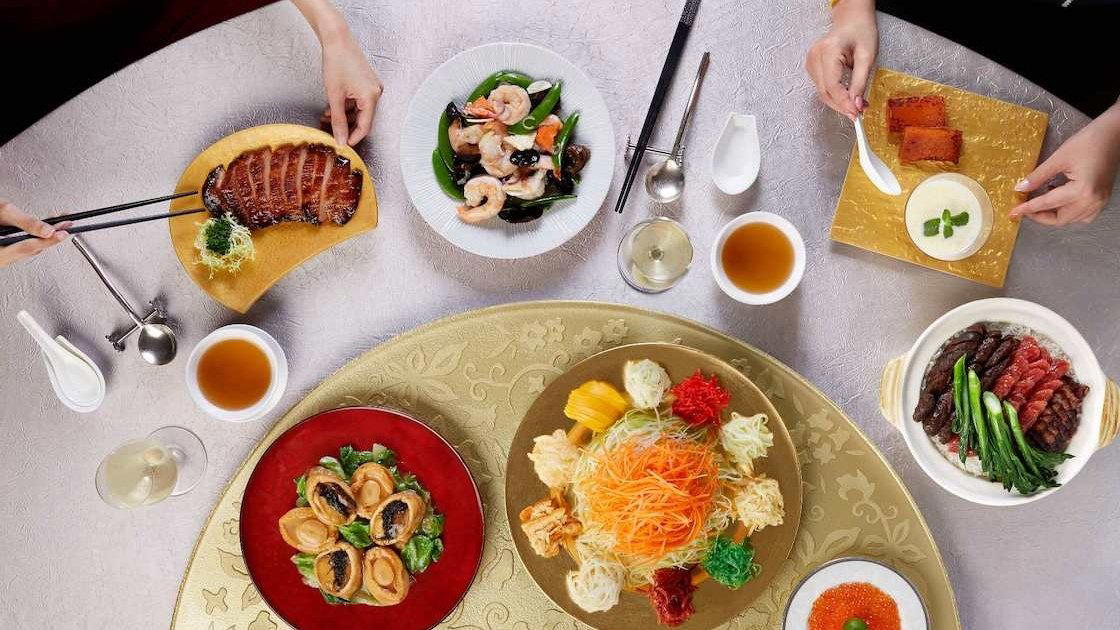
That wine program sits alongside an F&B; lineup that reportedly extends into high-end Japanese cuisine, a format that has migrated across Southeast Asian luxury hotels over the past decade as properties have competed for a guest who eats sashimi in Tokyo and expects comparable quality in Phuket. Japanese restaurant programming within beach resorts requires specific procurement and kitchen discipline that most properties don't attempt. Its presence at The Nai Harn suggests an F&B; approach that aims above the resort norm in both directions: serious wine on one side, technically demanding kitchen formats on the other. For comparison, the F&B; programs at larger Phuket properties like the InterContinental Phuket Resort or Rosewood Phuket operate at scale with more restaurant variety; The Nai Harn trades volume for specificity.
Beach, Water, and Wellness Context
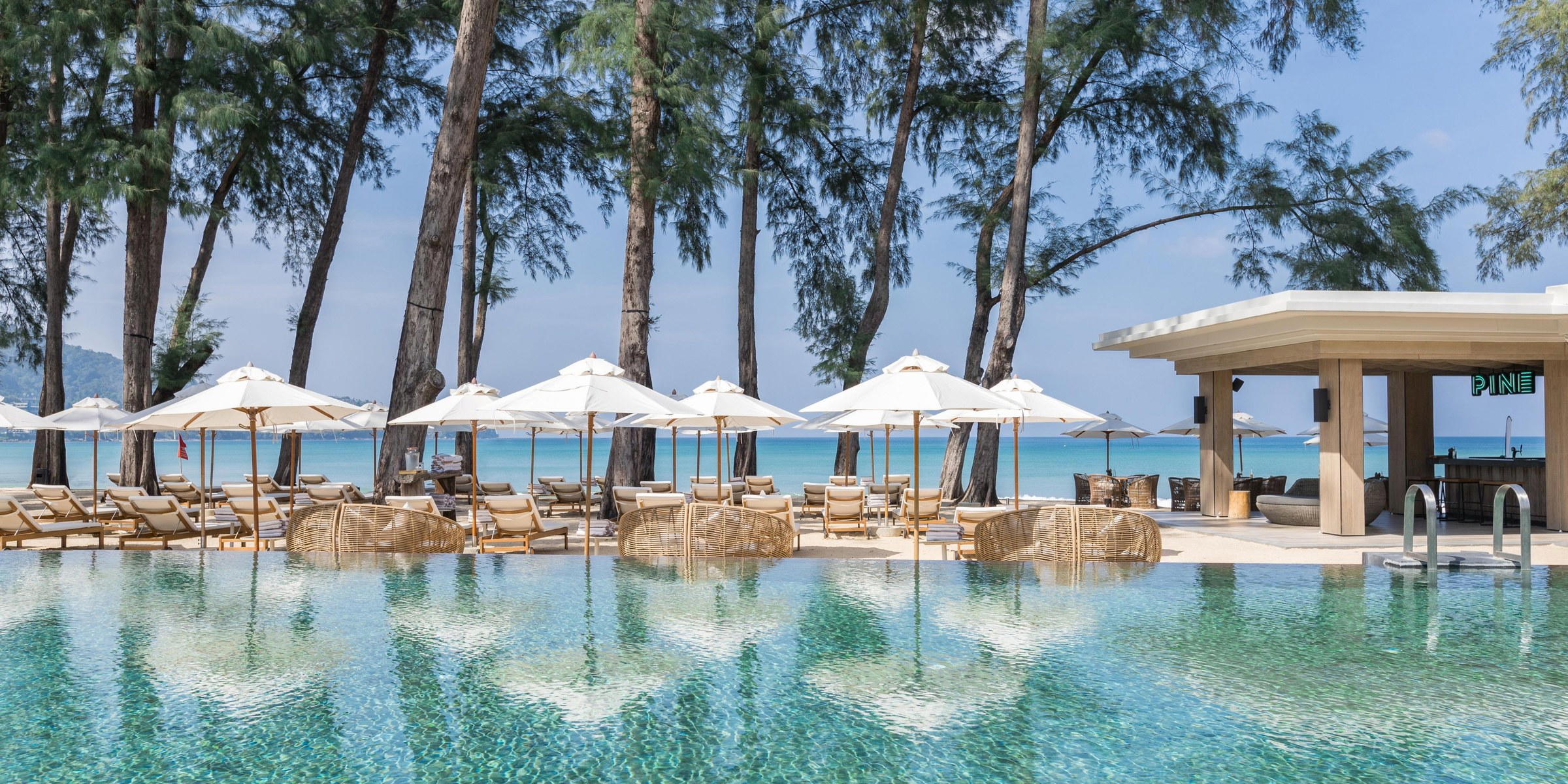
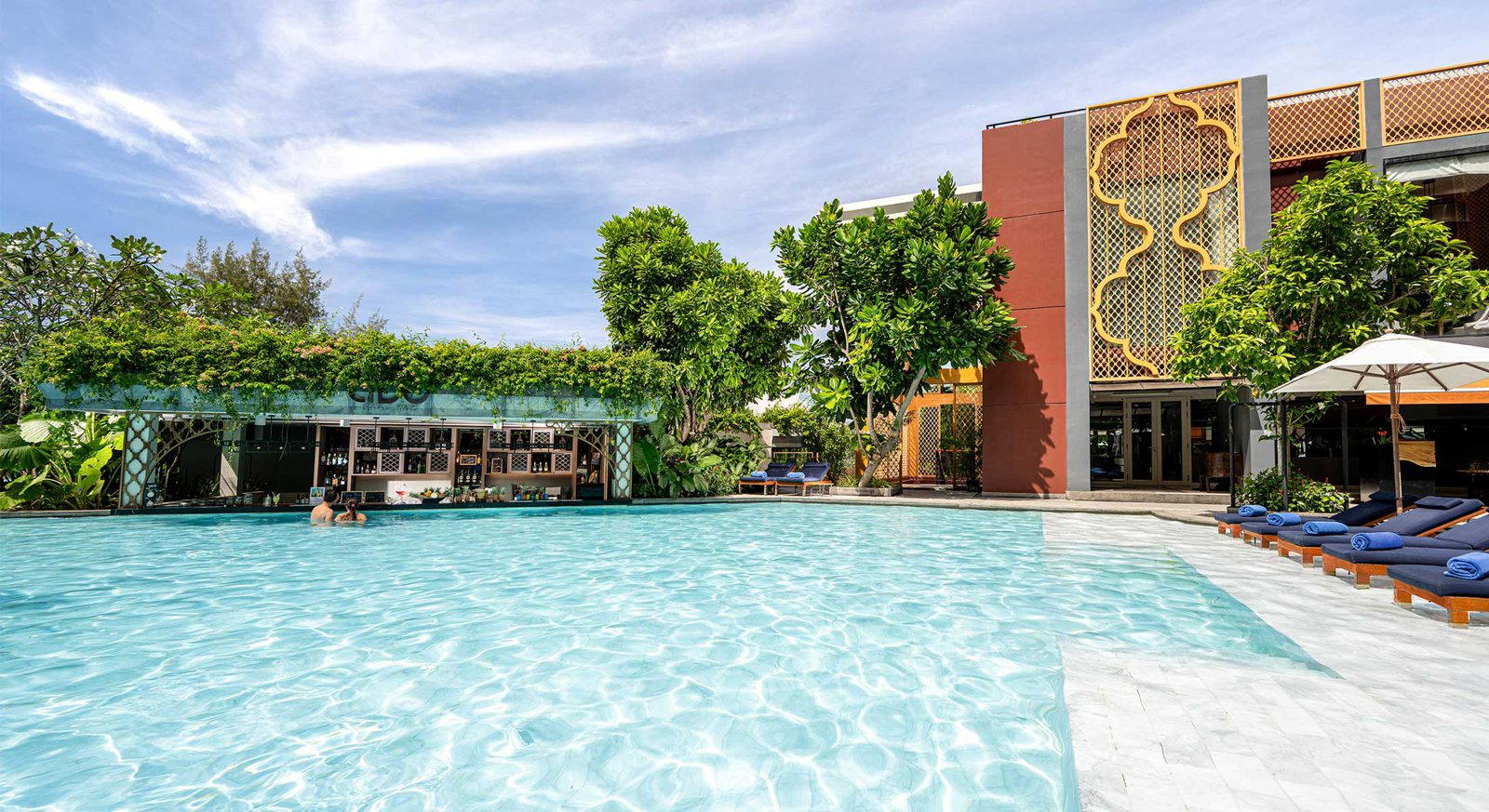
Nai Harn beach itself warrants separate assessment from the hotel, because it functions as a public amenity that happens to have one of Phuket's better resort properties adjacent to it. The beach is protected by its geography and by the adjacent Royal Phuket Yacht Club's presence, which has historically kept heavy commercial development at bay. Snorkeling and diving access from here and from the surrounding islands adds a practical dimension that distinguishes the south of Phuket from the more developed west coast beaches, where underwater visibility and reef health have suffered from decades of tourism pressure. The property's wellness infrastructure, including a gym, spa, a detox program, and a lagoon-style swimming pool, is positioned as an extensive program rather than a token amenity list, appropriate for a property whose location and pace naturally attracts guests prioritising recovery and physical reset over nightlife and activity density. For that specific guest profile, the south Phuket position is an asset rather than a logistical inconvenience. Travellers weighing comparable wellness-led properties further afield might also consider Six Senses Yao Noi in Phang Nga or Anantara Koh Yao Yai Resort & Villas, both of which occupy island positions with comparable seclusion but different travel logistics from Phuket airport.
Placing The Nai Harn in Phuket's Competitive Tier
Phuket's luxury hotel market has expanded significantly in the past decade, with properties ranging from design-forward boutique offerings to large international branded resorts. The Nai Harn occupies a specific niche: a mid-size property (120 rooms is neither boutique nor mass-scale) with a location that self-selects for guests who have already decided they want the south. Its Leading Hotels of the World status, earned in 2025, places it in a peer group that includes properties operating at verified luxury standards, a meaningful credential in a market where quality signals vary widely. At approximately $260 per night, the pricing sits in the upper-mid tier of Phuket's luxury market, meaningfully below ultra-premium options like Amanpuri and above the broader four-star resort market. For guests calibrating their Thailand itinerary across multiple destinations, comparable quality benchmarks can be found at Four Seasons Resort Chiang Mai in Chiang Mai, Mandarin Oriental Bangkok in Bangkok, and, for southern coastal options, Phulay Bay, A Ritz-Carlton Reserve in Krabi. Within the island itself, guests who prioritise location specificity over brand breadth might also examine Andara Resort & Villas and Anantara Layan Phuket Resort for different coastal exposures. A broader overview of the island's food and hospitality options is available in our full Phuket restaurants guide.
Planning Your Stay
The property is located at 23/3 Moo 1, Vises Road, Rawai, in Phuket's southernmost district. The drive from Phuket International Airport runs approximately 45 to 50 minutes under normal traffic conditions, so travellers connecting from Bangkok or international routes should factor that into arrival logistics. The November to April dry season represents the optimal window for Nai Harn's beach conditions; the southwest monsoon, which arrives around May, can produce rougher surf and greener but wetter conditions through October. Rates from around $260 per night reflect the property's Leading Hotels of the World standard. Guests whose wine interest drives their hotel selection should note the Star Wine List 2026 recognition as a genuine signal of list quality rather than a marketing tag. For broader Thailand luxury comparison beyond Phuket, see also Pimalai Resort & Spa in Koh Lanta, Samujana Villas in Koh Samui, and Soneva Kiri in Trat.
A Tight Comparison
Comparable venues nearby, for context on price, style, and recognition.
| Venue | Cuisine | Price | Awards | Notes |
|---|---|---|---|---|
| The Nai Harn PhuketThis venue — the venue you are viewing | Not listed | $200–300 | 1 Michelin Key · Star Wine List | Not listed |
| The Racha | Not listed | Not listed | 1 Michelin Key · Mr & Mrs Smith Seal of Approval | Mueang Phuket, Eco-chic luxury all-villa resort in harmony with tropical island nature |
| The Pavilions Phuket | Not listed | $200–300 | 1 Michelin Key | Thalang, Hilltop luxury resort with private pool villas and suites |
| Andara Resort & Villas | Not listed | $500–750 | 1 Michelin Key · Forbes Recommended | Kathu, Modern Thai luxury resort with private villas |
| COMO Point Yamu | Thalang, Contemporary Thai luxury resort | Not listed | 1 Michelin Key · Mr & Mrs Smith Seal of Approval | Not listed |
| Trisara | Not listed | $1,000–1,500 | 2 Michelin Keys · La Liste Top Hotels | Thalang, Secluded luxury resort blending Thai heritage with modern privacy |
Recognition history
Dated appearances from independent guides and award organizations, with the underlying list record or original source where available.
Michelin 1 Key
Michelin
Star Wine List
Star Wine List
Travel + Leisure 100 Favorite Hotels in the World #41 · No. 41
Travel + Leisure · 2026 Travel + Leisure 100 Favorite Hotels in the World
Leading Hotels of World Member
Leading Hotels of World
Full recognition history (5 entries)
Michelin 1 Key
Michelin
Details
- Elegant
- Sophisticated
- Scenic
- Quiet
- Romantic
- Honeymoon
- Romantic Getaway
- Wellness Retreat
- Family Vacation
- Beachfront
- Infinity Pool
- Panoramic View
- Pool
- Spa
- Fitness Center
- Wi Fi
- Room Service
- Concierge
- Beach Access
- Waterfront
- Elevator
Tranquil and luxurious with elegant decor, dramatic sea views, low noise levels, and personalized service creating a serene seaside escape.