Gnocco
Gnocco sits on East 10th Street in the East Village, where the neighborhood's Italian-American dining tradition runs deep and ingredient provenance matters more than spectacle. The kitchen works within a regional Italian framework at a price point that keeps it firmly in everyday-serious rather than special-occasion territory. For a neighborhood that increasingly skews toward tasting menus and natural wine bars, Gnocco holds a different lane.
Pearl is the En Primeur Club membership app — saves, bookings, and concierge access live there. Same editors, same standards.
- Address
- 337 E 10th St, New York, NY 10009
- Phone
- +12126771913
- Website
- gnocco.com
- Directions
- Get directions
 Saves & bookings on Pearl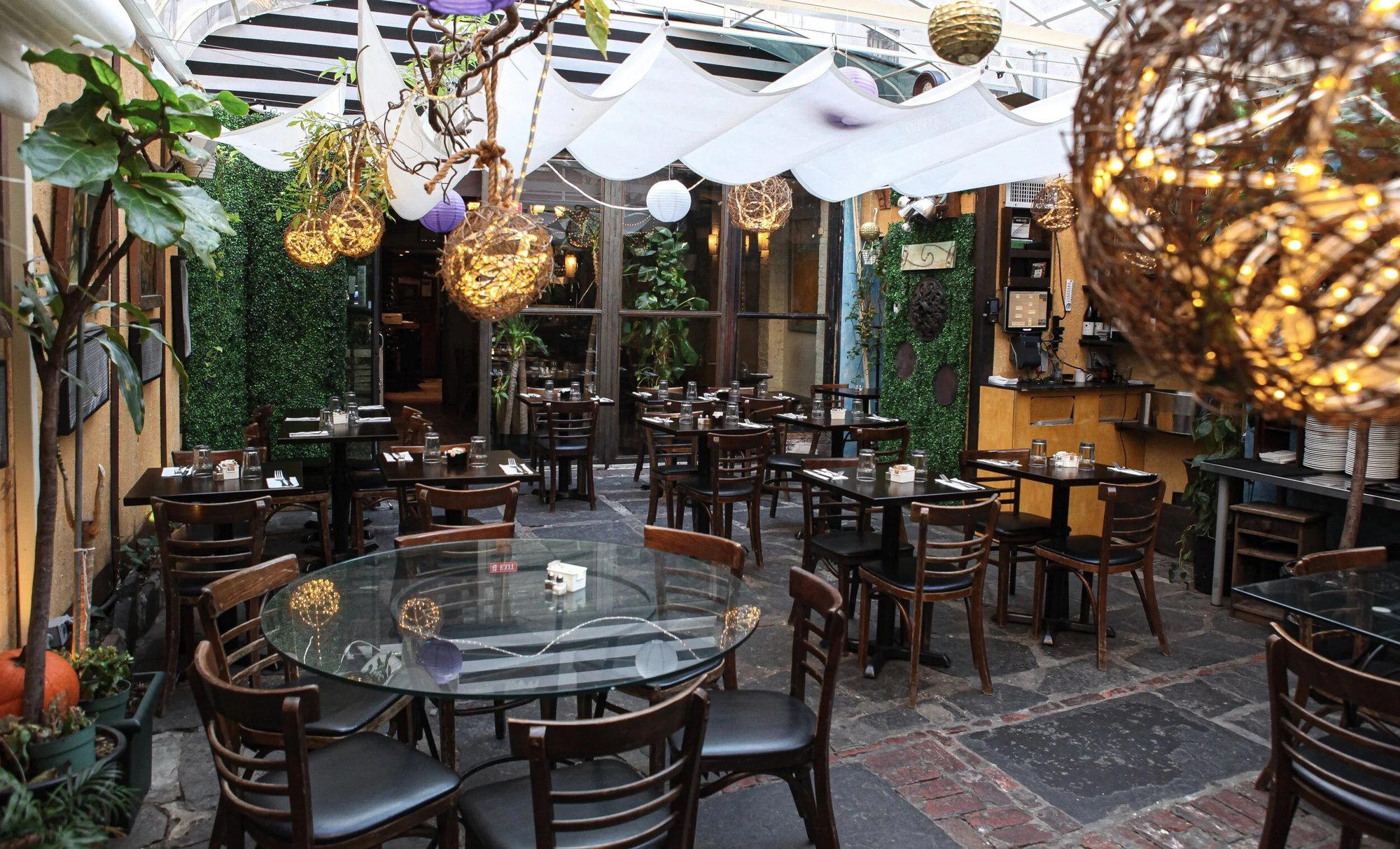
East Village Italian, Grounded in What the Region Actually Grows
Gnocco is an Authentic Northern Italian restaurant at 337 E 10th St in New York, NY 10009, with a $60 per-person price point. On East 10th Street, the blocks between Avenues B and C carry a particular kind of institutional memory: Italian and Eastern European restaurants that predate the neighborhood's several waves of gentrification, alongside newer arrivals that understand the area's preference for substance over theater. Gnocco, at 337 E 10th St, occupies that category. It is not a red-sauce parlor running on nostalgia, nor a modernist Italian project chasing comparison with the city's priciest tasting menus. It reads, instead, as a neighborhood Italian restaurant that takes its sourcing with the same seriousness that more decorated kitchens apply to their procurement.
That positioning matters because New York's Italian dining market has bifurcated sharply over the past decade. On one end, a handful of restaurants compete at the $$$$ tier alongside destinations like Le Bernardin, Per Se, and Masa in terms of per-cover spend and production ambition. On the other end, a long tail of casual trattorias competes primarily on price and proximity. Gnocco operates in the territory between those poles, somewhere that takes the food seriously without demanding that the evening become an event.
The Case for Regional Italian Sourcing in a City This Size
Italian regional cooking is, structurally, an argument about ingredients: the right flour for the right pasta shape, the right fat for the right sauce, the right cheese for the right plate. When that logic is applied to sourcing in New York, the implications run further than most diners register. The city is close enough to the Hudson Valley and the broader tri-state agricultural region to access seasonal produce that tracks the actual Italian agricultural calendar in a way that California-centric kitchens on the West Coast cannot. Blue Hill at Stone Barns in Tarrytown built its entire identity around this proximity argument at the fine-dining end of the market. The same logic, applied more quietly and at a more accessible price point, is what distinguishes a neighborhood Italian restaurant that earns repeat visits from one that coasts on formula.
The name itself is an ingredient signal. Gnocco, the word refers to the fried dough specific to the Emilia-Romagna region, where it is served alongside cured meats as a traditional antipasto, positions the kitchen within a specific northern Italian tradition rather than the generalized pan-Italian template that dominates most of New York's mid-market Italian offer. Emilian cuisine is butter- and pork-fat-driven, reliant on aged cheeses like Parmigiano-Reggiano and Grana Padano, and rooted in a pasta culture that prioritizes egg dough over semolina. These are not interchangeable defaults; they are specific regional commitments that require consistent sourcing to execute honestly. Restaurants in the same regional Italian tradition across the country, Frasca Food and Wine in Boulder, for instance, with its Friulian focus, have demonstrated that regional specificity at the mid-to-upper market level builds the kind of audience loyalty that undifferentiated Italian cooking cannot.
Where Gnocco Sits in the East Village Dining Context
The East Village's Italian restaurants operate in a neighborhood that has absorbed a great deal of culinary change without entirely abandoning the communities that built its dining character. The southern stretch of Avenue B and the cross streets around Tompkins Square Park have historically supported restaurants that were serious about the food without requiring formal service codes or significant financial outlay. That tradition continues to attract a specific kind of diner: one who has eaten at the city's more celebrated kitchens, Atomix for modern Korean or one of the French tasting-menu rooms, and who values that level of ingredient attention, but who also wants a Tuesday dinner that does not require months of planning or a triple-digit per-person spend.
Across the country, this mid-serious neighborhood Italian slot has proven more durable than the special-occasion end of the market. Kitchens like Smyth in Chicago or Providence in Los Angeles occupy the upper end of their respective city's dining hierarchies; they set the standard against which sourcing ambition is measured. But the restaurants that survive multiple economic cycles in dense urban neighborhoods tend to be the ones operating one tier below that ceiling, with cooking that is specific enough to earn loyalty and priced accessibly enough to build frequency. Gnocco's address in the East Village puts it in the right geography for that model.
Seasonality is the other variable that separates a kitchen with genuine sourcing discipline from one performing the language of provenance. New York's proximity to stone-fruit harvests in July, corn and tomato peaks in August, and root vegetable and squash transitions through October and November gives a kitchen on East 10th Street access to an agricultural calendar that is genuinely richer than what restaurants operating in more climate-controlled supply chains can manage. The same regional abundance that supports farm-to-table operations in California, albeit in a different tier and format, applies in modified form to any New York kitchen willing to engage with regional producers directly.
Planning a Visit
The East Village remains one of Manhattan's more walkable dining neighborhoods, well-served by the L train at First Avenue and the F and M trains at Second Avenue, putting Gnocco within a few minutes of both. The blocks around Tompkins Square Park attract a cross-generational crowd that keeps the area lively well into the evening on weekdays, which makes it a practical choice for early-week dinners when more formal restaurants operate with reduced schedules. Visitors who compare regional Italian cooking across cities will find the East Village a useful point of reference for how the same culinary logic translates across different economic and geographic contexts.
Peers in This Market
Comparable venues nearby, for context on price, style, and recognition.
| Venue | Cuisine | Price | Notes |
|---|---|---|---|
| GnoccoThis venue — the venue you are viewing | Authentic Northern Italian | $$ | Not listed |
| Tre | Napoli-Inspired Italian | $$ | East Village |
| Piccola Cucina Osteria Siciliana | Sicilian Osteria | $$ | SoHo-Little Italy-Hudson Square |
| Campania | Coal-Fired Italian Pizza | $$ | Bay Ridge |
| Pizza Studio Tamaki | Tokyo-Neapolitan Pizza | $$ | East Village |
| Pepolino | Authentic Tuscan Italian | $$ | SoHo-Little Italy-Hudson Square |
Continue exploring
More in New York City
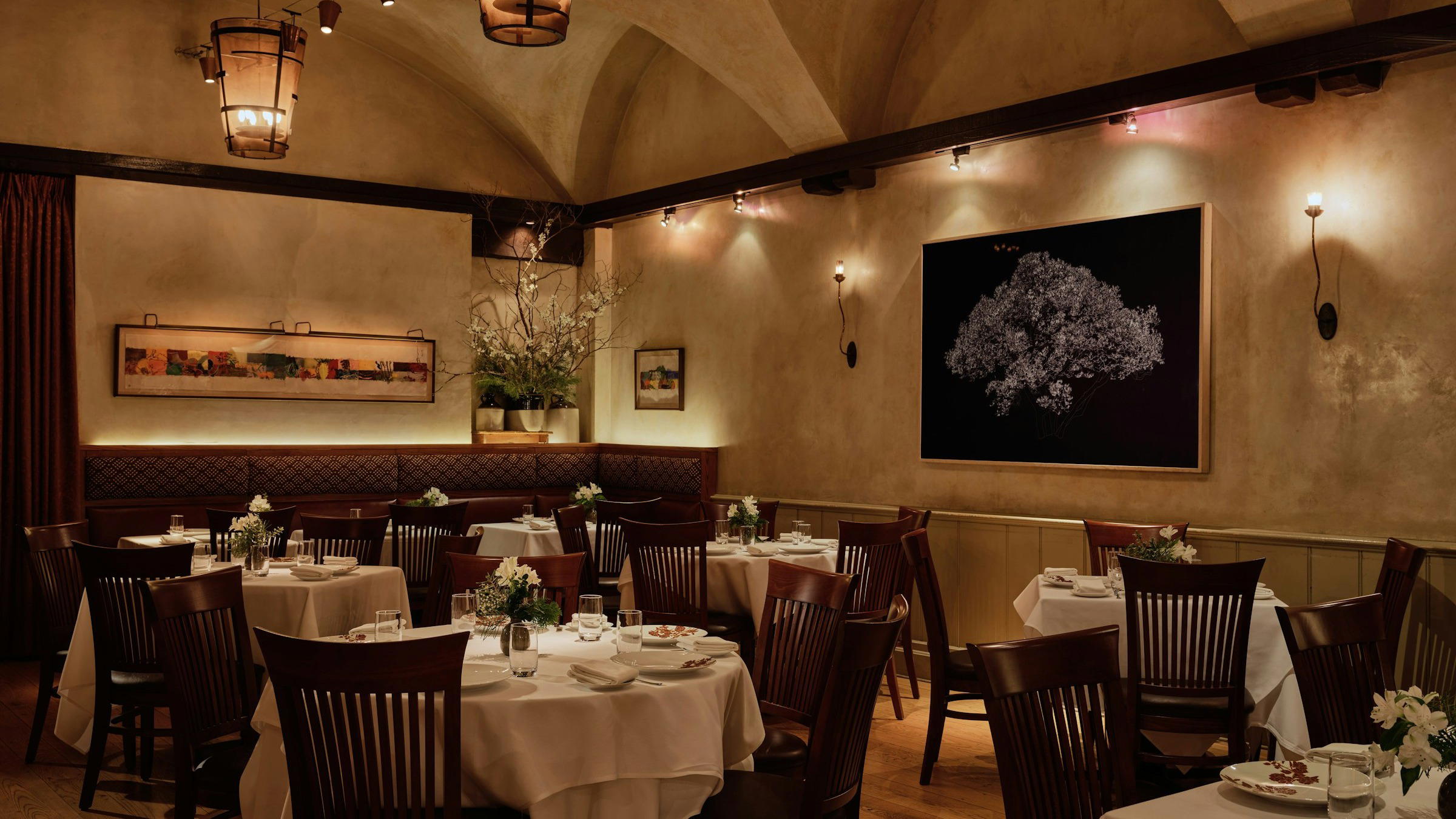
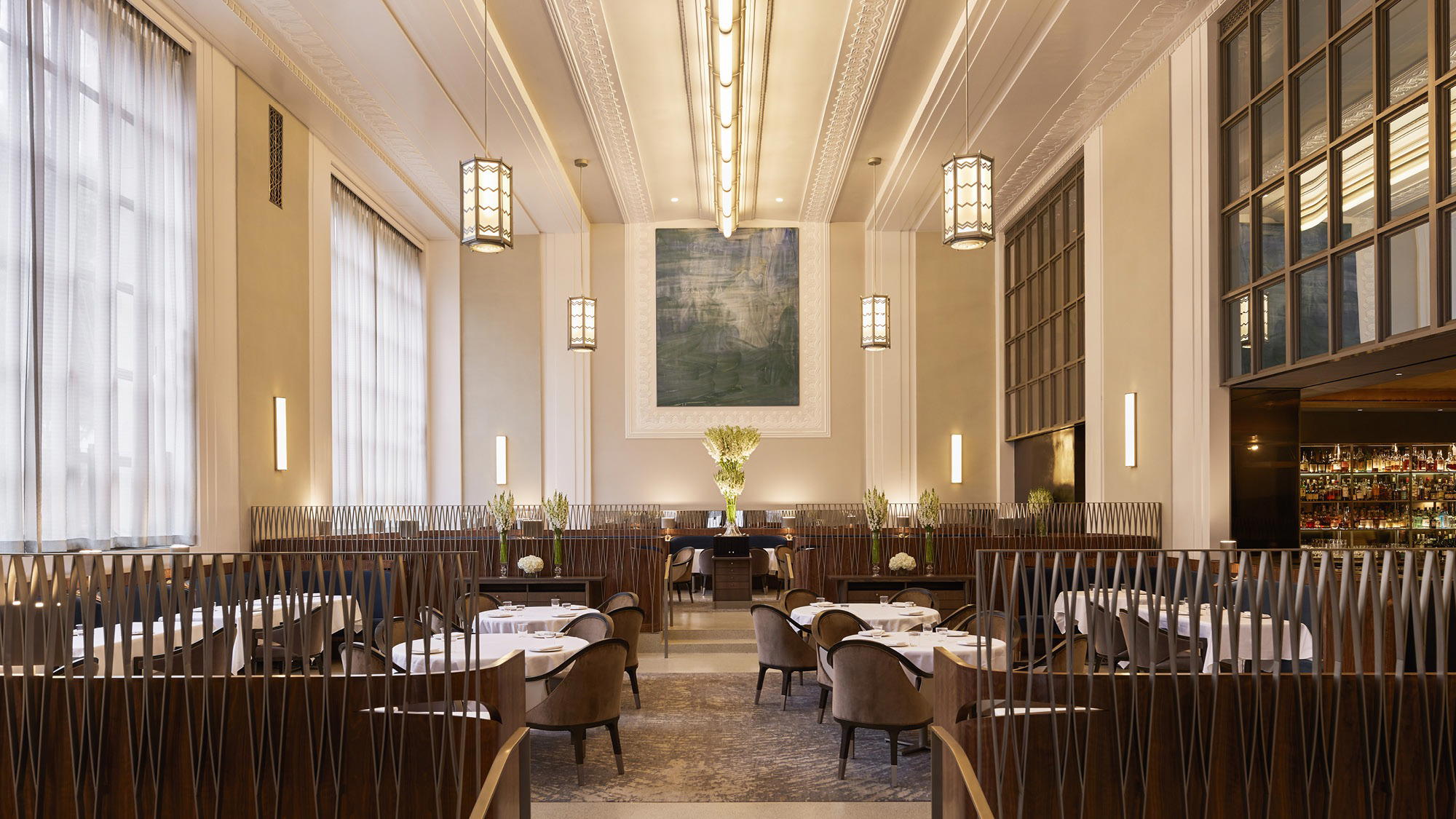
Restaurants in New York City
Browse all →
Bars in New York City
Browse all →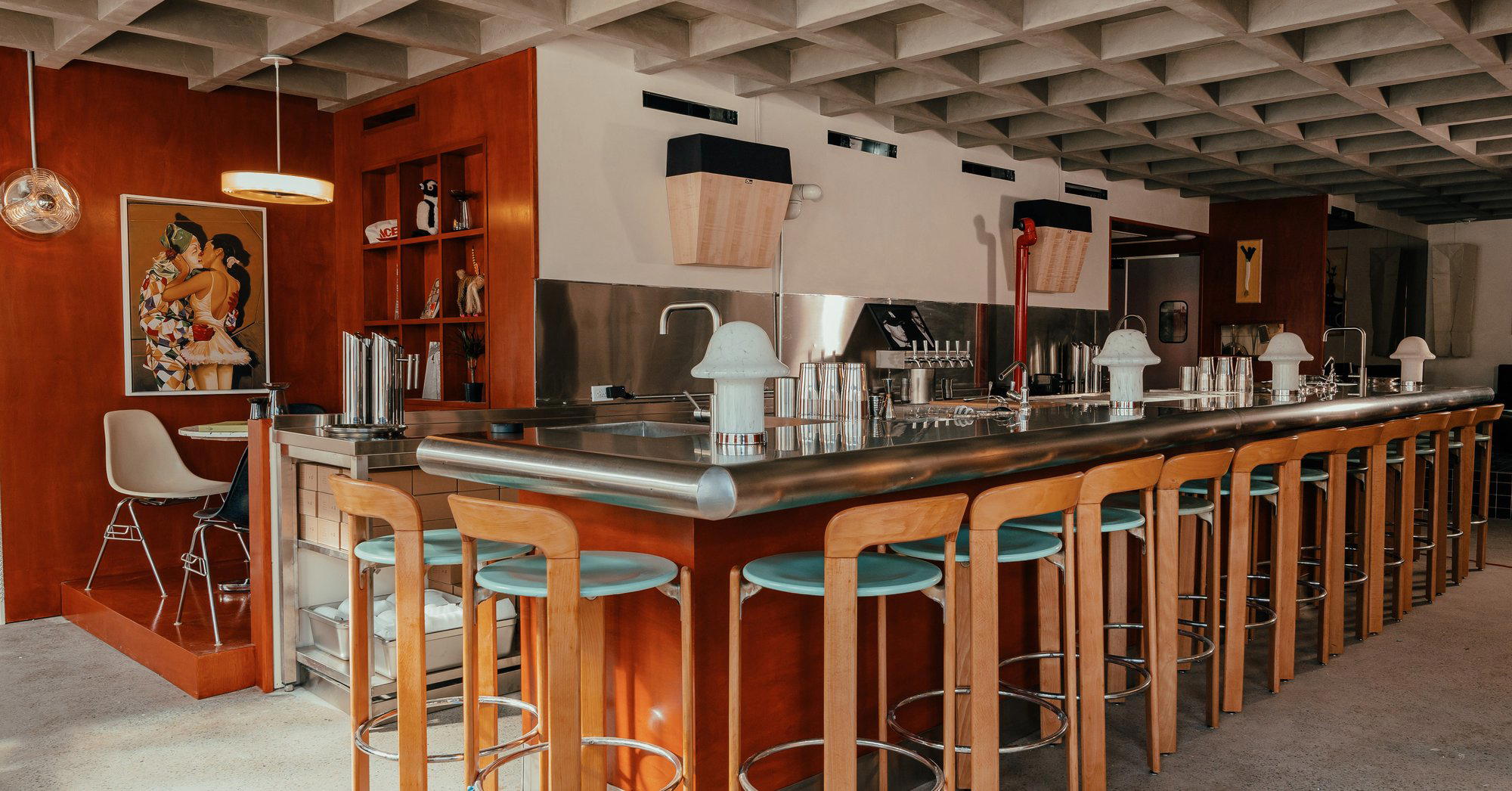
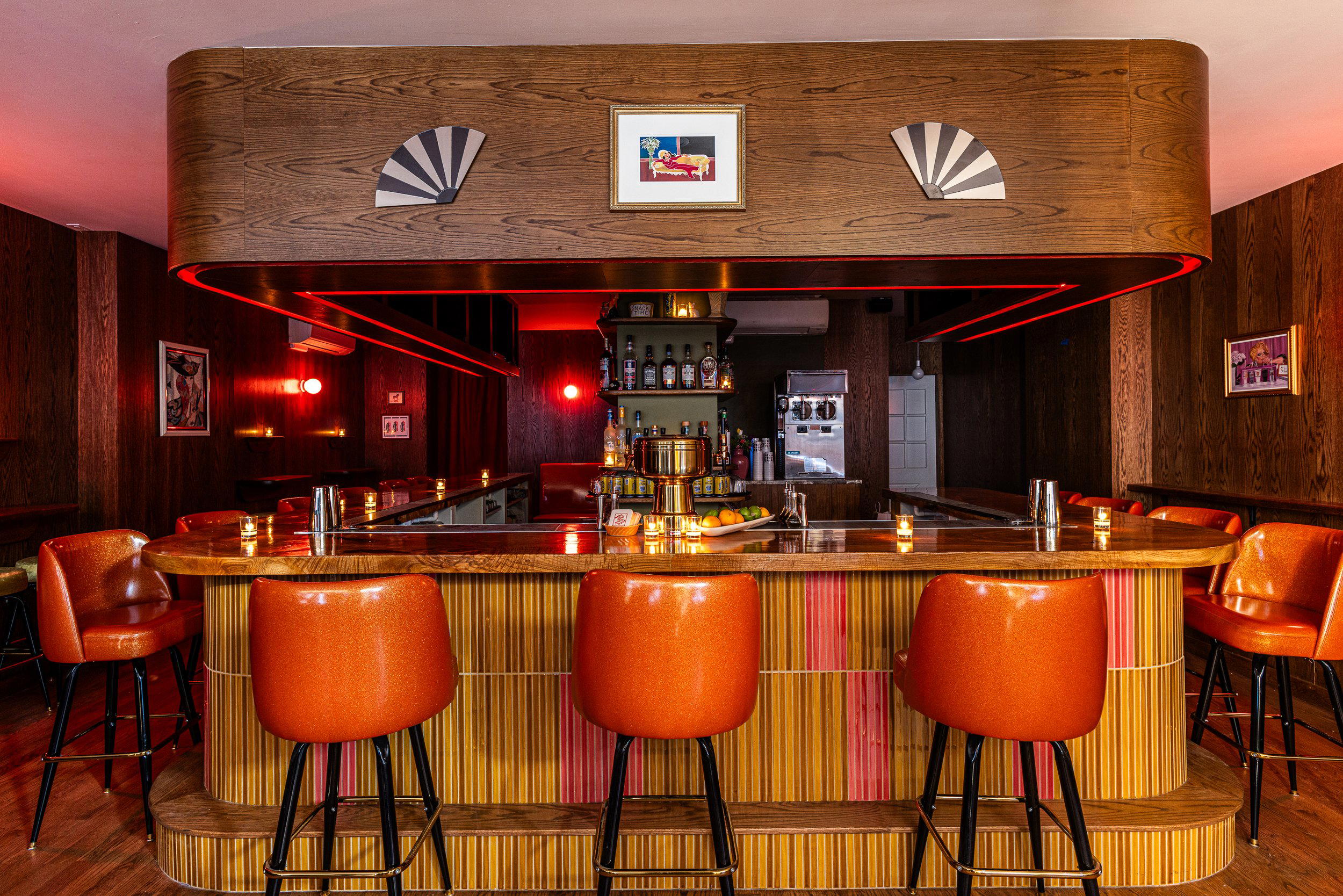
Hotels in New York City
Browse all →




At a Glance
- Cozy
- Rustic
- Classic
- Date Night
- Group Dining
- Family
- Casual Hangout
- Brunch
- After Work
- Garden
- Private Dining
- Terrace
- Extensive Wine List
- Craft Cocktails
- Beer Program
- Byob
- Local Sourcing
- Garden
Current opening hours
- Monday
- 4:30–10 PM
- Tuesday
- 4:30–10 PM
- Wednesday
- 4:30–10 PM
- Thursday
- 4:30–10 PM
- Friday
- 4:30–10:30 PM
- Saturday
- 11 AM–10:30 PM
- Sunday
- 11 AM–10 PM
Hours can change for holidays and private events. Last verified .
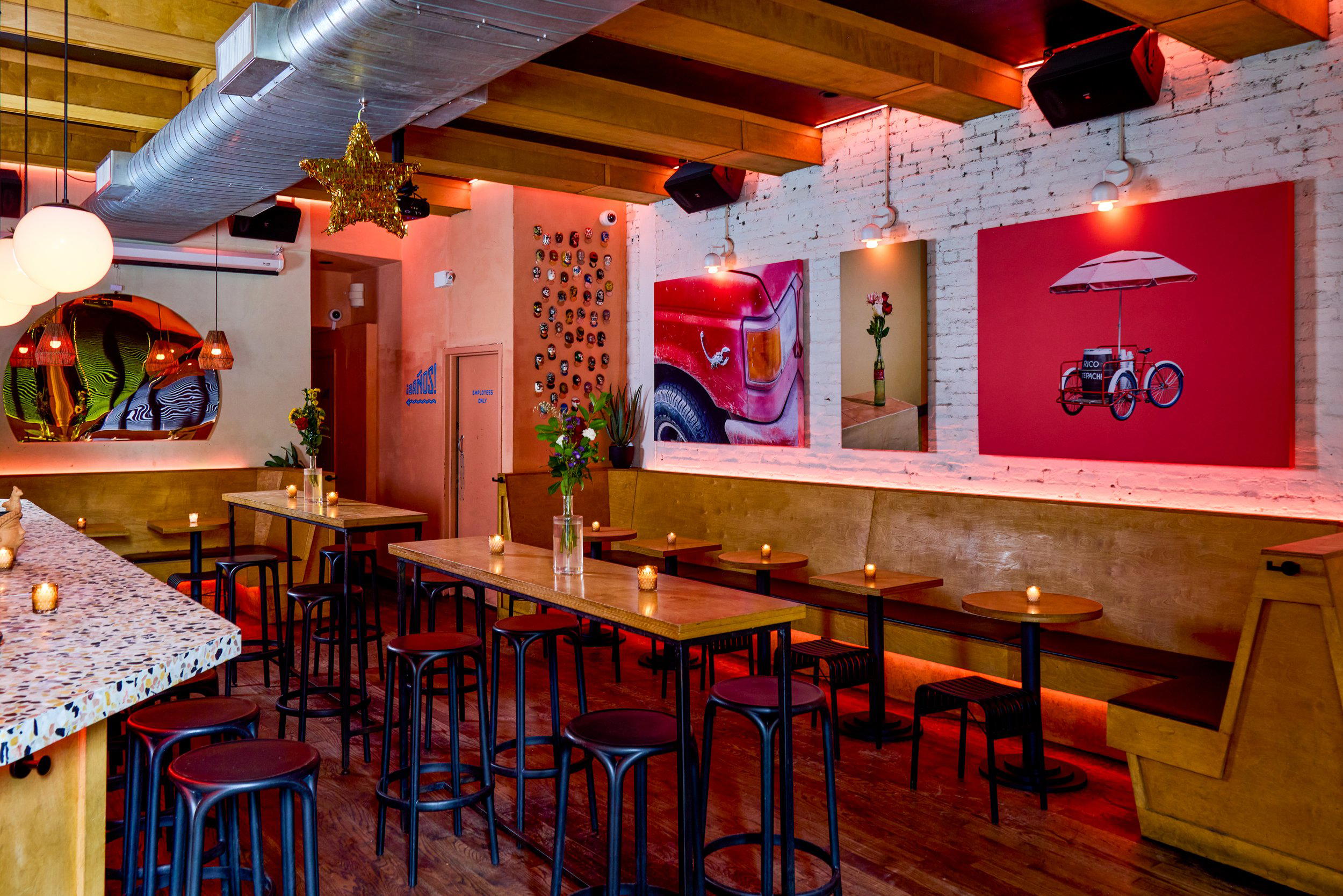
Warm and cozy with vintage light fixtures, tiled floors, low ceilings, and a fully enclosed heated indoor garden that creates an intimate outdoor feel. Charmingly decorated with rustic Italian character.