Campania
Our verdict
Campania sits on 4th Avenue in Bay Ridge, Brooklyn, where the Italian-American dining tradition runs deep and the neighborhood still rewards those willing to cross the bridge. The restaurant represents the borough's appetite for Italian cooking that prioritizes ritual and repetition over novelty, a counterpoint to the tasting-menu format that dominates Manhattan's upper tier.

Pearl is the En Primeur Club membership app, where members save venues, book tables and use the concierge.
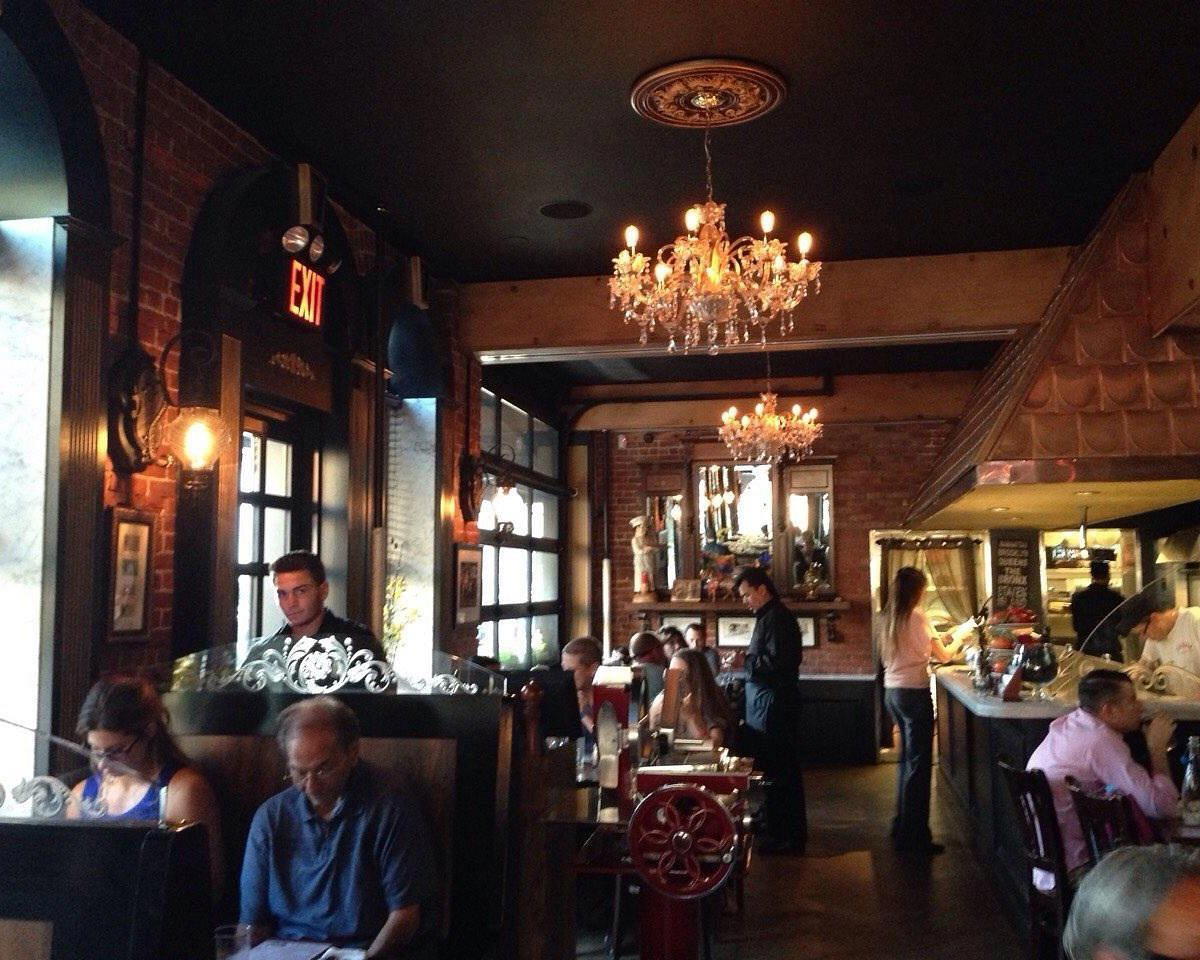
The menu
What to order
- Margherita Pizza
- Ortolano Pizza
- Calabrese Pizza
Bay Ridge and the Italian Table
Brooklyn's 4th Avenue corridor in Bay Ridge carries one of New York City's more durable Italian-American dining identities. The neighborhood settled into its culinary character decades before the borough's food scene became a subject of national editorial attention, and it has largely resisted the pressure to reformat itself around the conventions that now define dining in Williamsburg or Carroll Gardens. Where those neighborhoods have absorbed the tasting-menu format and the small-plates idiom that spread outward from Manhattan's upper tier, Bay Ridge has held onto something older: the Italian meal as a structured social event, with courses arriving in sequence, portions sized for sharing, and a pace set by the table rather than the kitchen's ambitions.
Campania, at 9824 4th Avenue, operates inside that tradition. The address places it in a stretch of Brooklyn that functions as a working neighborhood first and a dining destination second, which, in New York's current restaurant geography, is increasingly rare. The Italian restaurants that have survived and continued to draw regulars in Bay Ridge tend to do so on the strength of consistency and familiarity rather than on the novelty premium that sustains reservations at Manhattan's top-tier rooms. Compare that model to the $$$$ price brackets at Le Bernardin, Per Se, or Masa, where the meal itself is the occasion, and the structural difference becomes clear: Bay Ridge Italian dining operates on repetition and relationship, not on the single-visit premium experience.
The Ritual of the Italian-American Meal
Italian-American dining in New York has its own customs, distinct from both the Southern Italian regional cooking it adapted and the contemporary Italian tasting formats that have arrived more recently from chefs with European training. The ritual here is specific: bread arrives early, antipasti are shared without ceremony, pasta courses come before protein, and the pace stretches across two hours without anyone treating that duration as unusual. The meal is not a performance directed at the diner, it is a framework the diner enters and adapts to. That distinction matters when placing a restaurant like Campania in its correct context.
At the high end of New York's Italian category, that ritual has been formalized into tasting menus with Italian architectural logic but modernist execution. Atomix represents an adjacent model in the Korean idiom, the tasting format applied to a non-European tradition with similar discipline. Eleven Madison Park has moved the formal tasting into plant-forward territory while maintaining the same sequenced ritual. What distinguishes neighborhood Italian dining from those formats is not a lack of intention but a different relationship to the guest: the meal accommodates the table's rhythm rather than imposing a scripted one.
That accommodation is built into the Italian-American dining model by design. Antipasti, pasta, secondi, and dolci exist as a loose grammar, not a fixed program. A table of four can collapse those categories, repeat a pasta course, or skip straight to the main without disrupting the kitchen's logic. That flexibility is part of what makes the format durable across generations and across income levels, it is structurally resistant to the obsolescence that tends to hit highly formatted dining experiences.
Where Campania Sits in the Broader Scene
New York's Italian restaurant scene spans an enormous range, from the spare, wine-focused trattorias of the West Village to the red-sauce institutions of Staten Island and the outer boroughs. Bay Ridge occupies a specific position in that range: it carries the credibility of a neighborhood with genuine Italian-American roots rather than a curated Italian concept built for a transplant audience. The restaurants here have not been designed around a demographic that arrived recently, they have been shaped by decades of use by people who live nearby and eat Italian food regularly, not occasionally.
For context on what the Italian table looks like when it has been formalized into a destination-dining model, Frasca Food and Wine in Boulder offers one American interpretation of Northern Italian ritual, while Dal Pescatore in Runate represents the Italian original, a multi-generation family restaurant in the Po Valley that has held Michelin recognition for decades. Atelier Moessmer Norbert Niederkofler in Brunico shows what happens when that Alpine-Italian tradition is pushed into tasting-menu formalism. Campania sits at none of those points on the spectrum, it belongs to a specifically American adaptation of the Italian meal, shaped by Brooklyn's particular immigration history and neighborhood economics.
Across the United States, restaurants working in comparable neighborhood-Italian registers include Emeril's in New Orleans, which draws on a different regional American food culture but shares the same appetite for cooking that prioritizes familiarity over novelty. At the farm-to-table end of the American dining conversation, Blue Hill at Stone Barns in Tarrytown and Single Thread Farm in Healdsburg represent how the sequenced meal has been repositioned around ingredient sourcing and seasonal narrative. The French Laundry in Napa, Providence in Los Angeles, Addison in San Diego, Smyth in Chicago, Lazy Bear in San Francisco, and The Inn at Little Washington all apply that same sequenced formalism to different regional American contexts. The Bay Ridge Italian model operates on different premises entirely, not better or worse, but built around different assumptions about what dinner is for.
Planning a Visit
Bay Ridge is accessible from Manhattan via the R train to 95th Street, a ride of roughly 45 minutes from Midtown. The neighborhood is not a quick detour from a Manhattan evening, getting here requires a decision to make Bay Ridge the destination rather than a stop on a longer itinerary. That friction is worth accounting for when booking. The address at 9824 4th Avenue is in the southern stretch of Bay Ridge, where the neighborhood's Italian restaurant density is highest and parking is more available than in the northern sections closer to the Gowanus Expressway interchange.
Visitors planning a trip should confirm details directly before traveling. For a broader view of where Campania fits within New York's dining geography, EP Club's full New York City restaurants guide maps the city's dining tiers from outer-borough neighborhood restaurants through to the Michelin-starred rooms of Midtown and the Upper East Side.
Frequently asked questions
at Campania?
EP Club does not hold verified menu data for Campania at this time. In the Italian-American tradition that defines Bay Ridge dining, pasta courses typically represent the kitchen's clearest statement of intent, ordering at least one pasta alongside a shared antipasto and a secondi follows the logic of the format and gives the broadest read of the kitchen's range.
Do they take walk-ins at Campania?
In the Bay Ridge neighborhood-Italian category, walk-in availability tends to be higher than at Manhattan's more formal rooms, where a $$$$ prix-fixe format at venues like Per Se or Eleven Madison Park typically requires advance reservations weeks or months out. Calling ahead remains the most reliable approach for any Brooklyn neighborhood restaurant, particularly on weekend evenings.
What's the defining dish or idea at Campania?
The defining idea, however, is structural: Campania operates within the Italian-American meal format, where the sequence of antipasto, pasta, and secondi functions as the organizing principle rather than a chef's tasting narrative. That framework is itself the statement, cuisine as social ritual rather than authorial expression.
Is Campania representative of Bay Ridge's Italian dining tradition, or does it stand apart from the neighborhood's other Italian restaurants?
Bay Ridge supports one of Brooklyn's highest concentrations of Italian-American restaurants, a density that reflects the neighborhood's immigration history rather than a recent dining trend. What the 4th Avenue address confirms is that Campania operates within the neighborhood's established Italian dining corridor, a stretch that has defined the area's culinary identity across multiple generations of New York's restaurant history.
Side-by-Side Snapshot
Comparable venues nearby, for context on price, style, and recognition.
| Venue | Cuisine | Price | Notes |
|---|---|---|---|
| CampaniaThis venue (the venue you are viewing) | Coal-Fired Italian Pizza | $20–30 | Not listed |
| Russo's Mozzarella and Pasta | Classic Italian Mozzarella & Pasta Shop | Not listed | Park Slope |
| Bocca Lupo | Italian Regional Trattoria | Not listed | Carroll Gardens-Cobble Hill-Gowanus-Red Hook |
| Denino's Greenwich Village | Classic Thin-Crust Italian Pizzeria | $30–50 | Greenwich Village |
| Lavagna | Traditional Italian Trattoria | $30–50 | East Village |
| Pizza Studio Tamaki | Tokyo-Neapolitan Pizza | $20–30 | East Village |
Continue exploring
More in New York City
Restaurants in New York City
All restaurants in New York City →
Bars in New York City
All bars in New York City →





Details
- Cozy
- Rustic
- Casual Hangout
- Family
- Open Kitchen
- Beer Program
- A La Carte
- Vegetarian Friendly
- Vegan Options
Current opening hours
- Monday
- 11:30 AM–10 PM
- Tuesday
- 11:30 AM–10 PM
- Wednesday
- 11:30 AM–10 PM
- Thursday
- 11:30 AM–10:30 PM
- Friday
- 11:30 AM–11 PM
- Saturday
- 11:30 AM–11 PM
- Sunday
- 11:30 AM–10 PM
Hours can change for holidays and private events. Hours as of .
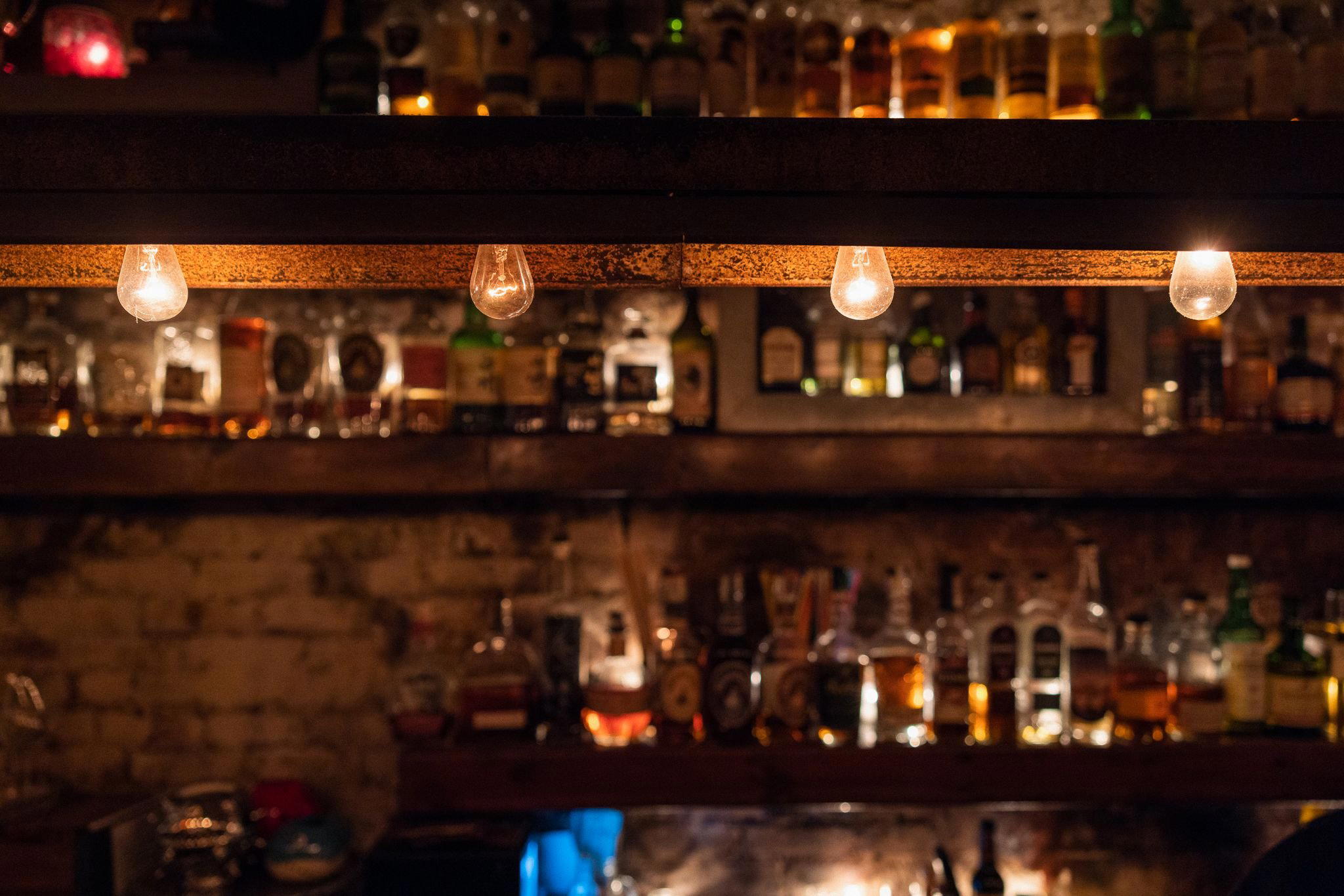
Cozy setting with the smoky aroma from the coal-fired oven.