Our verdict
Positioned along the Tulum Hotel Zone corridor on Carretera Tulum-Punta Allen, Tseen Ja occupies a stretch of coastline where the Yucatán's indigenous pantry meets technique drawn from beyond Mexico's borders. The address places it among the zona hotelera's more considered dining options, where the interplay of local produce and applied culinary craft defines the kitchen's direction.

Pearl is the En Primeur Club membership app — saves, bookings, and concierge access live there. Same editors, same standards.
- Address
- Carretera Tulum-Punta Allen KM 5, Zona Hotelera, 77780 Tulum, Mexico
- Phone
- +52 984 980 0640
- Hours
- Daily 5:30–11 PM
- Website
- azulik.com
- Directions
- Get directions
- Booking
- Book on OpenTable
The menu
What to order
- Cocoa Cod
- Kombu Salmon
- Tataki Hamachi
- Zen Dessert
Where the Jungle Road Meets the Table
The drive south along Carretera Tulum-Punta Allen establishes its own rhythm before you arrive anywhere. By kilometre five, the hotel zone's density has thinned, the road has narrowed, and the canopy closes in on both sides. This is the physical context for Tseen Ja: not the northern cluster of high-volume beach clubs, but a quieter, more deliberate stretch where the restaurants that have settled here tend to reflect the environment rather than compete with it. Dining at this end of the zone carries an implicit proposition — that the journey is part of the frame.
Tulum's food scene has matured considerably over the past decade. What began as a loose assembly of beachside palapas has stratified into a recognisable tier structure: high-volume tourist operations at one end, technique-led kitchens drawing on the Yucatán's extraordinary indigenous pantry at the other. The latter category — to which Tseen Ja belongs by address and orientation, operates in dialogue with a broader shift happening across Mexican fine dining. At Pujol in Mexico City, the framework has long been indigenous ingredients processed through accumulated culinary intelligence. In the Yucatán peninsula, the same conversation takes on different raw material: achiote, chaya, xcatic chilli, fresh seafood pulled from the Caribbean rather than the Pacific.
Local Ingredients, Applied Technique
The editorial angle that most honestly describes Tseen Ja's position in the Tulum dining scene is the intersection of place-specific produce and imported method. This is not a new tension in Mexican gastronomy, but it plays out differently depending on latitude and ingredient access. In the Yucatán, the pantry is already dense with flavour, recado negro, habanero, cochinita tradition, the citrus backbone of sour orange. The question a kitchen at this level faces is how much technique to layer on leading before the indigenous character starts to recede.
The most considered kitchens working along this corridor handle that tension carefully. Hartwood, further north on the same road, has built its identity on open-fire cooking and seasonal sourcing that foregrounds Yucatecan produce. Arca applies a more overtly international technical vocabulary to local ingredients. Between those two reference points sits much of what is interesting about Tulum's current dining moment, and Tseen Ja occupies its own coordinates in that space. For direct regional comparison beyond the zone, Le Chique in Puerto Morelos represents what happens when applied technique scales up toward a full tasting-menu format in the same peninsula context.
Tseen Ja's address at KM 5 also places it within proximity of a dining corridor that includes Autor and Cetli, the latter representing one of the more direct arguments for Yucatecan cooking with minimal external interference, priced accessibly at the $$ tier. The presence of these reference points in the same zone creates a useful map for visitors deciding how technically ambitious they want their meal to be. Casa Banana rounds out the immediate neighbourhood with an Argentinian perspective that shifts the protein and grill traditions into a different register entirely.
Tulum's Broader Dining Architecture
Understanding where a restaurant like Tseen Ja sits requires understanding the zone's competitive architecture. Tulum has attracted kitchens shaped by training in Europe, Japan, the United States, and across Latin America, yet the ones that have lasted tend to be the ones that found genuine use for that training rather than imposing it on the location. The analogy with other Mexican regions is instructive: at Animalón in Valle de Guadalupe, the open-fire format serves a wine-country terroir logic. At Levadura de Olla in Oaxaca, the indigenous focus is nearly unmediated. At KOLI Cocina de Origen in Monterrey, northern Mexican ingredients anchor a tasting format. Tulum occupies its own chapter in this story, shaped by Caribbean proximity, Mayan culinary heritage, and a visitor demographic that has consistently pushed the market toward experimentation.
The counterpoint exists further afield. Kitchens like Le Bernardin in New York City or Atomix represent what happens when technique is the primary frame and ingredient sourcing serves that technical logic. In Tulum, the balance tends to invert: the jungle and the sea provide the primary argument, and technique is the supporting structure. That inversion is what makes the peninsula's current dining scene worth tracking.
Planning Your Visit
The KM 5 address on Carretera Tulum-Punta Allen is reachable by taxi from the town centre in roughly ten minutes, or by bicycle along the hotel zone road if you are staying nearby. The zona hotelera corridor runs parallel to the coast, and this stretch sits south of the main hotel cluster, which means arriving by car or taxi is the most practical option after dark. The road is unpaved in sections south of the main hotel zone, so account for that in transit time.
Tulum's peak season runs from late November through April, when visitor volume across the zone is at its highest and tables at the more considered kitchens fill quickly. Shoulder months, May and early November, offer a different version of the place: fewer crowds, lower humidity than the summer rainy season, and a more relaxed pace along the coast road. For a fuller orientation to what is available across the zone maps the scene by tier and neighbourhood. If you are building a broader itinerary, bars guide, and experiences guide cover the wider picture, with a wineries guide for those tracking the region's natural wine presence.
Frequently asked questions
What part of town is Tseen Ja in?
Tseen Ja is located at Carretera Tulum-Punta Allen KM 5, Zona Hotelera, 77780 Tulum, Mexico, Tulum.
How far is Tseen Ja from Tulum town centre, and how do you get there?
Tseen Ja is located at Carretera Tulum-Punta Allen KM 5 in the Zona Hotelera, approximately ten minutes by taxi from Tulum's town centre. The hotel zone road is also accessible by bicycle, a common and practical option for visitors already staying along the beach strip. Arriving by car or taxi is the more reliable choice after dark given the road's limited lighting.
What dish is Tseen Ja famous for?
Tseen Ja's editorial identity in the Tulum scene centres on local Yucatan-region produce prepared with applied culinary technique rather than any single signature dish. The kitchen's position at KM 5 on Carretera Tulum-Punta Allen places it squarely in the hotel zone's more serious dining tier, where the emphasis is on place-specific ingredients over crowd-pleasing standards.
Should I book Tseen Ja in advance?
The KM 5 corridor on Carretera Tulum-Punta Allen draws consistent demand from hotel zone visitors, and restaurants at this address typically fill evening sittings several days ahead during high season, which runs roughly November through April. Contacting the venue directly before arrival is advisable, particularly for weekend dinners. No online booking platform is currently documented for Tseen Ja.
Similar Picks
Comparable venues nearby, for context on price, style, and recognition.
| Venue | Cuisine | Price | Notes |
|---|---|---|---|
| Tseen JaThis venue — the venue you are viewing | Japanese Fusion with Local Ingredients | Not listed | Not listed |
| Kin Toh | Modern Global Fusion with Mayan Influences | $150–200 | Tulum |
| Lovely's by Casa Pueblo | Wood-Fired Pizza and Healthy Comfort Food | $20–30 | Tulum |
| Gitano | Modern Mexican | $50–100 | Tulum |
| Kitchen Table Tulum | Mexican-Caribbean Fusion | $50–100 | Tulum |
| Cocina Del Pueblo | Authentic Mexican | Not listed | Mercado Tulum |








Details
- Romantic
- Intimate
- Trendy
- Scenic
- Elegant
- Date Night
- Special Occasion
- Celebration
- Chefs Counter
- Terrace
- Panoramic View
- Craft Cocktails
- Sustainable Seafood
- Local Sourcing
- Waterfront
- Omakase
- A La Carte
- Small Plates
- Vegetarian Friendly
- Gluten Free Options
Current opening hours
- Monday
- 5:30–11 PM
- Tuesday
- 5:30–11 PM
- Wednesday
- 5:30–11 PM
- Thursday
- 5:30–11 PM
- Friday
- 5:30–11 PM
- Saturday
- 5:30–11 PM
- Sunday
- 5:30–11 PM
Hours can change for holidays and private events. Last verified .
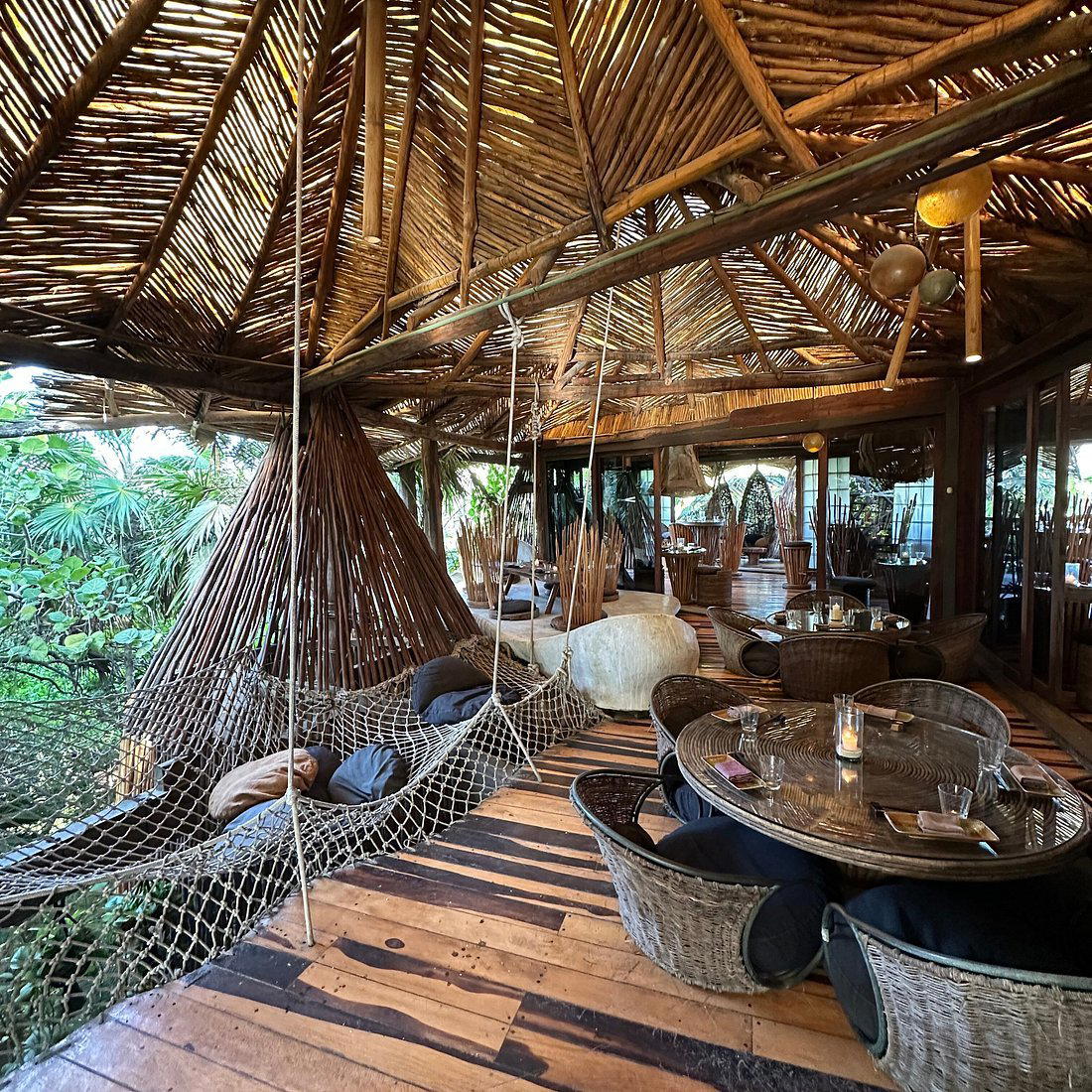
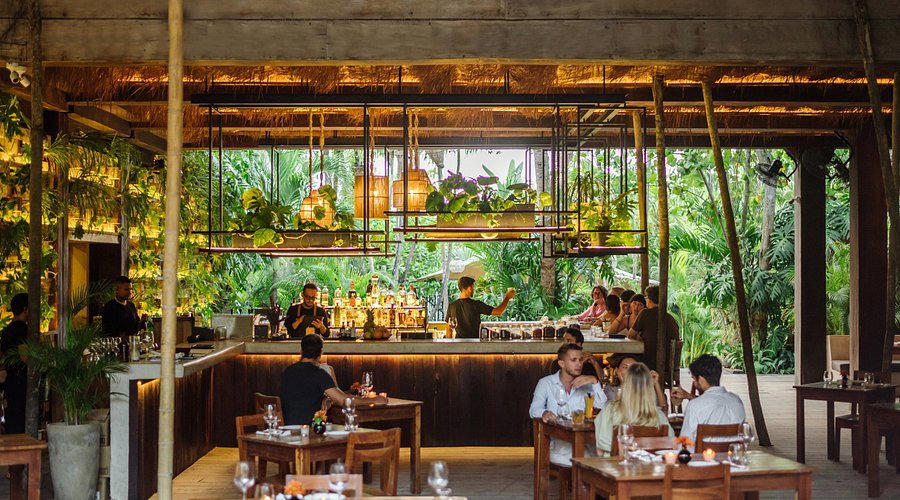
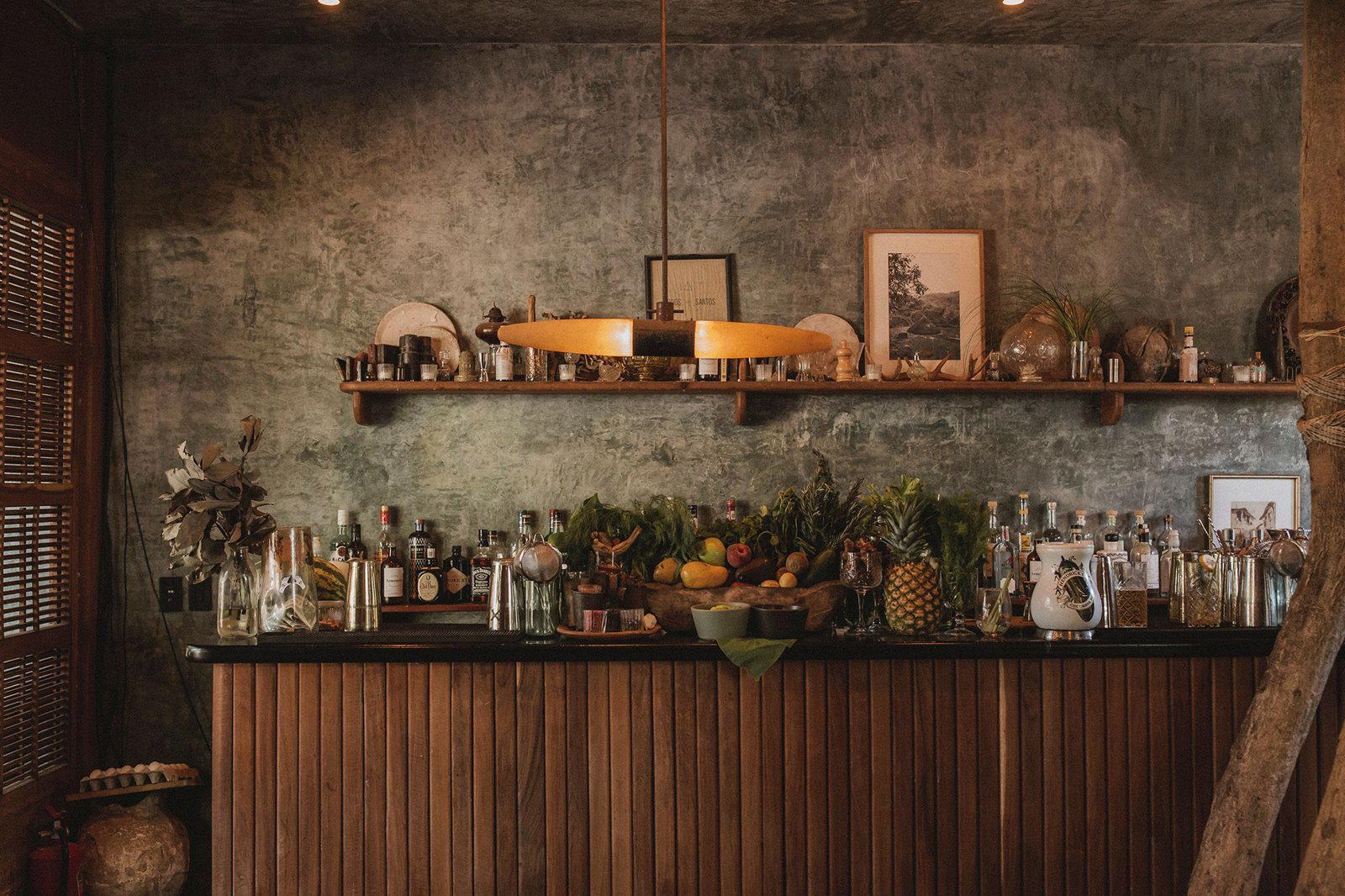
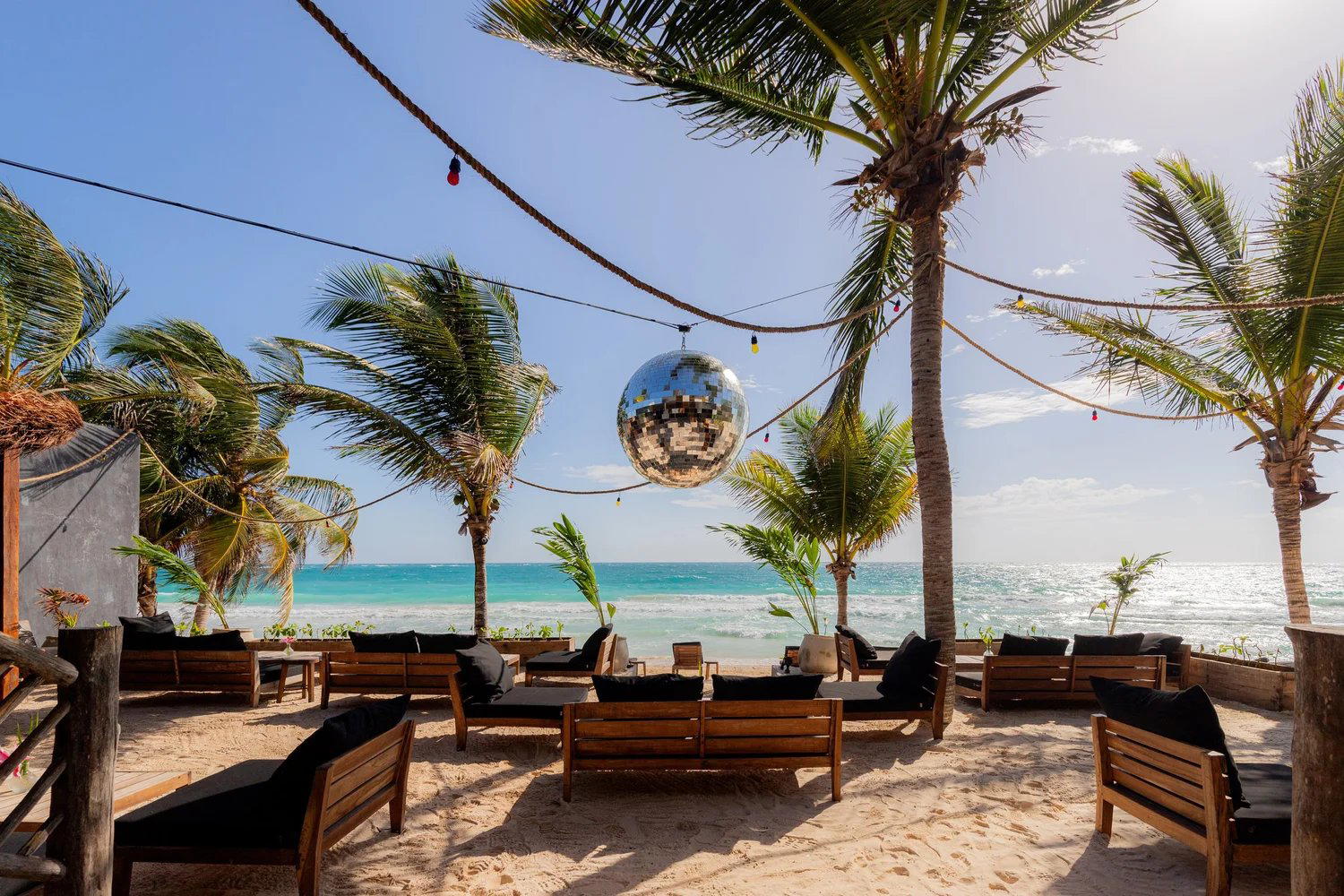
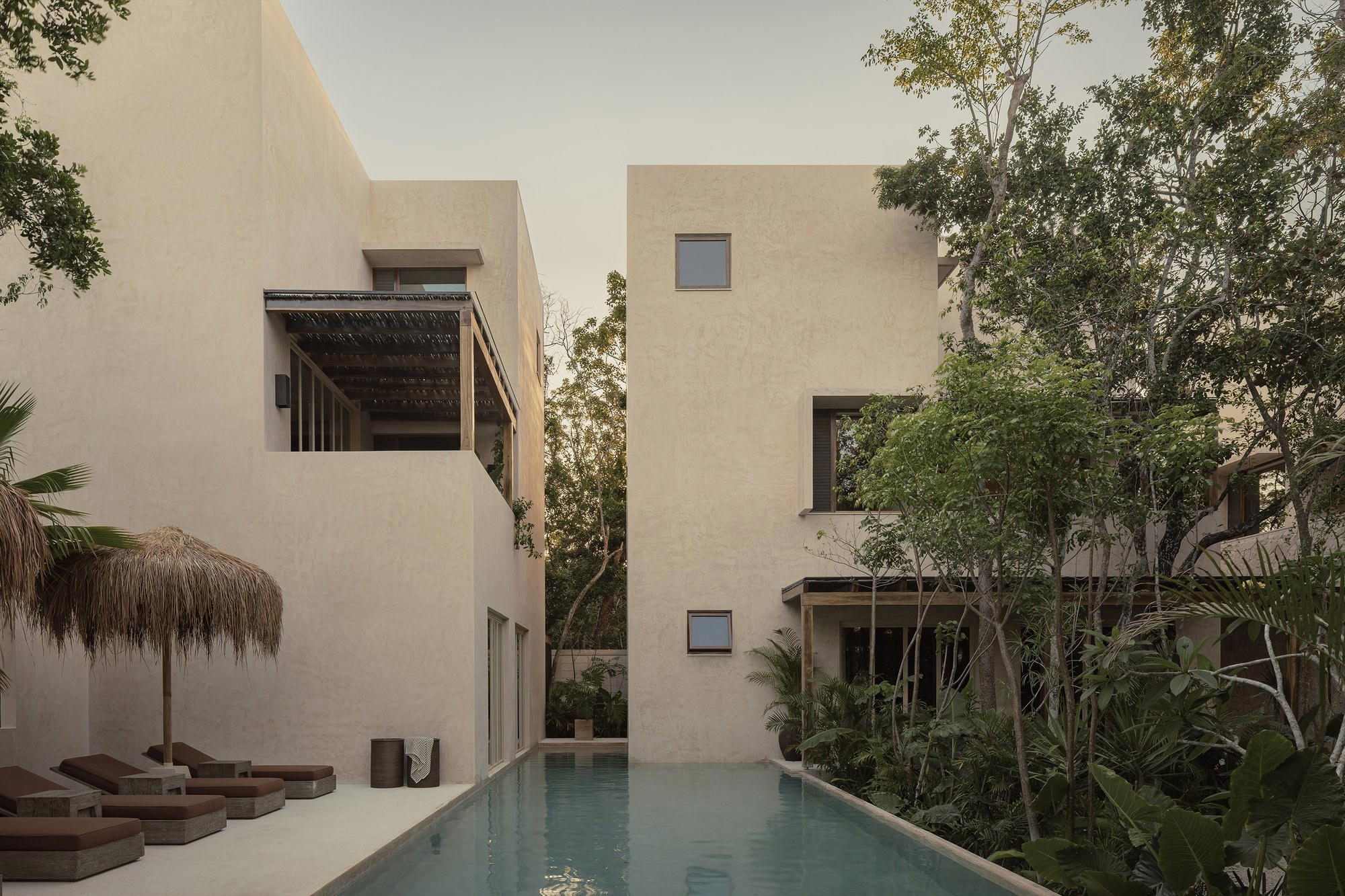
Cocooned sanctuary in treetops with lush natural setting, romantic relaxing atmosphere, and dramatic sunset ocean views.