
Girassol gives Koshigaya’s yoshoku scene a serious neighborhood anchor: Japanese-style Western cooking with curry and omurice in the same frame, selected for Tabelog’s Yoshoku EAST 100 in 2025 and also listed in 2023. The appeal is not luxury theatre, but the disciplined comfort-food register that makes yoshoku worth crossing town for when sourcing, sauce work, and timing are handled with care.
Pearl is the En Primeur Club membership app — saves, bookings, and concierge access live there. Same editors, same standards.
- Address
- 埼玉県越谷市蒲生茜町2-10 フラワーハイツ 1F
- Phone
- +81489866096
- Website
- tabelog.com
- Directions
- Get directions
 Saves & bookings on Pearl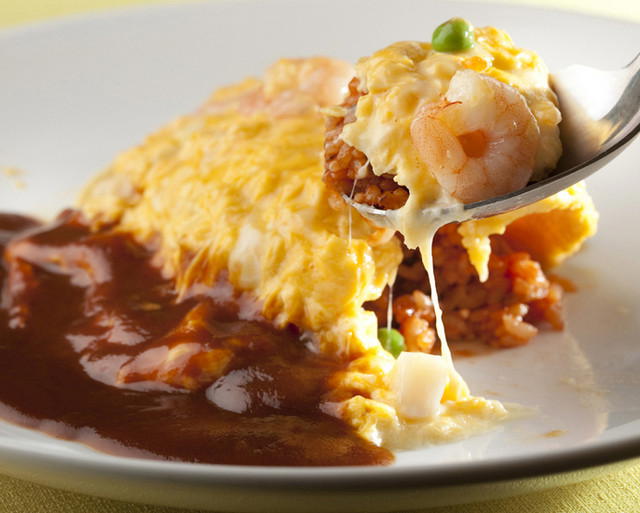
Approaching a house-style restaurant in Gamouakanecho sets the expectation before the first order. Koshigaya is not destination dining in the Tokyo sense; its stronger addresses often sit inside residential rhythms, near stations, errands, and weekday routines. That suits yoshoku, a cuisine whose seriousness hides inside familiar forms: curry, omelette rice, fried cutlets, gratins, stewed sauces, and Japan’s reading of Western technique.
Girassol belongs to that tradition, not the louder performance end of contemporary dining. Its selection for Tabelog’s Yoshoku EAST 100 in 2025, after a 2023 selection, places it in a category where consistency matters more than novelty. Yoshoku rewards restaurants that repeat the details: rice that holds under sauce, eggs handled with control, demi-glace and curry that do not taste rushed, and vegetables or meat treated as the plate’s basis rather than decoration. In a city where ramen and casual Chinese cooking shape much of the everyday restaurant map, this Japanese Western cooking occupies a different lane.
Yoshoku in Koshigaya depends on comfort, but the sourcing has to carry the plate
The ingredient question in yoshoku is easy to underestimate because the dishes feel familiar. Curry and omurice do not announce provenance like sushi or kaiseki, yet they expose weak sourcing quickly. Eggs need structure for omelette rice, sauces need vegetables and stock with depth, and curry depends on a base that supports spice without turning flat. The format leaves little camouflage: if raw materials are ordinary and the kitchen leans on sweetness or heaviness, the dish becomes cafeteria nostalgia rather than restaurant cooking.
That is why the category has a serious following in Japan. The Tabelog 100 Yoshoku lists separate it from generic Western dining and French-influenced fine dining; the emphasis is Japanese-style Western cooking as its own discipline. Girassol’s listed categories, yoshoku, curry, and omurice, keep the focus on that middle ground where pantry work and ingredient handling matter more than luxury ingredients. For readers mapping Koshigaya through restaurants, it is a counterpoint to the area’s noodle-led comfort dining: Ramen Jiro Koshigaya ten, Chuka Soba Kaoru, and Menya Kiryu Higashikawaguchi honten sit in a lower-priced ramen bracket, while Restaurant KAM operates at a much higher spend. The yoshoku table lands between those extremes, with enough craft to justify planning but without tasting-menu ceremony.
Koshigaya’s dining identity is broader than outsiders often assume. Nearby editorial reference points such as Kuriya Sawa, spice curry mokuromi, and モデスト show the city’s better meals are not confined to one genre. Yoshoku adds a particular value: casual enough for repeat use, but, at its leading, dependent on technique accumulated over years rather than trend cycles.
The room reads local, the recognition reads regional
The small-scale format is part of the point. With 20 seats and table seating rather than a counter-driven chef’s-stage setup, the restaurant belongs to the family-dinner and neighborhood-occasion side of Japanese dining. Private rooms are absent, but private use is available for up to 20 people, which says more about the room’s scale than any grand design language could. This is not built to imitate Ginza or Aoyama; its confidence comes from a suburban dining pattern where regularity, accessibility, and quality control matter.
The recognition gives that local format a wider frame. A Tabelog score of 3.67 and inclusion in the Yoshoku EAST 100 in 2025 place the restaurant in a selective eastern Japan category, not just a Koshigaya neighborhood list. The score is not the whole story, but in Japan’s restaurant culture it is a useful signal when paired with category-specific selection. Yoshoku has many casual operators; fewer are singled out on a regional list that separates the field by cuisine rather than general popularity.
That distinction matters for travelers. Tokyo visitors often treat Saitama dining as secondary unless a restaurant offers a clear reason to cross the prefectural line. Yoshoku rarely receives the international attention given to sushi, ramen, tempura, or yakitori, yet it explains much about modern Japanese eating: imported Western forms adapted through rice, sauce, portioning, and domestic taste. A good yoshoku meal is not a substitute for French cooking. It records how Japan absorbed and reorganized Western technique into something practical, everyday, and specific.
How to place Girassol within a Koshigaya itinerary
The strongest argument for making space here is category balance. If a Koshigaya day already includes ramen, curry, or casual drinking, yoshoku gives a different register without pushing into formal dining. The drink listing of shochu and wine fits the genre’s hybrid character: Western-influenced plates can sit next to Japanese spirits without a rigid pairing structure. Take-out and celebration use point to a restaurant embedded in local life rather than dependent on destination traffic.
For planning beyond one meal, treat the city as a cluster rather than a single stop. Use Our full Koshigaya restaurants guide for the dining map, then build the rest of the trip through Our full Koshigaya hotels guide, Our full Koshigaya bars guide, Our full Koshigaya wineries guide, and Our full Koshigaya experiences guide. Readers comparing Japanese comfort formats more broadly can also look across -Grilled beef Sukiyaki- KAMAKURA TANUKIAN 鎌倉 たぬき庵 in Kamakura. 鮪と炭火焼き うお炭 秋葉原店 in Tokyo.cafe in Osaka.know in Kumamoto, (Shoku) Vietnam in Kawasaki, [Curry Senmon Ten] Maruyama Kyoju. in Sapporo, [ki:] in Kyoto, #肉といえば松田 奈良本店 in Kashihara, Jōdo Saké Bar in Los Angeles, and Onigiri Time in Pasadena.
The editorial case is clear: this is a yoshoku address for diners who care about the grammar of everyday Japanese Western cooking, not just the comfort of the dishes. The regional Tabelog recognition supplies the trust signal; the cuisine supplies the reason to pay attention.
Comparison Snapshot
Comparable venues by cuisine and price in the same metro.
| Venue | Cuisine | Price | Notes |
|---|---|---|---|
| Girassol | Yoshoku (Japanese-style Western cuisine) & curry | $$ | Gamo |
| Kuriya Sawa | Japanese-style Western (Yoshoku) | $$ | Sengendai Nishi |
| モデスト | Seasonal French Innovative | $$$ | Matsuocho, Matsubushi-machi |
| spice curry mokuromi | Spice Curry | $ | Sengendai |
| レストラン横倉 | Western-Japanese Ski Resort Fare | $$ | Zao Onsen |
| Saboten (新宿さぼてん) | Tonkatsu (Japanese Pork Cutlet) | $$ | Narita Airport |
Recognition history
Dated appearances from independent guides and award organizations, with the underlying list record or original source where available.
Tabelog 100 #53 · No. 53
Tabelog · Tabelog 100 - Yoshoku - EAST - 2025
Continue exploring
More in Koshigaya
Restaurants in Koshigaya
Browse all →


Bars in Koshigaya
Browse all →



At a Glance
- Cozy
- Classic
- Intimate
- Celebration
- Date Night
- Group Dining
- Family
- Solo
- Casual Hangout
- Standalone
- Local Sourcing
Cozy, homey detached-house setting with a bright, welcoming sunflower-inspired atmosphere; feels like a classic neighborhood Western restaurant suited to relaxed meals and small celebrations.