
Tabelog 100 #89
Our verdict
Gion Komori sits in Kyoto’s Gion-Shijo sweets circuit, where wagashi cafes function as cultural pauses rather than dessert stops. Its Tabelog 100 selection for Japanese traditional sweets and sweets cafes in WEST 2023, tatami seating, take-out service, and no-reservations format make it a planned walk-in rather than a formal dining booking.

Pearl is the En Primeur Club membership app, where members save venues, book tables and use the concierge.
The menu
What to order
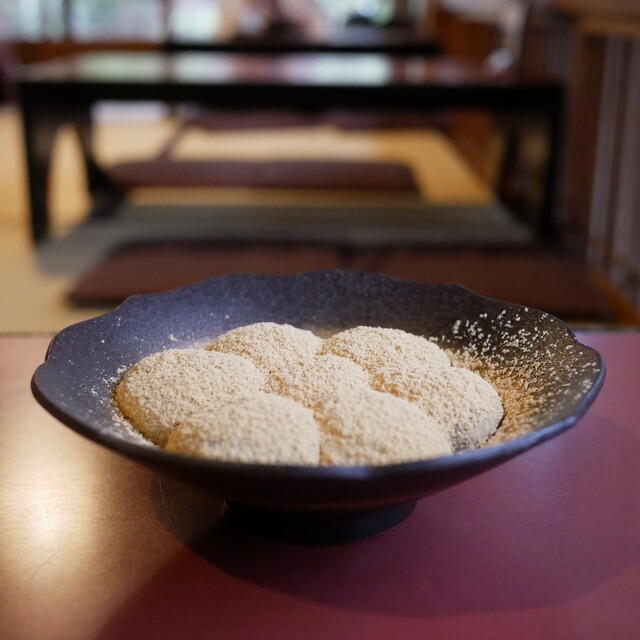
- Warabi mochi
- Matcha warabi mochi
- Warabi mochi parfait
- Matcha Bavarois parfait
- Warabi mochi zenzai
Approaching Gion Komori in Kyoto, the mood shifts before the meal: this is a city where tea, sweets, and slower pauses can carry as much weight as a formal reservation. Here, a sweets cafe is not an afterthought to lunch or dinner but its own category, with its own timing, etiquette, and crowd pattern.
That context matters at Gion Komori. Kyoto has many luxury dining rooms built around formal menus and counter formats, but Japanese sweets cafes require different planning. The meal is shorter, the spend lower, and the mechanics less formal, yet timing can be just as decisive. Travelers who plan every dinner reservation can still get caught out: a sweets stop can shape the day as much as a longer meal.
Kyoto's sweets culture rewards timing, not theatrics
Japanese sweets in Kyoto carry a ceremonial weight Western dessert rarely does. The form grew alongside tea practice, seasonality, and gift culture; sweetness is restrained, texture matters, and the setting often does as much work as the plate. Stronger cafes in this category are judged less by novelty than by control: room, pace, handling of traditional sweets, and the ability to absorb visitors without losing the calmer rhythm of the format.
The Tabelog 100 selection for Japanese traditional sweets and sweets cafes in WEST 2023 places this venue inside a recognized regional set rather than a casual cafe grouping. For Kyoto planning, that signals a venue that belongs to the city’s sweets itinerary much as certain counters belong to other specialist circuits, though the format is more accessible and the commitment shorter.
Gion Komori’s category also changes the experience. A cafe featuring Japanese sweets can carry broader daily flow than the tiny counters behind much of Kyoto’s reservation anxiety, but that does not remove the need for timing. Practically, this is a stop to place earlier and deliberately in the route, not a vague post-dinner idea.
Within Kyoto, the comparison set is revealing. Steak House Shingo and Gion Kajisho sit in a higher-spend Kyoto dinner tier, while Jean-Georges at The Shinmonzen represents the city’s hotel-dining end. Gyoza Hohei Gion honten, at a similar lower price band, plays a different role: informal, savory, and late-meal friendly. The sweets cafe occupies another lane: lighter, more traditional, and best understood as a scheduled pause between Kyoto sightseeing, shopping, and evening restaurants.
The room matters because the format is quiet
Kyoto’s better sweets cafes rarely announce themselves through spectacle. The appeal is cumulative: setting, pace, service model, and the focus on traditional sweets rather than a full restaurant arc. These details make the venue flexible without making it casual in the Western cafe sense. It can work for a seated pause or sweets-focused detour, but the rhythm stays closer to tea culture than coffee-bar turnover.
For a full Kyoto day, this category is useful because it does not compete with dinner. A sweets cafe can sit between a morning route and a later central Kyoto restaurant, or between hotel check-in and an evening meal. Do not overcomplicate it: treat the visit as a defined stop, allow room in the schedule, and avoid stacking it against a rigid booking elsewhere.
The format also clarifies expectations. This is not a cloistered luxury appointment or chef-led counter narrative. The point is public Kyoto sweets culture in a traditional cafe setting, useful for travelers seeking a lower-friction expression of the city’s food identity after days of reservations, set menus, and formal service.
Price shapes the audience. In a city where premium dinners climb fast, this sweets category remains financially modest, with Tabelog listing lunch and dinner budgets at JPY 1,000 - JPY 1,999. The editorial value is that contrast: modest spend, serious local category, recognized regional placement.
How to fit it into a serious Kyoto itinerary
The strongest use is geographical. Kyoto already sits inside many Japan itineraries, and the city connects naturally to walking routes, evening dining, and hotel returns. Plan this sweets cafe as a pause in motion, not a standalone destination that consumes half a day.
For broader Kyoto dining, compare other EP Club listings generically across the city to balance sweets, casual meals, and more formal tables. For a deeper traditional sweets comparison inside Kyoto, look to other long-running confectionery formats in the city, where specialization rather than scale often defines the experience.
Use the wider city rails for the rest of the trip: Our full Kyoto restaurants guide, Our full Kyoto hotels guide, Our full Kyoto bars guide, Our full Kyoto wineries guide, and Our full Kyoto experiences guide. The better itinerary pairs a sweets stop with walking logic rather than treating it as a substitute for lunch or dinner.
Readers mapping Japan beyond Kyoto can compare how casual and specialist formats shift by city, from regional sweets rooms and informal savory counters to small cafes and focused specialist shops. Japanese food culture abroad adds another lens, where format and nostalgia play different roles than in Kyoto.
The editorial read is simple: this is a planning-sensitive sweets stop in a city that rewards precise pacing. Go for the Kyoto Japanese sweets context, recognized regional placement, and the chance to experience Gion Komori through a quieter food ritual. Do not treat it like a flexible cafe to squeeze in whenever the day opens up; the format may be informal, but the better decision is deliberate.
Frequently asked questions
Is Gion Komori suitable for children?
Gion Komori is a cafe featuring Japanese sweets in Kyoto. For family suitability, seating, and current service details, check the venue's official channels before visiting.
How would you describe the vibe at Gion Komori?
It reads as a Kyoto sweets cafe focused on Japanese traditional sweets rather than a modern dessert shop. Its appeal is the calmer pace of the category and its place in the city’s sweets circuit.
What does dinner at Gion Komori typically cost?
Pricing at Gion Komori is listed as JPY 1,000 - JPY 1,999 for dinner and JPY 1,000 - JPY 1,999 for lunch.
What time does Gion Komori open and close?
Check Gion Komori's official channels for current opening hours before visiting.
How do I find Gion Komori?
Kyoto.
What do critics highlight about Gion Komori?
Tabelog selected Gion Komori for its 2023 WEST Tabelog 100 list in the Japanese traditional sweets / Japanese sweets cafe category. The listing also shows a score of 3.66 and a price band of JPY 1,000 to JPY 1,999.
Cuisine and Recognition
Comparable venues in the metro at similar price points.
| Venue | Cuisine | Price | Awards | Notes |
|---|---|---|---|---|
| Gion KomoriThis venue (the venue you are viewing) | Traditional Kyoto Japanese sweets & tea house | $10–20 | Tabelog 100 #89 | Not listed |
| Menya Inoichi Hanare | Modern Seafood Dashi Ramen | $10–20 | Michelin Bib Gourmand · Tabelog 100 #57 | Shimogyō |
| Kyoto Tonkatsu Katsuda Shijokarasuma | Traditional Japanese Tonkatsu | $10–20 | Not listed | Shimogyō |
| Yoshida Yama Seseri | Yakitori & Izakaya Counter near Kyoto Station | $30–50 | Tabelog 100 #70 | Minami |
| 祇をん かじ正 | Traditional Kyoto Kaiseki Kappo | $50–100 | Michelin Plate | 祇園 |
| Tachinomi Sharp | Kyoto standing bar for seafood and sake | $20–30 | Tabelog 100 #7 | Shimogyō |
Recognition history
Dated appearances from independent guides and award organizations, with the underlying list record or original source where available.
Tabelog 100 #89 · No. 89
Tabelog · Tabelog 100 - Japanese traditional sweets / Japanese sweets cafe - WEST - 2023
Continue exploring
More in Kyoto
Restaurants in Kyoto
All restaurants in Kyoto →
Bars in Kyoto
All bars in Kyoto →
Hotels in Kyoto
All hotels in Kyoto →
Wineries in Kyoto
Browse all →
Details
- Classic
- Cozy
- Scenic
- Well Known
- Solo
- Family
- Casual Hangout
- Date Night
- After Work
- Waterfront
- Historic Building
- Standalone
- Garden
- Street Scene
- Waterfront
- A La Carte
- Tea
Current opening hours
- Monday
- Closed
- Tuesday
- 11 AM–6:30 PM
- Wednesday
- 11 AM–6:30 PM
- Thursday
- 11 AM–6:30 PM
- Friday
- 11 AM–6:30 PM
- Saturday
- 11 AM–6:30 PM
- Sunday
- Closed
Hours can change for holidays and private events. Last verified .
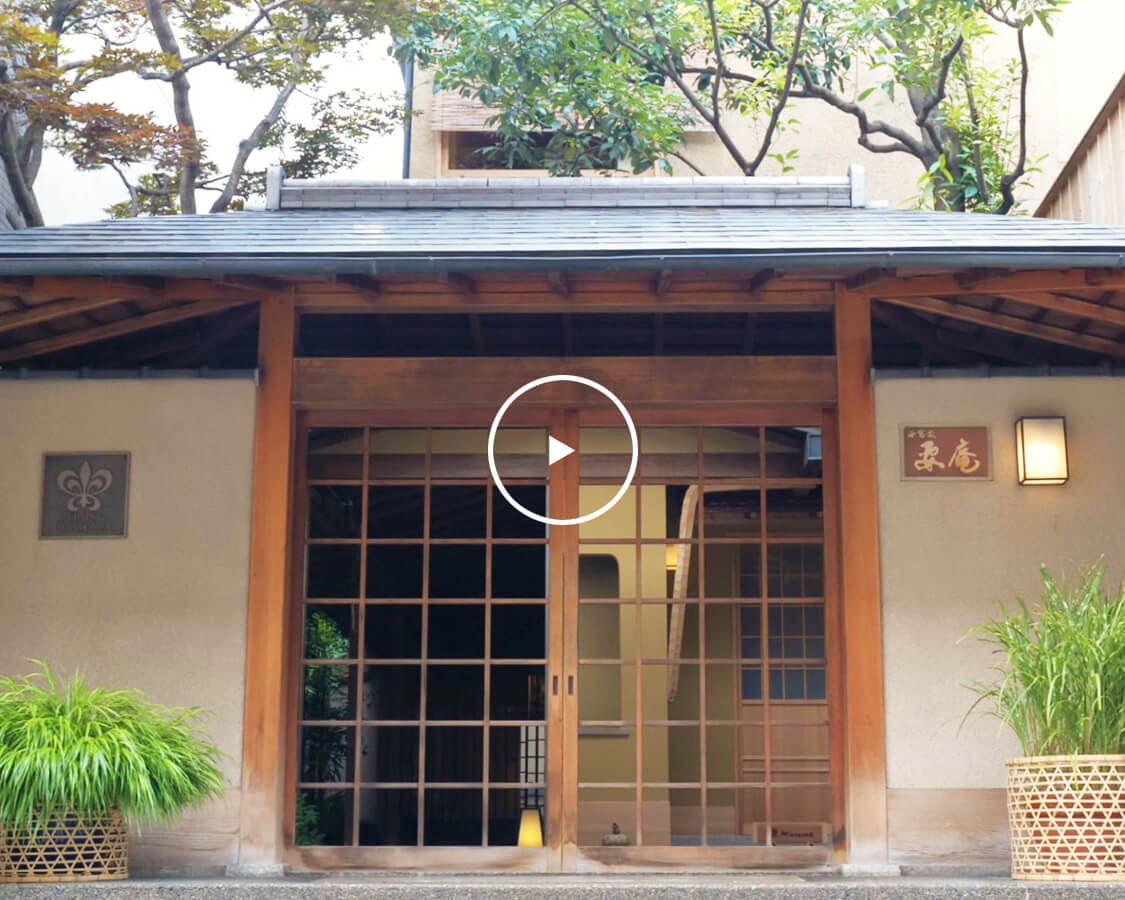
A classic Kyoto machiya-style teahouse with tatami rooms where guests remove their shoes, low tables by the windows, and a calm, nostalgic atmosphere overlooking the Shirakawa and Gion’s preserved streets.