On the Rue de Laborde in the 8th arrondissement, Gioia e Gusto sits at the intersection where Italian warmth meets Parisian dining rigour. The address places it squarely within one of the city's most competitive restaurant corridors, where the standard of the meal is set by proximity to some of France's most decorated kitchens. For visitors tracing the multi-course tradition across Paris, this is a considered stop.
Pearl is the En Primeur Club membership app — saves, bookings, and concierge access live there. Same editors, same standards.
- Address
- 49 Rue de Laborde, 75008 Paris, France
- Phone
- +33142943586
- Website
- gioiaegusto-paris.fr
- Directions
- Get directions
 Saves & bookings on Pearl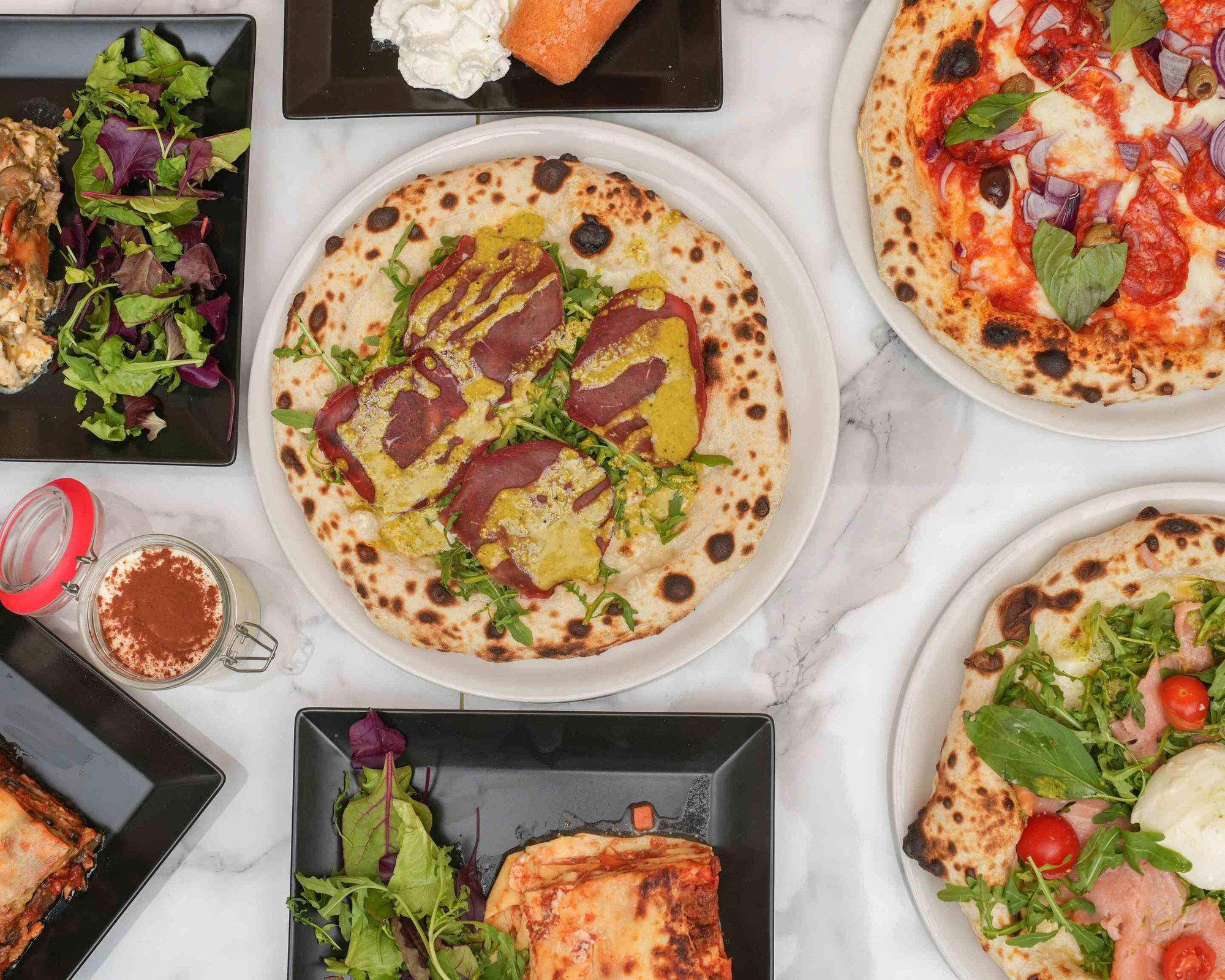
The 8th Arrondissement and the Weight of Its Address
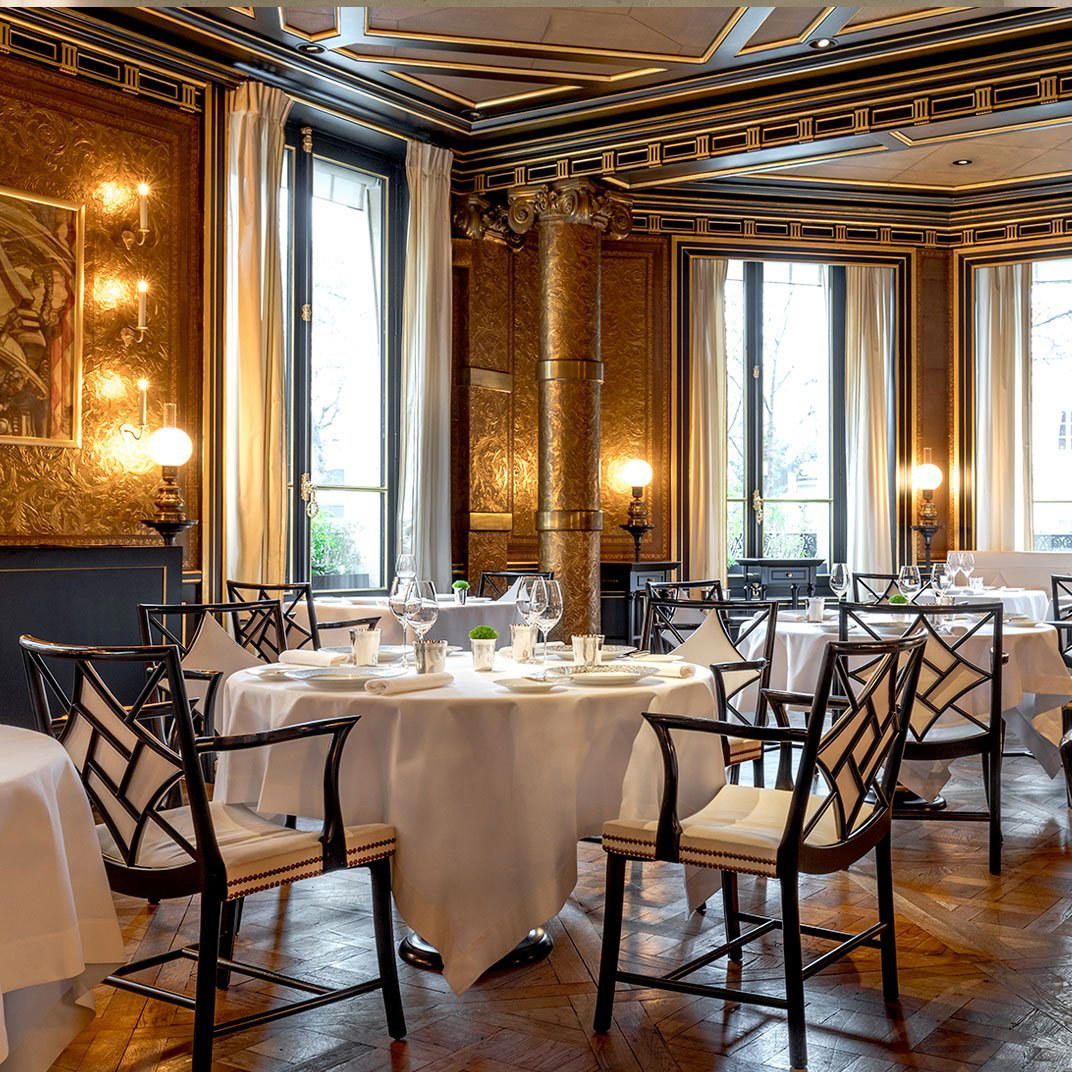
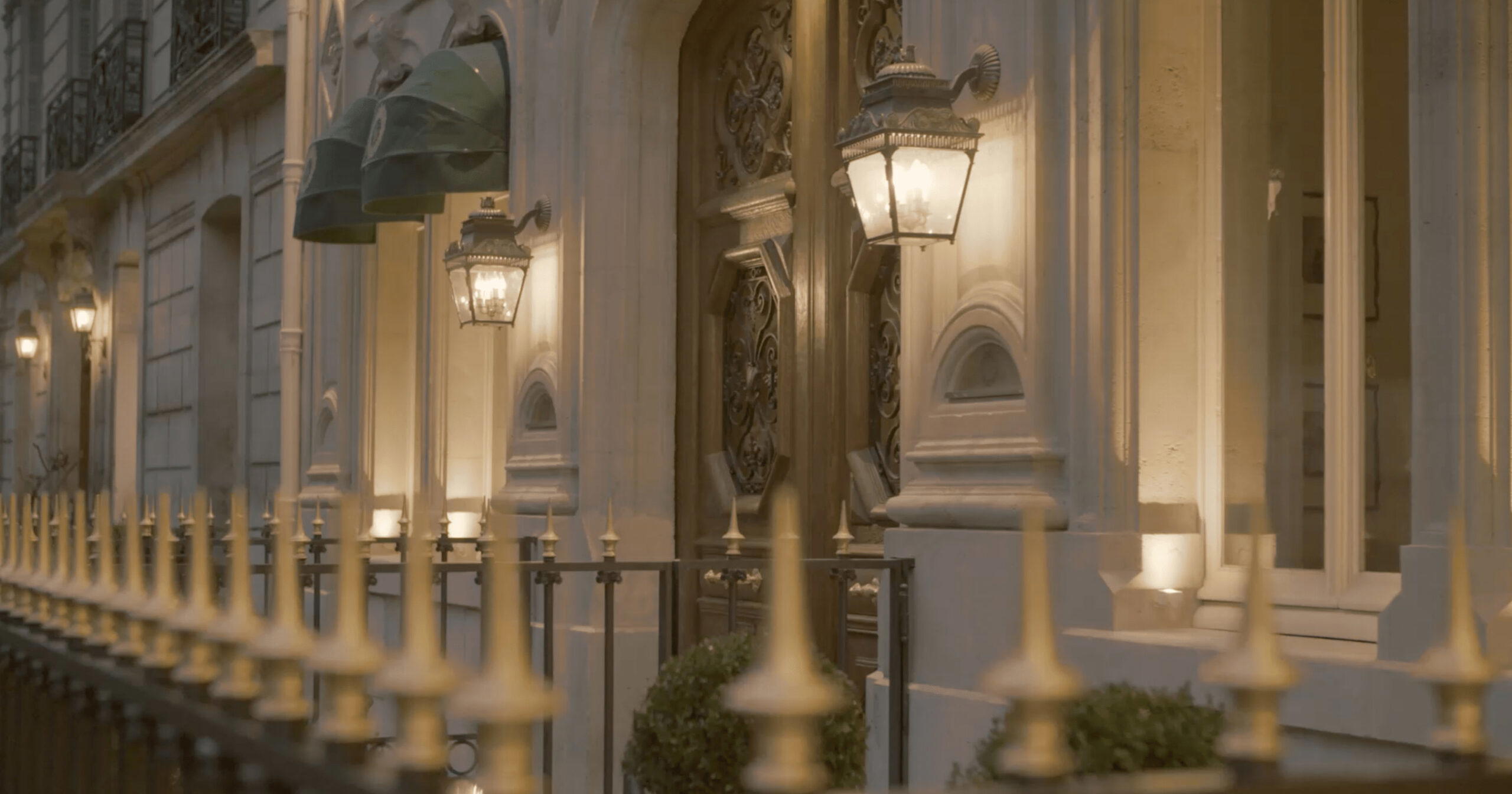
Paris's 8th arrondissement carries one of the heaviest dining reputations in France. The neighbourhood running from the Champs-Élysées down toward the Madeleine has, for decades, housed institutions that define what a serious Parisian meal looks like. Le Cinq at the Four Seasons Hôtel George V anchors the luxury hotel dining end. Alléno Paris au Pavillon Ledoyen, a few minutes north in the gardens, represents the creative apex of the arrondissement. It is a district where an address alone signals something about what a kitchen is attempting. Gioia e Gusto, at 49 Rue de Laborde, enters that conversation from a street that sits between the Madeleine and Saint-Lazare, a quieter artery that nonetheless feeds into the same competitive tier.
The Italian nomenclature, joy and taste, announces a counter-position to the classical French grammar that dominates the surrounding blocks. In a district where L'Ambroisie on the Place des Vosges and the high-formality tradition of the city's grande cuisine set the ambient benchmark, a kitchen signalling Italian warmth is making a deliberate choice about what kind of experience it is offering. That choice defines how the meal unfolds from the first course onward.
How the Meal Takes Shape: A Progression Through Courses
Multi-course dining in Paris operates on a set of understood conventions. At the summit of the market, where kitchens like Kei blend Japanese precision with classical French structure, the tasting format rewards patience and sequencing. The arc of a meal, from lighter, more acidic or delicate openings through richer middle courses to desserts that resolve rather than overwhelm, is a craft that France has codified more rigorously than almost any other culinary tradition.
Italian cooking, at its more serious registers, works with a different logic. The progression through antipasto, primo, secondo, and dolce follows its own internal rhythm, one where pasta can carry as much structural weight as a meat course, and where the relationship between a dish and the season it belongs to is less mediated by technique than by ingredient sourcing. The French and Italian traditions are not in opposition at a place like Gioia e Gusto; they share the same underlying discipline of respecting the sequence of a meal. What shifts is the emotional register: the Italian model tends toward generosity and directness where the French tends toward precision and distance.
For a diner moving through Paris's restaurant scene in autumn or winter, when the city's markets fill with truffles, aged cheeses, game, and the last of the cep mushrooms, that directness has particular relevance. The ingredients that make November and December in Paris extraordinary, the same ones that appear on menus at Arpège and across the bistrot-gastronomique tier, translate into Italian cooking without the tonal shift that sometimes accompanies them in a strictly French kitchen. A risotto built on autumnal fungi carries the season differently than a velouté does. Both are valid. The choice between them is a matter of what kind of meal a diner is looking to have.
Locating Gioia e Gusto Within Paris's Italian Dining Tier
Paris has sustained serious Italian restaurants for decades, but the category has fragmented considerably in recent years. The city now holds everything from high-volume trattorias in the Marais aimed at tourists, to ambitious destination kitchens where imported Italian produce, careful wine lists, and technically accomplished cooking justify prices comparable to the city's French three-stars. The division between those tiers is sharper than it appears from the outside.
An address in the 8th positions a restaurant in the upper bracket of that Italian tier by default. The rents and the clientele expectations along the axis from Opéra to the Arc de Triomphe push kitchens toward higher spend-per-head and more considered formats. This is the same pressure that has shaped the positioning of French destinations along that corridor, from the formal grandeur of Le Cinq to the technically progressive work at Alléno. An Italian kitchen in this zone is operating in the same competitive air, and the meal it offers is read against those neighbours whether or not that is the kitchen's intention.
For visitors building a broader French dining itinerary, it is worth noting that Paris serves as a natural base from which to reach some of the country's most decorated regional tables. Mirazur in Menton and Troisgros in Ouches both reward the effort of a day trip or overnight stay. Further into France's culinary geography, Bras in Laguiole, Auberge de l'Ill in Illhaeusern, and Les Prés d'Eugénie in Eugénie-les-Bains represent a different register entirely. Closer to Paris, Flocons de Sel in Megève and La Table du Castellet fill out a picture of French regional dining that the capital cannot replicate on its own. Classics like Paul Bocuse in Collonges-au-Mont-d'Or, Georges Blanc in Vonnas, and Auberge du Vieux Puits in Fontjoncouse anchor the wider itinerary. For those comparing European dining destinations against transatlantic alternatives, Le Bernardin in New York City and Lazy Bear in San Francisco occupy comparable positions in their own markets.
Planning a Visit: Practical Considerations
The restaurant is located at 49 Rue de Laborde in the 8th arrondissement, reachable on foot from Saint-Lazare or Madeleine metro stations. Hours run Monday to Friday from 11:30 AM to 2 PM and 6:30 to 10 PM, Saturday from 6 to 10 PM, and Sunday is closed. Reservations are recommended.
Autumn and early winter represent the season when Paris's ingredient supply is at its most compelling for Italian-inflected cooking. The truffle season, which runs from late October through February for the Périgord black and from late autumn for the Alba white in Italian kitchens, gives any serious multi-course Italian meal in Paris a particular seasonal argument during those months. Timing a visit to coincide with that window is the strongest case for booking in the colder half of the year rather than summer, when the city fills with tourists but the markets carry less of what makes a serious tasting progression rewarding.
Nearby-ish Comparables
Comparable venues nearby, for context on price, style, and recognition.
| Venue | Cuisine | Price | Notes |
|---|---|---|---|
| Gioia e GustoThis venue — the venue you are viewing | Authentic Neapolitan Pizza | $$ | Not listed |
| Le Cherche Midi | Authentic Italian Trattoria | $$ | Notre-Dame-des-Champs |
| Ozio | Italian Pizza & Pasta | $$ | 16th Arr. - Passy |
| Sugo | Fresh Pasta Trattoria | $$ | Gaillon |
| Faggio | Calabrian Thin-Crust Pizzeria | $$ | Pigalle |
| Baretto | Contemporary Italian Bistro | $$ | Sentier (2nd arrondissement) |
Continue exploring
More in Paris
Restaurants in Paris
Browse all →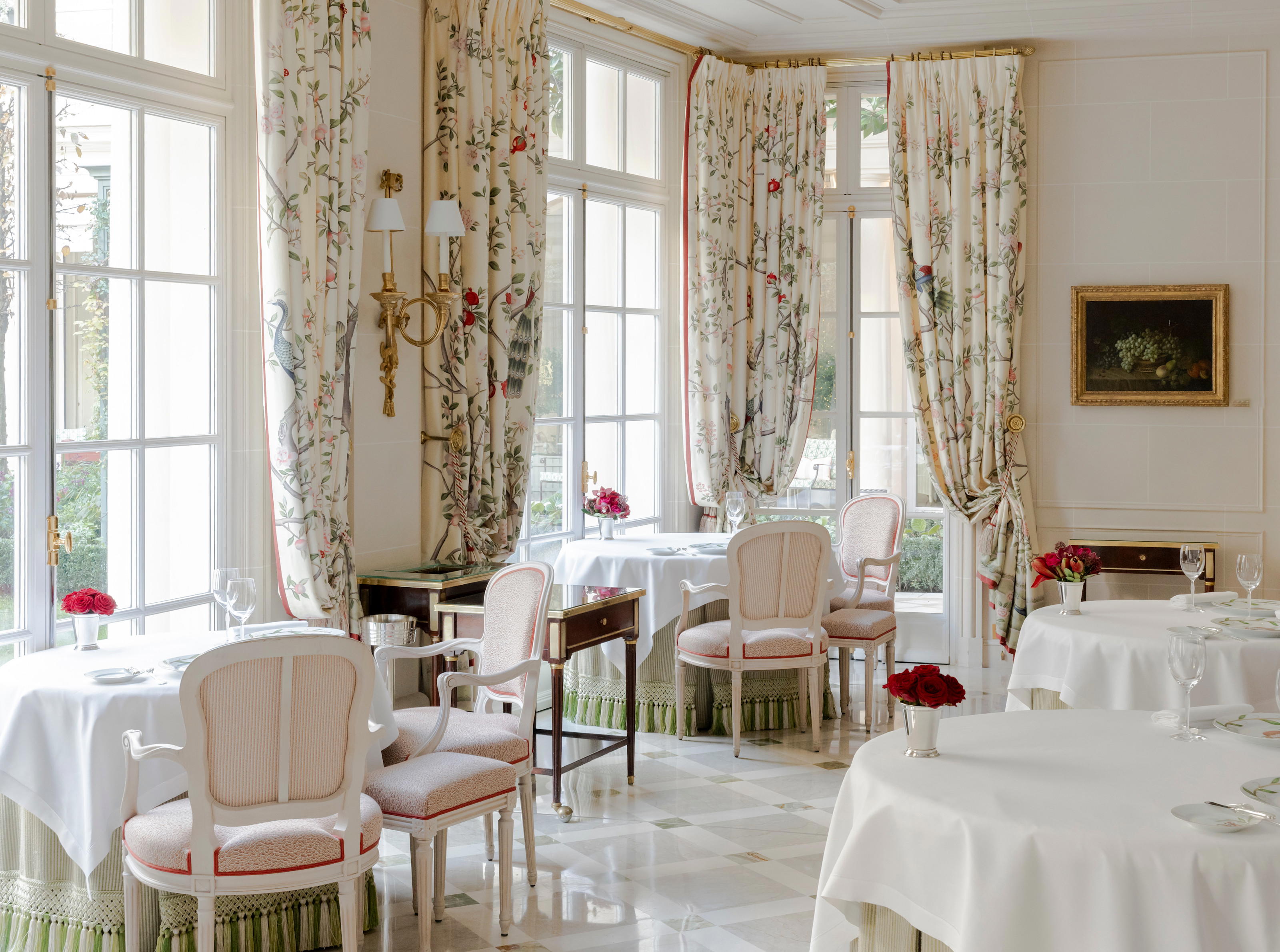

Bars in Paris
Browse all →
Hotels in Paris
Browse all →
At a Glance
- Cozy
- Classic
- Casual Hangout
Current opening hours
- Monday
- 11:30 AM–2 PM, 6:30–10 PM
- Tuesday
- 11:30 AM–2 PM, 6:30–10 PM
- Wednesday
- 11:30 AM–2 PM, 6:30–10 PM
- Thursday
- 11:30 AM–2 PM, 6:30–10 PM
- Friday
- 11:30 AM–2 PM, 6:30–10 PM
- Saturday
- 6–10 PM
- Sunday
- Closed
Hours can change for holidays and private events. Last verified .
Warm and friendly with a cozy, welcoming atmosphere as described in guest reviews.