Ozio occupies a quiet address on Rue Saint-Didier in Paris's 16th arrondissement, a neighbourhood where serious dining tends to operate without fanfare. The venue sits within a city whose restaurant culture has long rewarded precision and restraint over spectacle, placing it in a dining tier where context and craft carry more weight than visibility alone.
Pearl is the En Primeur Club membership app — saves, bookings, and concierge access live there. Same editors, same standards.
- Address
- 29bis Rue Saint-Didier, 75116 Paris, France
- Phone
- +33147272070
- Website
- ozioparis.com
- Directions
- Get directions
 Saves & bookings on Pearl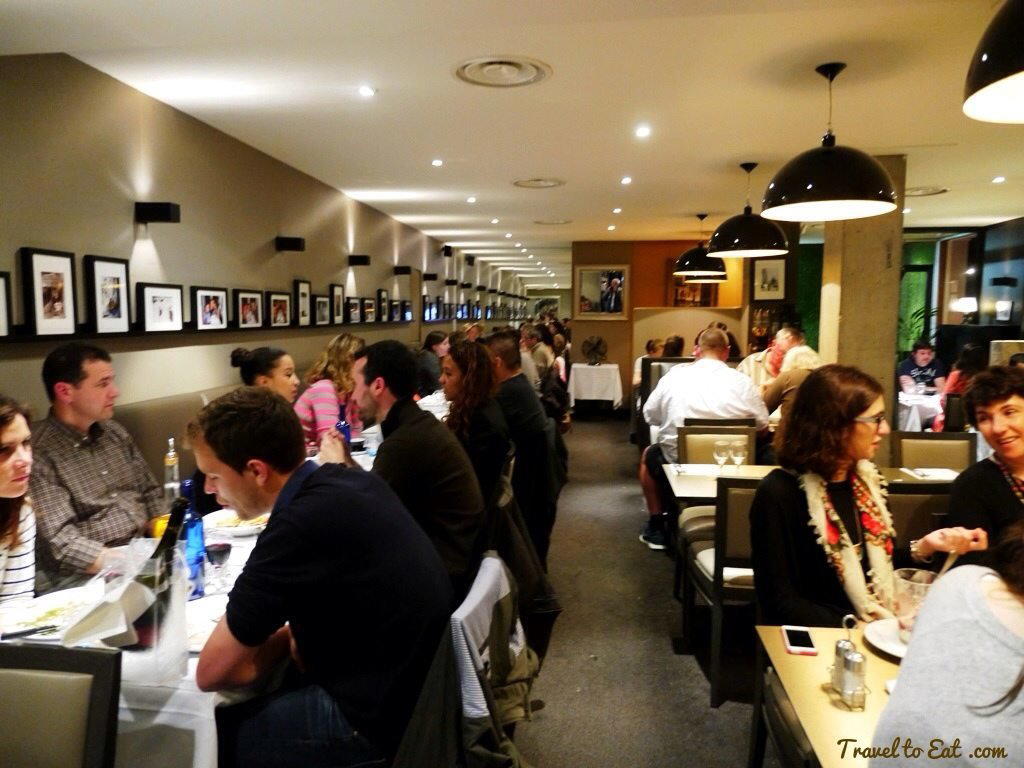
The 16th and the Tradition of Understated Dining
Paris's 16th arrondissement has never chased the kind of attention that the Marais or Saint-Germain attract from passing visitors. The streets around Rue Saint-Didier are residential in character, lined with addresses where the locals eat rather than where tourists are directed. This is a district with its own internal logic: restaurants here succeed or fail on their relationship with a neighbourhood clientele that returns regularly and notices when standards slip. Ozio, at 29bis Rue Saint-Didier, exists within that environment, and understanding the 16th is a prerequisite for understanding what this kind of address means in Paris.
The French capital's dining culture has operated along a set of durable principles since the grande cuisine tradition consolidated in the 19th century: mastery of technique, respect for ingredient provenance, and a service register calibrated to the occasion. Over the past two decades, that tradition has fractured productively. Creative restaurants such as Alléno Paris au Pavillon Ledoyen and conceptually precise counters like Kei have pulled the city's top tier toward elaboration and invention, while addresses holding the classical line, such as L'Ambroisie on Place des Vosges, remain among the more sought-after tables in France. Between these poles, a quieter category of restaurant operates: neighbourhood-anchored, consistently executed, and less visible to the review circuit but no less relevant to how Parisians actually eat.
Cultural Roots: What Italian Leisure Means in a French City
The name Ozio draws from the Italian, suggesting ease, leisure, and the unhurried pleasure of the table. In the French context, this is a meaningful cultural inflection. Italian dining philosophy and French culinary tradition have long been entangled: Catherine de' Medici's influence on the French court in the 16th century is one cited example, however contested the historiography. What is less disputed is that Italian attitudes toward the meal as social event, toward the table as a place where time slows, have always found sympathetic ground in Paris. The city's relationship with Italian cuisine is not one of imitation but of affinity, a recognition that both traditions place the act of eating within a broader set of values about how life should be organised.
Within Paris specifically, Italian-influenced restaurants occupy a different market position than their counterparts in London or New York. The city's own culinary weight is so substantial that Italian cooking must offer something the French table does not: a different pace, a different register of comfort, a different grammar of hospitality. The restaurants that succeed in this register in Paris tend to do so not through spectacle or novelty but through consistency and a clear sense of what they are offering and to whom.
Elsewhere in France, the tension between regional identity and the gravitational pull of Parisian fine dining produces some of the country's most interesting tables. Flocons de Sel in Megève and Bras in Laguiole represent a tradition of cooking rooted in place and landscape rather than in the capital's conventions. Mirazur in Menton draws on Mediterranean proximity in ways that are unavailable to any Paris kitchen. These are reminders that French dining culture is not monolithic, and that the 16th arrondissement's particular register of seriousness is one mode among many.
Where Ozio Sits in the Paris Dining Conversation
The Paris restaurant market has stratified sharply over the past decade. At the summit, the major-investment destination restaurants, including Le Cinq at the Four Seasons Hôtel George V and Arpège, compete for an international clientele willing to plan months ahead. Below that tier, a middle layer of serious neighbourhood restaurants supplies the daily dining life of an affluent residential city. This is the category that Rue Saint-Didier supports: addresses where the quality commitment is high but the register is domestic rather than ceremonial.
Internationally, the French fine dining tradition has produced a global diaspora. Le Bernardin in New York City carries the technical discipline of the French kitchen into a different cultural setting, while Atomix, also in New York, shows how tasting-menu formats developed in French and Japanese traditions can be absorbed and transformed elsewhere. Within France itself, the regional grands tables, from Troisgros in Ouches to Auberge de l'Ill in Illhaeusern and Paul Bocuse's Auberge du Pont de Collonges, define a different mode of seriousness tied to history and place. Ozio's Rue Saint-Didier address positions it within none of these high-profile categories, which is precisely the point. The 16th's restaurant culture operates at a remove from the prestige circuit, and that distance is a feature rather than a deficiency.
For a broader orientation to the city's dining offer across all tiers, see our full Paris restaurants guide. Those looking at the southeastern edge of France's restaurant geography will find complementary perspectives at AM par Alexandre Mazzia in Marseille and Assiette Champenoise in Reims, while Au Crocodile in Strasbourg and Auberge du Vieux Puits in Fontjoncouse illustrate how deeply regional identity runs through French dining at its most serious.
Planning a Visit
Rue Saint-Didier is served by the Iéna and Victor Hugo metro stations, both on line 6, placing the address within easy reach of central Paris without requiring the kind of logistical planning that the city's more remote destination restaurants demand. The 16th is a neighbourhood where the dining rhythm tends toward the evening, with lunch services running quieter during the week. As with most Paris restaurants operating outside the highest-profile tier, availability tends to be more accessible than at the Michelin-decorated tables that require booking weeks or months in advance, though Parisians in the immediate neighbourhood maintain consistent demand at addresses they trust.
How Ozio Paris compares with similar nearby venues.
| Venue | Cuisine | Price |
|---|---|---|
| Restaurant F | Modern Cuisine | €€€ |
Continue exploring
More in Paris
Restaurants in Paris
Browse all →

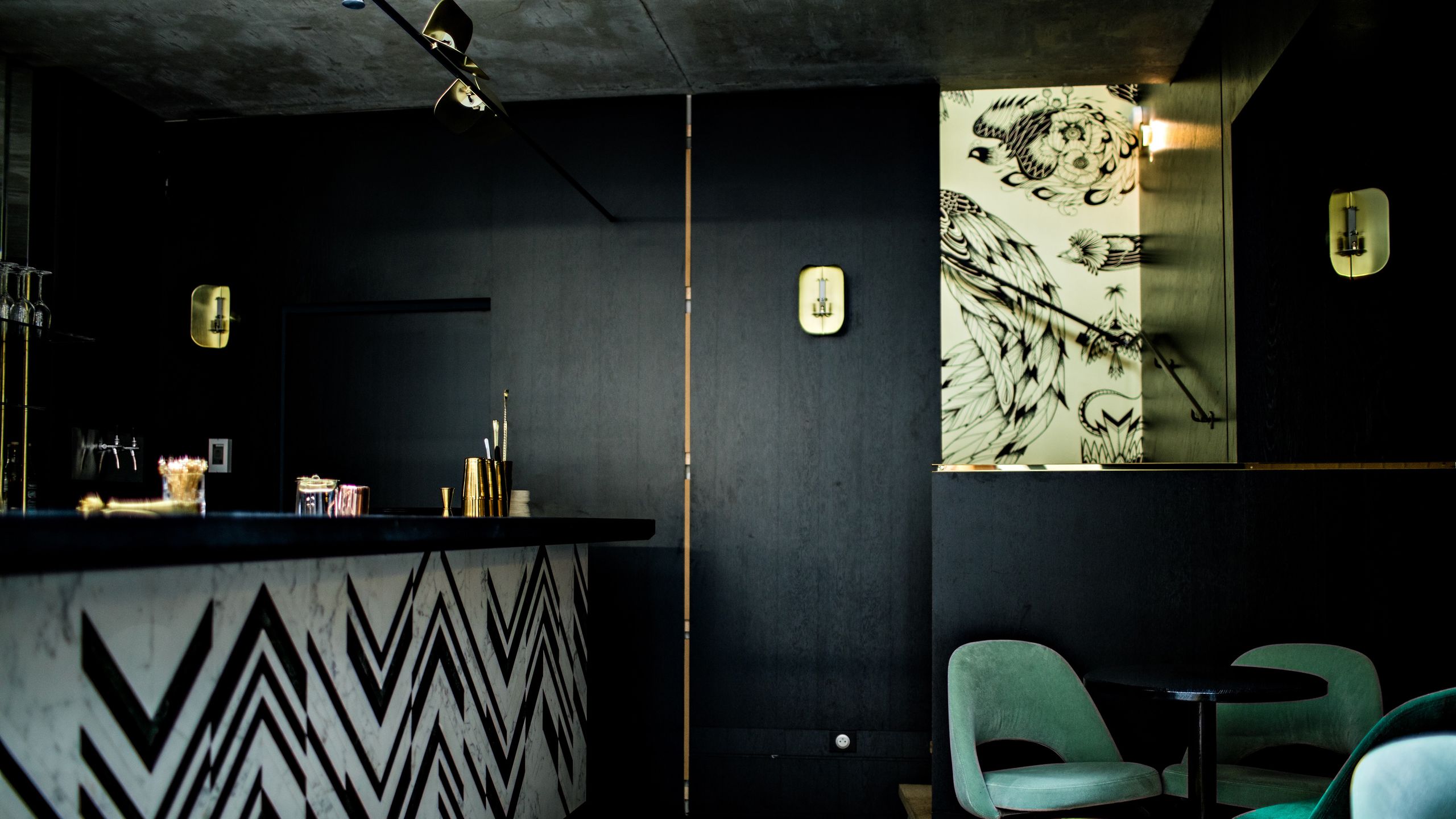
Bars in Paris
Browse all →
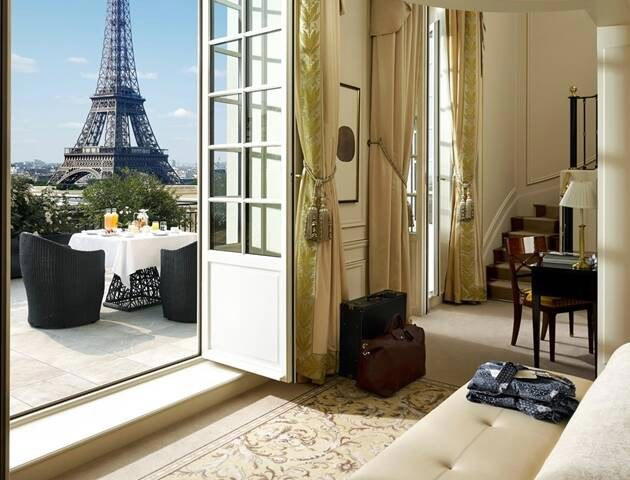
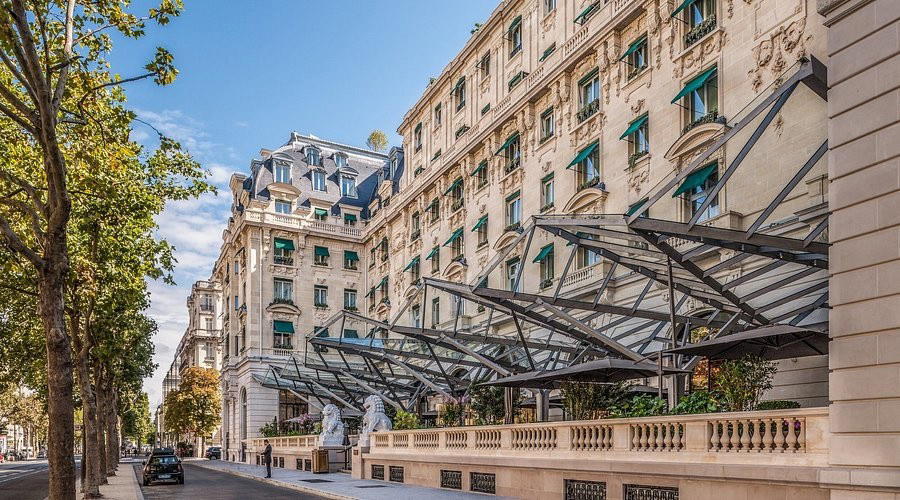
Hotels in Paris
Browse all →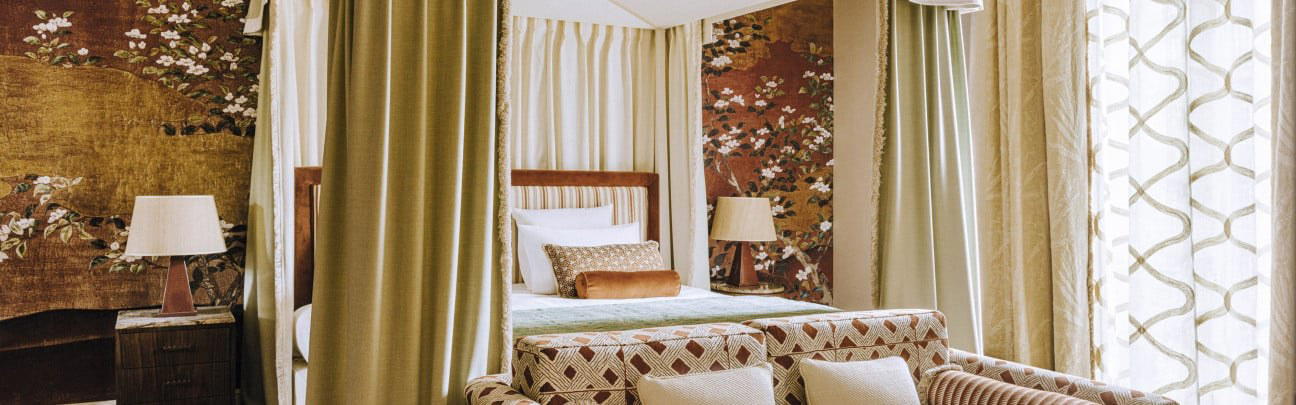

At a Glance
- Cozy
- Lively
- Date Night
- Casual Hangout
- Family
Current opening hours
- Monday
- 12–2:45 PM, 6:30–10:45 PM
- Tuesday
- 12–10:45 PM
- Wednesday
- 12–10:45 PM
- Thursday
- 12–10:45 PM
- Friday
- 12–10:45 PM
- Saturday
- 12–11:45 PM
- Sunday
- 12–10:45 PM
Hours can change for holidays and private events. Last verified .
Cozy neighborhood atmosphere with friendly service and a bustling yet welcoming vibe.