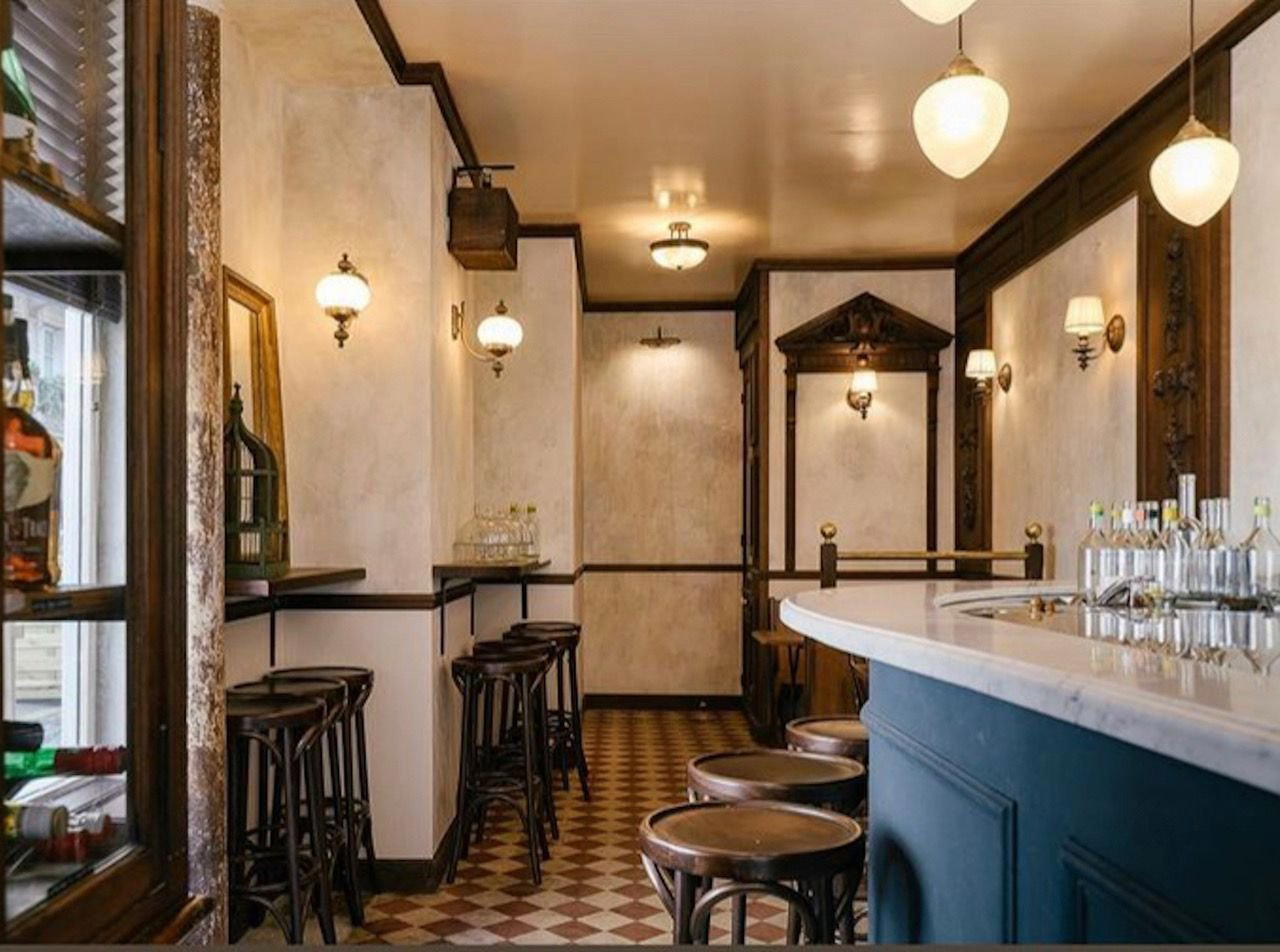
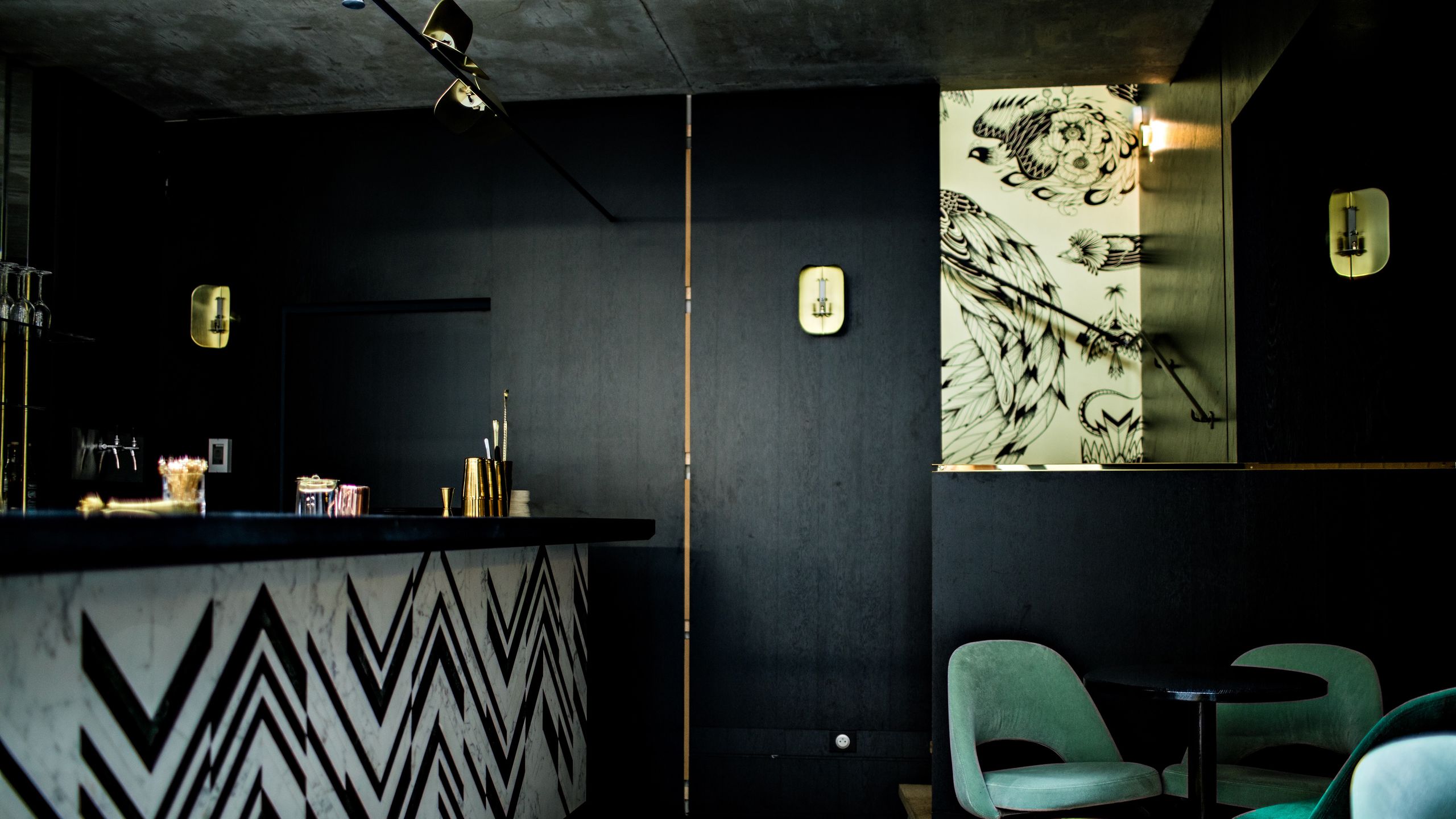
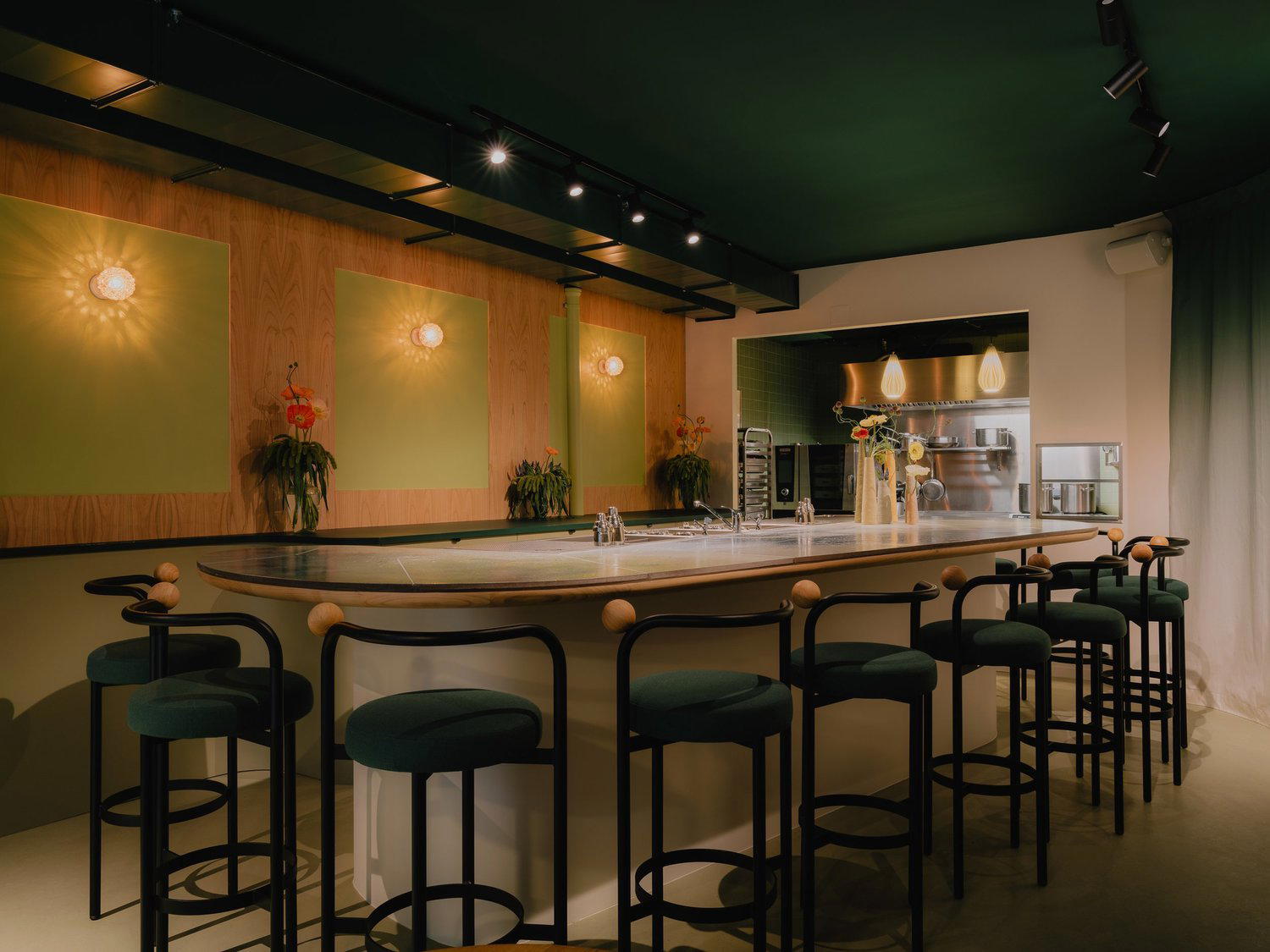
"Faggio, South Pigalle by 4uatre. A discreet door, a cosy atmosphere, and a big wood-fired oven at the heart of the room: welcome to Faggio. Enjoy watching the pizza-maestros in an open-plan kitchen. As for the menu, go on, be bold: every single product has been carefully selected."
Pearl is the En Primeur Club membership app — saves, bookings, and concierge access live there. Same editors, same standards.
- Address
- 72 Rue Marguerite de Rochechouart, 75009 Paris, France
- Phone
- +33 1 40 37 44 02
- Website
- faggioparis.com
- Directions
- Get directions
 Saves & bookings on Pearl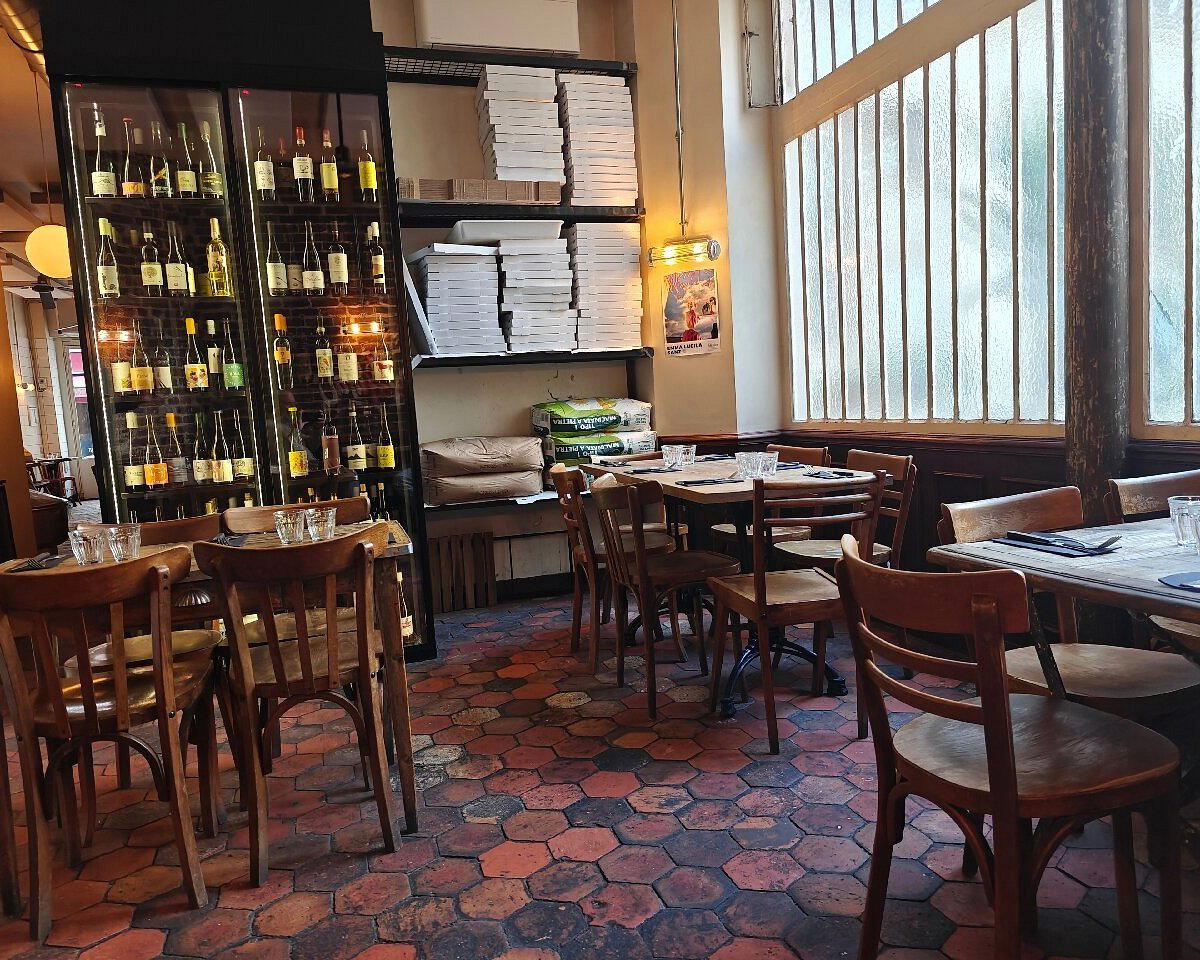
The 9th Arrondissement and Its Appetite for Quiet Ambition
South Pigalle has pulled a younger, more experimental crowd over the past decade, while the upper stretches toward Rochechouart retain a calmer, more residential character. Rue Marguerite de Rochechouart sits at the edge of that transition, where the density of tourist-facing brasseries thins out and the kind of address that rewards advance research rather than impulse tends to surface. Faggio, at number 72, belongs to this second category.
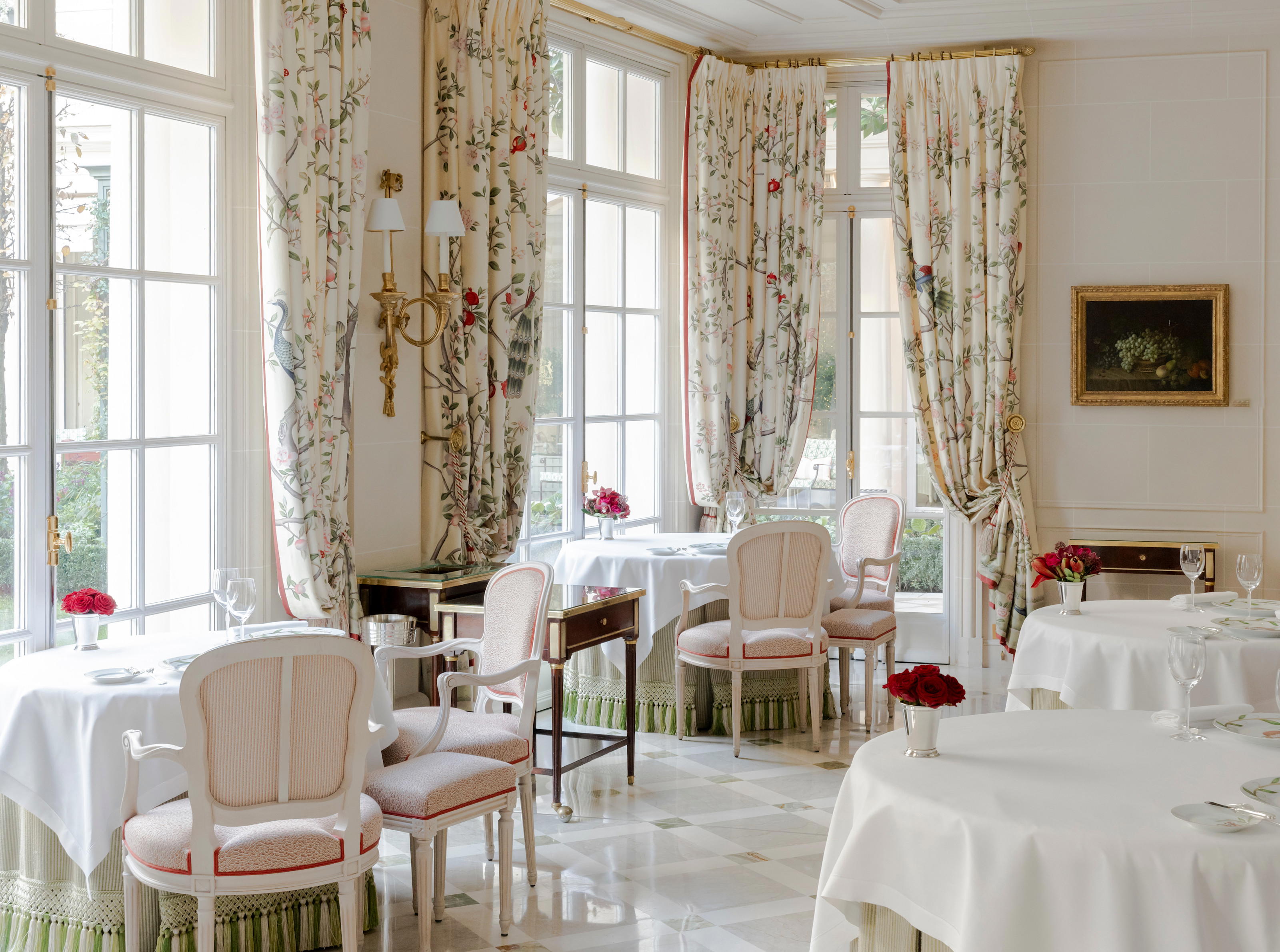
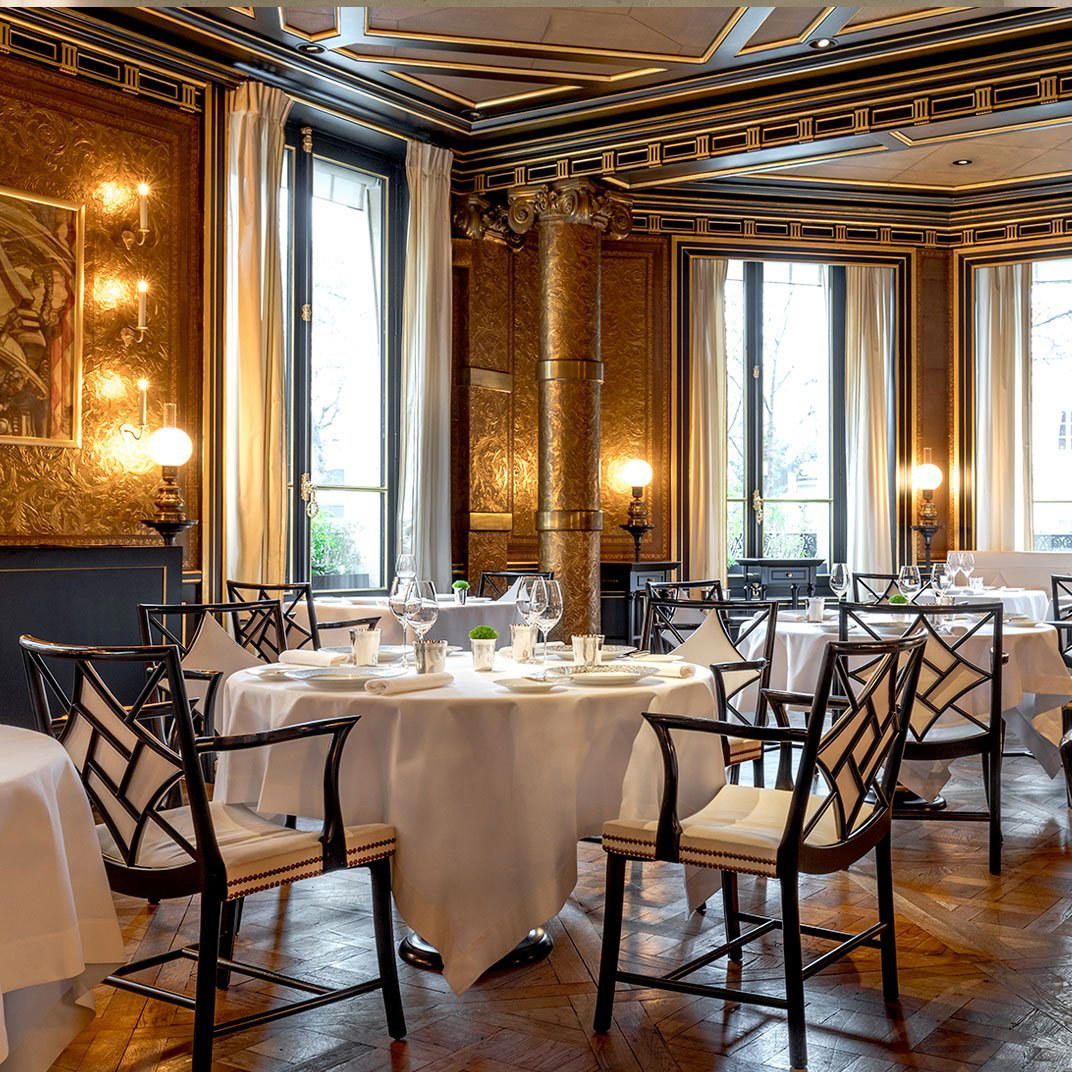
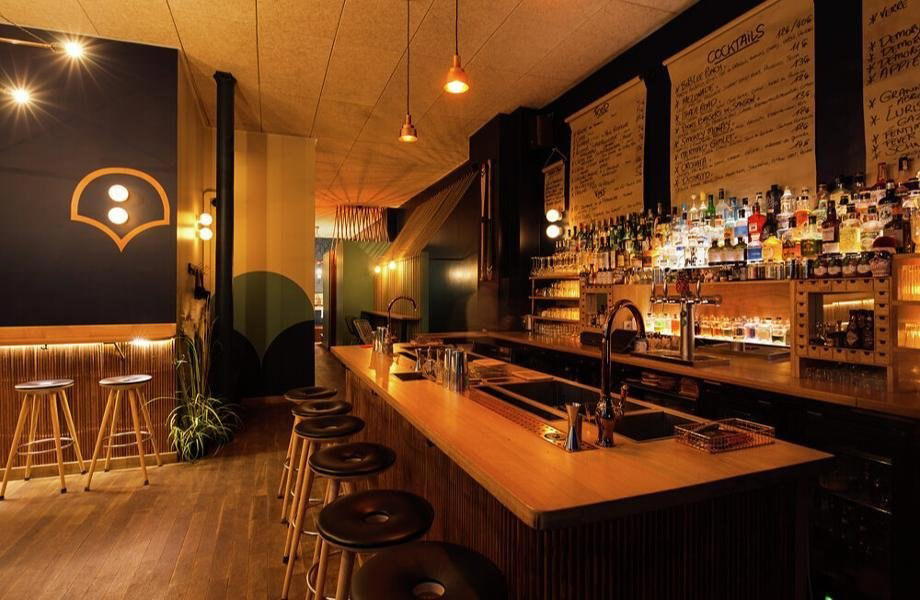
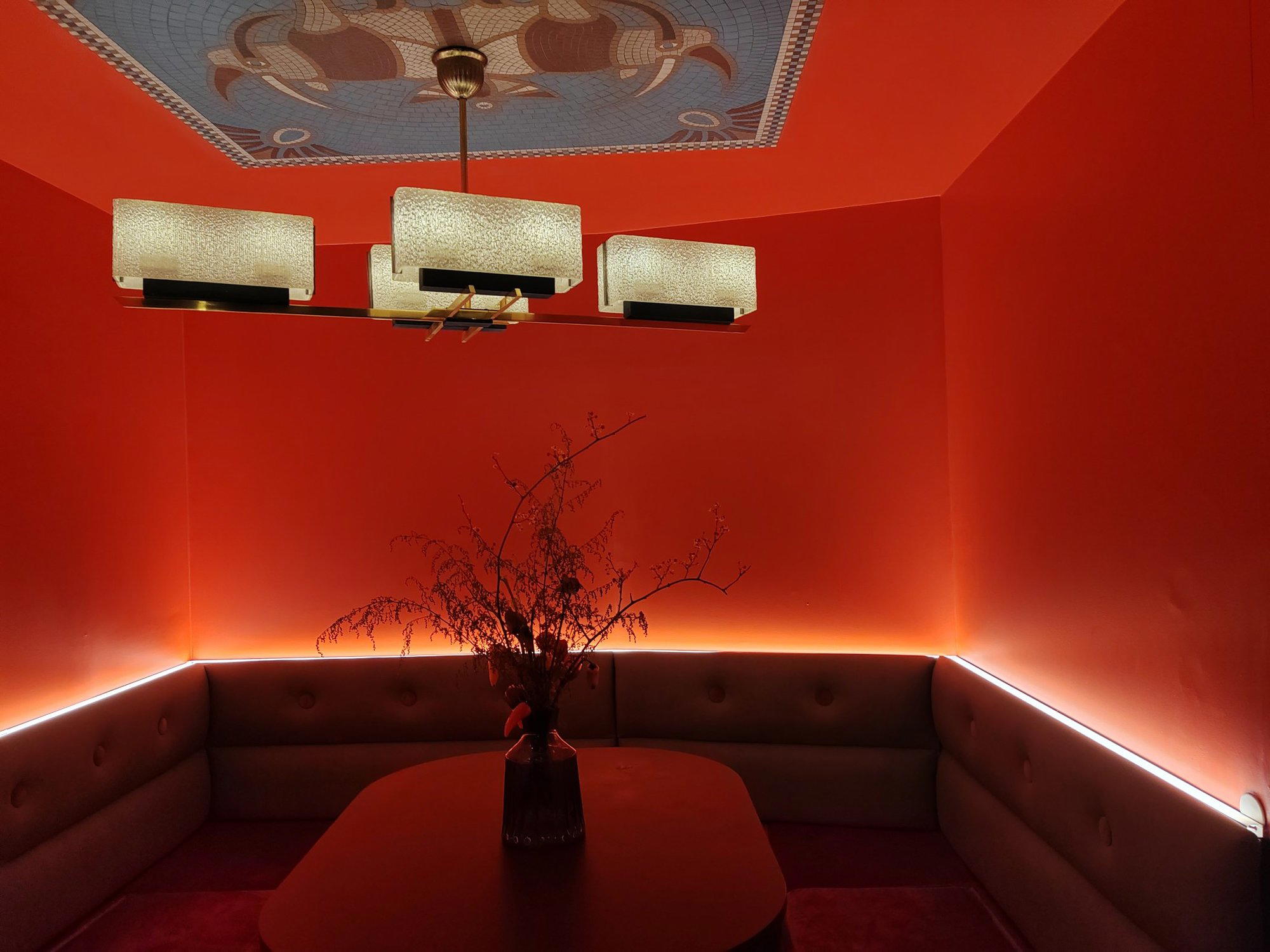
The street-level approach here is low-key by design. The 9th's premium dining options do not announce themselves the way a grands boulevards address might, and that restraint extends to the room. What French restaurant culture at this register tends to do well is calibrate the physical environment so that it neither competes with the plate nor retreats into anonymity. The balance is a studied one, and it reflects how much of Paris's mid-to-upper independent restaurant tier has moved away from the heavy draping and silver-dome formality associated with earlier decades.
Where Faggio Sits in Paris's Independent Restaurant Field
Paris's restaurant field at the serious end divides, broadly, into two camps. The first is the institutionally validated tier: the three-Michelin-star addresses like Alléno Paris au Pavillon Ledoyen and Arpège, or the classic rooms like L'Ambroisie on the Place des Vosges, where the weight of accumulated reputation is part of the experience. The second is the smaller, less publicised independent: often without a Michelin star or carrying one quietly, located outside the 6th, 7th, and 8th where real estate costs push more adventurous projects to the edges. Faggio operates in the 9th, which places it in this second category by geography alone.
That positioning matters because it shapes what the operation can do. Without the overhead of a palace-hotel restaurant like Le Cinq at the Four Seasons George V, a kitchen in the 9th has more latitude to run a tighter, more focused menu, to source more specifically, and to make decisions based on what the team believes rather than what a hotel's broader brand requires. The trade-off is visibility. Discovery here depends on word of mouth, press coverage, and the kind of platform curation that puts a restaurant in front of a reader before they've booked their flight.
The Collaborative Model: Kitchen, Floor, and Cellar
Particularly coherent restaurant experiences in Paris at this level tend to function as genuine team efforts rather than chef-centric projects. The restaurants that sustain a consistent standard over years, through the inevitable staff turnover and supply disruptions that affect any kitchen, are those in which the front-of-house and sommelier operate as creative partners rather than service technicians. French dining culture has a long tradition of this, visible at addresses like Kei, where the precision of the floor matches the kitchen's output, and in the broader French regional tradition at places like Troisgros in Ouches or Bras in Laguiole, where decades of continuity rest on family and staff cohesion rather than any single individual's reputation.
At Faggio, the address on Rue Marguerite de Rochechouart places it within the neighbourhood's community of independent operators, and the team dynamic at restaurants of this scale typically means that the sommelier's wine selection and the floor manager's pacing of a meal have as much effect on the guest's experience as the menu itself. In Paris's independent sector, wine lists at this tier increasingly reflect the sommelier's own sourcing relationships with smaller producers, a trend visible across the city's more engaged dining rooms and one that distinguishes them from the standardised cellar offerings of larger hotel restaurants.
French Regional Cooking in a Paris Context
The name Faggio, a reference to the beech tree common across European forest landscapes, suggests a sensibility oriented toward natural materials and place. That kind of signalling has become a recognisable shorthand in European restaurant culture: an interest in foraging, in wood-fired techniques, in cooking that takes its cues from landscape rather than classical French codification. Paris has absorbed this influence alongside its existing classical tradition, creating a spectrum that runs from the precision of Alléno to the more instinctive, produce-led approach visible at restaurants throughout the 9th and 10th arrondissements.
This sits within a longer French tradition of region-driven cooking that produced the institutional landmarks outside Paris: Auberge de l'Ill in Illhaeusern, Les Prés d'Eugénie in Eugénie-les-Bains, and Georges Blanc in Vonnas. Those addresses built their authority on absolute continuity with a specific territory. Paris restaurants adapt that logic to a supply chain drawn from across France and, increasingly, from producers operating closer to the natural-wine and artisanal-produce networks that define the city's more forward-looking dining rooms.
Planning a Visit to Faggio
Faggio is located at 72 Rue Marguerite de Rochechouart, 75009 Paris, in the 9th arrondissement. The nearest Metro stations are Anvers (line 2) and Barbès-Rochechouart (lines 2 and 4), both within comfortable walking distance. The 9th sits between the tourist density of Montmartre to the north and the commercial energy of the grands boulevards to the south, which means the street itself is relatively easy to reach without navigating particularly congested parts of the city. The regional registers visible at Flocons de Sel in Megève or Mirazur in Menton represent the kind of cooking that rewards building an itinerary around them rather than treating them as an add-on. Faggio's position in the 9th makes it a natural part of a Paris evening that starts or ends in the surrounding neighbourhood, where café and wine-bar culture is strong and the area around Pigalle continues to develop its after-dinner credentials.
Side-by-Side Snapshot
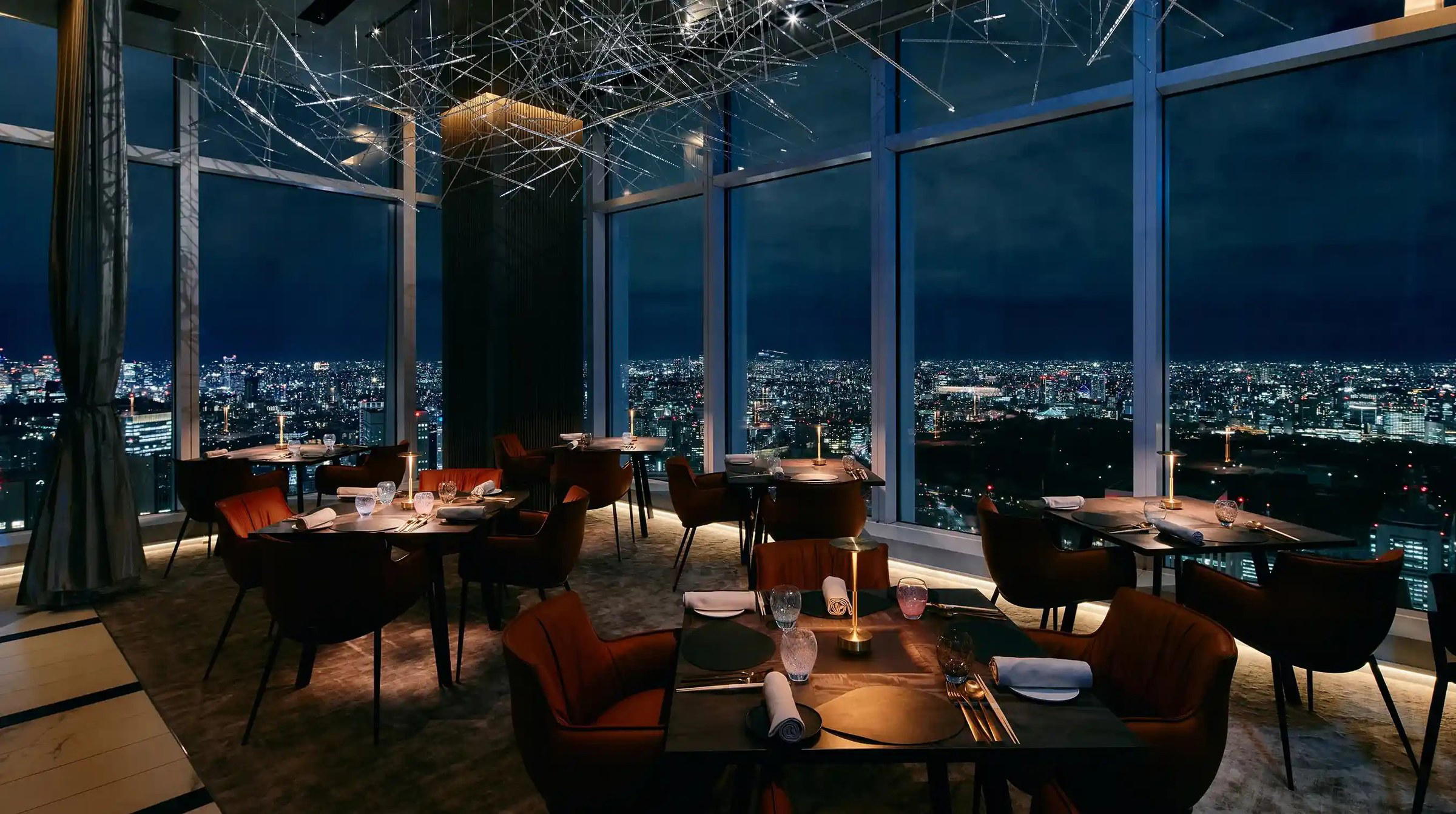
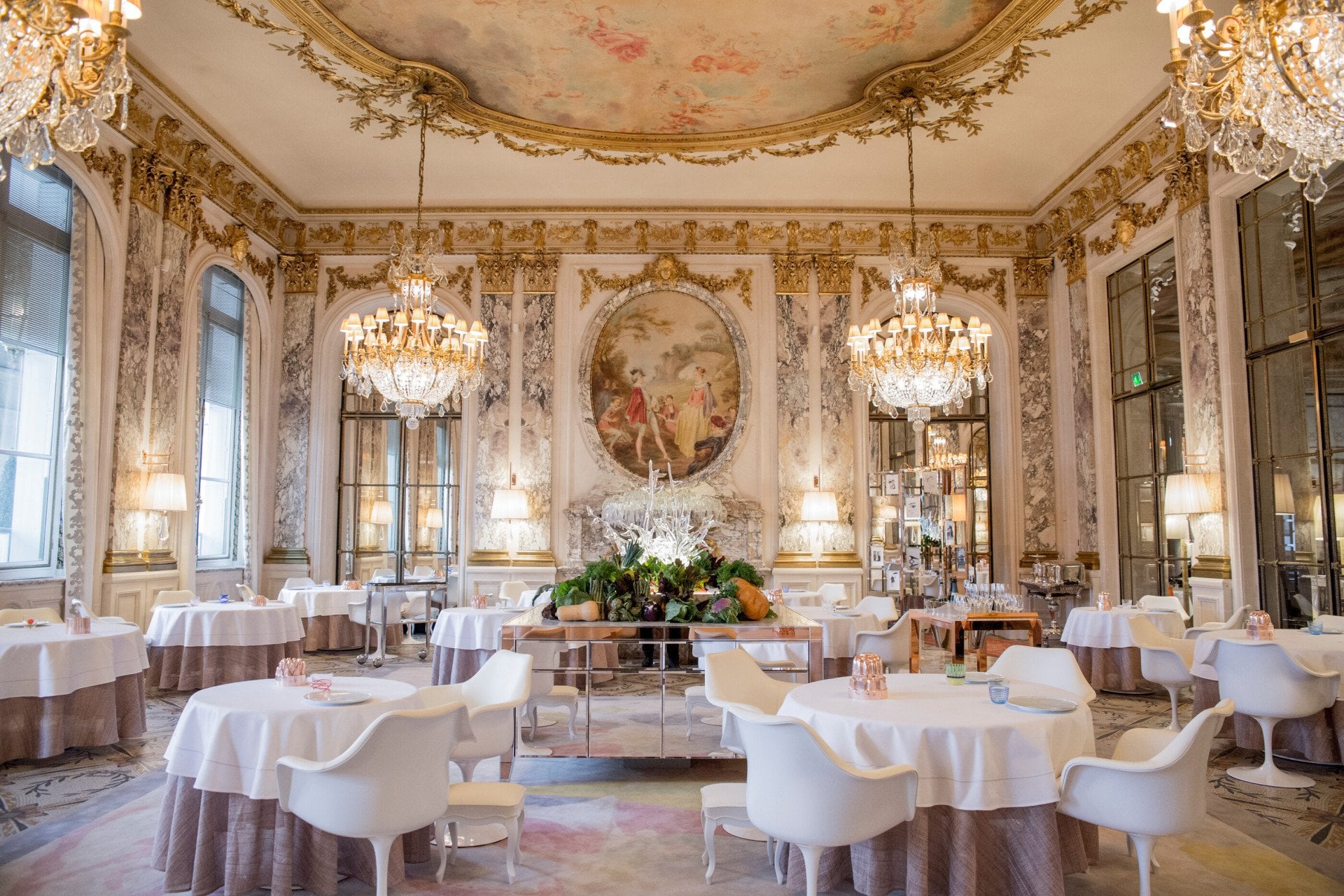
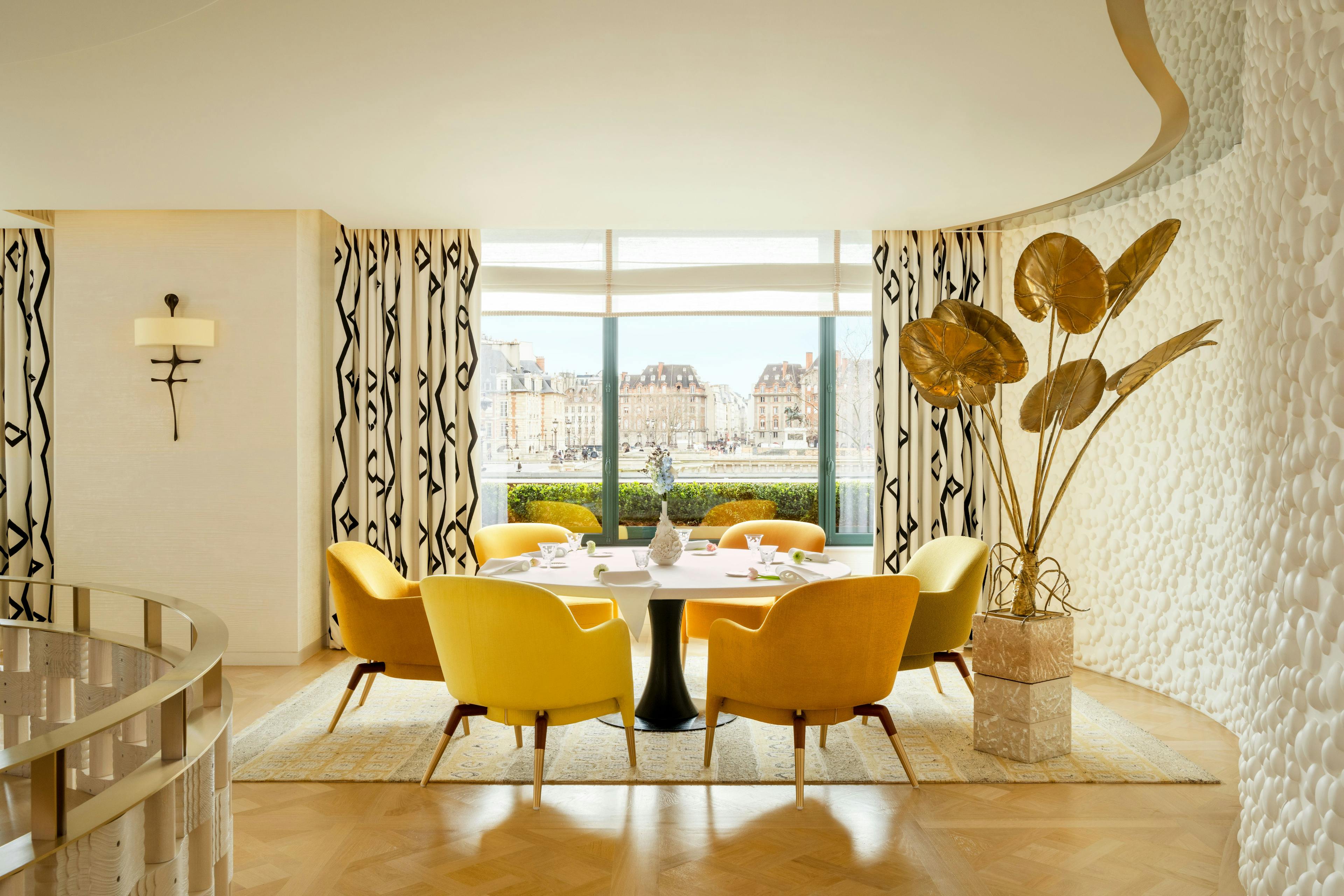
Comparable venues nearby, for context on price, style, and recognition.
| Venue | Cuisine | Price | Notes |
|---|---|---|---|
| FaggioThis venue — the venue you are viewing | Calabrian Thin-Crust Pizzeria | $$ | Not listed |
| DICE Caffè | Seasonal Italian Bistro | $$ | Le Marais |
| Zola | Italian Trattoria & Pizza | $$ | Vivienne (Passage des Panoramas) |
| Mamma Primi | Authentic Italian Trattoria with Fresh Pasta & Pizza | $$ | Batignolles |
| Gioia e Gusto | Authentic Neapolitan Pizza | $$ | Haussmann Saint-Lazare |
| Chez Bartolo | Authentic Neapolitan Pizzeria | $$ | 6th Arr. - Luxembourg |



At a Glance
- Cozy
- Trendy
- Casual Hangout
- Date Night
- Open Kitchen
- Natural Wine
- Organic
Current opening hours
- Monday
- 12–2:30 PM, 7–11 PM
- Tuesday
- 12–2:30 PM, 7–11 PM
- Wednesday
- 12–2:30 PM, 7–11 PM
- Thursday
- 12–2:30 PM, 7–11 PM
- Friday
- 12–2:30 PM, 7–11:30 PM
- Saturday
- 12:30–3 PM, 7–11:30 PM
- Sunday
- 12:30–3 PM, 7–11 PM
Hours can change for holidays and private events. Last verified .
Casual and convivial pizzeria atmosphere in a lively neighborhood spot with a focus on authentic Italian flavors.