
Gimlet occupies a measured position in Barcelona's Sarrià-Sant Gervasi dining scene, where neighbourhood restaurants tend to operate with more restraint than the city's Eixample flagships. Sitting on Carrer de Santaló, it draws a local following that skews away from tourist circuits, placing it in a different competitive register from the city's Michelin-decorated creative houses.
Pearl is the En Primeur Club membership app — saves, bookings, and concierge access live there. Same editors, same standards.
- Address
- Carrer de Santaló, 46, Sarrià-Sant Gervasi, 08021 Barcelona, Spain
- Phone
- +34932015306
- Website
- drymartiniorg.com
- Directions
- Get directions
 Saves & bookings on Pearl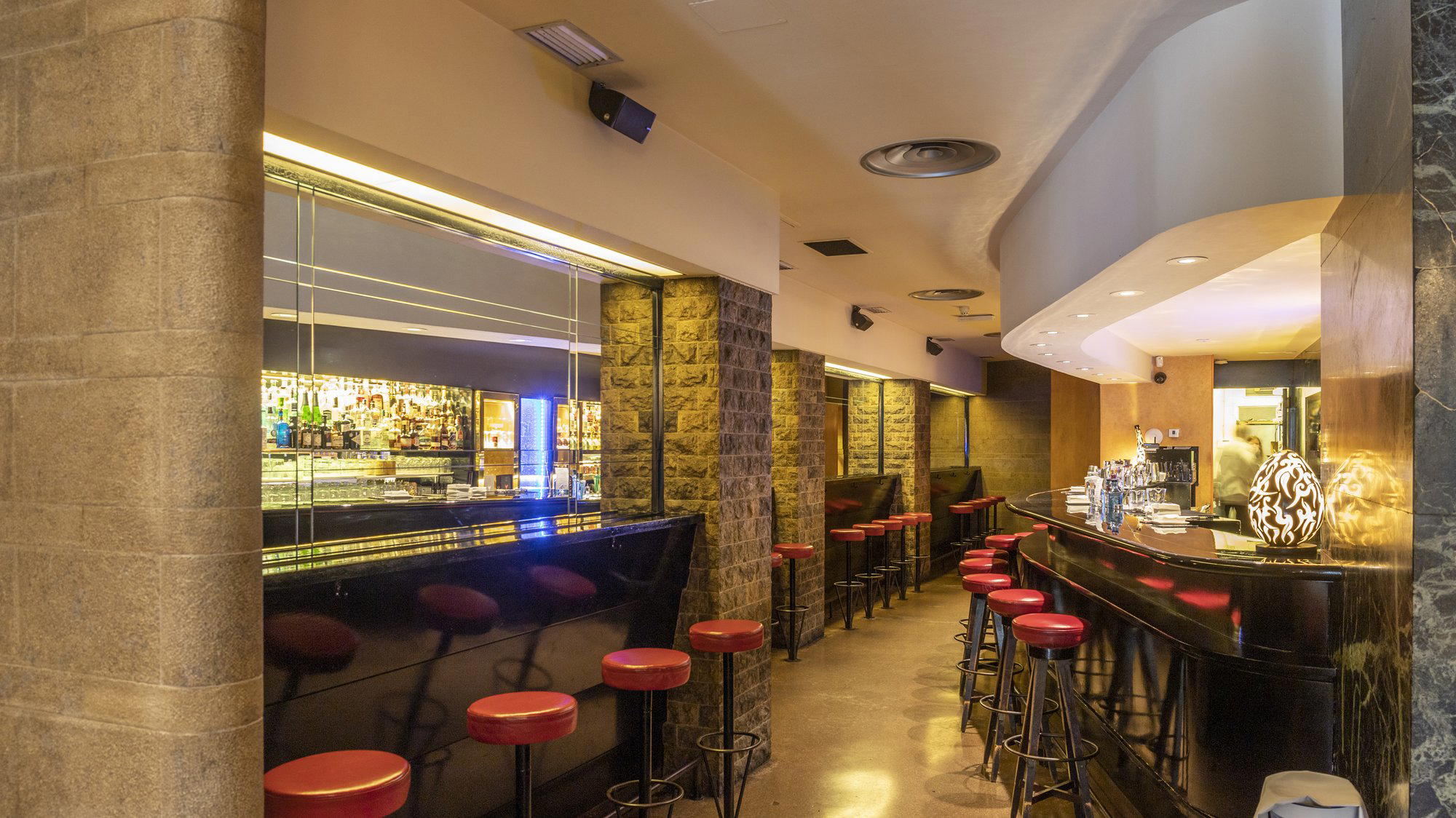
Carrer de Santaló and the Other Barcelona
Barcelona's most scrutinised dining addresses cluster in the Eixample, where critics converge and reservation systems strain under international demand. Sarrià-Sant Gervasi operates differently. The upper residential district, which runs north of the Diagonal toward the Collserola hills, has historically supported a quieter tier of restaurants: places built on returning local clientele rather than destination seekers. Carrer de Santaló, specifically, sits inside that neighbourhood logic, a street associated with bars and restaurants that serve the area's professional and upper-middle class residents rather than the city's incoming culinary tourism. Gimlet, at number 46, belongs to this context.
This matters for anyone calibrating expectations. Sarrià-Sant Gervasi restaurants tend to operate on neighbourhood rhythms: lunch service that draws professionals, evenings shaped by local families and couples rather than tasting-menu tourists. The dining register here is generally more conversational and less theatrical than what you find at Barcelona's Enigma or Disfrutar, where the room is as much part of the proposition as the plate.
Where Gimlet Sits in Barcelona's Dining Spectrum
Barcelona's restaurant landscape has developed along two distinct axes over the past two decades. On one side sit the progressive creative houses, Cocina Hermanos Torres, Lasarte, ABaC, all operating at €€€€ price points with Michelin recognition and the booking infrastructure that goes with it. On the other side sits a much larger, less discussed tier of neighbourhood restaurants that do not compete for stars or 50 Best placements but sustain themselves through consistent, repeat local custom.
Gimlet occupies a position in the latter category. It operates outside the critical circuit that routes international visitors toward Spain's decorated tables. That positioning is not a deficit, it reflects a different kind of restaurant logic, one common across Spanish cities where the leading everyday eating happens in addresses that never appear in international press. Spain's regional dining culture has long supported this two-track system: the marquee houses that attract global attention, from El Celler de Can Roca in Girona to Mugaritz in Errenteria, and the deeper layer of local-facing restaurants that sustain daily food culture without the apparatus of awards.
Ingredient Sourcing and the Catalan Pantry
The editorial angle that matters most for understanding restaurants in this district is ingredient provenance. Sarrià-Sant Gervasi's demographic profile, affluent, local, food-aware, has historically supported restaurants that spend more on raw material quality than on room design or kitchen theatrics. The Catalan pantry that underpins this kind of dining is specific and well-documented: the Boqueria and the lesser-known Mercat de l'Abaceria in Gràcia supply protein and produce; fishermen working the Costa Brava and the Baix Llobregat agricultural zone provide seafood and vegetables with short supply chains by Spanish city standards.
This sourcing tradition connects Gimlet to a broader pattern visible across Spain's serious neighbourhood restaurants. Where the country's celebrated destination houses, Quique Dacosta in Dénia, Aponiente in El Puerto de Santa María, build their sourcing narratives into multi-course conceptual frameworks, the neighbourhood register translates the same Catalan ingredients into less formalised, more accessible cooking. The produce quality is often comparable; the presentation language is not. For a reader calibrating across Spain's dining spectrum, this distinction is worth holding: ingredient quality in Catalonia's serious neighbourhood restaurants frequently exceeds what the room, the price, and the anonymity would suggest.
Internationally, this pattern has parallels. Le Bernardin in New York City represents the decorated end of the sourcing-first philosophy; Lazy Bear in San Francisco shows how ingredient transparency can anchor an entire reservation model. What Sarrià-Sant Gervasi restaurants demonstrate is that sourcing rigour does not require either format, it can operate quietly, inside a neighbourhood register, without press releases.
Peer Context: What the Catalan Creative Houses Reveal
Placing Gimlet against Barcelona's Michelin tier is less about direct competition than about understanding what each tier offers a reader. The city's €€€€ creative houses deliver technique-led cooking with significant time investment: tasting menus at Disfrutar or Cocina Hermanos Torres run three or more hours and require advance booking windows of weeks or months. The neighbourhood alternative in Sarrià-Sant Gervasi offers a different transaction: lower commitment, faster service, and a room calibrated to conversation rather than spectacle. These are not the same experience competing for the same occasion. They are different decisions for different evenings.
Across Spain more broadly, this tier distinction holds whether you are reading a restaurant in Seville, València, where Ricard Camarena represents the decorated end, or San Sebastián, where Arzak and Azurmendi anchor one end of a spectrum that includes dozens of pintxo bars and neighbourhood restaurants at the other. Martin Berasategui in Lasarte-Oria, Atrio in Cáceres, and DiverXO in Madrid all sit at the marquee end; the neighbourhood register running beneath them sustains Spanish food culture's actual daily texture. See our full Barcelona restaurants guide for broader coverage across all tiers.
Planning Your Visit
Gimlet is located at Carrer de Santaló, 46 in the Sarrià-Sant Gervasi district of Barcelona (postal code 08021). Reservations are recommended. The dress code is business casual. At about $20 per person, it sits in a moderate price tier. Hours run Monday through Wednesday from 5 PM to 1 AM, Thursday from 5 PM to 2 AM, Friday and Saturday from 5 PM to 3 AM, and Sunday is closed.
Compact Comparison
Comparable venues nearby, for context on price, style, and recognition.
| Venue | Cuisine | Price | Notes |
|---|---|---|---|
| GimletThis venue — the venue you are viewing | Not listed | $$$ | Not listed |
| FOCO | la Vila de Gracia, Modern Cocktail Bar | $$$ | Not listed |
| La Tavernicola | Not listed | $$ | el Poblenou, Authentic Argentine Steakhouse |
| 9Reinas Gourmet | Not listed | $$$ | Sant Gervasi - Galvany, Argentine Steakhouse |
| Asador de Aranda - Paralelo | el Raval, Traditional Castilian Asador | $$$ | Not listed |
| El Ñaño | la Sagrada Familia, Authentic Ecuadorian | $$ | Not listed |
Recognition history
Dated appearances from independent guides and award organizations, with the underlying list record or original source where available.
Macarfi 7 Food Rating
Macarfi
Continue exploring
More in Barcelona
Restaurants in Barcelona
Browse all →
Bars in Barcelona
Browse all →
Hotels in Barcelona
Browse all →

At a Glance
- Charming
- Elegant
- Intimate
- Trendy
- Date Night
- Casual Hangout
- Terrace
- Craft Cocktails
Current opening hours
- Monday
- 5 PM–1 AM
- Tuesday
- 5 PM–1 AM
- Wednesday
- 5 PM–1 AM
- Thursday
- 5 PM–2 AM
- Friday
- 5 PM–3 AM
- Saturday
- 5 PM–3 AM
- Sunday
- Closed
Hours can change for holidays and private events. Last verified .
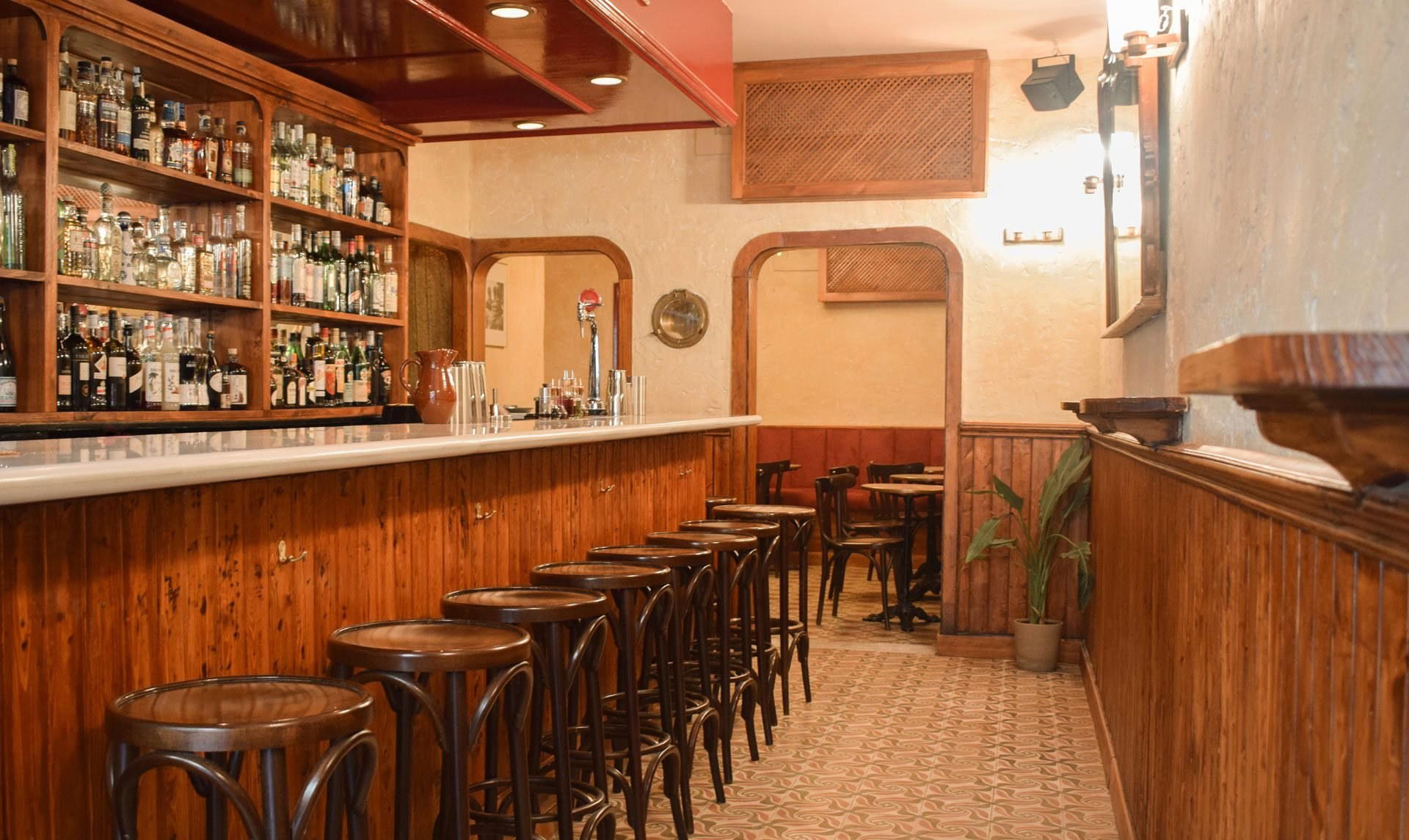
Cozy and narrow space with good atmosphere, background music, and charming terrace.