Our verdict
Gaststätte Großmarkthalle occupies the wholesale market complex in Munich's southern Sendling district, where the dining ritual follows the cadence of the market itself: early, direct, and without ceremony. The setting places it in a distinct tier of Munich eating — functional provenance-led spaces that operate outside the city's Michelin circuit but remain closely tied to its supply chain.

Pearl is the En Primeur Club membership app — saves, bookings, and concierge access live there. Same editors, same standards.
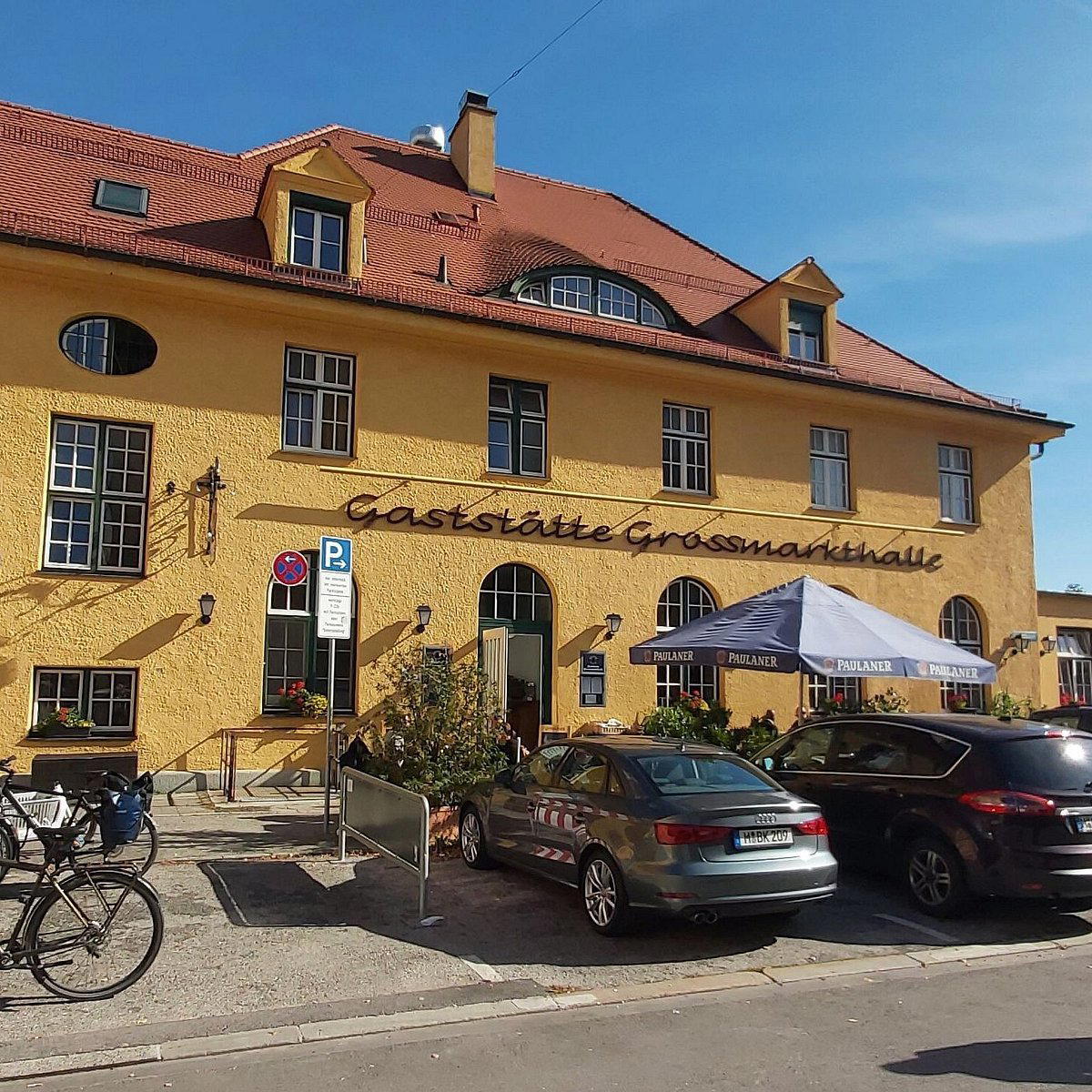
Where the Market Sets the Pace
The wholesale market halls of European cities have always operated on a different clock to the rest of the food world. Produce arrives before dawn, transactions happen before most restaurants open their prep kitchens, and the eating that follows reflects that rhythm: direct, unhurried in sequence but efficient in spirit, with little appetite for the theatrical pacing that defines tasting-menu culture. Munich's Großmarkthalle on Kochelseestraße 13 in Sendling sits inside that tradition. The Gaststätte attached to it inherits the same logic: this is a place where the dining ritual is shaped by function, not performance.
That distinction matters in a city like Munich, where the upper end of the restaurant market is occupied by multi-course institutions — Tantris, Atelier, Alois - Dallmayr Fine Dining, and Tohru in der Schreiberei — all operating at the €€€€ tier with structured menus, formal service, and booking windows that run weeks or months ahead. The Großmarkthalle gaststätte occupies entirely different territory: a canteen-adjacent space whose authority comes not from a chef's tasting vision but from proximity to the primary source.
The Rhythm of a Market Gaststätte
Across Germany, the market gaststätte is a category with its own etiquette. You arrive early. You eat quickly but without distraction. The menu is short and changes with supply. There is no sommelier, no amuse-bouche, and no printed wine flight. What there is, typically, is food that was within a distribution centre twenty minutes ago and a room full of people who have already done a morning's work. The dining ritual here is shaped by that social contract: greet the room, take a seat, order without deliberation, eat with focus.
This format has parallels across Europe's major market complexes. Frankfurt's Großmarkthalle tradition, the early-morning counters of Lyon's Marché Saint-Antoine, and the supplier-facing restaurants around Madrid's Mercamadrid all operate on the same premise: the meal is in service of the supply chain, not the reverse. What distinguishes the better examples of the type is the quality of what passes through the loading dock, and in Munich, whose wholesale market feeds one of Germany's most food-serious cities, that baseline is high.
Munich's Broader Dining Context
Munich occupies a specific position in the German dining hierarchy. It is not Berlin, where format experimentation defines the conversation, venues like CODA Dessert Dining represent a kind of rule-breaking ambition that Munich's dining culture rarely pursues. Nor is it a cathedral-city restaurant scene like those around Schwarzwaldstube in Baiersbronn or Waldhotel Sonnora in Dreis, where destination dining is inseparable from the surrounding landscape. Munich is a prosperous, food-literate city that maintains strong allegiance to Bavarian culinary identity while sustaining a serious fine-dining tier. The two rarely cross-contaminate: white-tablecloth Munich and market-hall Munich exist in parallel, drawing different clienteles for different reasons.
That separation gives places like Gaststätte Großmarkthalle a coherent identity. They do not compete with JAN or Atelier; they serve a different need entirely. For visitors who have already covered the Michelin tier, or who want to understand how the city actually feeds itself, the market gaststätte format offers a kind of ground-truth eating that no tasting menu can replicate.
What the Format Asks of You
Eating in a market gaststätte requires a small adjustment in expectations, and that adjustment is the point. The pacing is not leisurely in the fine-dining sense; courses do not arrive with explanation, and the silence between dishes is not considered or theatrical. But there is a different quality of attention available here: the attention of a room that knows food professionally, where the conversation around you is likely to be about produce, price, and availability rather than wine pairings or reservation strategy. That context changes how the meal registers.
Germany's market-hall dining tradition shares DNA with the supplier-facing lunch counters that feed the professionals behind many of the country's serious kitchens, from the produce buyers who supply Restaurant Haerlin in Hamburg to the ingredient networks that underpin Victor's Fine Dining by Christian Bau in Perl. The wholesale market is where the supply chain becomes visible, and eating at its gaststätte puts you briefly inside that chain rather than at its receiving end.
Planning a Visit
Gaststätte Großmarkthalle is located at Kochelseestraße 13 in Munich's Sendling district, south of the city centre. Market-hall gaststätten of this type operate on hours that align with market activity rather than conventional restaurant service, which typically means early opening and limited evening presence. Specific hours, booking requirements, and current pricing were not available at the time of writing; contacting the venue directly or arriving during core market hours, typically early morning through midday, is the most reliable approach.
For visitors building a broader picture of Munich's dining range, our full Munich restaurants guide maps the city across price tiers and formats. Those extending their trip into the wider German circuit will find useful reference points at ES:SENZ in Grassau, within reasonable distance of Munich, and at Schanz in Piesport or Bagatelle in Trier for those travelling further west. Internationally, the market-adjacent dining format finds sophisticated expression at Lazy Bear in San Francisco and the sourcing rigour visible at Le Bernardin in New York City reflects the supply-chain seriousness that market-hall venues embody at a more direct register. Vendôme in Bergisch Gladbach and Aqua in Wolfsburg round out the German fine-dining landscape for context.
Logistics at a Glance
| Venue | Format | Price Tier | Booking Lead Time |
|---|---|---|---|
| Gaststätte Großmarkthalle | Market gaststätte | Not published | Walk-in likely; confirm directly |
| Tantris | Modern French tasting menu | €€€€ | Weeks to months ahead |
| Alois - Dallmayr Fine Dining | Creative fine dining | €€€€ | Weeks ahead |
| JAN | Creative | Not published | Advance booking advised |
Frequently asked questions
Where exactly is Gaststätte Großmarkthalle?
Gaststätte Großmarkthalle is located at Kochelseestraße 13, 81371 München, Germany, Munich.
What time does Gaststätte Großmarkthalle open, and who is it actually for?
The primary clientele is produce buyers, delivery drivers, and market workers, which makes this one of the few places in Munich where a 5am meal is structurally normal rather than a novelty.
What's the signature dish at Gaststätte Großmarkthalle?
Market gaststätten operating inside wholesale complexes like Munich's Großmarkthalle typically run short, supply-driven menus that reflect what arrived on the loading dock that morning. Expect Bavarian staples at volume rather than a fixed signature plate.
How far ahead should I plan for Gaststätte Großmarkthalle?
The wholesale market format at Kochelseestraße 13 serves a professional trade clientele operating on pre-dawn schedules, which typically means seats turn over fast and walk-in access is the norm rather than the exception.
What's the standout thing about Gaststätte Großmarkthalle?
The address tells the story: Kochelseestraße 13 sits inside Munich's wholesale distribution complex, which means the kitchen is working at the supply-chain end of the city's food system rather than the consumer end. That positioning makes it a different kind of eating experience from anything in the Altstadt or Schwabing, less about presentation and more about function.
Do they accommodate allergies at Gaststätte Großmarkthalle?
Market gaststätten of this format are built around speed and volume for trade workers, so detailed allergen communication is less common than at formal Munich restaurants. Arriving with specific requirements and asking in person is the practical approach.
Does Gaststätte Großmarkthalle justify its prices?
Market-hall gaststätten in Bavaria generally operate well below the price point of Munich's formal dining scene, with meals priced for daily use by wholesale workers rather than occasional restaurant visits. If the format holds true to type, value per euro will be higher here than anywhere on Maximilianstrasse.
Category Peers
Comparable venues nearby, for context on price, style, and recognition.
| Venue | Cuisine | Price | Notes |
|---|---|---|---|
| Gaststätte GroßmarkthalleThis venue — the venue you are viewing | Traditional Bavarian Gaststätte | $10–20 | Not listed |
| Schinken-Peter | Traditional Bavarian | $20–30 | Au |
| IRMI | Modern Munich Kitchen with Bavarian Traditions | $30–50 | Theresienwiese |
| Münchner Stubn | Traditional Bavarian Gastropub | $20–30 | Theresienwiese |
| Hofbräukeller | Traditional Bavarian Beer Garden | $20–30 | Haidhausen |
| Zum Sollner Hirschen | Classic Bavarian | $20–30 | Solln |
Continue exploring
More in Munich
Restaurants in Munich
All restaurants in Munich →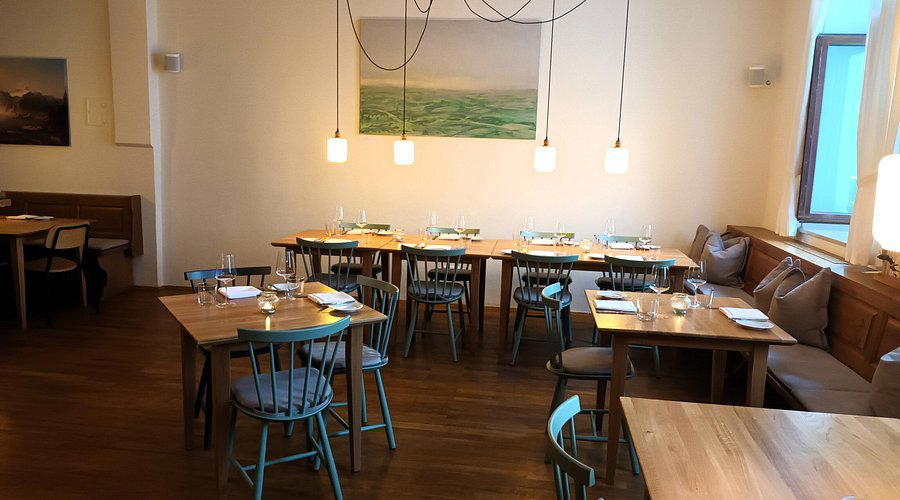
Bars in Munich
All bars in Munich →
Details
- Rustic
- Cozy
- Classic
- Casual Hangout
- Historic Building
- Beer Program
- A La Carte
- Beer
- Vegetarian Friendly
Current opening hours
- Monday
- 7 AM–4 PM
- Tuesday
- 7 AM–4 PM
- Wednesday
- 7 AM–4 PM
- Thursday
- 7 AM–4 PM
- Friday
- 7 AM–4 PM
- Saturday
- 7 AM–1 PM
- Sunday
- Closed
Hours can change for holidays and private events. Last verified .
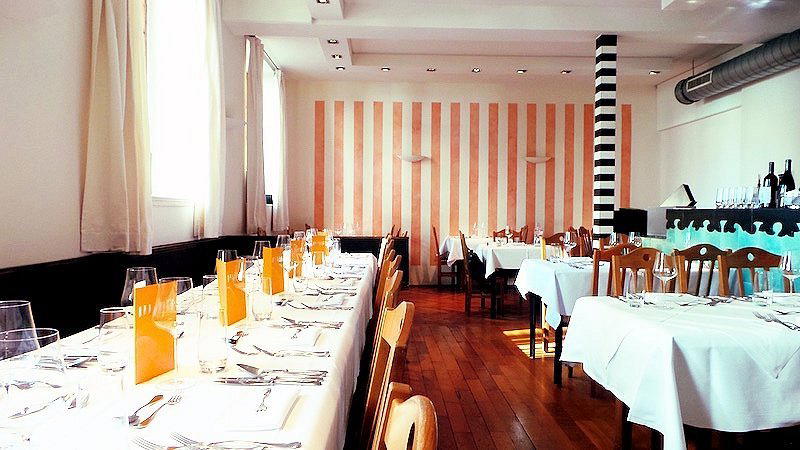
Traditional cozy Bavarian pub atmosphere with wooden paneling, vaulted ceilings, and a Herrgottswinkel in historic rooms.