MIND

A Michelin-starred counter in the unlikely setting of Markt Indersdorf, MIND earns its star through disciplined technique and a two-track menu format that separates boldness from restraint without losing either. Chef Masayuki Komatsu and chef Sabrina Fenzl translate familiar Central European ingredients into compositions where the logic is always audible. At €€€€ pricing, it sits comfortably inside Germany's serious fine-dining tier.
Pearl is the En Primeur Club membership app — saves, bookings, and concierge access live there. Same editors, same standards.
- Address
- Dachauer Str. 11, 85229 Markt Indersdorf, Germany
- Phone
- +49 8136 4699022
- Website
- mind-dining.de
- Directions
- Get directions
 Saves & bookings on Pearl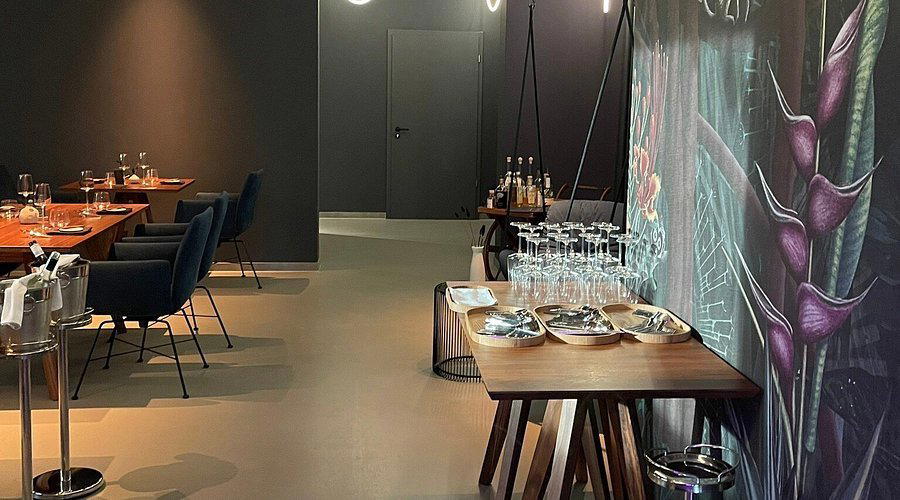
A Fine-Dining Address the Munich Region Didn't Expect
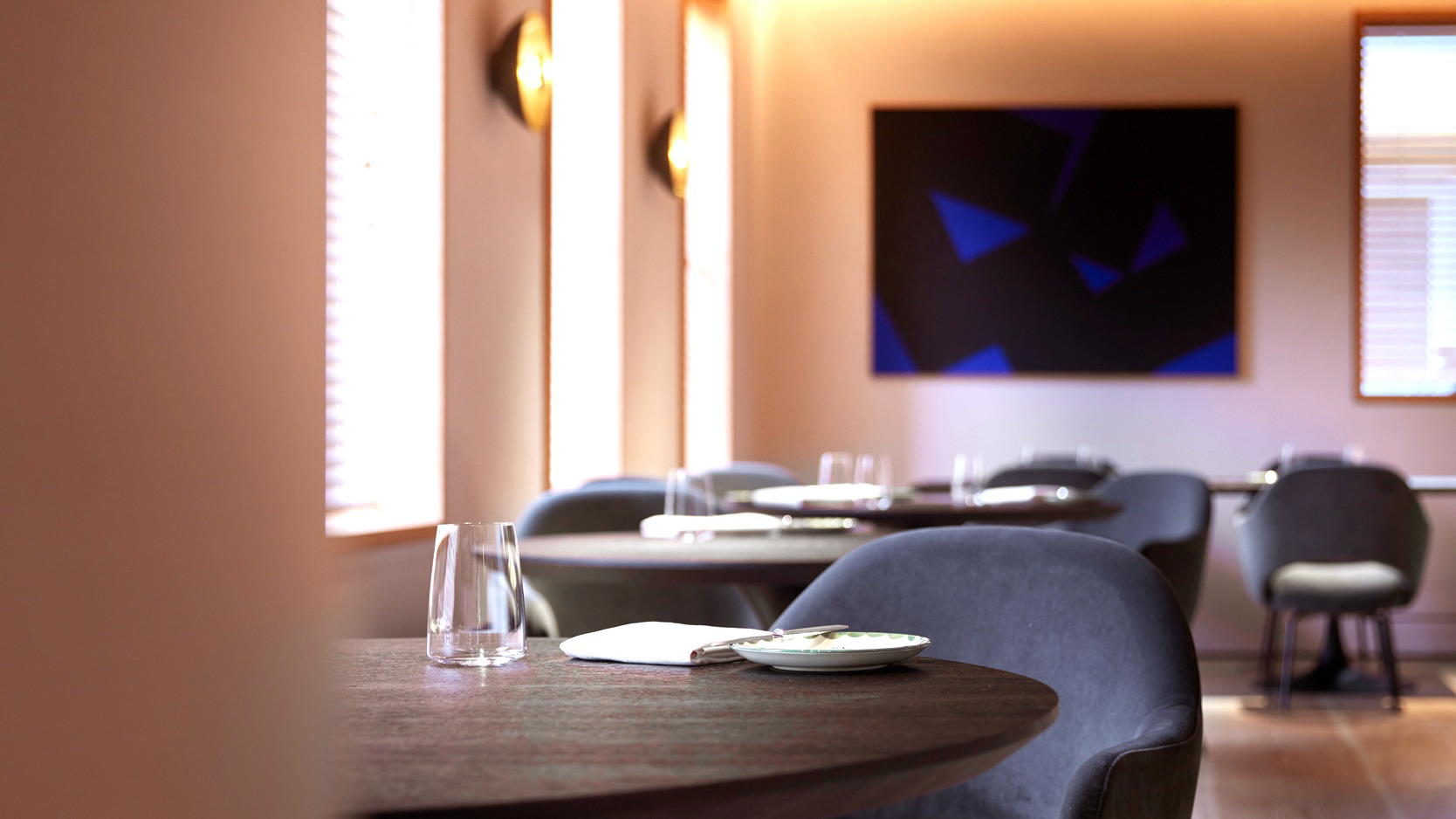
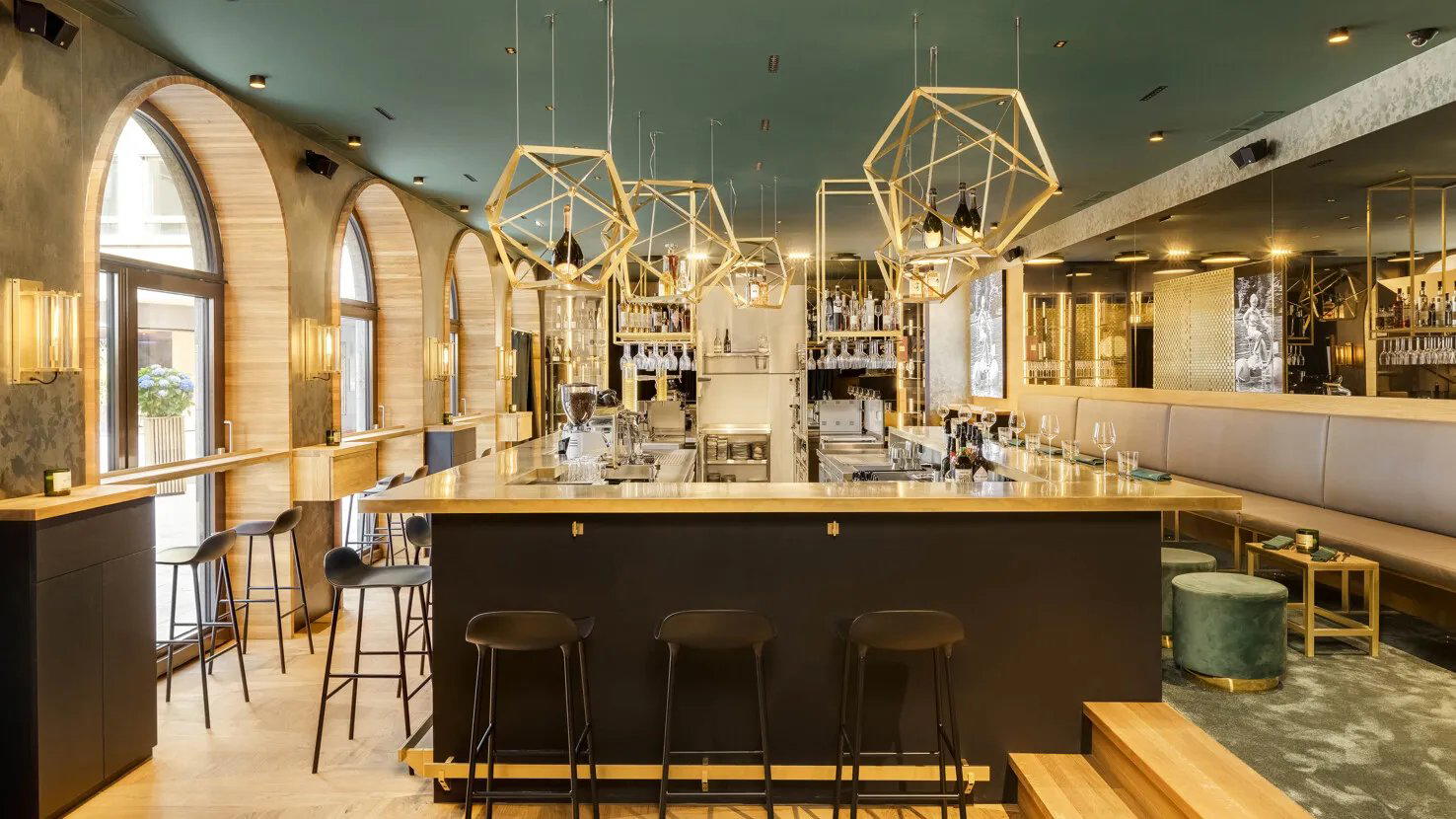
Germany's Michelin map has a habit of producing surprises at distance from its major cities, and MIND in Markt Indersdorf is one of the clearer examples of that pattern. The town sits roughly 35 kilometres northwest of Munich, in the Dachau district, and offers little of the architectural drama associated with destination dining. What MIND offers instead is a restaurant split into two distinct registers: a front section facing the open kitchen island, where the work is visible and the energy runs higher, and a rear space where the pace slows and electronic music provides a low ambient hum. Both halves earn their place in the same meal.
That spatial division is not simply a design choice. It signals the same logic that runs through the food: things here exist in deliberate contrast, and the contrast is always managed rather than accidental. For readers planning a wider trip through Bavaria's fine-dining options, our full Markt Indersdorf restaurants guide covers the broader local picture.
Where MIND Sits in the German Fine-Dining Conversation
Germany's top tier of modern cuisine has widened considerably over the past decade. The country now sustains a credible spread of starred restaurants outside Berlin, Hamburg, and Munich, from rural addresses in the Moselle valley to Bavarian market towns. What connects the stronger entries in that spread is a willingness to work with regional ingredients without retreating into comfort-food sentiment. MIND holds a Michelin one-star awarded in 2024, placing it in the same recognitional bracket as a number of Germany's more talked-about provincial addresses.
Across Germany's fine-dining tier, the most interesting kitchens are those that take Central European pantry staples — root vegetables, offal, dairy — and apply structural rigour without erasing the ingredient's character. The dishes attributed to MIND in Michelin's own citation sit directly in that tradition: beetroot with sour cream and cucumber; liver with potato and boskoop apple. Both compositions use contrast as their primary mechanism, pairing earthiness against acidity, richness against clean vegetable brightness. The technique is in the proportion and the sequence, not in the complexity of the larder. Restaurants working in this mode include ES:SENZ in Grassau and, at the sharper end of the creative spectrum, CODA Dessert Dining in Berlin, which applies similar restraint to a format built entirely around dessert logic.
For comparison outside Germany, Frantzén in Stockholm and FZN by Björn Frantzén in Dubai represent the international end of the modern-cuisine format that prizes restraint and ingredient clarity over spectacle.
The Kitchen: Komatsu, Fenzl, and the Division of Labour
The editorial angle here is not the personal biography of either chef but what their presence signals about how modern European fine dining is staffed and organised. Chef Masayuki Komatsu brings Japanese training into a Central European kitchen, a combination that has become an identifiable current in German fine dining over the past decade. Japanese technique, precision of cut, temperature awareness, minimalism of seasoning, translates well into a cuisine that wants to honour its ingredients rather than bury them. That cross-cultural expertise is a credential rather than a novelty.
Chef Sabrina Fenzl is visible from the front section of the dining room, working at the kitchen island. That transparency is common at the higher end of Germany's modern-cuisine tier: the open or semi-open kitchen functions both as a statement of craft confidence and as a framing device for the guest experience. The Michelin citation notes that Komatsu is also on hand to talk through the dishes, a service element that shifts explanation away from the floor staff and toward the source. At restaurants working in this format, that directness tends to compress the interpretive gap between kitchen intent and guest understanding. For other kitchens in Germany where chef presence is a deliberate part of the format, JAN in Munich provides a useful point of reference within the region.
Two Menus, One Kitchen
MIND runs two set menus: MINDs Choice and MINDs Fein und Ohne, the latter being fully vegetarian. Both can be extended with a cheese course. The vegetarian menu's formal naming is worth noting: it is not positioned as a dietary accommodation but as a parallel format, which is a meaningful distinction at this price level. Germany's starred kitchens have moved steadily in this direction, partly driven by demand and partly because the discipline required to build a vegetarian menu without leaning on luxury supplements, truffle, foie gras, aged fish, tends to improve the kitchen's overall standard.
The price range sits at €€€€, which places MIND in the same bracket as addresses like Schwarzwaldstube in Baiersbronn, Vendôme in Bergisch Gladbach, and Aqua in Wolfsburg. Within that tier, what MIND offers is compact rather than sprawling: two menus, a manageable room, and a format built around precision rather than volume. For those seeking other Michelin-starred options at a similar price point in Germany, Schanz in Piesport, Waldhotel Sonnora in Dreis, Victor's Fine Dining by Christian Bau in Perl, Bagatelle in Trier, and Restaurant Haerlin in Hamburg each represent the range of what that tier looks like across different German regions and formats.
The Atmosphere, in Honest Terms
The Michelin citation describes MIND's service as professional and pleasingly efficient, and the dual-zone layout gives guests a degree of control over what kind of evening they want. The front counter section, with its sightline to the kitchen island, works for those who want to follow the cooking. The rear room, with electronic music as its ambient register, positions the meal as social rather than studious. That division is relatively uncommon at this end of the market, where the default tends toward a single unified tone across the dining room.
Planning a Visit
MIND is located at Dachauer Strasse 11 in Markt Indersdorf, reachable from Munich in under an hour by car. For those building a broader trip around the region, our Markt Indersdorf hotels guide covers nearby accommodation options, while our bars guide, wineries guide, and experiences guide provide context for building out a full visit. Given the restaurant's size and Michelin recognition earned in 2024, reservations are advisable well in advance, though specific booking channels are not confirmed in current records and are leading verified directly with the restaurant.
Fast Comparison
| Venue | Cuisine | Price | Awards |
|---|---|---|---|
| MINDThis venue — the venue you are viewing | Modern Cuisine | €€€€ | Michelin 1 Star |
| Schwarzwaldstube | French, Classic French | €€€€ | Michelin 3 Star |
| Aqua | Contemporary German, Italian/Japanese, Creative | €€€€ | Michelin 3 Star |
| CODA Dessert Dining | Creative | €€€€ | Michelin 2 Star |
| Tantris | Modern French, French Contemporary | €€€€ | Michelin 2 Star |
| Vendôme | Modern European, Creative | €€€€ | Michelin 2 Star |
Recognition history
Dated appearances from independent guides and award organizations, with the underlying list record or original source where available.
Michelin 1 Star
Michelin
Michelin 1 Star
Michelin
Michelin 1 Star
Michelin
Continue exploring
More in Markt Indersdorf
Restaurants in Markt Indersdorf
Browse all →
Bars in Markt Indersdorf
Browse all →

At a Glance
- Modern
- Minimalist
- Sophisticated
- Special Occasion
- Date Night
- Open Kitchen
- Extensive Wine List
Current opening hours
- Monday
- Closed
- Tuesday
- Closed
- Wednesday
- Closed
- Thursday
- 6 PM–1 AM
- Friday
- 12–3 PM, 6 PM–1 AM
- Saturday
- 6 PM–1 AM
- Sunday
- Closed
Hours can change for holidays and private events. Last verified .
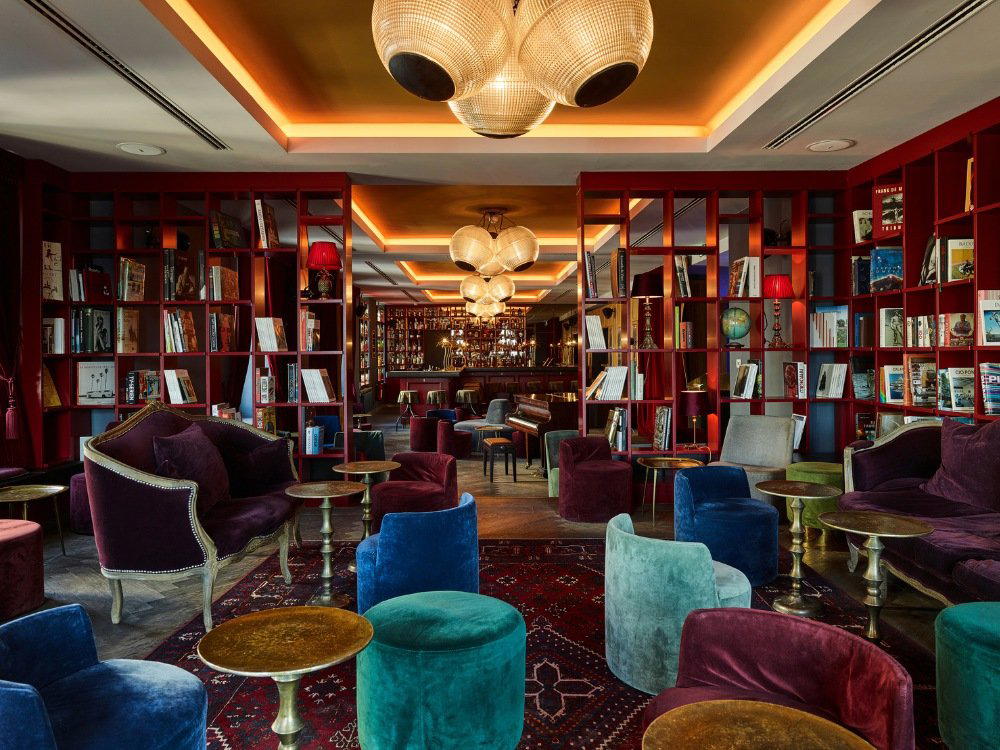
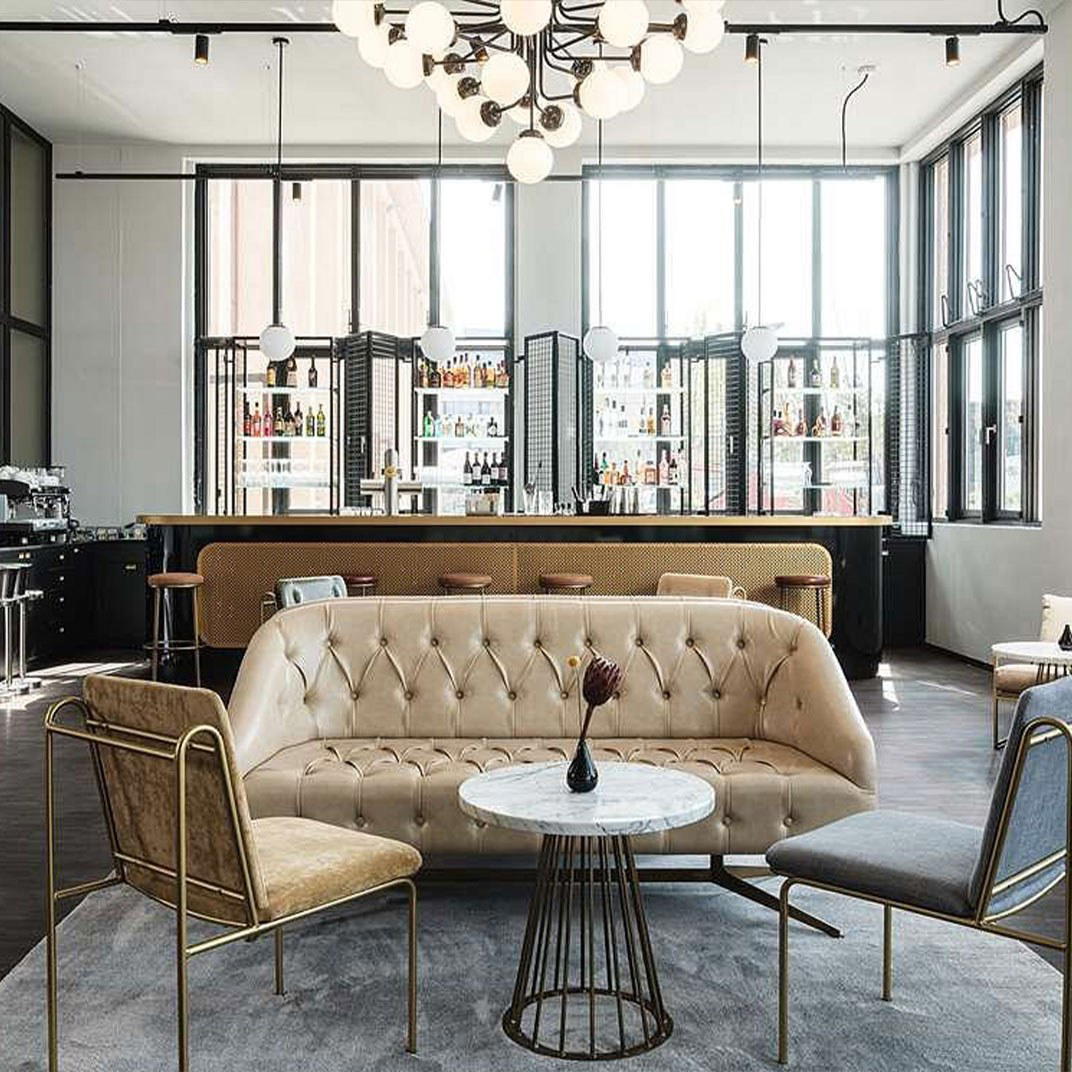
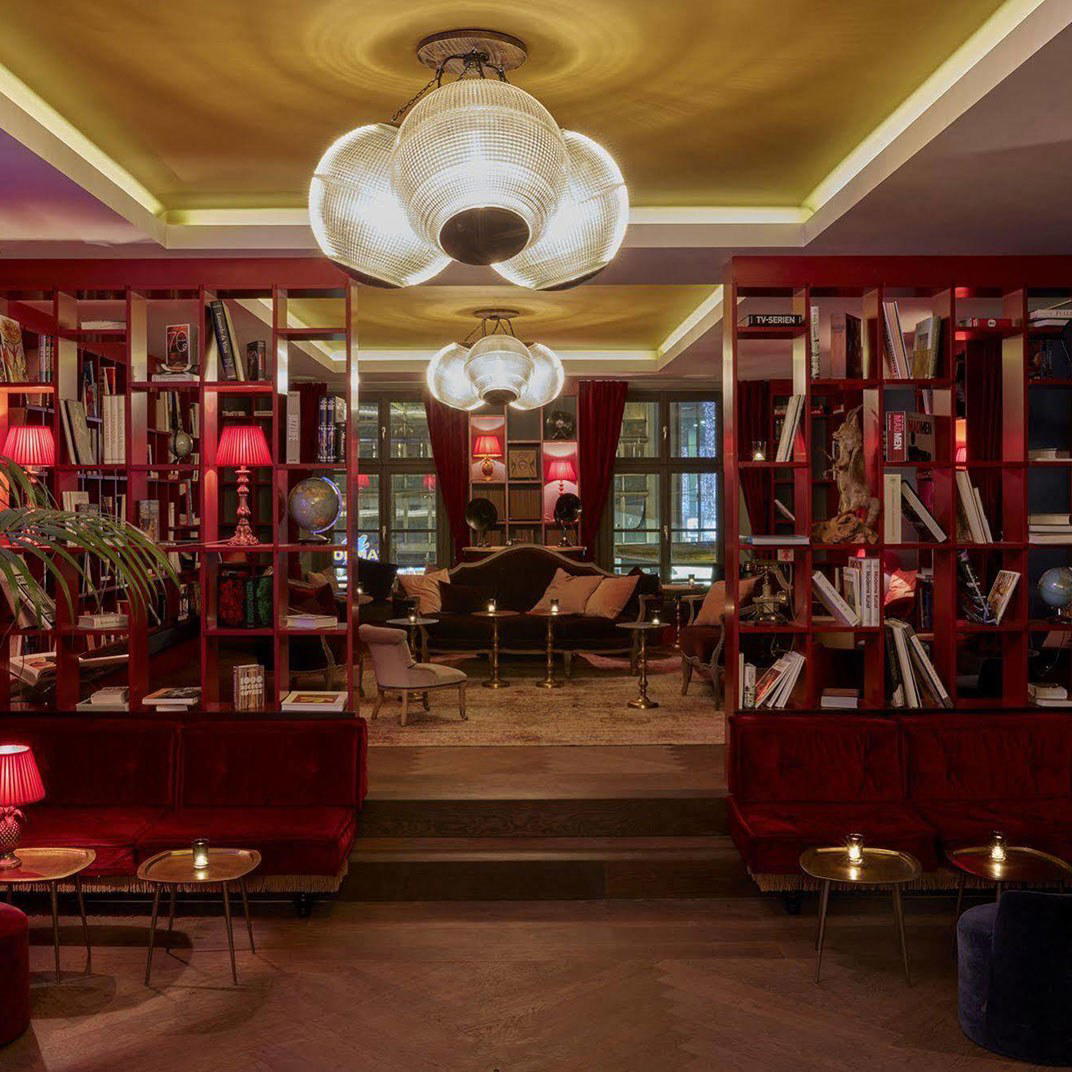
Minimalist contemporary interior with kitchen view, relaxed space with electronic music, modern design.