Gasthof Adler

Michelin Bib Gourmand
Our verdict
Gasthof Adler holds consecutive Michelin Bib Gourmand recognition in 2024 and 2025, making it the reference point for considered Austrian cooking in the Bregenzerwald village of Schwarzenberg. Chef Florian Lerche runs a kitchen that keeps prices at the €€ level while delivering a standard of precision that most regional inns at this price point do not reach.

Pearl is the En Primeur Club membership app, where members save venues, book tables and use the concierge.
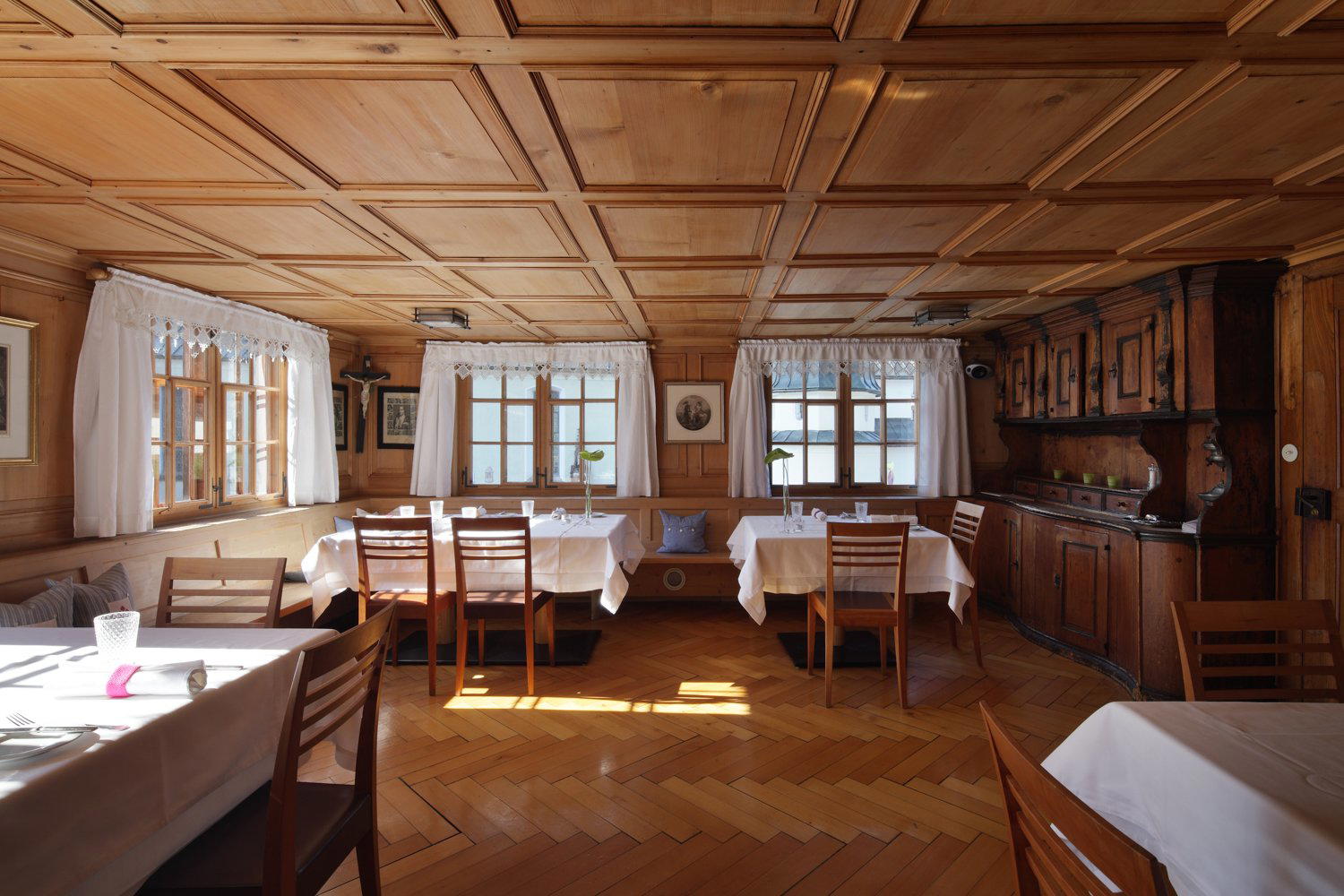
A Village Inn That Earns Its Place at the Austrian Table
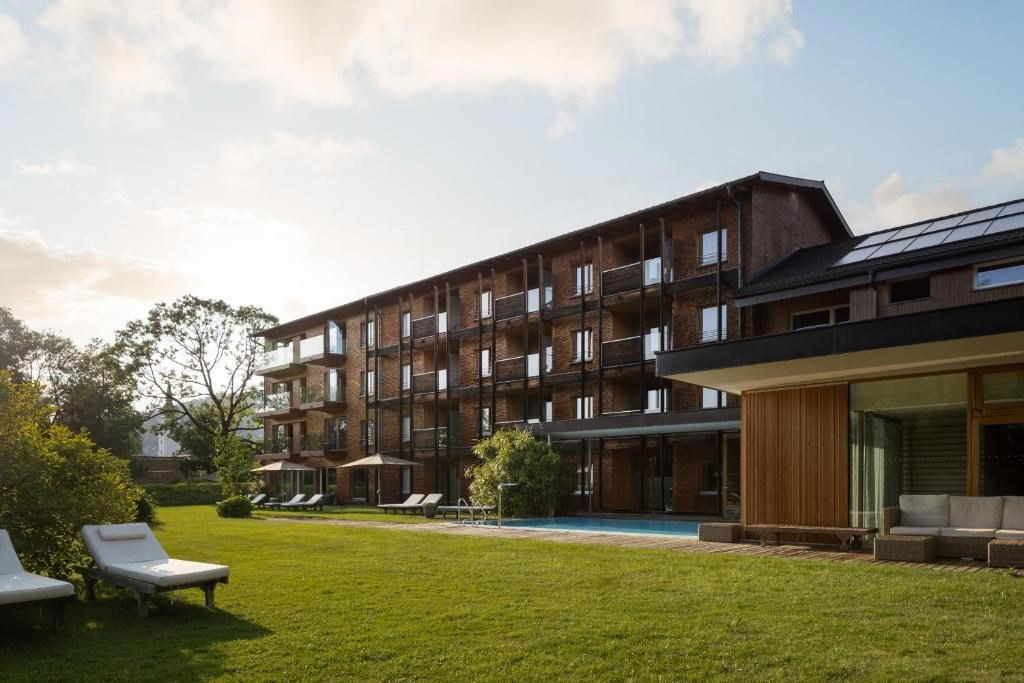
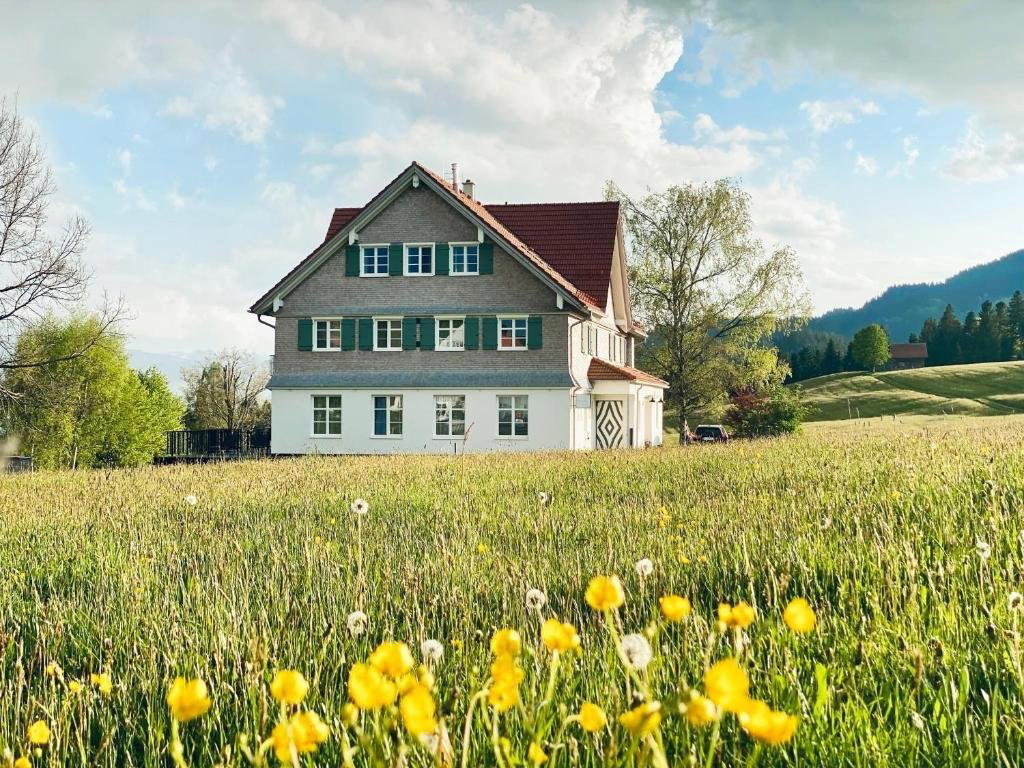
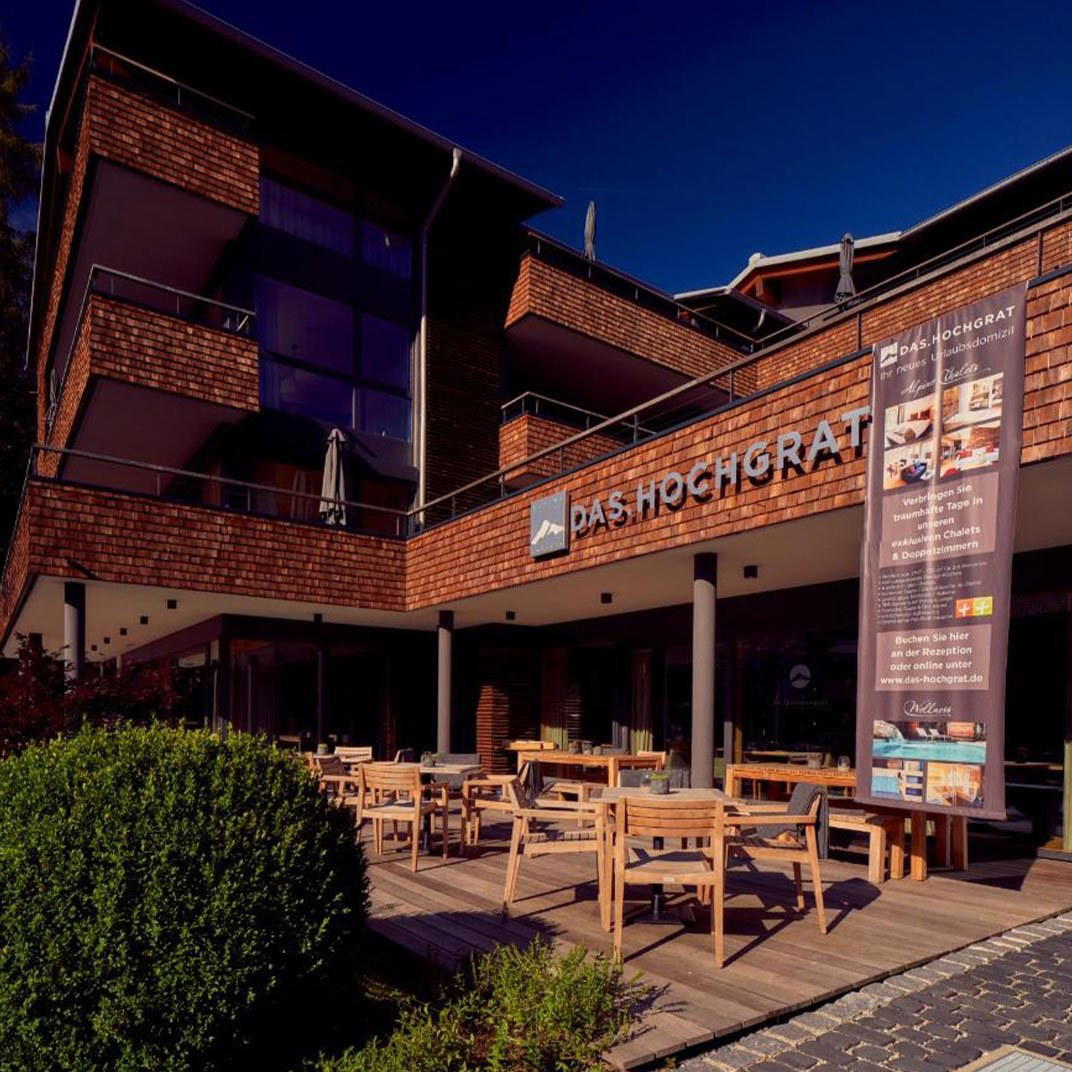
Schwarzenberg sits in the Bregenzerwald, a valley district of Vorarlberg where the architecture runs to dark timber cladding and steep-pitched roofs, and where the surrounding landscape insulates the village from the volume of visitors that flow through Lech or St. Anton. Arriving at Gasthof Adler on the Hof, the old village square, you are dealing with a building that reads as a working Austrian inn before it reads as anything else. That plainness is not incidental. In the Bregenzerwald tradition, a gasthof is not expected to announce its ambitions from the outside, and Adler does not. What distinguishes it sits inside, in the kitchen, and on the plate.
The Austrian inn format has been under quiet pressure for a generation. Rising food costs, the drift of younger chefs toward city kitchens, and the difficulty of sustaining year-round trade in small mountain communities have thinned the number of village restaurants operating at any genuine level of culinary seriousness. Against that backdrop, the Bib Gourmand recognitions Gasthof Adler received in both 2024 and 2025 carry weight beyond the award itself. The Bib Gourmand category, which Michelin uses to identify good cooking at moderate prices, is specifically designed to surface exactly this kind of place: technically accomplished, locally rooted, and accessible without the formality or price architecture of starred dining.
Where Gasthof Adler Sits in Austria's Dining Tier
Austria's most decorated kitchens cluster at a different price point and in different settings. Steirereck im Stadtpark in Vienna operates at €€€€, as does Döllerer in Golling an der Salzach, which holds two Michelin stars and pitches its contemporary Austrian cooking at the top of the market. Landhaus Bacher in Mautern an der Donau and Ikarus in Salzburg operate in the same upper tier. Gasthof Adler at €€ is in a structurally different category: it is not competing with those rooms on ambition or format, but it is being evaluated by the same inspectors using the same criteria for ingredient quality, technique, and consistency. Holding consecutive Bib Gourmands at the €€ price level in a village of Schwarzenberg's size is not a soft achievement.
For comparative context within the Vorarlberg and Alpine corridor, Griggeler Stuba in Lech and Gourmetrestaurant Tannenhof in Sankt Anton am Arlberg represent the starred, fine-dining tier of Alpine Austrian cooking. Adler does not occupy that register, but it does occupy the register where most serious diners actually eat most often: technically sound, regionally specific, priced for repeat visits rather than occasion splurges.
Chef Florian Lerche and the Gasthof Tradition
The editorial angle on Florian Lerche is less about individual biography and more about what his presence at Gasthof Adler represents for the gasthof format more broadly. The Austrian kitchen tradition has two distinct professional tracks: the modernist fine-dining track, visible at places like Senns in Salzburg or Kräuterreich by Vitus Winkler in Sankt Veit im Pongau, and the traditional gasthof track, which prizes continuity, regional identity, and the kind of cooking that local regulars return to across seasons and years. Lerche operating in the latter register, and doing so with sufficient consistency to earn back-to-back Michelin recognition, reflects a broader pattern in Austrian regional dining: the gasthof is not a diminished format, it is a specific one, with its own demands and its own standard of success.
Villages like Ois in Neufelden and 1er Beisl im Lexenhof in Nußdorf am Attersee operate in comparable formats and face similar dynamics: a local core supplemented by diners willing to seek out serious regional cooking in non-urban settings.
Austrian Cuisine at This Level
Bregenzerwald sits within a culinary zone shaped by its Alpine geography and its proximity to Switzerland and Germany. The traditional cooking of Vorarlberg draws on dairy-heavy mountain traditions, with Käsknöpfle (cheese spaetzle) and cured meats among the regional staples. A gasthof kitchen operating at Bib Gourmand standard is typically not departing radically from these references; it is executing them with a level of care and sourcing discipline that generic inns do not apply. The distinction at this level is usually in the handling of ingredients, the precision of seasoning, and the kitchen's willingness to apply technique to dishes that, in lesser hands, become routine. Hirschen, also in Schwarzenberg, offers another point of reference for regional cuisine in the same village, and the two restaurants together give the village a dining offer that punches well above its size.
For diners comparing Austrian regional options at the €€ level, Restaurant 141 by Joachim Jaud in Mieming and Obauer in Werfen represent different points on the spectrum between traditional execution and contemporary Austrian sensibility. Adler's Bib Gourmand positioning places it in the traditional, value-anchored segment of that spectrum.
Planning a Visit
Schwarzenberg is reachable from Dornbirn or Bregenz by road through the Bregenzerwald, with the drive from Bregenz running approximately 35 kilometres through the valley. The village is compact and leading accessed by car, particularly if combining a meal at Adler with the broader Bregenzerwald cultural circuit, which includes the Angelika Kauffmann Museum in the village itself. The €€ price range at Adler makes it viable as a lunch destination without the advance planning burden that a starred evening reservation would require, though the combination of Michelin recognition and a relatively small inn setting suggests that advance booking is advisable, particularly in summer and during the ski-adjacent winter months. Visitors extending their stay in the region can find further context in our full Schwarzenberg hotels guide, our full Schwarzenberg bars guide, our full Schwarzenberg wineries guide, and our full Schwarzenberg experiences guide. The complete restaurant picture for the village is in our full Schwarzenberg restaurants guide.
Frequently asked questions
Is Gasthof Adler child-friendly?
The gasthof format is structurally family-inclusive by Austrian convention, and Gasthof Adler's €€ price range and village setting in Schwarzenberg place it firmly in that tradition. A Michelin Bib Gourmand venue at this level is built for everyday hospitality, not a format that requires children to be absent. Families visiting the Bregenzerwald are unlikely to find it unwelcoming.
Is Gasthof Adler formal or casual?
The Bib Gourmand designation Michelin awarded in both 2024 and 2025 is specifically reserved for good cooking at moderate prices, not for white-tablecloth formality. Schwarzenberg is a working village in the Bregenzerwald, and Gasthof Adler's €€ pricing reflects a relaxed, come-as-you-are register. Clean, presentable clothing is reasonable; a jacket is not.
Is Gasthof Adler award-winning?
Gasthof Adler has received recognition including: Michelin Bib Gourmand (2025); Michelin Bib Gourmand (2024).
What do people recommend at Gasthof Adler?
What the back-to-back Michelin Bib Gourmand in 2024 and 2025 does confirm is that the kitchen under Florian Lerche is producing Austrian cooking that Michelin inspectors consider worth seeking out at the €€ price point. Regional Alpine ingredients and Vorarlberg culinary tradition are the frame within which the menu sits.
How It Stacks Up
| Venue | Cuisine | Price | Awards | Notes |
|---|---|---|---|---|
| Gasthof AdlerThis venue (the venue you are viewing) | Regional Austrian Cuisine | Not listed | Michelin Bib Gourmand | Not listed |
| Steirereck im Stadtpark | Modern Austrian Fine Dining | $200–300 | 3 Michelin Stars · World's 50 Best #33 | Creative |
| Döllerer | Modern Alpine Cuisine | $100–150 | 2 Michelin Stars · La Liste Top Restaurants | Contemporary Austrian, Innovative |
| Ikarus | Guest Chef Fine Dining | $200–300 | 2 Michelin Stars · La Liste Top Restaurants | Modern European, Creative |
| Mraz & Sohn | Contemporary Austrian Fusion | $150–200 | 2 Michelin Stars · La Liste Top Restaurants | Modern Austrian, Creative |
| Obauer | Modern Austrian Fine Dining | $50–100 | 2 Michelin Stars · La Liste Top Restaurants | Classic Cuisine |
Recognition history
Dated appearances from independent guides and award organizations, with the underlying list record or original source where available.
Michelin Bib Gourmand
Michelin
Full recognition history (3 entries)
Michelin Bib Gourmand
Michelin
Michelin Bib Gourmand
Michelin
Continue exploring
More in Schwarzenberg
Restaurants in Schwarzenberg
All restaurants in Schwarzenberg →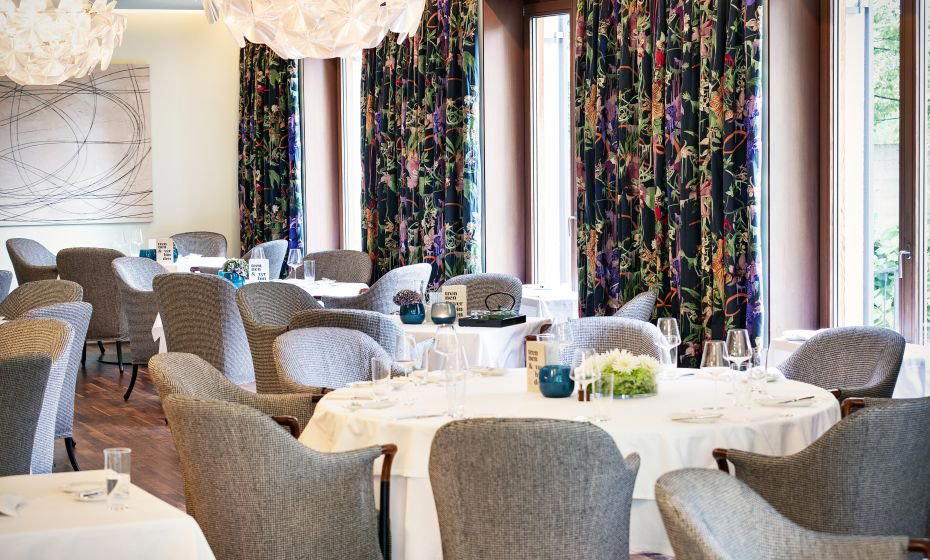
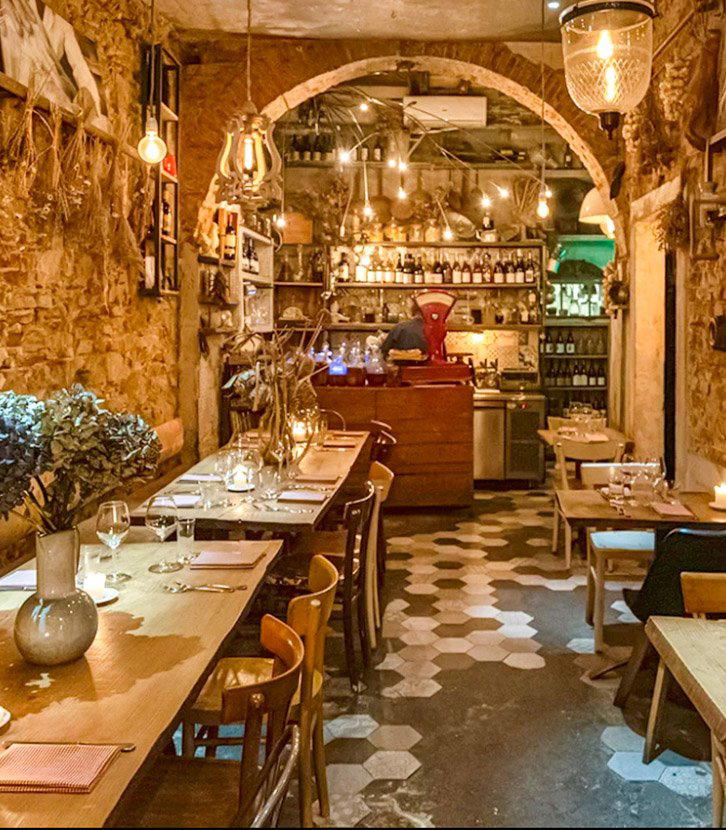
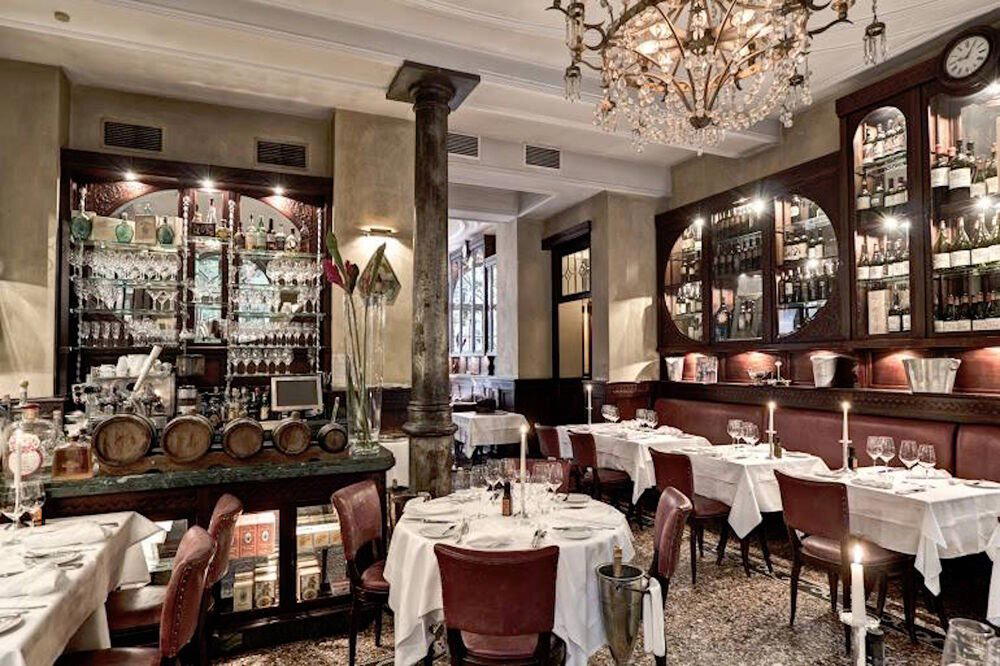
Bars in Schwarzenberg
All bars in Schwarzenberg →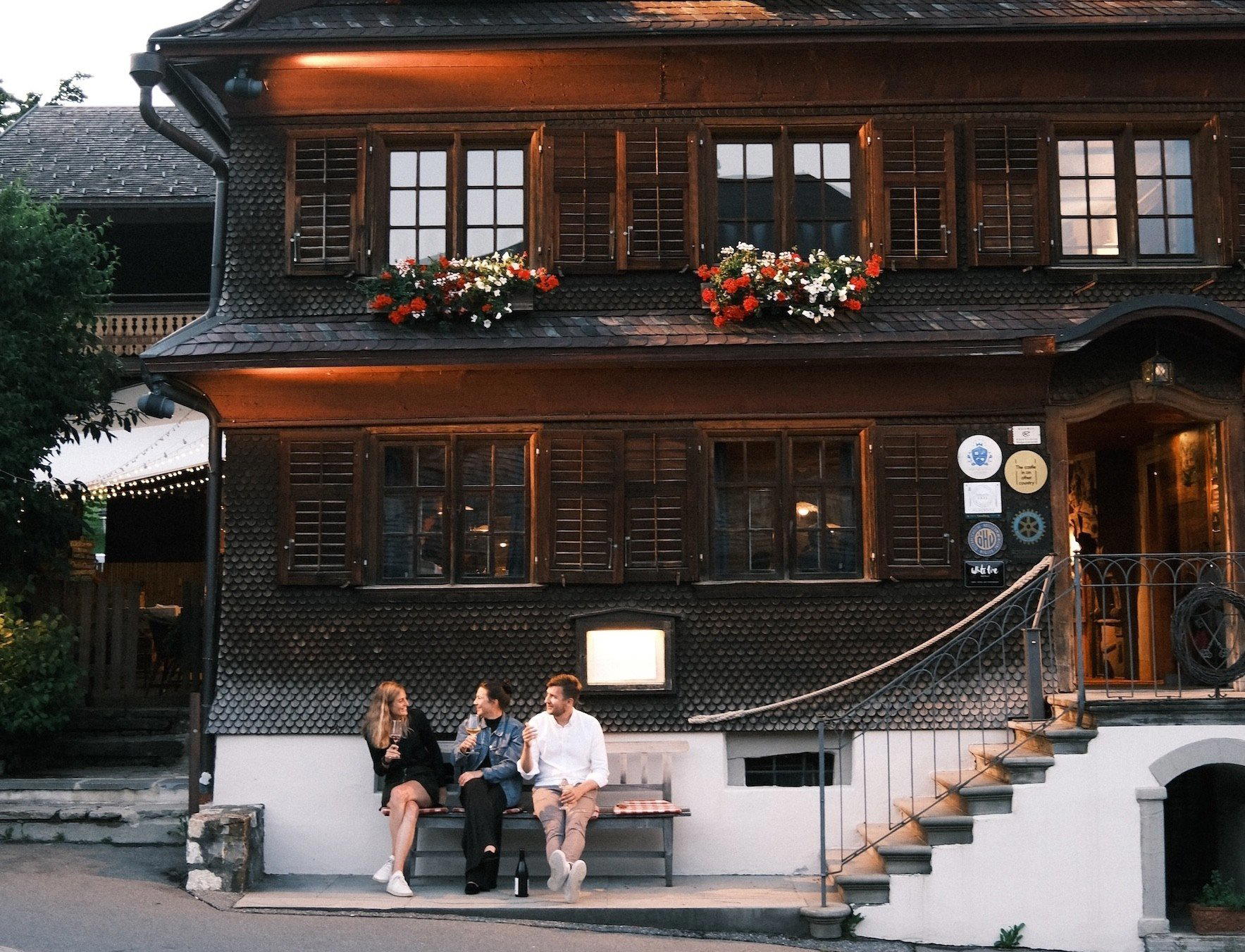

Details
- Classic
- Cozy
- Rustic
- Casual Hangout
- Family
- Celebration
- Hotel Restaurant
- Historic Building
- Local Sourcing
- A La Carte
- Austrian Wine
Current opening hours
- Monday
- Closed
- Tuesday
- Closed
- Wednesday
- Closed
- Thursday
- 11 AM–2:30 PM, 5:30–10 PM
- Friday
- 11 AM–2:30 PM, 5:30–10 PM
- Saturday
- 11 AM–2:30 PM, 5:30–10 PM
- Sunday
- 11:30 AM–2:30 PM, 5:30–9 PM
Hours can change for holidays and private events. Hours as of .
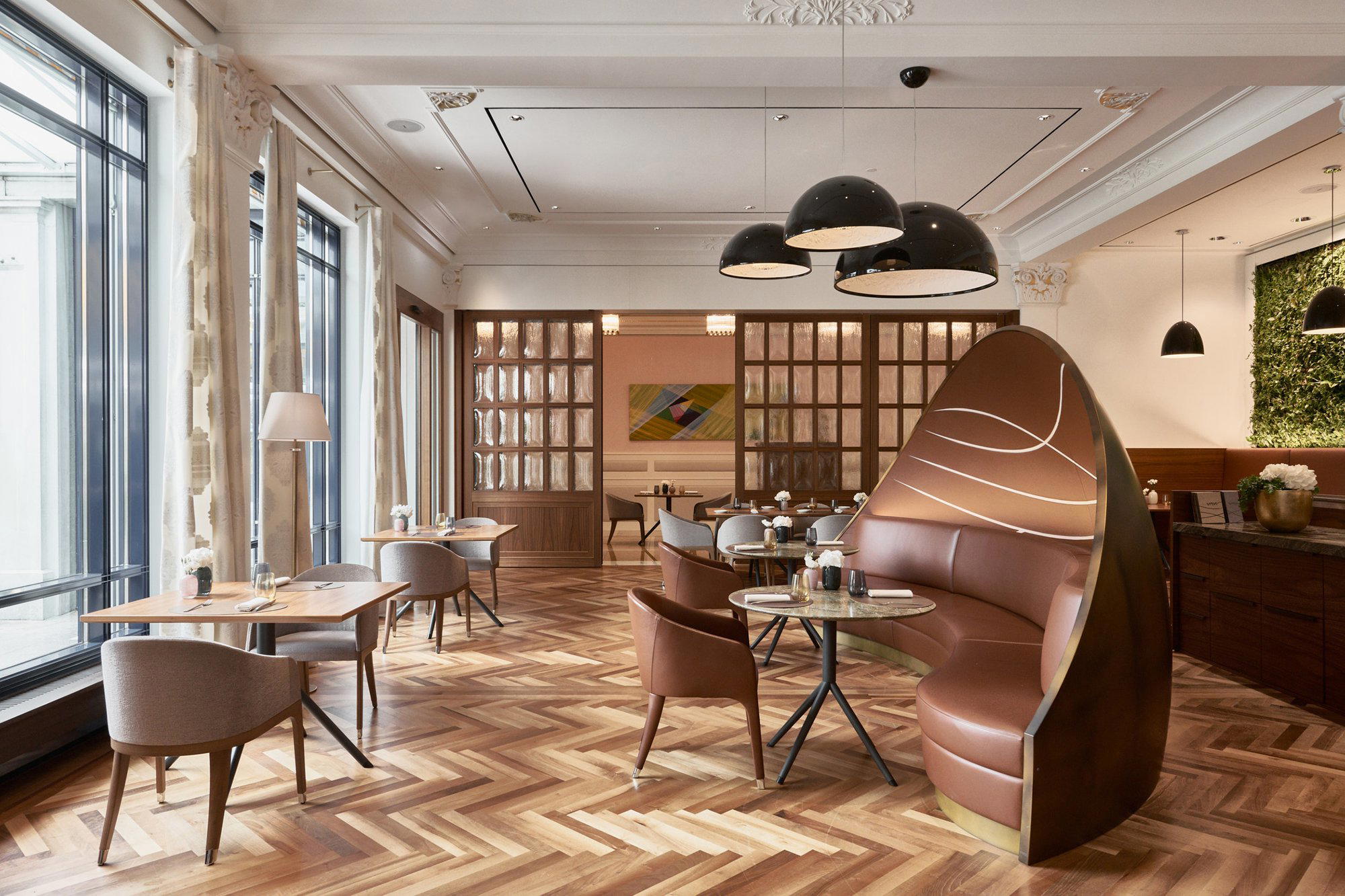
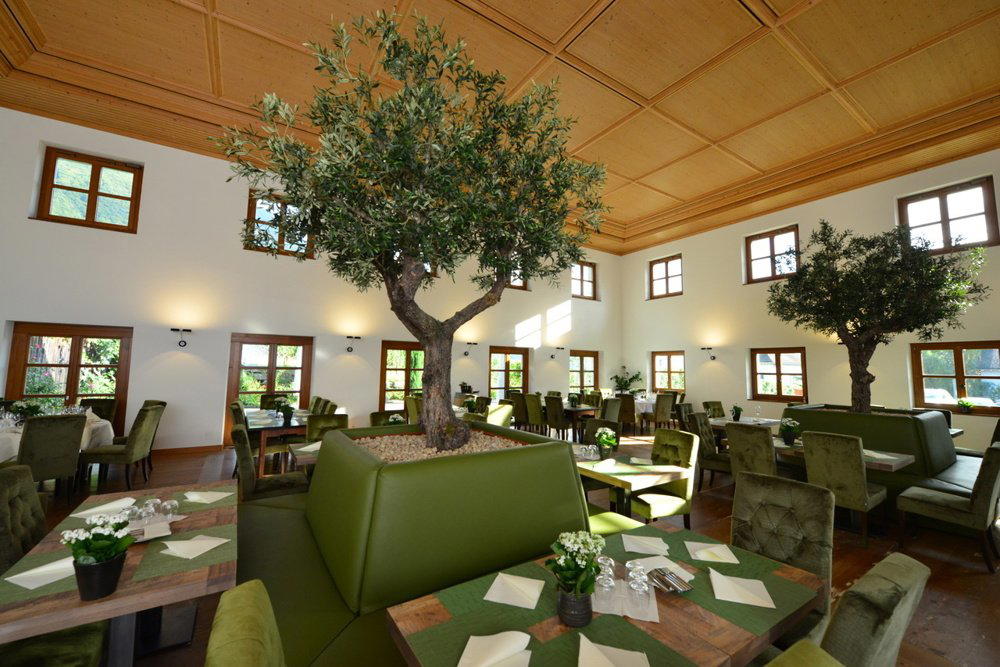
Authentic and homey in historic surroundings, with a mix of traditional inn character and modern regional design touches.