HUBERTUS Mountain Refugio Allgäu


1 Michelin Key · Small Luxury Hotels of the World Member
Less than two miles from the Austrian border, HUBERTUS Mountain Refugio Allgäu occupies a 66-room ski-to-door position in the Allgäuer Mountains that few German alpine properties can match for directness of access. Slow Food-inspired terrace dining, cable car access from the doorstep, and interiors built around solid Alpine materials define its offer in a mountain segment that has shifted sharply toward design-conscious retreat formats.

Pearl is the En Primeur Club membership app, where members save venues, book tables and use the concierge.
Where the Allgäu Begins at the Door
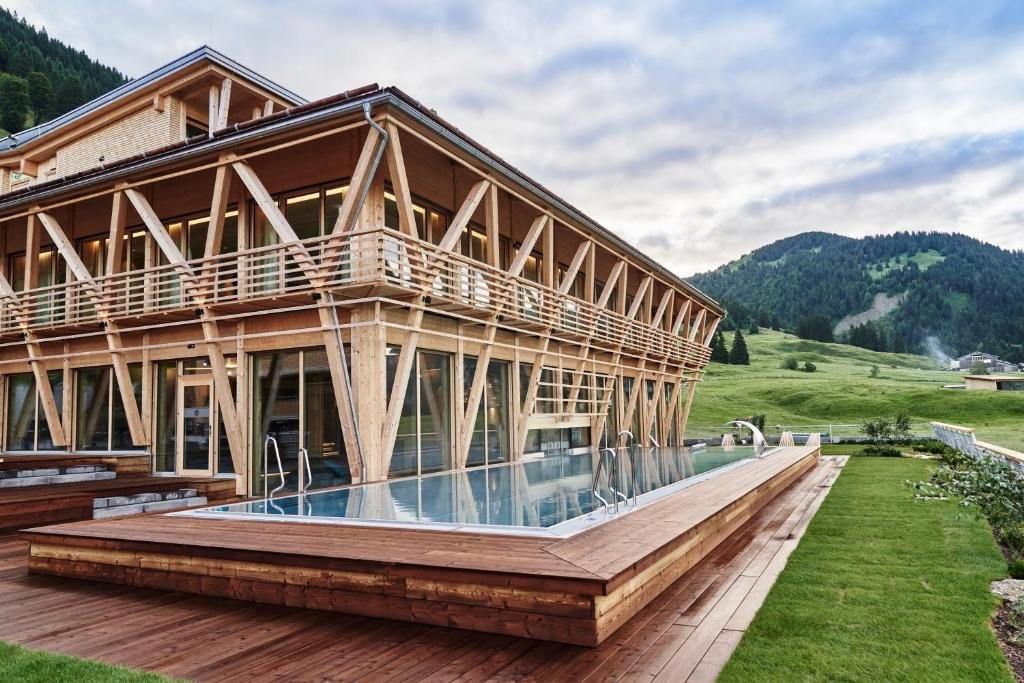
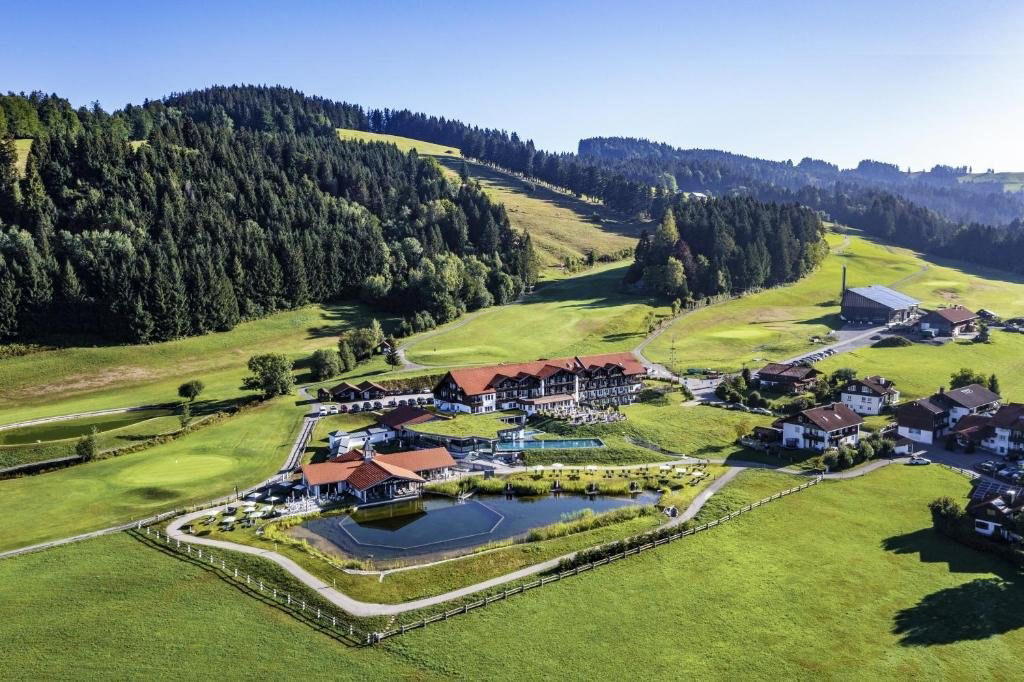
The defining quality of Germany's Allgäuer Mountains is that the landscape does not ease you in. The peaks come fast and the valleys sit deep, and any property that takes its alpine setting seriously must reckon with that physical fact in how it is built and what it asks of guests who arrive. HUBERTUS Mountain Refugio Allgäu, at Dorf 5 in Balderschwang, does not soften that encounter. The cable car station adjoins the property directly, the Balderschwang ski area opens from the door, and the surrounding ridgeline is not a backdrop so much as a working feature of the stay. For a region where luxury mountain lodges have proliferated over the past decade, that degree of physical integration with terrain remains the clearest point of differentiation.
Balderschwang itself sits fewer than two miles from the Austrian border, which places it at the far southeastern edge of the Allgäu, a location that most itineraries treat as an endpoint rather than a waypoint. That geographic remoteness is functional: the village has no meaningful through-traffic, which keeps the ski area quieter than comparable Bavarian resorts further north, and gives the surrounding footpaths and toboggan routes an uncrowded quality that more accessible mountain destinations have long since lost. Germany's longest year-round toboggan run is a short drive away, and for guests who prefer staying closer, the terrace and surrounding trails offer immediate access without a car.
Design Logic in Alpine Materials
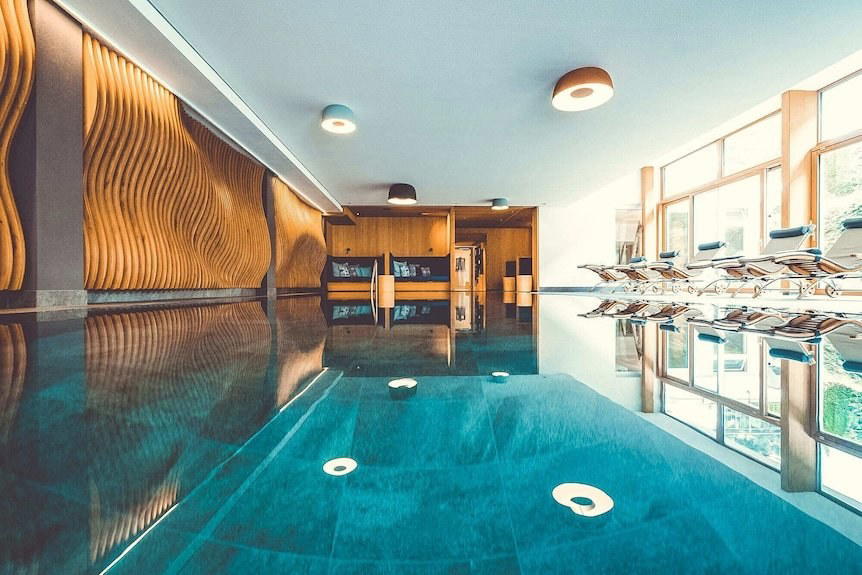
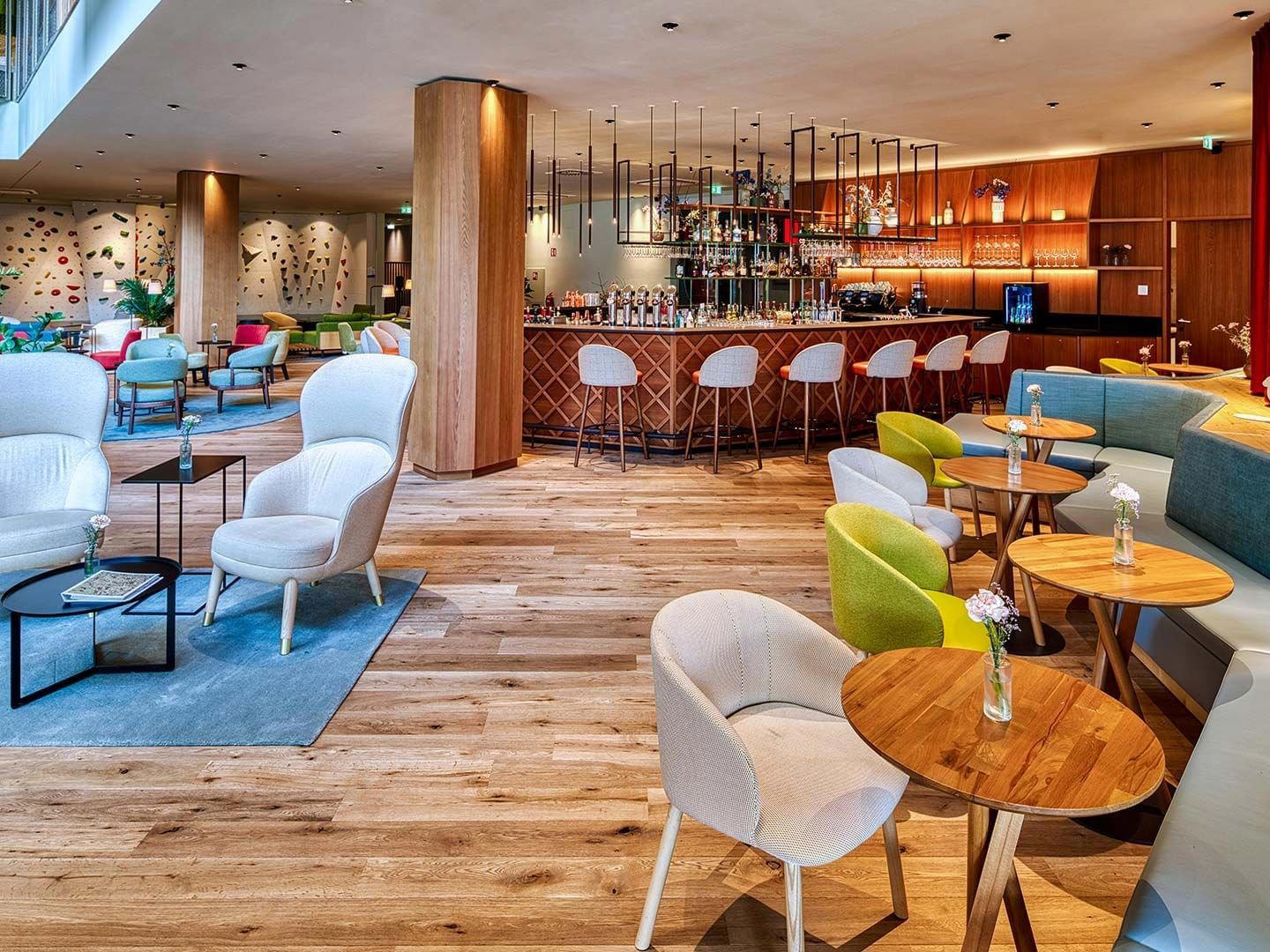
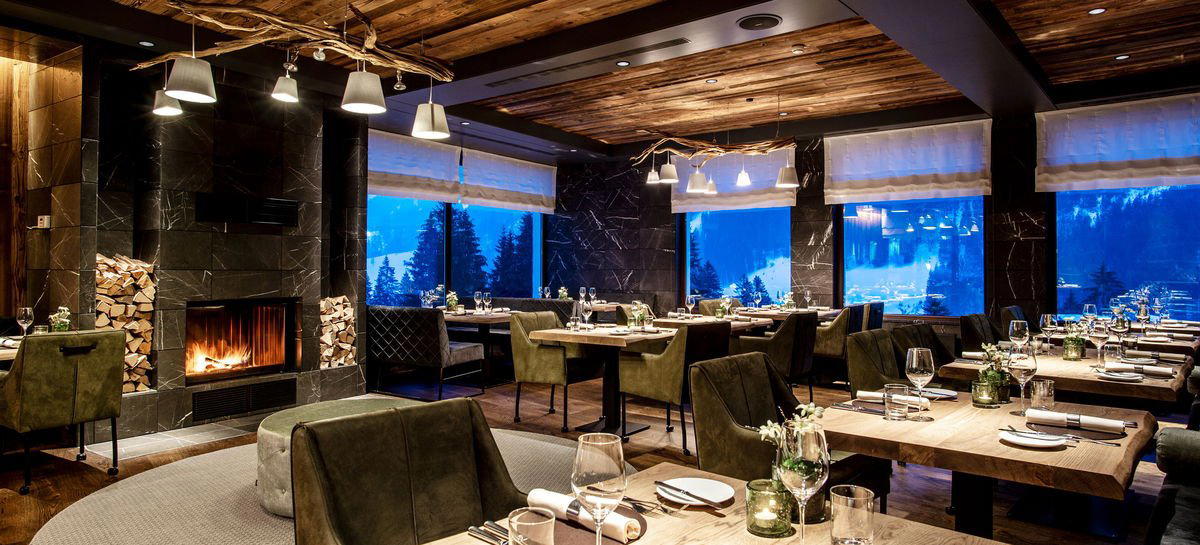
The architectural language that dominates serious alpine retreat design in the German-speaking world runs in a clear direction: solid local timber, low visual noise, interiors that reference vernacular construction without replicating it wholesale. HUBERTUS Mountain Refugio Allgäu fits that trajectory. Solid wood furniture and unpretentious décor define the interior spaces across 66 rooms, a scale large enough to support full amenity infrastructure without crossing into the anonymous register that larger resort hotels often occupy. The approach places it in a cohort of German alpine properties that have moved away from ornate chalet pastiche toward something more considered, where the material honesty of the space is itself the design statement.
That design philosophy connects directly to the holistic wellbeing positioning that mountain retreat formats have developed across the Alps over the past fifteen years. The shift has been away from ski-first, amenity-second properties toward lodges where the recovery and restoration dimension carries equal or greater weight than the sport. At the Allgäu end of that spectrum, where the terrain supports both winter ski and year-round walking programs, a property like HUBERTUS occupies a middle position: access to the slopes is genuinely immediate, but the internal environment is built for the period between activity rather than as a mere afterthought to it. For comparison, properties like Gut Steinbach Hotel Chalets Spa in Reit im Winkl and Das Kranzbach Hotel & Wellness Retreat in Kranzbach occupy a similar niche in the Bavarian alpine market, where the retreat credential matters as much as the ski access.
Slow Food on a Mountain Terrace
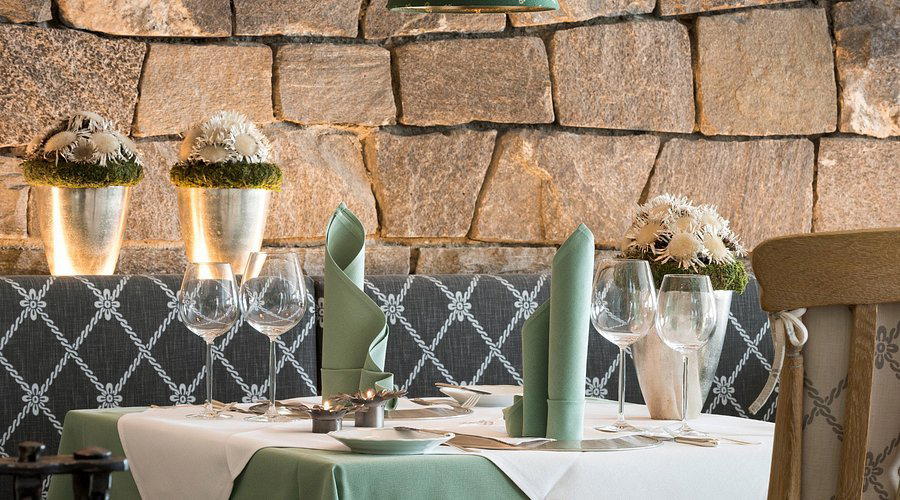
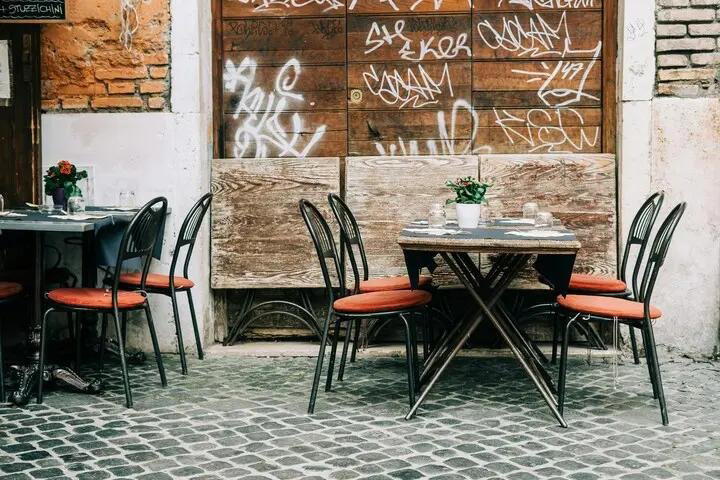
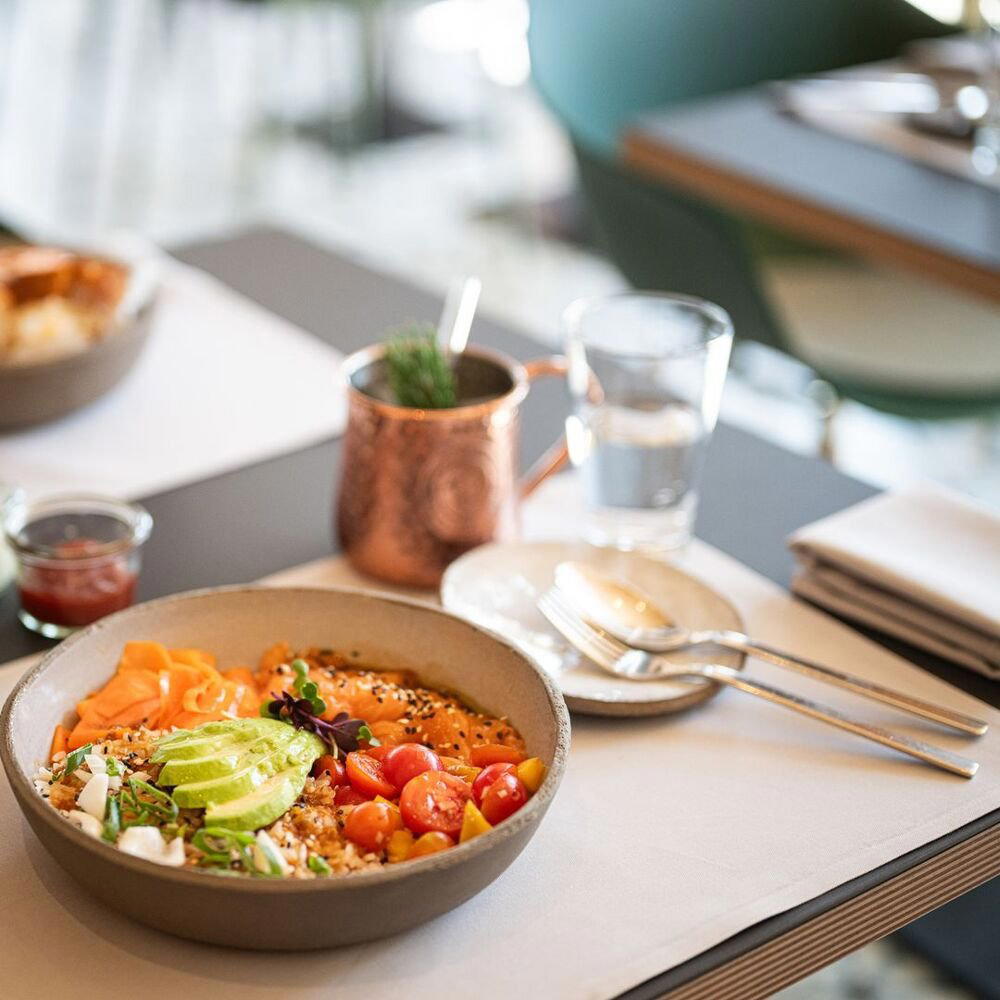
The dining positioning at HUBERTUS draws on Slow Food principles, a designation that carries specific meaning in a German alpine context. Slow Food in this region typically signals a procurement relationship with local farmers, an emphasis on seasonal availability, and a resistance to the kind of international hotel menu standardisation that flattens regional identity. Serving that food on the terrace, with the mountain panorama as the frame, is a deliberate editorial choice about what the meal is supposed to be: not an indoor restaurant experience that happens to have a view, but an outdoor extension of the landscape that the rest of the property is already organised around.
This approach places the property in a broader German luxury hotel conversation about how alpine food and place can be connected without becoming performative. The Schloss Elmau Luxury Spa Retreat & Cultural Hideaway in Elmau and Hotel Bareiss in Baiersbronn represent the end of that spectrum where culinary ambition reaches Michelin-acknowledged territory. Its dining proposition is about orientation toward place and ingredient provenance rather than technical complexity, which is a coherent and defensible position for a mountain lodge of this scale and remoteness.
Planning a Stay
Reaching Balderschwang requires some commitment to the route: the village is not served by rail directly, and the drive from Munich takes roughly two hours through the Allgäu foothills. That distance is part of the point. Guests arriving from urban Germany's larger hotel markets, from the Mandarin Oriental Munich or the Fairmont Hotel Vier Jahreszeiten in Hamburg, will find the contrast with Balderschwang's near-complete removal from commercial infrastructure to be significant. The property spans 66 rooms, which means availability is tighter than at large resort complexes, and Balderschwang's popularity as a ski and summer hiking destination means that peak-season windows book ahead. Direct booking via the property's address at Dorf 5, 87538 Balderschwang is the primary route in. Winter access to the ski area is immediate from the door; summer guests have the toboggan run and an extensive trail network as the primary outdoor offer.
For those building a wider German alpine or luxury circuit, HUBERTUS sits at the southeastern edge of what becomes a coherent regional itinerary. The Kempinski Hotel Berchtesgaden in Berchtesgaden anchors the Bavarian end of that route, while Althoff Seehotel Überfahrt in Rottach-Egern offers the lakeside counterpoint in the Tegernsee valley. For those approaching from the west or north, Der Öschberghof in Donaueschingen and Luisenhöhe in Horben represent the Black Forest variant of the same wellness-in-landscape format. Beyond Germany, the Aman Venice in Venice and Aman New York in New York City illustrate the international end of the design-led small-luxury spectrum that HUBERTUS occupies at the regional level. For a full picture of what the Balderschwang area offers beyond this property, see our full Balderschwang restaurants guide.
In Context: Similar Options
Comparable venues nearby, for context on price, style, and recognition.
| Venue | Cuisine | Price | Awards | Notes |
|---|---|---|---|---|
| HUBERTUS Mountain Refugio AllgäuThis venue (the venue you are viewing) | Modern alpine refugio blending tradition with contemporary wellness. | Not listed | 1 Michelin Key · Small Luxury Hotels of the World Member | Not listed |
| Victor's Residenz - Hotel Schloss Berg | 5-star superior luxury retreat blending Roman villa and Renaissance castle architecture | Not listed | Michelin Selected | Nennig |
| Kempinski Royal Residence Nymphenburg, Munich | Historic Bavarian royal residence reimagined as ultra-luxury private villa with contemporary design elements and bespoke services. | Not listed | Virtuoso Luxury Hotel Partner | Nymphenburg |
| Schlosshotel Hugenpoet | Historic moated castle with neo-Renaissance elements and modern renovations | Not listed | Michelin Selected | Kettwig |
| Brunfels Hotel | Urban grand hotel in a historic Old Town setting, blending modern comfort with regional character. | $100–200 | Not listed | Altstadt / Schillerplatz |
| Platzl Hotel - Superior | Traditional Bavarian elegance with modern comforts | Not listed | Michelin Selected | Altstadt-Lehel |
Recognition history
Dated appearances from independent guides and award organizations, with the underlying list record or original source where available.
Michelin 1 Key
Michelin
Small Luxury Hotels of the World Member
Small Luxury Hotels of the World
Full recognition history (3 entries)
Michelin 1 Key
Michelin
Continue exploring
More in Balderschwang
Hotels in Balderschwang
All hotels in Balderschwang →
Bars in Balderschwang
Browse all →
Restaurants in Balderschwang
Browse all →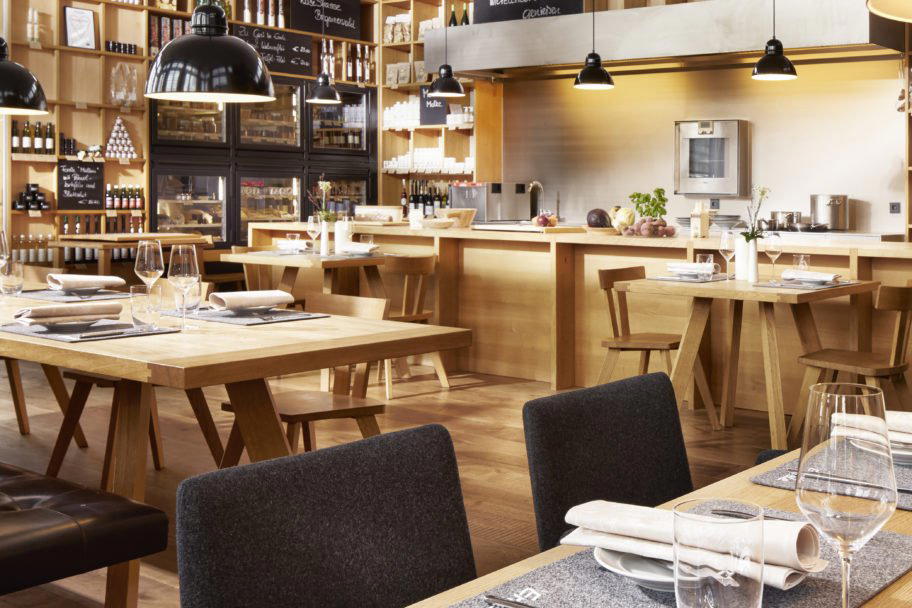

Details
- Quiet
- Scenic
- Cozy
- Modern
- Sophisticated
- Wellness Retreat
- Romantic Getaway
- Weekend Escape
- Group Retreat
- Destination Spa
- Panoramic View
- Garden
- Terrace
- Spa
- Pool
- Fitness Center
- Concierge
- Parking
- Mountain
- Elevator
Quiet, contemporary-classic alpine atmosphere with minimalist, light-filled interiors, natural materials, warm colors, and a strong sense of calm and privacy.