Hirschen


Michelin Plate · Star Wine List
Our verdict
Hirschen is a traditional Gasthof in Schwarzenberg, Vorarlberg, carrying a Michelin Plate (2025) and a White Star from Star Wine List, which together signal a kitchen with genuine regional ambition and a wine program worth attention.

Pearl is the En Primeur Club membership app, where members save venues, book tables and use the concierge.
The menu
What to order
- Wiener Schnitzel
- Veal special
- Fish with barley risotto
- Pasta with white asparagus ragu
- Grilled ox heart tomato with Shoyu beurre blanc
Where the Bregenzerwald Sets the Table
The Bregenzerwald is not a region that announces itself loudly. Villages like Schwarzenberg sit in folded Alpine valleys where the built environment, dark timber, steeply pitched roofs, cowbells at dusk, has changed less in the past century than almost anywhere else in the German-speaking world. The Gasthof form belongs here as naturally as the landscape itself: a building that is simultaneously inn, restaurant, and community anchor, where the distinction between eating and staying blurs in the way it does in places where hospitality was never a discrete industry but a social condition. Our full Schwarzenberg restaurants guide maps this context across the village's full dining picture.
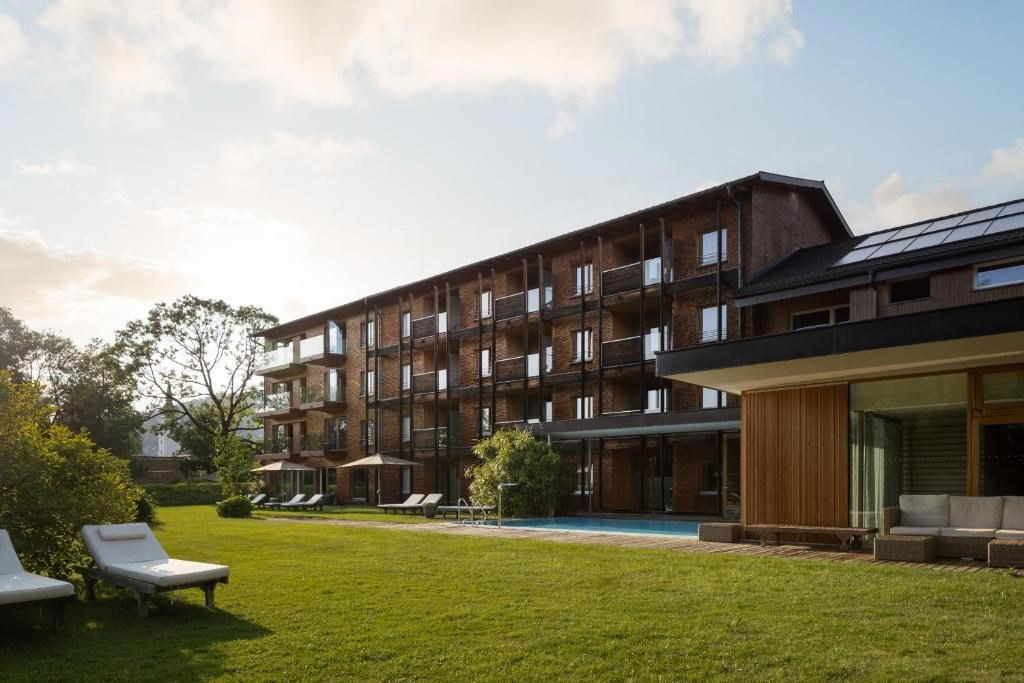
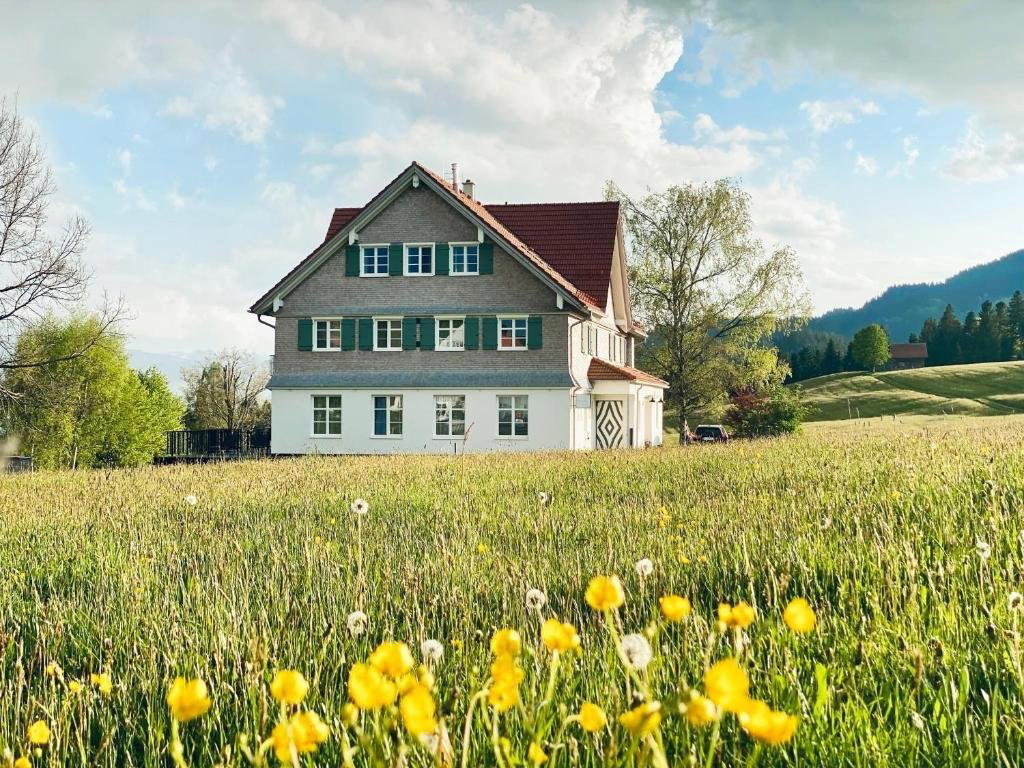
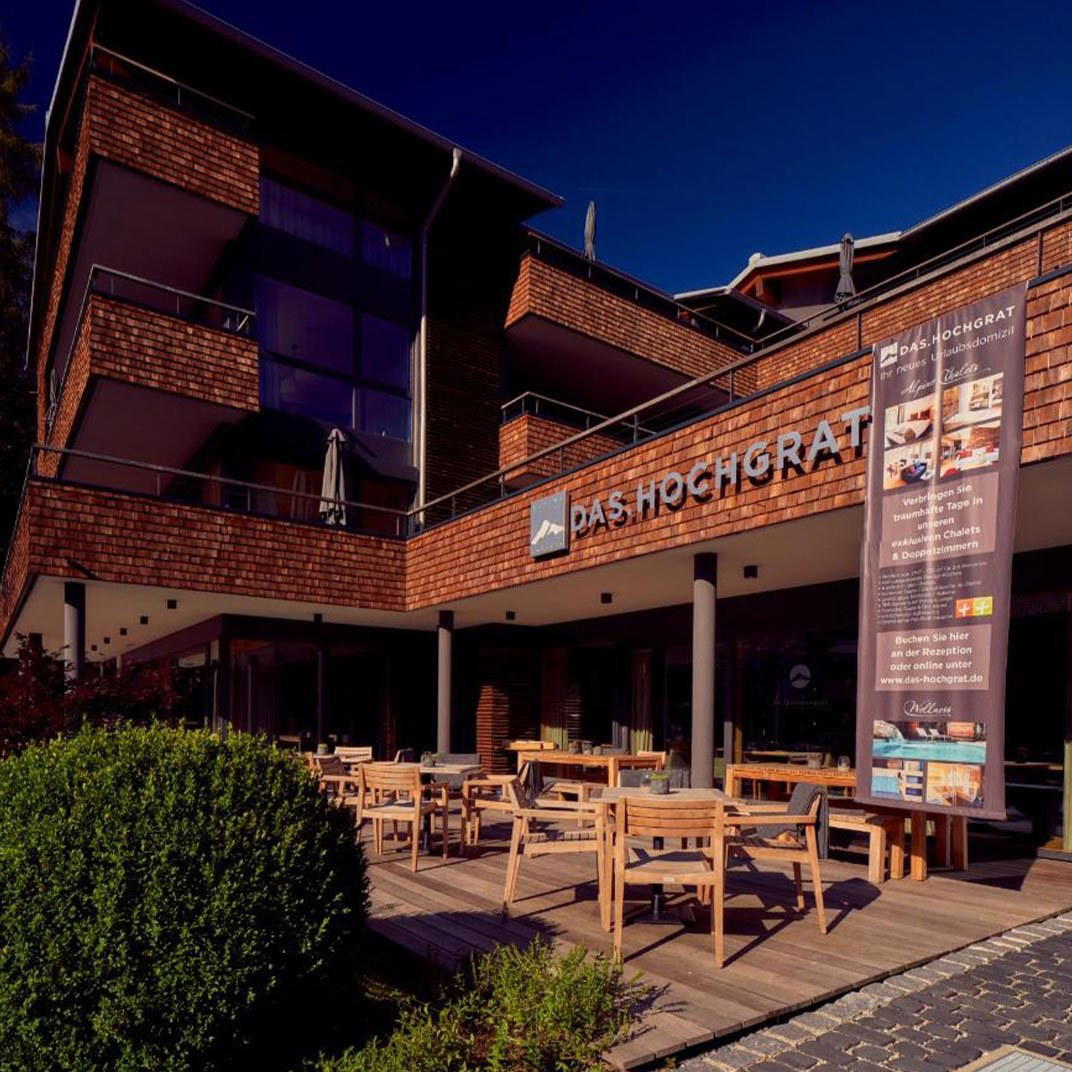
Hirschen, at Hof 14, sits inside that tradition. The address alone tells you something, not a numbered street but a hamlet subdivision, the kind of locator that predates modern postal logic. Approaching the building you read the signals that define the better end of Austrian rural hospitality: a structure that carries age without apology, an entrance that does not perform arrival. This is a place that has been here, and expects to remain.
Regional Cuisine as Cultural Argument
Austrian regional cooking is, in its serious form, a sustained argument against the idea that fine dining must be urban. The tradition runs from Vorarlberg in the west through Styria in the east, anchored in preserved meats, dairy from alpine pastures, freshwater fish, and root vegetables that carry genuine terroir. At the more ambitious end of this spectrum, kitchens like Döllerer in Golling an der Salzach (two Michelin stars) or Landhaus Bacher in Mautern an der Donau (two stars) have made that argument at the highest technical register. Hirschen operates in the Gasthof tier below that, the €€ price range places it clearly, but the Michelin Plate recognition it received in 2025 confirms the kitchen is working with enough intention to earn a guide notation rather than being passed over.
The Gasthof kitchen tradition in Vorarlberg is not simply a lower-budget version of fine dining. It is a distinct practice: menus built around what the region produces by season, preparations that prioritise familiarity over novelty, portions calibrated for appetite rather than aesthetic. The best of these kitchens know exactly what they are doing and do not reach for techniques that would undermine that identity. The Michelin Plate, which the guide uses to mark restaurants where the kitchen is cooking well without reaching starred territory, is an appropriate marker for this register. It is recognition without overclaim.
For comparison, other Vorarlberg and western Austrian kitchens that have found their way into the Michelin register at the starred level include Griggeler Stuba in Lech and Gourmetrestaurant Tannenhof in Sankt Anton am Arlberg, both operating at higher price points and with more formal culinary frameworks. Hirschen is not competing with those addresses; it is serving a different purpose in the regional hospitality system, and doing so with sufficient quality to earn independent critical notice.
The Wine Signal
The White Star recognition from Star Wine List, published in December 2021, is a detail that shifts how you read Hirschen. The White Star tier on that platform is awarded to restaurants where the wine list shows genuine curation, not necessarily depth measured in cellar volume, but selection made with considered intent. For a Gasthof in a small Vorarlberg village, that recognition places the wine program in a different category than the standard regional house-pour approach. Austrian wine, built largely on Grüner Veltliner and Riesling in the east and increasingly on Blaufränkisch for reds, has a domestic argument that some smaller venues make well.
Schwarzenberg in Context
Schwarzenberg is a village of a few hundred residents, leading known internationally for the Angelika Kauffmann Museum and for the Schubertiade festival, which draws serious classical music audiences to the Bregenzerwald every summer. It is not a ski destination in the Arlberg sense, nor a wellness resort town. Visitors who arrive here tend to be purposeful: drawn by culture, walking routes, or exactly the kind of grounded rural hospitality that the Gasthof form represents. That audience and Hirschen's register are well matched.
It is the kind of signal that matters more for a Gasthof than for an urban destination restaurant, where a single review cycle can be amplified and distorted by platform dynamics.
For visitors who want to understand the broader regional dining picture before or after a visit to Hirschen, Gasthof Adler represents the comparable local peer in Schwarzenberg. Beyond the village, the Austrian regional canon at varying price points is mapped through addresses including Obauer in Werfen, Ikarus in Salzburg, Kräuterreich by Vitus Winkler in Sankt Veit im Pongau, and Steirereck im Stadtpark in Vienna, the last of which represents the absolute best of the Austrian kitchen hierarchy at three Michelin stars. Regional cuisine at the Gasthof register, as practised by Hirschen, also finds parallels in other Alpine contexts: Fahr in Künten-Sulz and Gannerhof in Innervillgraten operate within related traditions of rooted, place-specific cooking. Further afield in the Austrian west, Restaurant 141 by Joachim Jaud in Mieming and Ois in Neufelden round out the picture of serious regional kitchens outside the main urban centres.
Planning a Visit
Hirschen operates in the mid-price tier (€€), which at Austrian Gasthof standard means a meal that remains accessible without sacrificing quality signals. The address is Hof 14, 6867 Schwarzenberg, reachable from Bregenz by road in under an hour, and from the Dornbirn rail connection by a short regional bus link into the Bregenzerwald. The venue functions as both restaurant and hotel, making it a practical base for exploring the valley. For the broader stay-and-eat picture in the village, our full Schwarzenberg hotels guide and our full Schwarzenberg bars guide provide additional planning context, alongside our Schwarzenberg wineries guide and our Schwarzenberg experiences guide.
Frequently asked questions
What's the must-try dish at Hirschen?
Hirschen holds a Michelin Plate (2025), awarded when a kitchen cooks with consistent craft, and the cuisine type is regional Austrian, which in Vorarlberg means dishes built around Alpine produce, dairy, and seasonal valley ingredients. The kitchen does not publish a fixed menu externally, so the strongest approach is to follow the seasonal specials on arrival. In a Bregenzerwald Gasthof at this recognition level, housemade preparations and locally sourced proteins are the reliable thread.
What's the price range at Hirschen?
Pricing at Hirschen is listed as €€.
Where is Hirschen in Schwarzenberg?
Hirschen is located at Hof 14, 6867 Schwarzenberg, Austria, Schwarzenberg.
Is Hirschen reservation-only?
Hirschen is a Michelin Plate-recognised Gasthof in Schwarzenberg, a village with a limited number of covers and a draw that extends beyond local regulars to visitors arriving for the Schubertiade festival. Booking ahead is the practical choice, particularly on festival weekends or in peak Alpine season. Contact details are not listed publicly, so reservation enquiries are best made by reaching the venue directly at Hof 14, 6867 Schwarzenberg.
Cost Snapshot
| Venue | Cuisine | Price | Awards | Notes |
|---|---|---|---|---|
| HirschenThis venue (the venue you are viewing) | Regional Austrian Alpine Cuisine | $50–100 | Michelin Plate · Star Wine List | Not listed |
| Steirereck im Stadtpark | Modern Austrian Fine Dining | $200–300 | 3 Michelin Stars · World's 50 Best #33 | Creative |
| Döllerer | Modern Alpine Cuisine | $100–150 | 2 Michelin Stars · La Liste Top Restaurants | Contemporary Austrian, Innovative |
| Ikarus | Guest Chef Fine Dining | $200–300 | 2 Michelin Stars · La Liste Top Restaurants | Modern European, Creative |
| Mraz & Sohn | Contemporary Austrian Fusion | $150–200 | 2 Michelin Stars · La Liste Top Restaurants | Modern Austrian, Creative |
| Obauer | Modern Austrian Fine Dining | $50–100 | 2 Michelin Stars · La Liste Top Restaurants | Classic Cuisine |
Recognition history
Dated appearances from independent guides and award organizations, with the underlying list record or original source where available.
Michelin Plate
Michelin
Star Wine List
Star Wine List
Full recognition history (3 entries)
Michelin Plate
Michelin
Continue exploring
More in Schwarzenberg
Restaurants in Schwarzenberg
All restaurants in Schwarzenberg →
Bars in Schwarzenberg
All bars in Schwarzenberg →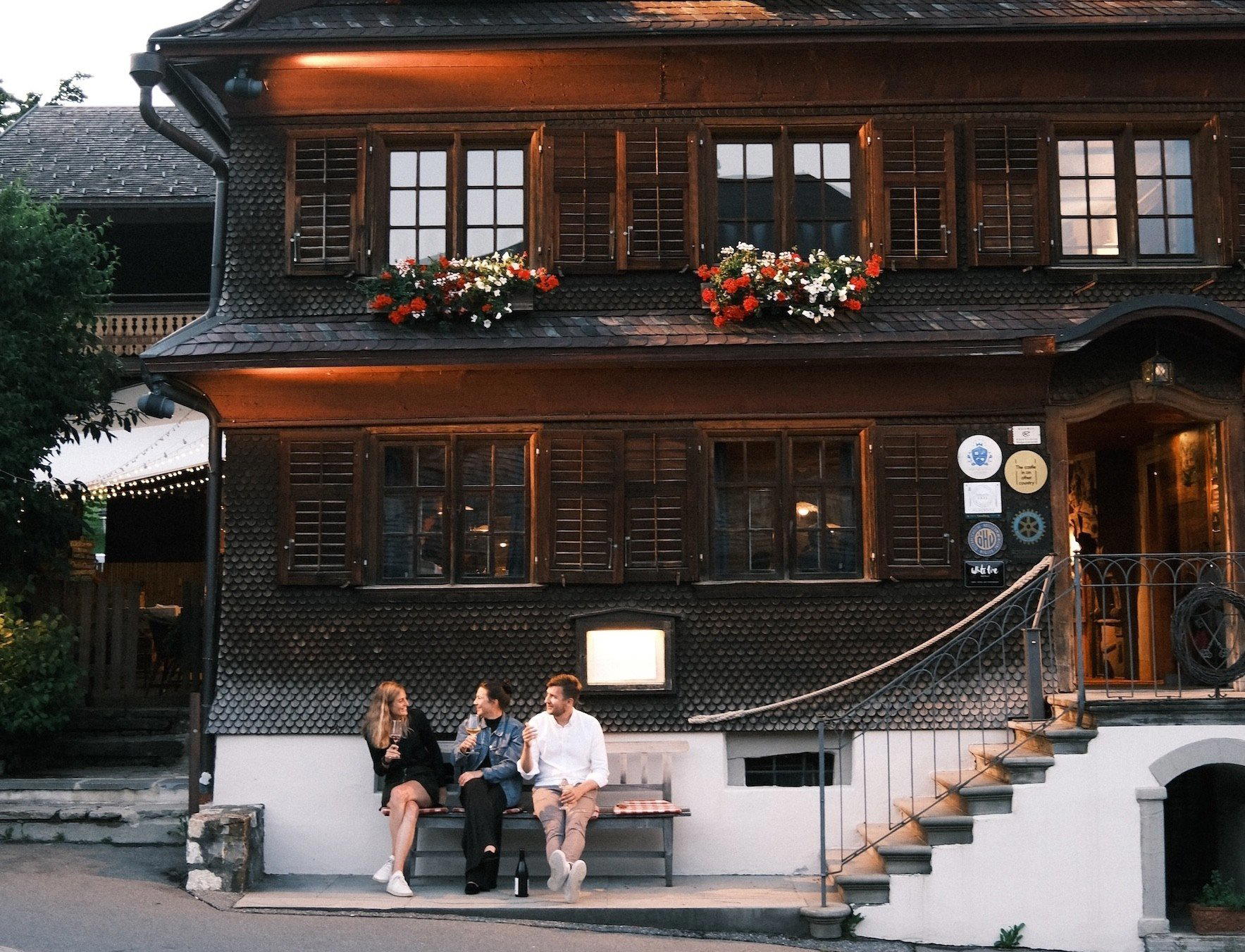

Hirschen
The wine
- Wine program
- Deep wine list
- Extensive wine list
- Sommelier-led
Details
- Romantic
- Classic
- Elegant
- Cozy
- Date Night
- Special Occasion
- Celebration
- Historic Building
- Garden
- Wine Cellar
- Private Dining
- Terrace
- Courtyard
- Extensive Wine List
- Sommelier Led
- Farm To Table
- Local Sourcing
- Garden
- A La Carte
- Tasting Menu
- Set Menu
- Wine
- Regional Wine Selections
- Vegetarian Friendly
- Allergy Accommodating
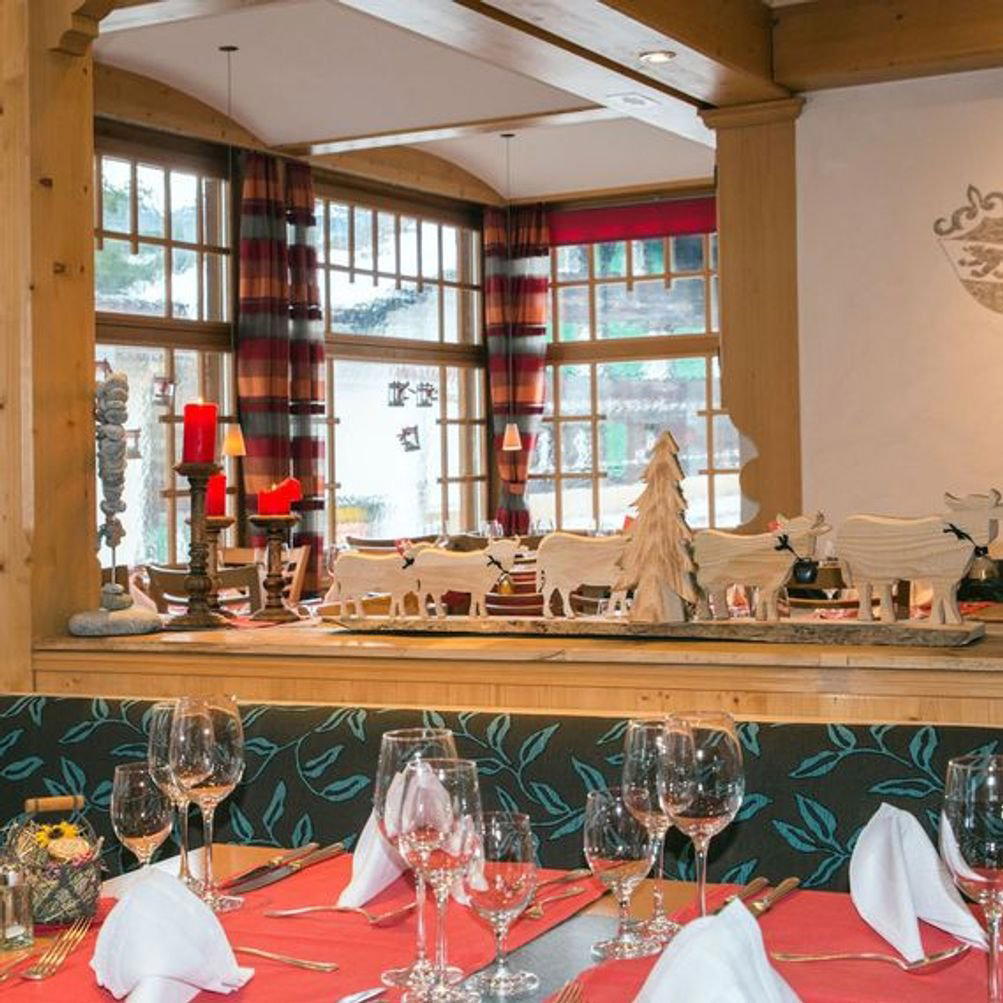
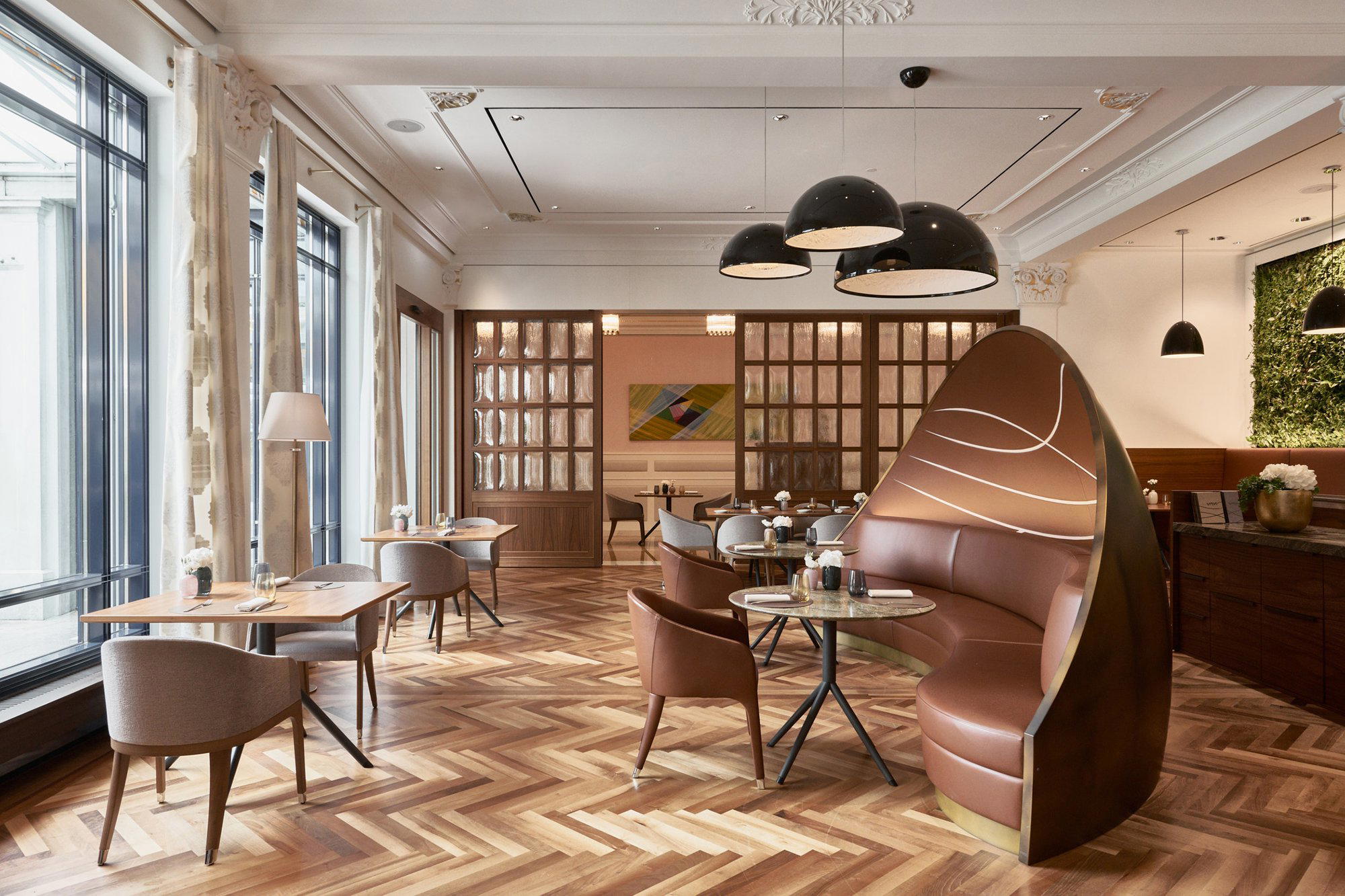
Warm, candlelit dining rooms with low wooden ceilings, antique furnishings, and tasteful artwork; charming courtyard garden setting with elegant table linens and soft lighting.