


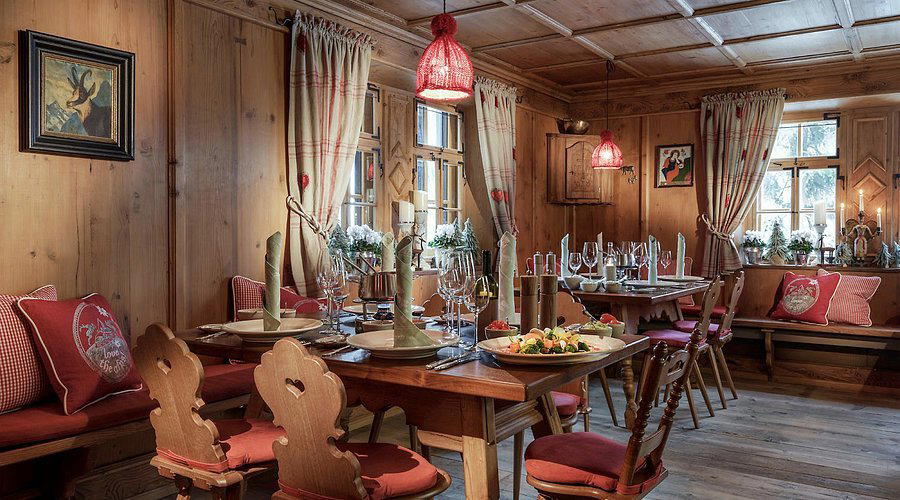
Tucked into the Bregenzerwald village of Bizau, Schwanen operates as a Biohotel with a kitchen that earned consecutive Michelin Bib Gourmand recognition in 2024 and 2025. Chef Emanuel Moosbrugger works from on-site vegetable and herb gardens, placing the restaurant within a growing tier of Austrian regional kitchens where organic provenance shapes both the menu and the philosophy. Priced at the €€ level, it represents serious cooking at accessible rates.
Pearl is the En Primeur Club membership app — saves, bookings, and concierge access live there. Same editors, same standards.
- Address
- Kirchdorf 77, 6874 Bizau, Austria
- Phone
- +43 5514 2133
- Website
- biohotel-schwanen.com
- Directions
- Get directions
 Saves & bookings on Pearl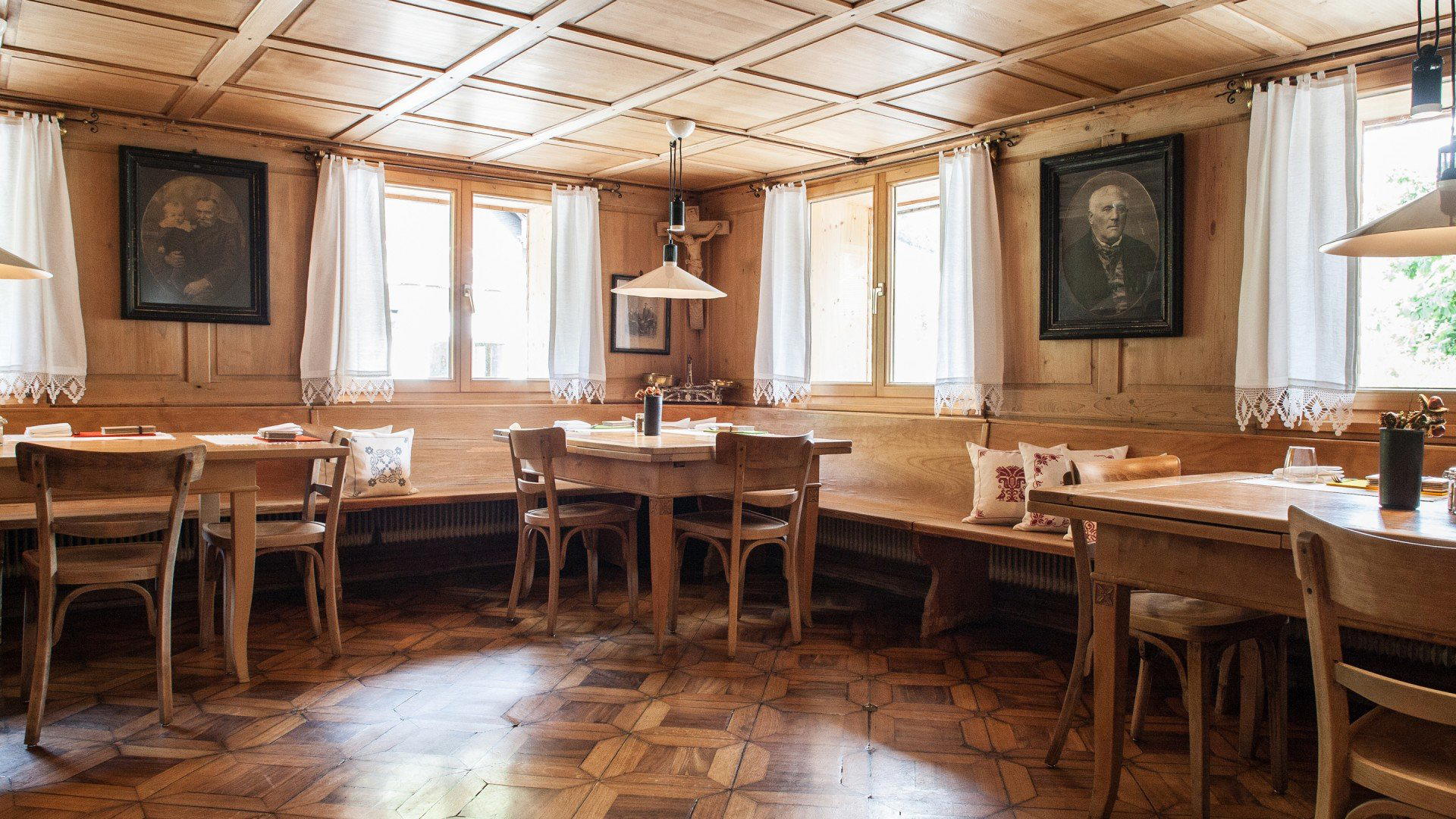
Where the Bregenzerwald Sets the Terms
Schwanen in Bizau is a restaurant serving Organic Austrian Fine Dining in Austria's Bregenzerwald. The garden at Schwanen faces that view, and it is at a table there, over breakfast or at the long evening service, that the kitchen's central argument becomes clearest: in a region as agriculturally specific as Vorarlberg, the growing conditions around you are a legitimate culinary framework, not merely a marketing posture.
Vorarlberg's restaurant scene has developed a distinct identity within Austrian fine dining, one that differs materially from the urban sophistication of Steirereck im Stadtpark in Vienna or the baroque ambition of Ikarus in Salzburg. The western provinces, including the mountain arc stretching toward Griggeler Stuba in Lech and Gourmetrestaurant Tannenhof in Sankt Anton am Arlberg, have cultivated a quieter register: ingredient-first, organically grounded, architecturally rooted in the landscape. Schwanen operates precisely within that tradition.
Organic Provenance as Culinary Architecture
Across Austria, a generation of kitchens has reoriented around documented provenance. This is not the broad-brush farm-to-table signalling that became ubiquitous in European restaurant marketing; at the tighter end of the spectrum, chefs are building menus around growing calendars, composting cycles, and varietal specificity in ways that require genuine agricultural infrastructure. Schwanen belongs to this more committed tier. The property maintains its own vegetable and herb gardens, and those gardens function as primary sourcing rather than decorative supplement. Vegetables hold the structural weight of the menu here, a choice that places Schwanen in a peer group closer to herb-forward operations like Kräuterreich by Vitus Winkler in Sankt Veit im Pongau than to the classic protein-anchored Austrian restaurant canon exemplified by Obauer in Werfen.
The gardens are a genuine strength, and the kitchen has the conditions to move further toward plant-led cooking. That the recommendation is framed as a possibility rather than a present reality is itself informative: Schwanen sits at a point where its agricultural infrastructure outpaces its current menu scope, which tends to be the productive tension that drives kitchens forward over time.
Chef Emanuel Moosbrugger and the Role of International Formation
A recurring pattern in Austria's strongest regional kitchens is the chef who trains internationally before returning to a specific landscape with a sharpened sense of what makes that place distinct. This is the axis on which the editorial angle for Schwanen turns. Chef Emanuel Moosbrugger's international experience, situates him within this tradition: the formative time away from Vorarlberg functions as the lens through which the local becomes legible. Kitchens that skip this phase tend to produce either earnest but technically limited regional cooking, or technically proficient cooking that has no particular relationship to its geography. The combination of international formation and hyperlocal sourcing, with organic ingredients grown on-site, is the structural advantage Schwanen brings to a region that increasingly attracts serious food attention.
This pattern appears across Austria's mountain restaurant tier. At Döllerer in Golling an der Salzach, the kitchen synthesises classical training with Alpine ingredient logic. At Stüva in Ischgl, international technique meets an explicitly Tyrolean pantry. Schwanen's version of this negotiation is especially ingredient-anchored among the group: when the kitchen looks outward for reference, it returns to a garden that is literally steps away.
What the Bib Gourmand Says About the Market Position
Michelin's Bib Gourmand is specifically designed to recognise cooking that delivers quality at prices below the fine dining threshold. In the Austrian mountain context, this distinction carries practical weight. The restaurant sits at the €€€ price range, positioning it below the €€€€ tier occupied by comparators such as Schwarzer Adler in Hall in Tirol or Restaurant 141 by Joachim Jaud in Mieming. Two consecutive Bib Gourmand awards confirm the kitchen's consistency across years, not just a single strong season.
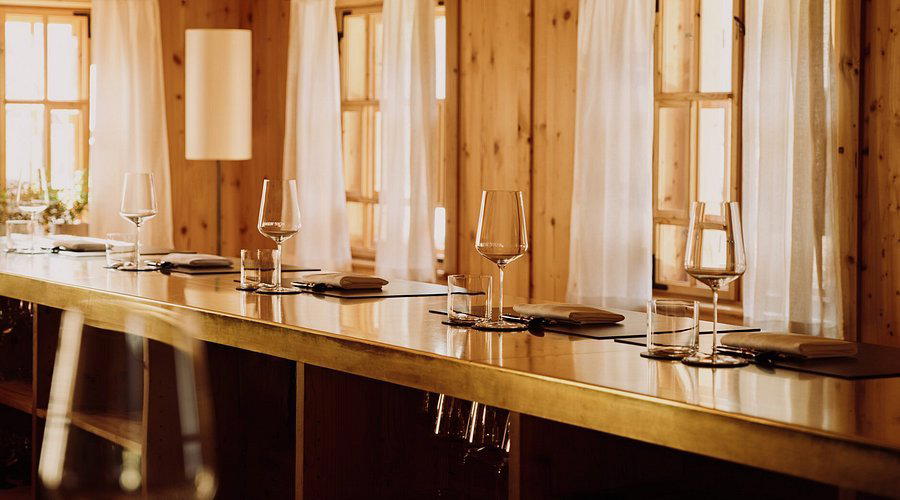
The Star Wine List recognition, awarded in both 2021 and 2022 as the number one wine list in its category, adds a dimension that is sometimes underweighted in plant-forward restaurant coverage. A serious wine program running alongside a vegetable-led kitchen signals that the Schwanen experience is built around the table in full, not simply as a vehicle for a single ingredient ideology. For diners who cross-reference wine credentials with food credentials before booking, this pairing of Michelin and Star Wine List recognition is a reliable indicator of a kitchen and cellar that have been evaluated independently and found coherent. Comparable regional lists worth noting in the Austrian context include wine-serious operations referenced in Ois in Neufelden and the broader alpine corridor.
Bizau, the Bregenzerwald, and Regional Dining Context
Bizau is a small village in the Bregenzerwald district of Vorarlberg, a region better known internationally for its architecture and craft traditions than for its restaurant density. That is slowly changing. The Bregenzerwald has become a reference point for sustainable tourism in the Alpine context, and the concentration of organic agriculture in the valley has created conditions for kitchens like Schwanen to source with a specificity that urban restaurants cannot replicate regardless of budget.
For visitors building an itinerary around Austrian regional cooking, the Vorarlberg end of the arc is meaningfully different from the Salzburg-Vienna axis. The register is quieter, the portions are rooted in agricultural practicality, and the wine programs tend to reflect the proximity to Swiss and German wine regions as much as Austrian ones. Schwanen's position in Bizau, at the €€ level with consecutive Michelin recognition, makes it a logical anchor for a Bregenzerwald food itinerary. Regional comparators in the broader Vorarlberg and western Tyrol space can be found in our full Bizau restaurants guide, alongside accommodation options in our full Bizau hotels guide.
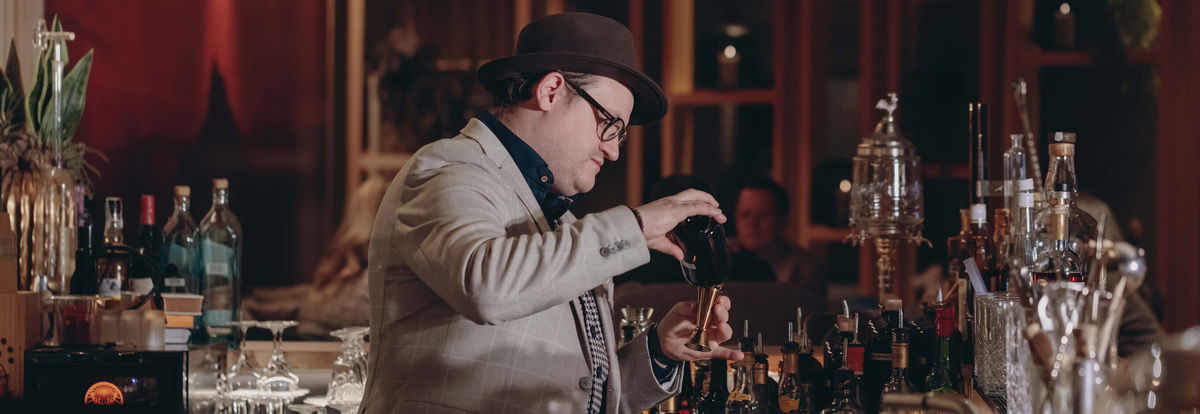
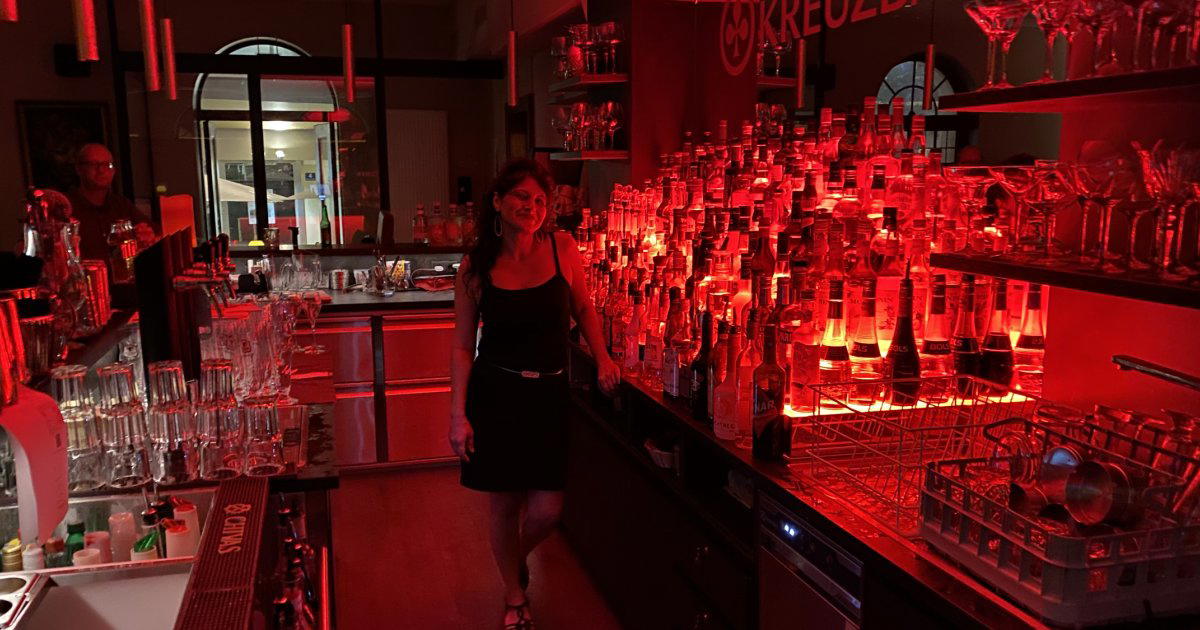
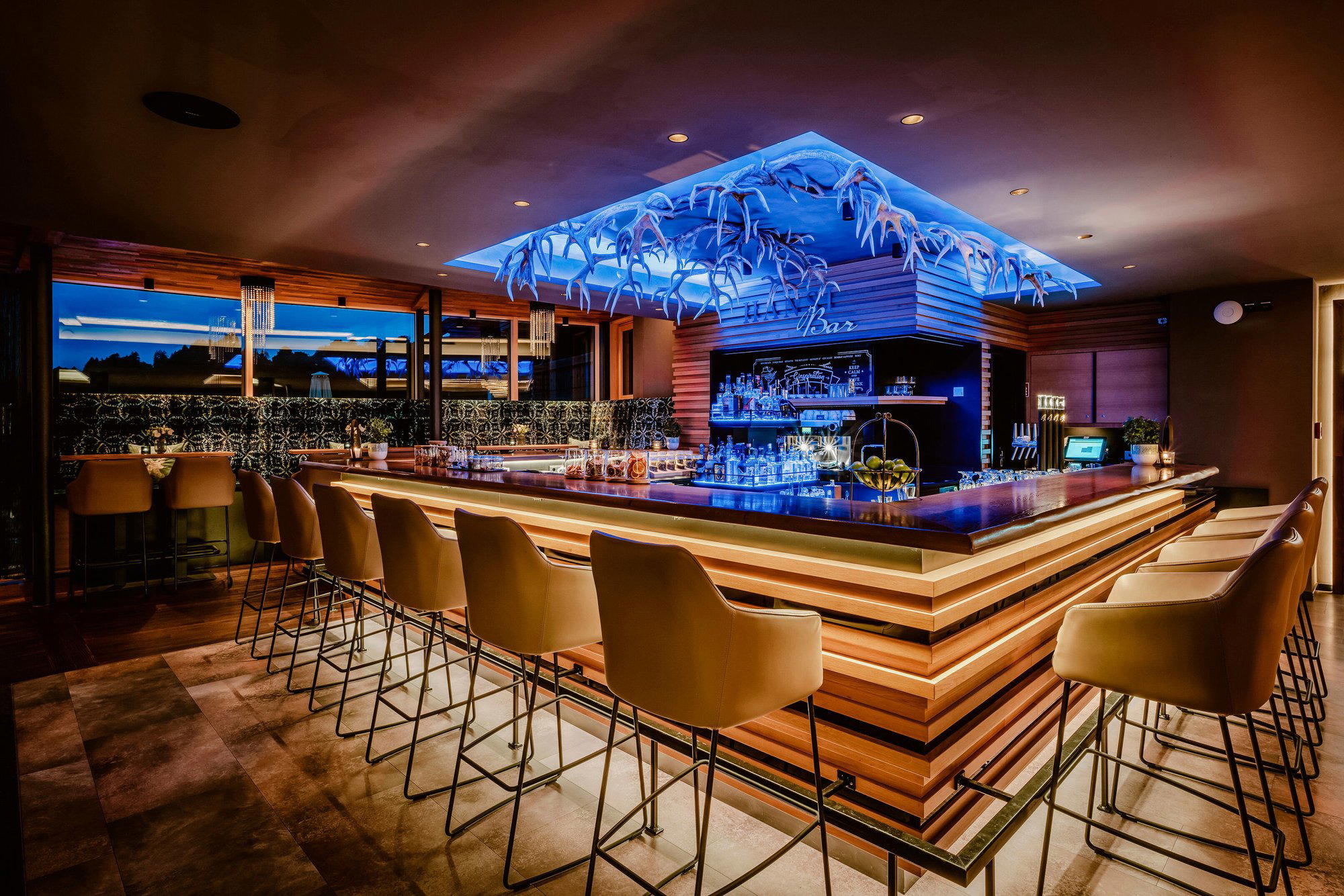
For those extending the trip, the regional drinking culture is documented in our full Bizau bars guide, wine routes in our full Bizau wineries guide, and broader activity planning in our full Bizau experiences guide.
Two comparable regional cuisine operations worth cross-referencing are Fahr in Künten-Sulz and Gannerhof in Innervillgraten, both of which operate within a similar ingredient-first, regionally anchored framework at comparable price points.
Planning a Visit
Schwanen operates as a Biohotel as well as a restaurant, meaning overnight stays are available. The garden seating that reviewers consistently reference is weather-dependent, so a spring or summer visit maximises the setting described in the property's recognition materials. Advance reservation is recommended, particularly for weekend dinner service. The address is Kirchdorf 77, 6874 Bizau, Austria.
A Quick Peer Check
Comparable venues nearby, for context on price, style, and recognition.
| Venue | Cuisine | Price | Awards | Notes |
|---|---|---|---|---|
| SchwanenThis venue — the venue you are viewing | Organic Austrian Fine Dining | $$$ | Bib Gourmand | Not listed |
| Gufer 55 | Regional Austrian with Vorarlberg Specialties | $$$ | Bib Gourmand | Brandnertal |
| Krone Hittisau | Regional Austrian Seasonal Cuisine | $$$ | Bib Gourmand | Hittisau, Bregenzerwald |
| Gründler's Genießer Wirtshaus | Modern Tyrolean Regional Cuisine | $$$ | Bib Gourmand | Achenkirch |
| Pfeffermühle | Modern Austrian Alpine Fine Dining | $$$ | Michelin Plate | Lech am Arlberg |
| Sigwart's Tiroler Weinstuben | Modern Tyrolean Fine Dining | $$$ | Michelin 1 Star | Brixlegg |
Recognition history
Dated appearances from independent guides and award organizations, with the underlying list record or original source where available.
Michelin Bib Gourmand
Michelin
Star Wine List
Star Wine List
Michelin Bib Gourmand
Michelin
We're Smart World 2 Radishes
We're Smart World
Michelin Bib Gourmand
Michelin
Star Wine List
Star Wine List
Star Wine List
Star Wine List
Continue exploring
More in Bizau
Restaurants in Bizau
Browse all →
Bars in Bizau
Browse all →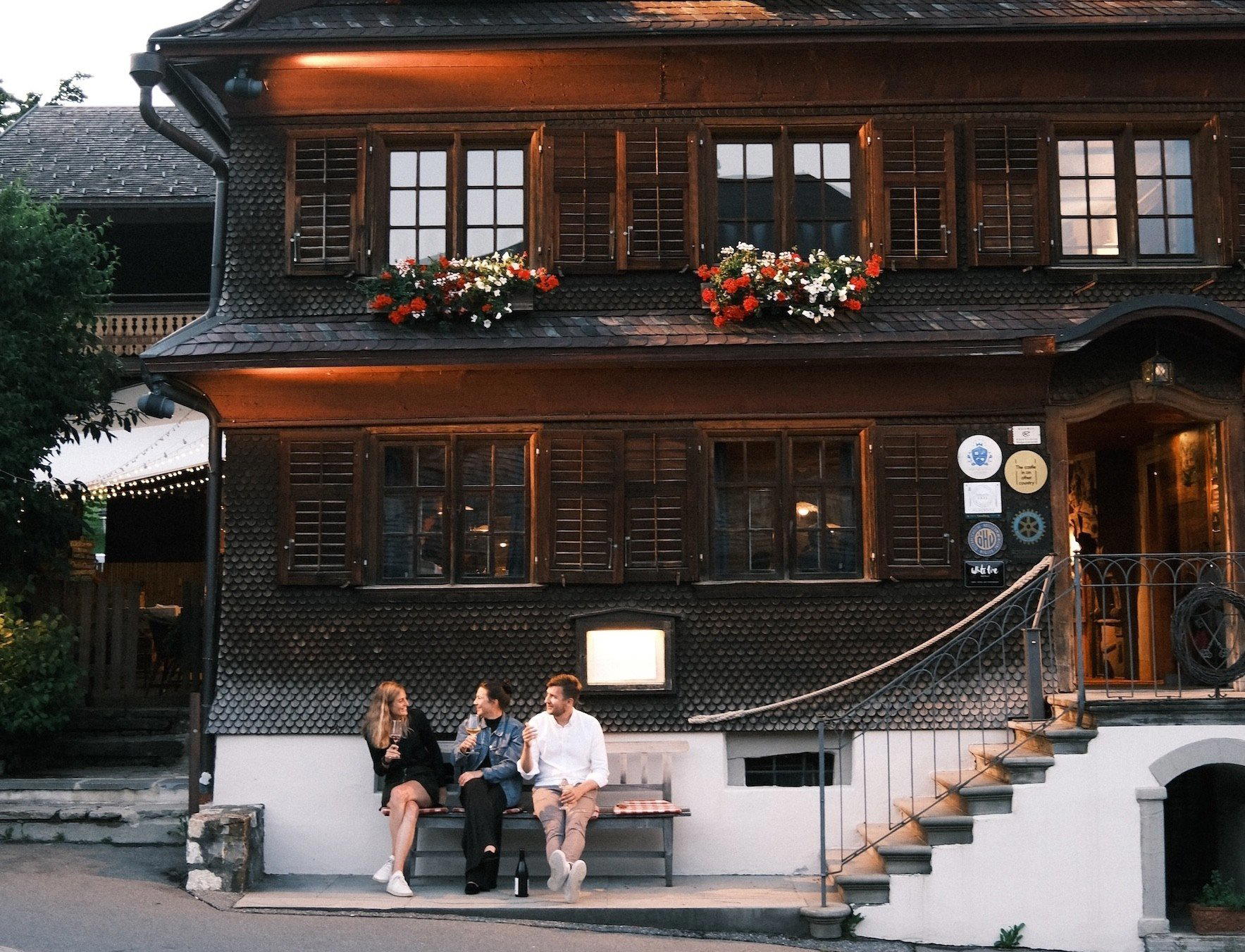

Hotels in Bizau
Browse all →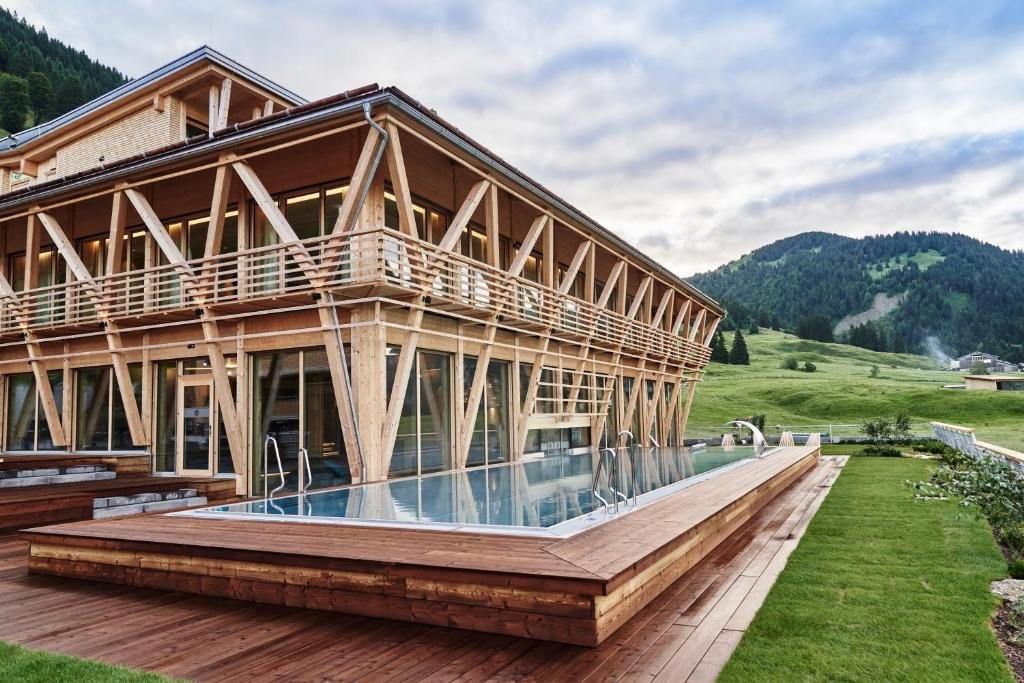

At a Glance
- Cozy
- Elegant
- Rustic
- Intimate
- Scenic
- Date Night
- Special Occasion
- Historic Building
- Extensive Wine List
- Organic
- Local Sourcing
- Mountain
Current opening hours
- Monday
- 5:30–8:30 PM
- Tuesday
- Closed
- Wednesday
- Closed
- Thursday
- 5:30–8:30 PM
- Friday
- 11:30 AM–1:30 PM, 5:30–8:30 PM
- Saturday
- 11:30 AM–1:30 PM, 5:30–8:30 PM
- Sunday
- 11:30 AM–1:30 PM, 5:30–8:30 PM
Hours can change for holidays and private events. Last verified .
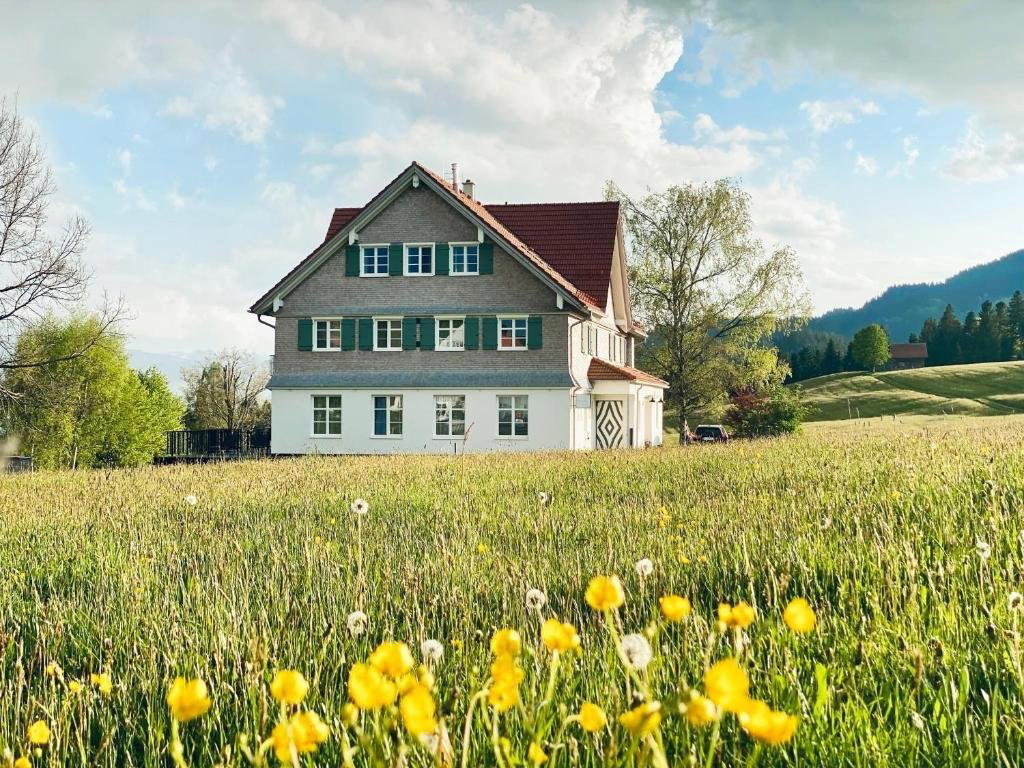
Cozy and personal atmosphere blending traditional and modern Austrian design with attentive, friendly service.