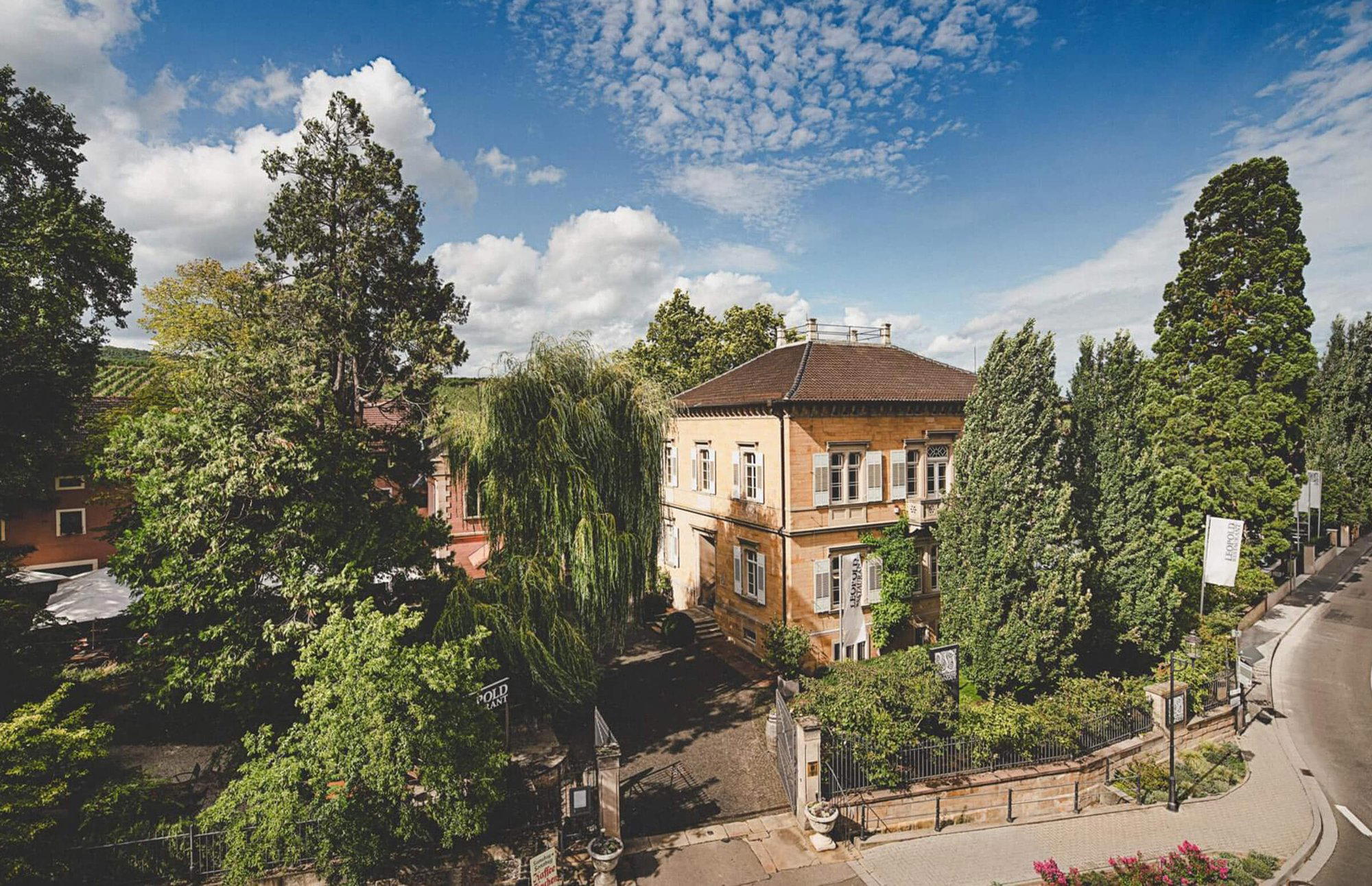
Gasthaus Kollektur sits in Zellertal, a small wine-producing municipality in the Palatinate region of Rhineland-Palatinate, where the surrounding vineyards and agricultural land define what ends up on the plate. The gasthaus format positions it within a broader German tradition of regionally anchored cooking, where proximity to ingredients shapes the menu more than any imported culinary trend.
Pearl is the En Primeur Club membership app — saves, bookings, and concierge access live there. Same editors, same standards.
- Address
- Zeller Hauptstraße 19, 67308 Zellertal, Germany
- Phone
- +496355954540
- Website
- kollektur.de
- Directions
- Get directions
 Saves & bookings on Pearl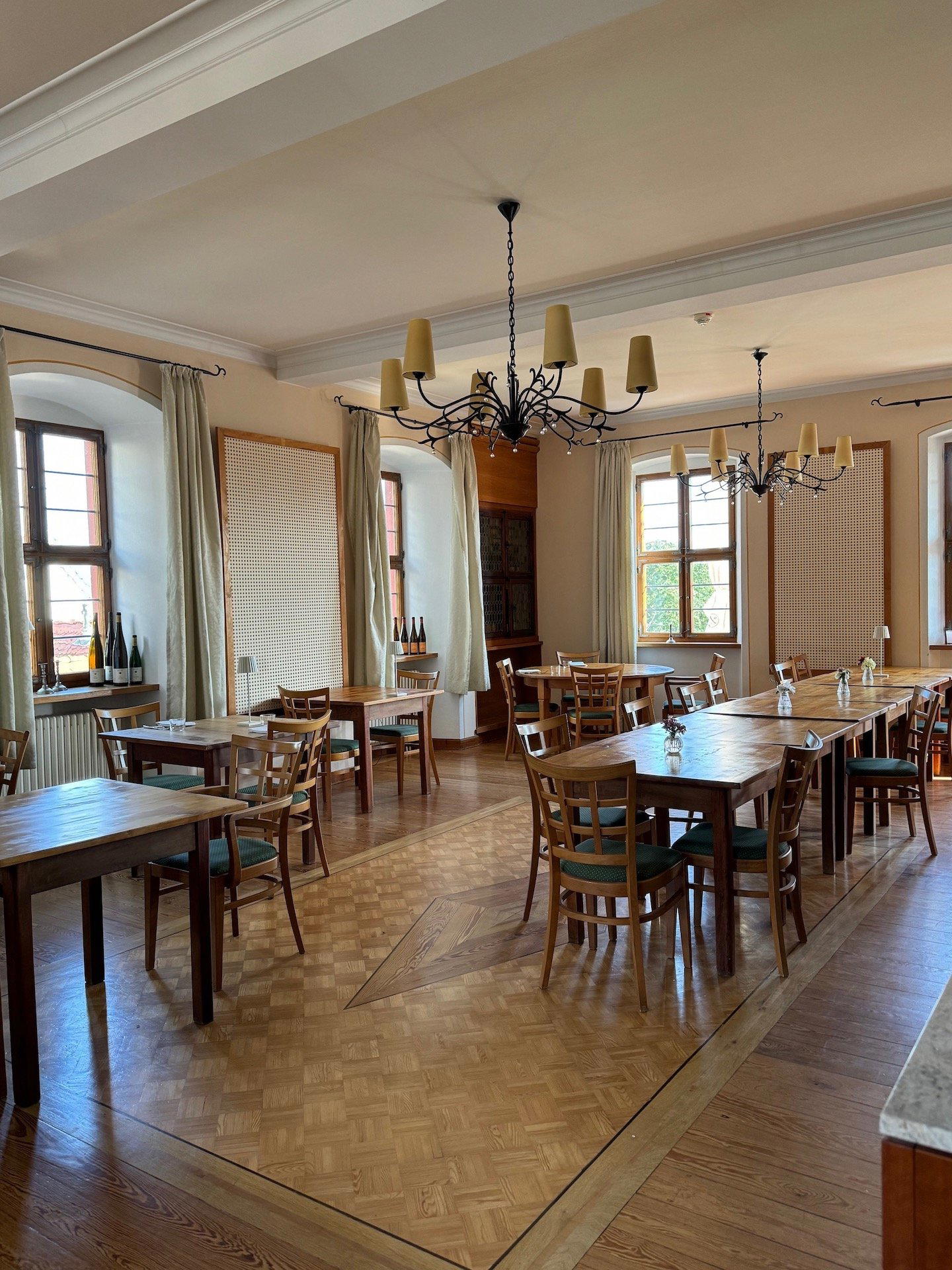
Palatinate Roots, Table to Field
Zellertal is not a dining destination in the way that nearby L.A. Jordan in Deidesheim or the wine-route towns further south have become. It is a scattering of villages across a limestone valley, its economy built around viticulture and agriculture, its identity shaped by the kind of self-sufficiency that larger German cities have largely stopped practising. Gasthaus Kollektur, addressed at Zeller Hauptstraße 19, sits at the centre of this geography. In a region where the distance between vine and glass has always been short, the gasthaus form thrives not as nostalgia but as the most logical expression of where food actually comes from.
The Palatinate, or Pfalz, is Germany's second-largest wine region by area and one of its warmest by climate, a fact that shapes everything from the grape varieties grown in its fields to the weight of the cooking served alongside them. Riesling dominates the northern stretches, while Dornfelder, Spätburgunder, and Weißburgunder fill the southern hillsides. Zellertal sits at the quieter northern end of this corridor, where the valley narrows and the tourist infrastructure thins. Cooking in this part of the Pfalz has historically leaned on what the immediate landscape produces: pork from local farms, vegetables from kitchen gardens, fish from nearby watercourses, and wine that rarely needs to travel far to reach the table. For comparison, the approach at Schanz in Piesport or Waldhotel Sonnora in Dreis operates at a different scale and price register, but the underlying logic of regional rootedness connects them to the same German tradition.
The Gasthaus as an Ingredient-Sourcing Argument
Across Germany's rural wine regions, the gasthaus sits at a specific point in the food chain. It is not a farm restaurant, though the overlap is real. It is not a Michelin-tracked fine dining address, though some have crossed that threshold over time. It occupies a middle tier where sourcing decisions carry weight precisely because margins are tight and menus are shorter. When a gasthaus in the Palatinate lists a dish by its local name or specifies the village where a producer operates, that specificity is not marketing. It is the difference between whether the kitchen drives forty minutes for ingredients or relies on a regional distributor.
Germany's broader fine dining circuit, from Aqua in Wolfsburg to Vendôme in Bergisch Gladbach, has increasingly framed ingredient provenance as a centrepiece of its kitchen identity. At that level, sourcing is documented, photographed, and narrated to the guest. The gasthaus tradition operates without that apparatus, which makes proximity to the source more, not less, important. The producer down the road is not a brand partner; they are simply the person the kitchen calls. Zellertal's agricultural density makes that relationship viable in a way it would not be in a large urban centre, where supply chains are longer and the story of where food originates gets compressed into abstraction.
The reference points here are not Schwarzwaldstube in Baiersbronn or GästeHaus Klaus Erfort in Saarbrücken, operations that work with precision-sourced produce at a price point that reflects the research involved.
Arriving in the Valley
Zellertal is accessible by road from Kaiserslautern to the west and from the A63 motorway corridor, though public transport connections are limited, which is true of most settlements of this size in the Palatinate interior. Visitors arriving from Mainz or Frankfurt will find the drive along the wine route more direct than any rail option, and the approach through the valley gives a clear sense of why the agricultural supply chain works the way it does here. The fields and vineyards visible from the road are not decorative context; they are the production landscape that makes the gasthaus format logistically coherent.
For those combining Gasthaus Kollektur with a broader sweep of the region's dining, addresses like Bagatelle in Trier to the northwest or ES:SENZ in Grassau offer a point of contrast rather than competition. Further afield, creative formats at CODA Dessert Dining in Berlin or Jante in Hanover show how German kitchens at the experimental end of the market have moved; Gasthaus Kollektur represents the other pole, where continuity and place-specificity carry more editorial weight than innovation for its own sake. Internationally, the closest analogy in format and sourcing philosophy might be something like Lazy Bear in San Francisco, where the communal table and producer relationships are foregrounded, though the price register and production values differ substantially. The ingredient-first ethic, however, is the same instinct expressed in different economies.
Practical Notes for Planning a Visit
Rural gasthäuser in the Pfalz frequently operate reduced schedules in January and February, and capacity in smaller dining rooms means a phone call ahead is the sensible default rather than a walk-in on a weekday evening. The address at Zeller Hauptstraße 19 places it on the main village road, making it direct to locate on arrival.
Travellers already touring the region's wine estates or walking the Zellertal hiking routes will find the timing works naturally around the valley's rhythm. Early autumn, when the harvest activity gives the entire area an additional layer of energy and the local wine releases are fresh, is generally when the gasthaus tradition in this part of Germany makes most sense to experience. For reference points at a different scale, JAN in Munich, Victor's Fine Dining by Christian Bau in Perl, Restaurant Haerlin in Hamburg, and Ösch Noir in Donaueschingen represent the more formal tier of German dining, each with confirmed booking infrastructure and award recognition. Le Bernardin in New York City offers a transatlantic comparison point for how ingredient sourcing at the highest level of formality functions, which in turn clarifies why the gasthaus model occupies a different but complementary place in the broader argument about where food comes from and how that distance affects what you taste.
Frequently Asked Questions
- Is Gasthaus Kollektur suitable for children? Gasthaus-format restaurants in the Palatinate region generally operate as family-friendly spaces by tradition, particularly in smaller villages where the dining room functions as a community gathering point.
- Is Gasthaus Kollektur better for a quiet night or a lively one? Zellertal is a small, rural municipality, which sets the baseline for what to expect. Gasthäuser in this type of village tend to see their liveliest evenings during harvest season and on weekends when locals gather, while midweek visits during quieter months lean toward the unhurried end of the spectrum. The absence of confirmed award recognition suggests this is not a destination-dining address drawing large external crowds, so the overall register will likely be calm regardless of the night.
- What is the signature dish at Gasthaus Kollektur? In the Palatinate gasthaus tradition, the kitchen typically centres on regionally sourced pork, seasonal vegetables, and Pfalz wines, with the menu shifting according to what producers and the agricultural calendar supply. For confirmed signature dishes at the award-tracked end of German regional cooking, the menus at Schanz in Piesport or Waldhotel Sonnora in Dreis offer a documented point of reference.
- Can I walk in to Gasthaus Kollektur? Zellertal's size and the gasthaus format suggest walk-ins may be possible during quieter periods, but small dining rooms in rural Palatinate settings fill quickly on weekends and during harvest season. Contacting the venue ahead of arrival remains the practical approach, particularly if you are travelling a significant distance.
- What makes Gasthaus Kollektur a relevant stop on a Palatinate wine route itinerary? Zellertal sits within the Pfalz wine corridor, where the density of independent producers and the relatively short distances between vineyard and table make a gasthaus visit a direct extension of any wine-focused itinerary. Rather than a formal tasting-room format, the gasthaus offers the region's produce in a cooked, contextualised setting, which gives a different angle on the same agricultural geography. For travellers already moving between Pfalz estates, an address in Zellertal adds a village-scale, table-focused counterpoint to the cellar-door experience.
Comparison Snapshot
| Venue | Cuisine | Price | Awards |
|---|---|---|---|
| Gasthaus KollekturThis venue — the venue you are viewing | This venue | Not listed | Not listed |
| Schwarzwaldstube | French, Classic French | €€€€ | Michelin 3 Star |
| Aqua | Contemporary German, Italian/Japanese, Creative | €€€€ | Michelin 3 Star |
| Vendôme | Modern European, Creative | €€€€ | Michelin 2 Star |
| CODA Dessert Dining | Creative | €€€€ | Michelin 2 Star |
| Tantris | Modern French, French Contemporary | €€€€ | Michelin 2 Star |
Continue exploring
More in Zellertal
Restaurants in Zellertal
Browse all →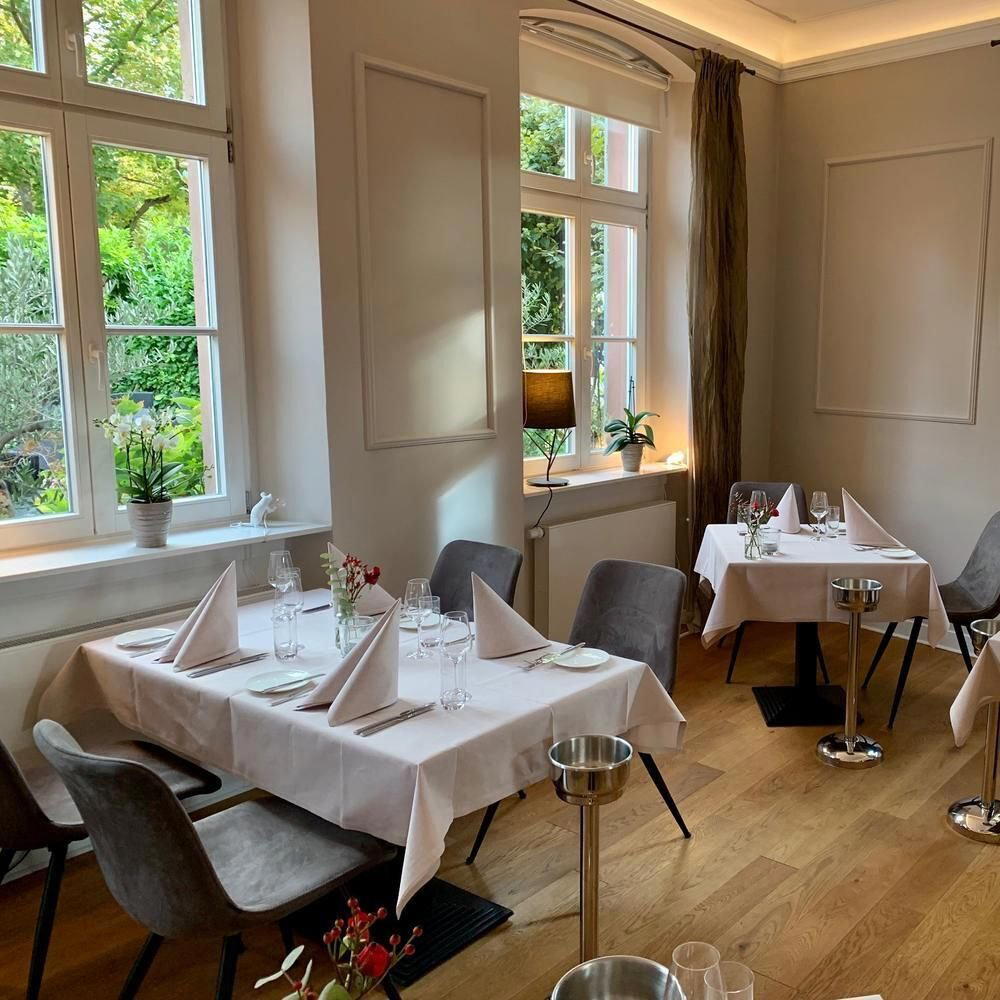
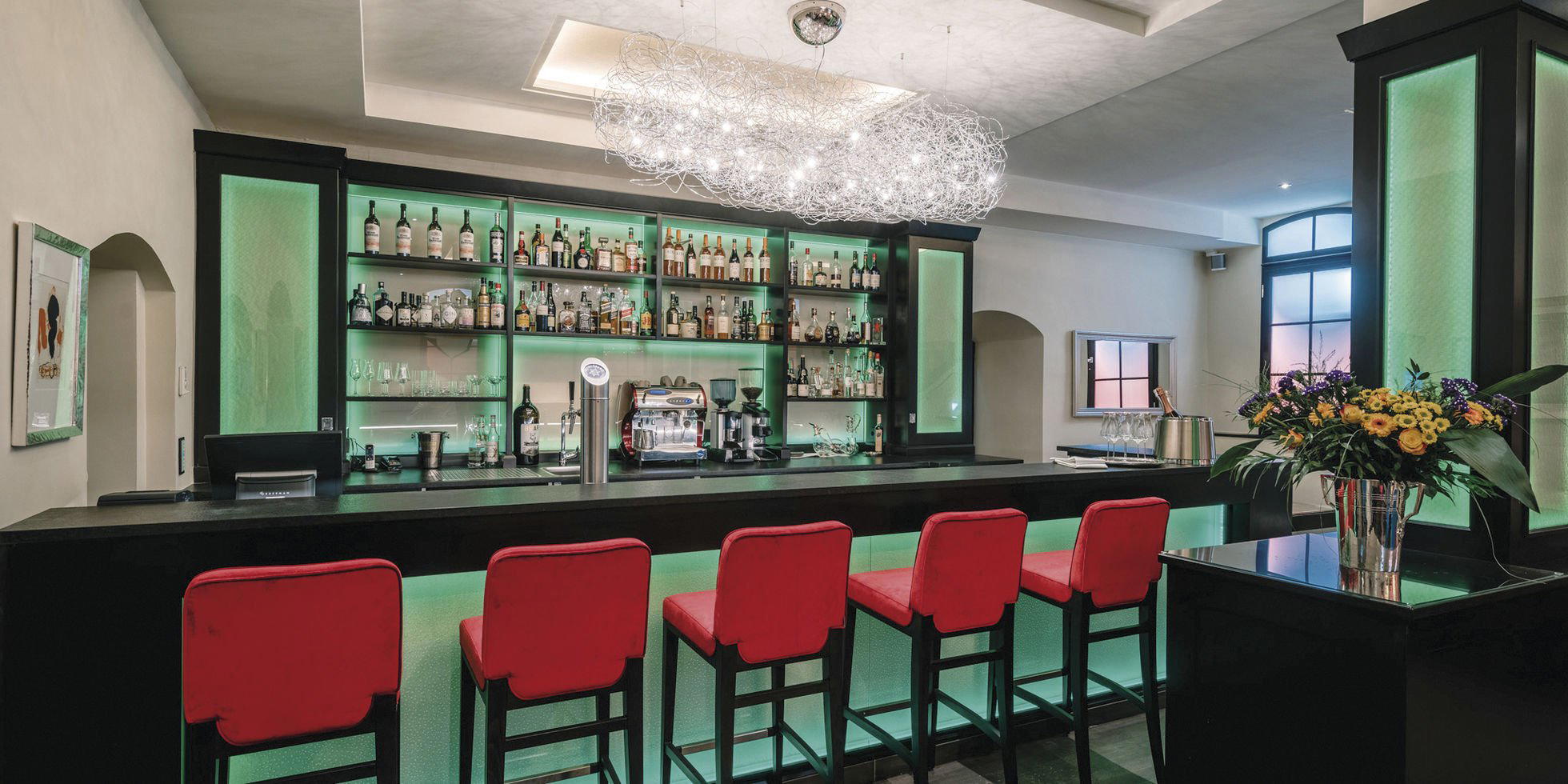
Bars in Zellertal
Browse all →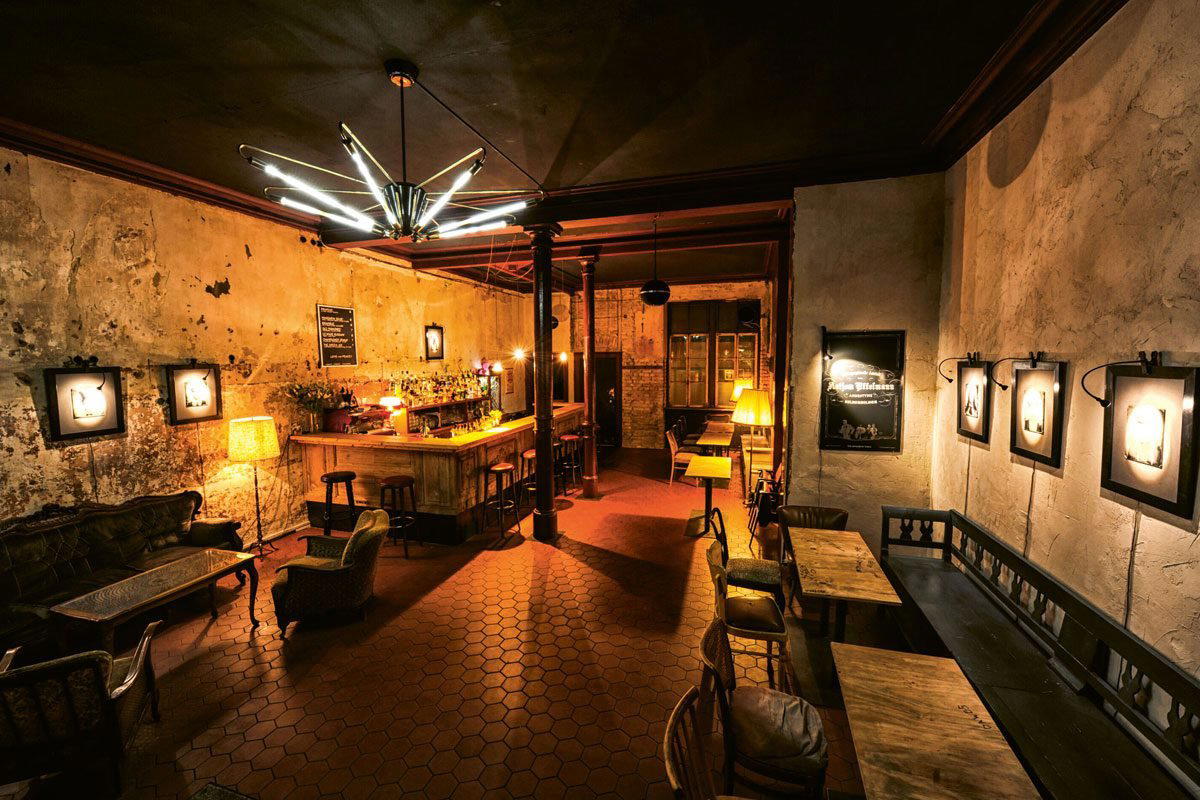
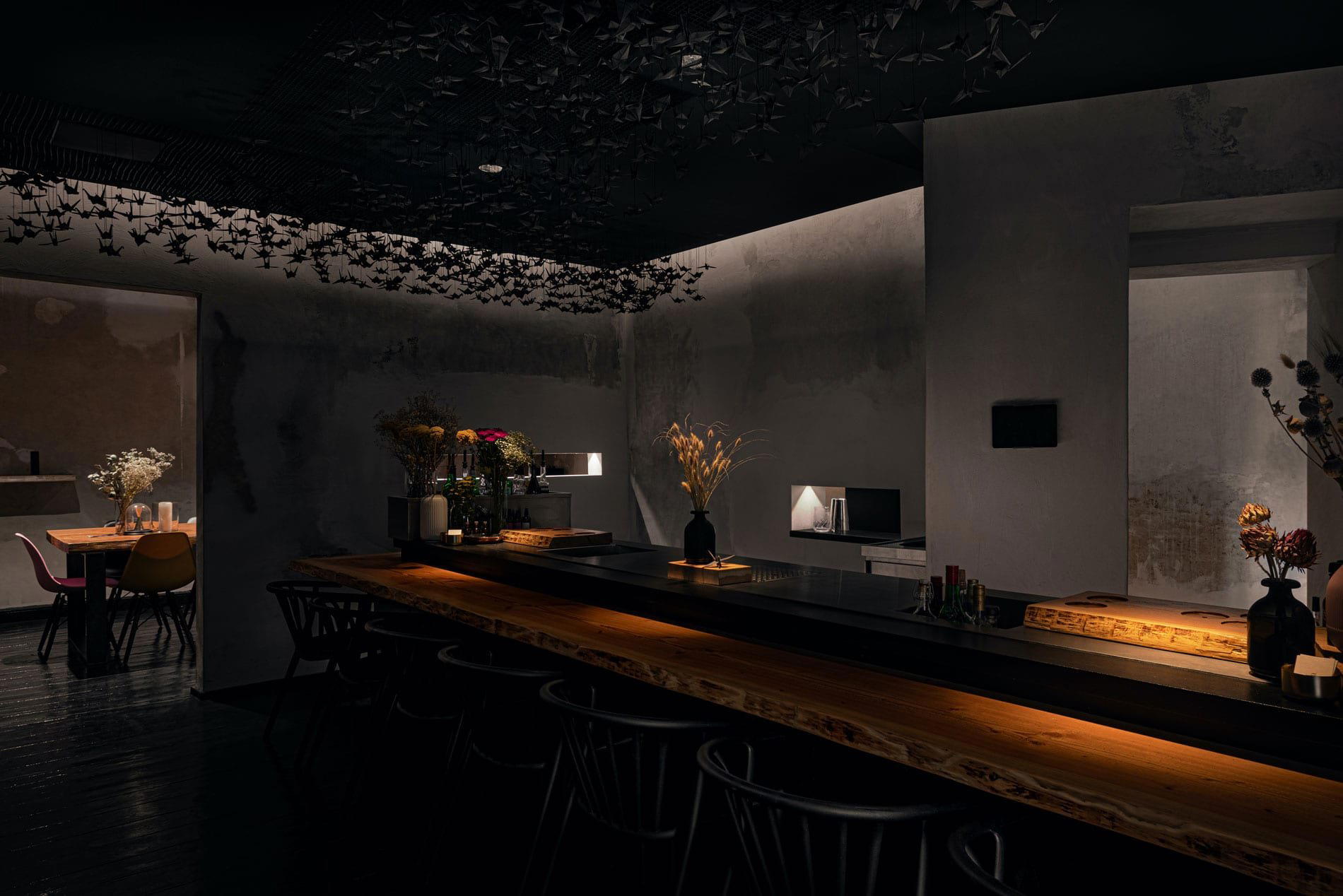
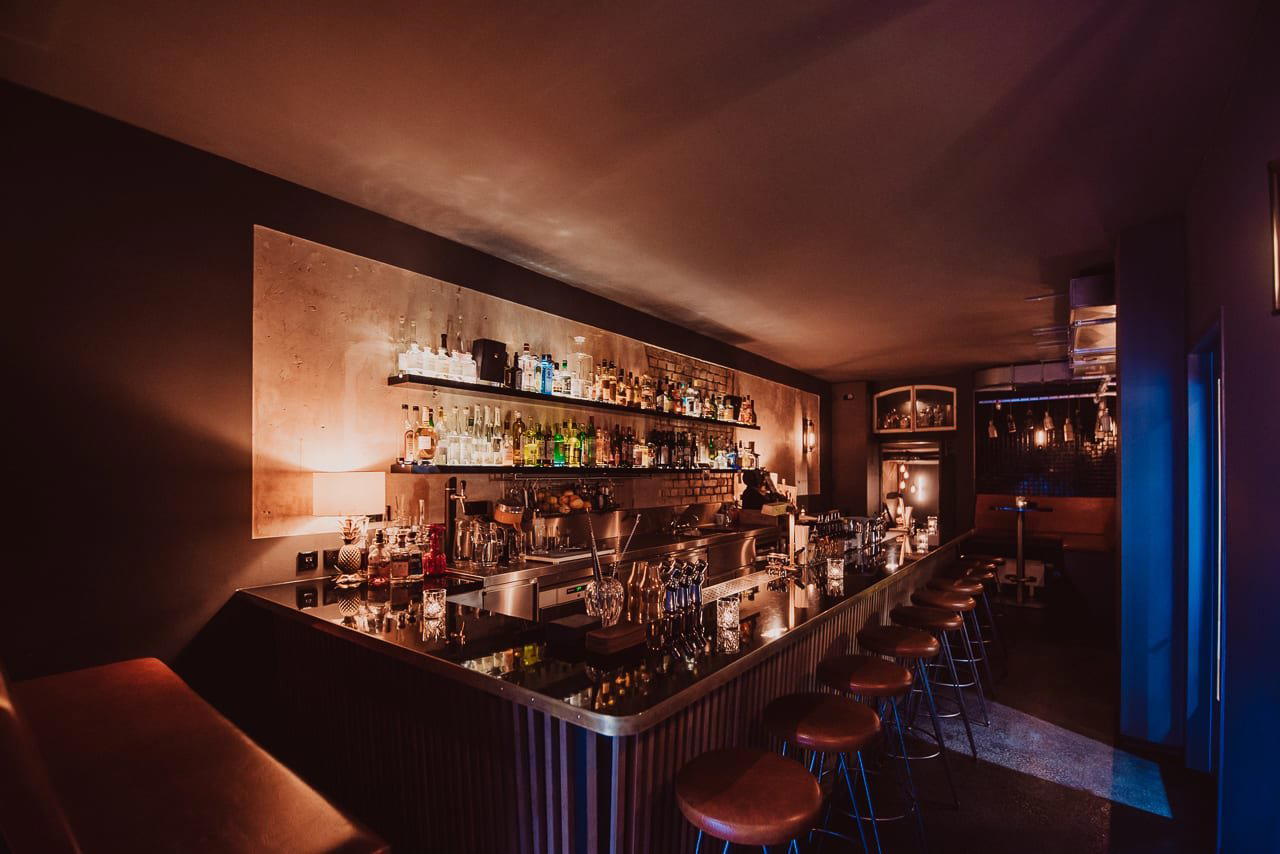
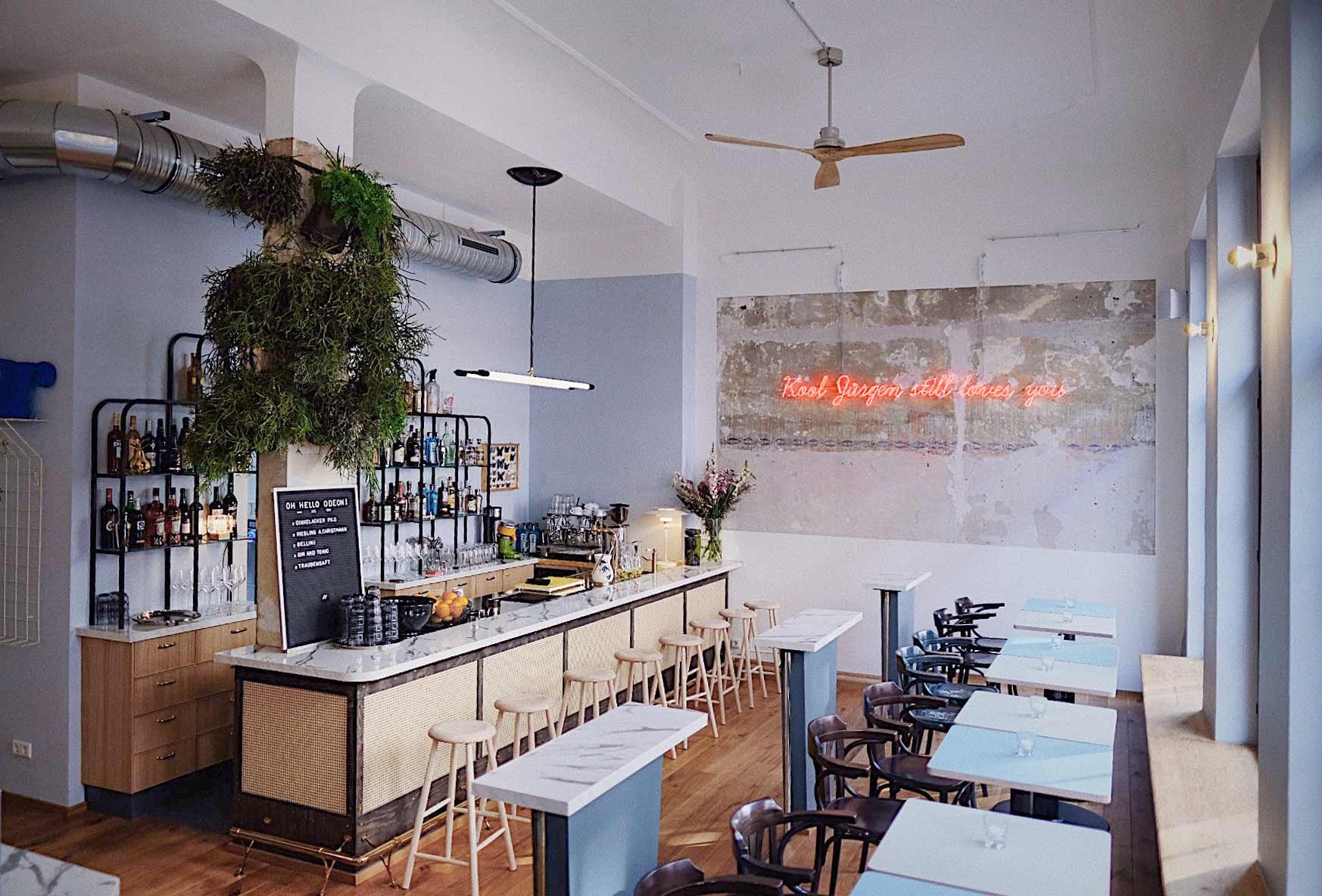
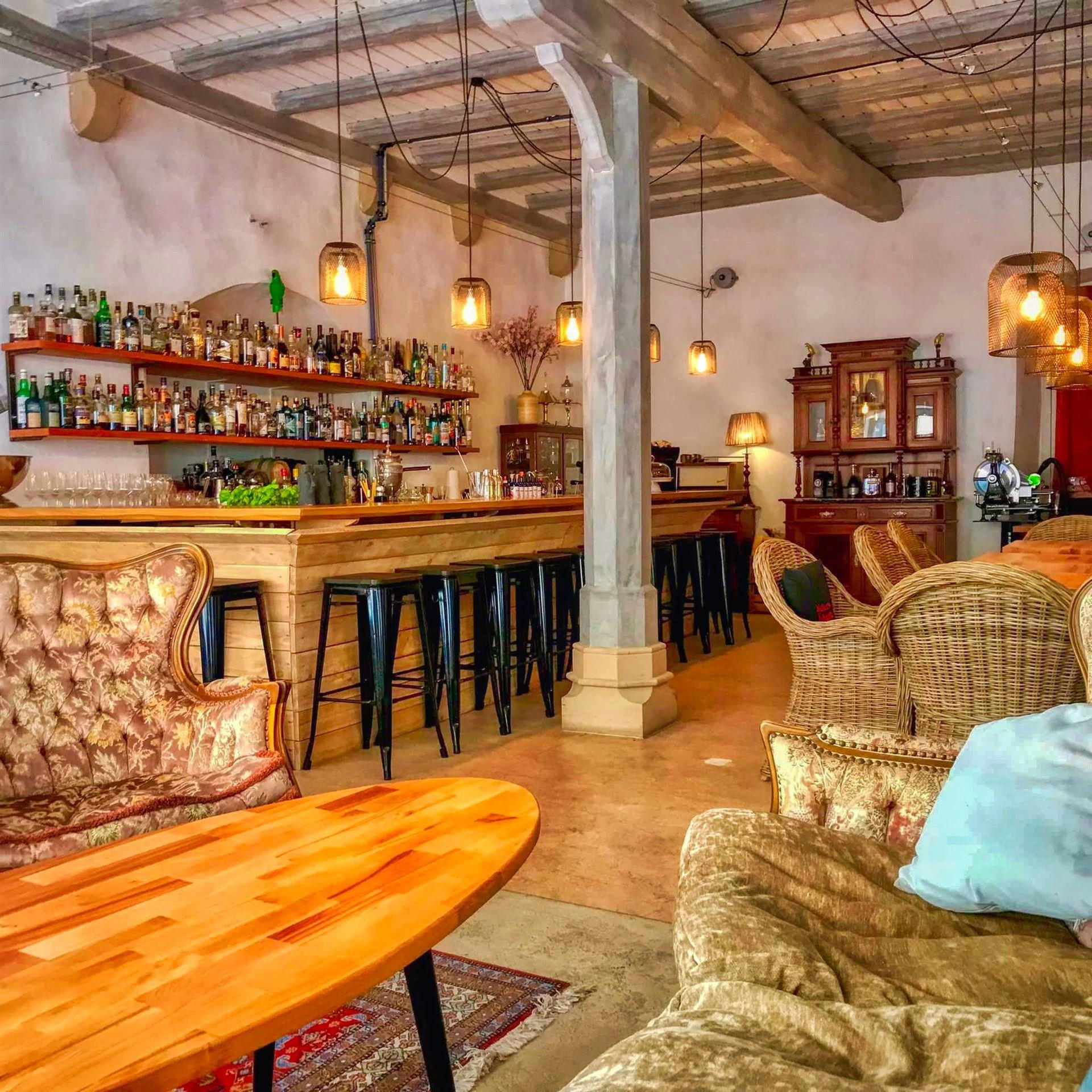
Hotels in Zellertal
Browse all →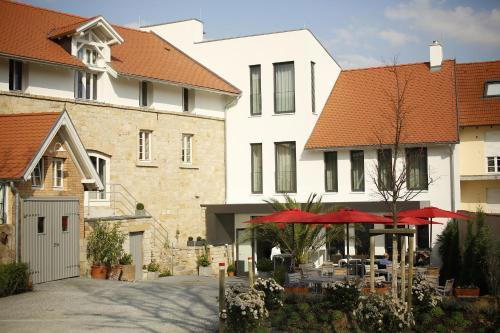
At a Glance
- Romantic
- Cozy
- Classic
- Scenic
- Date Night
- Special Occasion
- Group Dining
- Terrace
- Garden
- Historic Building
- Wine Cellar
- Farm To Table
- Local Sourcing
- Vineyard
- Garden
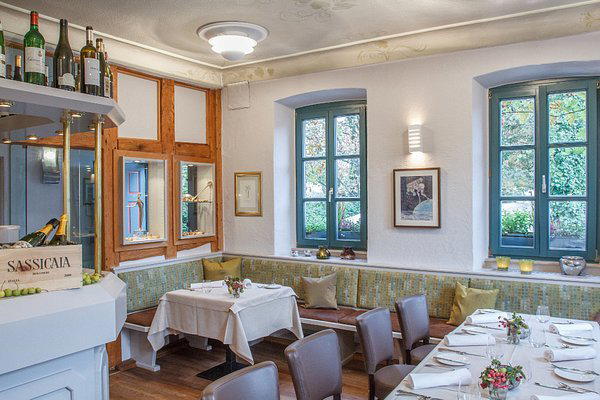
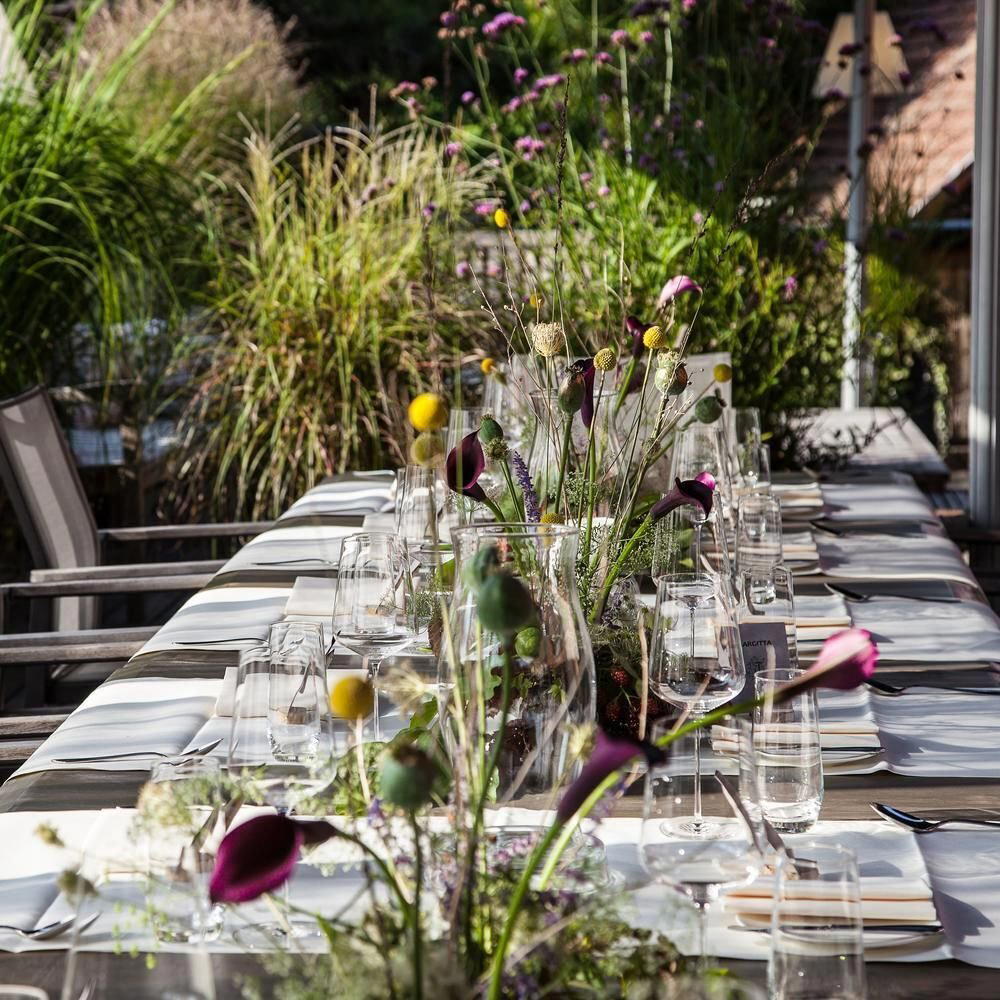
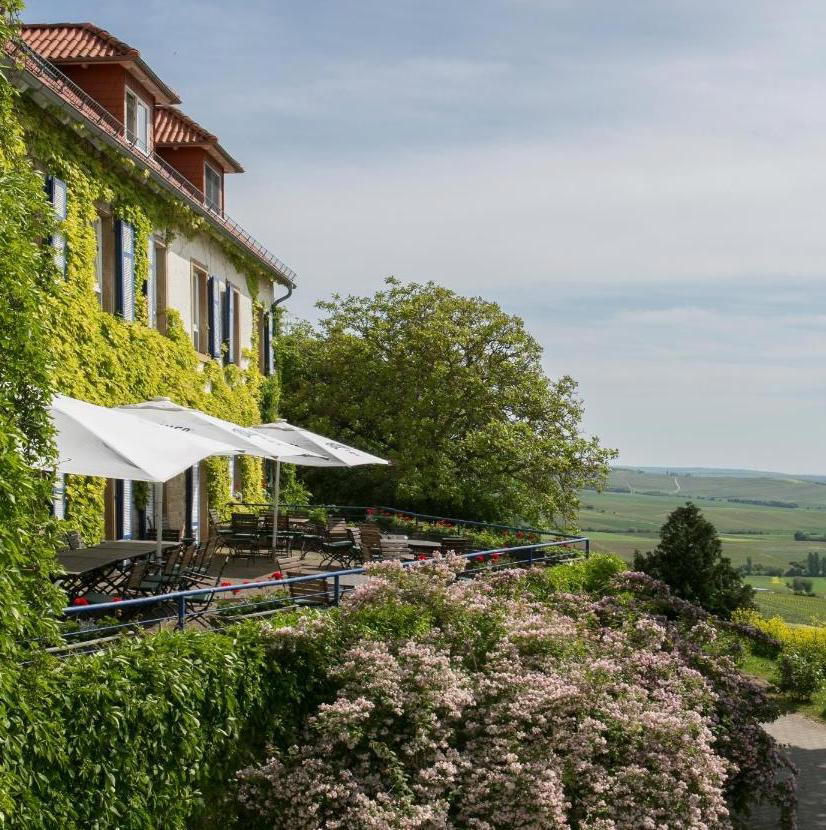
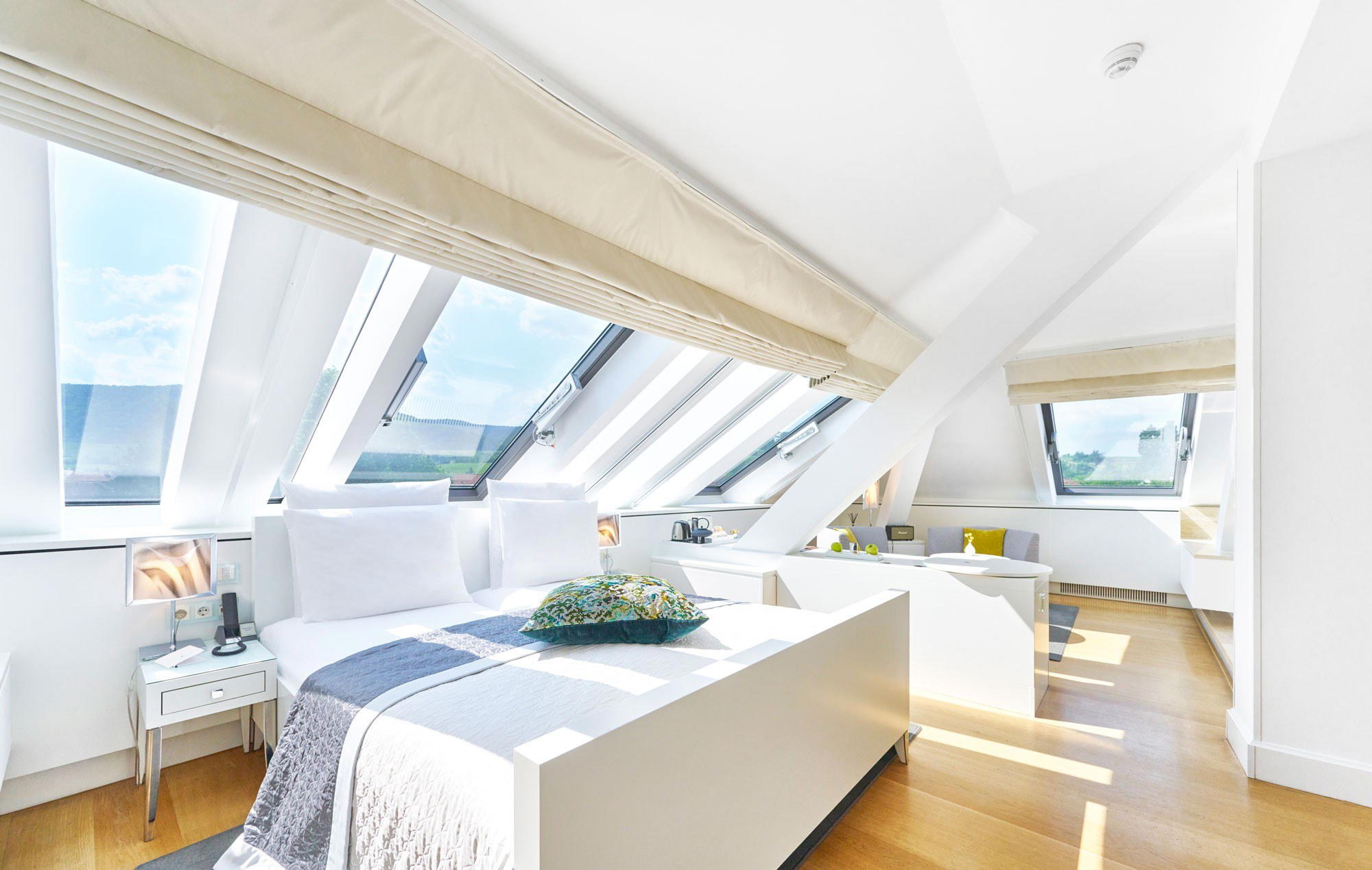
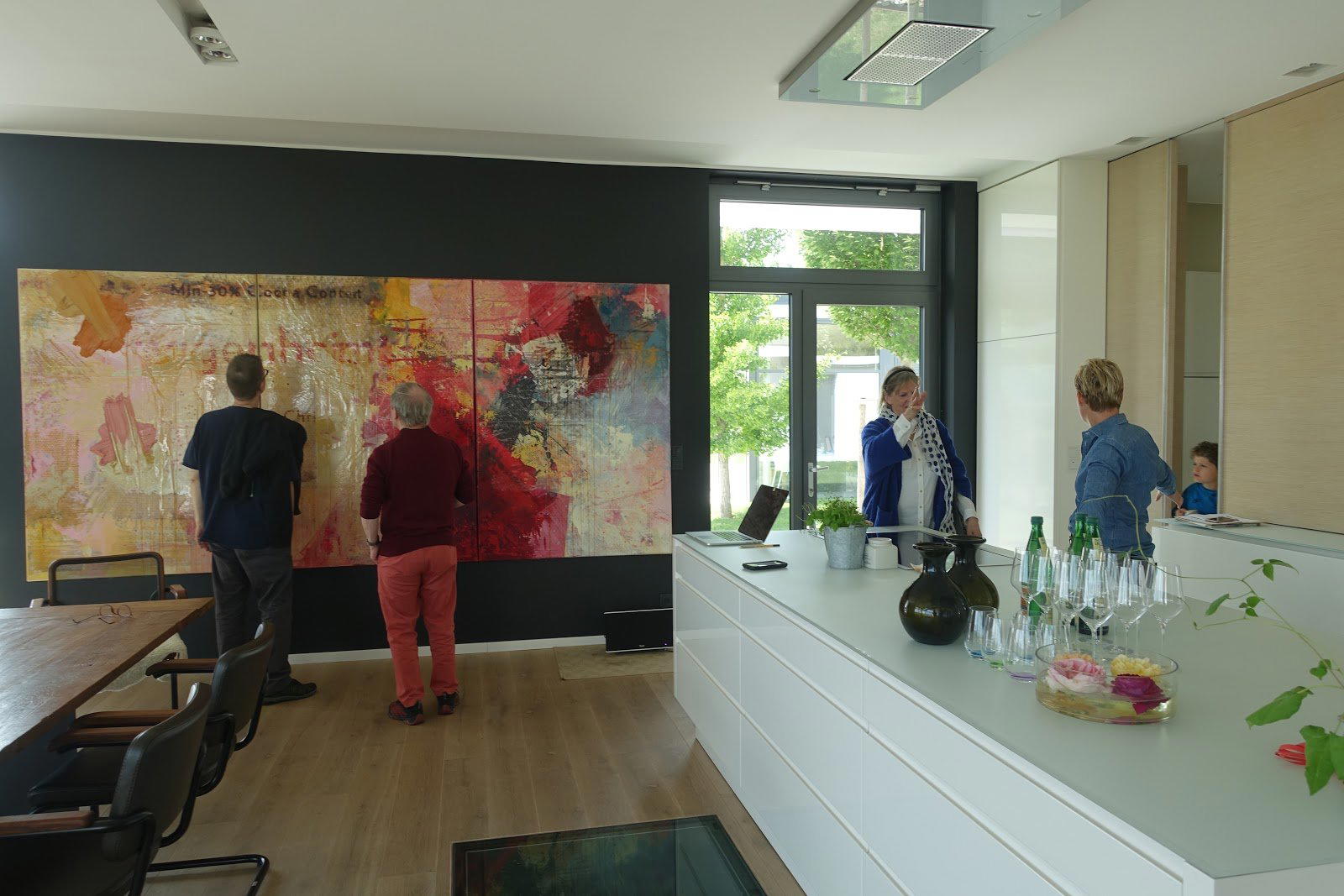
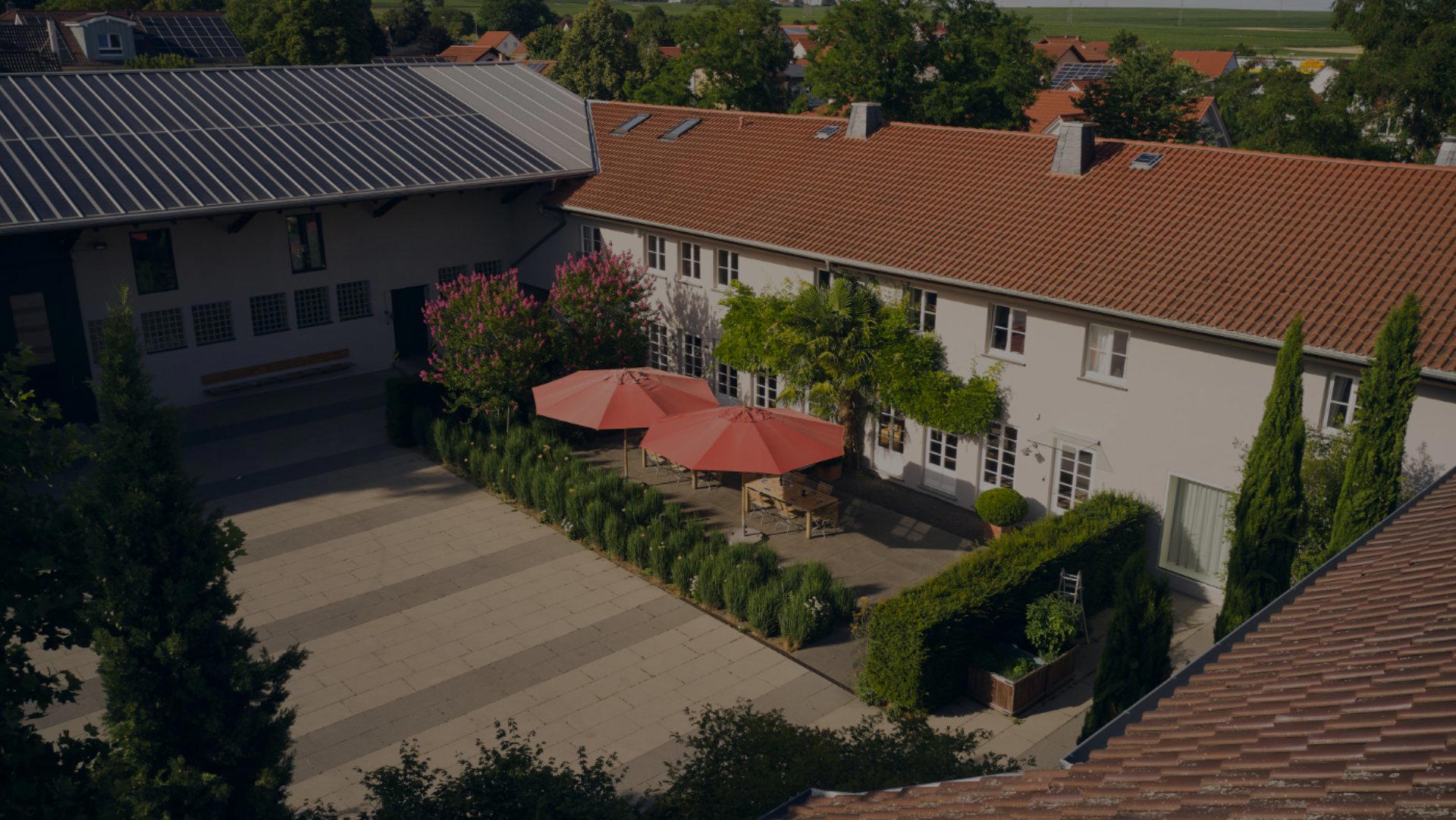
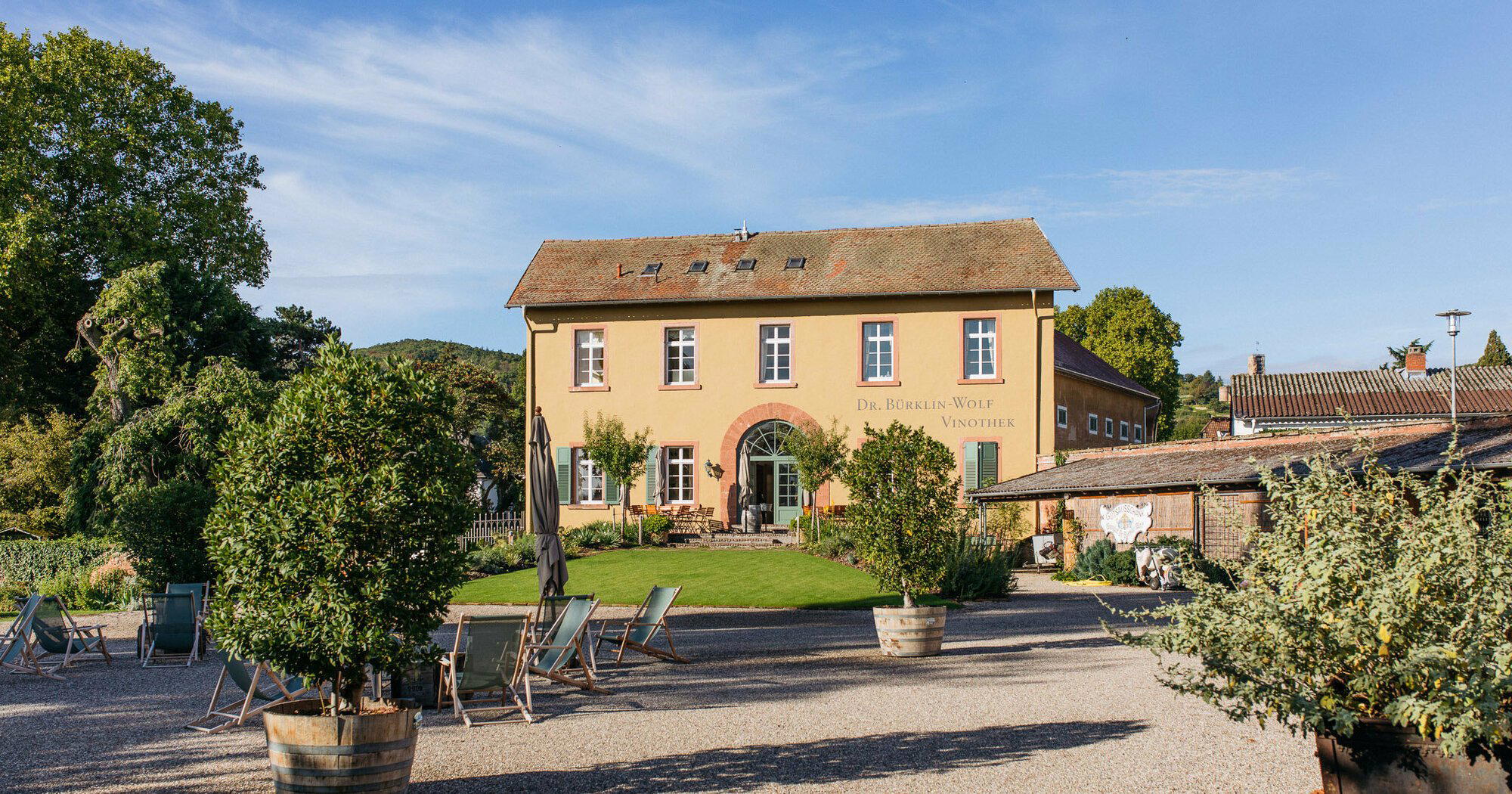
Warm and welcoming atmosphere combining baroque architectural charm with contemporary design elements; intimate dining spaces with natural light from terraces overlooking the Zellertal valley.
Know Before You Go
- Getting there
- Zeller Hauptstraße 19, 67308 Zellertal, Germany