
Michelin Bib Gourmand
Our verdict
Three generations of the same family have run this Friedberg gasthaus through two distinct modes: a traditional lunch service and a casual fine dining format in the evening. Chef Stefan Fuß draws on regional and seasonal sourcing with contemporary technique, earning a Michelin Bib Gourmand in 2024.

Pearl is the En Primeur Club membership app, where members save venues, book tables and use the concierge.
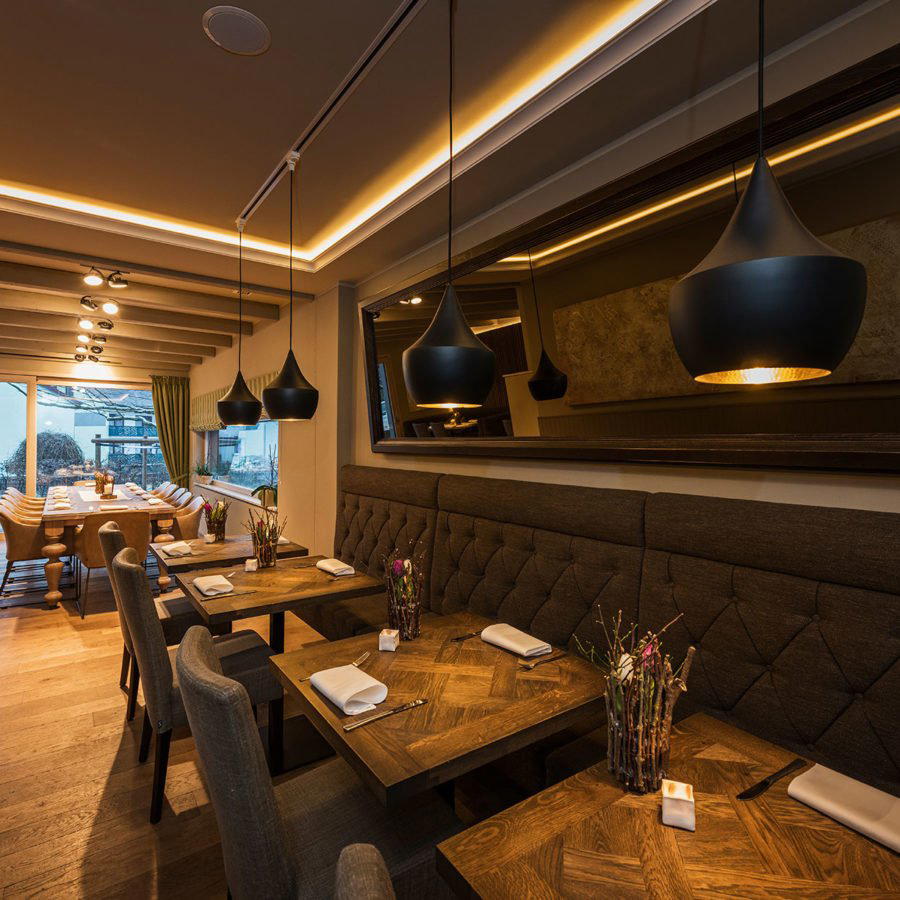
A Gasthaus That Operates on Two Registers
The German gasthaus tradition has always occupied a specific social function: the place that feeds the town at midday, where the menu tracks the season and the room fills with regulars rather than tourists. Goldener Stern, at Dorfstraße 1 in Friedberg, holds that function while adding a second gear for evenings, when the kitchen shifts toward a more considered register that earned it a Michelin Bib Gourmand in 2024. The distinction matters because most establishments choose one mode or the other. Running both, over three generations, without letting either dilute the other, is harder than it sounds.
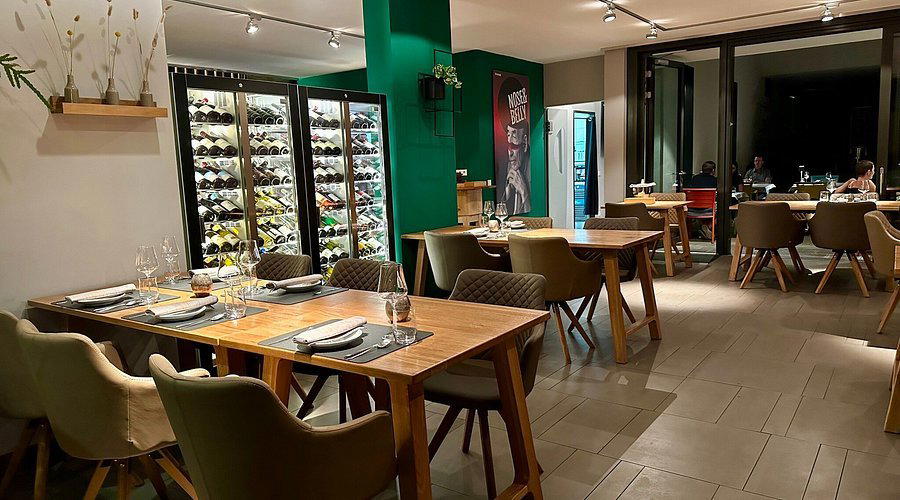
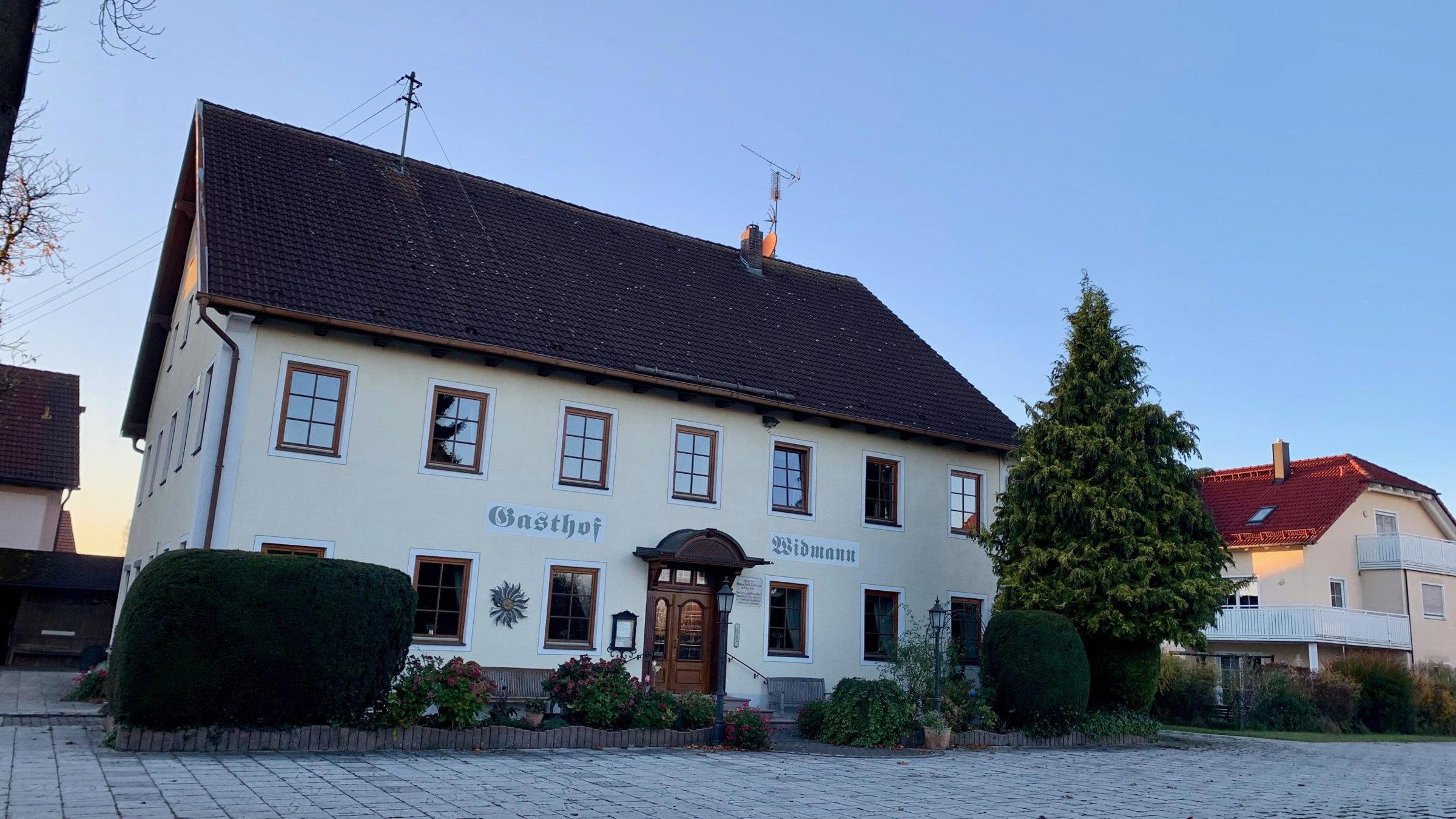
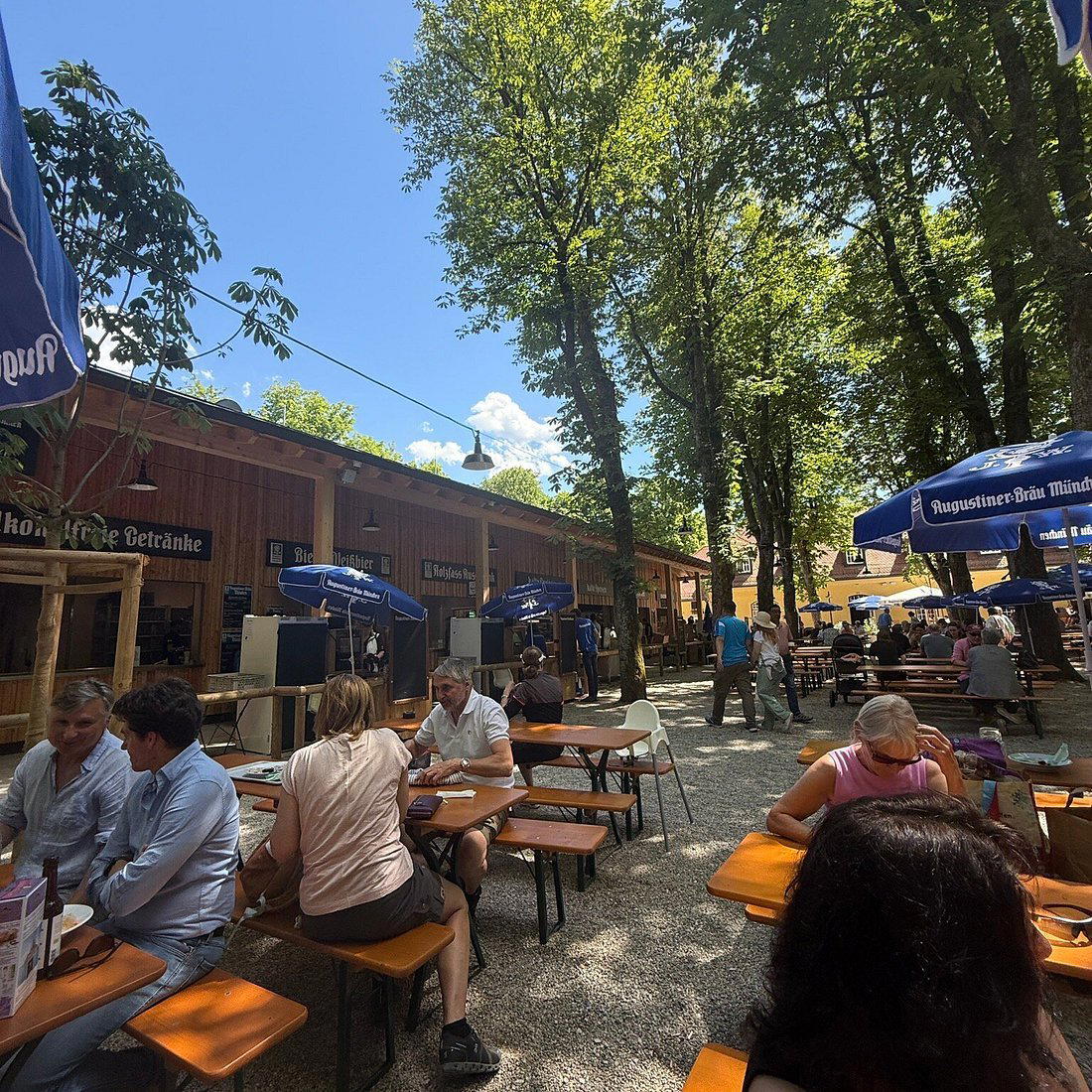
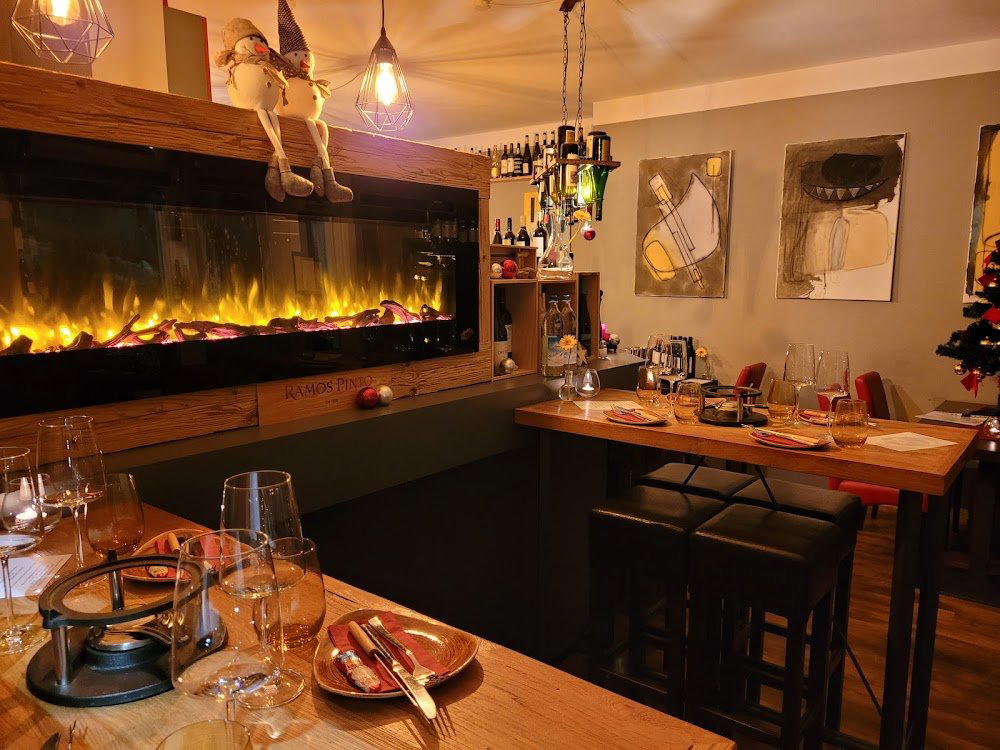
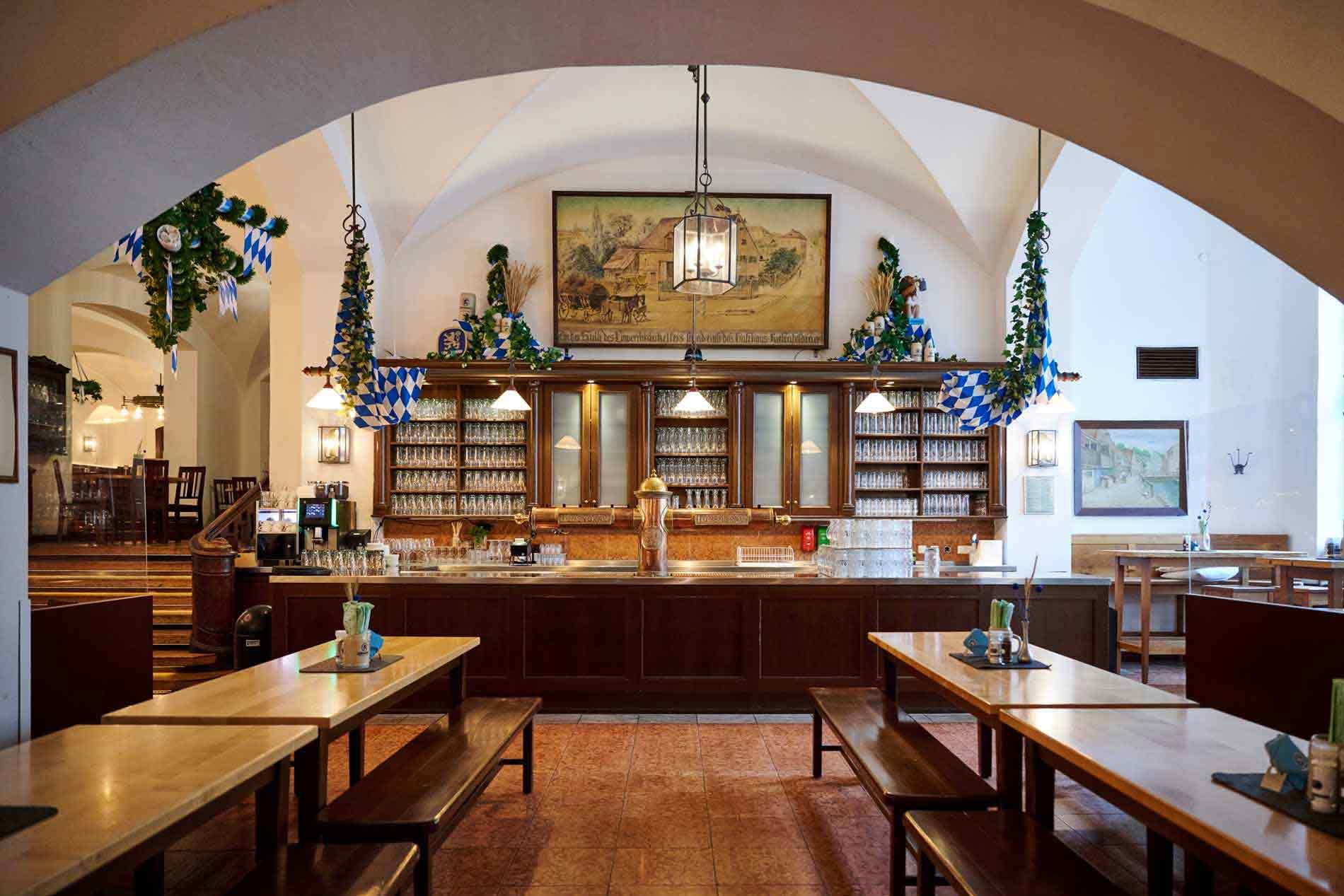
The interior reads as modern and warm rather than kitsch-rustic, which places it in a growing cohort of Bavarian dining rooms that have shed the theatrical Gemütlichkeit of decades past without losing the underlying sense of ease. Approach the building and you get a beer garden that operates on a slightly smaller menu when the weather permits, the kind of outdoor space that remains genuinely part of the operation rather than a seasonal afterthought.
Where the Food Comes From
Sourcing frame at Goldener Stern reflects a shift that has moved through regional German cooking over the past decade. As kitchens at the higher end of the price spectrum, places like JAN in Munich or ES:SENZ in Grassau, have built increasingly elaborate supply chains around hyperlocal producers, the pressure on mid-tier restaurants to demonstrate similar rigour has grown. The Bib Gourmand designation, which Michelin awards for quality at accessible prices, implicitly recognises that this kind of sourcing discipline does not require a four-course tasting menu to be credible.
Chef Stefan Fuß works with regional and seasonal produce, folding in contemporary influences without losing the grounding in Bavarian and Swabian ingredient vocabulary that defines cooking in this part of Germany. The sustainability focus is not decorative positioning: it shapes what appears on the menu and when. Dishes track the agricultural calendar of the surrounding region, which means the kitchen's range shifts meaningfully across the year rather than maintaining a static repertoire with seasonal garnishes. That distinction is worth noting because the Bib Gourmand cohort across Germany includes many kitchens that claim seasonal cooking while keeping their core menu static. Friedberg's proximity to the agricultural zones south and west of Augsburg gives the kitchen genuine access to short-supply-chain producers in a way that urban operations often cannot match.
This regional positioning sits in an interesting peer relationship with a small number of country-cooking restaurants across Europe that operate under similar sourcing logic. 21.9 in Piobesi d'Alba and Andrea Monesi at Locanda di Orta in Orta San Giulio both operate in this territory: kitchens where the sourcing geography is part of the editorial argument of the meal, not just a marketing note on the menu.
Dual Format, Single Standard
The dual-format structure, lunchtime gasthaus and evening casual fine dining, creates different expectations across the day without requiring two separate operations. At lunch, the format is traditional: simpler preparations, the kind of cooking that works for a working week. In the evening, the kitchen takes a longer approach, with more considered plating and a menu that can support the kind of attention a Bib Gourmand reviewer brings.
That consistency across formats and across three generations of family ownership is the harder achievement. German gasthaus culture is littered with establishments that held quality under founding ownership and faded as transitions happened. The Fuß family's record here represents a different pattern, one where succession strengthened rather than diluted the operation. The front-of-house team has drawn specific note for its warmth and competence, which in the gasthaus context matters as much as the kitchen: the format depends on the room feeling like an extension of someone's home rather than a branded dining experience.
The Spaces Beyond the Main Room
The venue holds two additional spaces with their own logic. The Eichen Loft is available for private events, operating as a bookable room away from the main service. More specific to the calendar, the wine shop, which carries its own character as a retail space, converts to a private dining room for celebrations between October and April, with a ceiling of twelve guests. The seasonal availability of this space is worth noting: it is not a year-round private room but a space that takes on a different function in the cooler months, which aligns with the broader seasonality the kitchen operates under.
For context on the range of dining formats across the region, Bastian's Restaurant in Friedberg represents the classic cuisine end of the local offer, while the wider Friedberg restaurants guide maps the full picture. Travellers planning a broader stay can reference Friedberg hotels, bars, wineries, and experiences guides for the area. Across Germany, the Bib Gourmand tier sits well below the starred operations covered in venues like Aqua in Wolfsburg, Schwarzwaldstube in Baiersbronn, Vendôme in Bergisch Gladbach, Restaurant Haerlin in Hamburg, Schanz in Piesport, Victor's Fine Dining by Christian Bau in Perl, Waldhotel Sonnora in Dreis, and CODA Dessert Dining in Berlin, but it occupies a different and not lesser role: accessible daily cooking held to a standard that most casual restaurants do not meet.
Planning a Visit
Goldener Stern is at Dorfstraße 1, 86316 Friedberg. The price range sits at €€, placing it firmly in the accessible tier that the Bib Gourmand designation marks. For private event bookings in the Eichen Loft or the wine shop space, contacting the restaurant directly is the route; the wine shop's private dining window runs October through April with a maximum of twelve guests. The beer garden operates when conditions allow, with a reduced menu relative to the main room. For those planning an evening visit with the intention of experiencing the more considered dinner format, arriving with that expectation set correctly makes the difference: this is not a starred tasting menu operation, but a kitchen that takes its regional sourcing seriously and prices the result honestly.
Frequently asked questions
What dish is Gasthaus Goldener Stern famous for?
Chef Stefan Fuß works within a regional and seasonal framework, meaning the menu shifts through the year rather than anchoring around a fixed headline preparation. The Michelin Bib Gourmand recognition in 2024 points to a consistently well-executed body of work across seasonal dishes rather than a single showpiece. Guests planning a visit in a specific season will find the menu reflecting the agricultural calendar of the Friedberg region rather than a static repertoire.
Price Lens
| Venue | Cuisine | Price | Awards | Notes |
|---|---|---|---|---|
| Gasthaus Goldener SternThis venue (the venue you are viewing) | Modern Bavarian Regional | $30–50 | Michelin Bib Gourmand | Not listed |
| Schwarzwaldstube | Modern French Fine Dining | $150–200 | 3 Michelin Stars · World's 50 Best #47 | French, Classic French |
| Aqua | Not listed | Not listed | Michelin 3 Star | Contemporary German, Italian/Japanese, Creative |
| CODA Dessert Dining | Dessert-Inspired Fine Dining | $200–300 | 2 Michelin Stars · World's 50 Best #79 | Creative |
| Tantris | Modern French, French Contemporary | Not listed | Michelin 2 Star | Not listed |
| Vendôme | Modern German Haute Cuisine | $200–300 | 2 Michelin Stars · World's 50 Best #47 | Modern European, Creative |
Recognition history
Dated appearances from independent guides and award organizations, with the underlying list record or original source where available.
Michelin Bib Gourmand
Michelin
Full recognition history (3 entries)
Michelin Bib Gourmand
Michelin
Michelin Bib Gourmand
Michelin
Continue exploring
More in Friedberg
Restaurants in Friedberg
All restaurants in Friedberg →
Bars in Friedberg
Browse all →
Details
- Cozy
- Rustic
- Classic
- Date Night
- Special Occasion
- Garden
- Historic Building
- Extensive Wine List
- Farm To Table
- Local Sourcing
- Garden
- A La Carte
- Vegetarian Friendly
- Vegan Options
- Gluten Free Options
Current opening hours
- Monday
- Closed
- Tuesday
- Closed
- Wednesday
- 11:30 AM–2:30 PM, 6–11 PM
- Thursday
- 11:30 AM–2:30 PM, 6–11 PM
- Friday
- 11:30 AM–2:30 PM, 6–11 PM
- Saturday
- 11:30 AM–2:30 PM, 6–11 PM
- Sunday
- Closed
Hours can change for holidays and private events. Hours as of .
Modern and cozy interior with pleasant beer garden atmosphere.