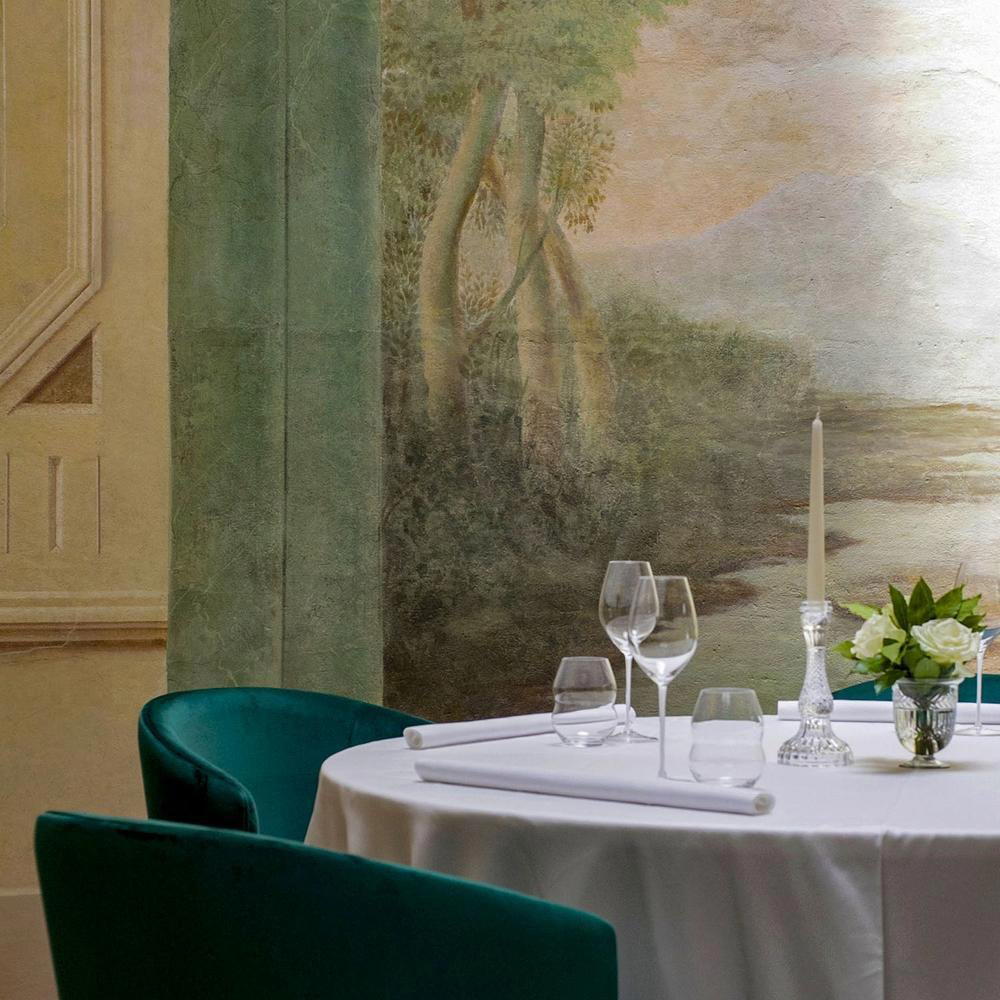
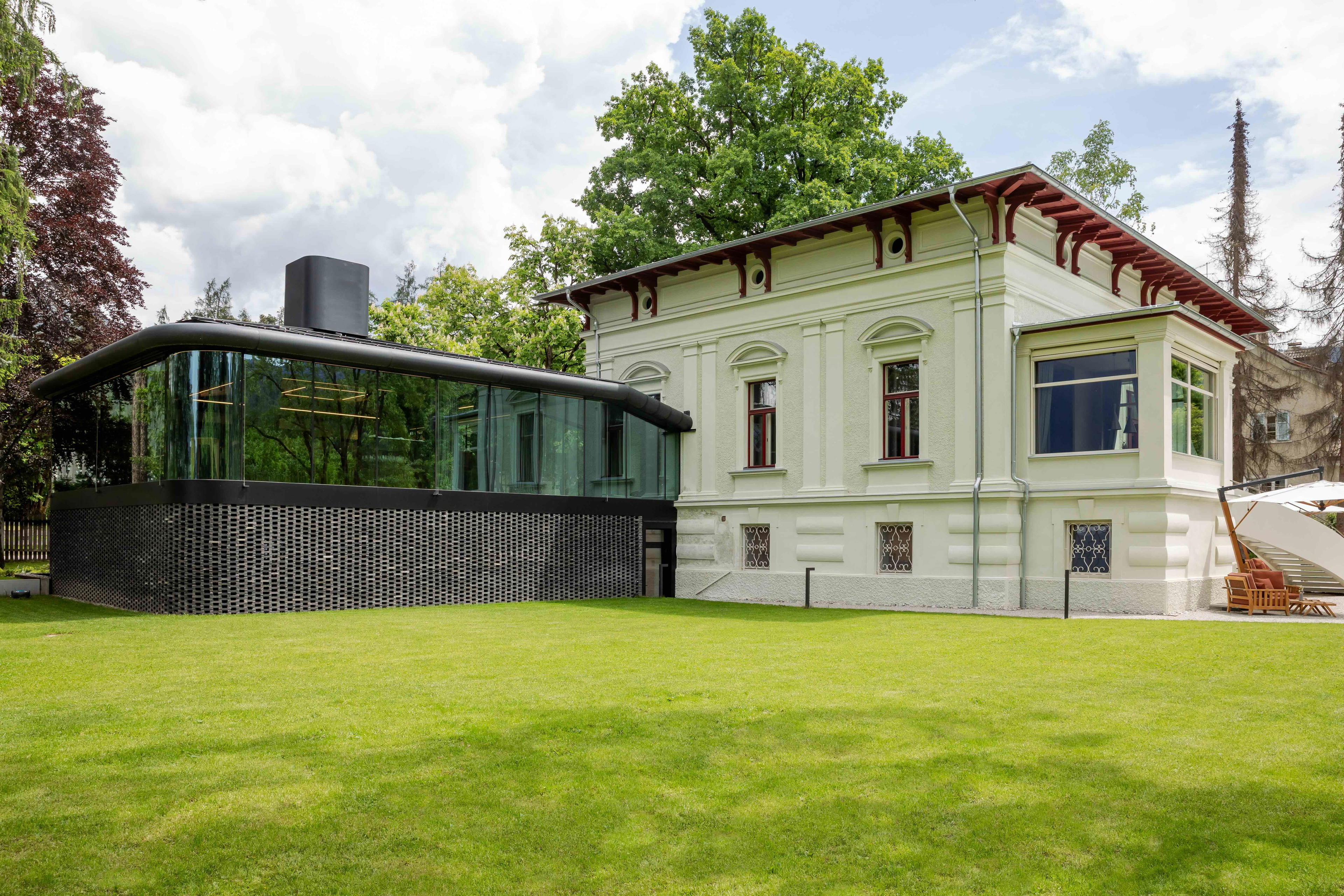
Pacher sits in Vahrn, a small commune in South Tyrol's Val Pusteria corridor where Austrian culinary tradition and northern Italian technique share the same table. The village sits close to the Augustinian Novacella Abbey, whose wine cellars have shaped the region's hospitality culture for centuries. For context on the broader local dining scene, see our full Vahrn restaurants guide.
Pearl is the En Primeur Club membership app — saves, bookings, and concierge access live there. Same editors, same standards.
- Address
- Strada Val Pusteria, 6, 39040 Novacella BZ, Italy
- Phone
- +39472836570
- Website
- pachers.it
- Directions
- Get directions
 Saves & bookings on Pearl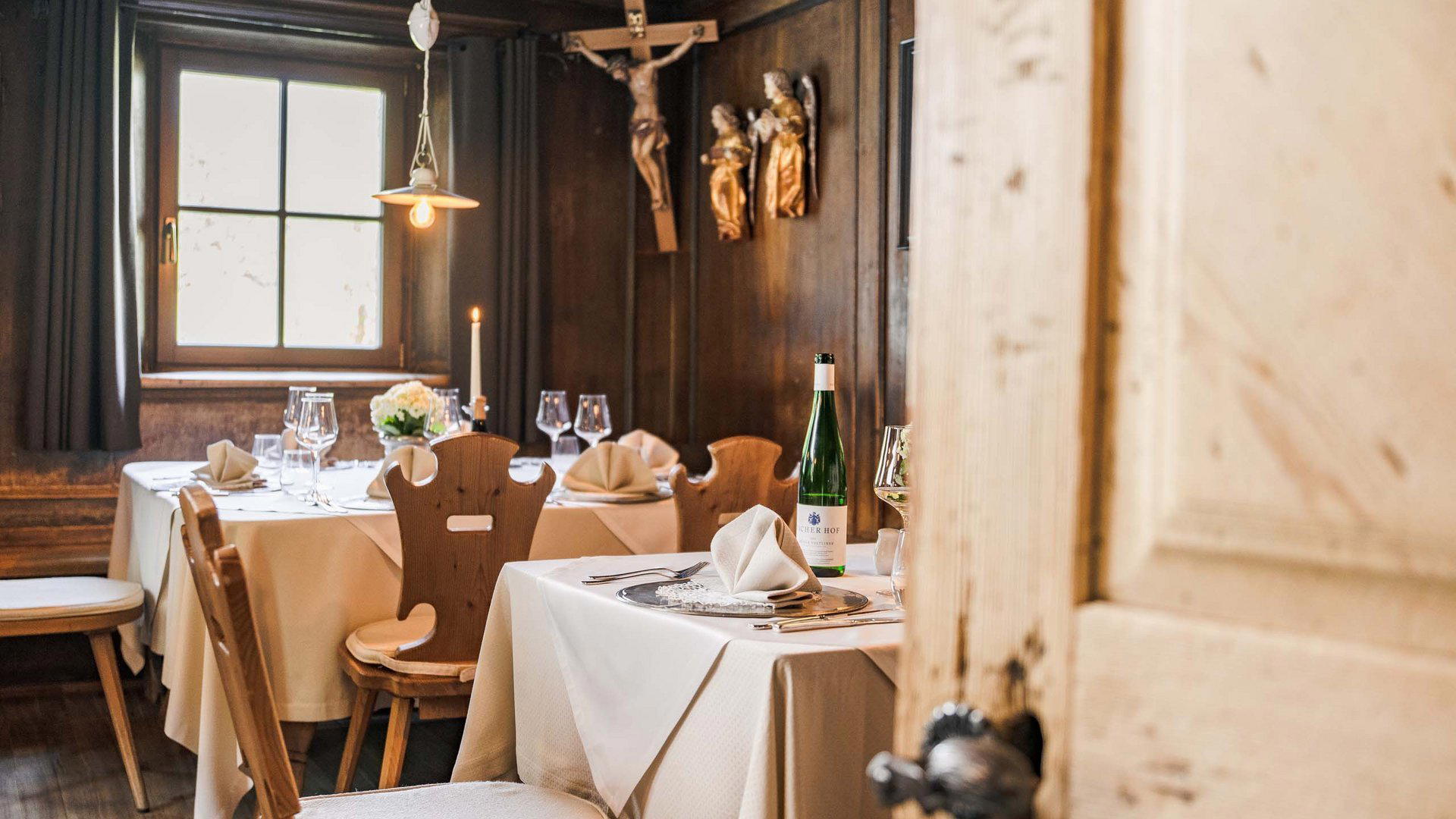
Where the Alps Meet the Table: Dining in South Tyrol's Val Pusteria
South Tyrol operates as one of Italy's most distinct culinary zones, not because it borrows from elsewhere, but because it has spent centuries absorbing two traditions simultaneously. The German-speaking majority here has kept Austrian and Tyrolean cooking alive, speck-cured meats, rye bread, barley soups, and braised game, while proximity to the Italian south slowly introduced polenta, wine-forward sauces, and a broader repertoire of cured fish and aged cheese. The result is a regional kitchen that doesn't read as fusion so much as a long, slow negotiation between two equally confident culinary cultures. Vahrn sits inside that negotiation, a small commune in the Eisack Valley just north of Brixen where the pace of eating still follows the alpine calendar.
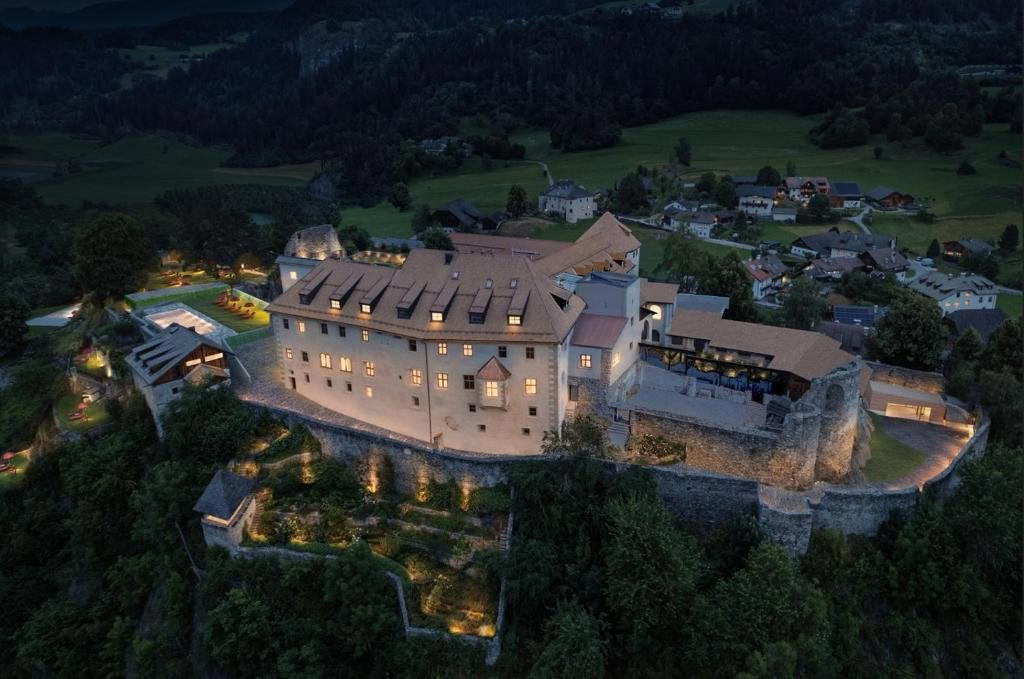
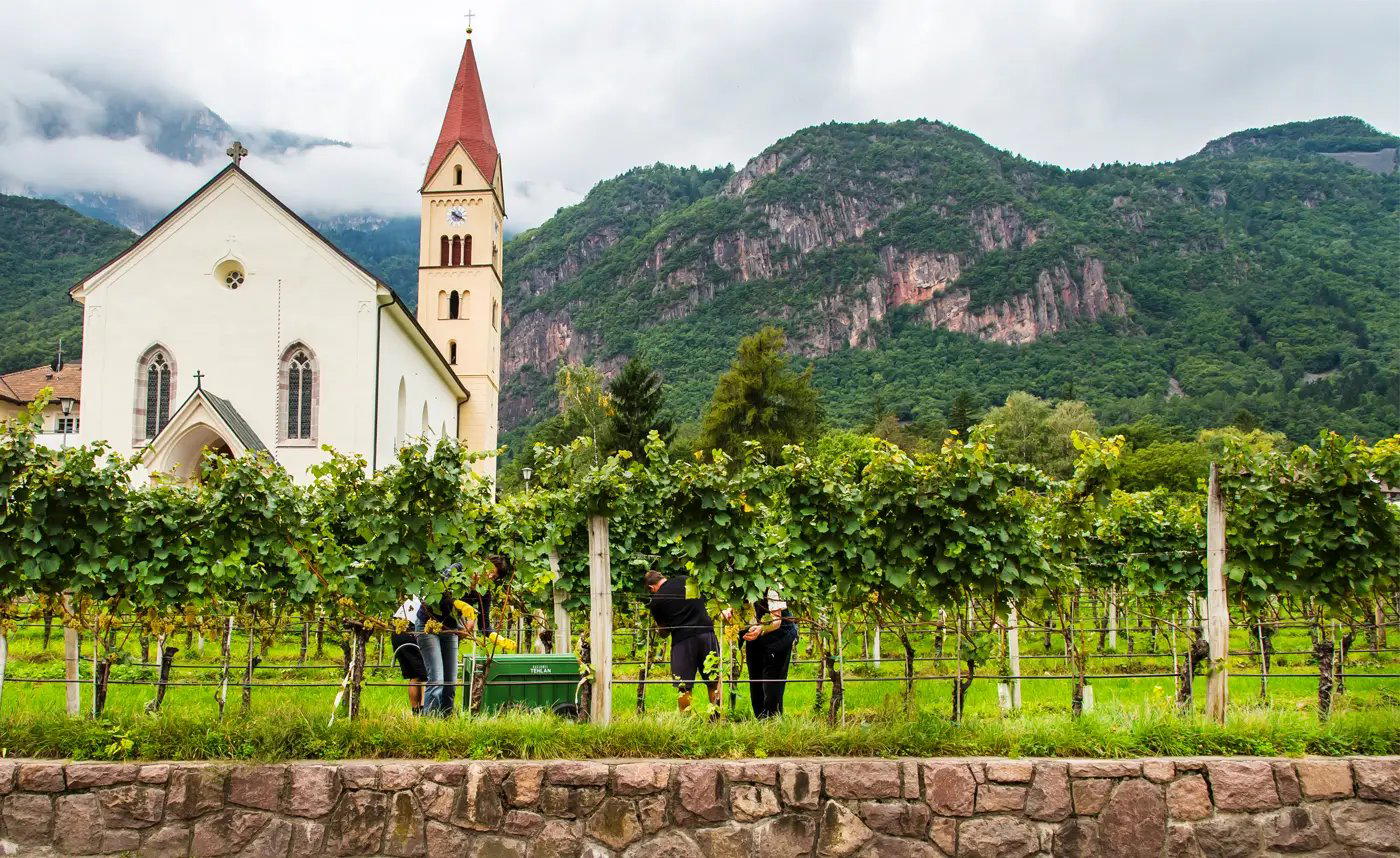
Pacher occupies a notable address in this setting, at Strada Val Pusteria 6, in the Novacella locality that shares its identity with the Augustinian abbey whose vineyards have been producing wine since the twelfth century. The abbey's cellars, among the oldest continuously operating in the Alps, set the cultural register for this stretch of valley: serious, rooted, oriented toward craft that outlasts fashion. Restaurants that operate here are, consciously or not, in conversation with that legacy.
The Regional Kitchen and What It Demands of a Restaurant
The South Tyrolean table has always placed ingredient provenance at its center, not as a marketing posture but as a structural necessity. Before supply chains made it practical to import produce year-round, alpine kitchens had to work with what the season and altitude allowed. That discipline shaped a cooking philosophy built around preservation, fermentation, and the kind of patient technique that makes a braised knuckle or a dried sausage worth the wait. Restaurants in Vahrn and the broader Val Pusteria corridor inherit that standard whether they choose to or not.
Across the wider South Tyrolean fine dining scene, the clearest benchmark is set by Atelier Moessmer Norbert Niederkofler in Brunico, whose Cook the Mountain philosophy has drawn international attention to what alpine ingredients can do at a high technical level. That recognition has raised expectations for the entire region, and establishments throughout the valley now operate against a backdrop of global curiosity about Tyrolean produce and technique. It's a useful frame for understanding where a restaurant like Pacher sits: not in the shadow of major starred houses, but part of the same broader conversation about what this landscape's ingredients can express.
Novacella, the Abbey, and the Culture of Hospitality
The Novacella Abbey has served as a waypoint for travellers crossing the Brenner route since the Middle Ages. That history of hospitality, feeding pilgrims, merchants, and later tourists navigating one of Europe's most trafficked alpine passes, has left a measurable imprint on how this corner of South Tyrol treats its guests. Eating here is rarely rushed or performative. There is an expectation, older than the restaurant industry itself, that a meal should restore as much as it impresses.
The abbey's own winery, producing Sylvaner, Kerner, and Müller-Thurgau under high-altitude conditions that push aromatic intensity, gives local restaurants an immediate reference point for pairing. White wines grown at 700 metres and above carry a mineral quality that works particularly well against the fat-rich, smoke-touched character of Tyrolean cooking. Any serious restaurant in this corridor would naturally look to those wines as a foundation before reaching further afield.
Pacher in the Context of Italian Fine Dining
Italy's fine dining map is notably decentralised. Unlike France, where Paris historically concentrated the country's leading tables, Italy's most celebrated kitchens are spread across regions that each assert a distinct culinary identity. Osteria Francescana in Modena, Dal Pescatore in Runate, Piazza Duomo in Alba, Le Calandre in Rubano, Enoteca Pinchiorri in Florence, Enrico Bartolini in Milan, Uliassi in Senigallia, Reale in Castel di Sangro, Casa Perbellini 12 Apostoli in Verona, Da Vittorio in Brusaporto, Quattro Passi in Marina del Cantone, Villa Crespi in Orta San Giulio, and La Pergola in Rome each anchor their region's culinary identity while drawing visitors from outside Italy. South Tyrol, despite its smaller scale, has earned a place in that national conversation. The region produces more Michelin-starred restaurants per capita than most Italian provinces, a reflection of both the quality of its produce and a hospitality culture that takes precision seriously.
For international context, the discipline of a small-format, ingredient-focused restaurant in a culturally specific region finds parallels in places like Le Bernardin in New York City and Atomix in New York City, both of which built their reputations on technical rigour applied to a clearly defined culinary tradition rather than eclecticism. The comparison is not one of scale or cuisine type, but of approach: a commitment to doing one thing with uncommon seriousness.
The Vahrn Dining Scene and Where Pacher Fits
Vahrn is small enough that its restaurant options form a short, legible list. Hubenbauer represents one of the area's other notable addresses, and the two establishments together define the village's position on the map for visitors considering a stop in the Eisack Valley. Neither operates in the high-volume tourist register common to Brixen's main square. The pace here is quieter, the clientele more local, and the cooking more tightly tied to seasonal availability.
Visitors planning a meal in this area should treat the journey itself as part of the context. The Val Pusteria road corridor, running northeast toward the Puster Valley and the Dolomites, passes through particularly cinematically scaled mountain scenery in northern Italy. Arriving at a table in Novacella after that drive shapes how the food reads. See our full Vahrn restaurants guide for a complete picture of the village's current dining options.
Planning Your Visit
Vahrn is accessible from Brixen (Bressanone), the nearest town of scale, which sits on the main Brenner rail line connecting Innsbruck to Verona. From Brixen, Novacella is a short drive north along the valley floor. The address at Strada Val Pusteria 6 places Pacher close to the abbey, making a visit to the abbey's wine shop a natural pairing with a meal. South Tyrol's dining season runs consistently year-round, though summer and the Christmas market period in late November and December bring visitor traffic to the region. Those planning visits in shoulder months, October or March, will find the valley quieter and, in the case of autumn, at its most agriculturally abundant.
Cost and Credentials
Comparable venues nearby, for context on price, style, and recognition.
| Venue | Cuisine | Price | Notes |
|---|---|---|---|
| PacherThis venue — the venue you are viewing | Vahrn, South Tyrolean Italian | $$$ | Not listed |
| Hubenbauer | Not listed | $$ | Varna, Traditional Italian Tyrolean with Brewery |
| Gostnerhof | Not listed | $$$ | Barbian, South Tyrolean Farmhouse Cuisine |
| Pirbamer | Auna di Sotto, Modern Northern Italian | $$$ | Not listed |
| Antica Trattoria Belletti | Not listed | $$$ | Montepastore, Traditional Emilian Trattoria |
| Anett restaurant | Not listed | $$$ | Ratschings, Modern Italian with Alpine Influences |
Continue exploring
More in Vahrn
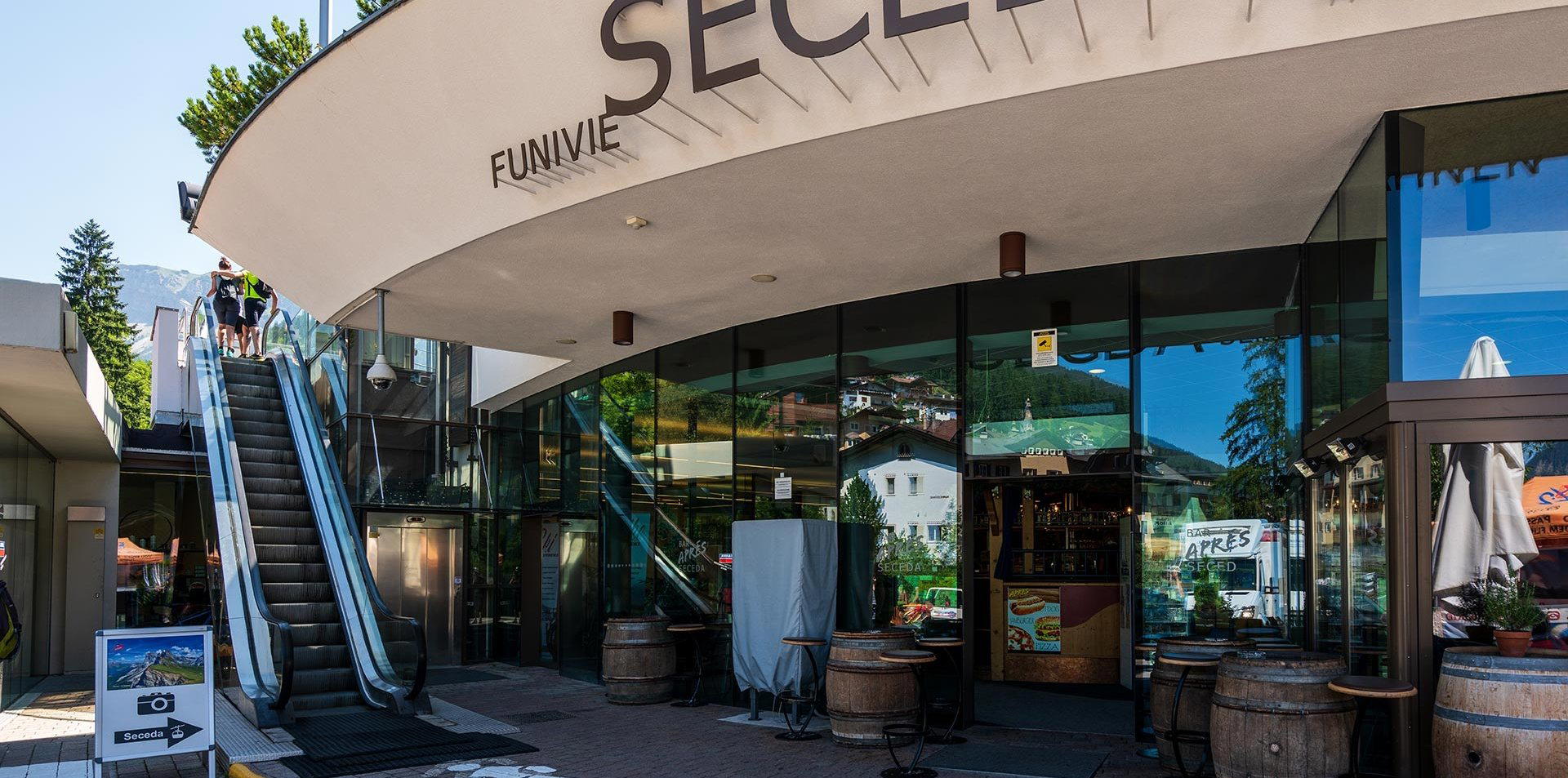
Restaurants in Vahrn
Browse all →
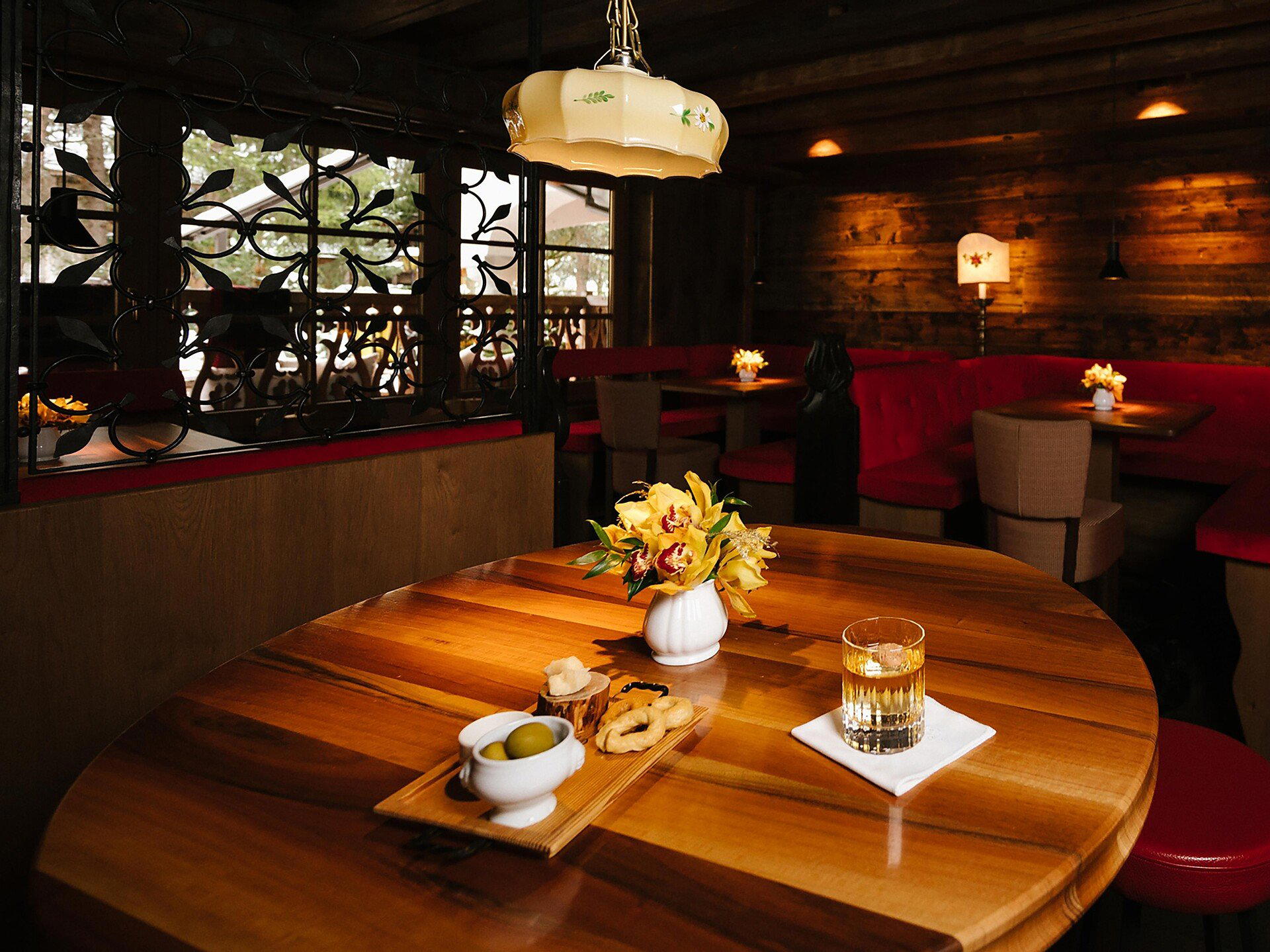
Bars in Vahrn
Browse all →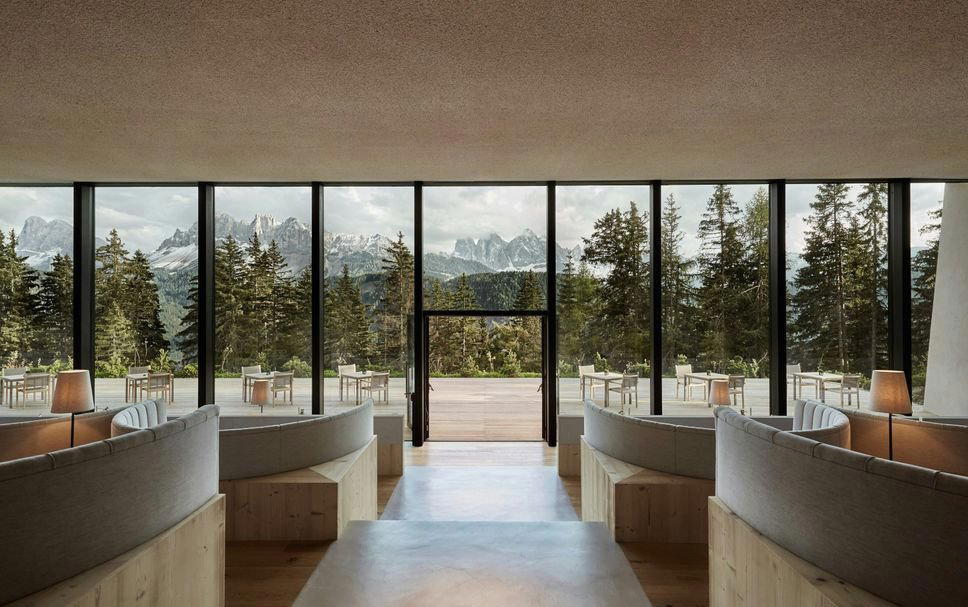
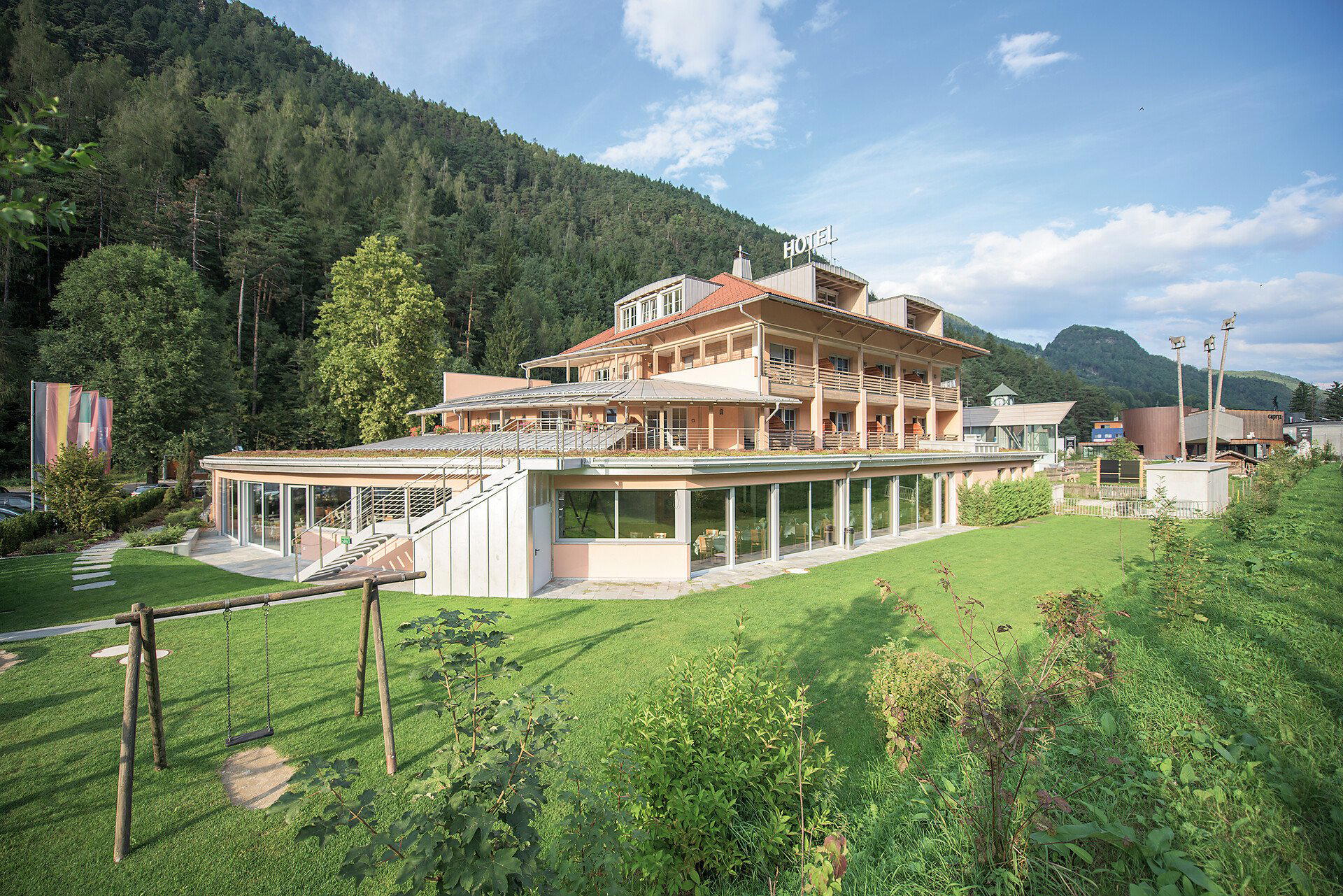
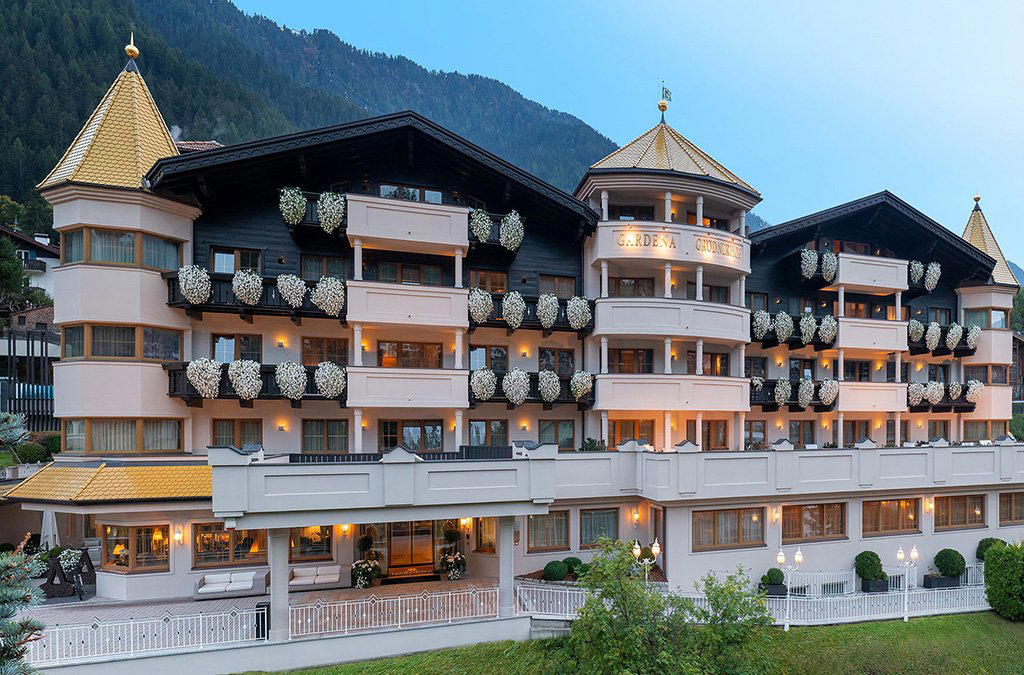
Hotels in Vahrn
Browse all →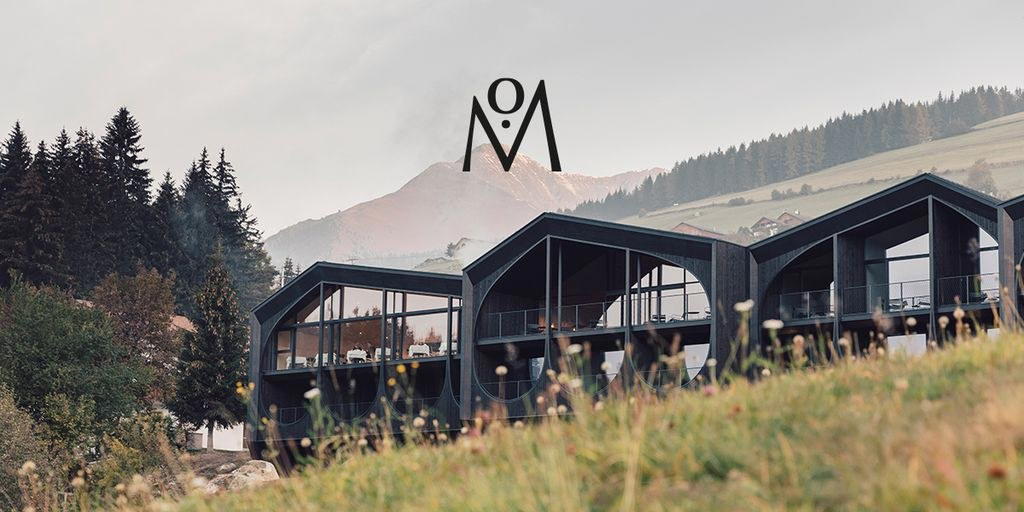
At a Glance
- Rustic
- Elegant
- Cozy
- Special Occasion
- Celebration
- Group Dining
- Garden
- Terrace
- Panoramic View
- Hotel Restaurant
- Local Sourcing
- Mountain
- Vineyard
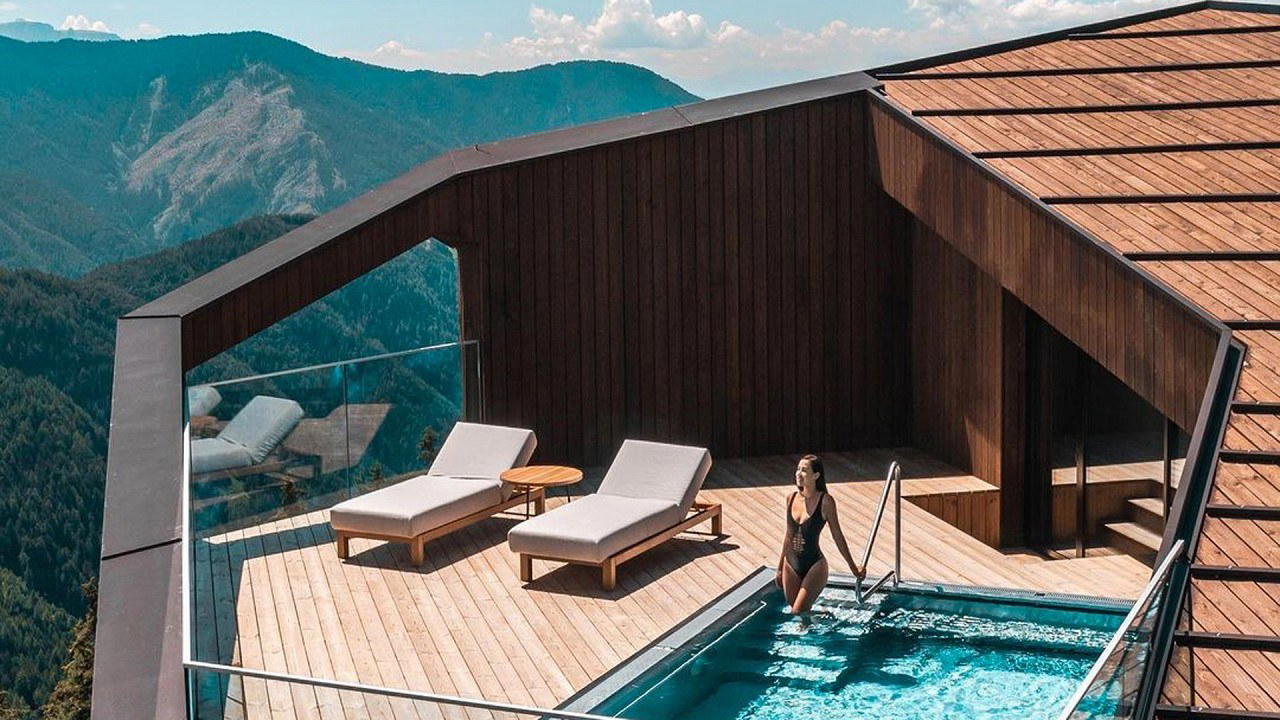
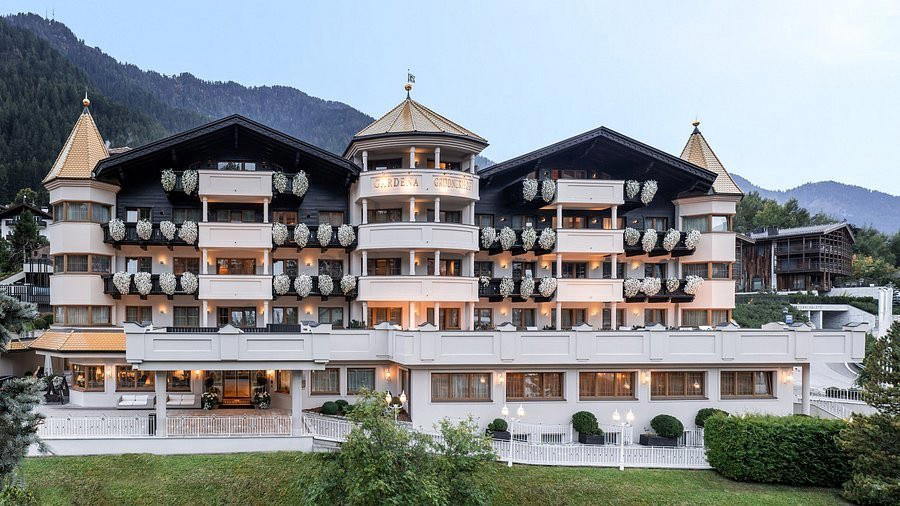
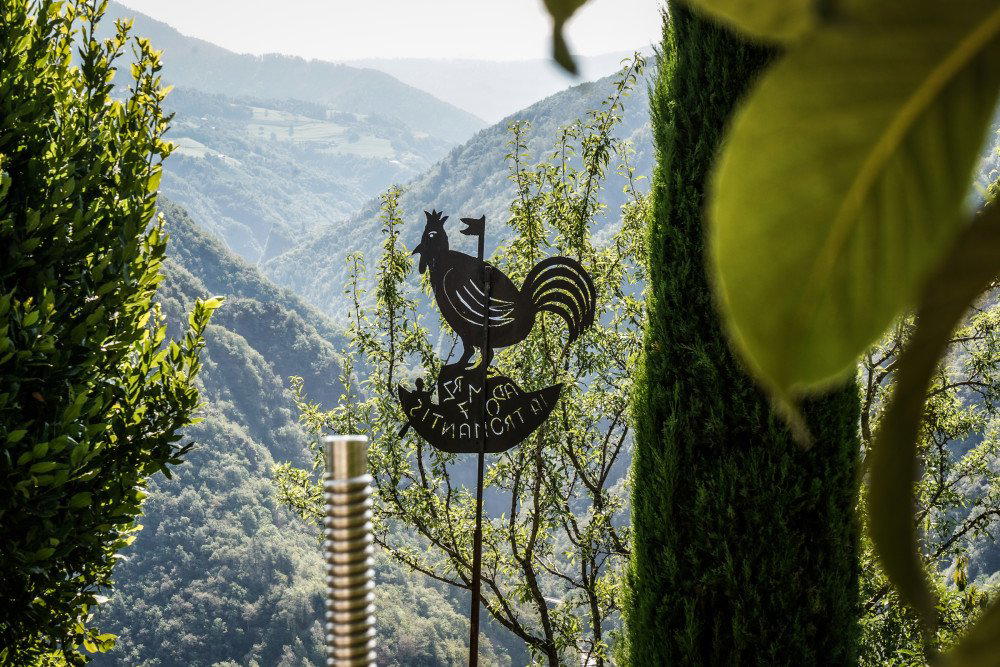
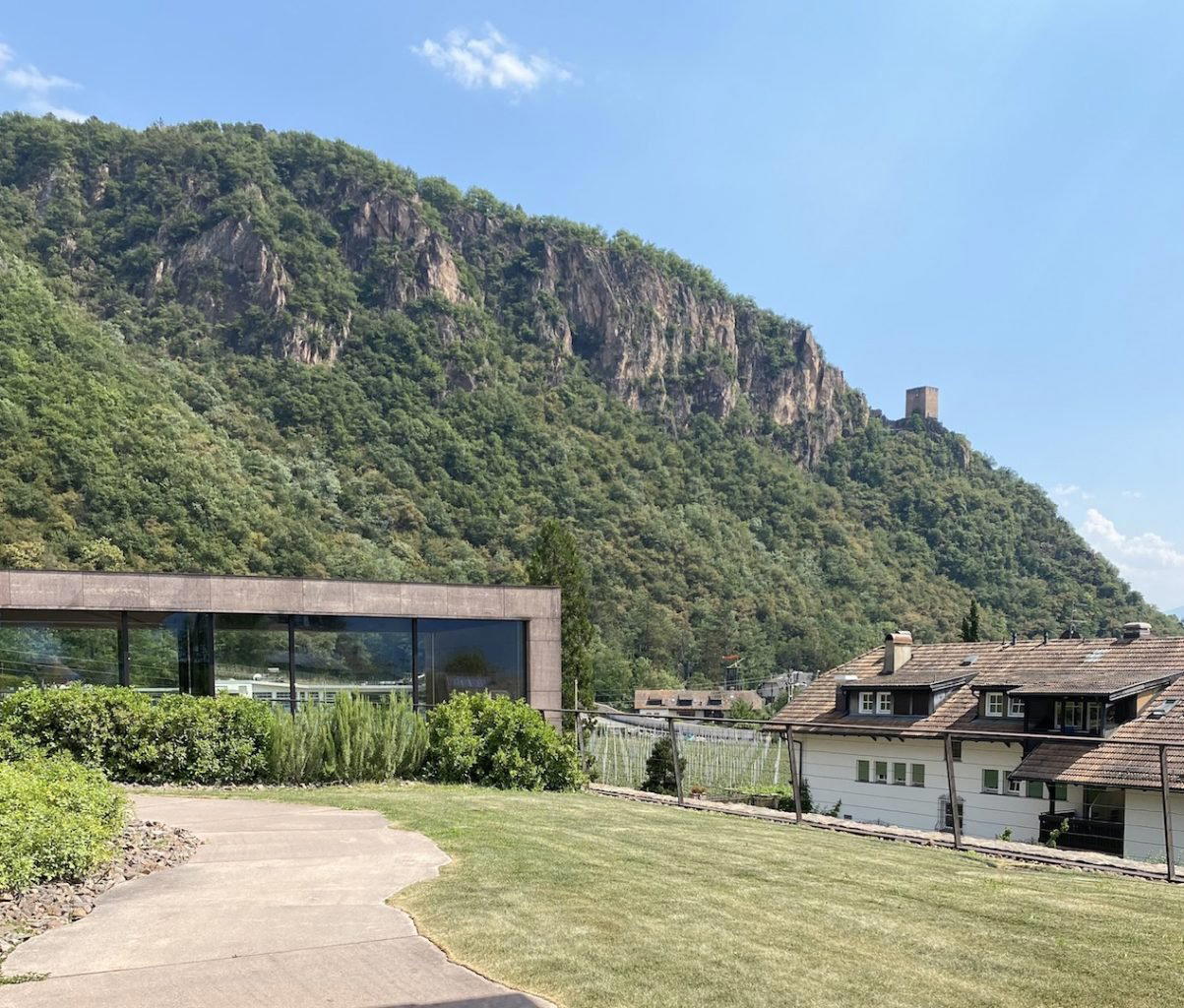
Warm and relaxed atmosphere with cosy garden terrace overlooking the Eisack Valley mountains.