
A compact Sapporo soba counter and table room with repeated Tabelog 100 Soba recognition, Teuchi Soba no Taguto belongs to the city’s low-price, high-discipline noodle tier rather than its ceremony-driven dining circuit. The appeal is the arithmetic: hand-cut buckwheat noodles, a 23-seat format, and a neighbourhood setting that keeps the experience grounded.
Pearl is the En Primeur Club membership app — saves, bookings, and concierge access live there. Same editors, same standards.
- Address
- 3 Chome-2-2 Nishino 1 Jo, Nishi Ward, Sapporo, Hokkaido 063-0031, Japan
- Phone
- +81 11-663-6733
- Website
- m.facebook.com
 Saves & bookings on Pearl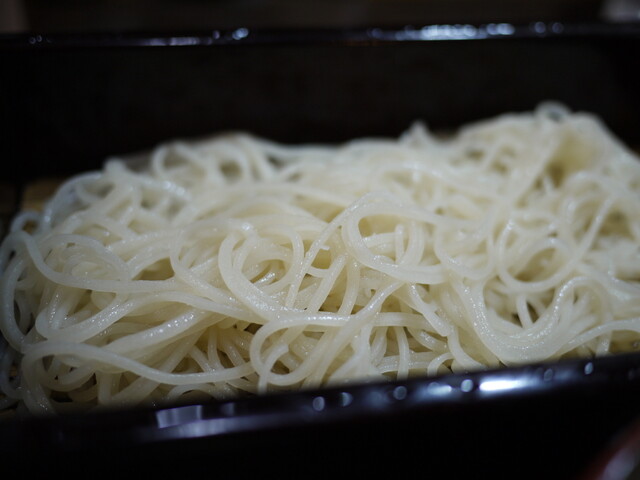
Approach Sapporo’s western residential wards and the dining rhythm changes: the city’s central ramen queues and station-adjacent curry counters give way to smaller rooms built around repetition, early service, and regulars who know exactly what they want. In that context, Teuchi Soba no Taguto reads less as a destination built for spectacle than as a disciplined soba house where value depends on craft, turnover, and restraint.
Soba has always carried a different kind of status in Japan from sushi or kaiseki. The luxury is not necessarily in the bill, the room, or the length of the meal, but in the control of buckwheat, water, cutting, boiling, and timing. Sapporo adds its own logic: cold winters, lunch-led dining, and a local appetite for noodles that ranges from ramen to soup curry-adjacent formats. For visitors mapping the city through food, this is the counterweight to bowls at 175°DENO Tantanmen Sapporo kitaguchi ten, spice-focused meals at [Curry Senmon Ten] Maruyama Kyoju., and the broader Sapporo curry tradition represented by Ajanta Indo Curry Ten and Ajanta Sohonke.
Hand-cut soba in Sapporo's value bracket
The strongest argument here is not excess; it is proportion. Teuchi Soba no Taguto sits in a price band where many serious Japanese meals are either fast, casual, or narrowly specialized. That matters because soba rewards specialization more than theatricality. A house focused on buckwheat noodles can deliver a more exact experience than a broader Japanese restaurant working across tempura, sashimi, grilled dishes, and set meals.
Tabelog’s Soba EAST 100 selection in 2025 gives the room a clear trust signal inside a category that does not always travel well in English-language restaurant coverage. The repeated recognition across earlier Soba 100 lists also matters: soba shops are often judged by consistency rather than novelty, and a place that remains visible in that conversation has usually earned attention from diners who care about texture, temperature, and pacing rather than novelty alone.
The comparison inside Sapporo is revealing. Ramen Sakurajima Honten and GELATERIA Geream Nishino ten occupy lower-cost everyday categories, while Gop no Anagura and SAKURA BROWN sit in a similar modest spend range. Univers S. belongs to a materially higher bracket. Teuchi Soba no Taguto therefore occupies a useful middle position: more craft-specific than a quick snack stop, less financially demanding than a long-form meal, and better suited to a focused lunch than to a drawn-out evening.
A small room built for noodles, not performance
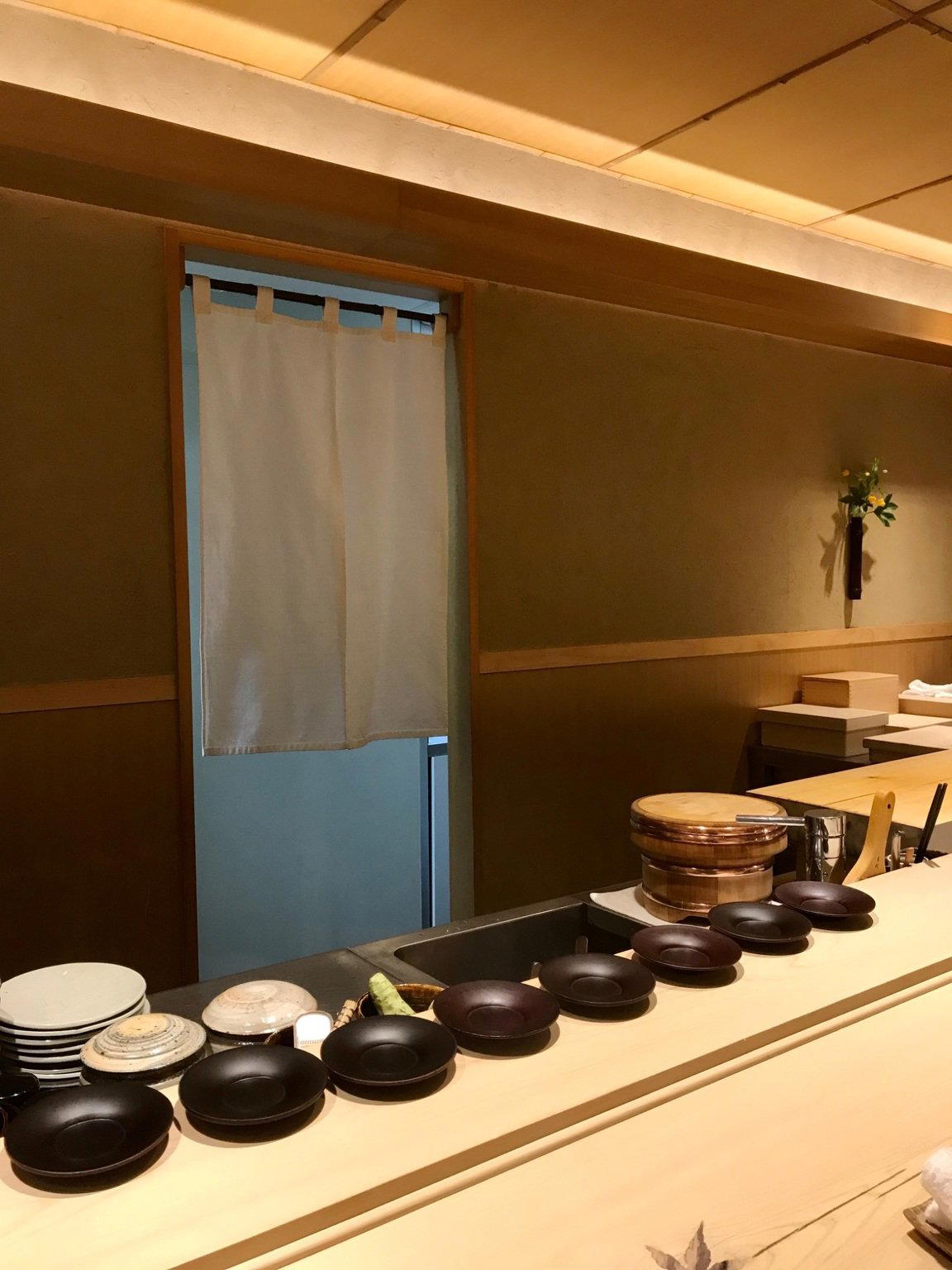
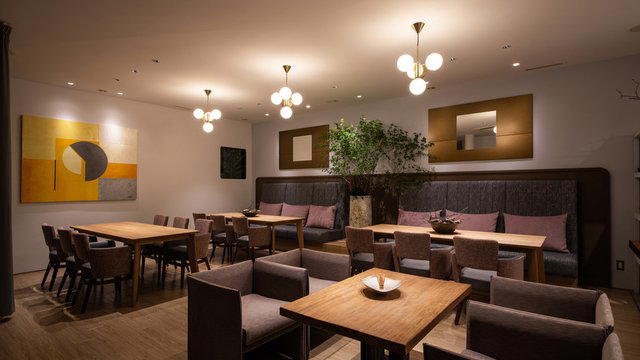
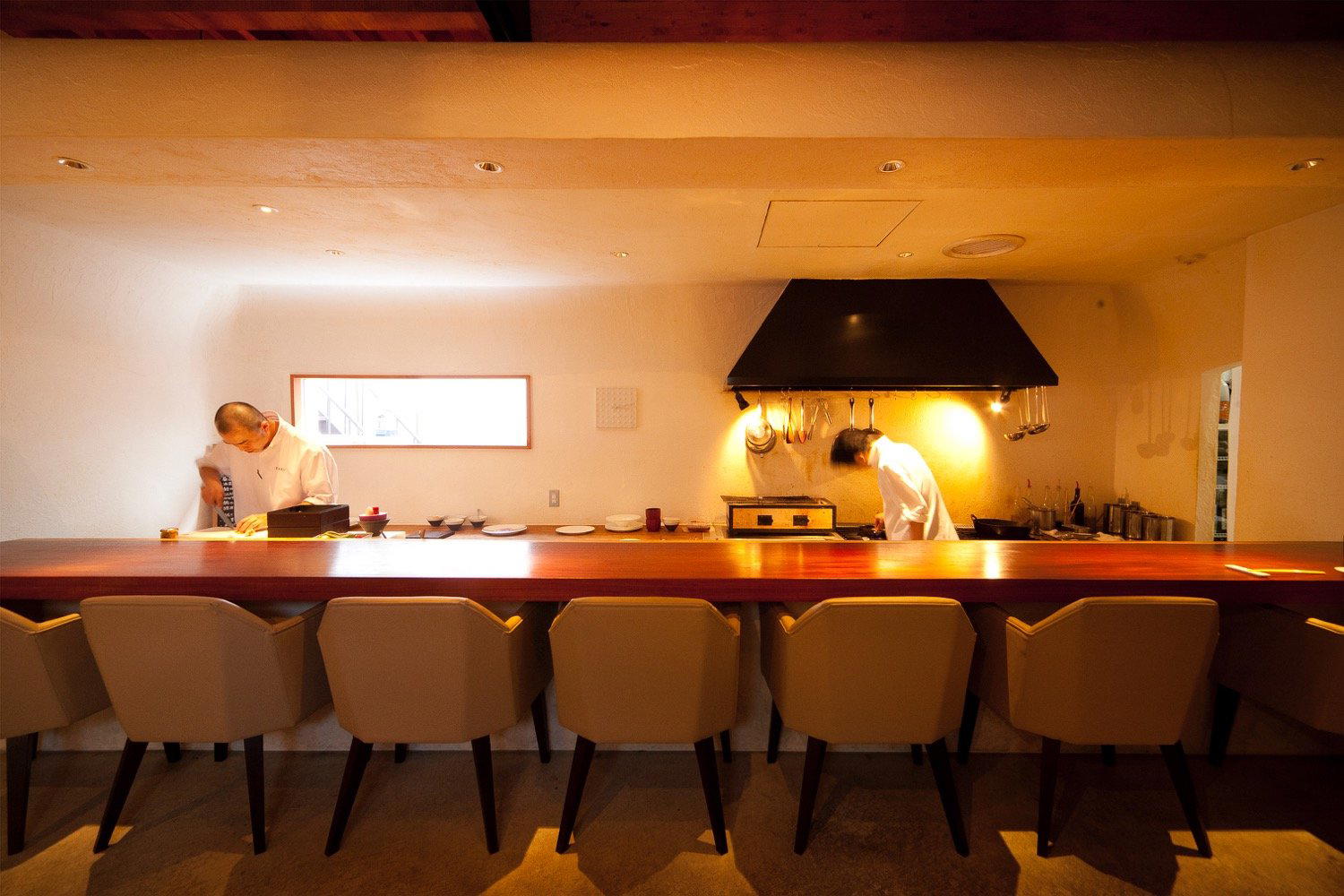
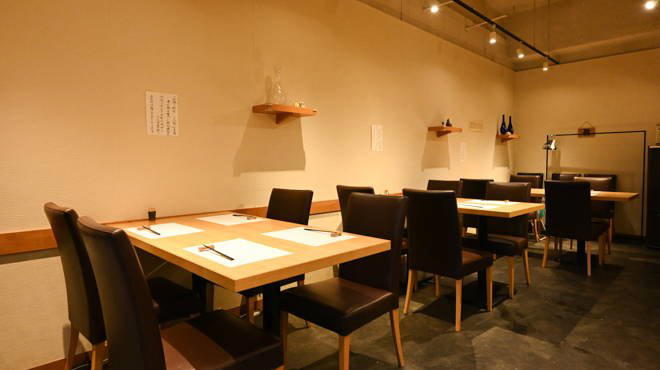
The format reinforces the value proposition. The room has 23 seats, including counter seating, two-seat tables, four-seat raised-platform tables, and tatami-style space. That mix tells experienced Japan travelers plenty. Counter seats suit solo diners and pairs who want a quick, precise meal; small tables serve neighbourhood regulars; the raised platform makes the restaurant workable for families and groups without turning the room into a banquet setting.
House-restaurant setting also places it outside the more polished downtown dining grammar. Sapporo’s central districts sell convenience: hotel proximity, late-night access, and concentration. Nishino and Hassamu Minami ask for a little more intent. That trade-off can be worthwhile for travelers who have already covered the city’s central food routes and want a meal that reflects residential Sapporo rather than station-area density.
Service model is likewise practical rather than ceremonial. Take-out is part of the format, and the drinks list includes sake and shochu, which places the restaurant within the familiar Japanese soba-house pattern: noodles first, alcohol as accompaniment, not the other way around. Private rooms and private use are not part of the setup, so the experience should be read as shared, compact, and casual.
For a wider food itinerary, use this as a sober anchor between heavier Sapporo meals. Bread and pastry-focused travelers may pair another day with Aigues Vives, while city planners can widen the map through Our full Sapporo restaurants guide. Staying patterns matter too: the restaurant makes more sense if the day’s route already points west, rather than as a rushed detour between hotel check-out and a train.
How to place it in a Sapporo itinerary
The smart use case is a focused daytime meal, especially for travelers who value Japanese noodle craft but do not want every serious meal in Japan to become a tasting-menu commitment. Soba also offers a useful contrast to Sapporo’s heavier winter eating: miso ramen, lamb, curry, dairy, and beer-hall cooking all have their place, but buckwheat noodles reset the palate with a leaner grammar.
Travelers building a full city file should treat this as one piece of a broader Sapporo plan rather than an isolated trophy stop. Hotels, bars, wineries, and experiences shape how realistic any meal is on a given day, particularly in a city spread across subway lines and residential districts. For that broader planning layer, see Our full Sapporo hotels guide, Our full Sapporo bars guide, Our full Sapporo wineries guide, and Our full Sapporo experiences guide.
Japan’s casual-specialist dining culture extends well beyond Hokkaido. Readers comparing formats across the country can look at -Grilled beef Sukiyaki- KAMAKURA TANUKIAN 鎌倉 たぬき庵 in Kamakura. 鮪と炭火焼き うお炭 秋葉原店 in Tokyo.cafe in Osaka.know in Kumamoto, (Shoku) Vietnam in Kawasaki, and [ki:] in Kyoto. Outside Japan, the same question of specialization versus breadth appears in Japanese-leaning rooms such as Jōdo Saké Bar in Los Angeles and Onigiri Time in Pasadena.
The editorial read is clear: the restaurant is strongest for diners who understand value as precision at a restrained spend, not as quantity or luxury signals. Its awards recognition, compact seating plan, family-friendly setup, and residential location put it in a category that rewards planning but does not require ceremony. In Sapporo, that makes it a useful corrective to the city’s louder noodle narratives.
Accolades, Compared
Side-by-side context: comparable cuisine and price.
| Venue | Cuisine | Price | Notes |
|---|---|---|---|
| Teuchi Soba no TagutoThis venue — the venue you are viewing | Japanese Soba Noodle Shop | $ | Not listed |
| Menya Kamejin | Sapporo ramen shop | $ | Higashi |
| CURRY ’OHANA | Japanese Curry House | $ | Higashi |
| Chuka Soba California | Tokyo/Hachioji-style ramen | $ | Shiroishi |
| Ka~ru Ma~ru | Sapporo soup curry | $ | Shiroishi |
| Spice&mill | Japanese Soup Curry | $ | Shiroishi |
Recognition history
Dated appearances from independent guides and award organizations, with the underlying list record or original source where available.
Tabelog 100 #35 · No. 35
Tabelog · Tabelog 100 - Soba - EAST - 2025
At a Glance
- Classic
- Quiet
- Cozy
- Solo
- Casual Hangout
- Standalone
- Sake Program
Current opening hours
- Monday
- 10:30 AM–2:30 PM
- Tuesday
- 10:30 AM–2:30 PM
- Wednesday
- 10:30 AM–2:30 PM
- Thursday
- 10:30 AM–2:30 PM
- Friday
- 10:30 AM–2:30 PM
- Saturday
- Closed
- Sunday
- Closed
Hours can change for holidays and private events. Last verified .
A simple house-restaurant setting with a low-key, traditional soba-shop feel.