Where the Bowl Is the Argument In Kaohsiung, beef noodle soup is not a category so much as a debate. Across the city, shops anchor their reputations to a single variable: the broth. Some go dark and iron-rich with soy-braised intensity; others...

Pearl is the En Primeur Club membership app — saves, bookings, and concierge access live there. Same editors, same standards.
Where the Bowl Is the Argument
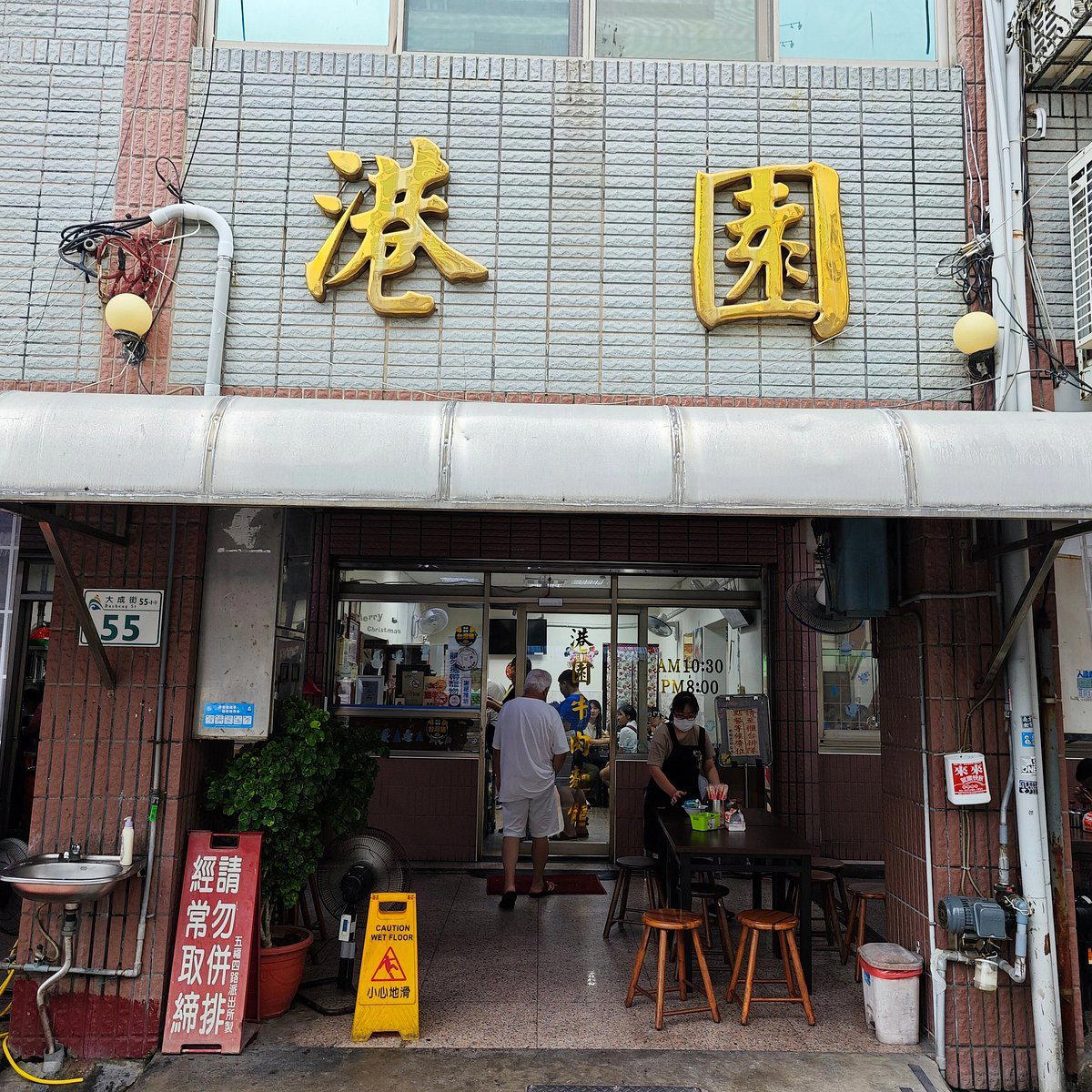
In Kaohsiung, beef noodle soup is not a category so much as a debate. Across the city, shops anchor their reputations to a single variable: the broth. Some go dark and iron-rich with soy-braised intensity; others chase a cleaner, longer-simmered clarity. Gang Yuan Beef Noodle Restaurant is a casual Kaohsiung restaurant serving Taiwanese Beef Noodle Soup at about US$5 per person. Kaohsiung's street-level dining culture rewards consistency over novelty, and the places that survive multiple decades in this city tend to do so because the bowl does not change when no one is watching.
The Progression from First Sip to Final Slick of Oil
Taiwanese beef noodle, when it is working properly, follows an implicit tasting arc. It begins with broth, which should announce its intention clearly within the first few seconds: weight, salinity, the question of whether chilli doubanjiang is present or held back. The noodles arrive at a specific textural register that the cook has decided on in advance, somewhere between snap and yield. The beef itself, whether tendon-laced or pure shank, lands last in the attention, not because it is secondary but because the fat needs time to finish melting into the surrounding liquid. The bowl you lift at Gang Yuan is built inside that logic. Each component speaks to the one before it rather than competing for attention.
This sequencing is what separates a considered bowl from a functional one, and it is why the leading beef noodle shops in Taiwan operate closer to a tasting format than their price and setting might suggest. Gang Yuan delivers it implicitly, inside a single bowl, for a fraction of the price.
Kaohsiung's Beef Noodle Position
Taiwan's beef noodle tradition is most loudly claimed by Taipei, which runs an annual festival and has a cluster of well-publicised shops drawing international food press. But Kaohsiung, Taiwan's second city and its largest port, has long maintained its own lineage of the dish, shaped partly by its southern climate, its industrial working-class roots, and a proximity to the kind of cattle culture that the north historically lacked. Southern interpretations tend to run slightly lighter on the spice profile, with more emphasis on the natural sweetness of long-simmered bone and a cleaner finish on the palate.
In that city context, Gang Yuan sits within a mid-range tier of beef noodle specialists, above the purely functional lunch counter and below the few shops that have attracted national media attention or been listed by food guides. That positioning is not a criticism. It is the tier where honest cooking tends to happen, where the price point enforces discipline and the audience knows exactly what it is assessing.
For visitors already oriented around Kaohsiung's broader restaurant scene, the contrast is clarifying. A meal at Sho (Japanese) or Anchovy (European Contemporary) operates at the $$$ to $$$$ tier with paced multi-course formats. Gang Yuan runs at street-dining pace: no preamble, no amuse, no interlude. The bowl arrives and the clock starts. That compression is its own kind of discipline.
Taiwan's Beef Noodle Tradition in Broader Context
The dish itself has a post-1949 origin story. It arrived in Taiwan with the mainlander military diaspora, adapted from Sichuan and Hunan variants and then thoroughly Taiwanized over the following decades. By the 1980s and 1990s, beef noodle had become a national dish in the way that is difficult to manufacture and impossible to rush: through repetition, argument, and iteration across thousands of small shops. Today, the dish is studied by chefs well beyond Taiwan. JL Studio in Taichung and logy in Taipei both operate at the fine-dining tier where Taiwanese culinary reference, including the broth traditions that beef noodle represents, gets reinterpreted at considerable cost and with considerable critical attention. Gang Yuan operates at the origin point of that tradition, not the reinterpretation.
Across Taiwan, other bowl-format institutions worth tracking include A Xia in Tainan for seafood-led Taiwanese cooking and Chenggong Douhua in Chenggong for the dessert-adjacent end of the street-food register. Within Kaohsiung itself, A Fung's Harmony Cuisine (Taiwanese) covers the broader Taiwanese comfort-food category if you are building a full day of eating around local references.
Planning a Visit
Gang Yuan is walk-in friendly and open Mon, Wed through Sun from 10:30 AM to 8 PM; it is closed Tuesday. Arriving during the opening hour of either service is a reliable way to find the full range of cuts available.
Comparisons elsewhere in Taiwan's noodle shop category include a notable shop in Hsinchu City, a long-running address in Taichung City, and a well-regarded counter in Sanchong District. Each operates in the same discipline of broth-forward, single-dish focus that defines the category at its most serious. The Hengshan entry in this noodle tier rounds out the regional map.
Recognition, Side-by-Side
Comparable venues nearby, for context on price, style, and recognition.
| Venue | Cuisine | Price | Notes |
|---|---|---|---|
| Gang Yuan Beef Noodle RestaurantThis venue — the venue you are viewing | Taiwanese Beef Noodle Soup | $ | Not listed |
| 鴨肉珍 | Traditional Taiwanese Duck Rice | $ | Yancheng District |
| 港園牛肉麵 | Taiwanese Beef Noodles | $$ | Yancheng |
| 前金肉燥飯 | Taiwanese | Not listed | Kaohsiung |
| 台南旺海鮮料理餐廳 | Seafood Hot Pot | Not listed | Kaohsiung |
| 三餐暖食-中興店 | Traditional Taiwanese Home Cooking | $$ | Kaohsiung |
Continue exploring
More in Kaohsiung
Restaurants in Kaohsiung
Browse all →
Bars in Kaohsiung
Browse all →
At a Glance
- Classic
- Cozy
- Casual Hangout
Current opening hours
- Monday
- 10:30 AM–8 PM
- Tuesday
- Closed
- Wednesday
- 10:30 AM–8 PM
- Thursday
- 10:30 AM–8 PM
- Friday
- 10:30 AM–8 PM
- Saturday
- 10:30 AM–8 PM
- Sunday
- 10:30 AM–8 PM
Hours can change for holidays and private events. Last verified .
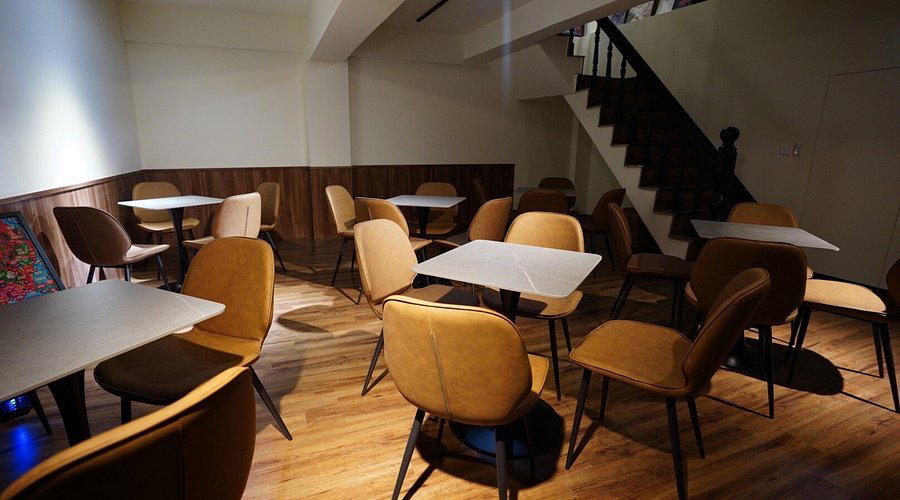
Clean, air-conditioned interior with busy, no-frills atmosphere typical of a popular local noodle shop.