三餐暖食-中興店 serves Traditional Taiwanese Home Cooking on Zhongxing Street, with steamed dumplings, braised pork rice, and stir-fried vegetables for lunch or dinner.
Pearl is the En Primeur Club membership app — saves, bookings, and concierge access live there. Same editors, same standards.
- Address
- No. 167號, Zhongxing St, Lingya District, Kaohsiung City, Taiwan 802032
- Phone
- +88673346263
- Website
- 0983566235.weebly.com
- Directions
- Get directions
 Saves & bookings on Pearl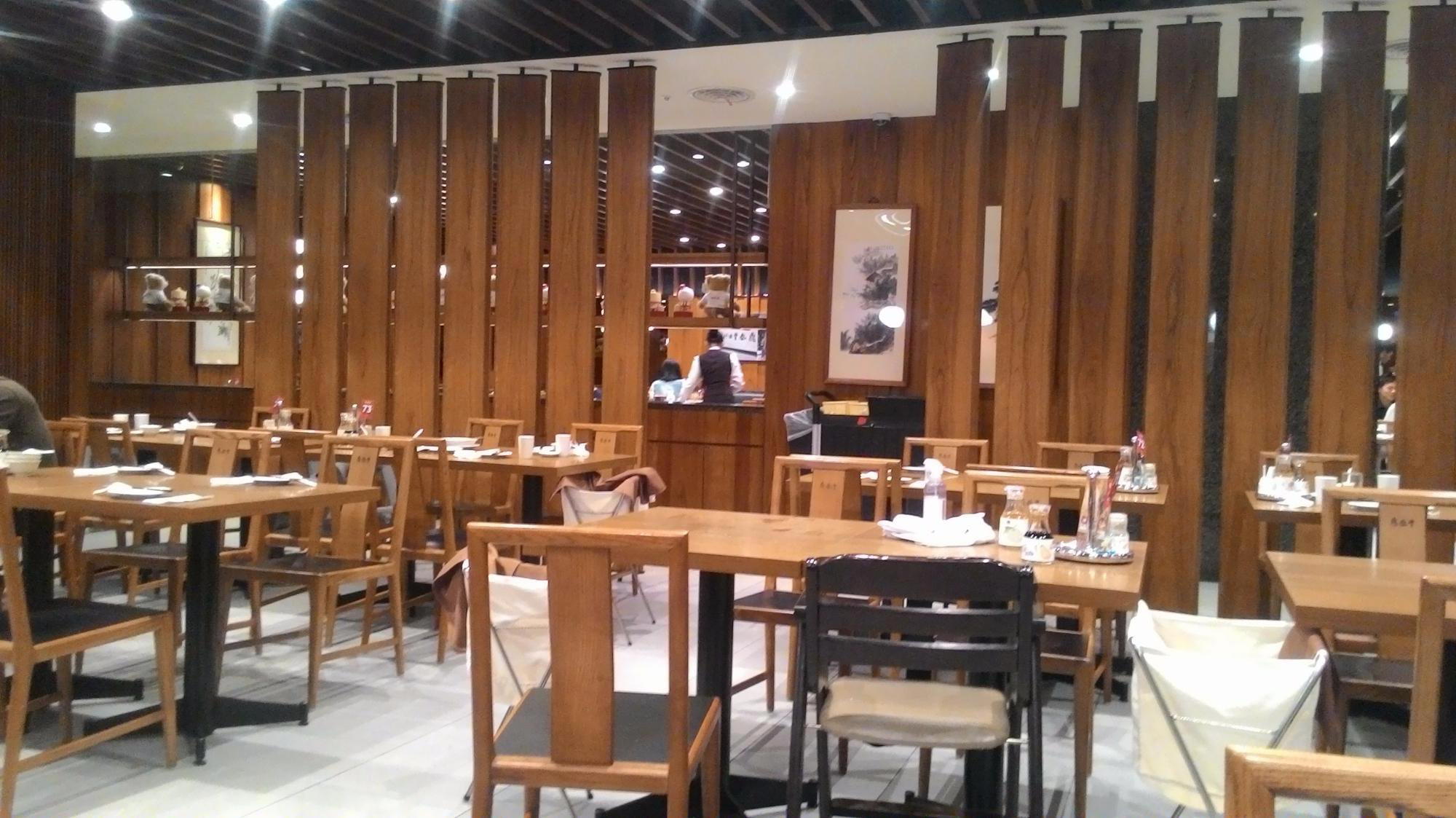
Lingya District and the Grammar of the Neighborhood Lunch Counter
Zhongxing Street in Lingya District runs through one of Kaohsiung's more settled residential and commercial corridors, the kind of block where working professionals share pavement with elderly residents doing morning rounds and delivery scooters cut between parked cars at all hours. In this context, a lunch-format restaurant at No. 167 is not an anomaly but a continuation of a civic dining tradition that southern Taiwan has maintained more faithfully than the north. The premise is direct: a fixed address, a menu that communicates daily priorities rather than permanent aspirations. That format carries its own editorial argument about how cooking should relate to a neighborhood.
Kaohsiung's mid-range dining scene has diverged sharply over the past decade. On one side, a cluster of destination restaurants has emerged, targeting reservation-culture dining with structured menus and credentials aimed at regional press. GEN (Cantonese) and Sho (Japanese) operate in the upper price tier, while Haili (Modern Cuisine) sits at a slightly more accessible price point with comparable formality. On the other side, neighborhood-anchored spots persist in Lingya, Sanmin, and Zuoying without repositioning themselves for the destination crowd. 丹餐美食-中興店 occupies that second category, where the frame of reference is the regular customer at noon rather than the visiting critic on a Tuesday evening.
How the Menu Structures the Experience
In Taiwanese lunch-counter culture, menu architecture is rarely accidental. What appears on a handwritten board or laminated sheet represents a set of decisions about sourcing frequency, kitchen throughput, and the likely appetite profile of a lunchtime crowd. The offering at a restaurant like this one reflects the logic of rotation rather than permanence: certain proteins anchor every service while vegetable and preparation choices shift with market availability and season. This is not a constraint but a method, one that keeps the kitchen responsive and keeps repeat customers engaged across visits.
The contrast with tasting-menu formats operating elsewhere in Kaohsiung is instructive. Where Anchovy (European Contemporary) builds a menu that functions as a single authored argument from first course to last, and where A Fung's Harmony Cuisine (Taiwanese) structures around Taiwanese heritage as a sustained editorial position, the neighborhood lunch format operates on an entirely different principle: modularity. A diner selects from available components, building a personal configuration rather than receiving a chef's predetermined sequence. That modularity is itself a form of menu architecture, and in many ways a more demanding one to execute consistently than a fixed progression.
This model has parallels elsewhere in Taiwan. At the street-food and casual-dining level, venues like A Xia in Tainan show how southern Taiwanese cooking anchors daily ritual eating, while destinations like JL Studio in Taichung and logy in Taipei represent how Taiwanese ingredients get reframed for international fine-dining audiences. The lunch counter sits structurally between those poles: more considered than pure street food, more rooted than a tasting menu. Understanding that middle tier is essential to reading Kaohsiung's dining ecology as a whole.
Lingya as a Dining District
Lingya District is not the neighborhood that draws food-press attention in Kaohsiung, a role that currently falls to pockets near the Pier-2 Art Center or the redeveloped waterfront zones. That relative low profile works in the district's favor for daily-use dining. Rent structures on streets like Zhongxing support the kind of operation that delivers value at lunch price points without the overhead compression that forces either quality cuts or price increases. The commercial fabric is dense enough to sustain consistent foot traffic without depending on tourism or event programming.
Across Taiwan, this pattern holds in several cities. In Hsinchu, 廚壁餐館輕食 occupies a comparable position in its local commercial fabric. In Taichung, 東方龍夫妻私房菜 anchors a residential block with a similarly embedded format. In the greater Taipei area, 底家台式鹵蛋飯 in Sanchong and GARDENh in Yonghe District demonstrate the range of approaches that residential-district dining takes in northern Taiwan. The comparison underscores how differently each city calibrates the relationship between a neighborhood and its food infrastructure.
Practical Details for Visiting
The address at No. 167, Zhongxing Street, Lingya District, Kaohsiung places the restaurant on a street that is easy to reach by local transit. For visitors unfamiliar with the neighborhood, the street-level commercial character of Zhongxing makes orientation more manageable. The restaurant is walk-in friendly and priced at about US$8 per person, making it a direct lunch stop for weekday visits.
Where 丹餐美食-中興店 Sits in a Wider Regional Read
For readers cross-referencing Taiwanese dining at different scales, the contrast with venues outside Taiwan provides useful calibration. The precision-driven tasting-menu logic of Le Bernardin in New York City or the tightly curated progression at Atomix in New York City represents one extreme of menu architecture: every element fixed, sequenced, and authored. The Taiwanese neighborhood lunch counter represents the other: flexible, reconfigurable, and priced for daily repetition. Neither is inherently superior as a dining format; they answer different questions about what a meal is for. Closer to home in Taiwan, venues like Volcanic Rock in Zhubei City, Chenggong Douhua in Chenggong, and 麵粉食在 in Hengshan each show how the everyday-eating tier distributes across the island's smaller cities and towns.
Within Kaohsiung, 丹餐美食-中興店's value is leading read in that context: a fixture of neighborhood-scale dining in a district that keeps its food infrastructure close to its residential and working population, operating in a format that has sustained itself precisely because it answers a daily need without overclaiming.
Awards and Standing
Comparable venues nearby, for context on price, style, and recognition.
| Venue | Cuisine | Price | Notes |
|---|---|---|---|
| 三餐暖食-中興店This venue — the venue you are viewing | Traditional Taiwanese Home Cooking | $$ | Not listed |
| 前金肉燥飯 | Taiwanese | Not listed | Kaohsiung |
| è²³å¥é£å | Taiwanese Street Food | $$ | Cianjhen District |
| 台南旺海鮮料理餐廳 | Seafood Hot Pot | Not listed | Kaohsiung |
| 侯記鴨肉飯 | Taiwanese | Not listed | Kaohsiung |
| æ©ä»é é»å®¶èç¥é£¯ç¸½åº | Traditional Taiwanese | $$$ | Kaohsiung |
Continue exploring
More in Kaohsiung
Restaurants in Kaohsiung
Browse all →
Bars in Kaohsiung
Browse all →
At a Glance
- Casual
- Lively
- Cozy
- Casual Hangout
- Family
- Group Dining
- Standalone
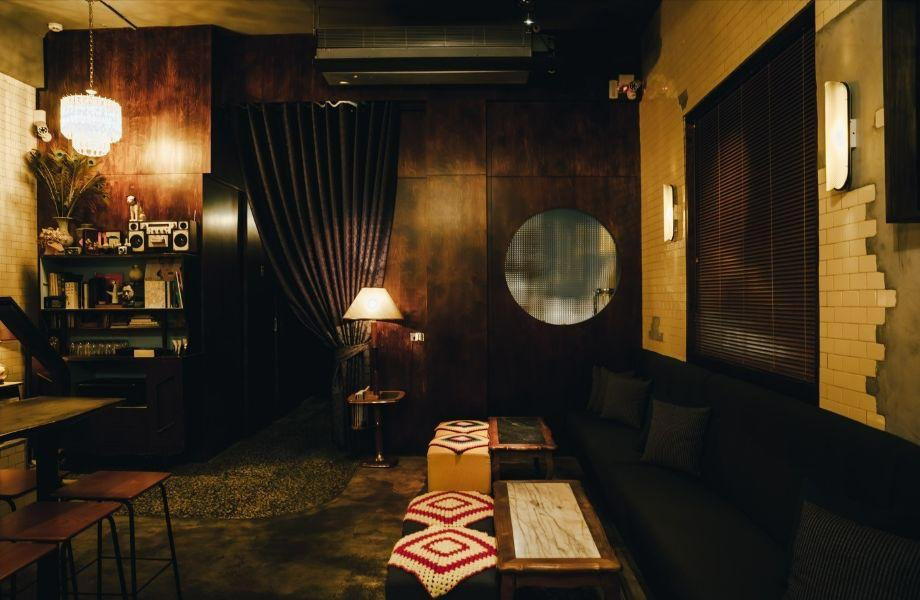
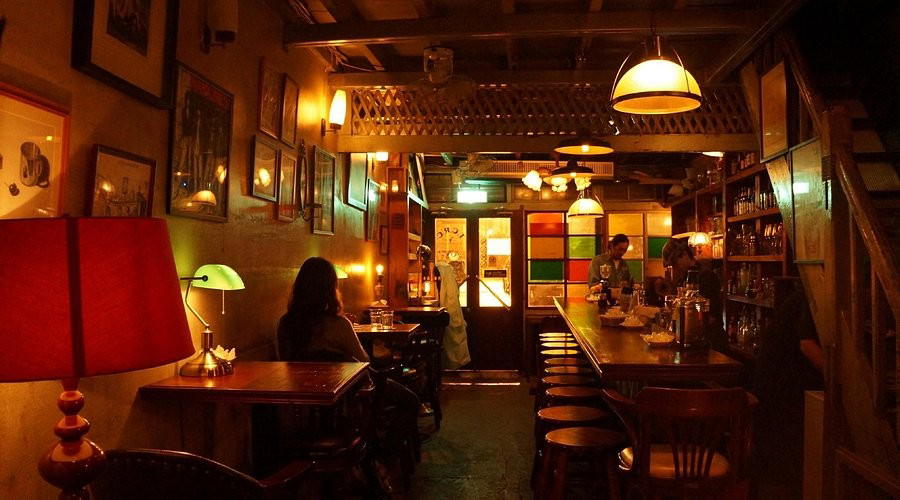
Warm and inviting with simple, unpretentious decor reflecting a traditional Taiwanese eatery; bright lighting and bustling atmosphere typical of local dining establishments.