
Fujian Restaurant in Beijing's Chaoyang district holds consecutive Michelin Plate recognition for 2024 and 2025, bringing the seafood-led cooking tradition of China's southeastern coast to a city more accustomed to Shandong and Cantonese influence. The kitchen draws on min cai's emphasis on long-simmered broths, fresh coastal ingredients, and a tea culture that runs through both the cuisine and the table experience.
Pearl is the En Primeur Club membership app — saves, bookings, and concierge access live there. Same editors, same standards.
- Address
- China, Bei Jing Shi, Chao Yang Qu, Xiao Wu Ji Lu, 十八里店 邮政编码: 100122
- Phone
- +86 10 6747 9898
- Directions
- Get directions
 Saves & bookings on Pearl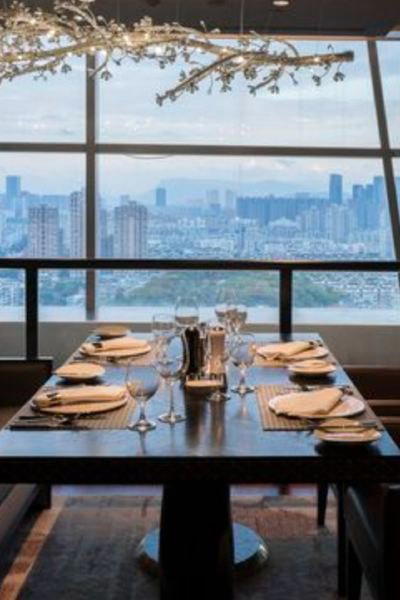
Fujian Cooking in the Capital
Beijing's fine-dining map has long tilted toward northern traditions: the roasted meats and wheat-based staples of imperial Beijing cuisine, the coastal refinement of Shandong, and a growing tier of Cantonese houses that treat the capital as a northern outpost. Against that backdrop, Fujian cuisine occupies a distinct and underrepresented position. Min cai, as the tradition is formally known, carries the flavors of China's southeastern coast, a province of mountainous interior, long coastline, and one of the country's most developed tea cultures. Restaurants bringing that tradition to Beijing operate in a genuine niche, where the audience tends to arrive with specific knowledge rather than casual curiosity.
Fujian Restaurant, located in the Xiaowuji area of Chaoyang district, serves Authentic Fujian Cuisine at a ¥¥ price point. The Plate designation sits below Michelin Star level but represents formal acknowledgment of cooking that meets Michelin's quality threshold, a meaningful marker in a city where the Guide's Beijing selection is notably selective. At the ¥¥ price tier, it sits below the four-symbol bracket occupied by starred regional Chinese houses like Xin Rong Ji (Xinyuan South Road) and Chao Shang Chao (Chaoyang), making it a more accessible entry point into serious regional Chinese cooking without the premium attached to those multi-star addresses.
What Min Cai Actually Tastes Like
Fujian cooking is frequently misread as simply a lighter version of Cantonese. The reality is more particular. Where Cantonese technique prizes clarity through speed, fast wok work, precise steaming, Fujian kitchens lean into patience. Slow-braised red yeast rice preparations, long-simmered bone broths, and dishes built around Buddhist and coastal ingredient traditions give the cuisine its character. Umami arrives through fermented ingredients and dried seafood rather than through soy-heavy seasoning, and the flavor profile trends toward a subtle sweetness that distinguishes it from the salt-forward cooking of northern China.
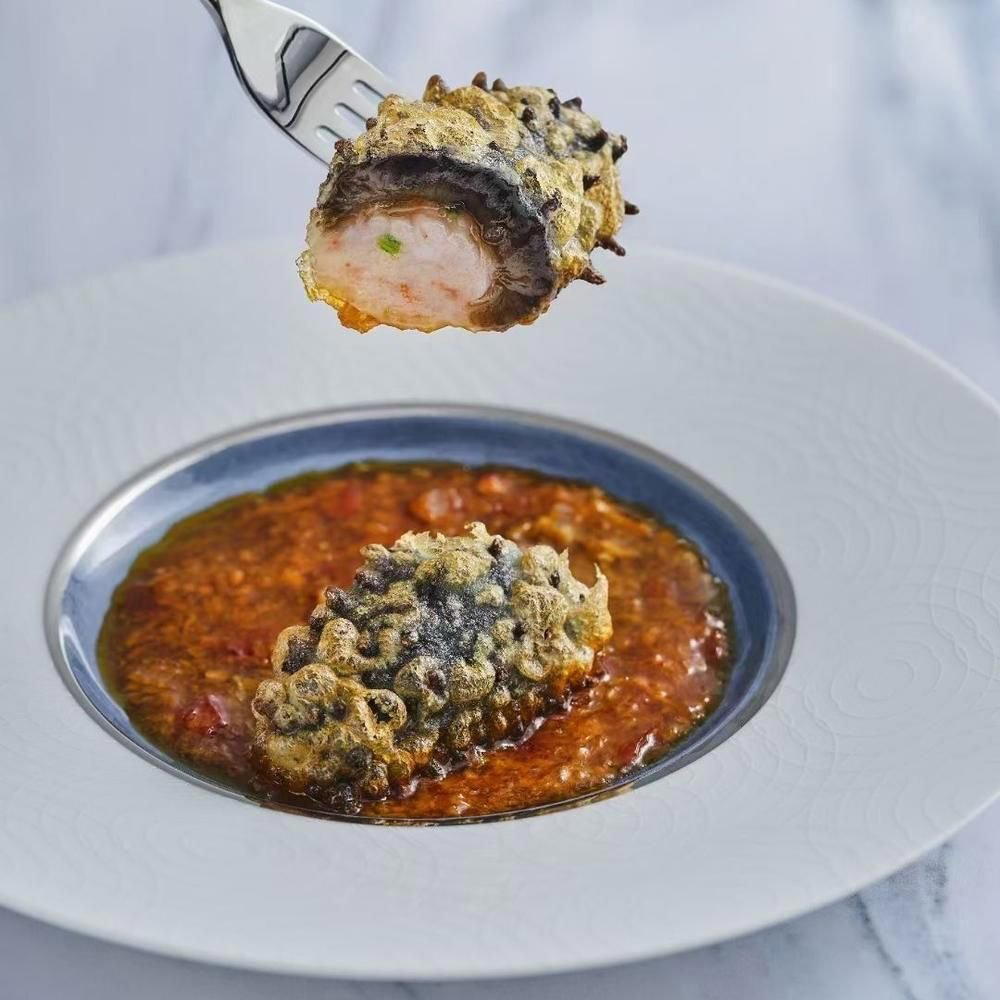
The province's seafood is central to its culinary identity: abalone, sea cucumber, crab, and a variety of river fish appear across regional banquet formats in ways that require both sourcing precision and technical control. Beijing's distance from Fujian's coast makes ingredient quality a genuine logistical consideration for any kitchen attempting to do the cuisine properly, which is part of why serious Fujian cooking in the capital commands attention when it arrives. For a broader view of how other kitchens handle this tradition, Hokklo in Xiamen and Hokkien Cuisine in Chengdu offer useful regional contrasts, while Fujian Cuisine on Dongsanhuan North Road provides a direct Beijing-based comparison.
Tea as the Through Line
Fujian is not merely a food province, it is China's most important tea province. Wuyi Rock oolongs (yan cha), Tieguanyin, and white teas from Fuding and Zhenghe all originate here, and tea culture is woven into the rhythm of Fujian daily life in a way that has no direct parallel elsewhere in China. For a Fujian kitchen operating with any seriousness, tea is not a beverage afterthought served at the end of a meal. It functions as a parallel track to the food, shaping how dishes are sequenced, how the palate resets between courses, and how the meal's pacing is understood.
The pairing logic in Fujian tradition maps intuitively to the cuisine's flavor profile. A Wuyi Rock oolong, with its mineral roast and dark fruit character, holds against the richness of slow-braised preparations and red yeast dishes. Lighter Tieguanyin or green oolongs work alongside steamed seafood and broths, where a heavy tea would overwhelm rather than complement. White teas, which carry the restrained tannin structure of any Fujian variety, function as a palate cleanser in the way a skilled sommelier might deploy an intermezzo wine. A restaurant engaging seriously with this tradition gives the tea programme the same structural attention as the food menu, not a list of teas available on request, but an active part of the meal's architecture.
This dimension of Fujian dining is what separates a strong regional Chinese restaurant from one that is merely competent. Other Chinese regional traditions represented in Beijing, Taizhou at Xin Rong Ji, Chaozhou at Chao Shang Chao, or the vegetarian lineage at Lamdre, each have their own relationship with tea, but none carry the same depth of origin that Fujian does. When a kitchen from that province treats tea as integral rather than incidental, the meal operates on a different register.
Placing It in Chaoyang
The Xiaowuji corridor in eastern Chaoyang sits at some remove from the high-visibility dining clusters around Sanlitun and the CBD. This part of the district functions more as a residential and mid-commercial zone, which means restaurants here tend to draw a local and repeat-visitor clientele rather than passing hotel or tourist traffic. That dynamic shapes the experience: service patterns and menu assumptions tend to be calibrated for guests who arrive knowing what they want, rather than for those being introduced to the cuisine for the first time.
For context on the broader Beijing dining environment, regional Chinese houses at ¥¥¥ tend to occupy a middle tier where the cooking is serious but the format is less ceremonious than starred addresses. Jingji, operating in Beijing cuisine at ¥¥¥¥ with two Michelin Stars, illustrates what the starred tier looks like in terms of price escalation. Fujian Restaurant's Michelin Plate standing, maintained consecutively, places it in a recognized quality bracket while remaining structurally more approachable.
Across China, the cities that handle Fujian cooking with the greatest depth are unsurprisingly those with direct geographic or cultural ties to the province. 102 House in Shanghai, Ru Yuan in Hangzhou, and Chef Tam's Seasons in Macau each represent different registers of southern Chinese culinary seriousness, useful reference points for understanding where Fujian cooking fits in the broader national picture. Closer to the source, Imperial Treasure Fine Chinese Cuisine in Guangzhou and Dai Yuet Heen in Nanjing show how different cities approach Chinese regional fine dining at a comparable tier.
Planning a Visit
The restaurant sits in Chaoyang's Xiaowuji area, with the address in the 十八里店 subdistrict of eastern Beijing. Given its location away from the main tourist and expat corridors, arrival by car or taxi is more practical than relying on metro connections to the central CBD stations. Booking in advance is advisable for any visit, particularly on weekends, when regional Chinese restaurants at this quality level in Beijing tend to fill quickly with local family groups and business diners. The ¥¥¥ price point positions the meal in a range comparable to mid-to-upper-tier restaurant spending across the capital's serious dining scene.
Credentials Lens
Comparable venues nearby, for context on price, style, and recognition.
| Venue | Cuisine | Price | Awards | Notes |
|---|---|---|---|---|
| Fujian RestaurantThis venue — the venue you are viewing | Authentic Fujian Cuisine | $$ | Michelin Plate | Not listed |
| Hong 0871 | Refined Yunnan Cuisine | $$$ | Michelin Plate | Beixinqiao |
| La Roba | Yunnanese | $$$ | Michelin Plate | Dongshenglu |
| Rong Cuisine (Baiziwan South Er Road) | Zhejiang (Taizhou) Cuisine | $$ | Bib Gourmand | Jiulongshan |
| Qiao Dong Bei | Modern Dongbei (Northeast Chinese) | $$$ | Michelin Plate | Chaoyangmen |
| Yu De Fu (Dongzhimennei Street) | Traditional Beijing Instant-Boiled Mutton Hotpot | $$$ | Michelin Plate | Chaowai |
Recognition history
Dated appearances from independent guides and award organizations, with the underlying list record or original source where available.
Michelin Plate
Michelin
Michelin Plate
Michelin





At a Glance
- Classic
- Group Dining
- Family
- Standalone
- Local Sourcing
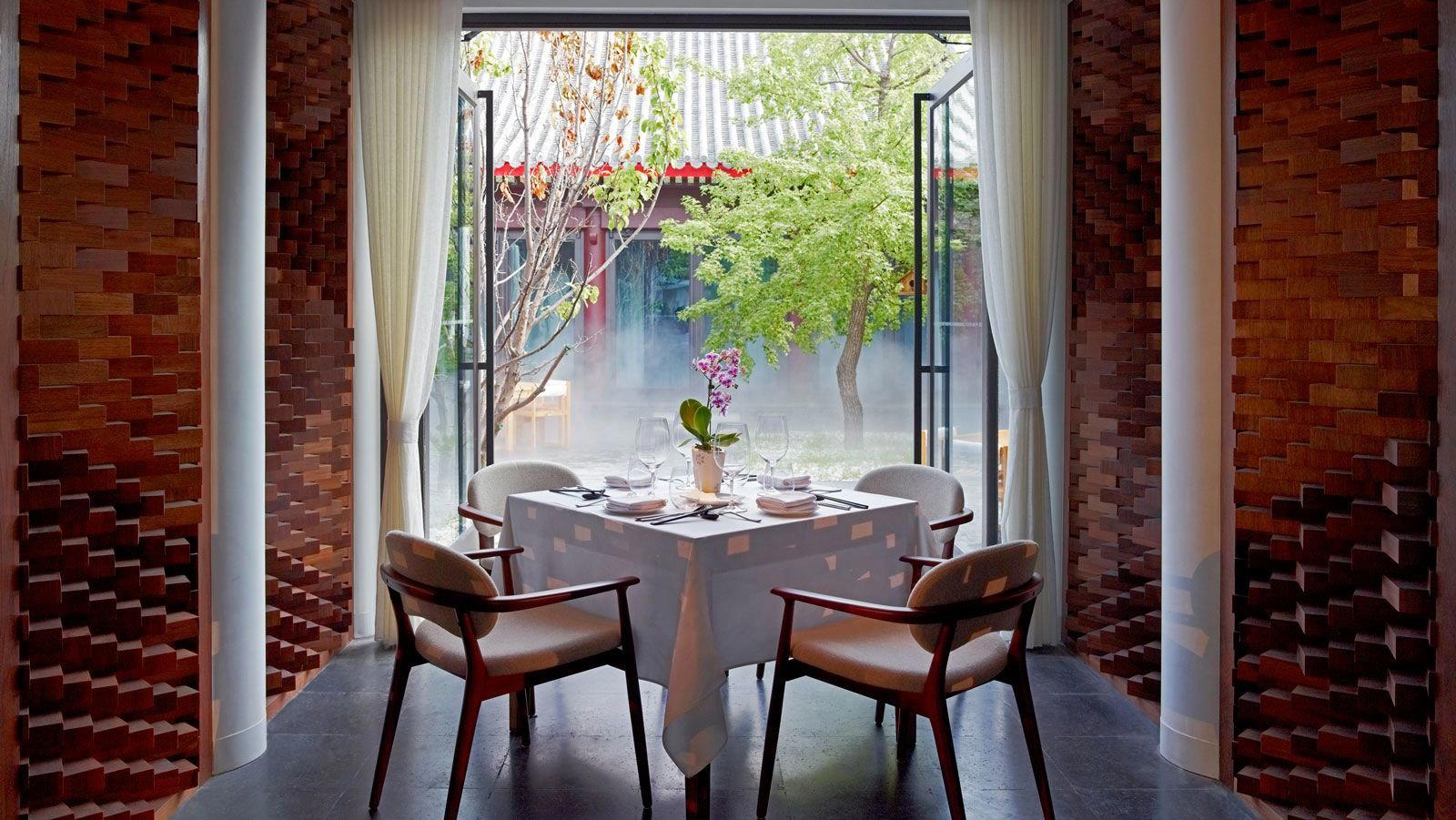
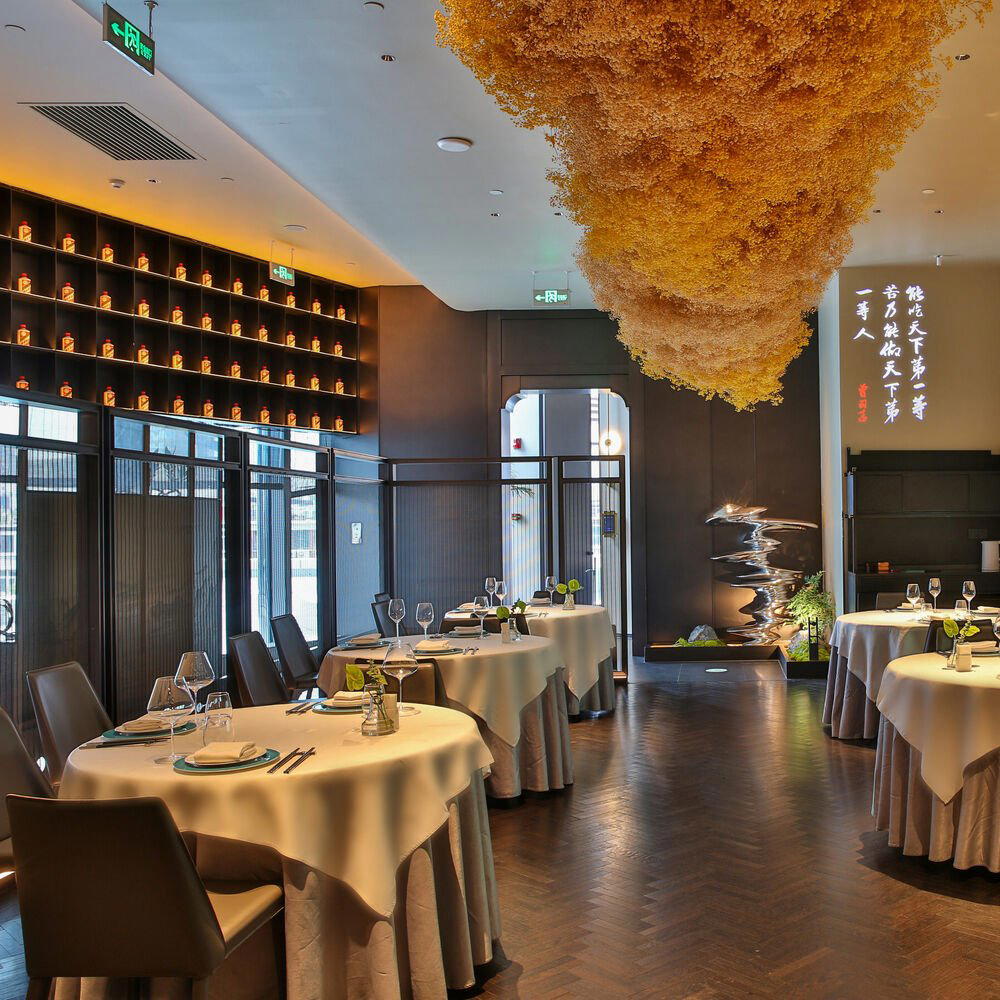
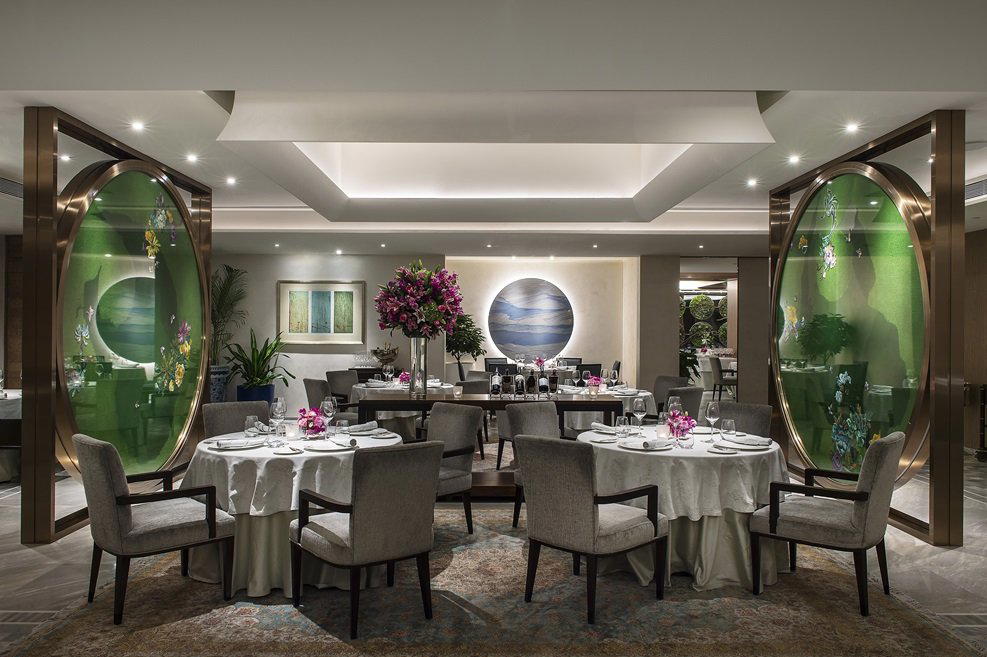
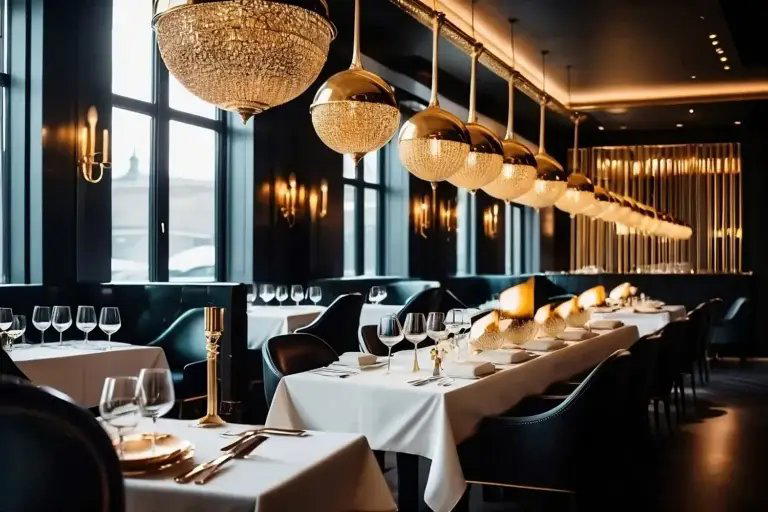
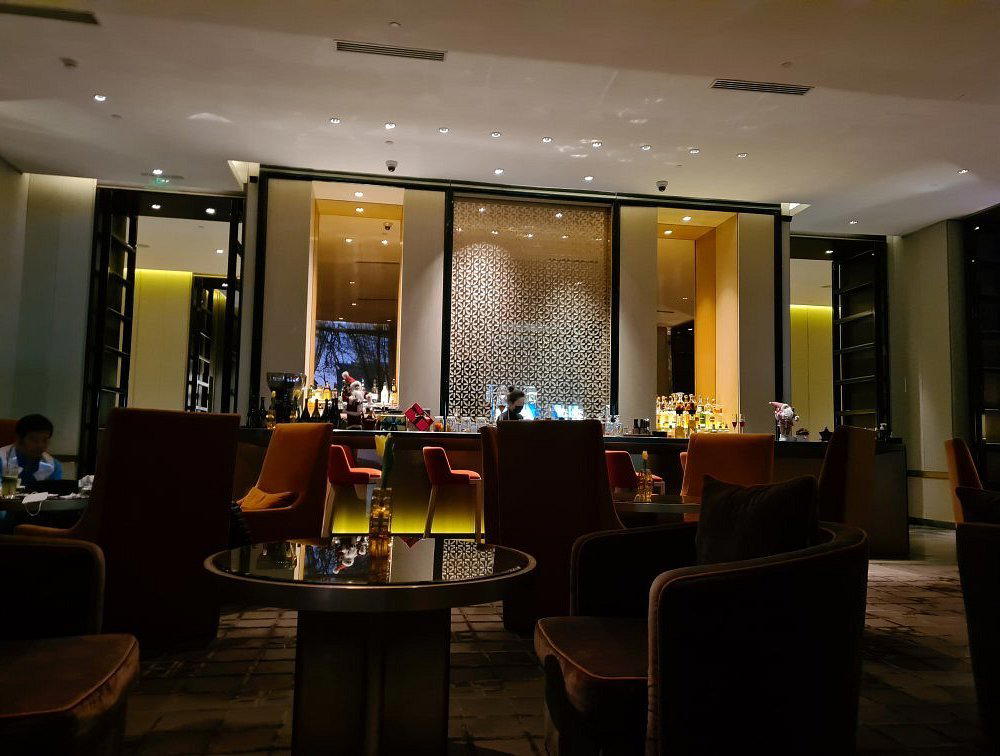
Posh with big tables, clean tablecloths, and attentive staff.