

1 Michelin Star
Our verdict
A Michelin one-star Cantonese restaurant on Nathan Road, Tsim Sha Tsui, Fu Ho holds a place in Hong Kong's mid-to-upper tier of traditional Cantonese dining. Ranked #356 on Opinionated About Dining's Top Restaurants in Asia (2025), it draws repeat visitors through a kitchen with over a decade of consistent execution, an elegant dining room, and a signature slow-braised abalone that has become a reference dish in its category.

Pearl is the En Primeur Club membership app, where members save venues, book tables and use the concierge.
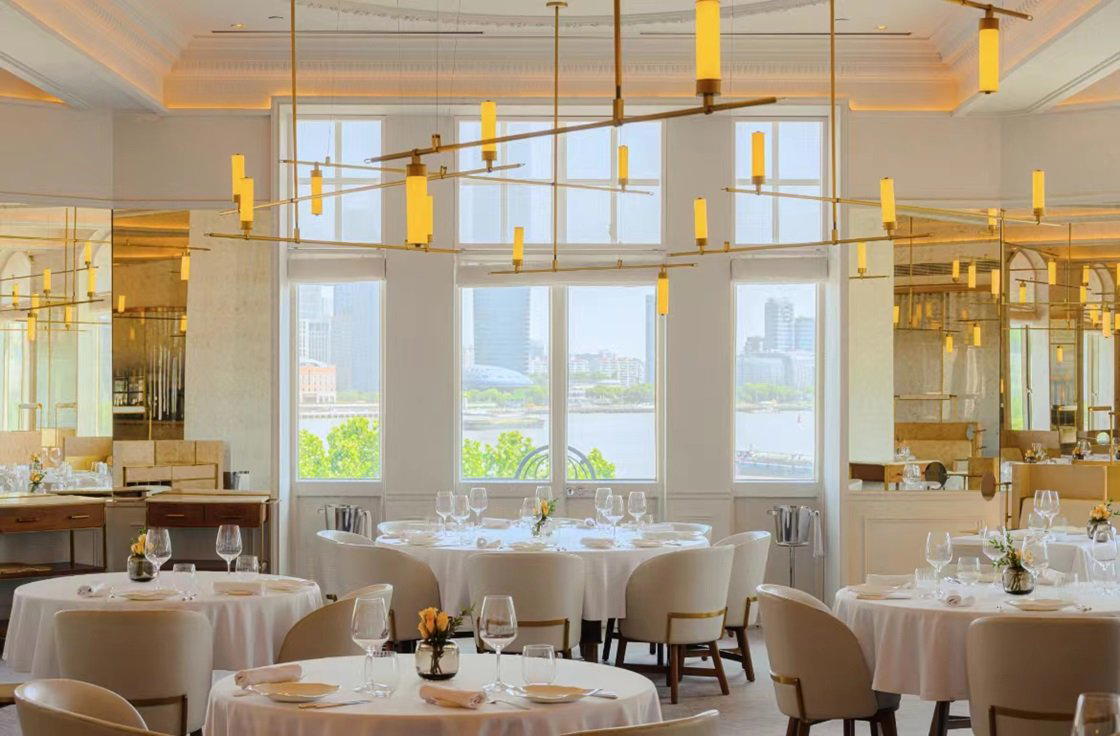
Nathan Road and the Cantonese Dining Tier It Sits In
Tsim Sha Tsui carries a reputation as the more commercially dense side of Hong Kong harbour, and Nathan Road is its spine, long, busy, layered with retail and transit energy. That context makes Fu Ho's presence on this stretch worth noting: the restaurant occupies a register that has nothing to do with the street's commercial noise. Michelin one-star Cantonese dining at this address signals something about the breadth of Hong Kong's serious restaurant culture, which does not concentrate exclusively in Central or the upper floors of harbour-view towers. The neighbourhood has its own dining depth, and Fu Ho has held its position in it for well over a decade.
In Hong Kong's Cantonese fine dining tier, the Michelin framework creates a useful peer map. At the three-star level, venues like Lung King Heen and Lai Ching Heen represent the city's highest formal register for the cuisine. One-star houses occupy a different position: still technically demanding, still award-recognised, but operating with a different price logic and often a more intimate or neighbourhood-anchored character. Fu Ho sits in this one-star bracket, priced at $$$ rather than the $$$$ of multi-star peers, which positions it as one of the more accessible entry points into verified, award-holding Cantonese cooking in the city. For comparison within the broader Cantonese category, T'ang Court and Rùn represent adjacent territory worth knowing.
The Room and What It Signals
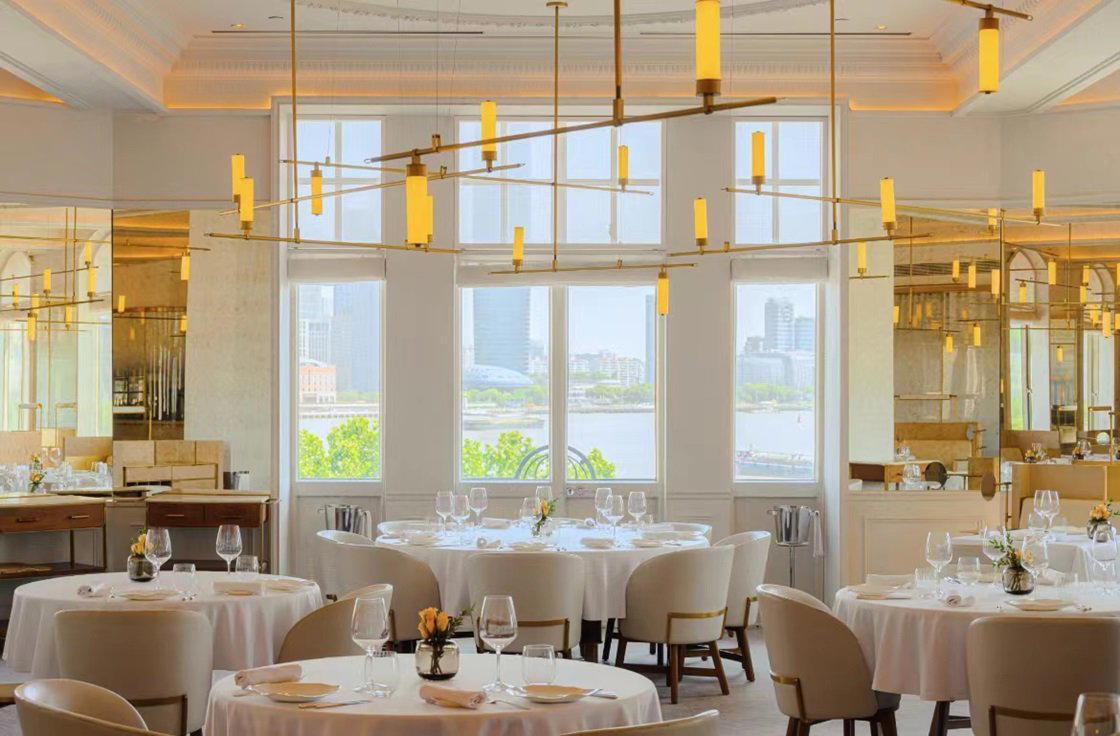
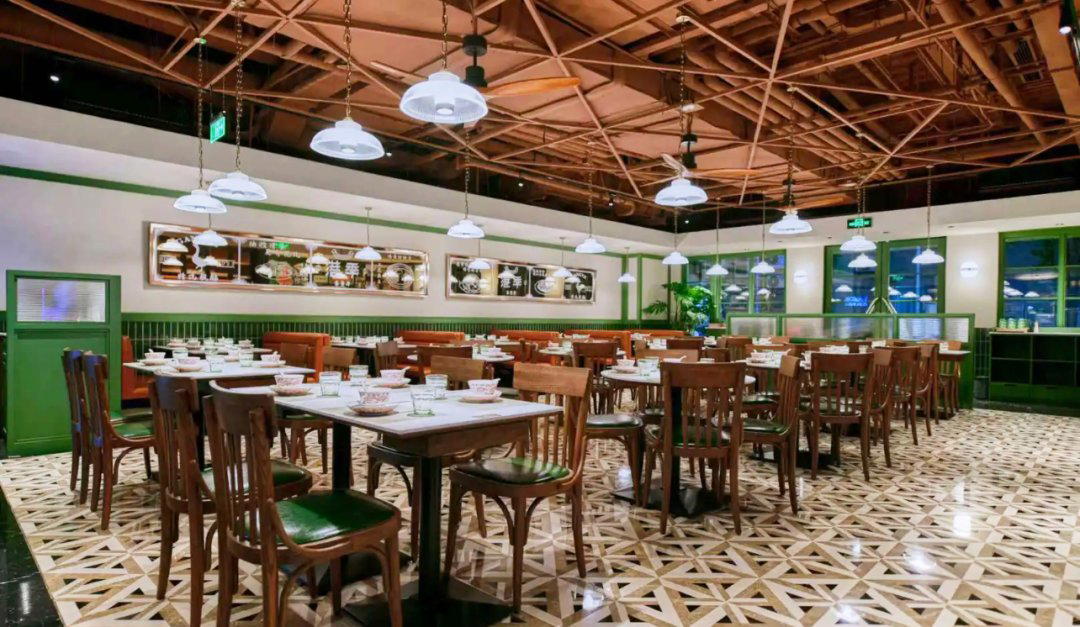
Hong Kong's older generation of Cantonese restaurants often operated in rooms that prioritised capacity over atmosphere, round tables packed tightly, noise levels functioning almost as a sign of commercial health. The shift toward calmer, more considered dining environments in traditional Cantonese cooking has been gradual but visible across the city's better houses. Fu Ho's dining room is described as elegant and relaxing, language that places it on the quieter, more composed end of that shift. For a venue on Nathan Road, that atmospheric register carries some weight. The room is not a design-led statement in the way newer hotel-based Cantonese restaurants sometimes are, but it signals a deliberate positioning: this is a place that wants its food to be the centre of attention.
That positioning connects to the kitchen's operating logic. Restaurants in this tier of Hong Kong Cantonese dining tend to compete on technique depth and on the quality of premium ingredients, abalone, garoupa, and other classically valued proteins, rather than on theatrical service formats or visual presentation as an end in itself. The room at Fu Ho supports that emphasis rather than competing with it.
The Kitchen's Reference Points
Consistency over time is a specific form of credential in Hong Kong's restaurant culture, where competition is intense and dining options shift constantly. The head chef at Fu Ho has been drawing repeat visitors for over a decade, which in this market is a meaningful signal. High repeat-visit rates in a city with this many alternatives suggest a kitchen that is doing something with sufficient precision that diners do not feel the need to look elsewhere for the same experience. That is not a common condition, and Opinionated About Dining's 2025 ranking of Fu Ho at #356 among Asia's leading restaurants reflects external recognition of that consistency.
The kitchen's approach to premium Cantonese ingredients follows traditions that have defined the cuisine's upper tier for generations. Abalone, garoupa, and the aromatic foundations of ginger, garlic, scallion, and cilantro are not novelties in this context, they are the vocabulary of serious Cantonese cooking, and the kitchen's handling of them is the measure of its standing. For diners familiar with Cantonese restaurants in Macau such as Jade Dragon or Chef Tam's Seasons, or those who have tracked the cuisine across the region at venues like Le Palais in Taipei or Summer Pavilion in Singapore, Fu Ho operates within the same classical tradition and competitive frame.
Signature Dishes as Evidence of the Kitchen's Priorities
Two dishes appear consistently in Fu Ho's public record and carry enough specificity to function as genuine signals of the kitchen's range. The first is the Ah Yung abalone, named after the owner and described as slowly braised in a house sauce for up to 20 hours. Long-braised abalone is one of the more technically demanding preparations in Cantonese cooking: the protein is unforgiving under inconsistent heat, and the sauce must develop sufficient depth without overwhelming the abalone's own character. A 20-hour braising process at this scale requires the kind of disciplined kitchen management that explains, in part, why the dish has become a reference point for the restaurant. It is not a preparation that can be rushed or improvised.
The second dish, fried hump-head garoupa served in a claypot with ginger, garlic, scallion, and cilantro, operates in a different register. Hump-head garoupa (also known as humphead wrasse or Napoleon fish) is among the most prized fish in Cantonese cooking, valued for the texture of its skin and the quality of its meat. The claypot format retains heat and concentrates the aromatics, while the frying technique is intended to produce the specific textural contrast, bouncy skin against crisp exterior, that defines well-executed Cantonese fish preparation. These are dishes that reflect a kitchen working within classical parameters and executing them at a level that warrants the Michelin recognition the restaurant carries.
Diners interested in how Cantonese kitchens across different cities interpret similar premium ingredients can use Fu Ho as a reference point, then cross-reference with venues like 102 House in Shanghai, Bao Li Xuan, Canton 8 in Shanghai, or Imperial Treasure in Guangzhou. The tradition is shared; the execution varies by kitchen.
Planning the Visit: What to Know Before You Go
Fu Ho operates a split-service structure across all seven days: lunch runs from 11 AM to 3 PM and dinner from 6 PM to 11:30 PM. The full-week availability and the relatively extended dinner window (the 11:30 PM close is later than many comparable Cantonese restaurants in the city) give more scheduling flexibility than Michelin-recognised venues that operate on reduced days or tighter sittings. That said, the combination of Michelin one-star status, a decade-plus reputation for consistency, and a single Tsim Sha Tsui address means demand is not casual. Booking ahead is the correct approach, particularly for dinner on Fridays and Saturdays, or for groups requiring specific seating configurations.
The $$$ price point places Fu Ho below the $$$$ tier occupied by Hong Kong's multi-star Cantonese houses and several of the city's leading European fine dining venues. The address at 132 Nathan Road puts the restaurant in a central Tsim Sha Tsui location with strong MTR access via the Tsim Sha Tsui station, which makes it a practical choice for visitors based across the harbour in Central or further into Kowloon.
For diners building a broader Hong Kong itinerary, our full Hong Kong restaurants guide maps the city's dining scene across all categories and price tiers. Our Hong Kong hotels guide covers accommodation across Kowloon and Hong Kong Island. The city's bar culture, covered in our Hong Kong bars guide, and broader experiences in our Hong Kong experiences guide and Hong Kong wineries guide round out the picture. For diners specifically tracking Hong Kong's range of serious Cantonese restaurants, Forum is another address in the city with deep classical credentials worth placing alongside Fu Ho in any comparison.
Frequently asked questions
at Fu Ho?
Price Lens
| Venue | Cuisine | Price | Awards | Notes |
|---|---|---|---|---|
| Fu HoThis venue (the venue you are viewing) | Traditional Cantonese | $150–200 | 1 Michelin Star | Not listed |
| 8 1/2 Otto e Mezzo Bombana (Hong Kong) | 3 Michelin-Star Italian Fine Dining | $200–300 | 3 Michelin Stars · World's 50 Best #94 | Italian |
| Ta Vie | Modern French-Japanese Fine Dining | $300–500 | 3 Michelin Stars · World's 50 Best #68 | Japanese - French, Innovative |
| Caprice | Contemporary French Fine Dining | $200–300 | 3 Michelin Stars · World's 50 Best #35 | French, French Contemporary |
| Feuille | Modern Vegetable-Forward French | $200–300 | 1 Michelin Star · World's 50 Best #93 | French Contemporary |
| Neighborhood | Modern French with Asian Influences | $50–100 | 1 Michelin Star · World's 50 Best #24 | International, European Contemporary |
Recognition history
Dated appearances from independent guides and award organizations, with the underlying list record or original source where available.
Michelin 1 Star
Michelin
Opinionated About Dining Top Restaurants in Asia Recommended
Opinionated About Dining
Full recognition history (5 entries)
Michelin 1 Star
Michelin
Opinionated About Dining Top Restaurants in Asia Ranked #356
Opinionated About Dining
Michelin 1 Star
Michelin
Continue exploring
More in Hong Kong
More from Chef Various
Browse all →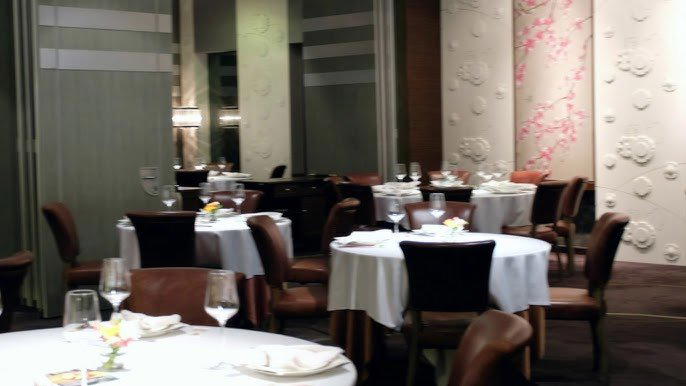
Restaurants in Hong Kong
All restaurants in Hong Kong →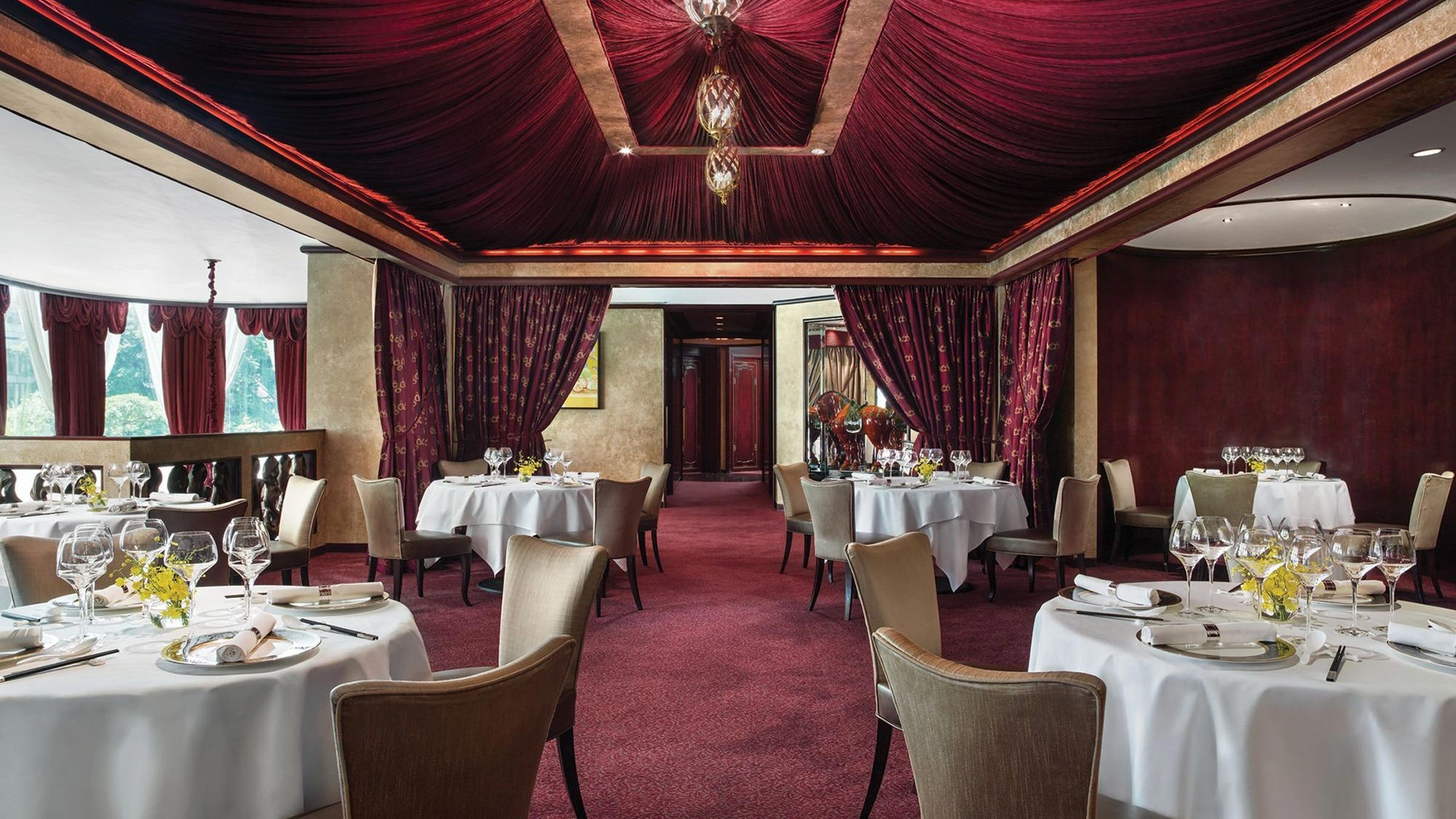
Bars in Hong Kong
All bars in Hong Kong →
Hotels in Hong Kong
All hotels in Hong Kong →
Wineries in Hong Kong
All wineries in Hong Kong →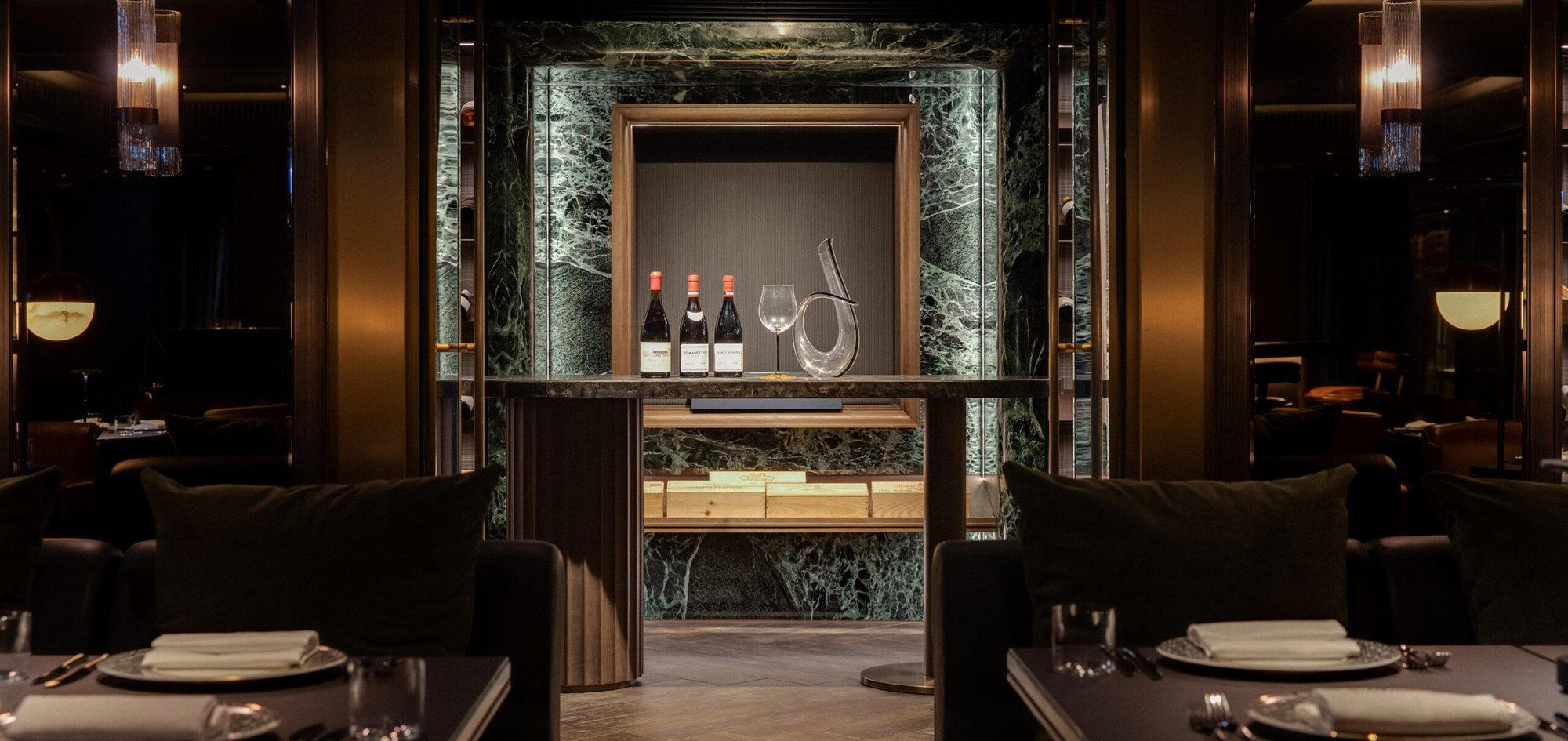
Details
- Elegant
- Sophisticated
- Cozy
- Business Dinner
- Special Occasion
- Family
- Private Dining
- A La Carte
- Set Menu
Current opening hours
- Monday
- 11 AM–3 PM, 6–11:30 PM
- Tuesday
- 11 AM–3 PM, 6–11:30 PM
- Wednesday
- 11 AM–3 PM, 6–11:30 PM
- Thursday
- 11 AM–3 PM, 6–11:30 PM
- Friday
- 11 AM–3 PM, 6–11:30 PM
- Saturday
- 11 AM–3 PM, 6–11:30 PM
- Sunday
- 11 AM–3 PM, 6–11:30 PM
Hours can change for holidays and private events. Hours as of .
Elegant and relaxing dining room with high-end decoration, spacious seating, comfortable and quiet atmosphere.