On Rue de la Monnaie, one of Lille's oldest commercial streets, La Cour de la Ch'tite Brigitte occupies the estaminet format that defines the city's dining identity, convivial, rooted in northern French tradition, and deliberately unhurried. For visitors trying to understand what Lille actually eats and drinks when it isn't performing for tourists, this address delivers that answer with direct conviction.
Pearl is the En Primeur Club membership app — saves, bookings, and concierge access live there. Same editors, same standards.
- Address
- 61 Rue de la Monnaie, 59800 Lille, France
- Phone
- +33345168047
- Website
- courdelachtitebrigitte.com
- Directions
- Get directions
 Saves & bookings on Pearl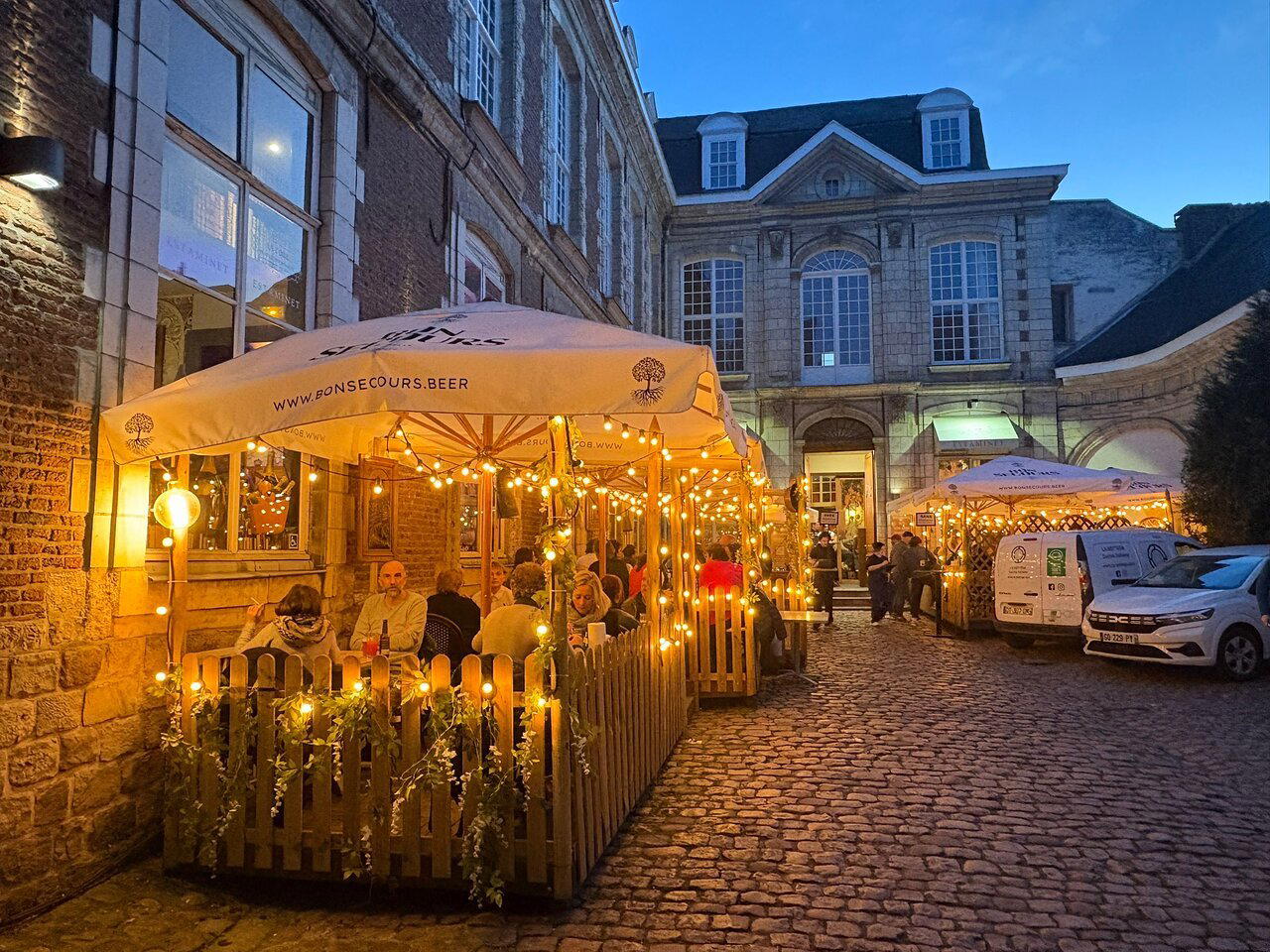
The Estaminet as Lille's Native Dining Form
Across France, regional dining cultures tend to produce one format so particular to their geography that it resists easy export. In Alsace, that format is the winstub. In Lyon, the bouchon. In Lille and the broader Nord-Pas-de-Calais, it is the estaminet: a category of convivial, often family-run tavern where the food is secondary to neither the beer nor the company, and where the atmosphere is the architecture of the experience. La Cour de la Ch'tite Brigitte, a Northern French Estaminet in Lille, operates squarely within this tradition. The name itself signals where you are, 'ch'tite' is the Northern French dialect diminutive, a word that wouldn't appear on a menu in Paris or Bordeaux.
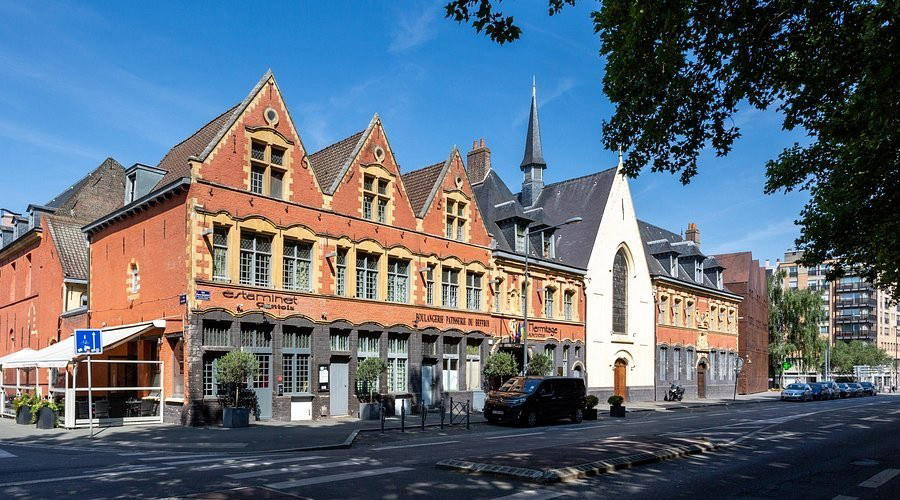
Rue de la Monnaie sits in the heart of Vieux-Lille, the pedestrianised old quarter where the city's Flemish-influenced townhouses frame streets that run between the Grand'Place and the quieter residential blocks to the north. Walking toward the address from the Place du Général de Gaulle, the neighbourhood shifts from the commercial bustle of the main square into something more intimate: narrower pavements, window boxes, the occasional smell of hops from a neighbouring café. The estaminet sits within that texture rather than apart from it.
What the Format Demands and Delivers
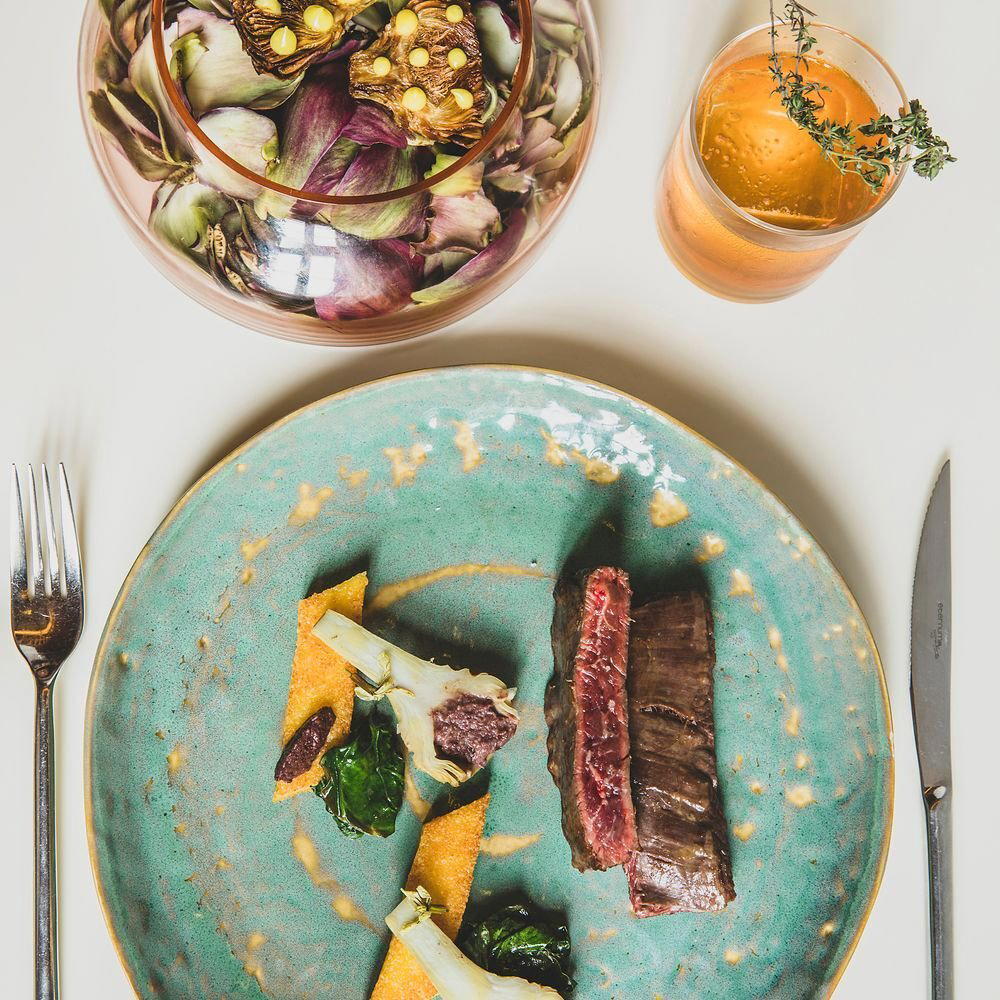
The estaminet as a category has specific expectations built in. The drink comes first, and in the Nord, that means Belgian-influenced ales, regional beers, and often a short list of genièvre (juniper-based spirits traditional to Flanders). The food follows the logic of northern French cuisine: carbonnade flamande, welsh (a melted cheese and ale preparation that appears across Lille menus), potjevleesch (the cold layered terrine of mixed meats set in jelly), and flamiche aux maroilles, the pungent cheese tart that functions almost as a calling card for the region.
For those arriving from a visit to a Michelin-registered address like Ginko or the contemporary-driven room at La Table at Hôtel Clarance, the estaminet operates on an entirely different register. Where those addresses build menus around precision and ingredient curation, La Cour de la Ch'tite Brigitte draws authority from adherence to form. That is not a lower ambition, it is a different one, closer in spirit to what Au Vieux de la Vieille on Rue de la Grande Chaussée has maintained for decades as one of the neighbourhood's reference points for this style of dining.
Beer, Genièvre, and the Question of Curation
The editorial angle most often applied to premium dining rooms is the wine list. In an estaminet, the equivalent conversation is the beer and spirits selection. Northern France's proximity to Belgium, Lille sits roughly 35 kilometres from the border, means that the beer traditions of Wallonia and Flanders bleed across the frontier without ceremony. Trappist ales, saisons, lambics, and farmhouse styles all circulate naturally on both sides. An estaminet with genuine commitment to this tradition will hold several of these alongside the regional French labels, and a short genièvre selection that reflects the distilling heritage of Haut-de-France.
This is the terrain where La Cour de la Ch'tite Brigitte can distinguish itself from more tourist-facing addresses. The estaminet format, at its most considered, is not simply nostalgic staging, it is an argument that the beer and spirits traditions of northern France deserve the same attentive handling that wine receives in the Loire or Burgundy. Whether that argument is made through the depth of the beer list or the quality of the genièvre poured is a matter of the house's own standard; both are levers available to an address working within this tradition. Visitors who approach the drinks selection with the same attention they would bring to a wine list in a gastronomic room will find more to examine than the format initially suggests.
Lille's Dining Scene and Where the Estaminet Fits
Lille's restaurant culture has evolved considerably in the past decade. The city now holds addresses that compete at a national level, Pureté and Au Soyeux represent the kind of refined, ingredient-led cooking that positions Lille alongside the destinations that anchor France's institutional dining circuit, from Flocons de Sel in Megève to Mirazur in Menton, Alléno Paris au Pavillon Ledoyen, and the long-running institutions like Auberge de l'Ill, Bras in Laguiole, Les Prés d'Eugénie, Georges Blanc in Vonnas, Troisgros, and Paul Bocuse. That ambition is real and the city's growing culinary reputation is documented in national press coverage over the past five years.
But the estaminet addresses something those rooms cannot, the social and cultural mechanics of how northern France actually uses its restaurants. The estaminet is a mid-evening format, built for groups rather than couples, for noise and duration rather than restraint. It is the setting in which ch'ti identity, the self-aware, dialect-inflected Northern French character, expresses itself most openly at the table. Visitors who arrive only at the gastronomic tier of the city's dining scene leave with an incomplete picture. For context on the full range, the EP Club Lille restaurants guide maps the spectrum from estaminet to contemporary tasting menu.
Planning Your Visit
La Cour de la Ch'tite Brigitte is located at 61 Rue de la Monnaie in Vieux-Lille, reachable on foot from Lille-Flandres station in under fifteen minutes. The address is in a dense pedestrian zone, so approaching by metro (Rihour station is especially direct) and walking is the standard route for visitors staying outside the old quarter. As with most Lille estaminets, weekend evenings fill early, arriving before 19:30 or planning for a later sitting after 21:00 tends to reduce waiting. For international visitors comparing the estaminet format to analogous convivial formats elsewhere, the closest reference points are the Lyon bouchon.
How It Stacks Up
Comparable venues nearby, for context on price, style, and recognition.
| Venue | Cuisine | Price | Notes |
|---|---|---|---|
| Estaminet LA COUR de la ch'tite brigitteThis venue — the venue you are viewing | Northern French Estaminet | $$ | Not listed |
| Bistrot Brigand | Modern French Bistro | $$ | Lille Centre 8 |
| Friterie Mestré | French Friterie | $$ | Franklin |
| Le Barbier qui Fume | French Smoked Meats Bistro | $$$ | Vieux Lille 3 |
| Ch'tite Brigitte | Northern French Estaminet | $$ | Vieux Lille 4 |
| Bienheureux | Modern French seasonal tasting menu | $$$ | Wasquehal |
Continue exploring
More in Lille
Restaurants in Lille
Browse all →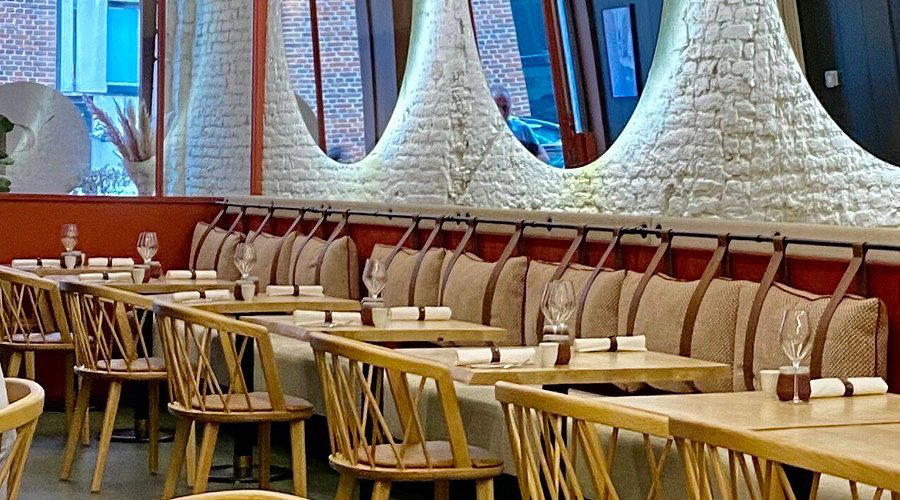

At a Glance
- Cozy
- Rustic
- Lively
- Group Dining
- Casual Hangout
- Celebration
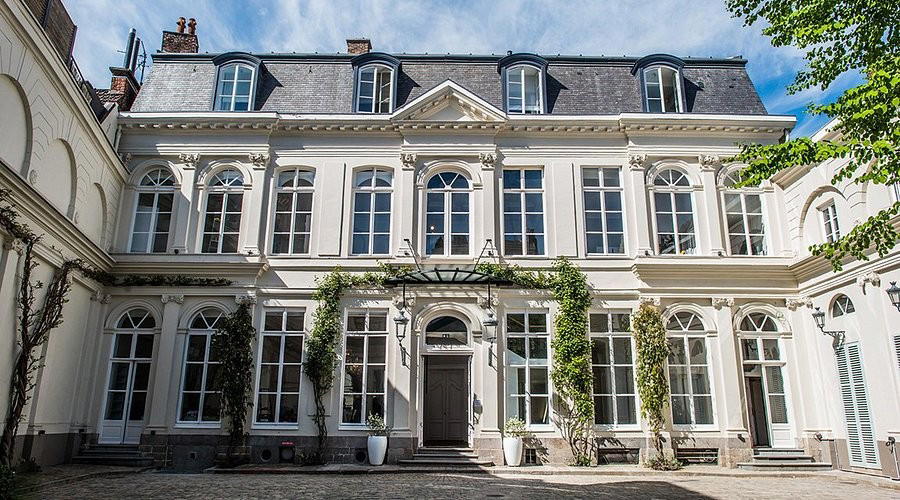
- Courtyard
- Historic Building
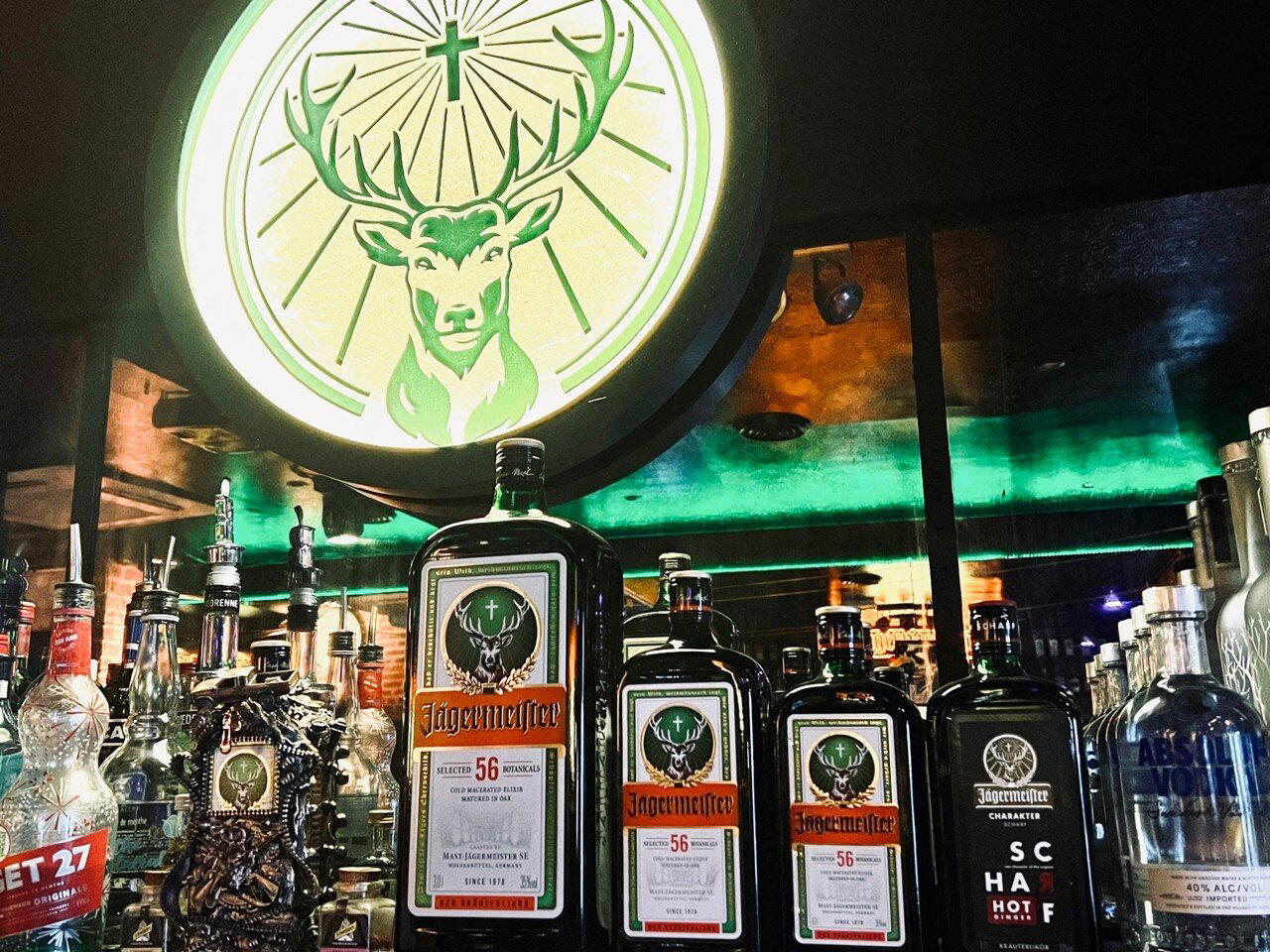
- Beer Program
- Local Sourcing
Current opening hours
- Monday
- 11:30 AM–11:30 PM
- Tuesday
- 11:30 AM–11:30 PM
- Wednesday
- 11:30 AM–11:30 PM
- Thursday
- 11:30 AM–11:30 PM
- Friday
- 11:30 AM–11:30 PM
- Saturday
- 11:30 AM–11:30 PM
- Sunday
- 11:30 AM–11:30 PM
Hours can change for holidays and private events. Last verified .
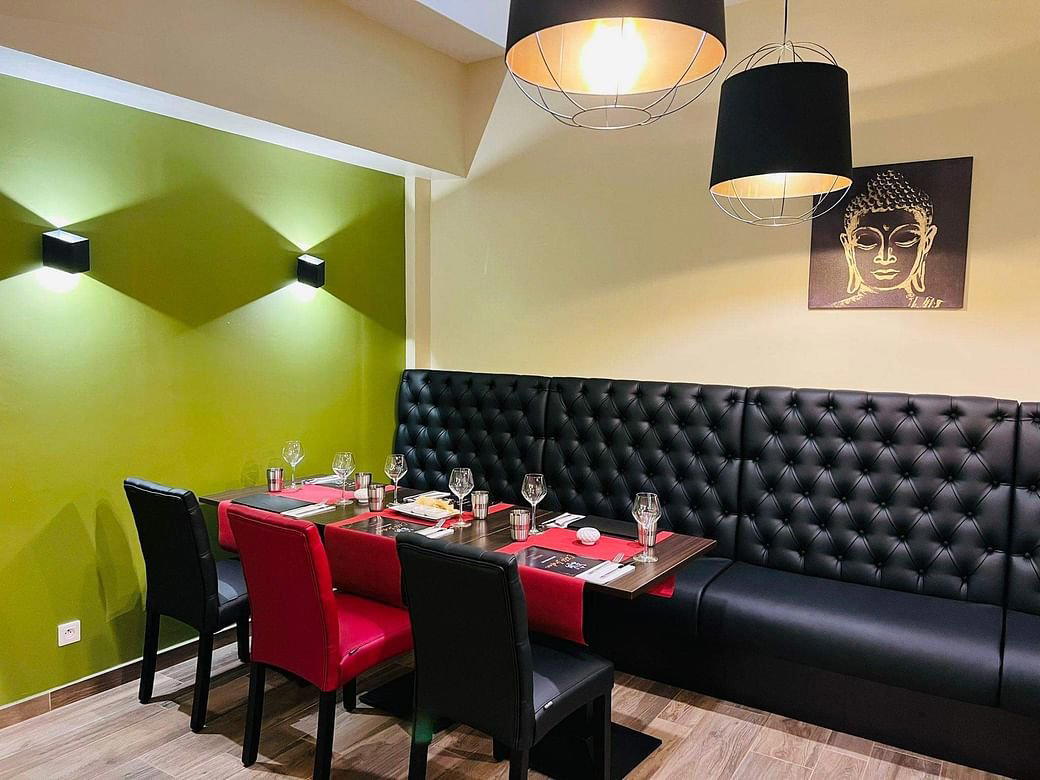
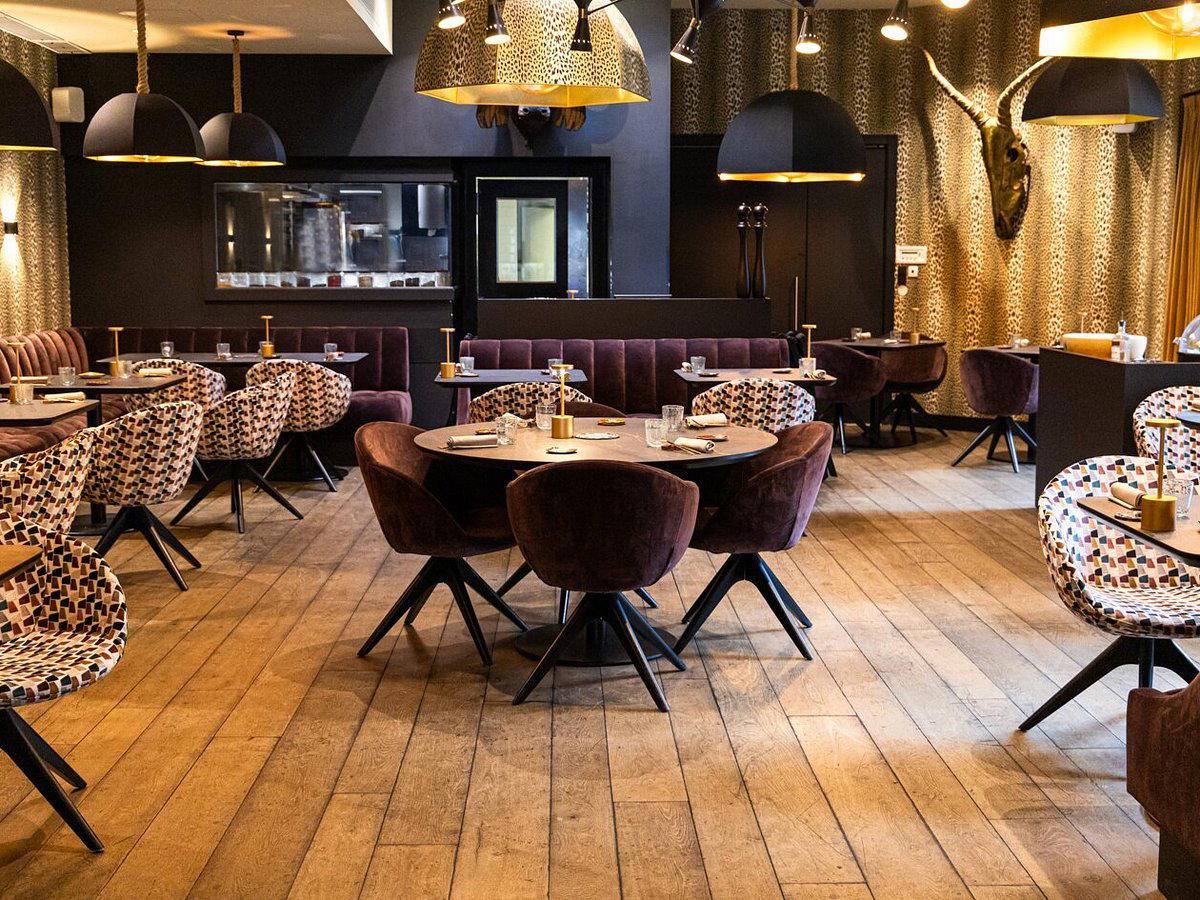
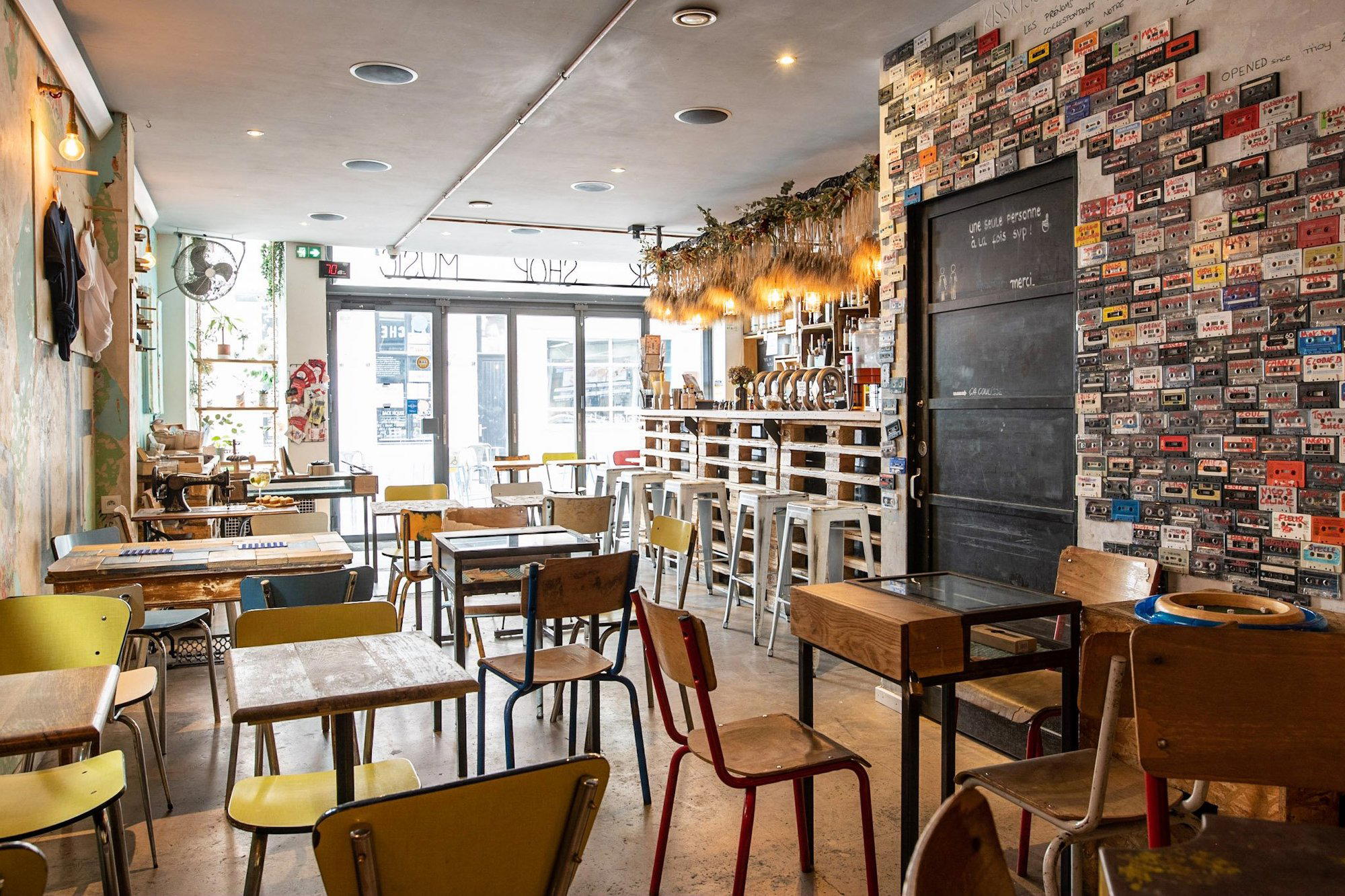
Convivial and warm Flemish estaminet atmosphere in a contemporary setting within a historic building, blending history with lively energy.