Our verdict
On Avenue de la République in Lille, L'Annexe sits within a city that has built a serious modern dining reputation over the past decade. The address places it away from the tourist-heavy Grand Place circuit, closer to a local rhythm that rewards the traveller willing to look past the obvious. For visitors tracing Lille's contemporary restaurant scene, it warrants a place on the itinerary.

Pearl is the En Primeur Club membership app, where members save venues, book tables and use the concierge.
The menu
What to order
- Roasted and smoked lobster with chestnuts
The Avenue de la République Approach
Avenue de la République runs south from Lille's centre through a residential stretch that most visitors never reach. The neighbourhood has none of the Grand Place pageantry: no tourist menus chalked outside, no crowds working through the usual northern French circuit. What it has instead is a density of local regulars who have chosen proximity to their daily lives over postcard positioning. This is the frame for understanding L'Annexe and the broader pattern it represents in Lille's dining geography, where some of the city's more considered restaurants operate at a deliberate remove from the centre.
Lille has quietly assembled one of northern France's more coherent modern restaurant scenes. The city's position, close to the Belgian border and within two hours of Paris by TGR, has historically given it access to both Flemish culinary influence and the gravitational pull of the French capital's kitchen culture. That cross-border tension, between the hearty, ingredient-led traditions of the Nord and the technique-forward energy coming out of Paris, runs through much of what Lille's contemporary dining scene produces. L'Annexe on Avenue de la République is one address where that conversation plays out at a neighbourhood level.
The Ritual of the Meal in Northern France
The customs of a northern French lunch or dinner carry a particular weight that visitors from outside the region sometimes underestimate. In Lille, the meal is not a transaction but a structured event, and restaurants that take this seriously tend to resist the pressures that compress dining into something faster and less considered. The pacing matters: the move from aperitif to first course, the pause between courses, the unhurried presentation of cheese before dessert. These rhythms distinguish a certain type of French provincial restaurant from the more internationally calibrated formats found in Paris or Lyon.
Across Lille's mid-to-upper restaurant tier, this ritual dimension is handled with varying confidence. At the higher end of the city's modern dining circuit, places like La Table - Hôtel Clarance operate at a €€€€ price point that gives the kitchen room to choreograph a full sequence. Ginko sits one tier below at €€€ and handles the ritual with a slightly more compressed format. The question for any neighbourhood restaurant on a residential avenue is how much of that ritual survives when the overhead pressures are different and the clientele is largely local. The answer, in the better cases, is: more than you'd expect.
What distinguishes addresses like L'Annexe from their centrally located peers is the absence of performance anxiety. Restaurants catering primarily to neighbourhood regulars tend to develop a confidence about pacing that tourist-facing rooms sometimes lack. The meal does not need to justify itself with spectacle. It unfolds according to its own internal logic, and experienced diners who know what they are walking into will find that register more satisfying than a more theatrical alternative.
Lille in the Wider French Dining Argument
Understanding L'Annexe requires some sense of where Lille sits in the broader French restaurant hierarchy. France's most decorated tables cluster in Paris, in Lyon, and along specific provincial corridors. Alléno Paris au Pavillon Ledoyen, Mirazur in Menton, Troisgros in Ouches, and Bras in Laguiole represent a tier where decades of recognition have cemented a specific kind of gravity. Alsace has Auberge de l'Ill and Au Crocodile in Strasbourg. Champagne has Assiette Champenoise in Reims. The Nord, by contrast, has historically been underrepresented in the formal award structures that drive international dining tourism.
That relative absence cuts two ways. It means Lille's dining scene has developed with less external pressure to perform for a global audience, and it means the city's restaurants are, on average, pricing against a local rather than international reference. For travellers arriving from cities where a comparable meal would cost significantly more, that calibration is part of the appeal. It also means the scene is less legible from outside, which rewards the traveller who does the work. Beyond L'Annexe, the circuit worth tracing in Lille includes Pureté for its modern approach, Au Soyeux, and Au Vieux de la Vieille for a more traditional northern French register. The full Lille restaurants guide maps this more completely.
For international points of comparison, the restaurant cities that most closely parallel Lille's dynamic, a serious local scene with modest international profile and strong value relative to its quality tier, include cities where neighbourhood restaurants punch significantly above their marketing budgets. In New York, the contrast between a room like Le Bernardin and the more quietly credentialed neighbourhood formats is a useful analogy. Atomix in New York demonstrates how a format built around ritual pacing and structured courses can operate at high seriousness without the full institutional machinery of a legacy grand restaurant.
Planning a Visit
L'Annexe sits at 613 Avenue de la République, in the southern residential stretch of the city. Getting there from Lille's centre takes ten to fifteen minutes on foot or a short metro ride. Because the restaurant draws from a local regular base rather than a transient tourist pool, booking ahead is advisable, particularly for weekend evenings when neighbourhood demand tends to concentrate. The absence of published booking information in the usual aggregator channels suggests that direct contact, either by phone or by approaching the restaurant in person, is the route most likely to secure a table. Arriving without a reservation on a quiet weekday lunch service is lower risk, but not guaranteed.
Visitors building a multi-day Lille itinerary would do well to position L'Annexe as a lunch anchor, leaving evening slots for the higher-profile addresses that carry the city's external reputation. The neighbourhood itself is worth the detour on its own terms: Avenue de la République at this point in its run is a working residential artery with none of the renovation-for-tourism sheen of the historic centre, and the transition from Vieux-Lille's preserved architecture to this more everyday urban fabric is a useful reminder that Lille is, before anything else, a working northern French city.
Frequently asked questions
Where exactly is L'Annexe?
L'Annexe is located at 613 Av. de la République, 59800 Lille, France, Lille.
Is L'Annexe suitable for a long lunch in the northern French tradition?
L'Annexe's address at 613 Avenue de la République places it squarely in a residential part of Lille where the rhythm of eating still follows the older French pattern: lunch as an event rather than a convenience. Northern France maintains some of the country's more conservative dining customs around the midday meal, and a restaurant in this neighbourhood typically reflects that. Confirming lunch service hours directly with the venue is essential before planning around it.
What do regulars order at L'Annexe?
Regulars in this part of Lille tend to orient around whatever the day's market allows. Arriving without strong expectations about specific dishes is the practical approach here.
How far ahead should I plan for L'Annexe?
No booking data is confirmed in the available record for L'Annexe at 613 Avenue de la République. That said, residential-quarter restaurants in Lille that draw a loyal local following often fill Thursday through Saturday evenings with little notice available online. Contacting the venue directly is advisable, particularly for weekend lunch sittings when northern French dining traditions put tables at a premium.
What's the defining dish or idea at L'Annexe?
Sitting in Lille's southern residential corridor on Avenue de la République, away from the tourist circuit around Grand-Place, the restaurant positions itself as a neighbourhood table for the city rather than a destination for visitors. That orientation, cooking for a local room in a French city with a serious food culture, shapes everything about how a meal there functions.
What It’s Closest To
Comparable venues nearby, for context on price, style, and recognition.
| Venue | Cuisine | Price | Notes |
|---|---|---|---|
| L'AnnexeThis venue (the venue you are viewing) | Modern French Bistronomique | $30–50 | Not listed |
| Le Barbue d'Anvers | Traditional Northern French Estaminet | $30–50 | Vieux Lille 4 |
| Les Oiseaux | Modern French Bistro | $30–50 | Lille Centre 1 |
| Au Soyeux | Traditional Northern French Bistro | $30–50 | Vieux Lille 2 |
| Bouillon De La Paix | Traditional French Brasserie | $30–50 | Lille Centre 9 |
| Ch'tite Brigitte | Northern French Estaminet | $20–30 | Vieux Lille 4 |
Continue exploring
More in Lille
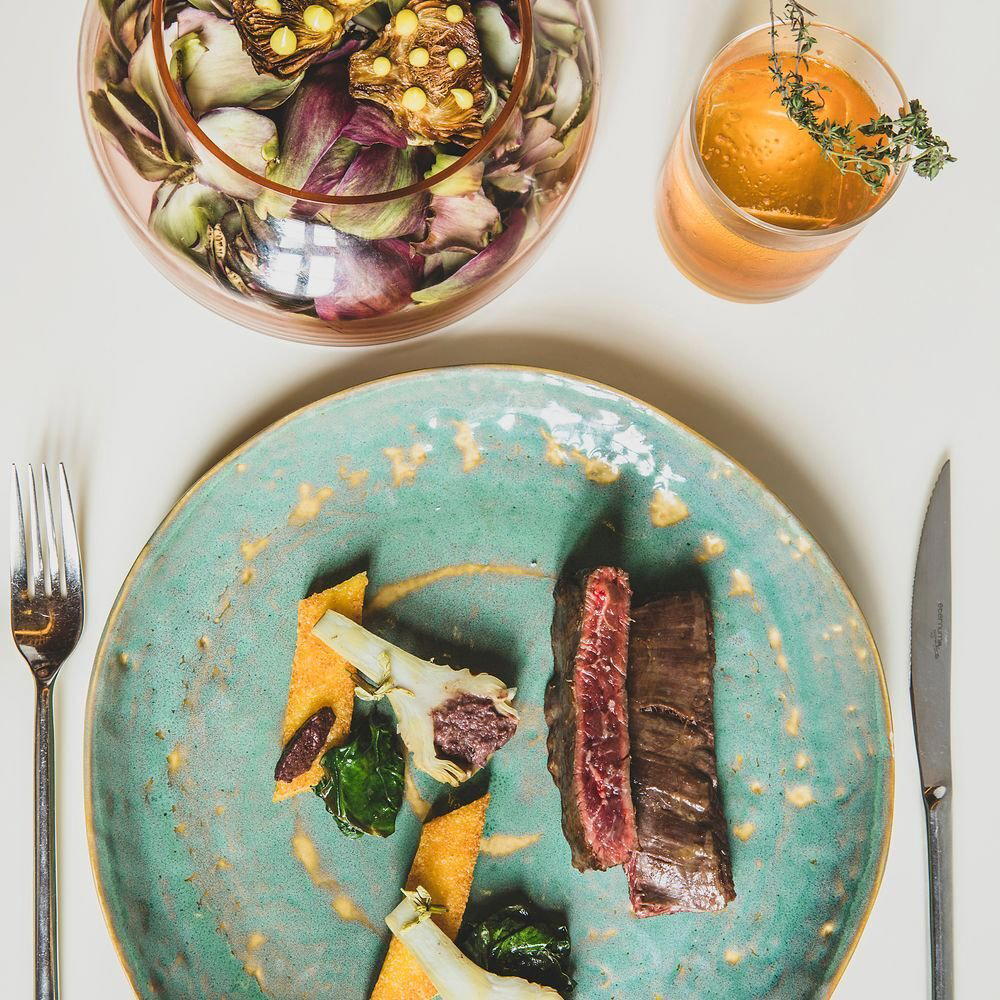
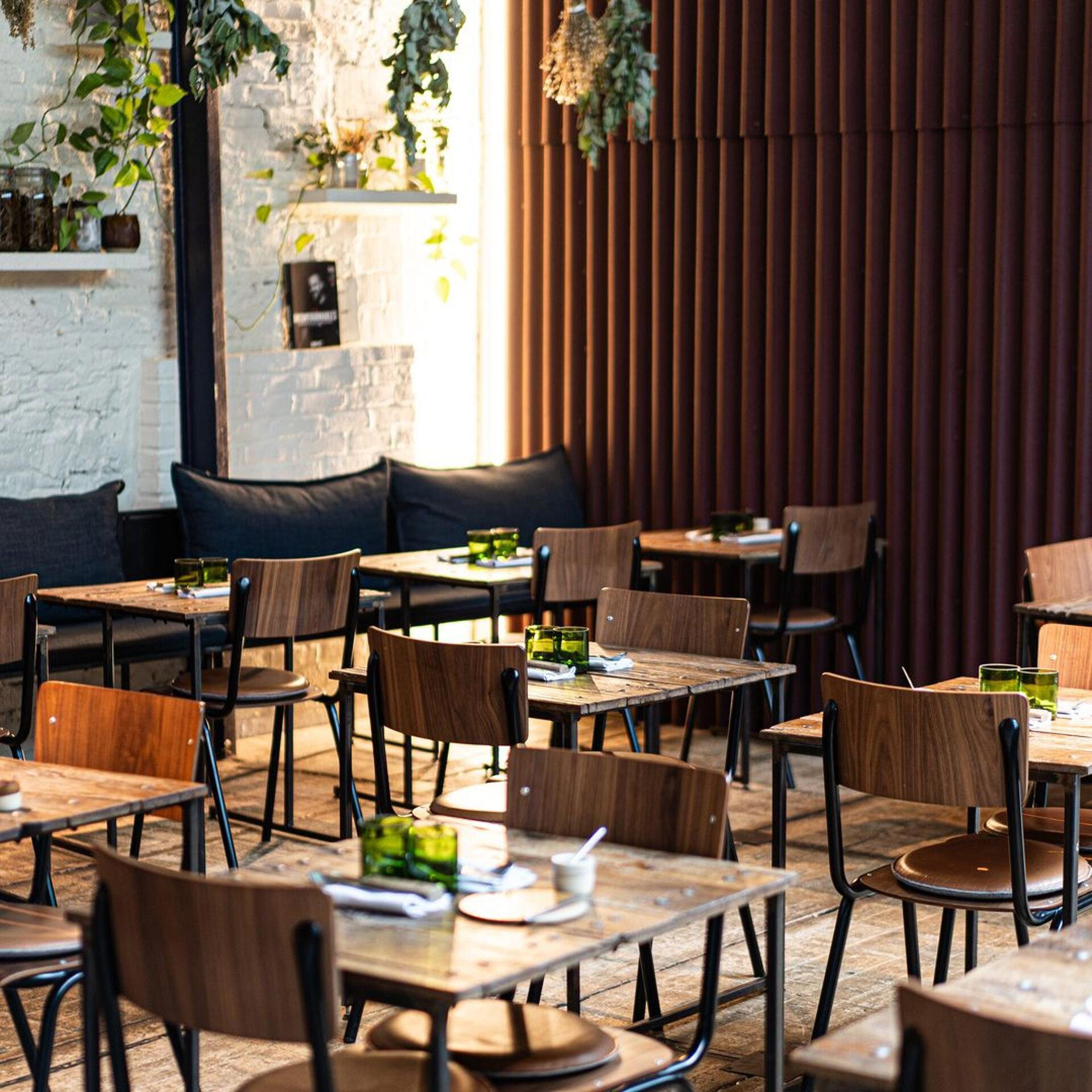
Restaurants in Lille
All restaurants in Lille →
Bars in Lille
All bars in Lille →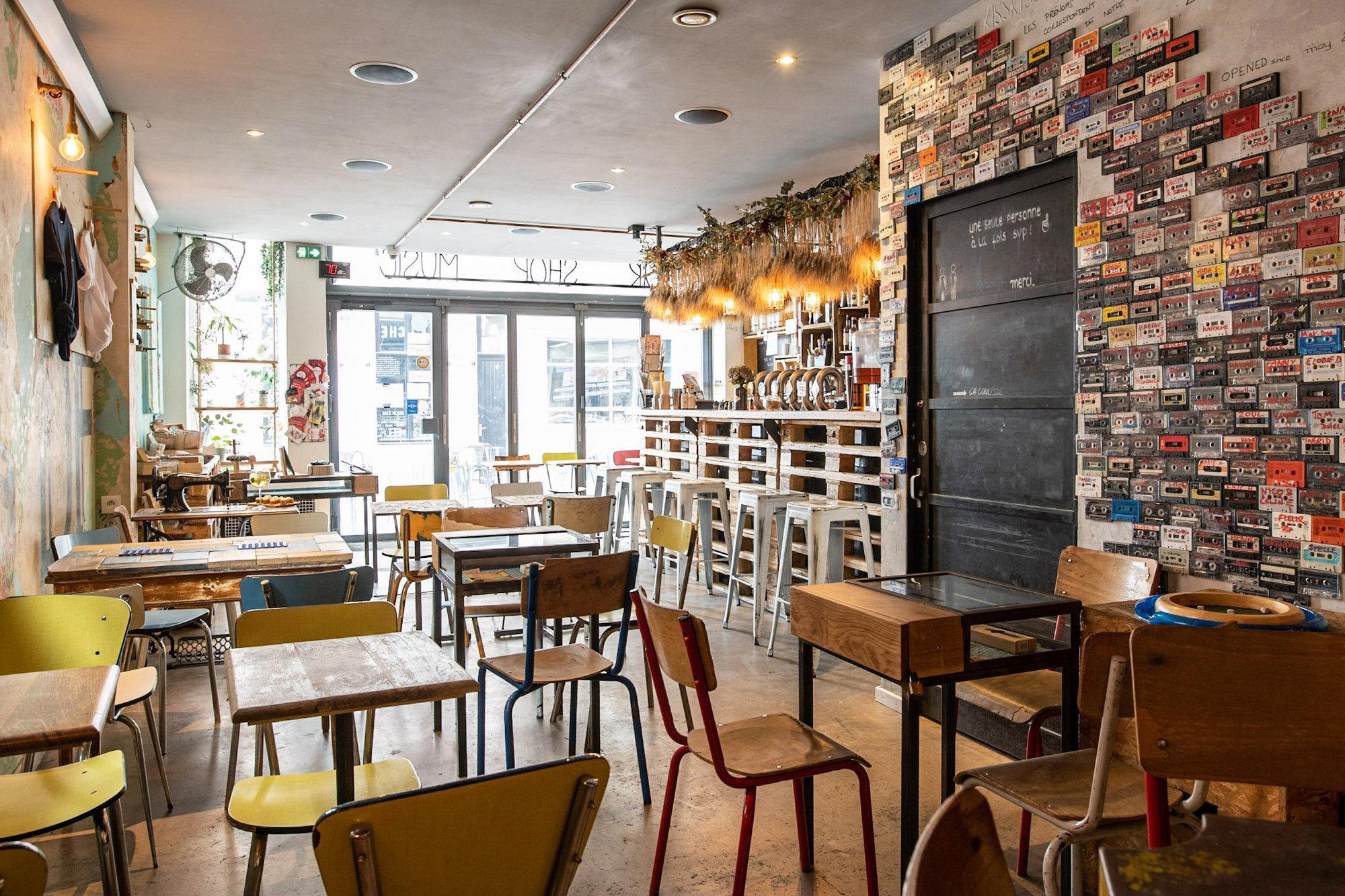
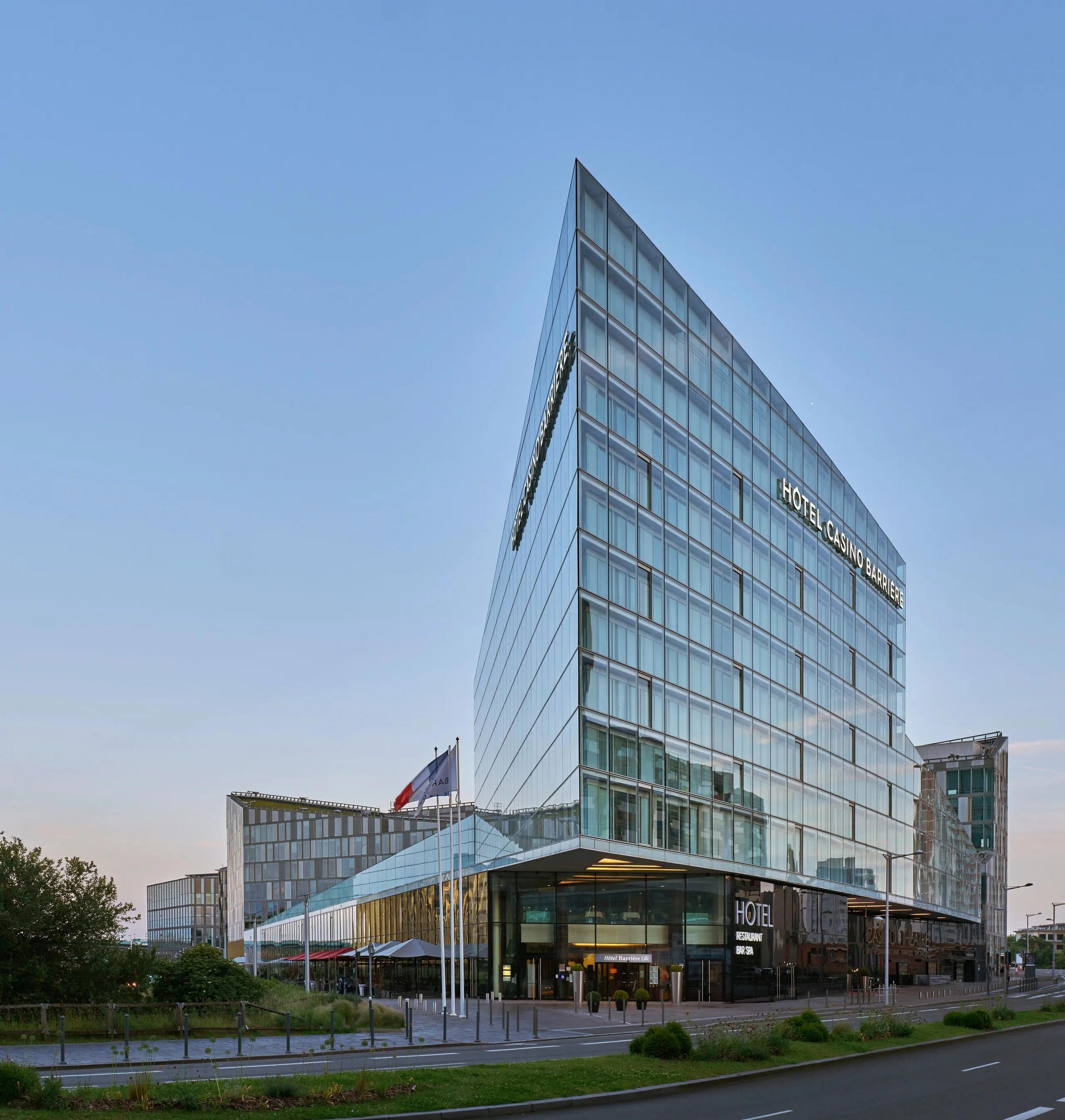
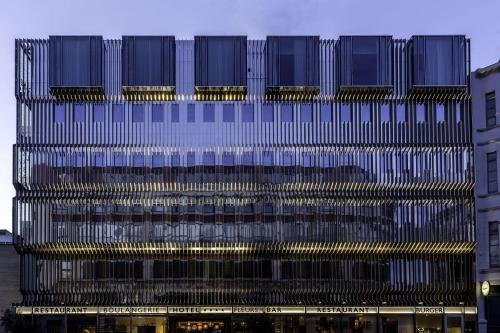
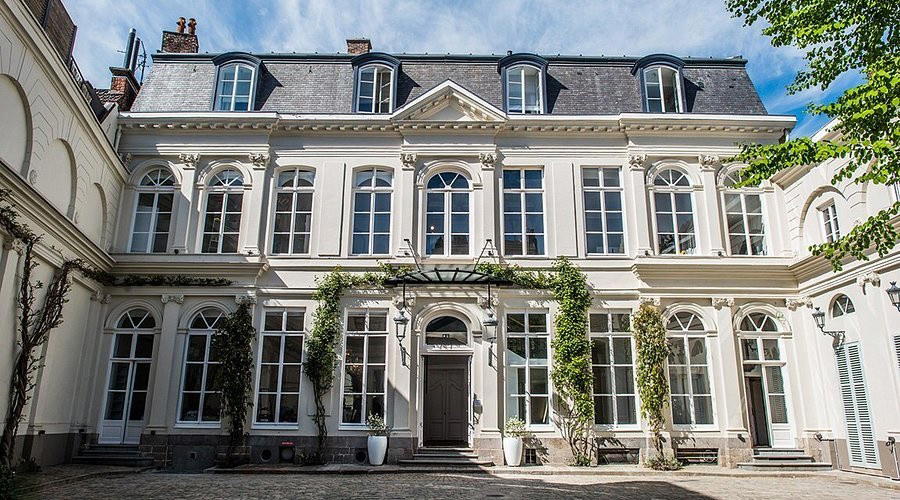
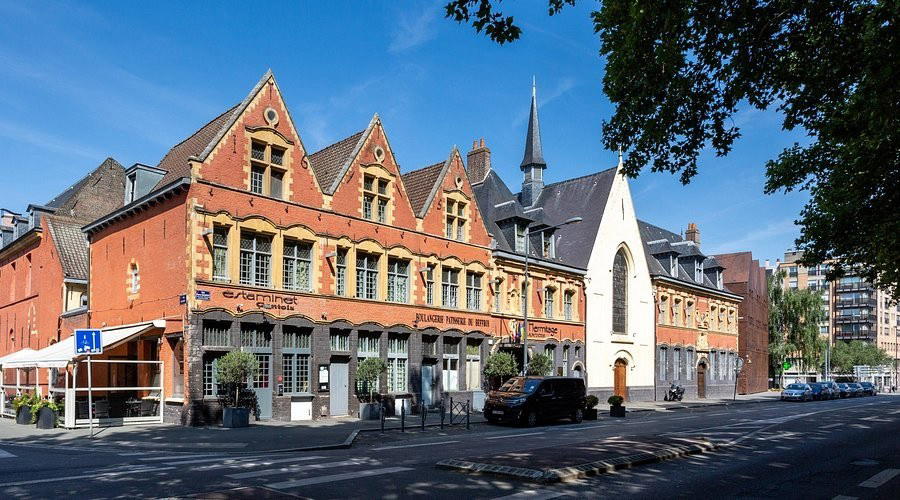
Hotels in Lille
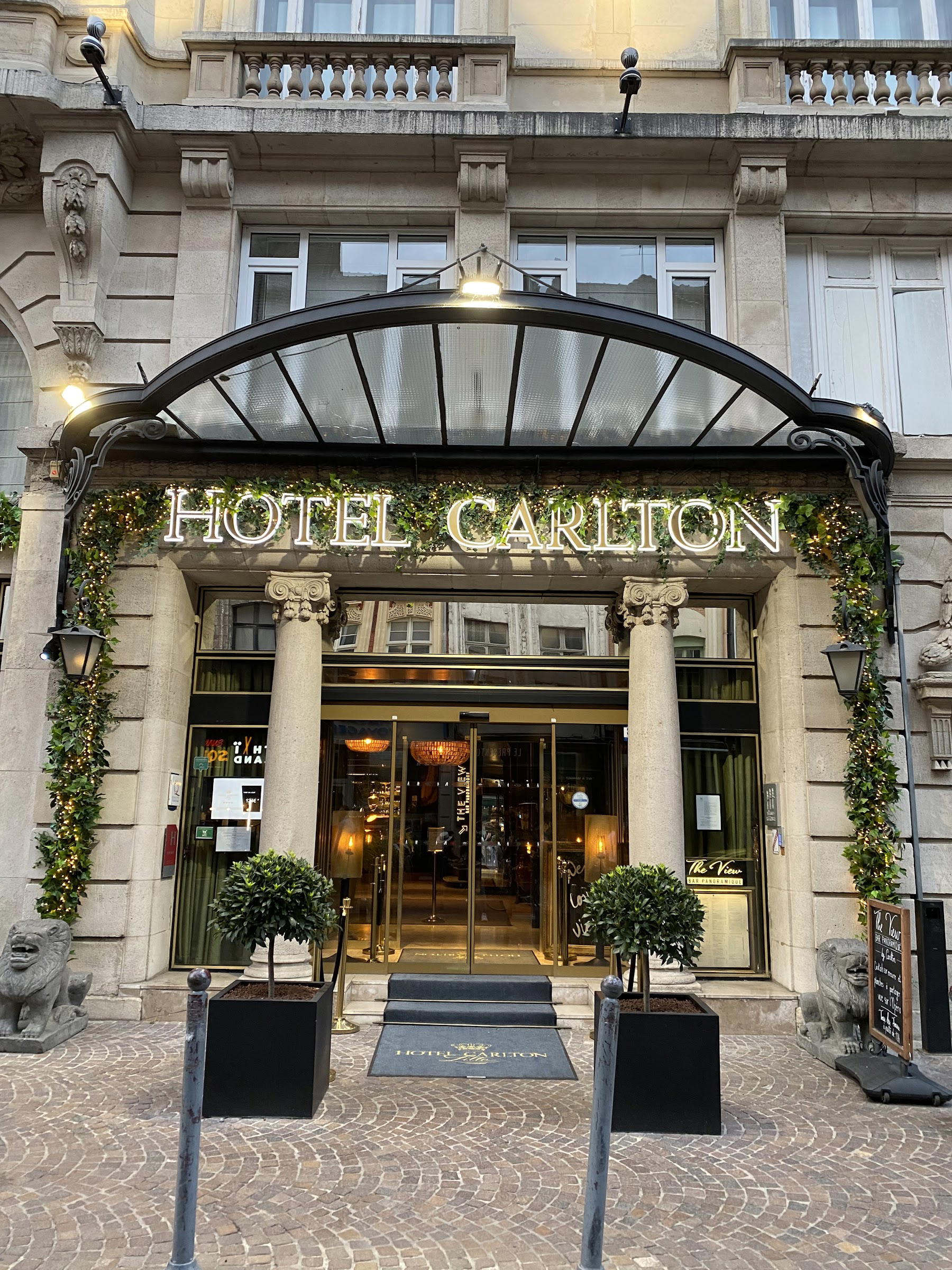
All hotels in Lille →
Wineries in Lille
Browse all →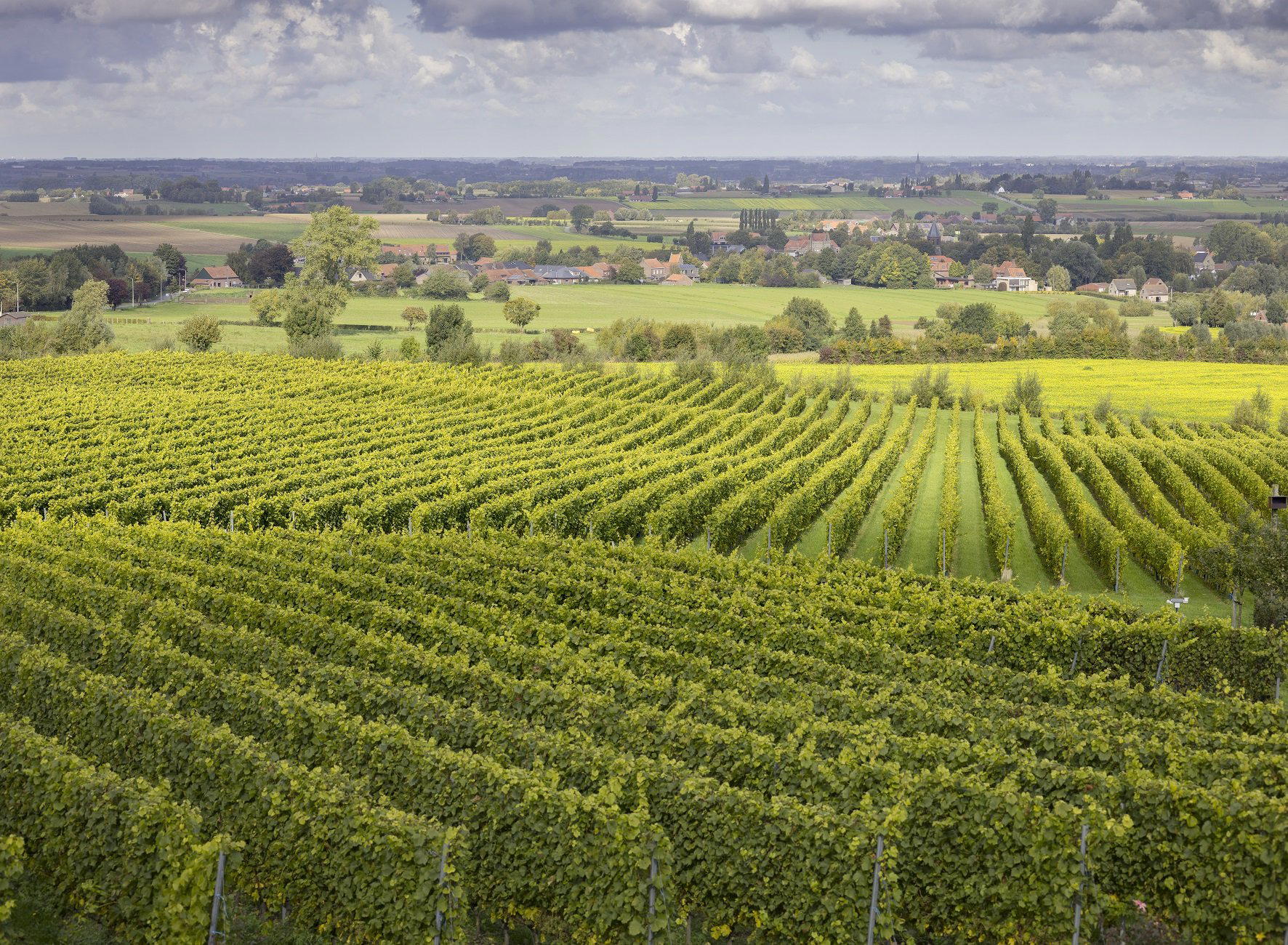
Details
- Intimate
- Cozy
- Modern
- Industrial
- Date Night
- Family
- Casual Hangout
- Special Occasion
- Open Kitchen
- Extensive Wine List
- Local Sourcing
- A La Carte
- Tasting Menu
- Vegetarian Friendly
- Gluten Free Options
Current opening hours
- Monday
- Closed
- Tuesday
- 12–1:30 PM, 7:30–9:30 PM
- Wednesday
- 12–1:30 PM, 7:30–9:30 PM
- Thursday
- 12–1:30 PM, 7:30–9:30 PM
- Friday
- 12–1:30 PM, 7:30–9:30 PM
- Saturday
- 12–1:30 PM, 7:30–9:30 PM
- Sunday
- Closed
Hours can change for holidays and private events. Hours as of .
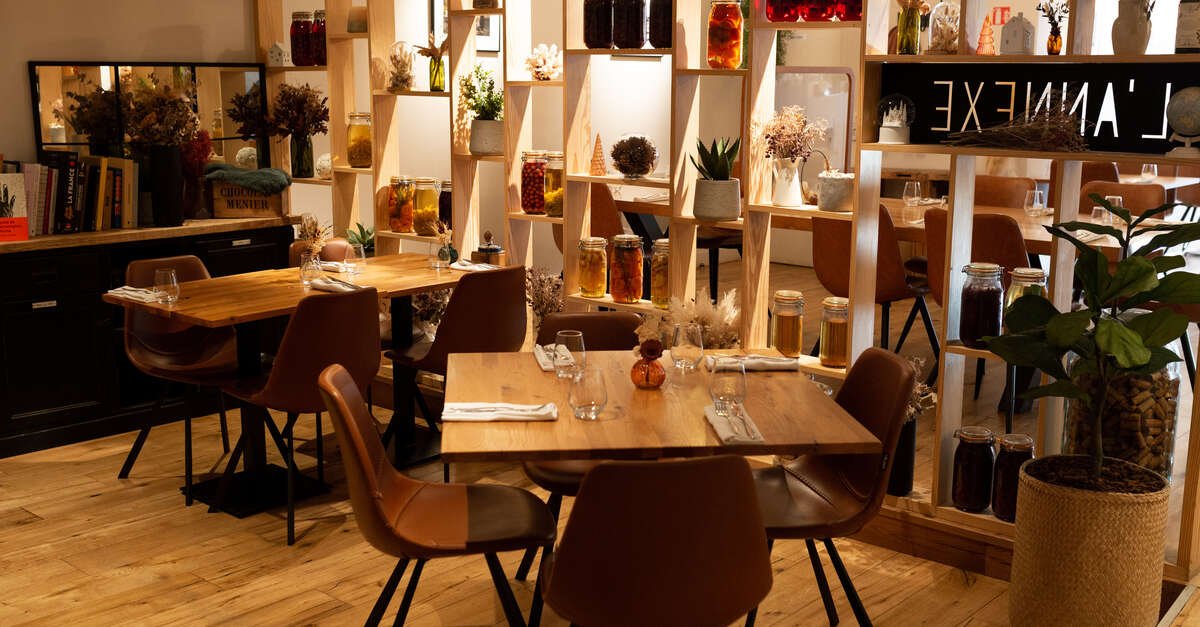
Minimalist and trendy with a mix of raw and industrial materials, warm and convivial atmosphere focused on sharing and quality produce.